
Garage door guides for Shelton homeowners
Straight answers on springs, openers, noises, and when a door is worth fixing.
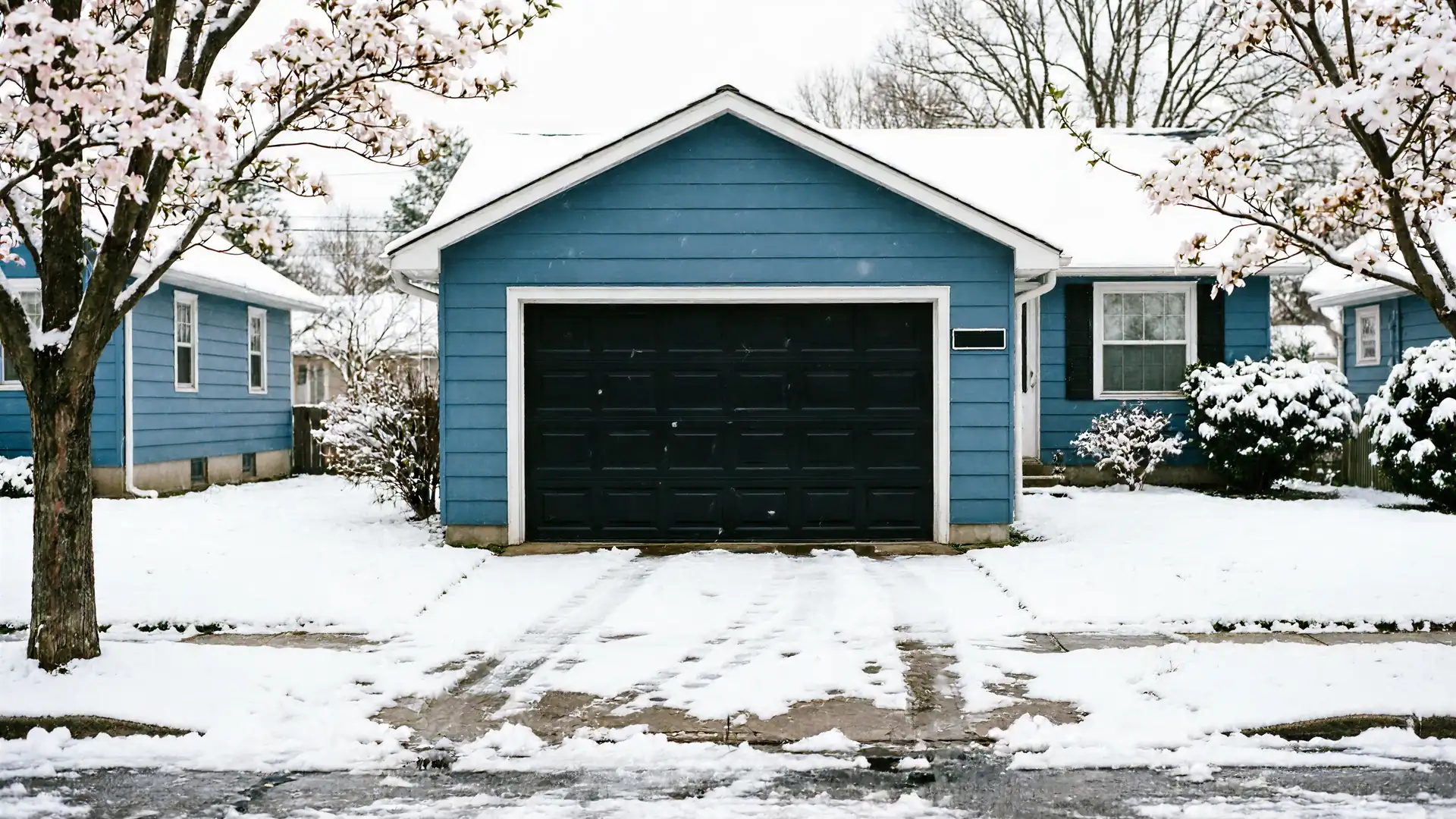
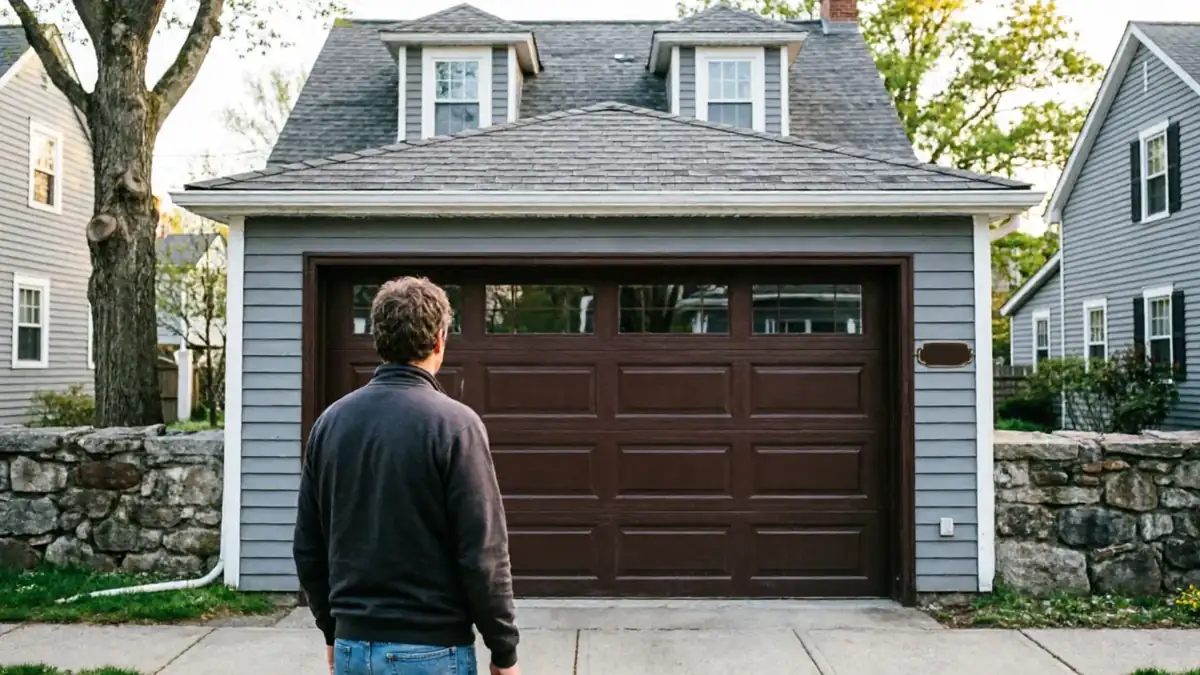
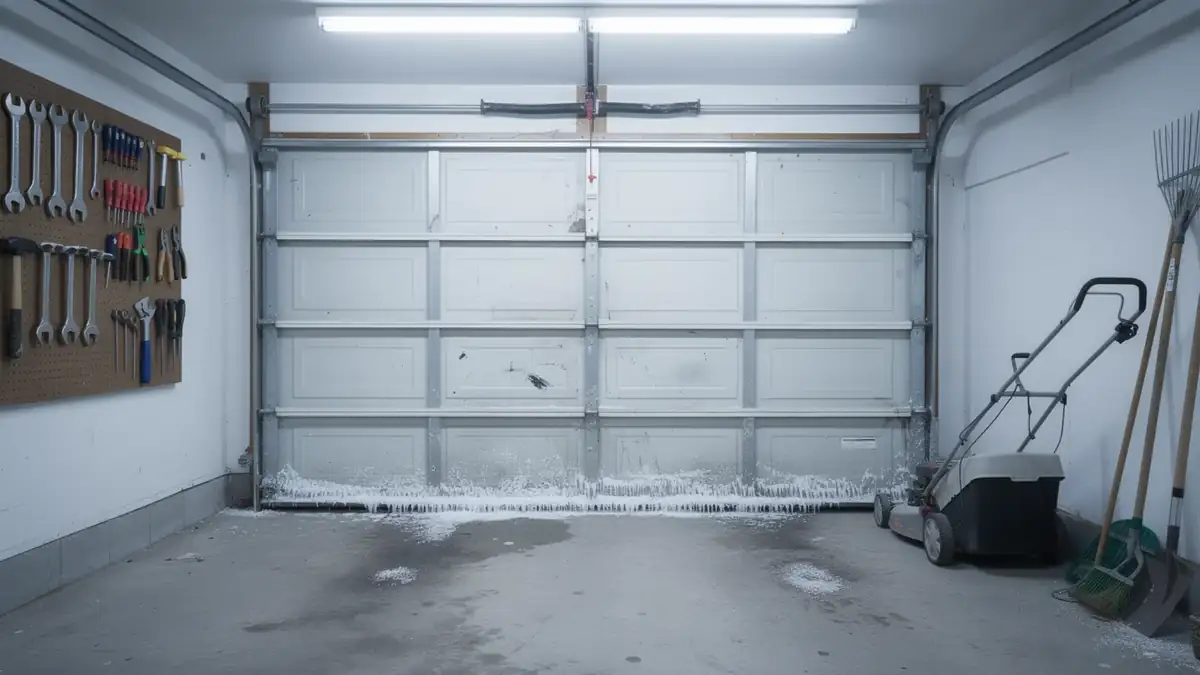
Shelton's Garage Doors Are Older Than You Think
Shelton homes date mostly from 1952 to 2013, with many torsion-spring doors from the 1960s and 70s. We fix what cold winters do to aging garage door hardware.
Learn more →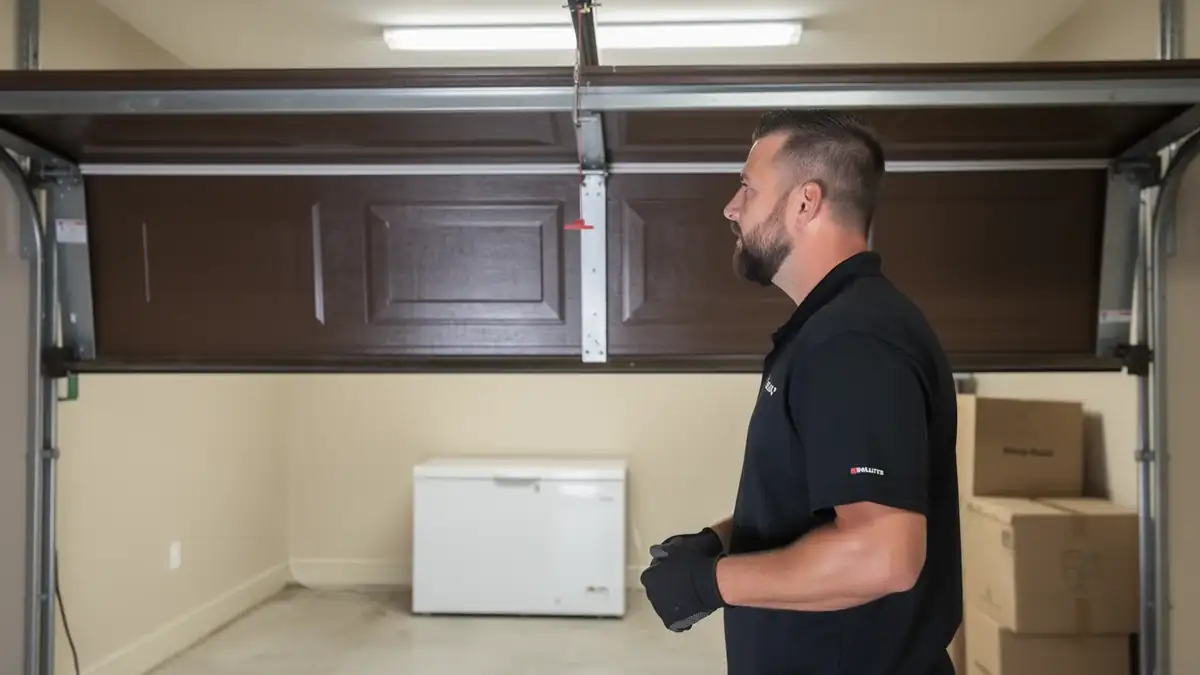
The Noises Your Shelton Garage Door Is Trying to Tell You About
Shelton homes built mostly in the 1960s and 70s make specific noises as original hardware ages in our cold climate. Here's what each sound tells you.
Learn more →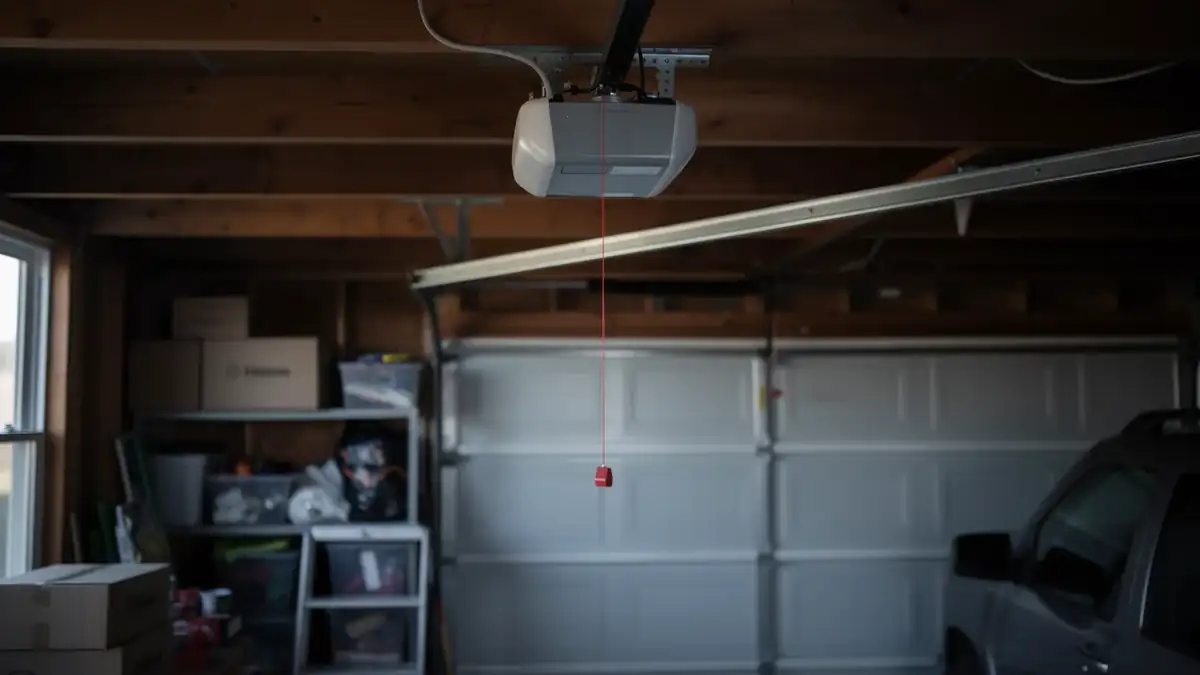
Openers and Power Cuts: What Shelton Homeowners Are Actually Dealing With
Shelton's 1960s-70s housing stock and cold-severe winters put real strain on original garage door openers. Here's what fails, why, and when to call it.
Learn more →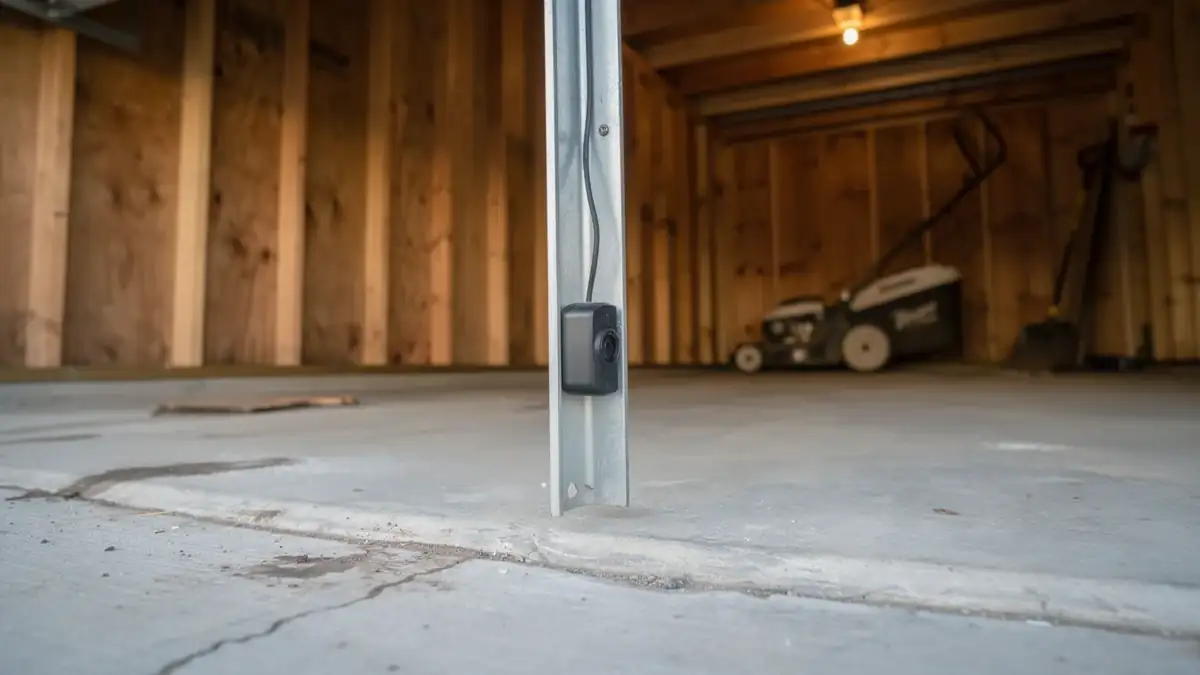
Why Garage Door Safety Sensors Drift in Shelton Homes
Shelton homes built mostly in the 1960s and 70s fight slab heave and cold-driven bracket drift. Here's why your garage door sensors stop lining up and when to call it.
Learn more →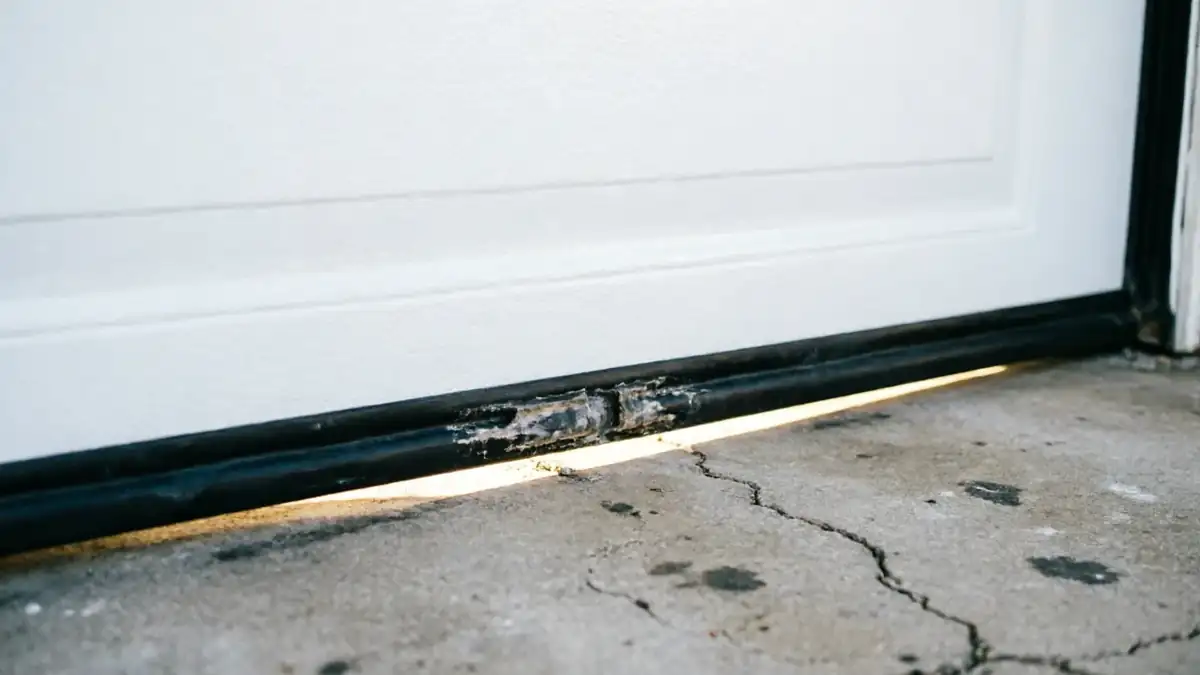
Draughts and Weather Seals: Garage Doors in Shelton, CT
Shelton homes built between 1952 and 2013 carry older seals that shrink in cold-severe winters. Here's why draughts show up and when a seal swap isn't enough.
Learn more →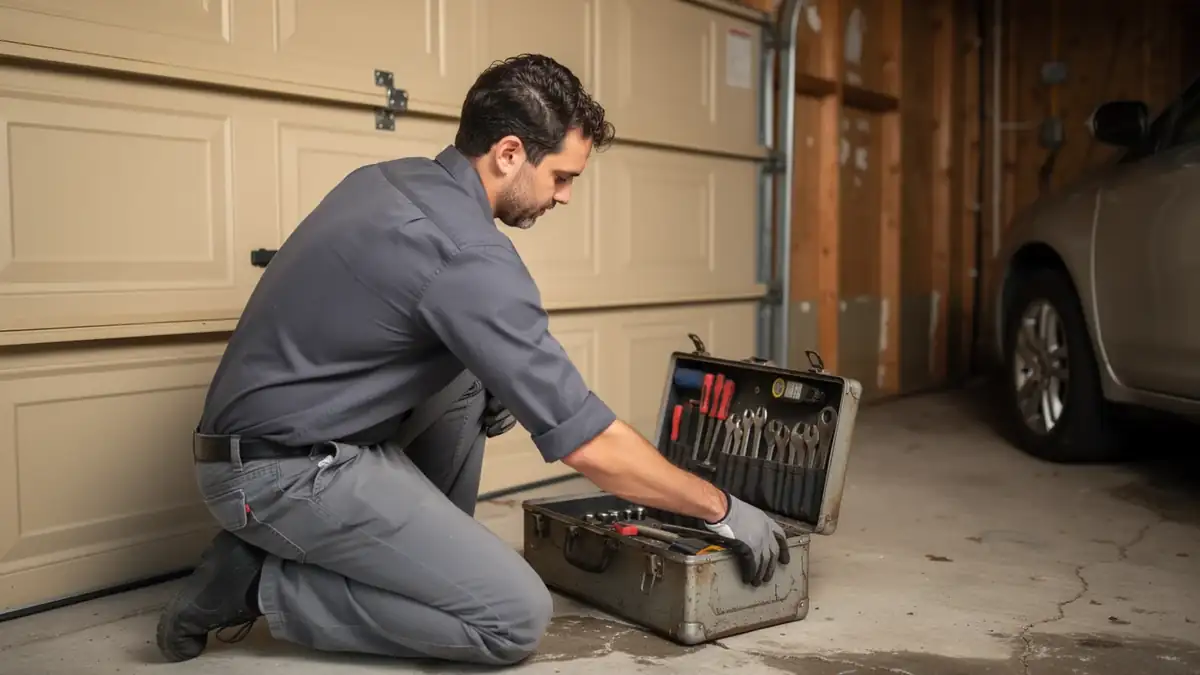
What a Service Call Actually Covers in Shelton
In Shelton, CT, most homes date to the 1960s-70s and sit in a cold climate zone - here's what a garage door service call actually checks, fixes, and skips.
Learn more →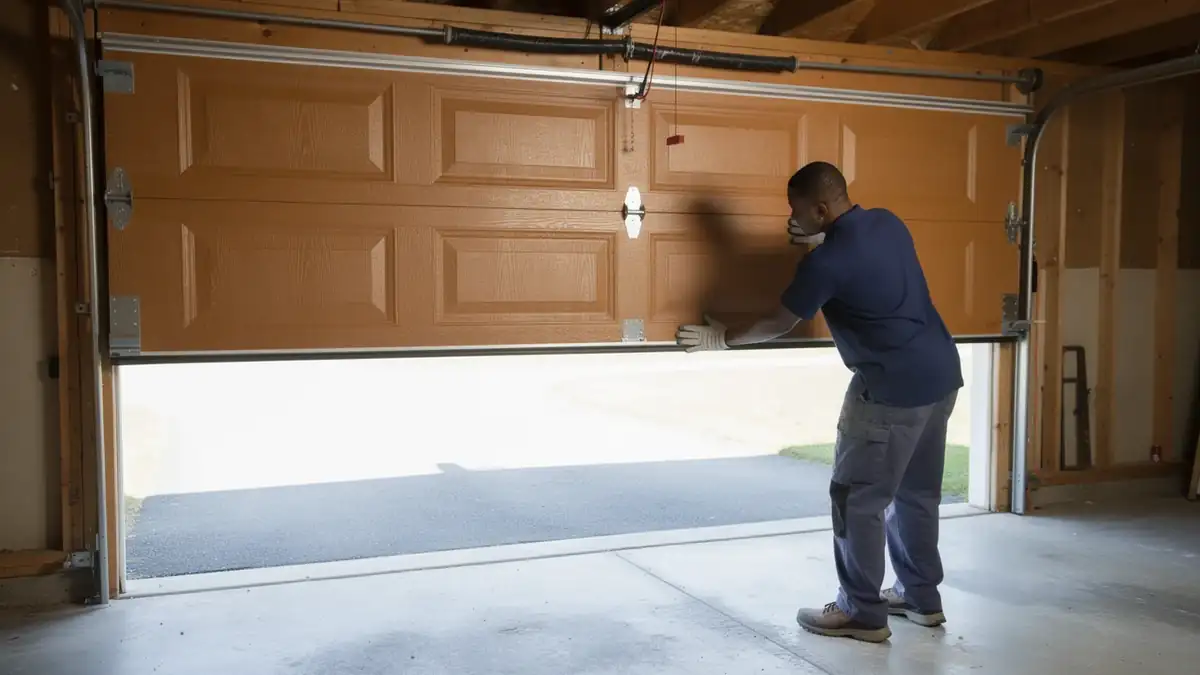
What We Check First on a Shelton Service Call
Shelton's housing runs 1952 to 2013 with a 1972 median, in a cold-severe climate band. Here's what a technician checks first, and why DIY fails on older hardware.
Learn more →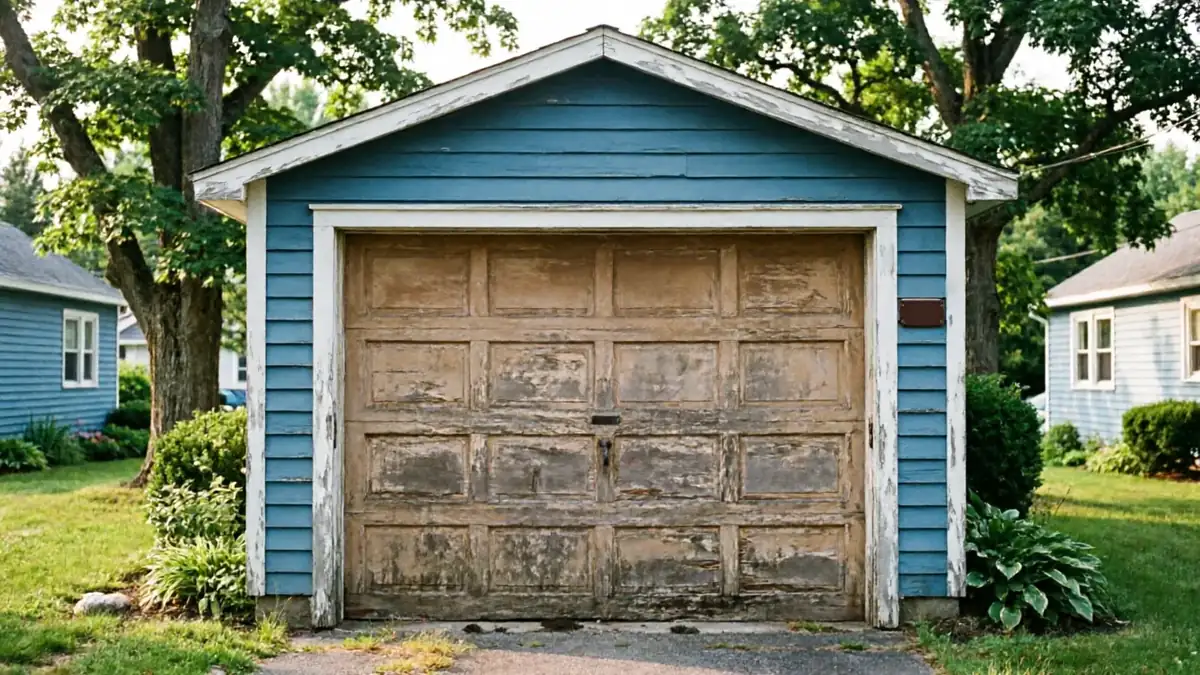
Is Your Shelton Garage Door Worth Repairing, or Has It Had Its Run
Shelton homes mostly date to the 1960s-70s, built for a milder era than our winters now bring. Here's how to tell if your door's original hardware is worth repairing.
Learn more →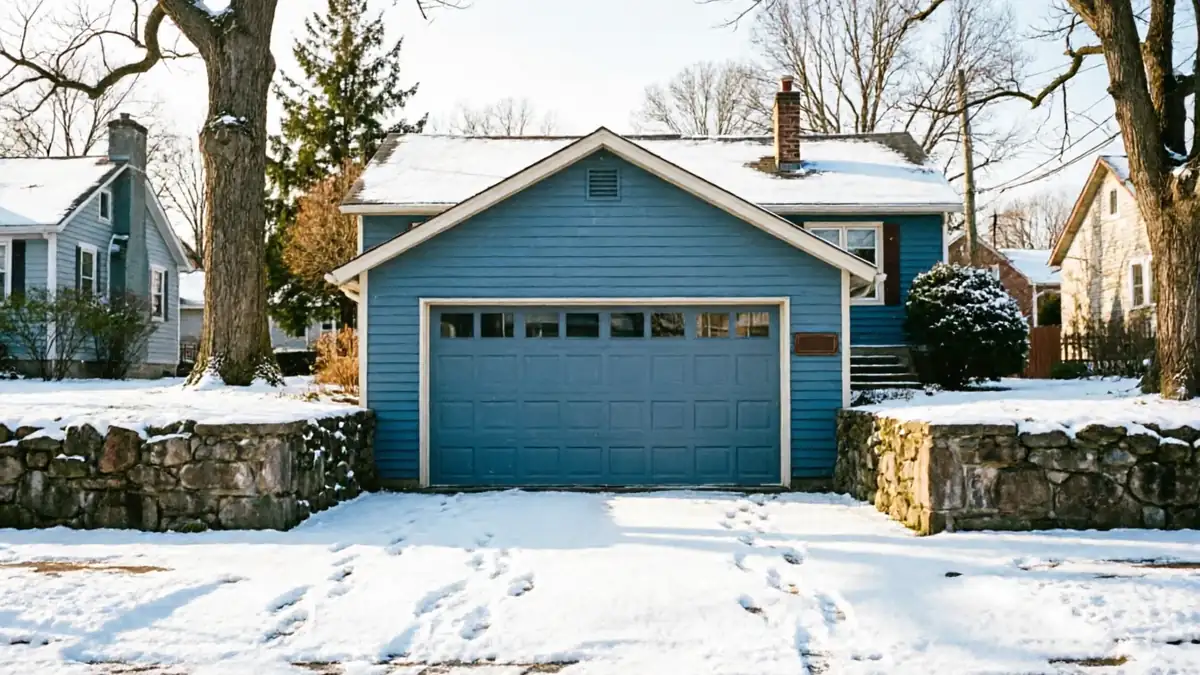
Why Cold Snaps Break Garage Door Springs in Shelton Houses
Shelton homes built mostly 1952-2013 face COLD severe winters that snap aging torsion springs. Here's why this town's housing stock makes cold-weather breaks so common.
Learn more →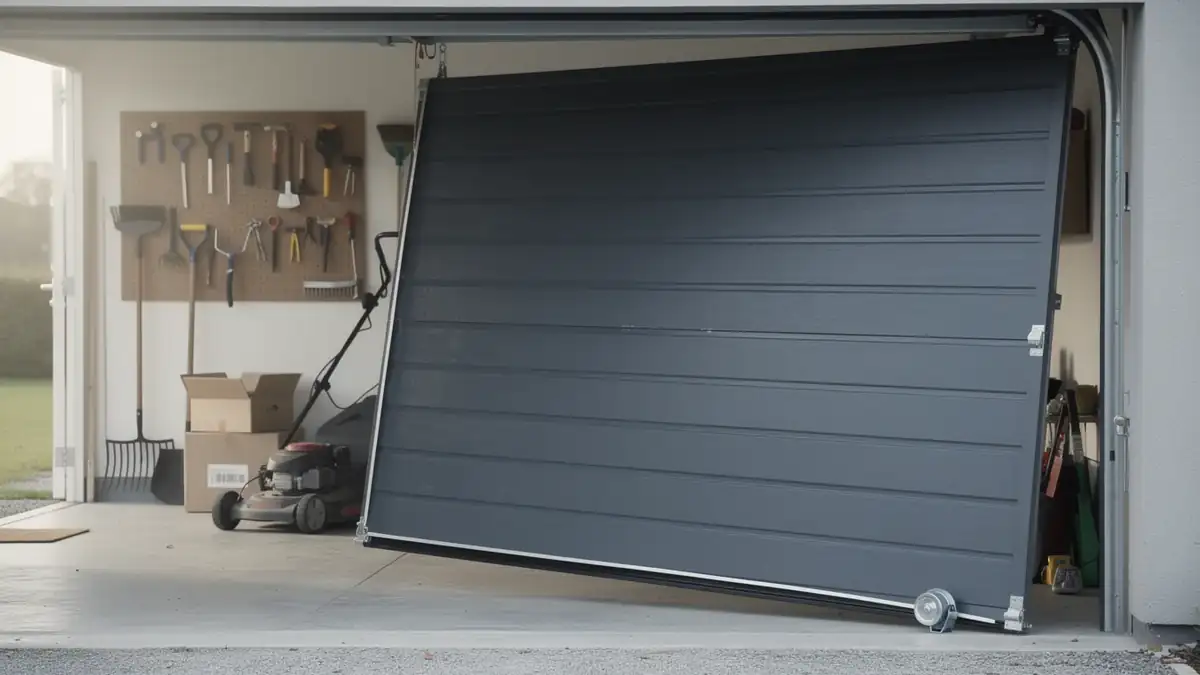
Why a Door Goes Off Track in Shelton
Shelton's 1960s-70s housing stock and severe cold winters are a specific recipe for off-track garage doors. Here's what causes it and when to call a pro.
Learn more →Serving Shelton & nearby
Local garage door service across 5 Shelton-area neighborhoods and communities - is your street on the list?
Shelton-area neighborhoods & nearby communities we cover
Nearby communities
Garage Door Services
Repair and installation work for Shelton homes and businesses.
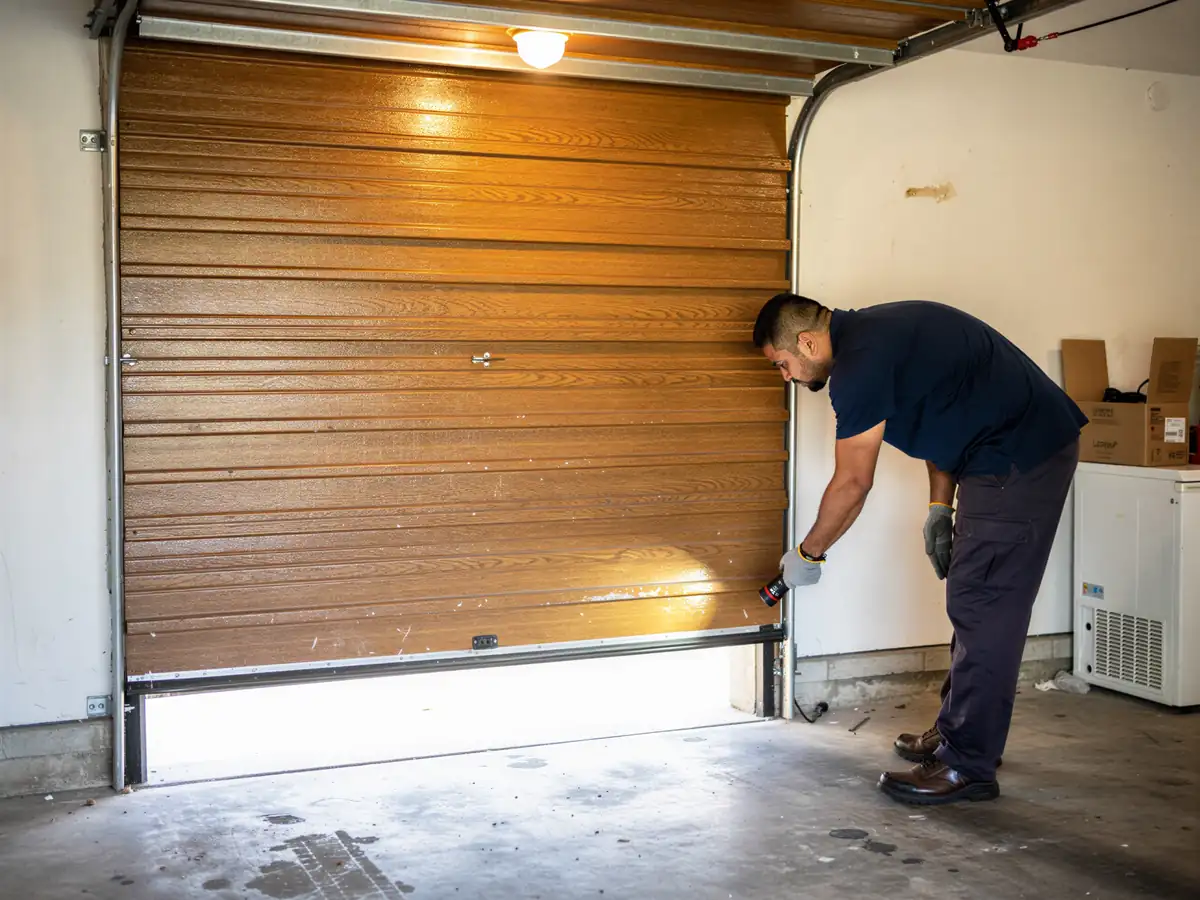
Garage Door Repair
Garage door repair in Shelton, CT for homes built 1952-2013, where cold winters and original torsion hardware wear out springs and openers faster than newer builds.
Learn more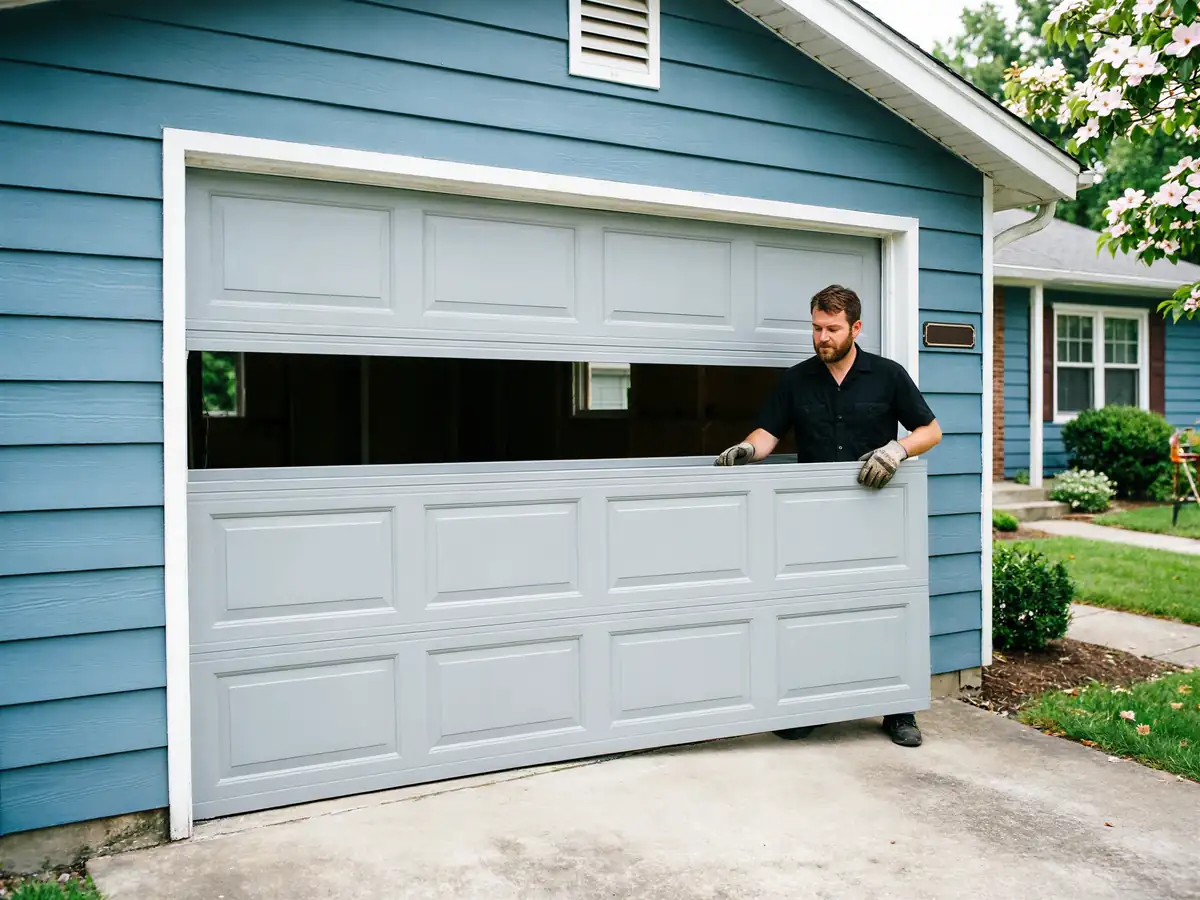
Garage Door Installation
New garage door installation in Shelton, CT - sized for homes built between 1952 and 2013, and rated for Connecticut's severe cold winters, not a generic fit.
Learn more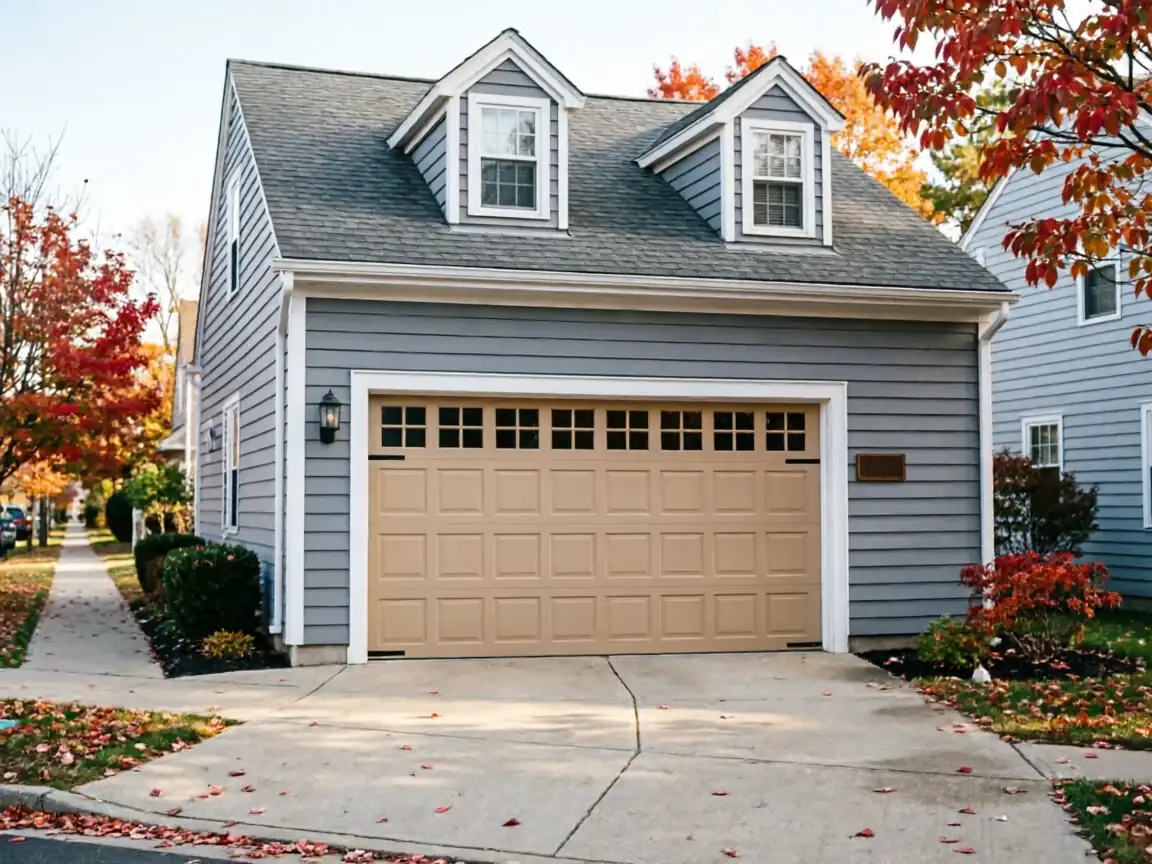
Garage Door Service
Garage door sticking or slow to close in Shelton? See why 1960s-70s builds and cold winters push springs and openers to fail here, and what to check first.
Learn more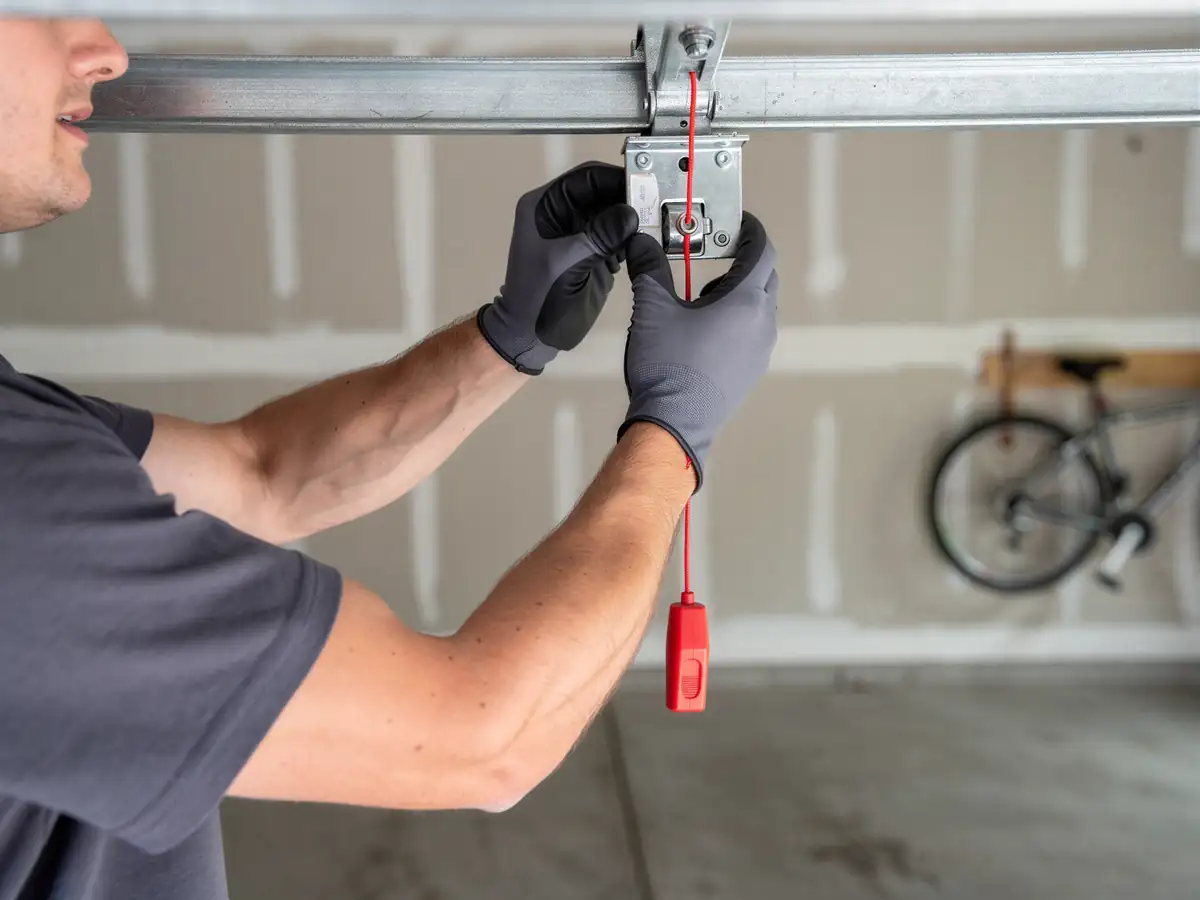
Opener Repair
Opener trouble in Shelton often traces back to 1960s-70s wiring and circuit boards meeting hard winters. Local diagnosis and repair for homes across the area.
Learn more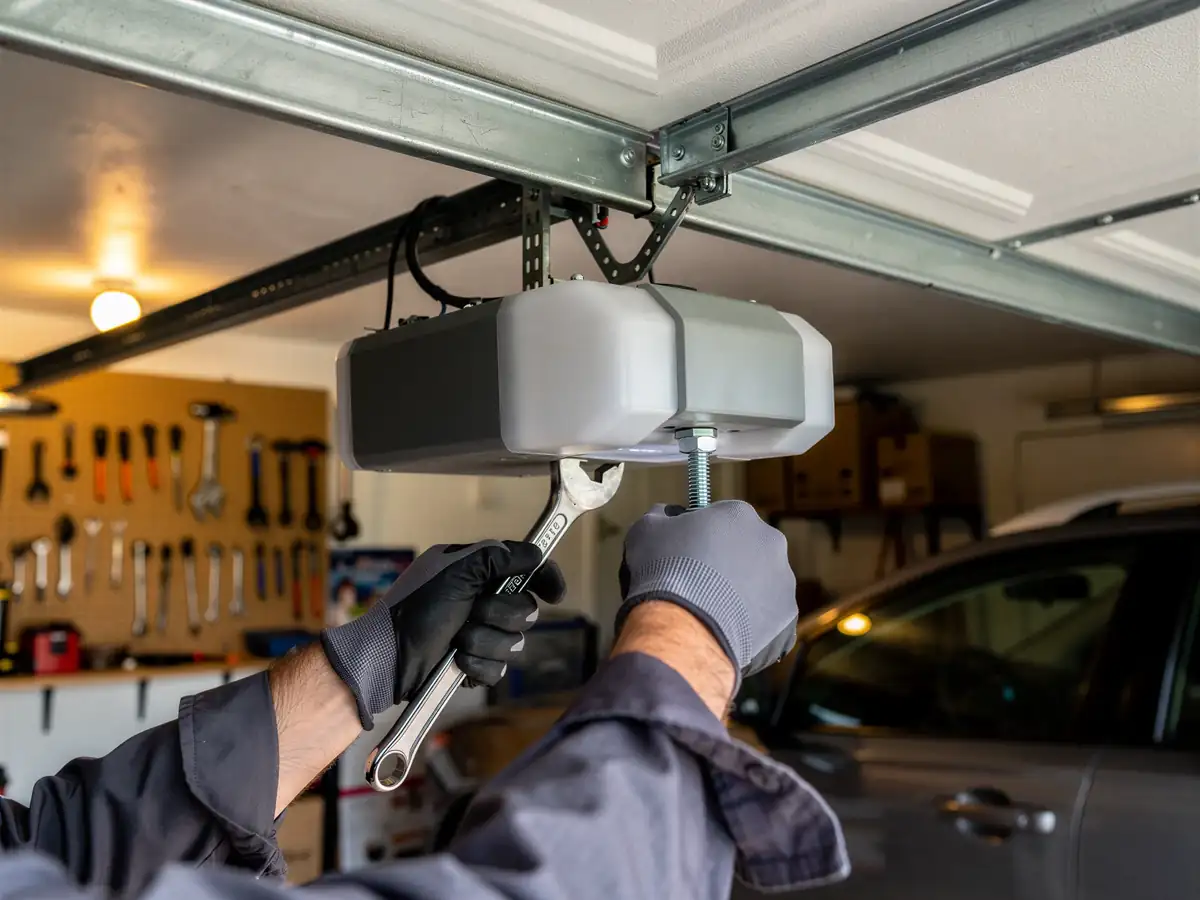
Opener Installation
New opener install for Shelton homes built 1952-2013, matched to cold-climate loads and original hardware. Service across the greater Shelton area.
Learn more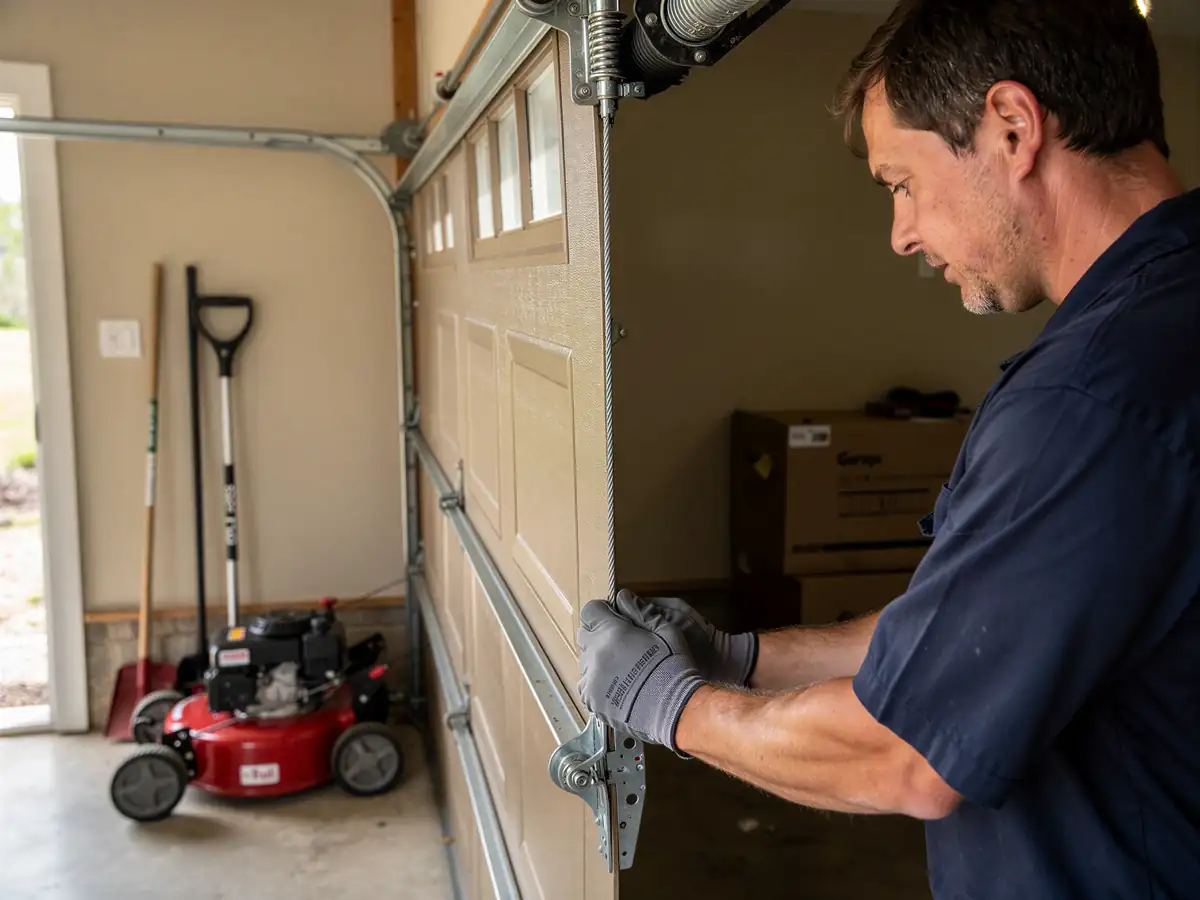
Cable Repair
Broken garage door cables are common on Shelton's 1960s-70s housing stock. Here's why cold-climate cable failure happens here and what it costs you if you wait.
Learn more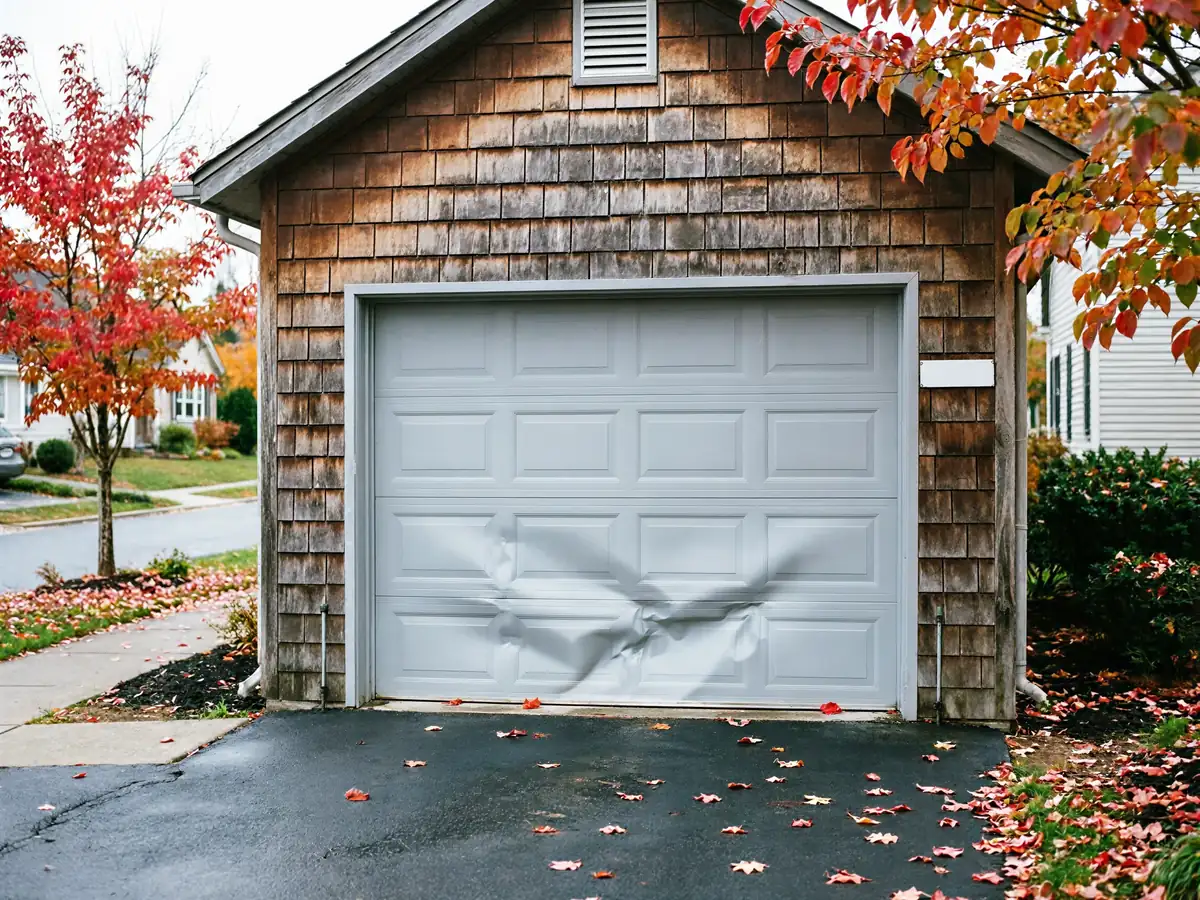
Panel Replacement
Dented or cracked garage door panels are common on Shelton's 1960s-70s housing stock. See why panels fail here and when replacement beats a patch job.
Learn more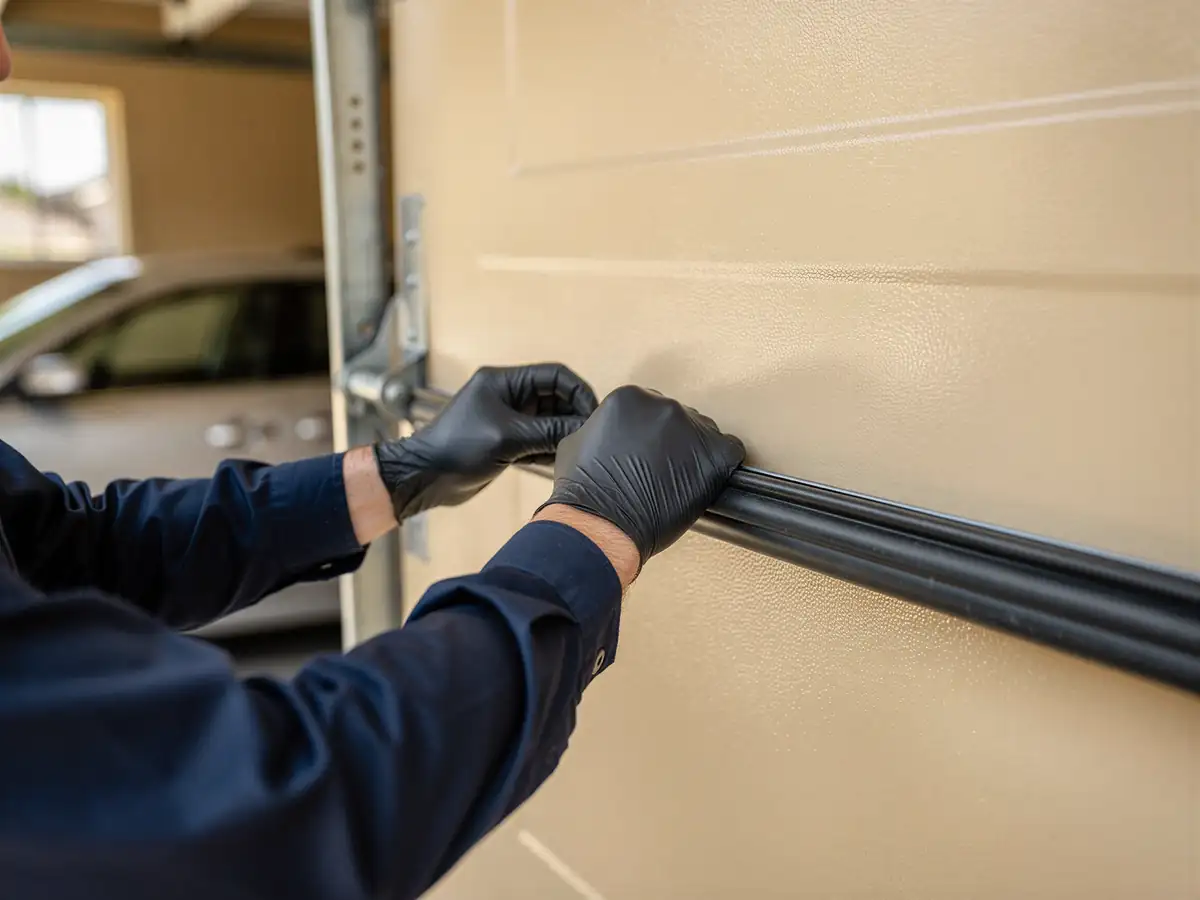
Maintenance
Garage door maintenance for Shelton-area homes built mostly in the 1960s and 70s, where cold winters and aging torsion hardware wear springs and rollers fast.
Learn more