The Symptom
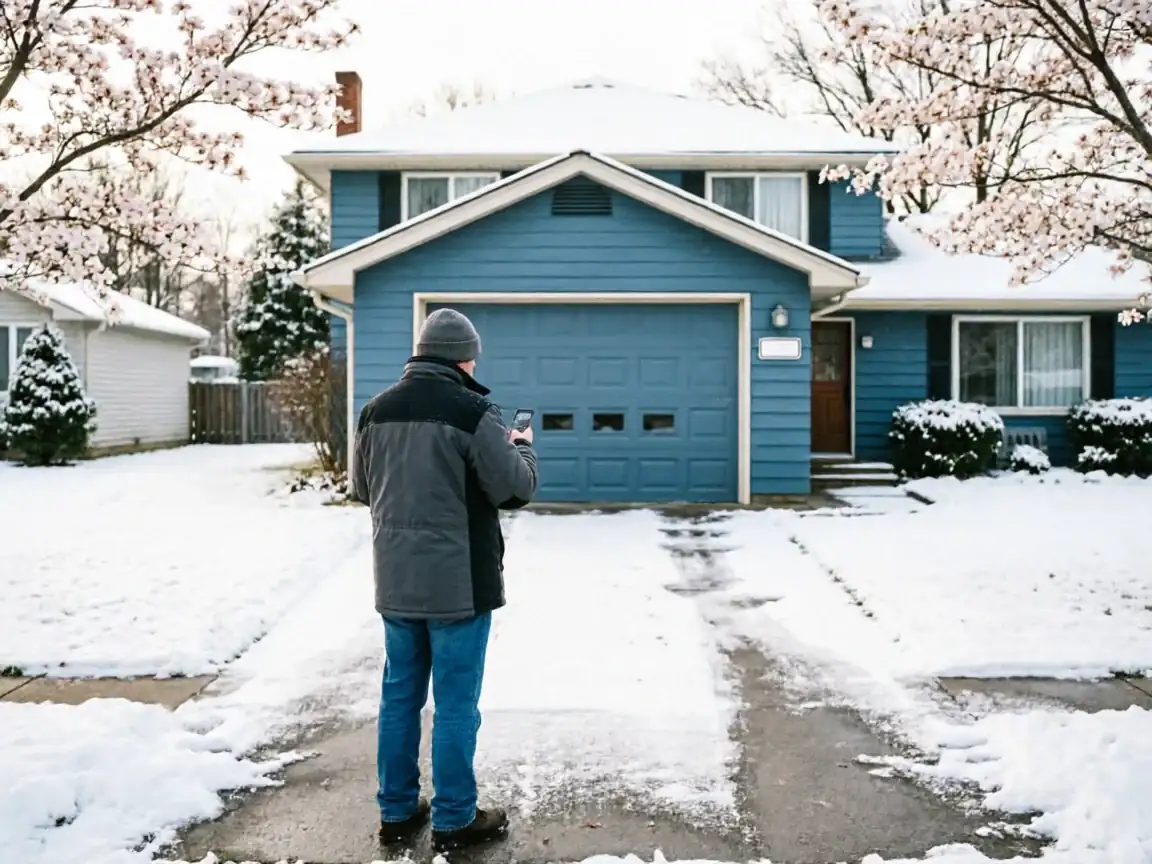
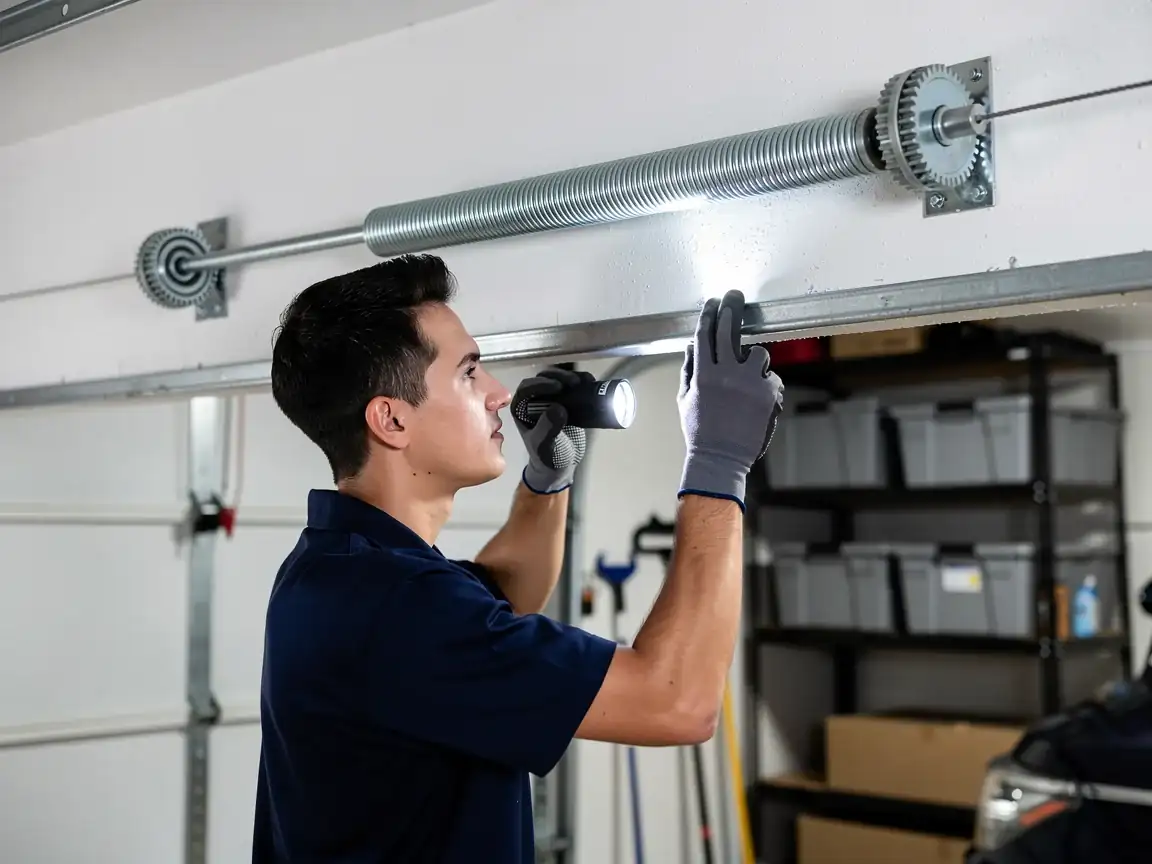
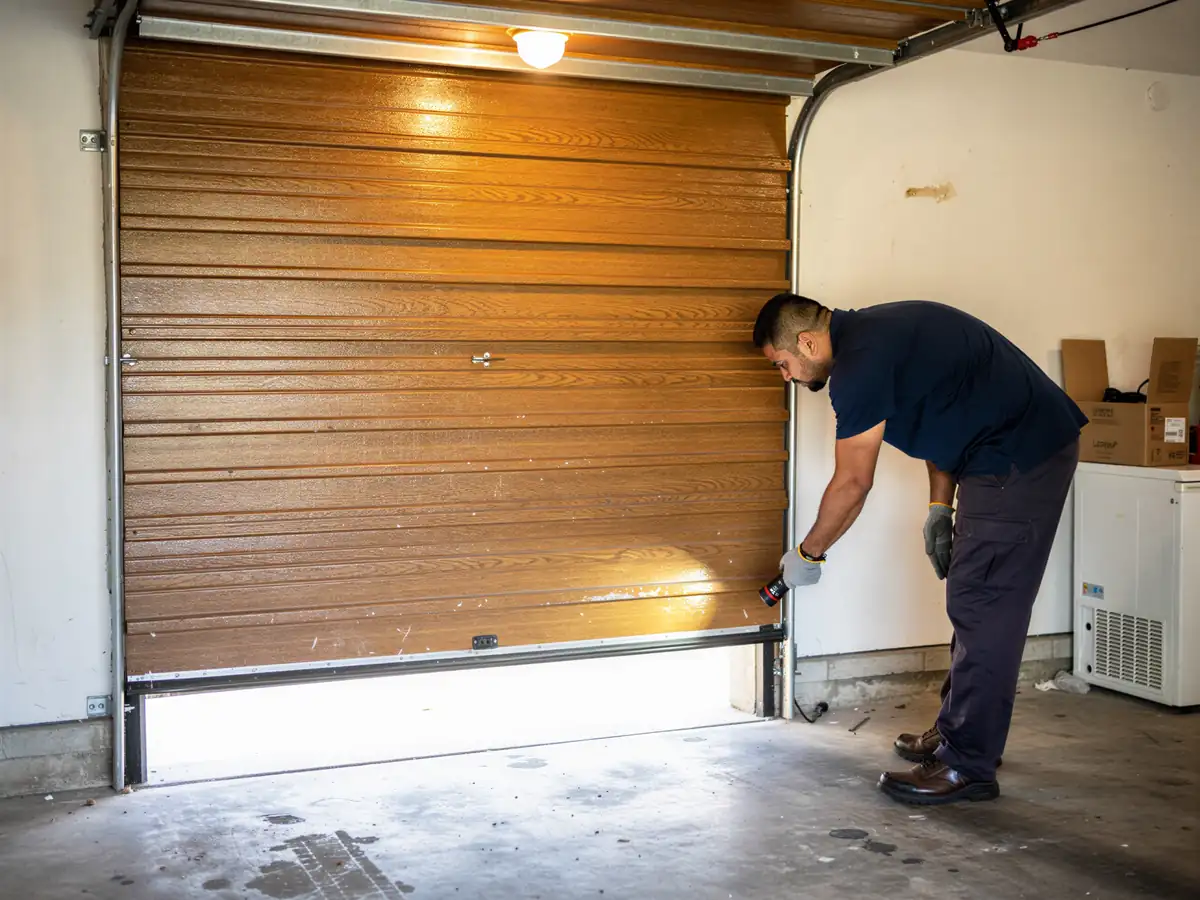
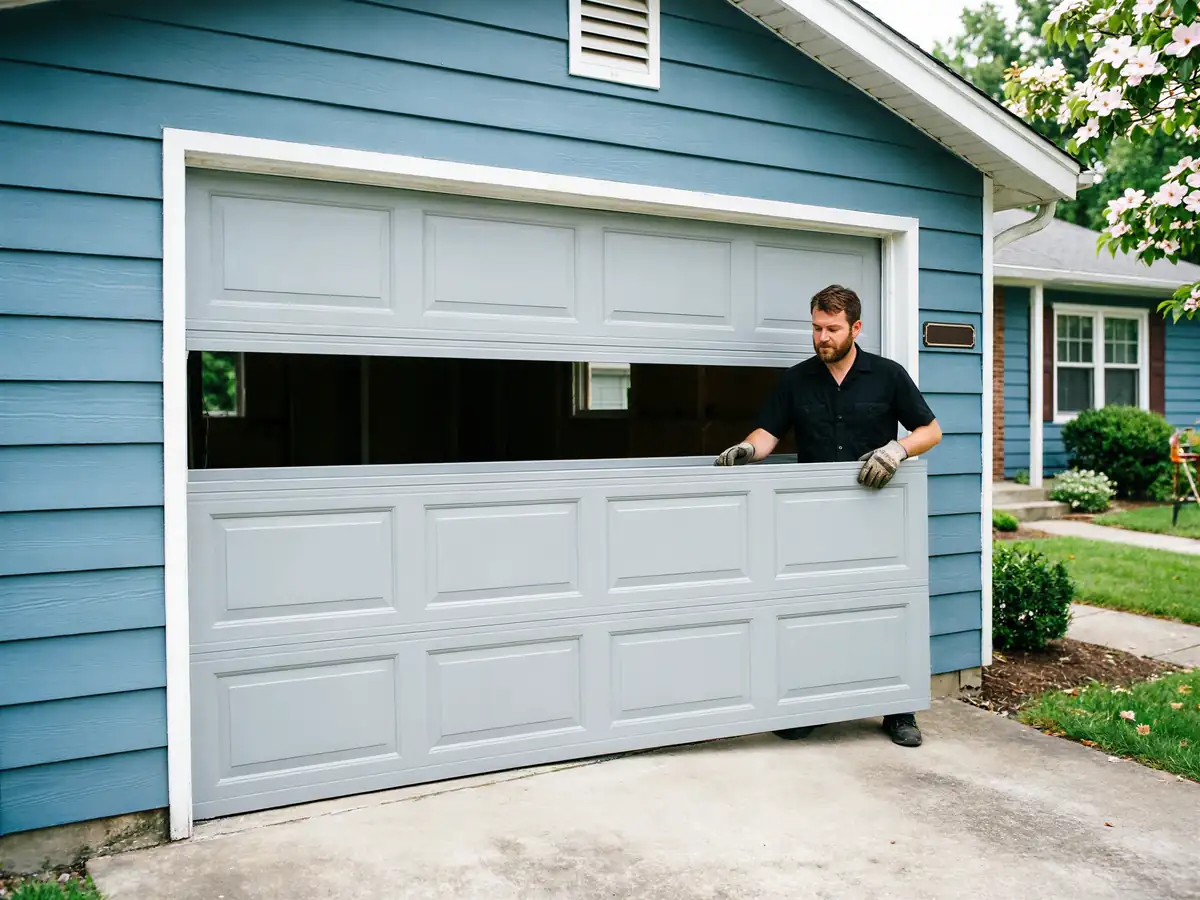
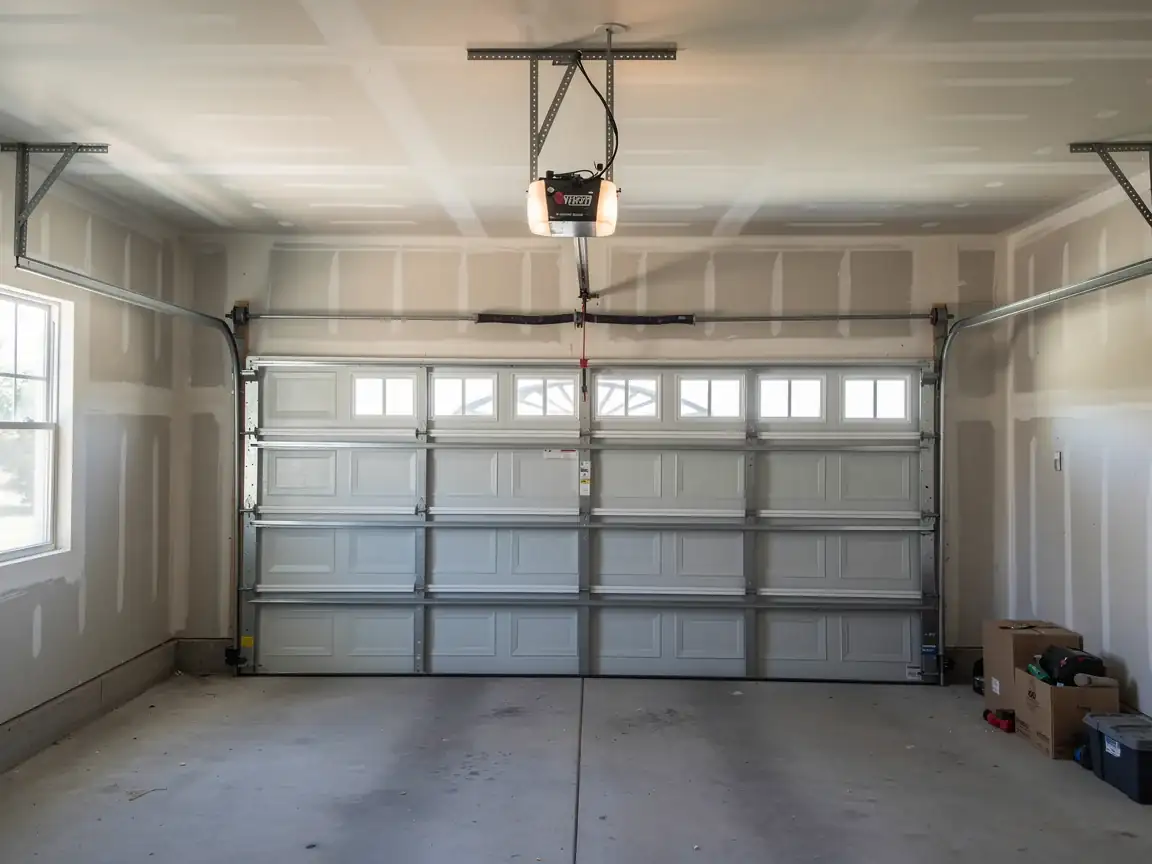
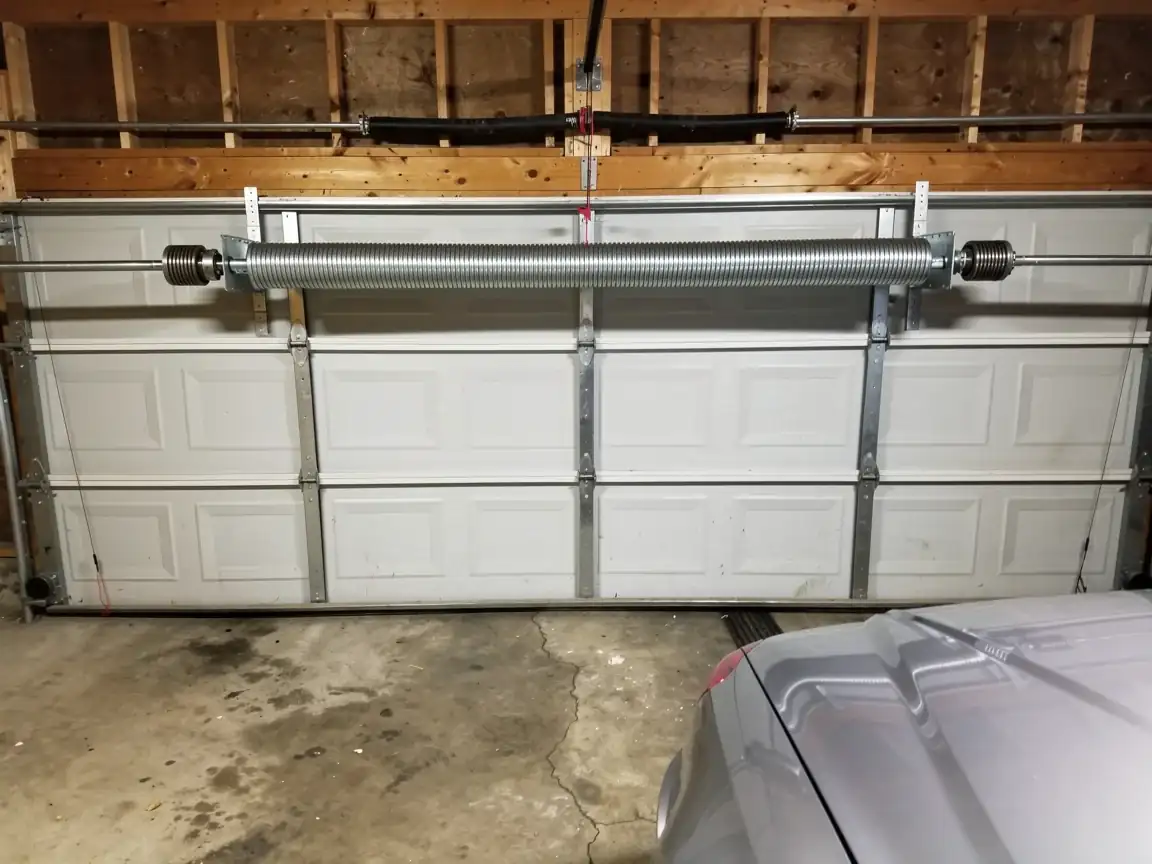
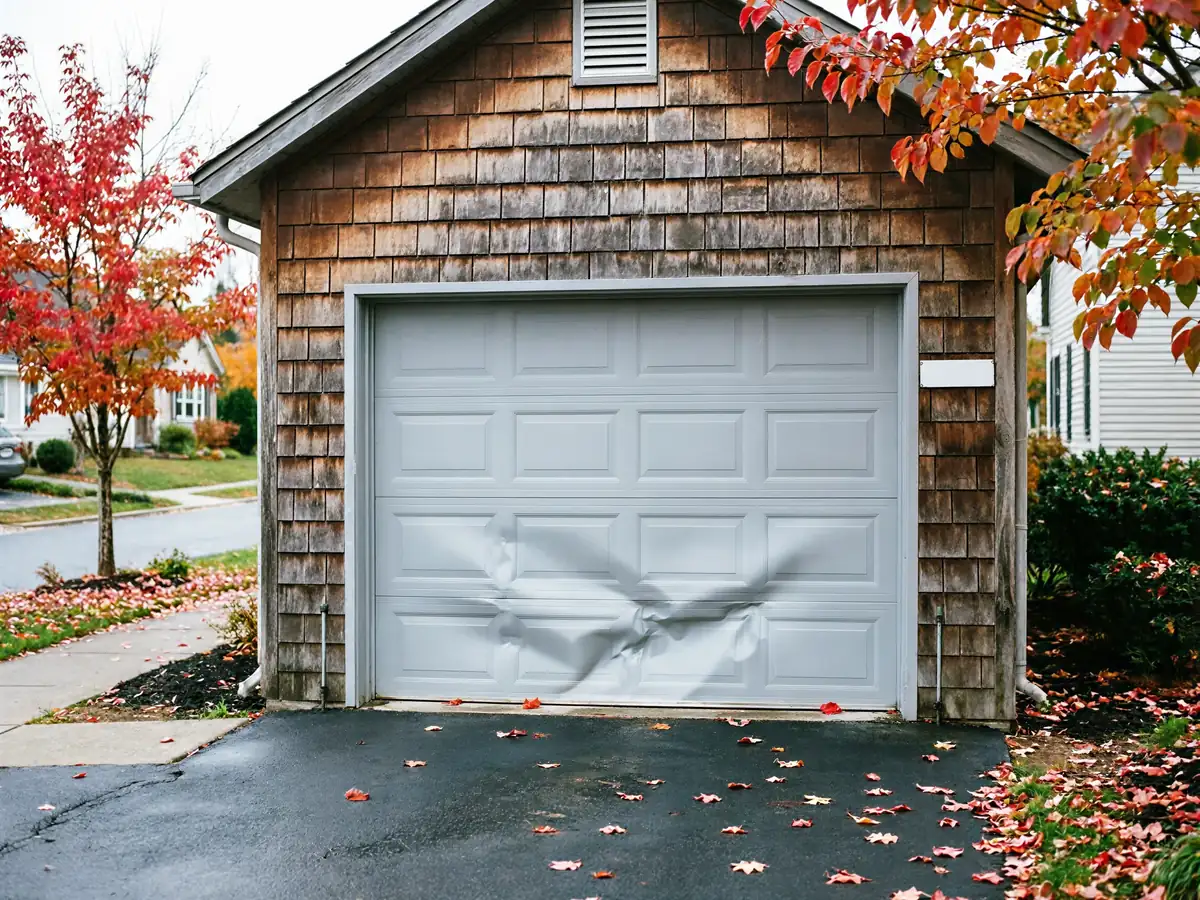
One side of the door hangs lower than the other, or the door won't budge past a few inches before it binds in the track. Sometimes you hear a bang from the garage and then the door won't move at all - that's a cable letting go under tension. On a double door, a snapped cable on one side almost always shows up as a visible tilt, with one bottom corner dropped and the panel edge scraping the track. On older torsion setups common in this area, the drum can also spin loose and start unwinding cable onto the shaft, which looks like a tangle of wire bunching up near the end bracket. None of these are cosmetic. A door hanging on one cable is a door that can come down the rest of the way without warning, and it's not safe to keep opening it to see what happens.
Why This Fails Locally
Housing in the Shelton service area runs mostly 1952 to 2013 with a median build year around 1972, and most of what we work on day to day is that 1960s-70s stock across the named neighborhoods we cover. Cable and drum hardware from that era wasn't built for a 50-year service life, and a lot of it is still the original equipment, just repainted or patched once along the way. Add in a cold-climate zone with real winter severity, and you get a second problem on top of the age: cold makes galvanized cable stiffer and less forgiving at the drum and pulley, so fraying that would just squeak in warmer weather snaps outright here. Garages that aren't insulated - common in houses built before the 1980s in this area - swing through a wider temperature range each day, which stresses the cable's crimped end fittings faster than a tempered space would. That combination, old hardware plus daily cold-to-less-cold cycling, is why cable failure calls cluster in late fall and midwinter across this area rather than spreading evenly through the year.
Can You Do This Yourself
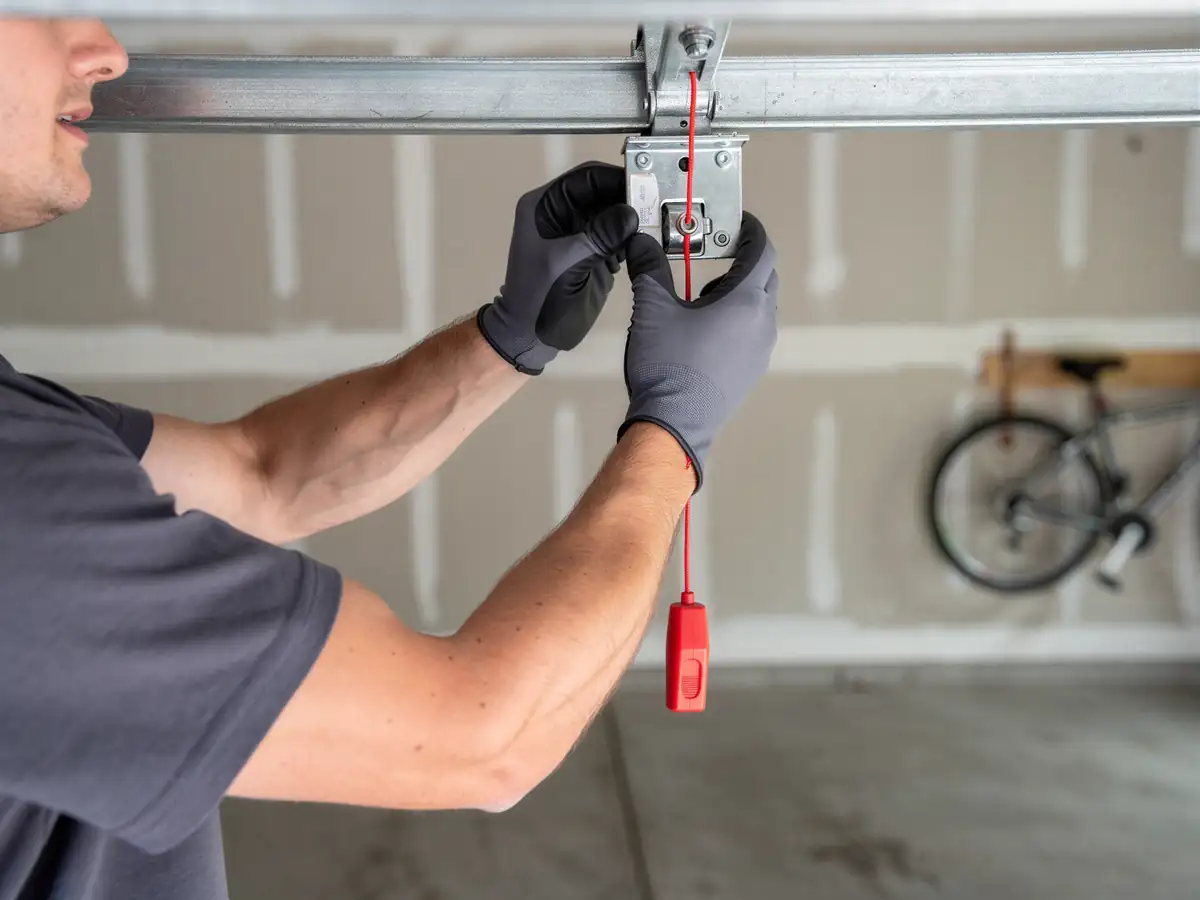
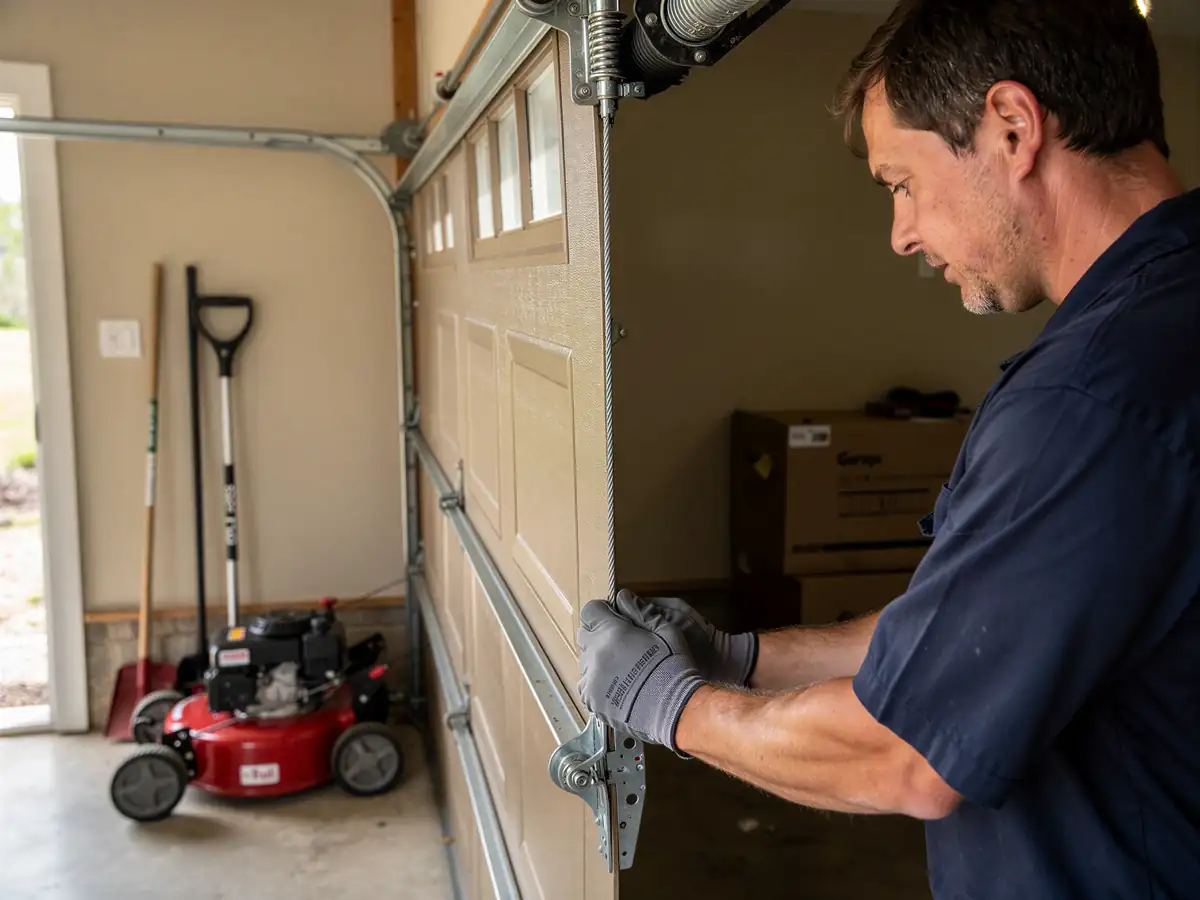
We'll say it plainly: don't do this one yourself if the door has a torsion spring, which is most of the housing stock we see here. The spring holds enough stored force to cause a serious injury if a cable comes off a drum under tension, and winding cones aren't forgiving to a first attempt. If you've got an older extension-spring setup and you're comfortable working with hand tools and you've released the tension safely first, swapping a frayed cable is within reach for some homeowners - but misjudging the tension or reusing a stretched cable is how people get hurt or end up calling us anyway for the second repair. If the door won't move, is hanging crooked, or banged loudly before stopping, that's a job for a call, not a weekend project.