The Symptom
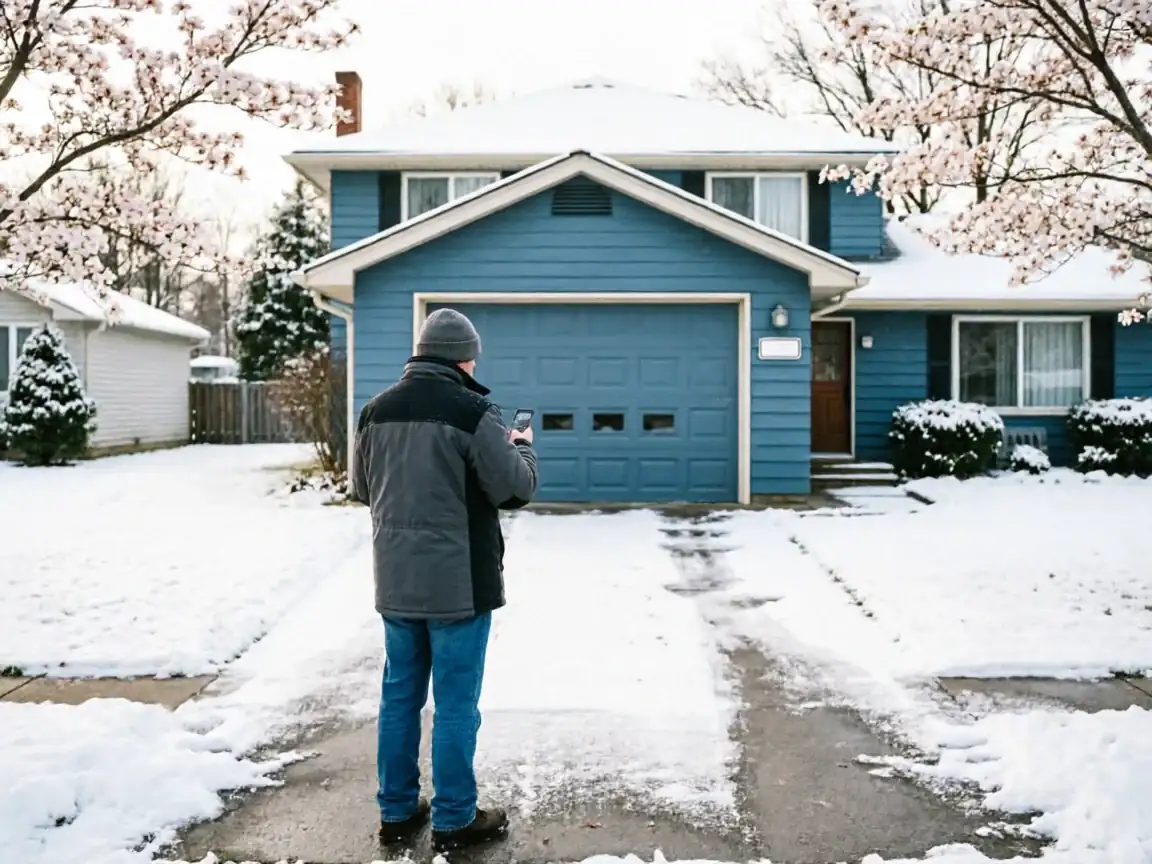
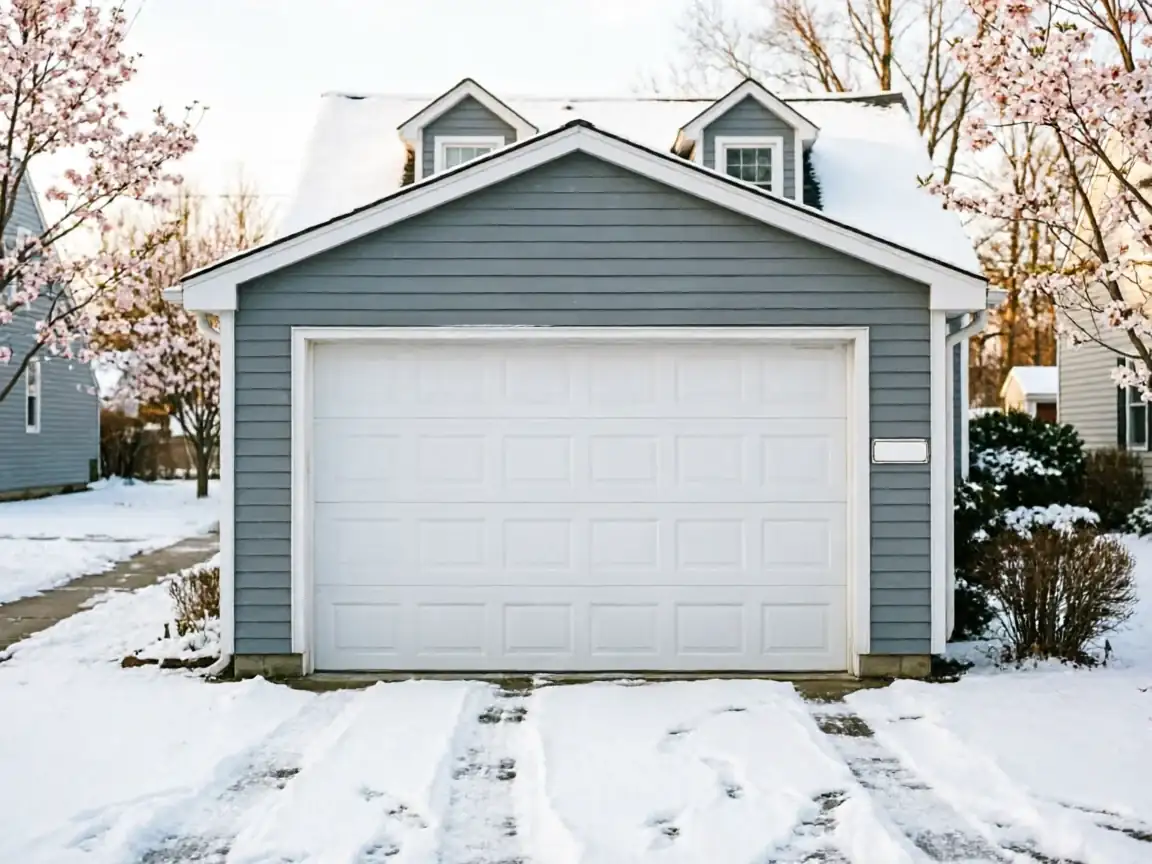
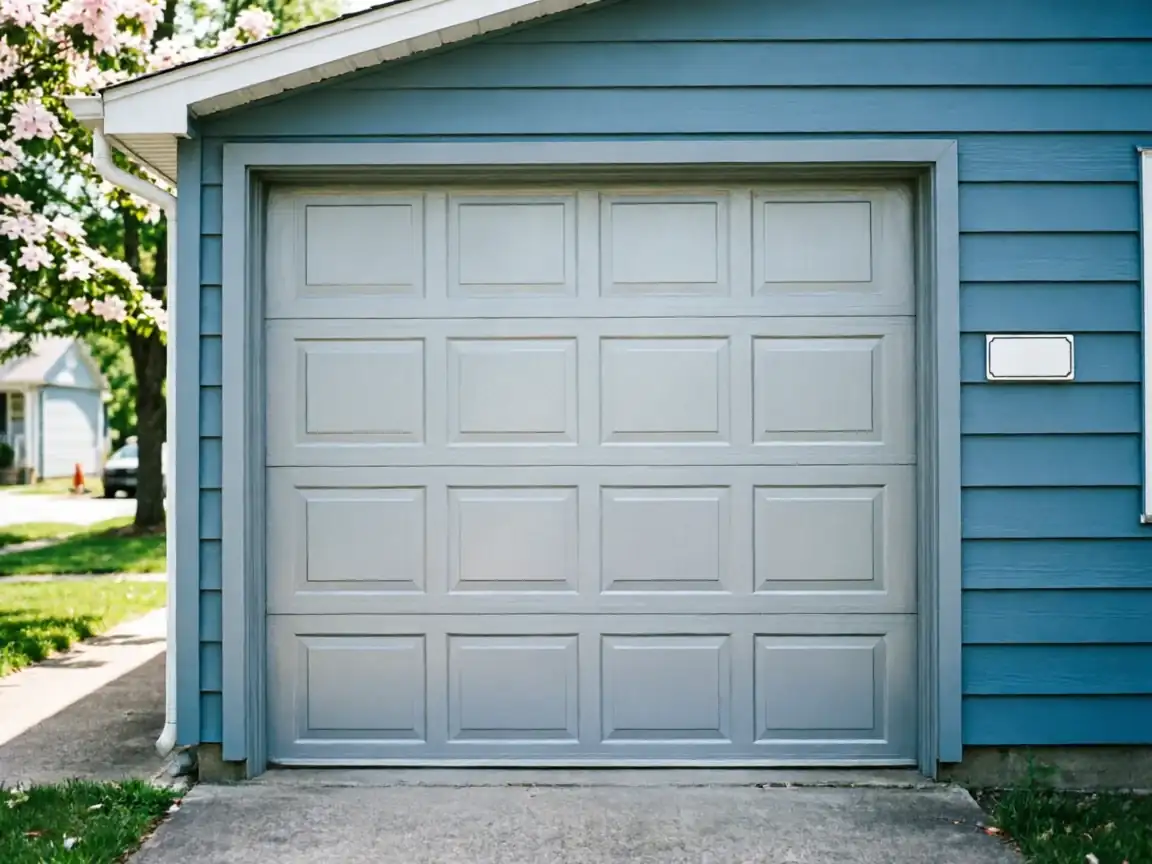
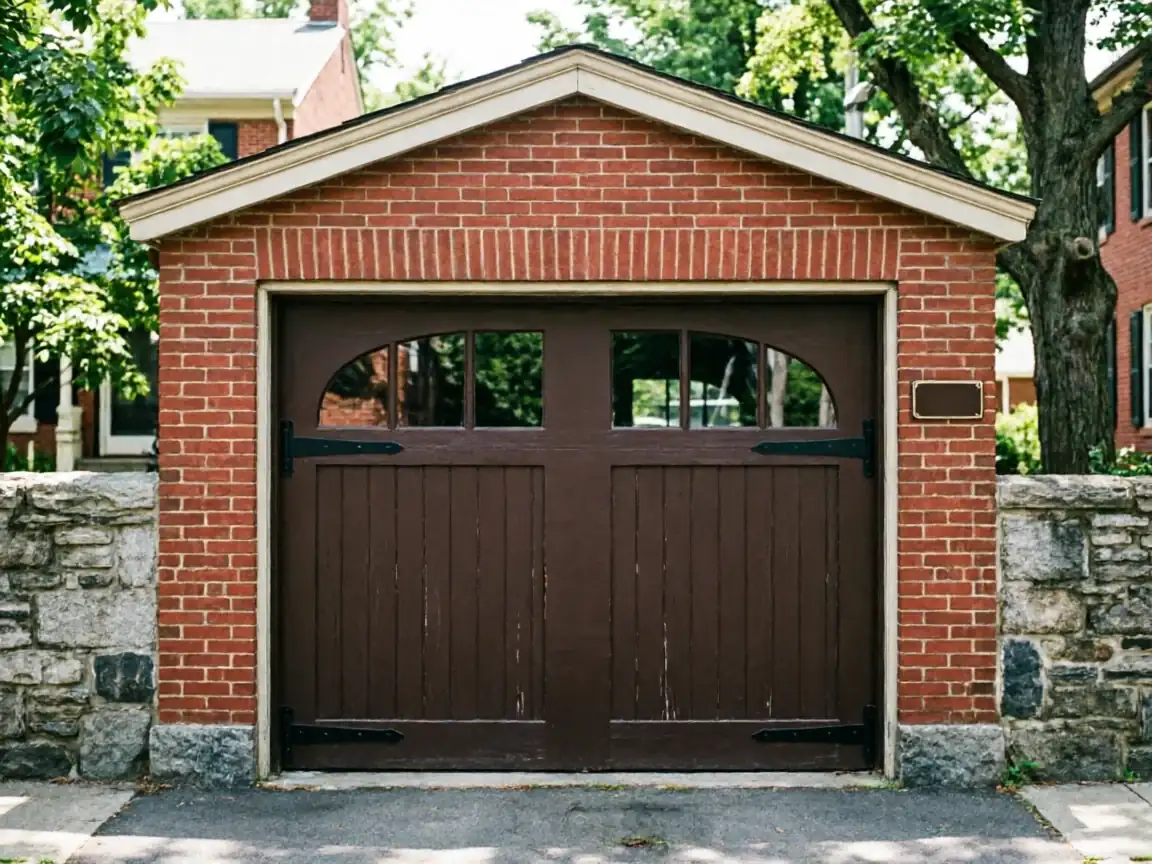
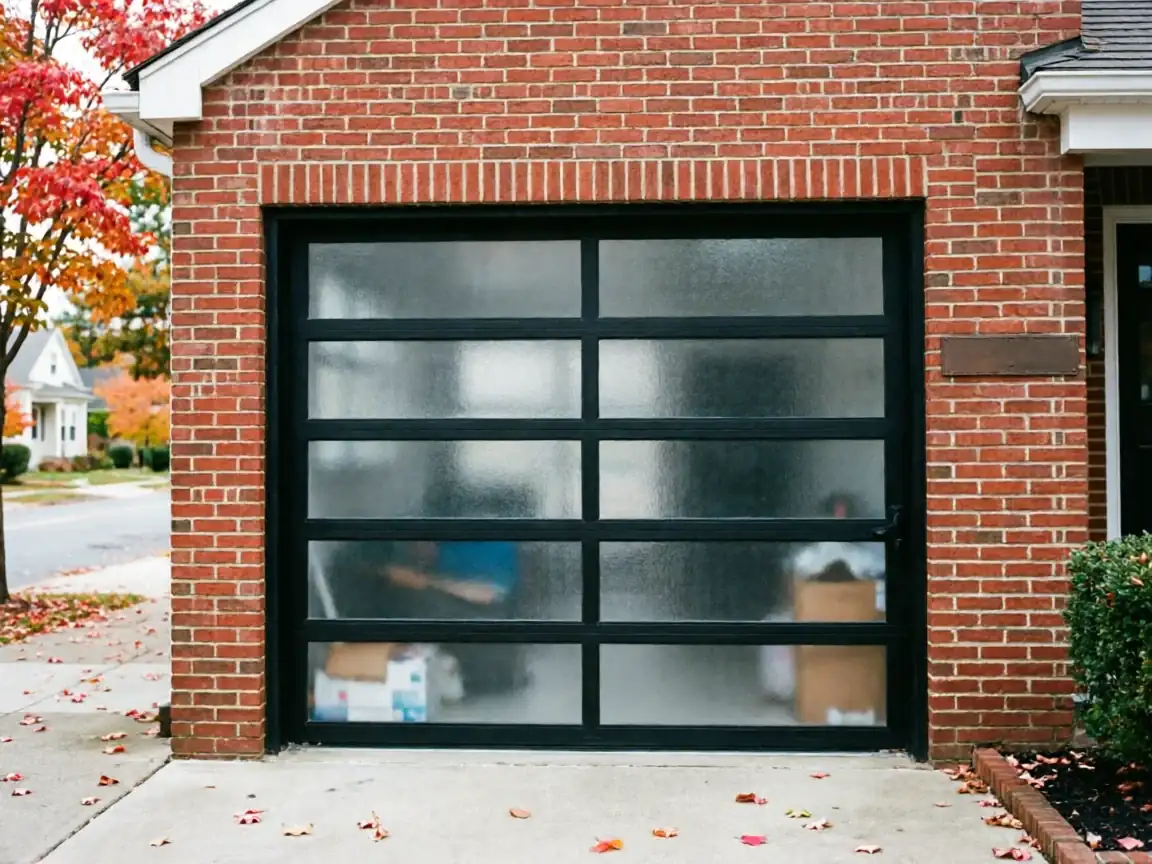
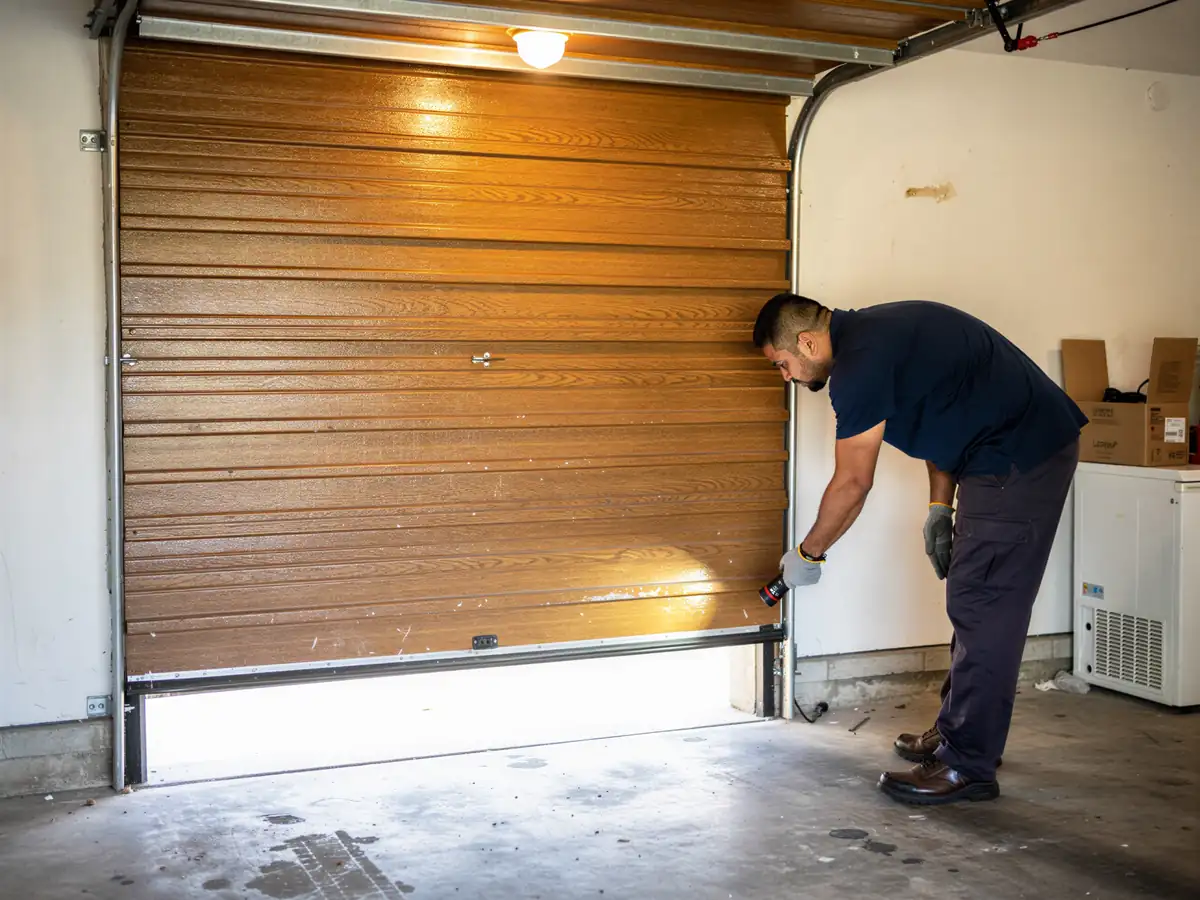
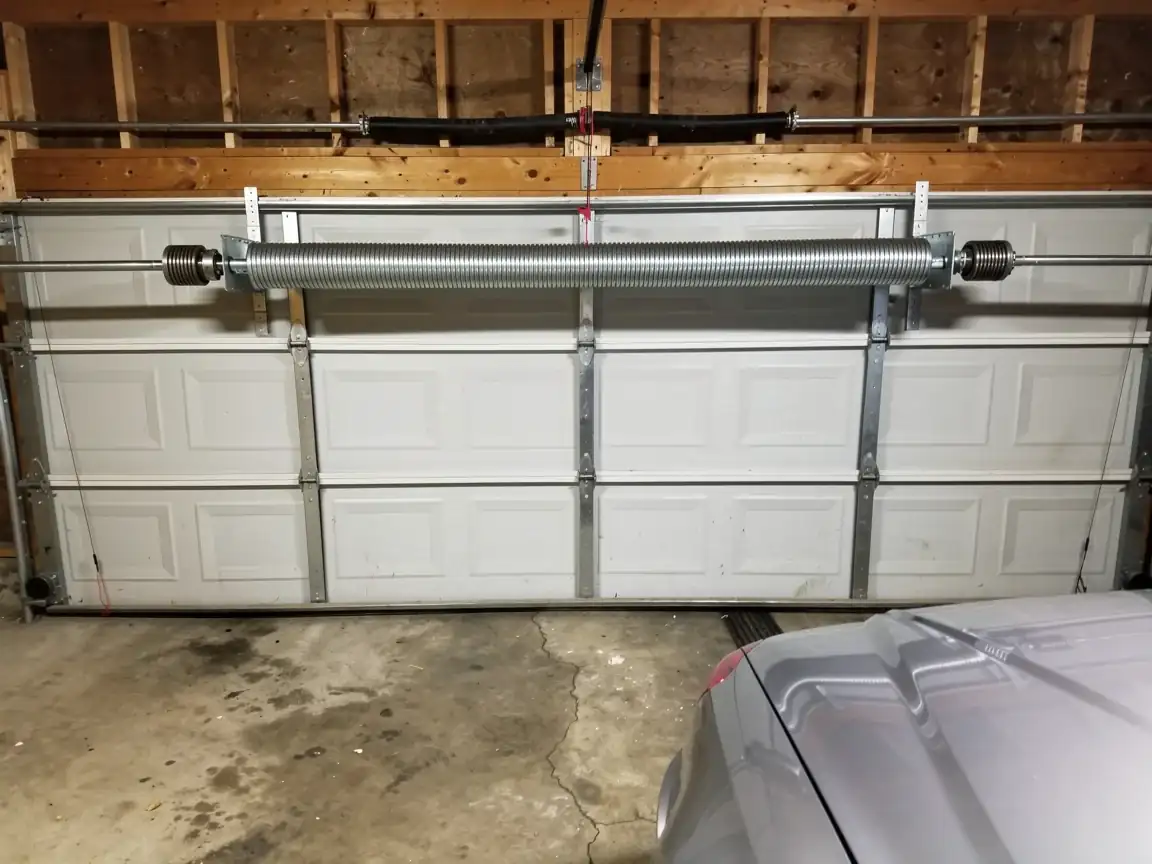
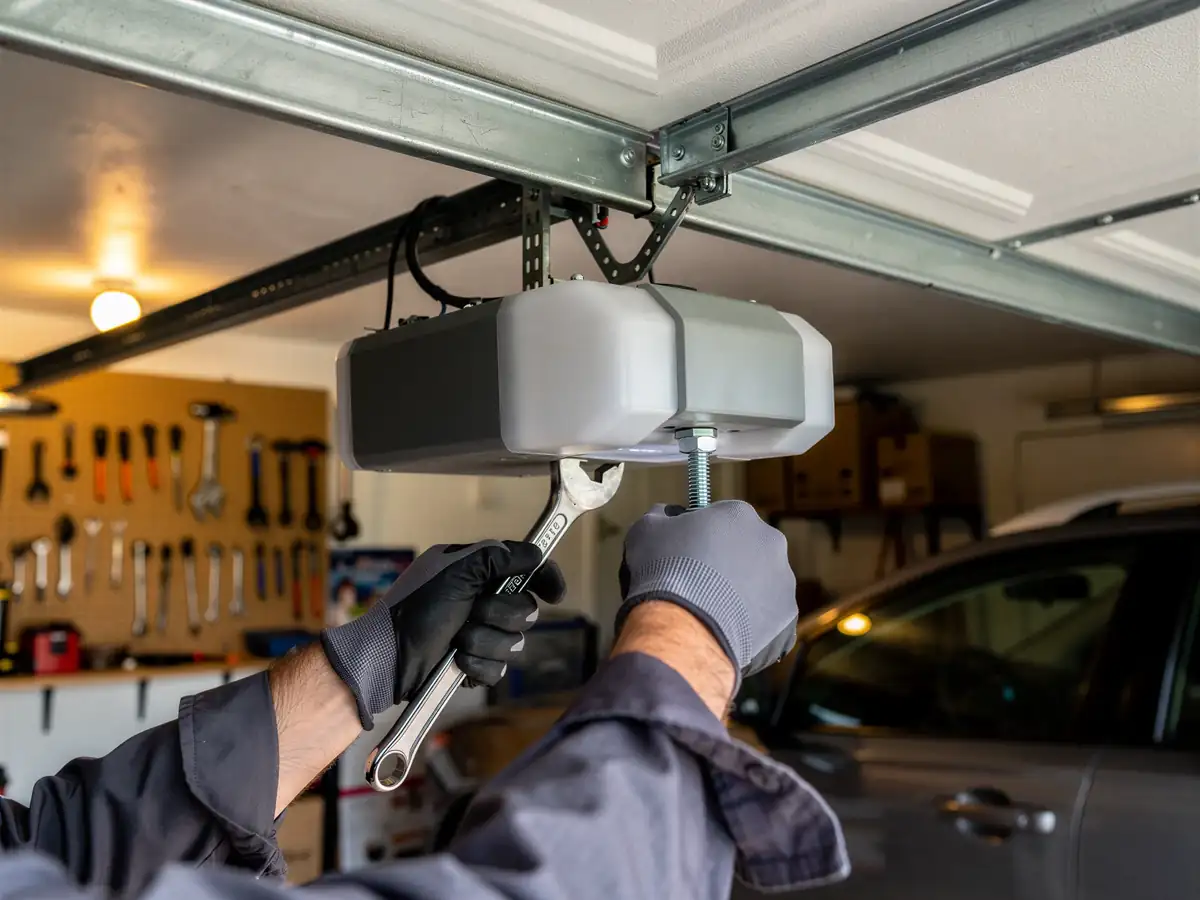
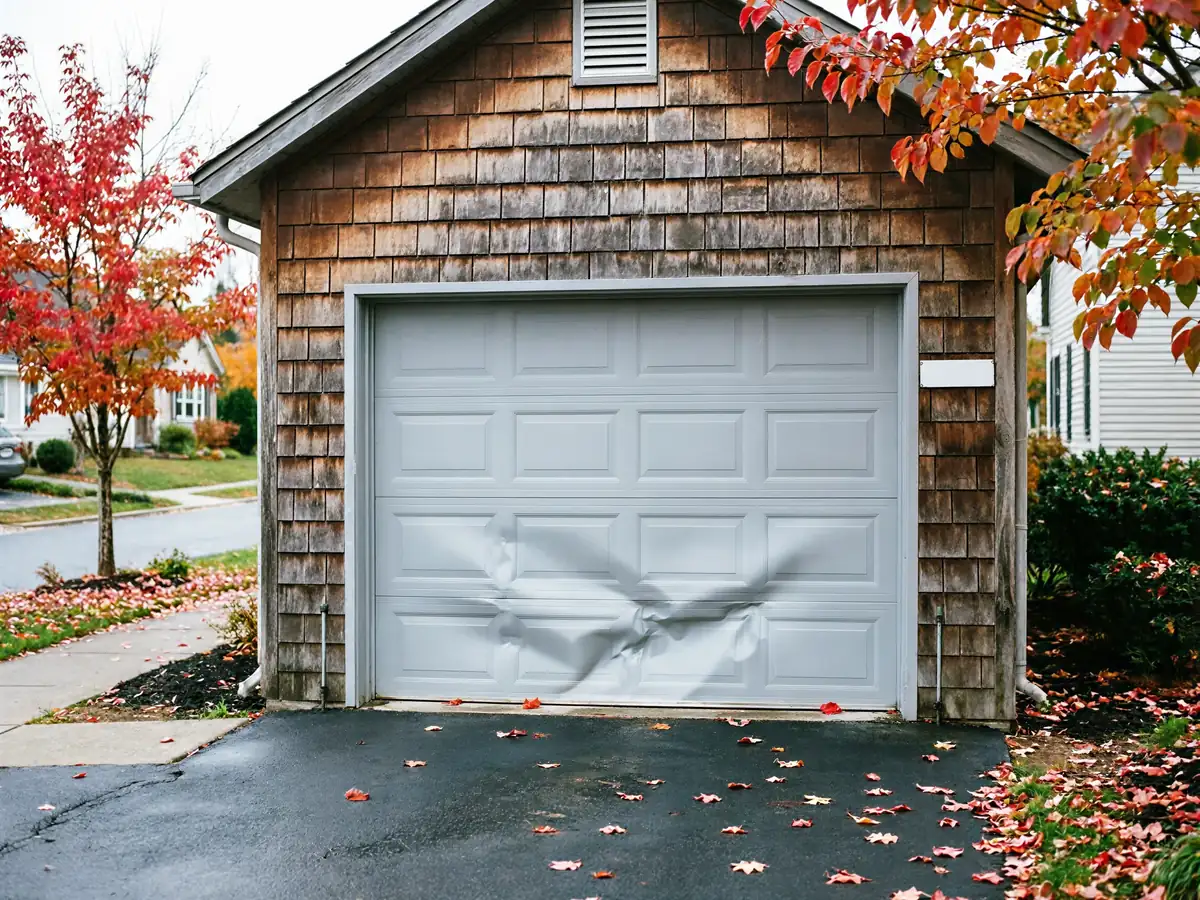
You notice it at the opener before you notice it at the door. The chain strains a little harder each month, the panel bows slightly when the wind hits it, and there's a thin line of daylight along the bottom seal even with the weatherstrip new last fall. Maybe the door still works, but it's heavy to lift by hand, the steel is thin enough to dent with a bike handlebar, and the finish has chalked out from UV and salt air off the plow trucks. None of that is an emergency. It's a door that's done its job for decades and is now costing you more in opener wear, heating bills, and dents than it's worth to patch. The decision point is usually a cracked panel, a spring that's failed twice in three years on hardware that doesn't match anything a supplier stocks anymore, or simply wanting a door that actually insulates the space above it. That's a replacement and install job, not a repair, and it's worth treating it as one rather than bolting another fix onto an opening built for a door nobody makes like that anymore.
Why This Fails Locally
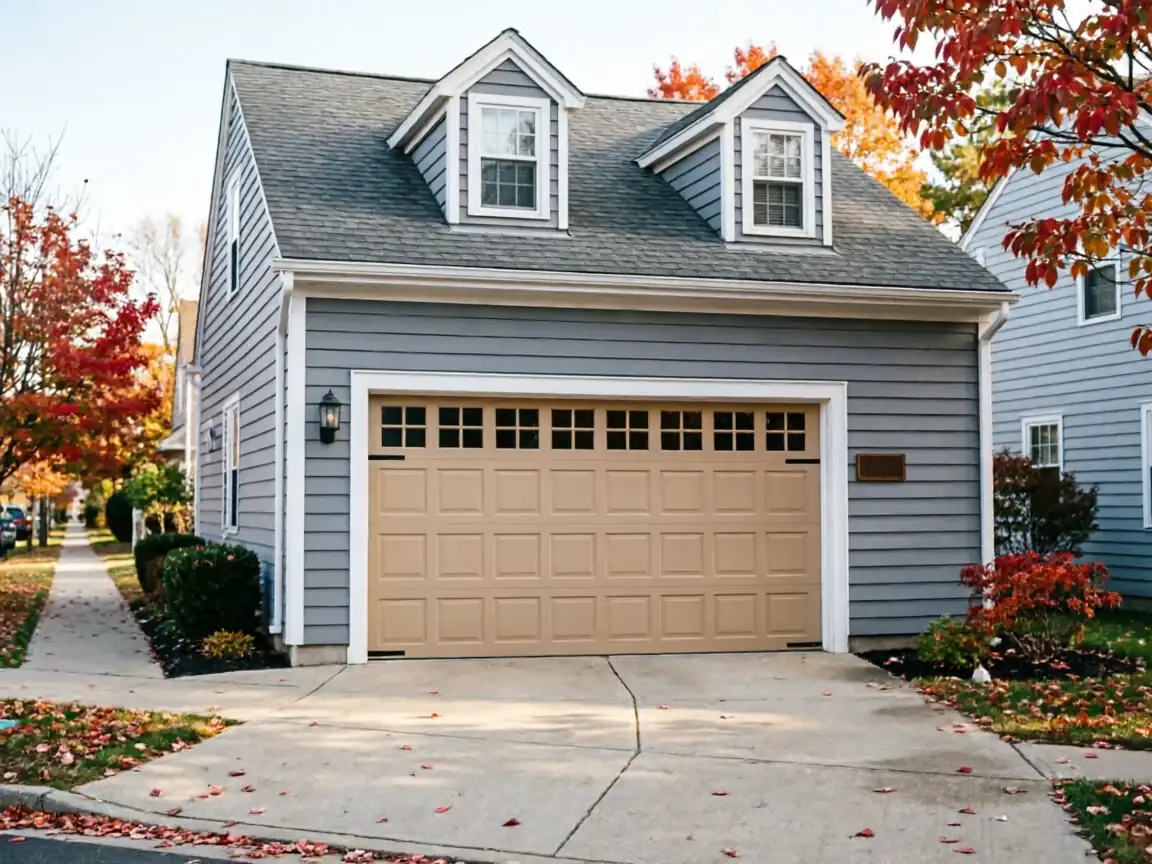
Housing in and around Shelton went up mostly between 1952 and 2013, with the median build year landing around 1972, and the bulk of that stock across the area's named neighborhoods dates to the 1960s and 70s. That matters for installation because openings from that era were framed for single-layer steel or wood doors with no thermal break, on track and header clearances that don't always match a modern insulated door straight out of the box. A crew installing in a 1965 opening is doing real fitting work, not just bolting panels to existing track. Then there's the climate. Shelton sits in a cold-severe band, which means an uninsulated or thinly insulated door loses real heat through that wall every winter, and a door without full-perimeter seal and a thermal break will warp at the bottom corners from repeated freeze-thaw cycling faster than it would somewhere milder. Install it without accounting for either the opening's age or the winters it has to survive, and you're replacing a door that lasted forty years with one that struggles in ten.
Can You Do This Yourself
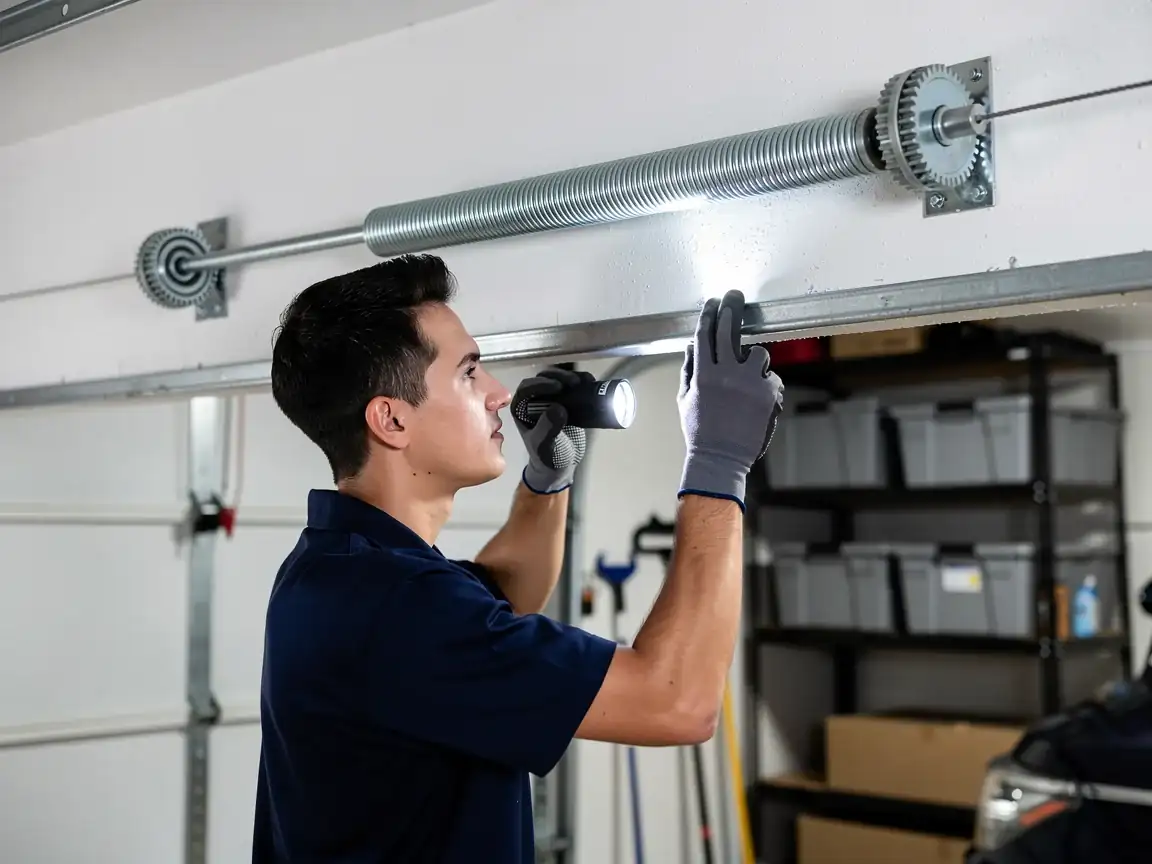
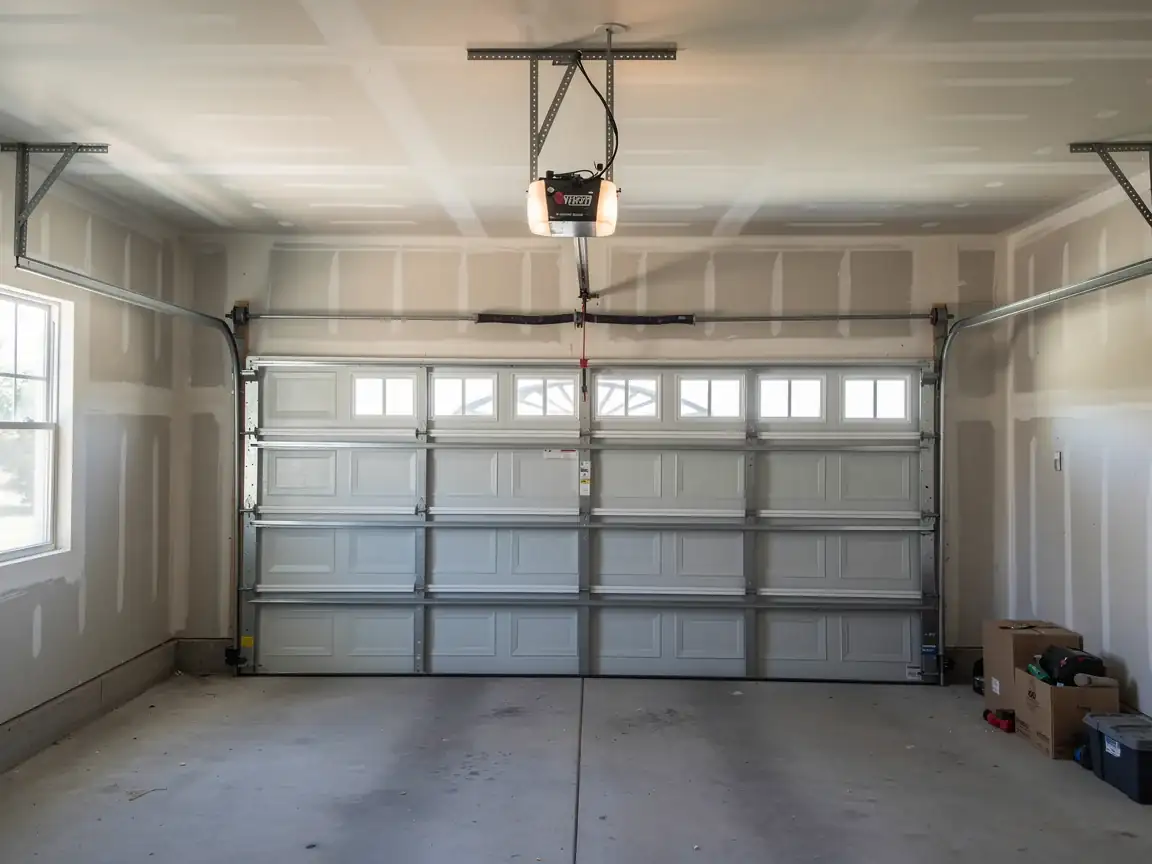
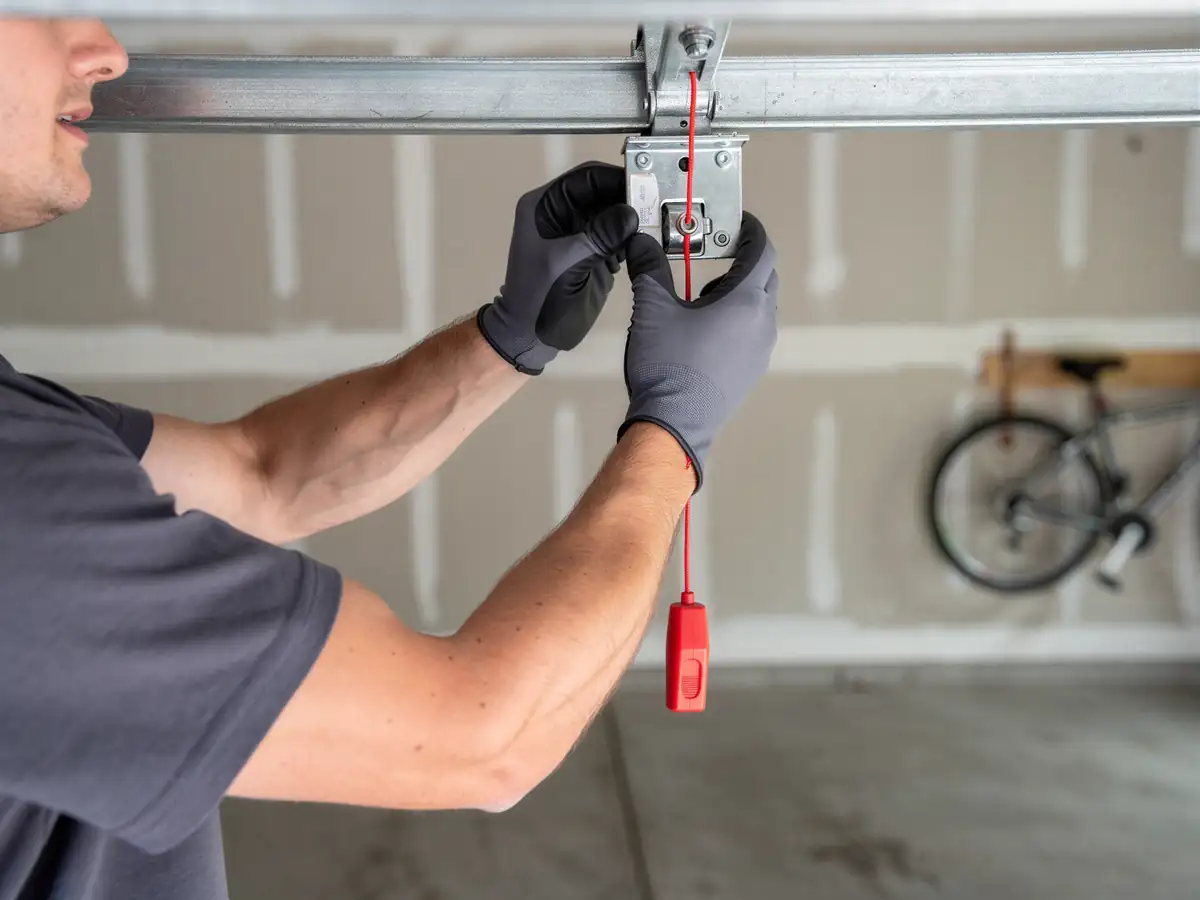
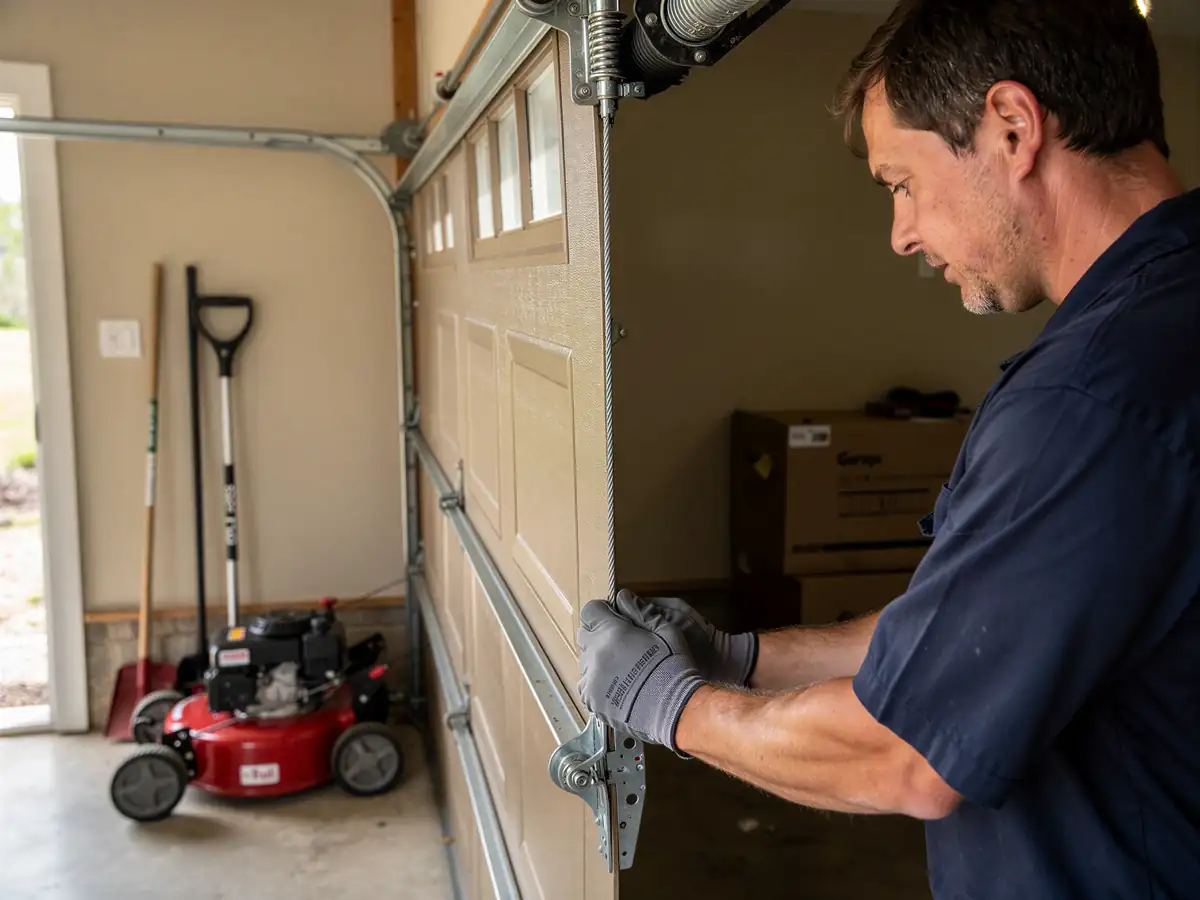
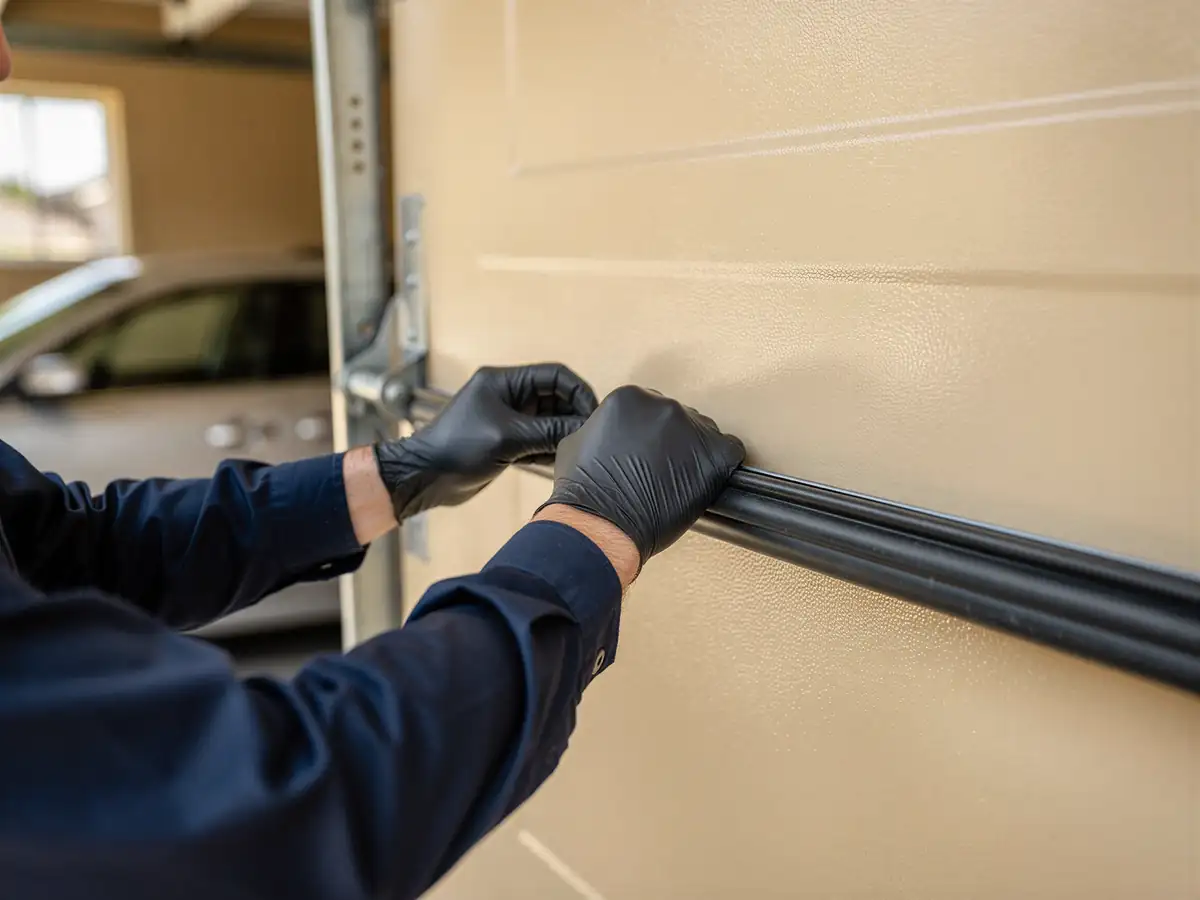
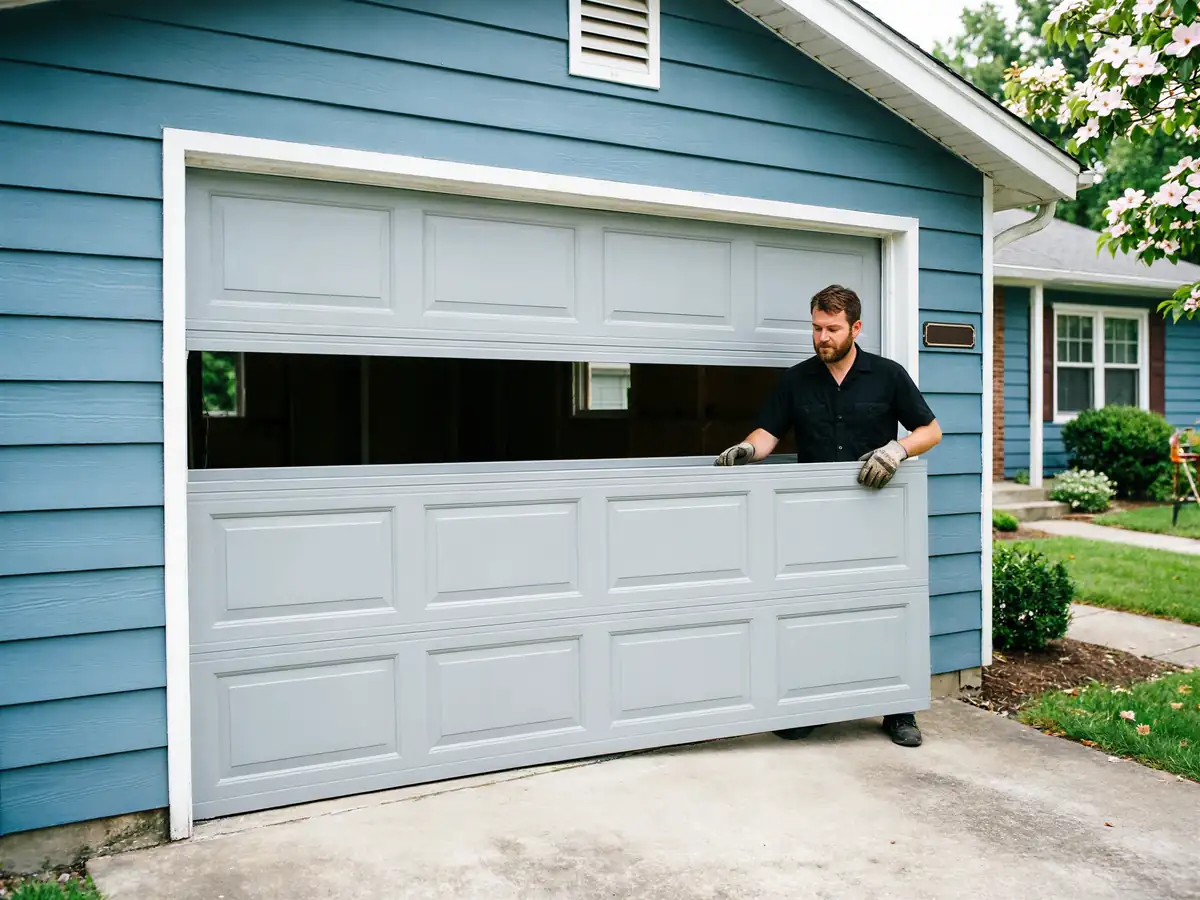
Swapping panels or weatherstrip, sure. Installing a full door is a different job, and we'll say plainly where the line is. The door itself isn't the hard part - it's setting new spring tension safely on a torsion system, squaring a door in a jamb that's shifted over fifty-plus years of settling, and getting the track plumb against a header that was never built level to begin with. A torsion spring under load is genuinely dangerous equipment; it's the single most common source of serious injury in this trade, and it's not a job to learn on your own garage. If your opening is true, your header is sound, and you're only replacing rollers or a bottom seal, that's reasonable DIY territory. Full door installation on an older frame, with spring resizing for insulation weight and seal work rated for a cold-severe winter, is where we'd tell you to call it in. We won't pretend every job needs a crew - but this one usually does.