The Symptom
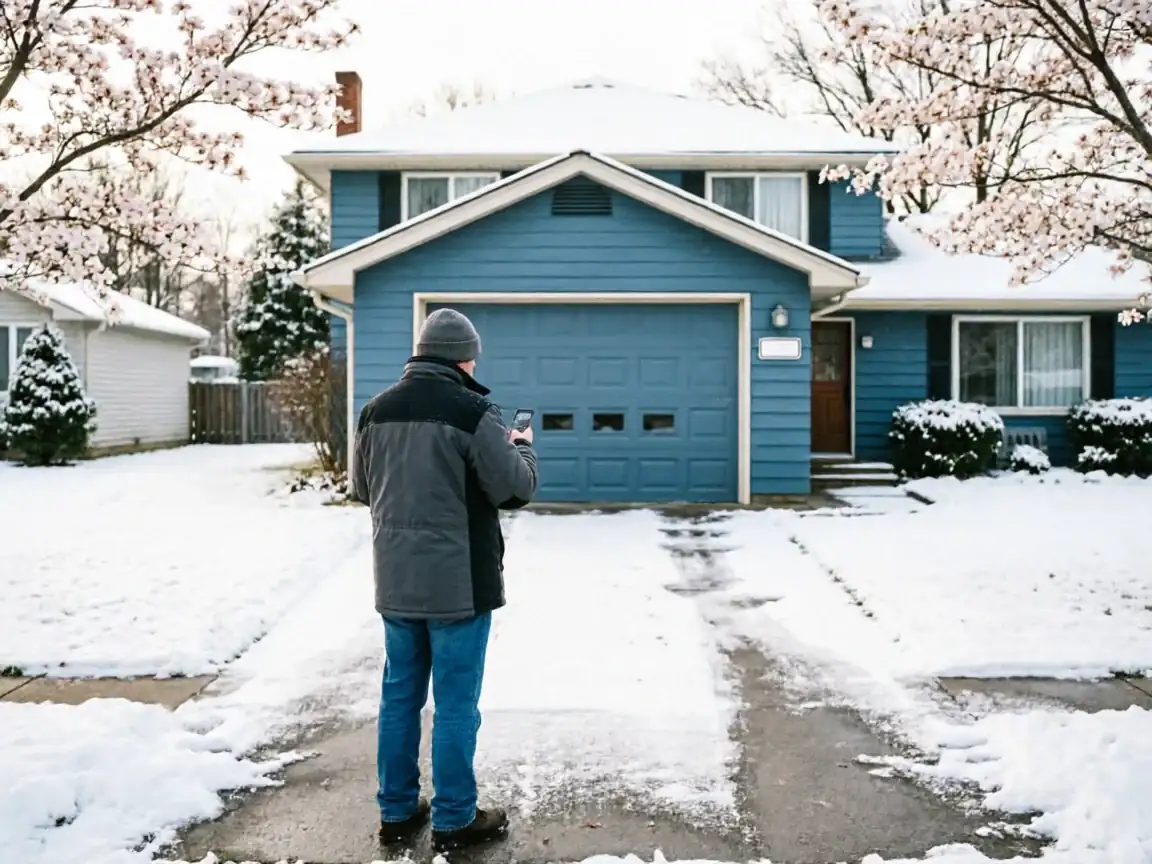
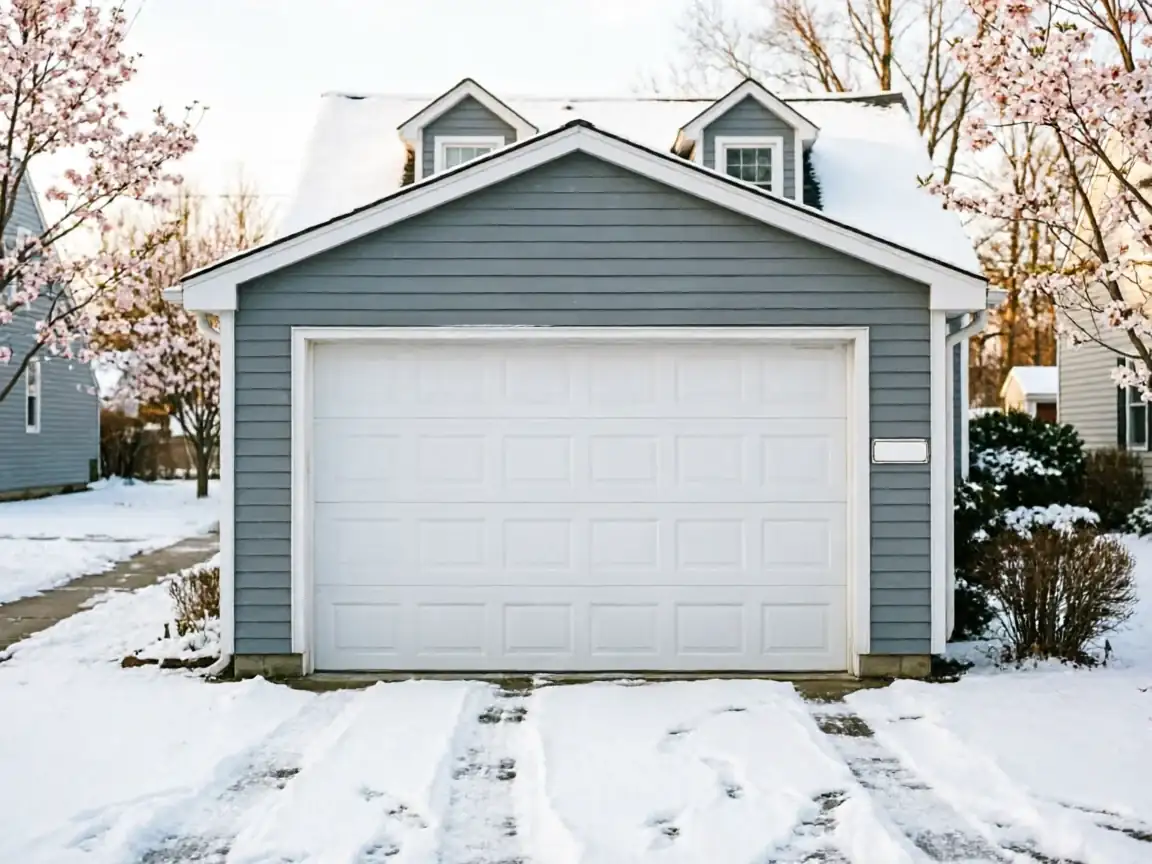
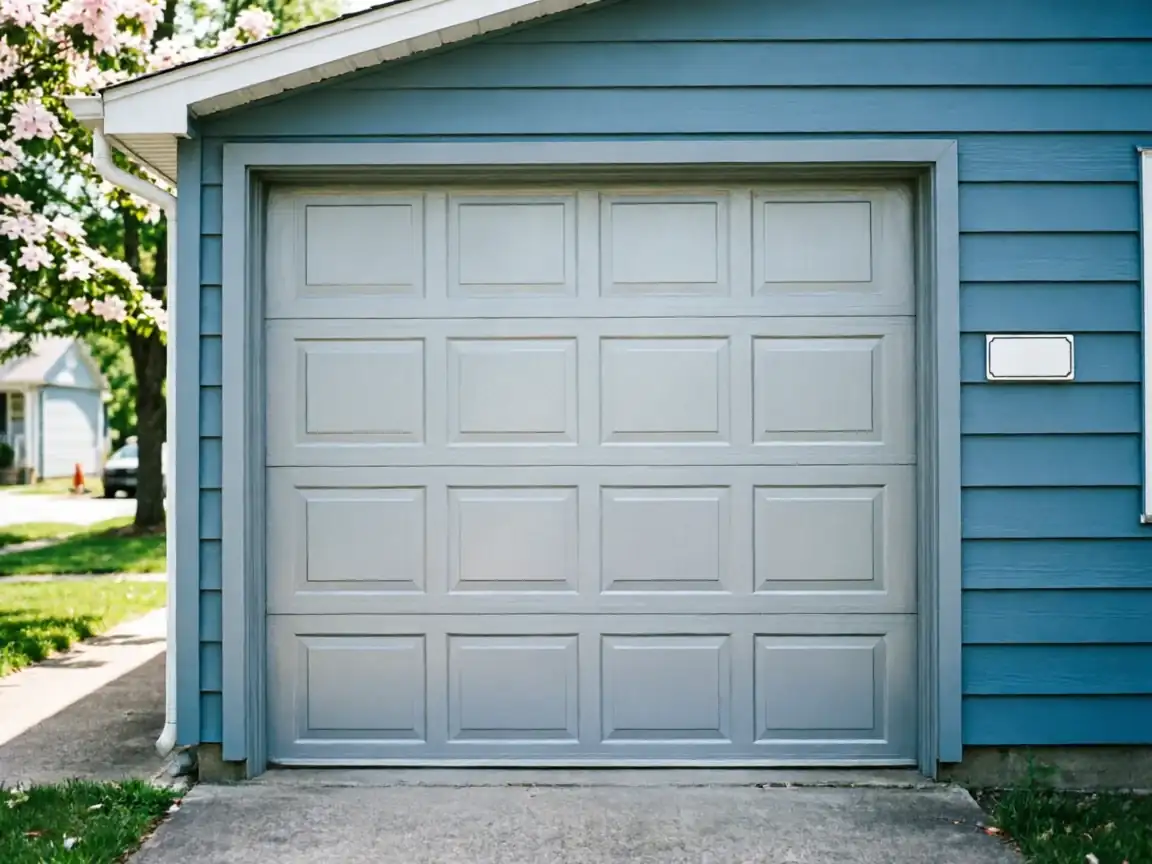
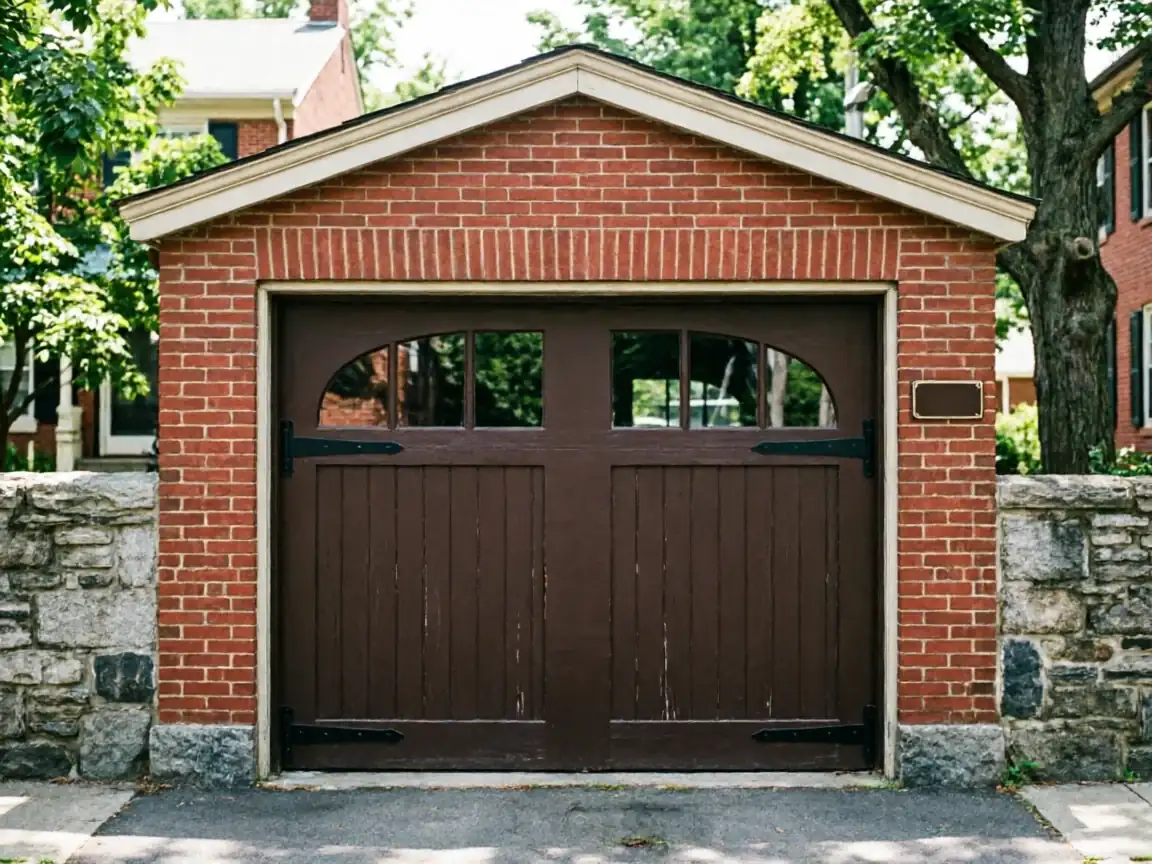
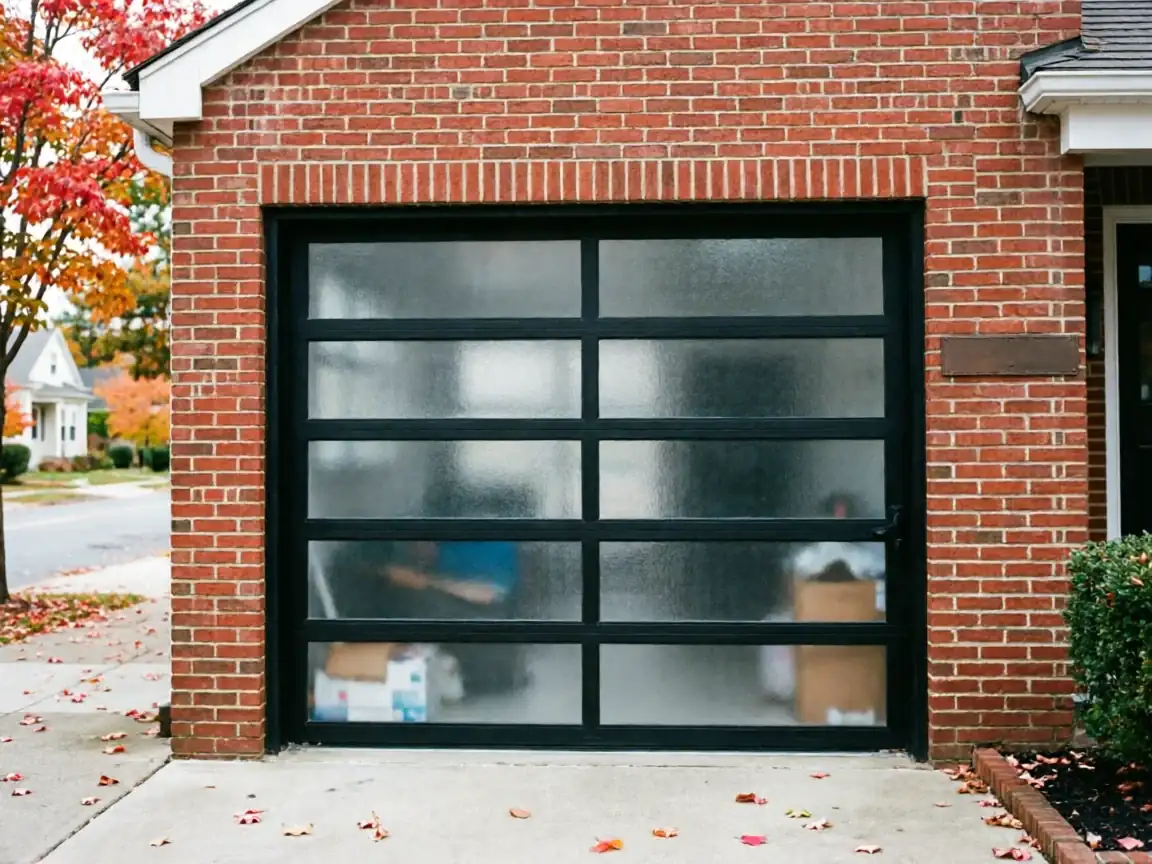
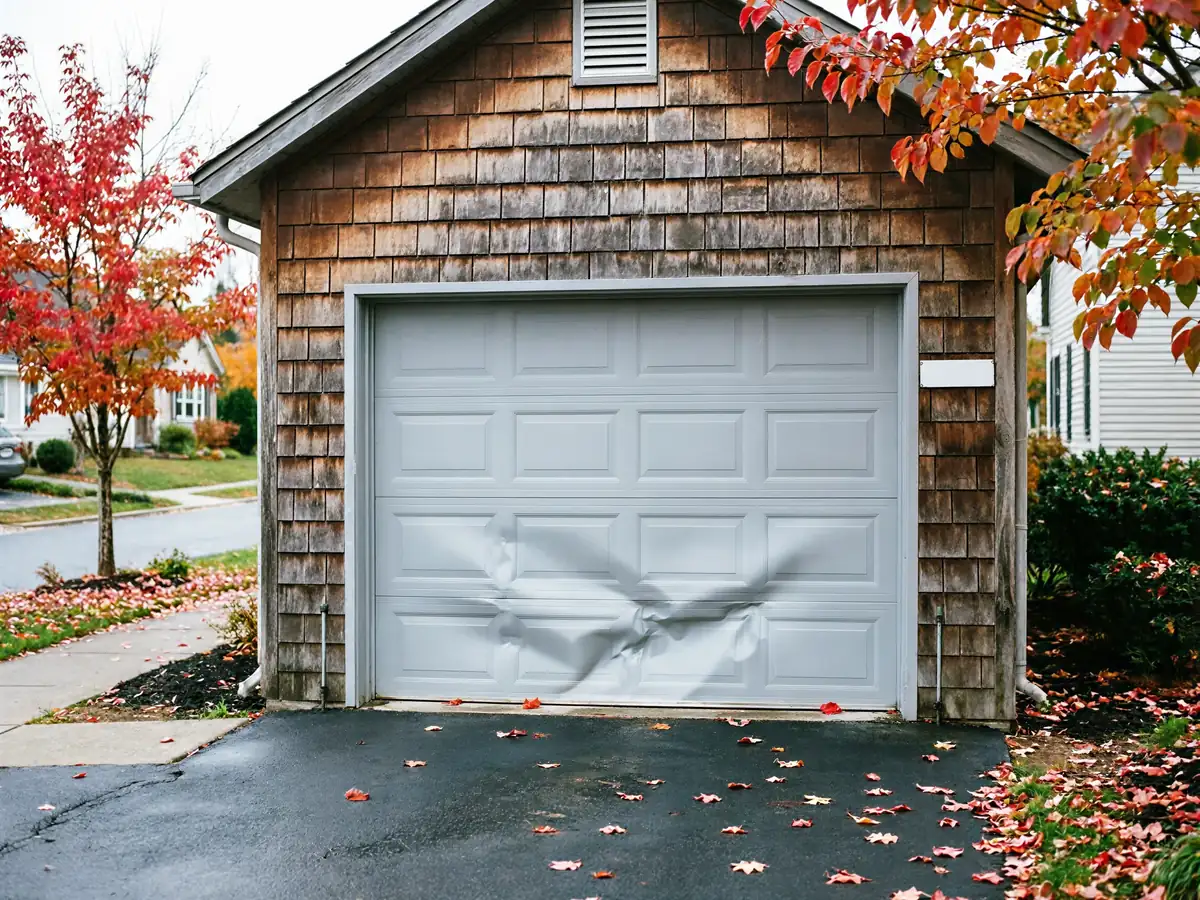
The opener hums but the door doesn't move. Or it moves a few inches and stops. Or the remote works from the driveway but not from inside the car, and lately it's been quitting altogether on the coldest mornings. These are the calls we get most from Shelton homeowners, and they tend to cluster in late fall and midwinter rather than summer.
Sometimes it's the motor itself losing strength. Sometimes the door reverses right after it starts closing, which usually points to the safety sensors near the floor rather than the opener head. And sometimes the whole unit goes dead with no hum at all, which is a different problem than a struggling motor and gets diagnosed differently.
What matters here is timing and pattern. An opener that fails the same way every time is usually a part. An opener that fails only on cold mornings or only after the door's been closed overnight is usually a condition - cold grease, a chain that's gone slack, a circuit board that doesn't like the temperature swing. Knowing which one you've got before a truck shows up saves a visit.
Why This Fails Locally
Housing in and around Shelton runs mostly 1952 through 2013, with a median build year of 1972 and most of the stock concentrated in the 1960s and 70s across the 45 named neighborhoods and nearby towns in this service area. That matters for openers specifically: a lot of these garages still have the original wiring runs and breaker allocations from that era, sized for a chain-drive opener pulling maybe a third of a horsepower, not for anything heavier that's been swapped in since.
The climate side compounds it. This is a severe cold-winter band, and unheated attached or detached garages here see real swings - gear grease stiffens, chain tension changes as metal contracts, and older circuit boards that were fine in September start throwing errors in January. We see this pattern every winter: perfectly good openers that choke on the first hard cold snap because nothing's been serviced since the house changed hands.
Put those two things together - 1960s-70s electrical infrastructure plus a genuinely cold climate - and opener repair calls here skew toward cold-weather motor strain and aging board failures more than, say, towns with newer housing stock or milder winters.
What Can Go Wrong
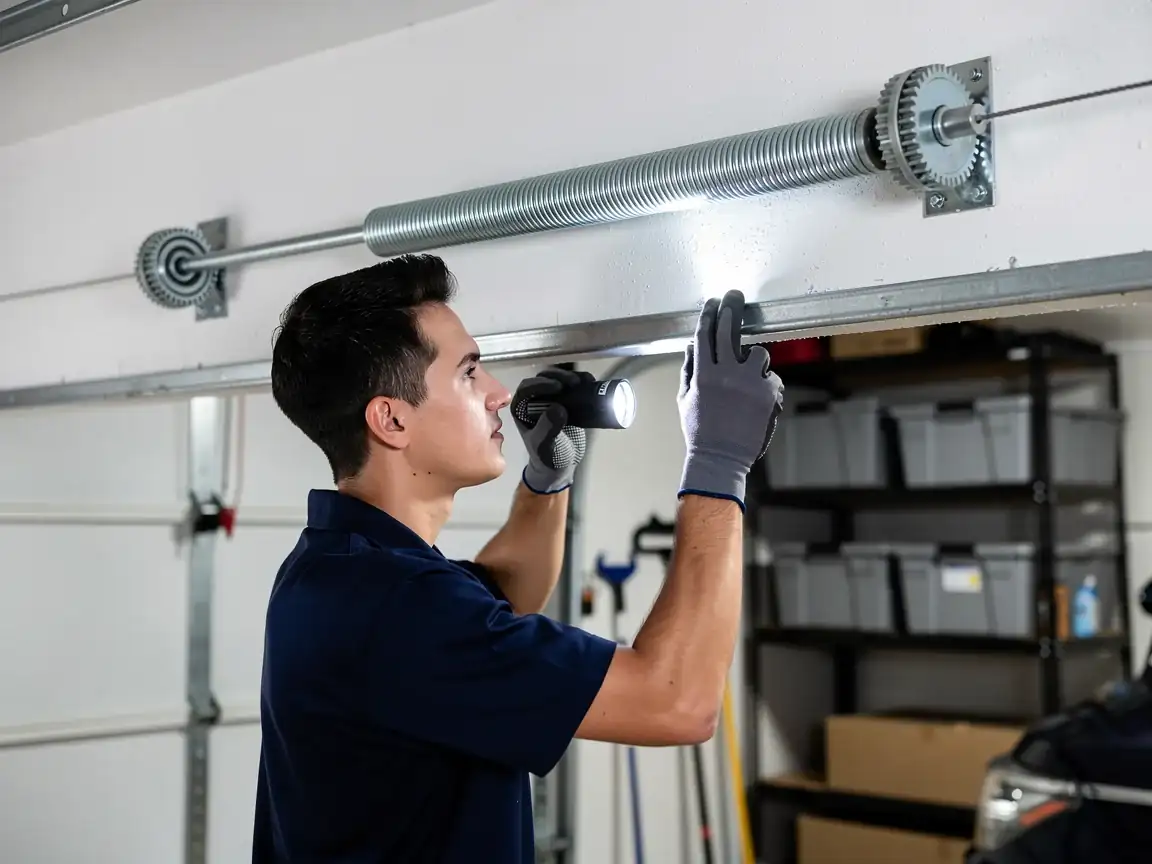
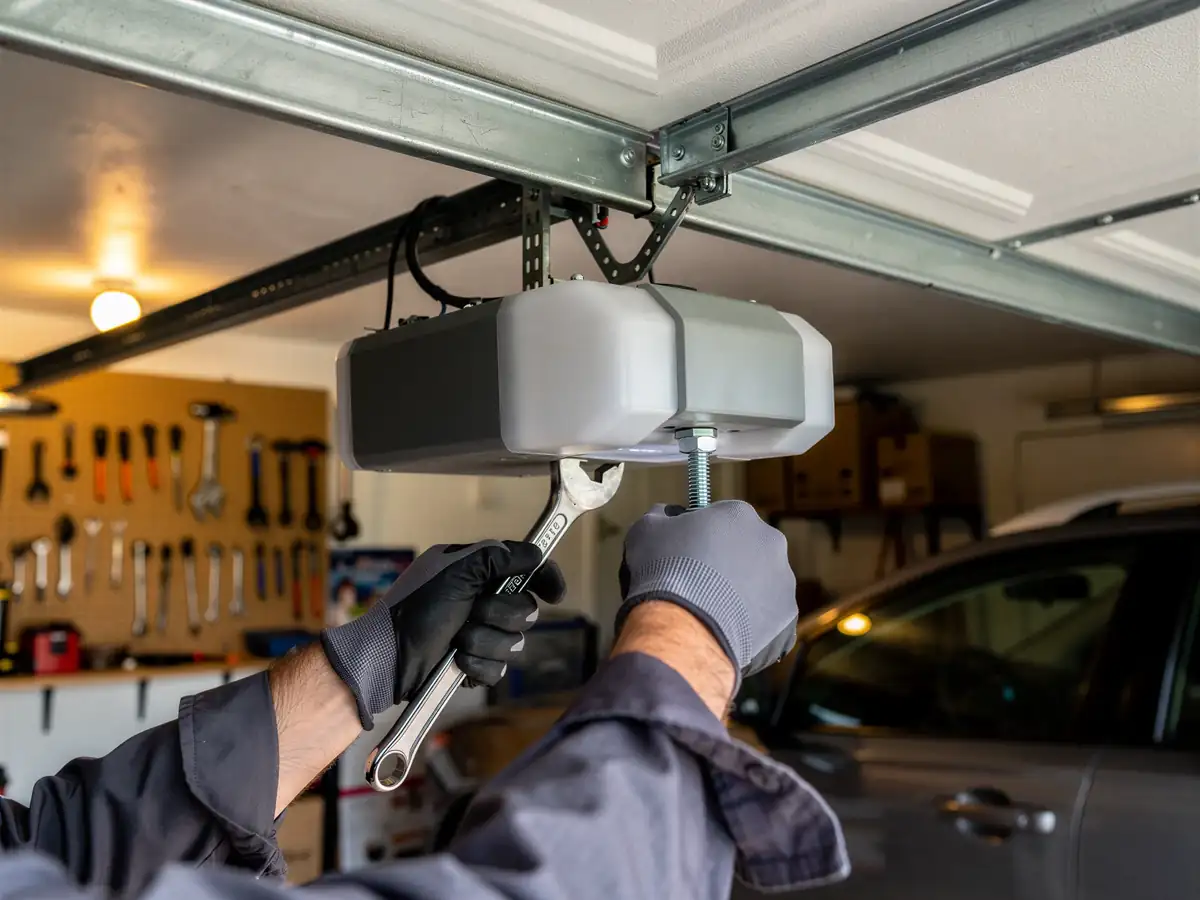
Motor and gearing. A chain-drive opener from an older install loses torque over the years
In cold weather that lost torque shows up fast - the motor strains, overheats, and the internal gear (usually nylon) can strip. This is one of the most common opener failures we see on original-era setups.
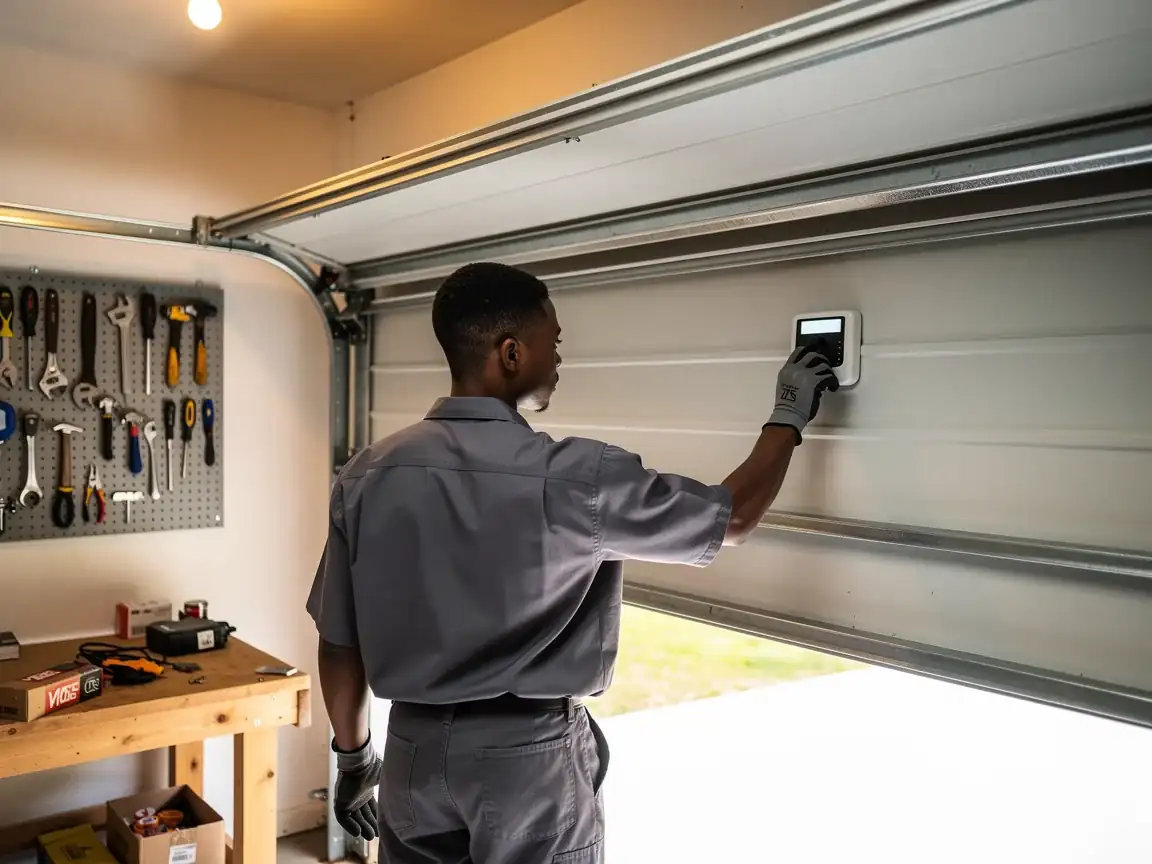
Circuit boards and logic. Boards that are original to a 1970s-era garage, or even a 1990s replacement
Weren't built for today's rolling codes or for decades of temperature cycling. Cold solder joints and capacitors degrade faster with repeated freeze-thaw swings than people expect.
Safety sensors. The photo-eye sensors near the floor get knocked out of alignment easily
A stored bike, a shoveled snowbank, a bump from a car. Misalignment reads as a full opener failure even though the opener itself is fine.
Limit switches and travel settings. These drift with age and with seasonal expansion of the door and track
A door that stops short or reverses unexpectedly is often a travel-limit issue, not a motor issue.
We can't always tell which of these it is over the phone
Cold-weather symptoms especially can look identical for three or four different causes until someone's hands are on the unit.
Can You Do This Yourself
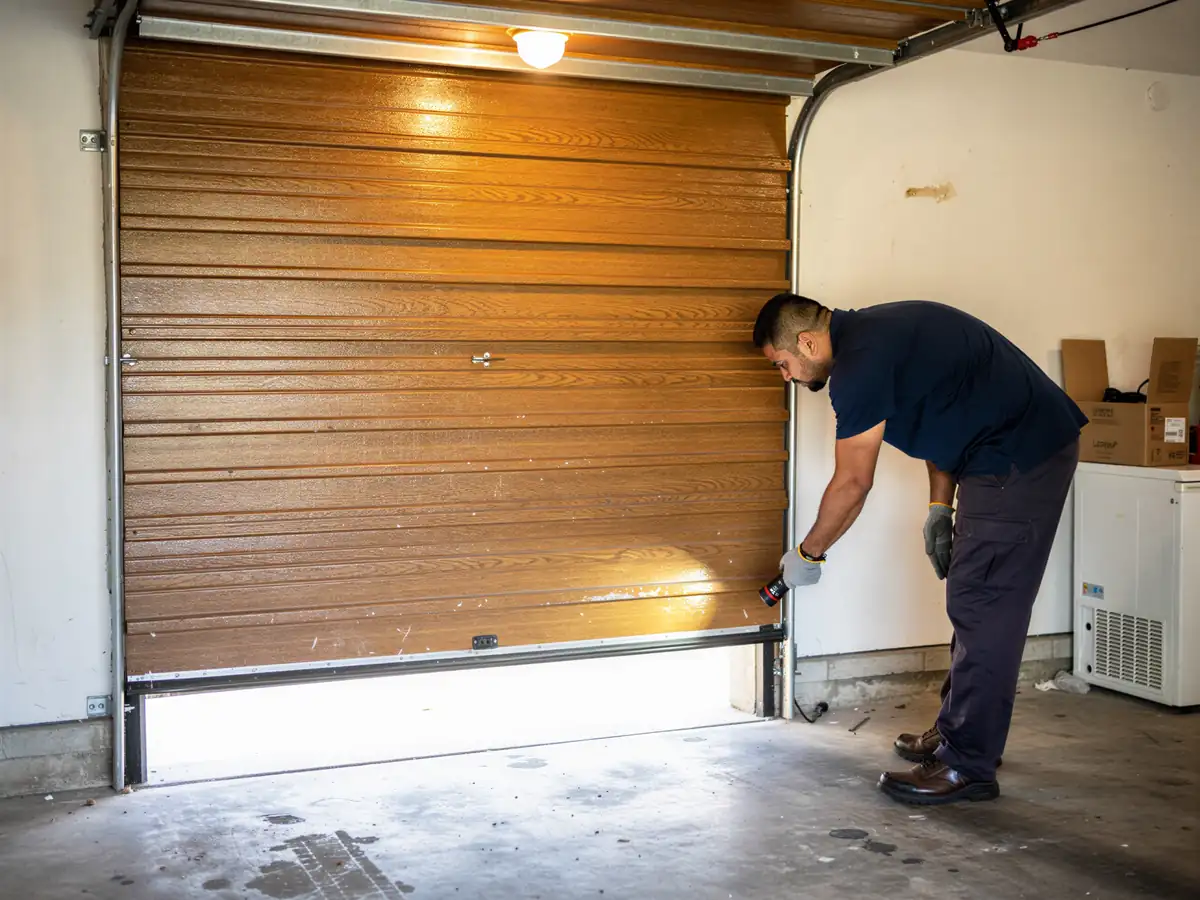
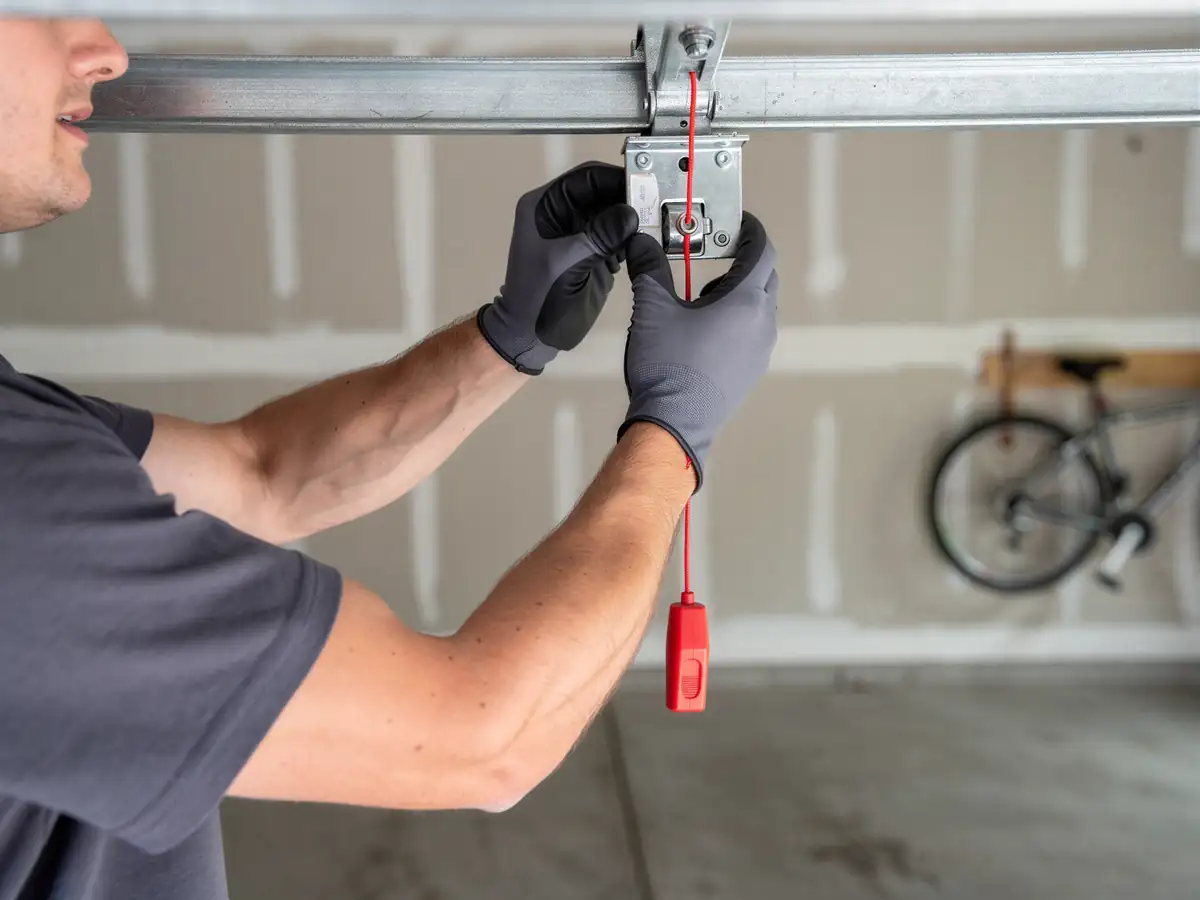
Some of this is fair to check yourself before calling anyone. Look at the sensor eyes near the floor - wipe them off, make sure nothing's blocking the beam, and check they're pointed at each other, not off at an angle. Check the wall button and the remote batteries. If the opener has a manual release cord, make sure it wasn't pulled by accident, which disconnects the carriage from the door entirely and looks exactly like a dead motor.
What's not worth doing yourself: opening the opener housing to get at the circuit board, adjusting travel limits without knowing the sequence for your specific model, or forcing a door that's reversing - that reversal is a safety feature doing its job, not a glitch to override. And if the opener is original to a house built in the 1960s or 70s, the honest answer is often that repair parts for that exact model aren't available anymore, and replacement costs less than chasing down a board nobody stocks.
If the quick checks don't fix it, that's the point to call rather than keep guessing at a unit you can't easily get parts for.