Older vs Newer Streets
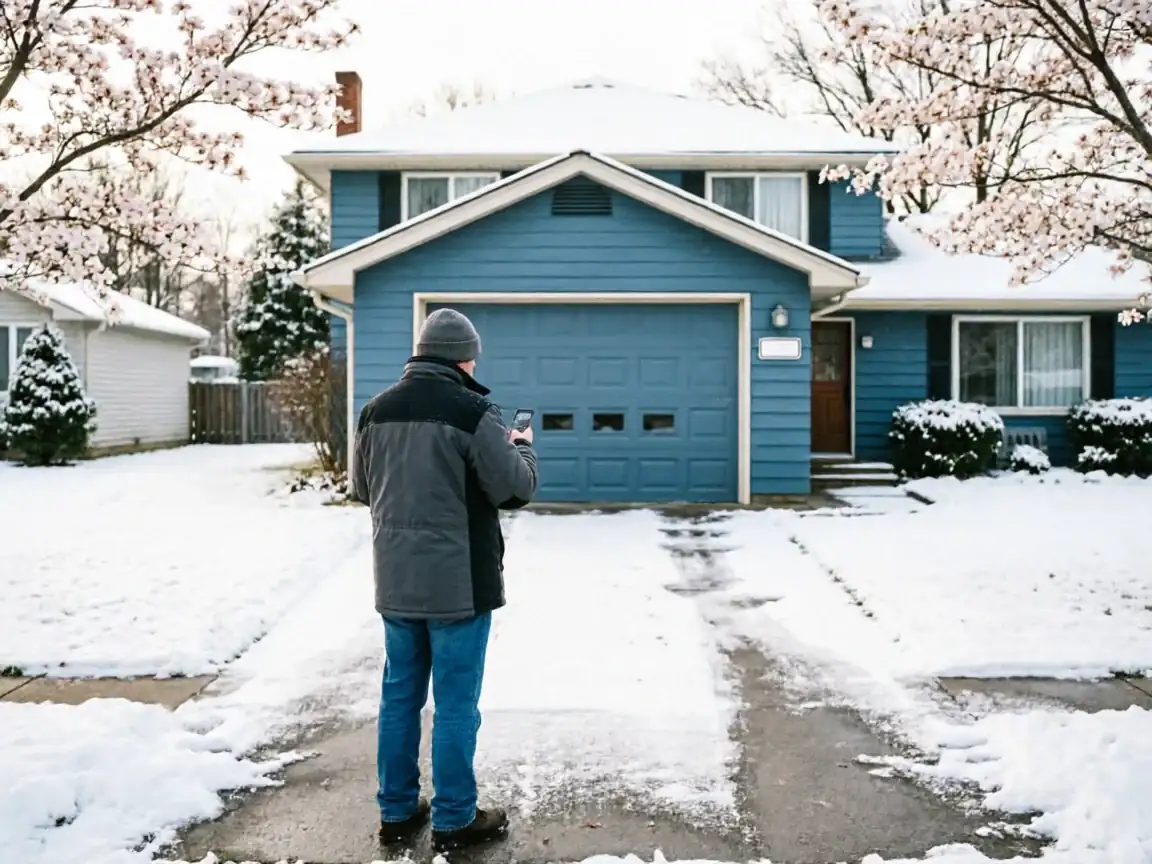
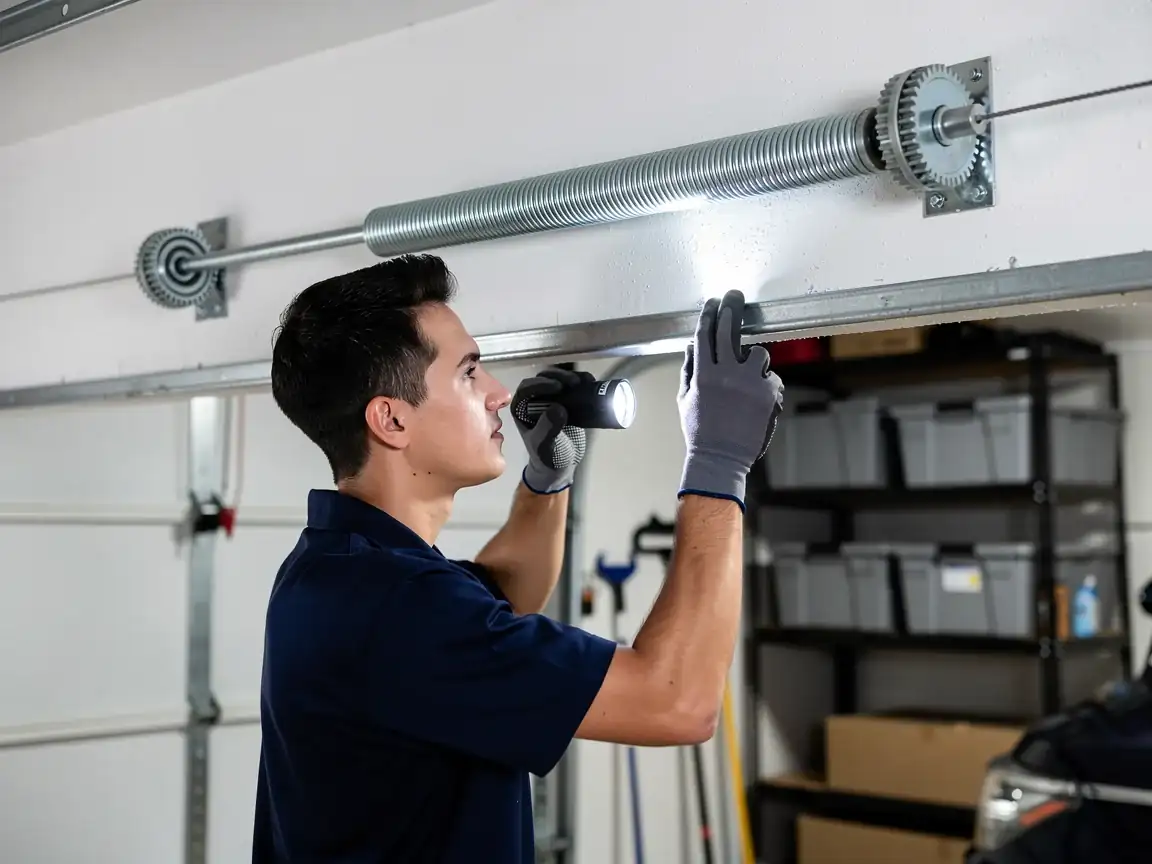
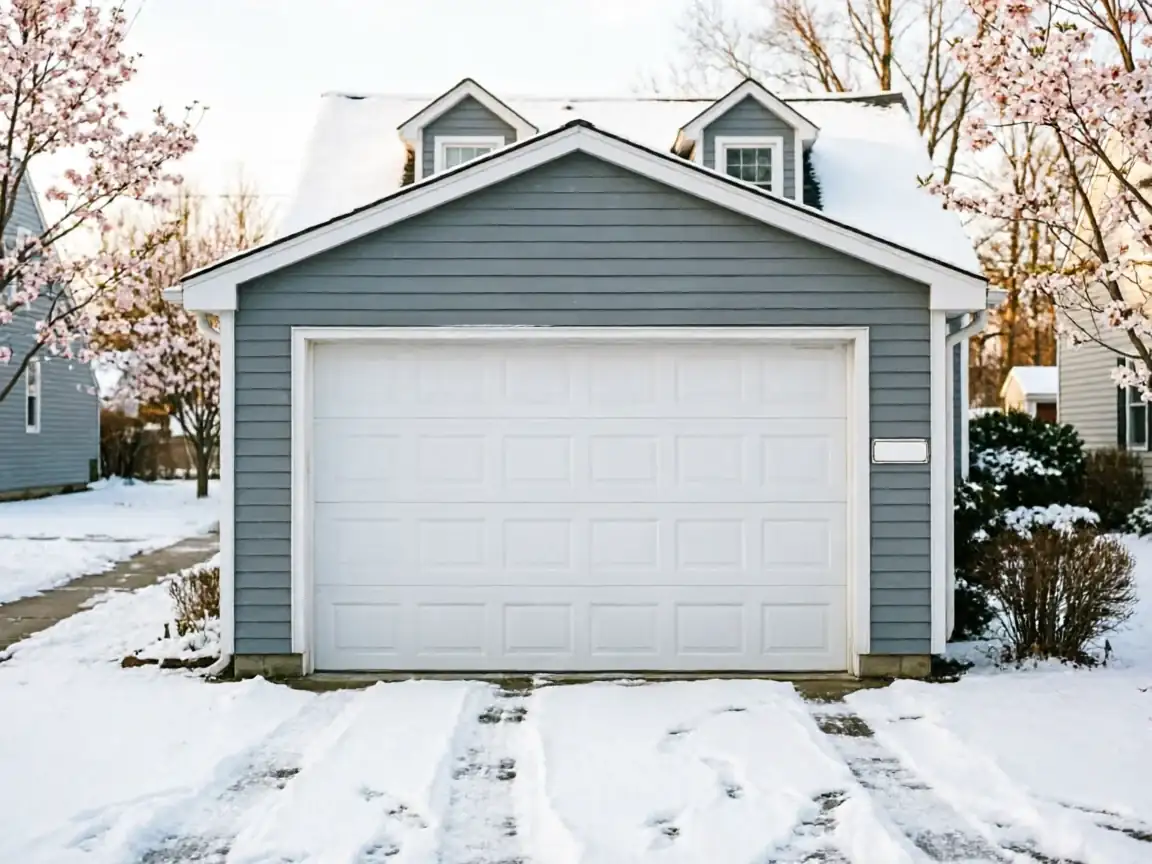
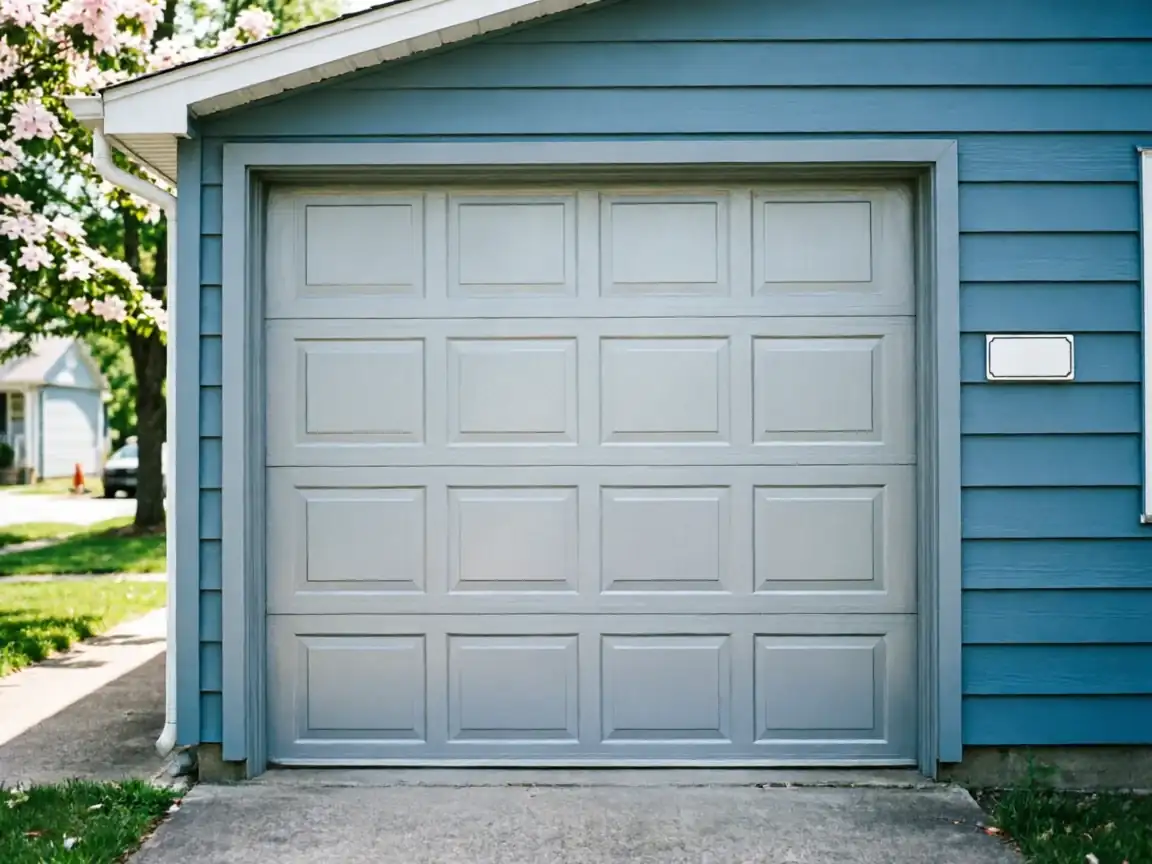
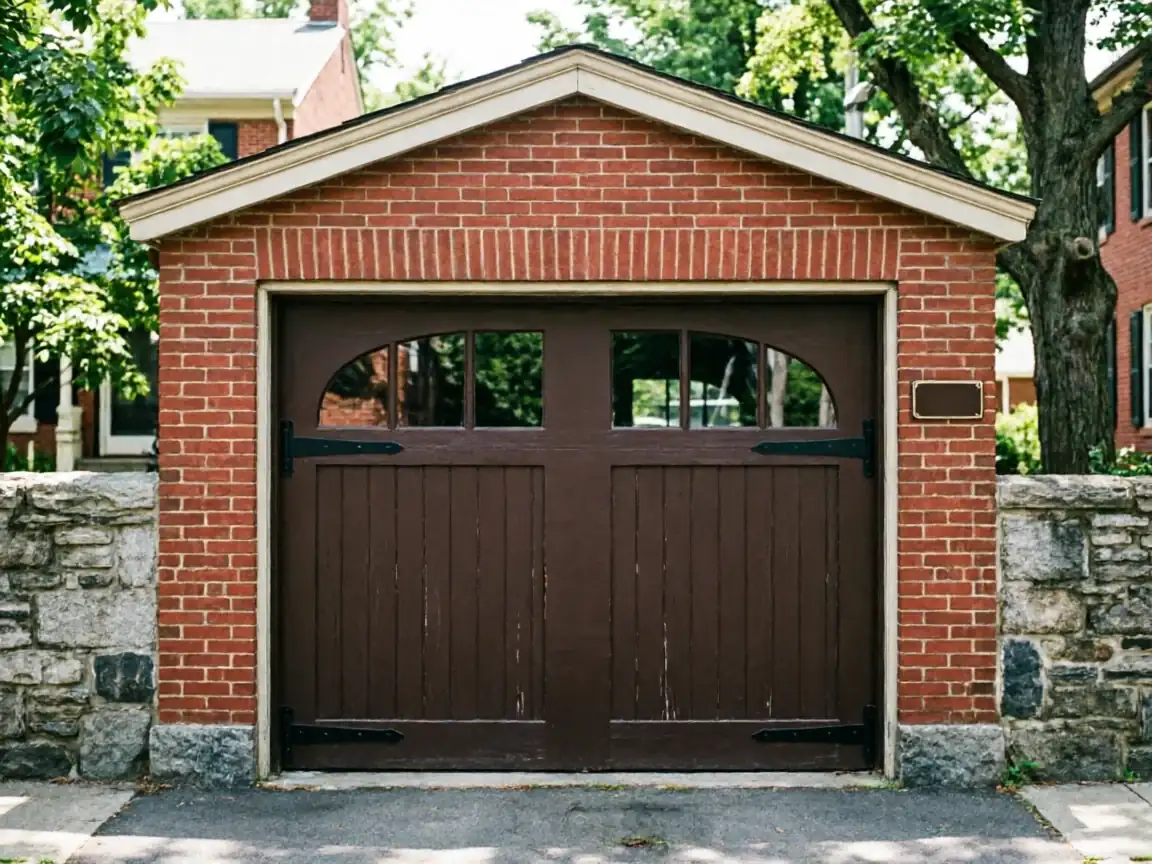
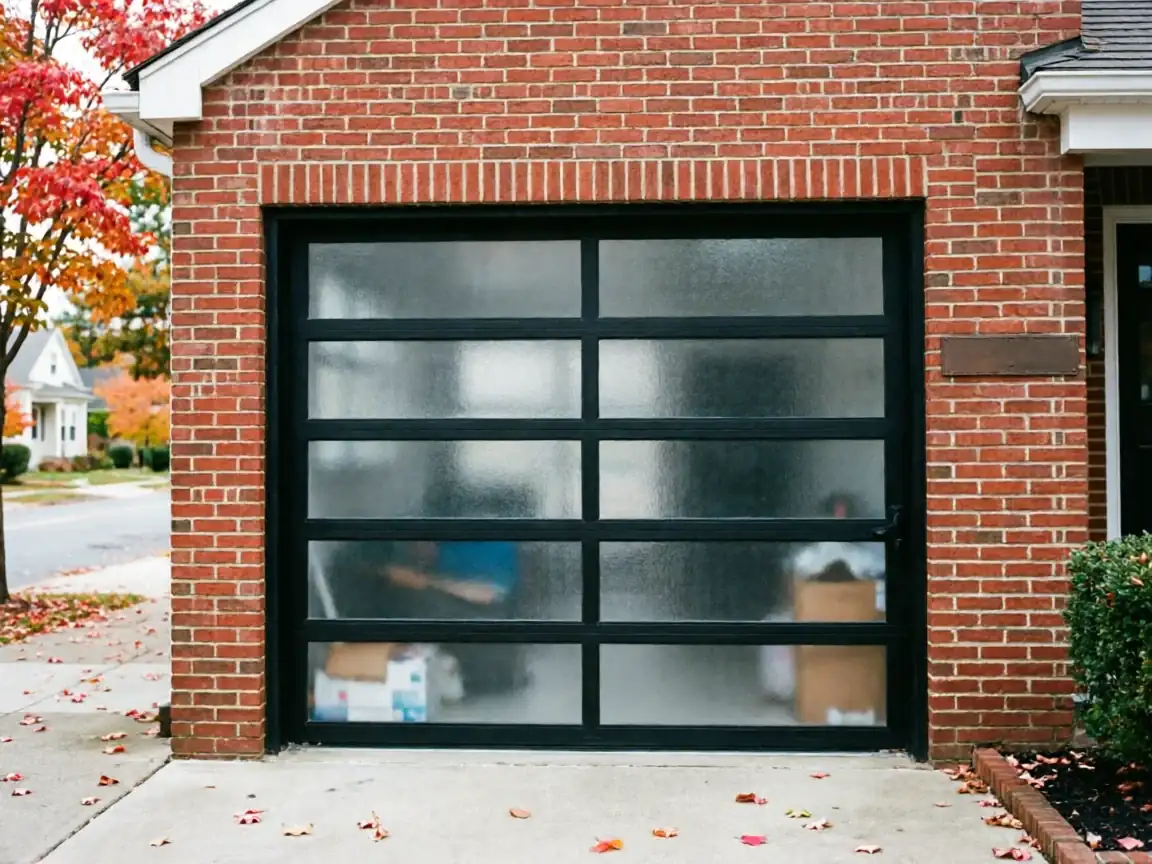
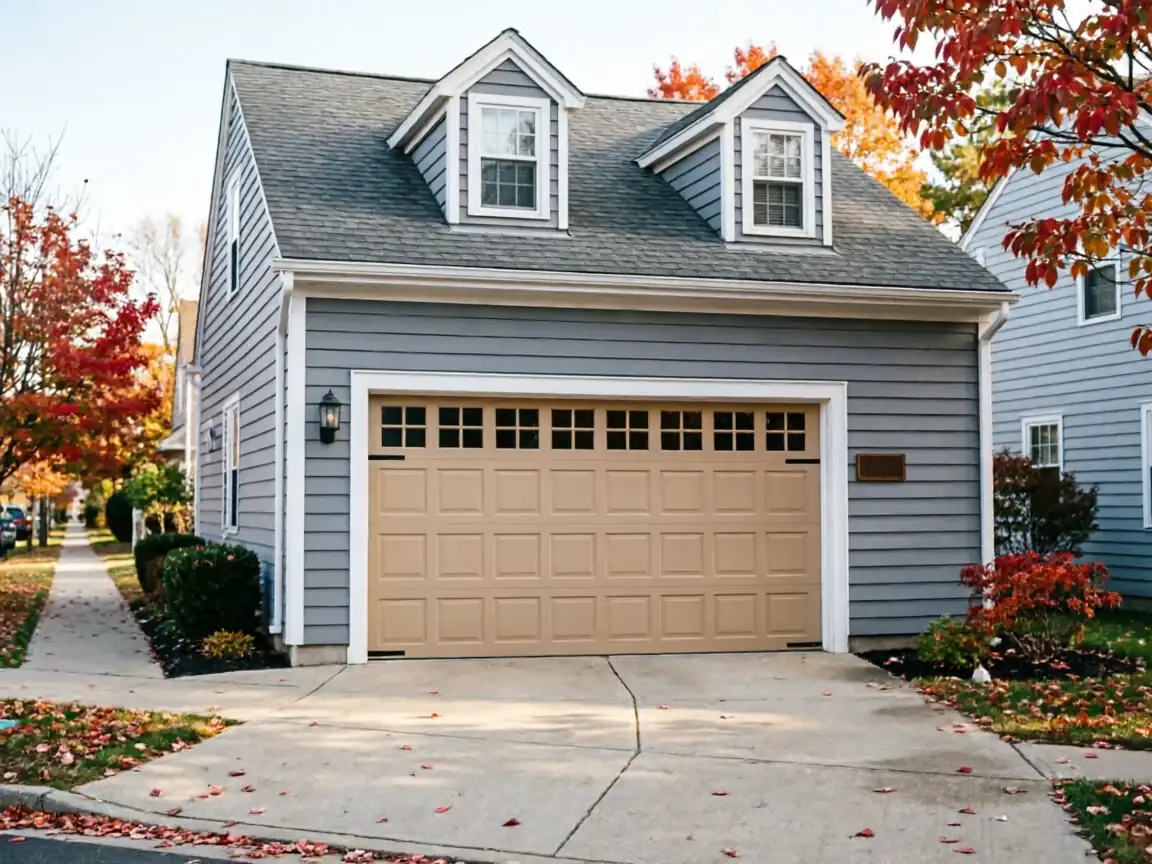
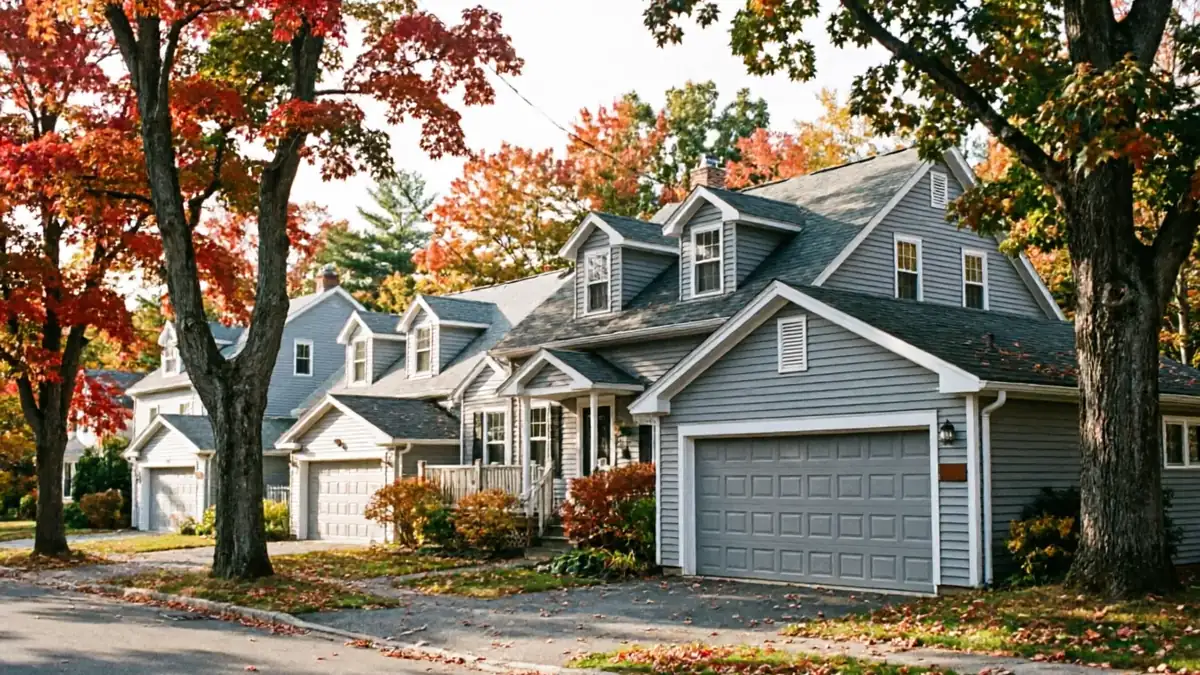
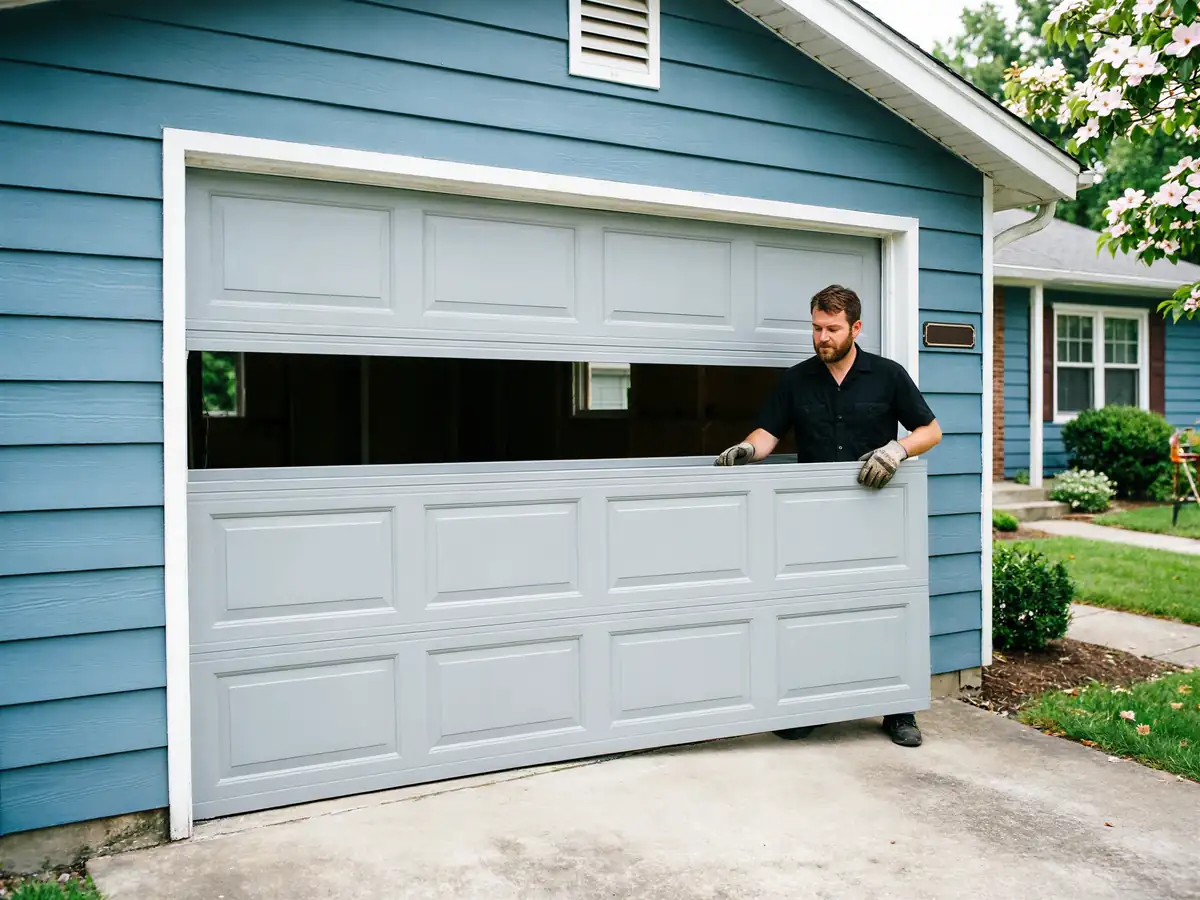
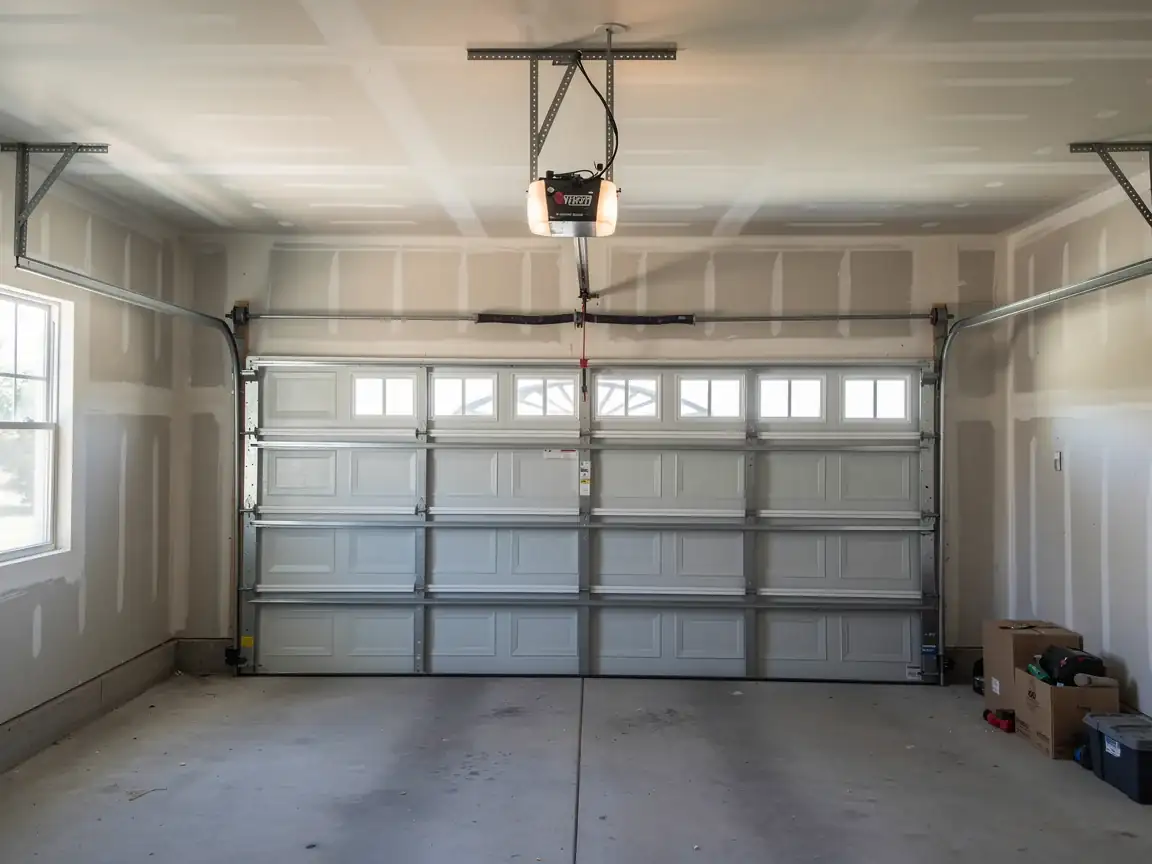
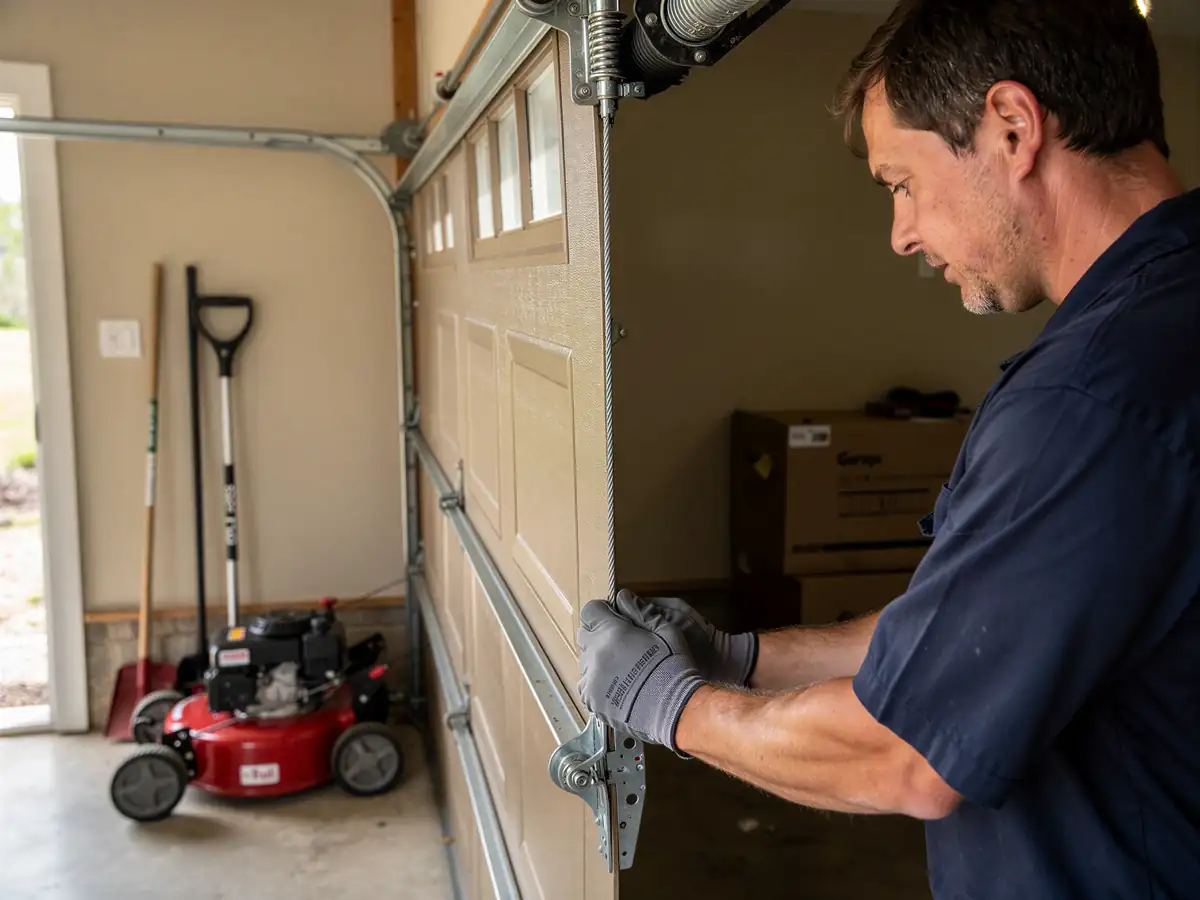
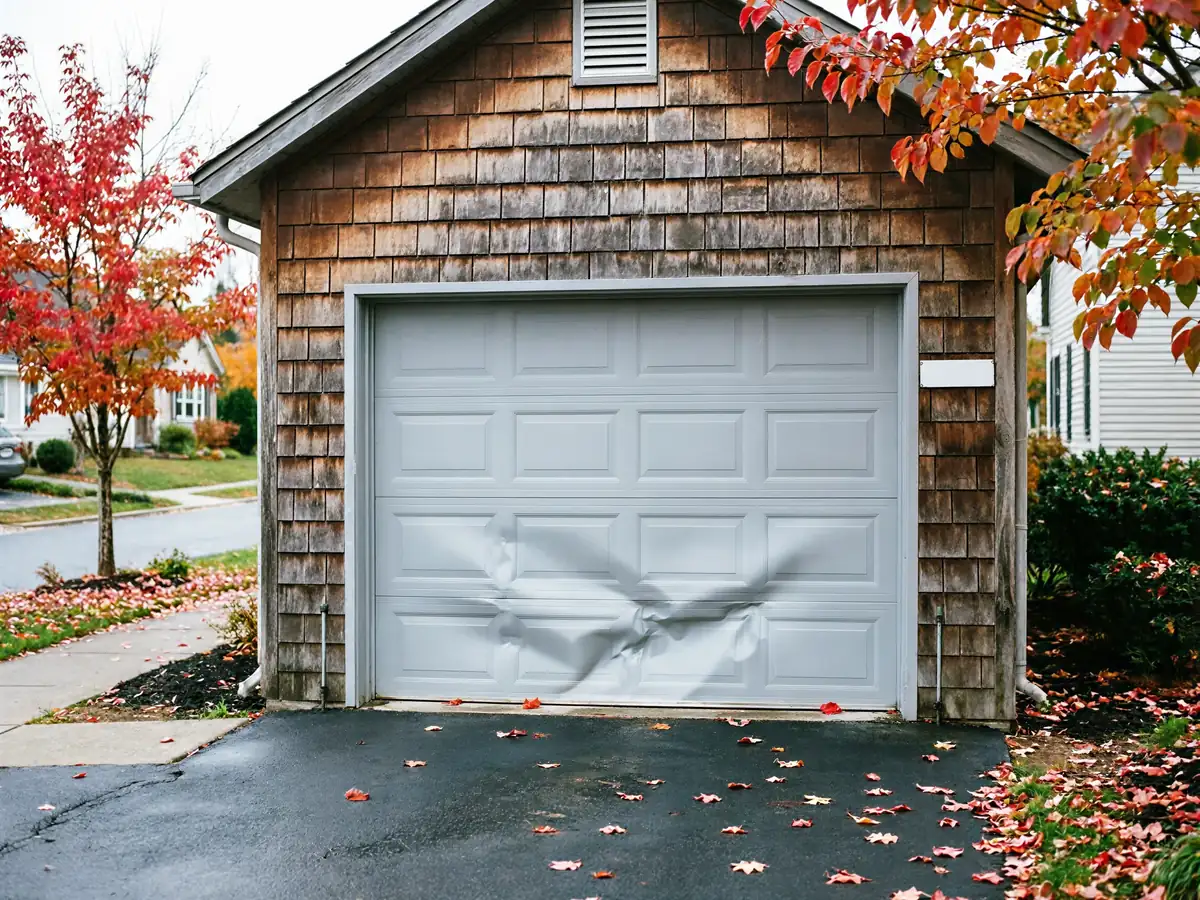
Naugatuck's median home was built in 1971, which puts most of the town's garage doors on the older end of what we see across the wider service area. The streets that went up before 1971 tend to have narrower, single-car bays with steel doors from before insulation was standard, and the torsion hardware on them is often the original spring, never swapped. Newer pockets built closer to the 2013 end of the area's 1952-2013 build range have wider two-car openers with sectional doors and safety sensors already wired in. The difference matters when you call for a repair: a 1960s door usually needs a spring and roller job, while a newer one is more likely an opener board or sensor alignment issue. We ask what decade a house went up before we load the truck, because the parts list is different. If you don't know, the obvious seams in an older steel door panel or a jamb-mounted single torsion spring are the giveaway.
What Was Built Here
With 12,534 households, Naugatuck is a smaller town inside a service area where the wider county runs 215,330 households and 131,457 owner-occupied houses. The town's median household income, at $92,184, sits well below the broader area's $130,180 median, and that shows up in what we're asked to do on a call: more repairs, fewer full replacements, more requests to keep an older door running one more winter rather than swap it out. The housing itself lines up with the area's general pattern of 1960s and 1970s stock across the 45 named communities we work in. Connecticut's winter climate is classed as cold and severe, and a lot of these doors have spent fifty winters taking that weather on steel panels and exposed hardware that wasn't built for it. None of that is unique to Naugatuck, but the combination of older stock and a tighter household budget than the surrounding towns is.
Where We Stop
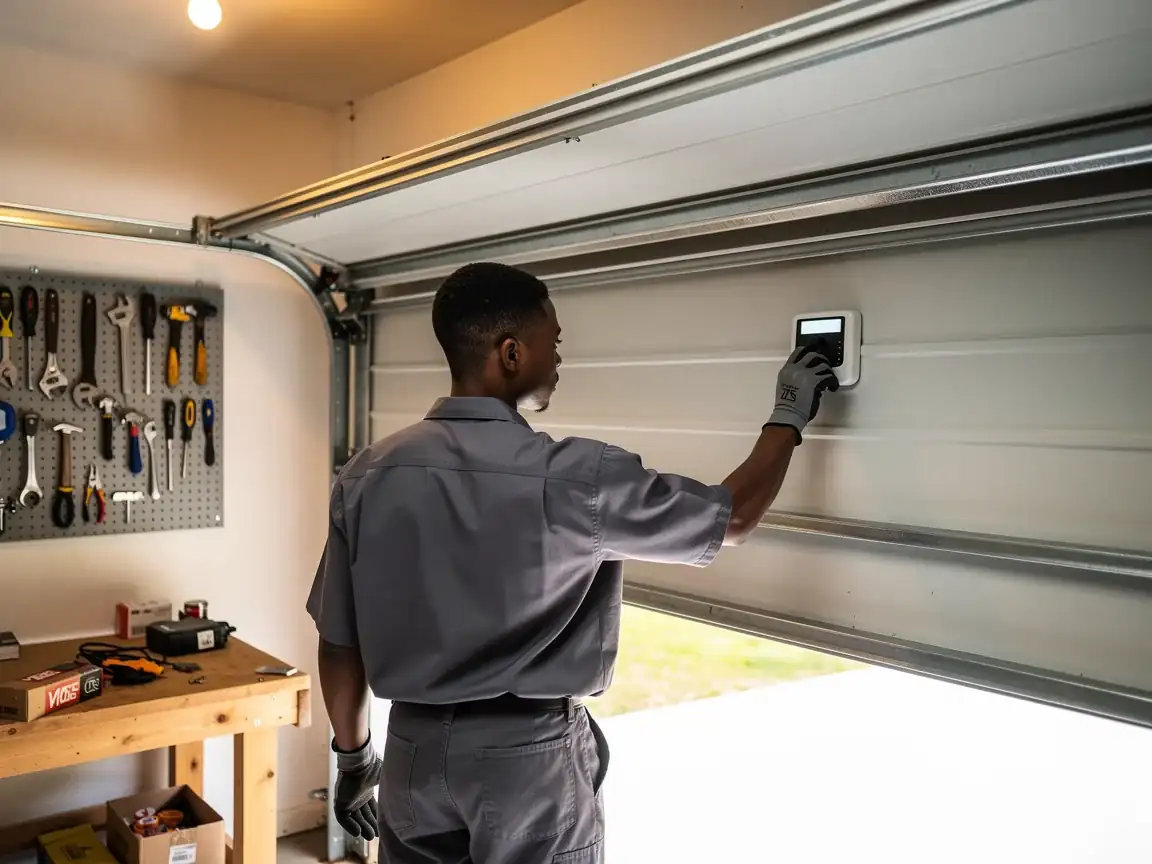
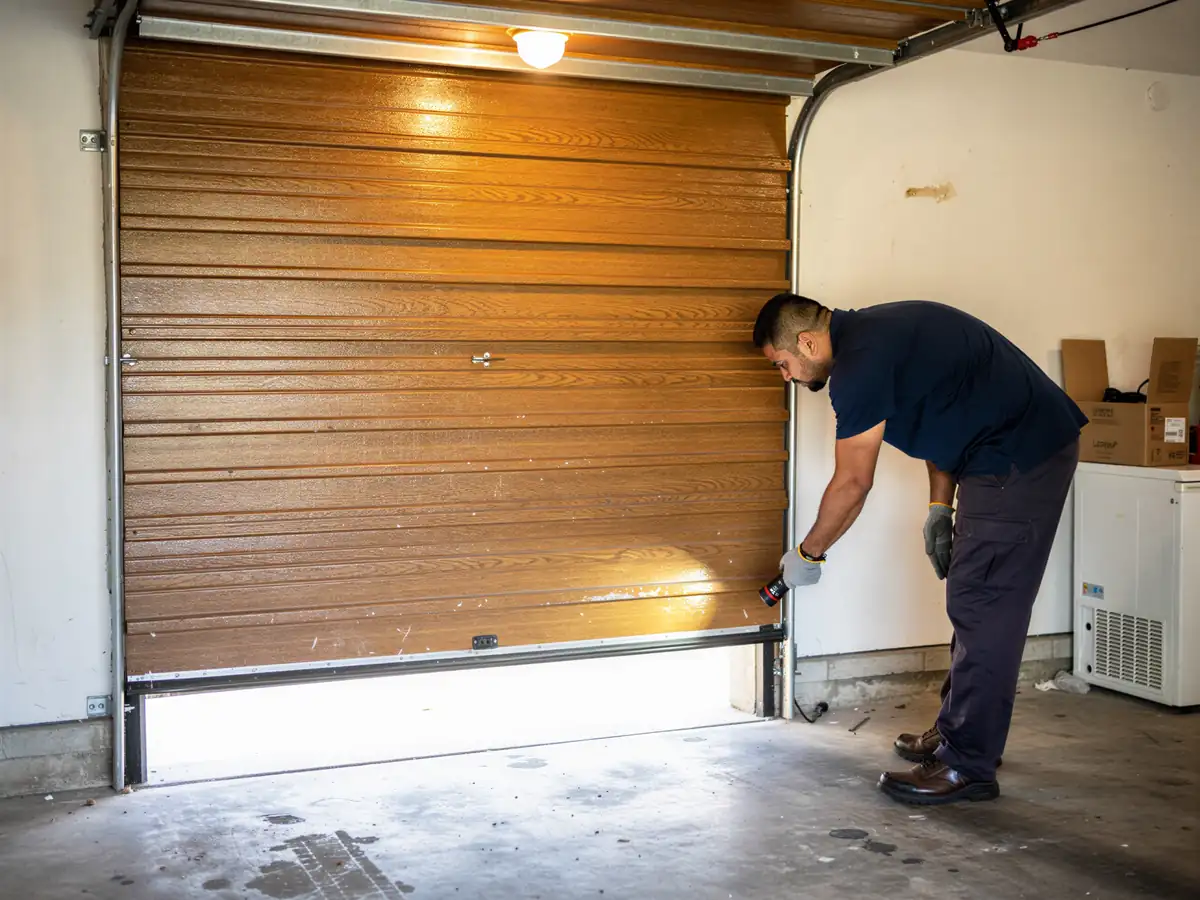
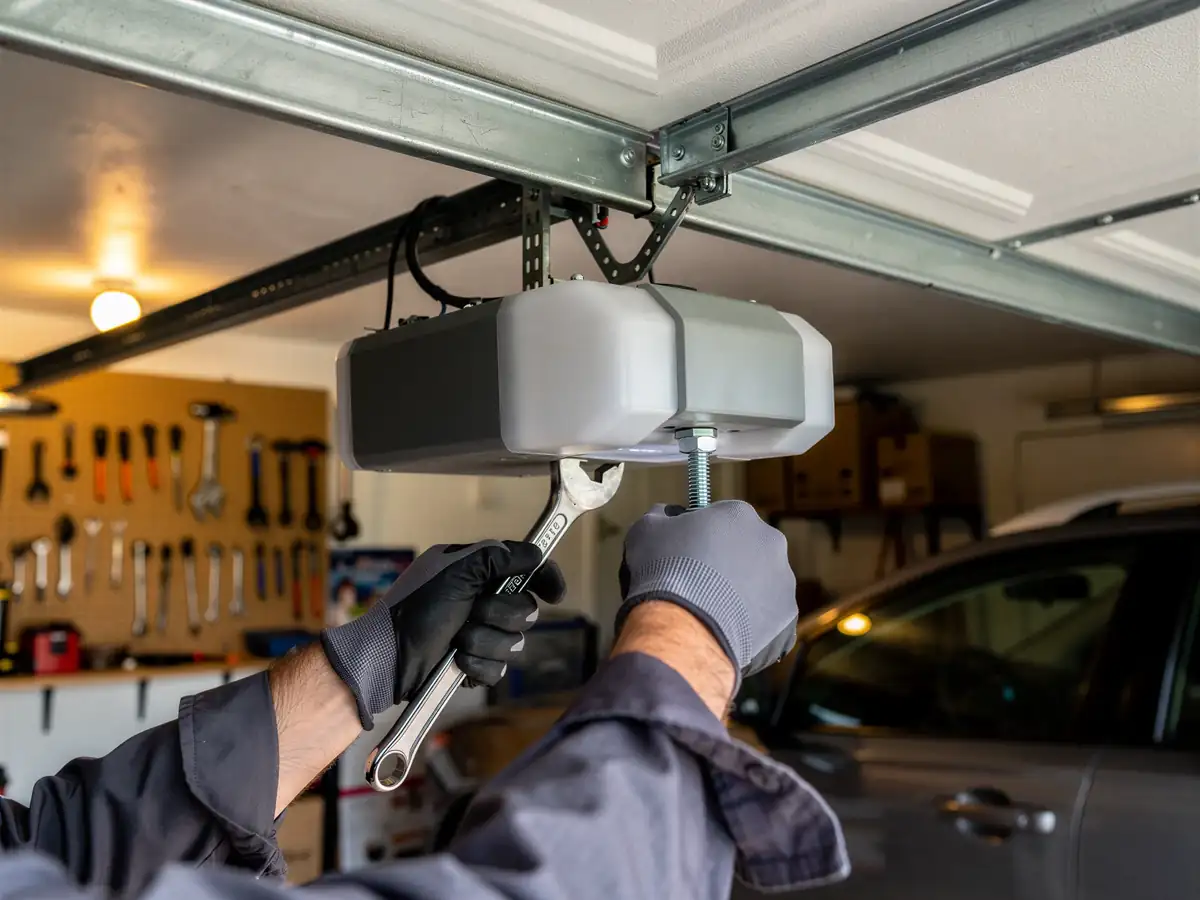
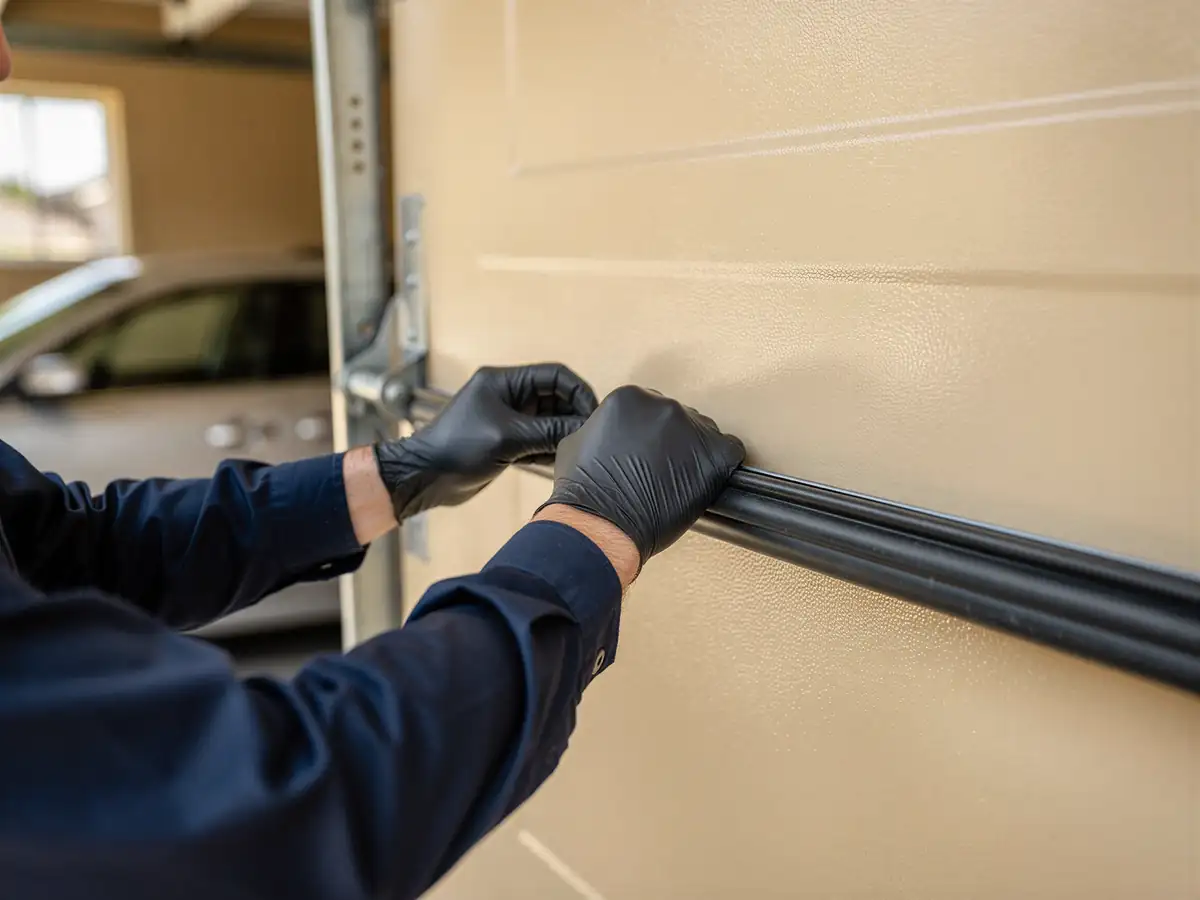
We run out of Shelton, about 13 miles from Naugatuck, so we're not a local depot and we don't promise a same-day window just because it's close. We travel to the town on scheduled calls, not drive-by coverage. We also don't stock every spring size or panel style for doors built before the 1970s - some of that hardware is special order, and we'll tell you up front if a part has to come in before we can finish the job. What we do handle on-site: torsion and extension spring replacement, cable and roller repair, opener installation and troubleshooting, and panel sections where a match is available. What we don't do is guess at a repair over the phone without seeing the door - a 1960s torsion setup and a newer extension system aren't interchangeable, and getting that wrong from a description alone isn't something we're willing to risk.