The Symptom
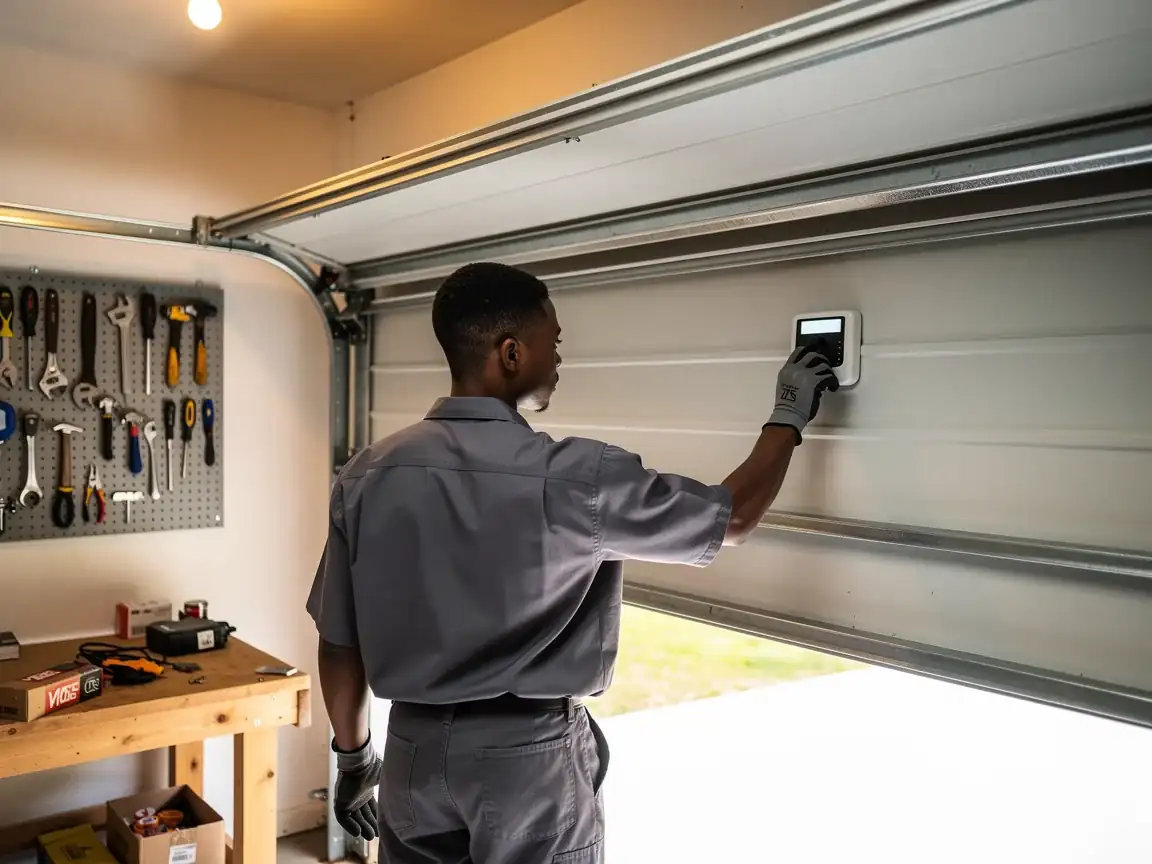
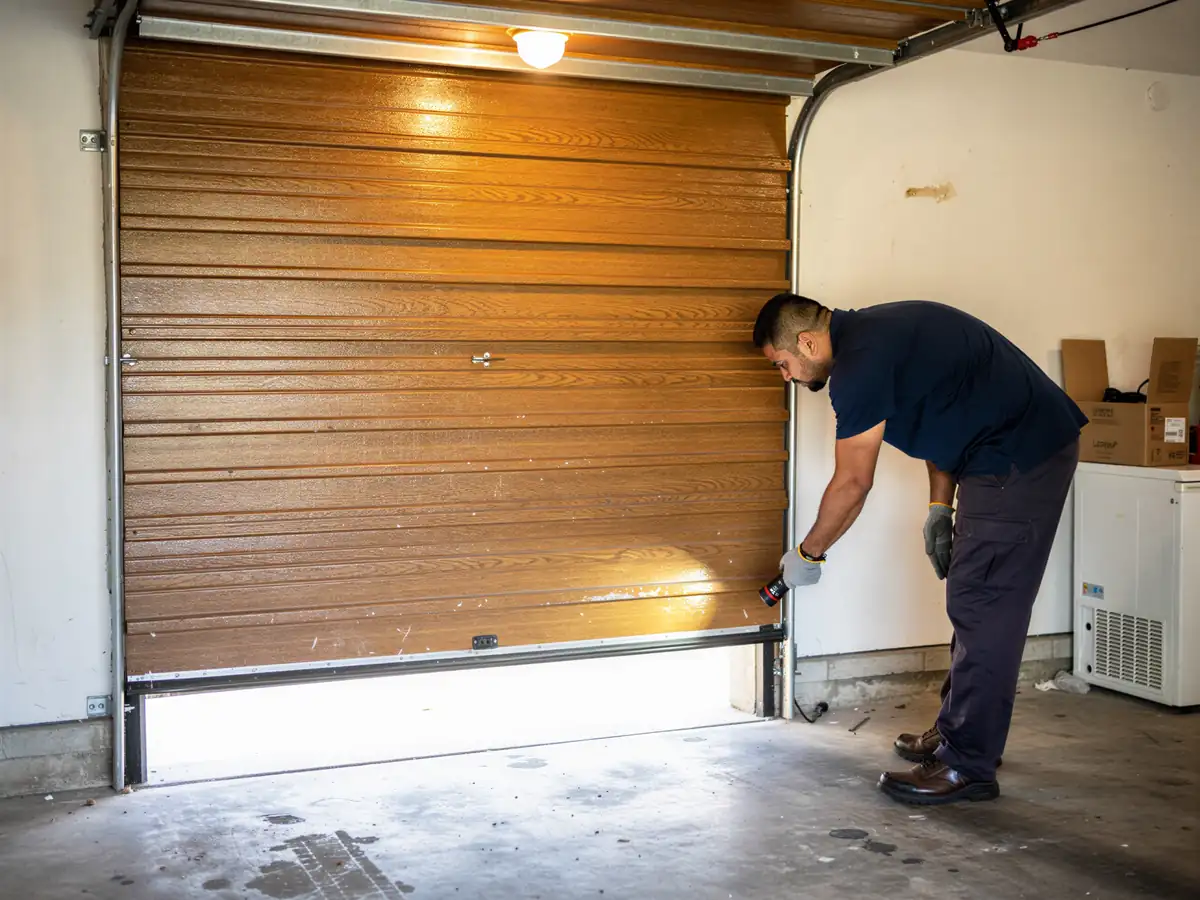
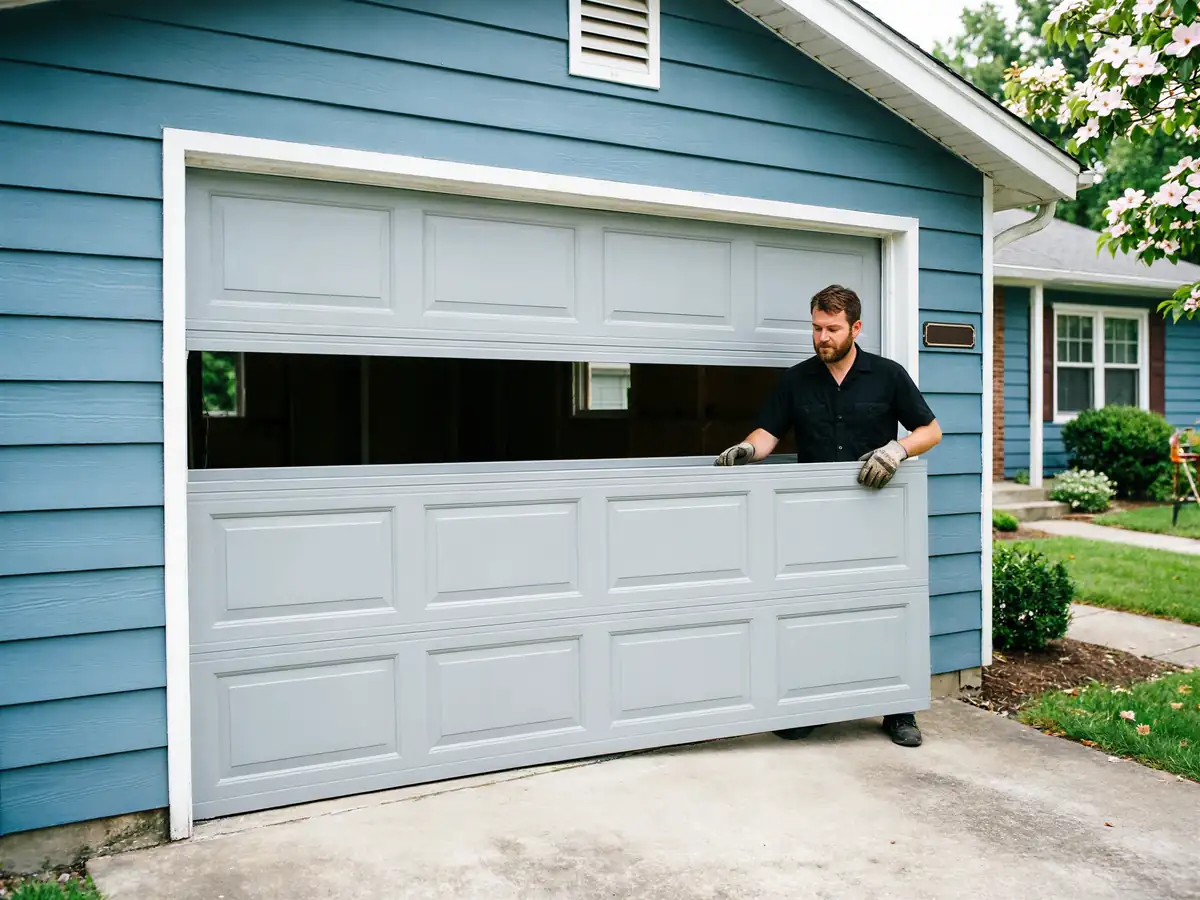
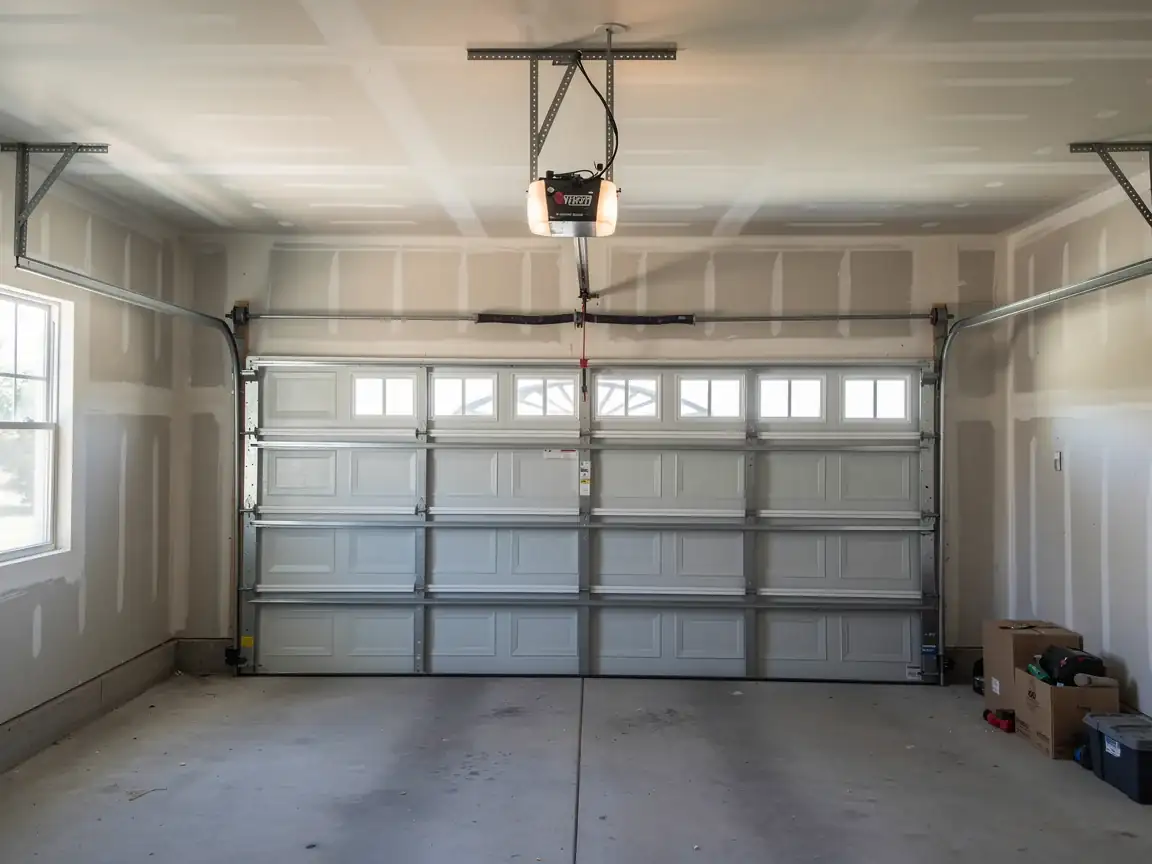
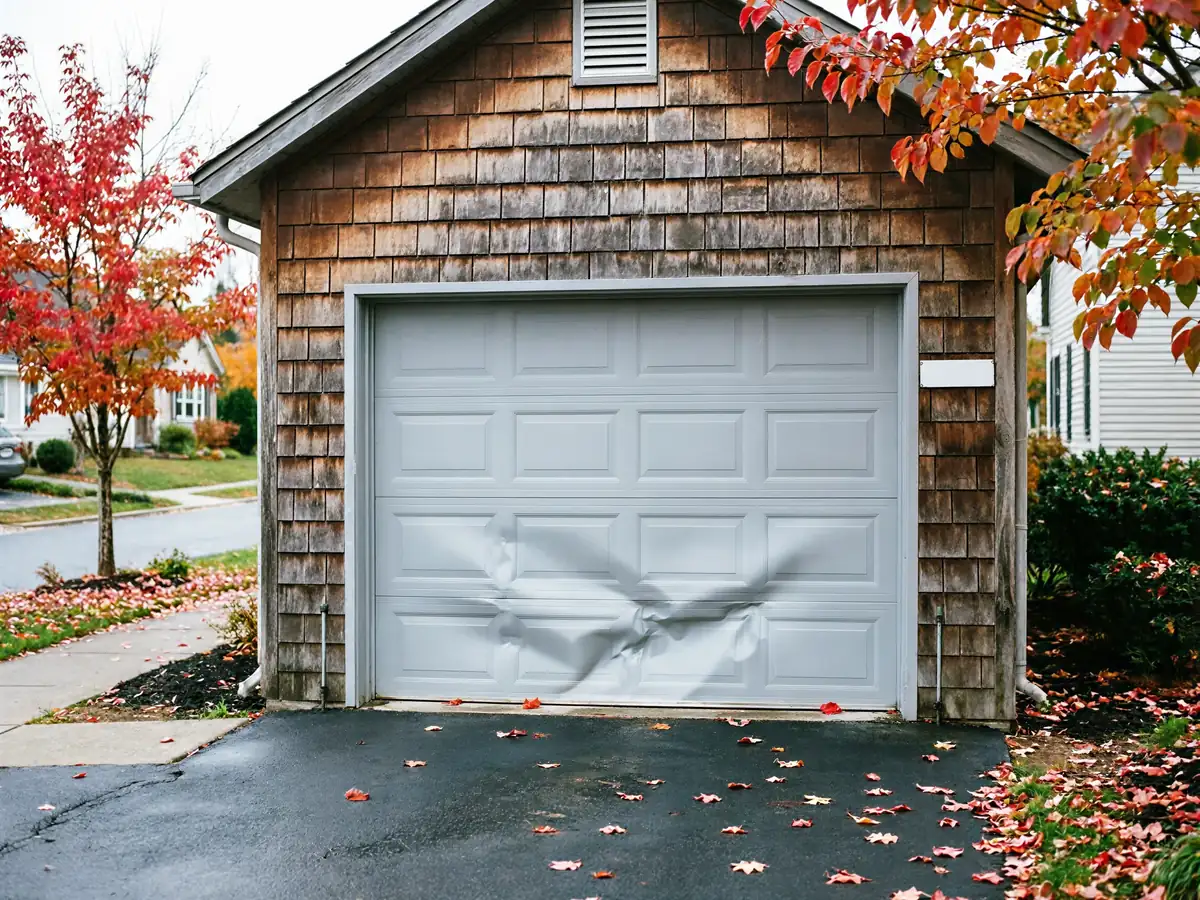
You back out of the driveway and clip the corner of the door, or a winter freeze-thaw cycle finally splits a seam that's been bowing for years. Now there's a dent, a crack, or a panel that won't sit flush in the track anymore. Sometimes it's cosmetic - the door still opens and closes fine, just ugly. Other times the bent panel is dragging on the track, binding the rollers, or putting uneven load on the spring system every time the opener cycles. A single damaged panel on a multi-panel door is usually a repair, not a full door replacement, but only if the section is still made and the rest of the door is in decent shape. We see this request a lot on steel sectional doors that are 15 to 30 years old, where the panel profile is still common enough to match but the original finish or insulation foam core may not be.
Why This Fails Locally
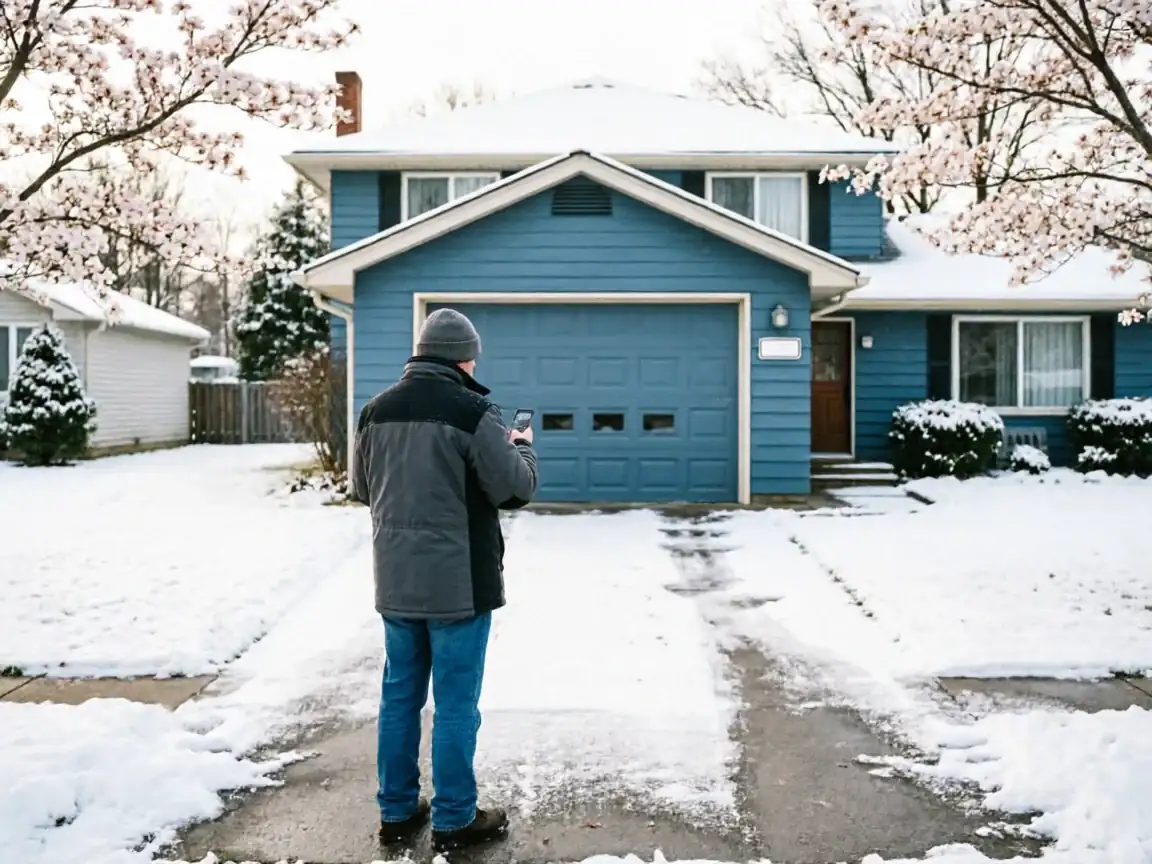
Housing in this service area runs mostly 1960s-70s construction, with the broader stock dating from 1952 up through newer builds, median year around 1972. That means a huge share of the garage doors here are original or first-replacement steel sectional doors, sized to openings and track configurations that were standard decades ago. Panels on doors that age are more prone to rust-through at the bottom seam and brittle foam cores that crack under impact rather than flex. Add a cold-climate band with severe winter exposure, and you get repeated freeze-thaw cycling that works moisture into any existing dent or hairline crack until it splits clean through. A panel that would just dent and hold in a mild climate tends to fail outright here after a couple of winters. That combination - older sectional stock plus hard freeze-thaw - is why panel replacement calls spike on doors from this era rather than on newer insulated models.
Can You Do This Yourself
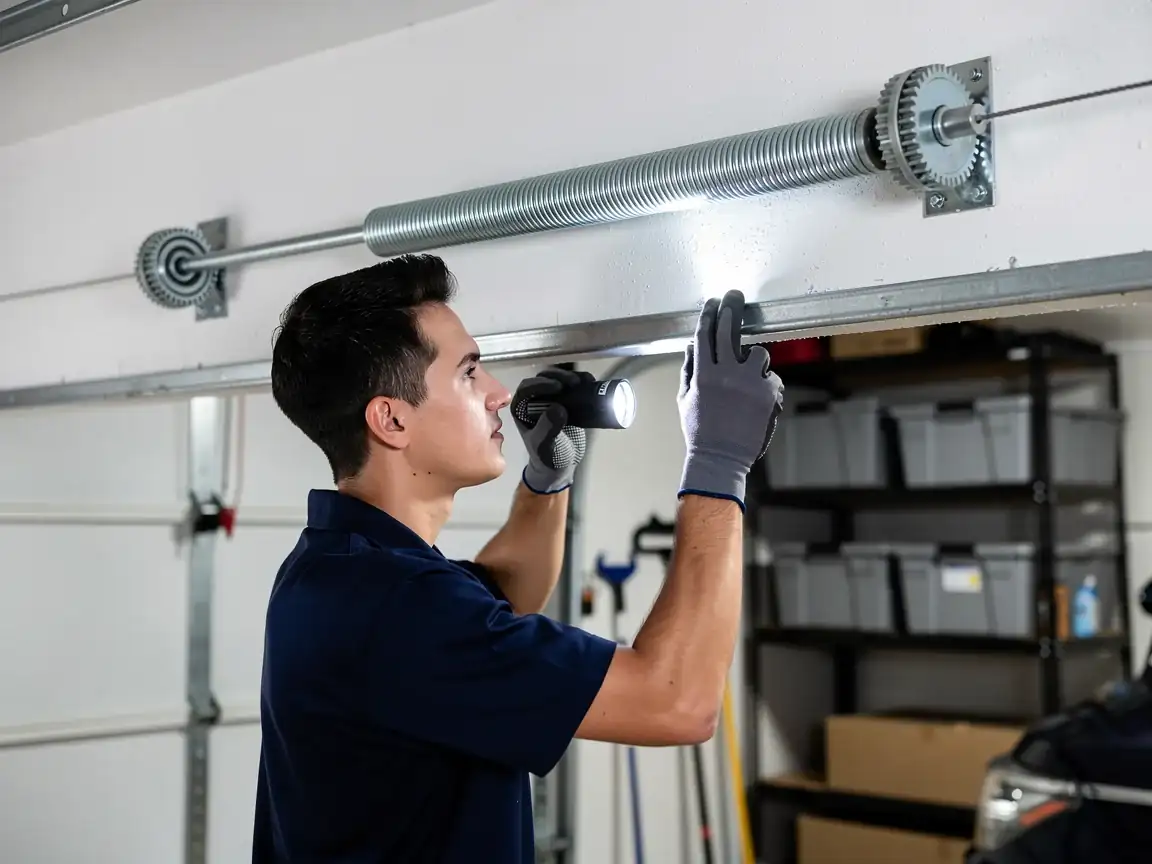
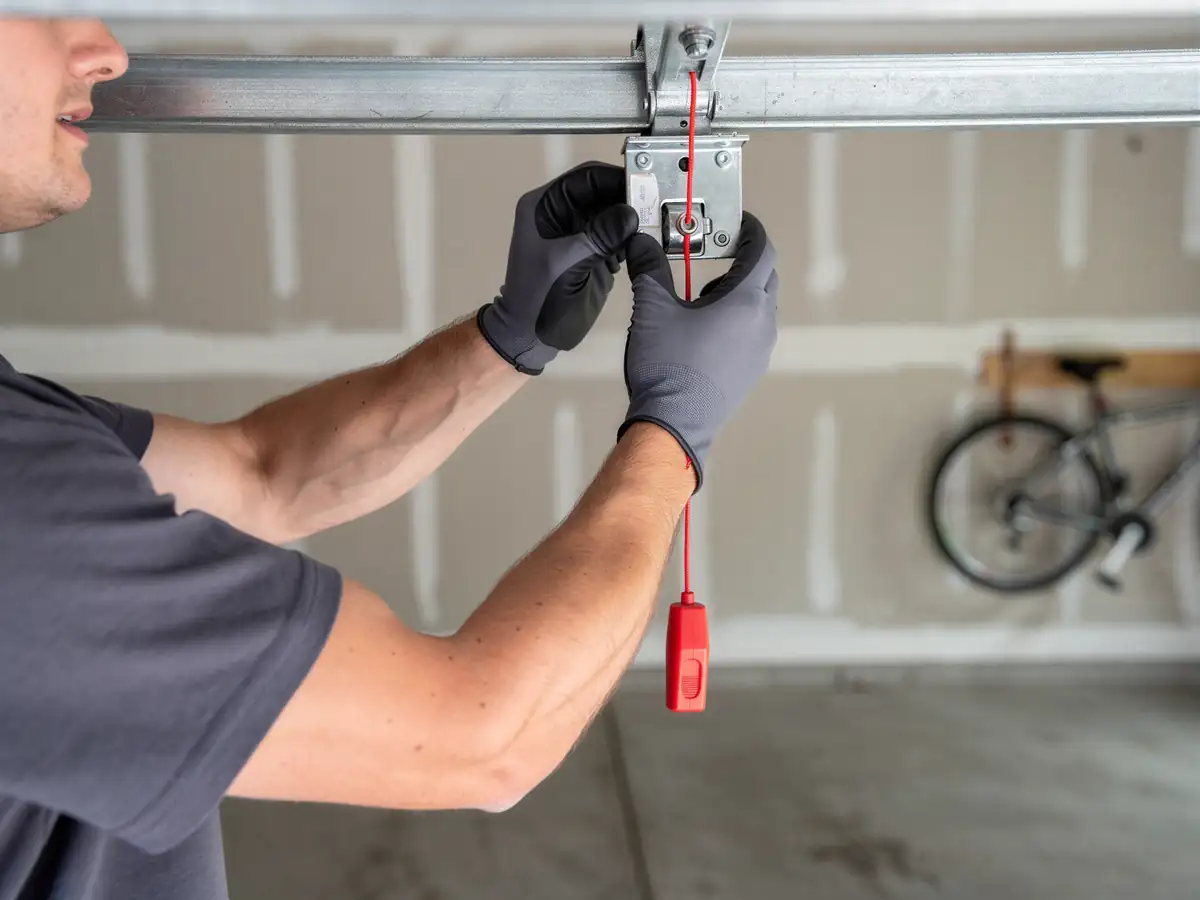
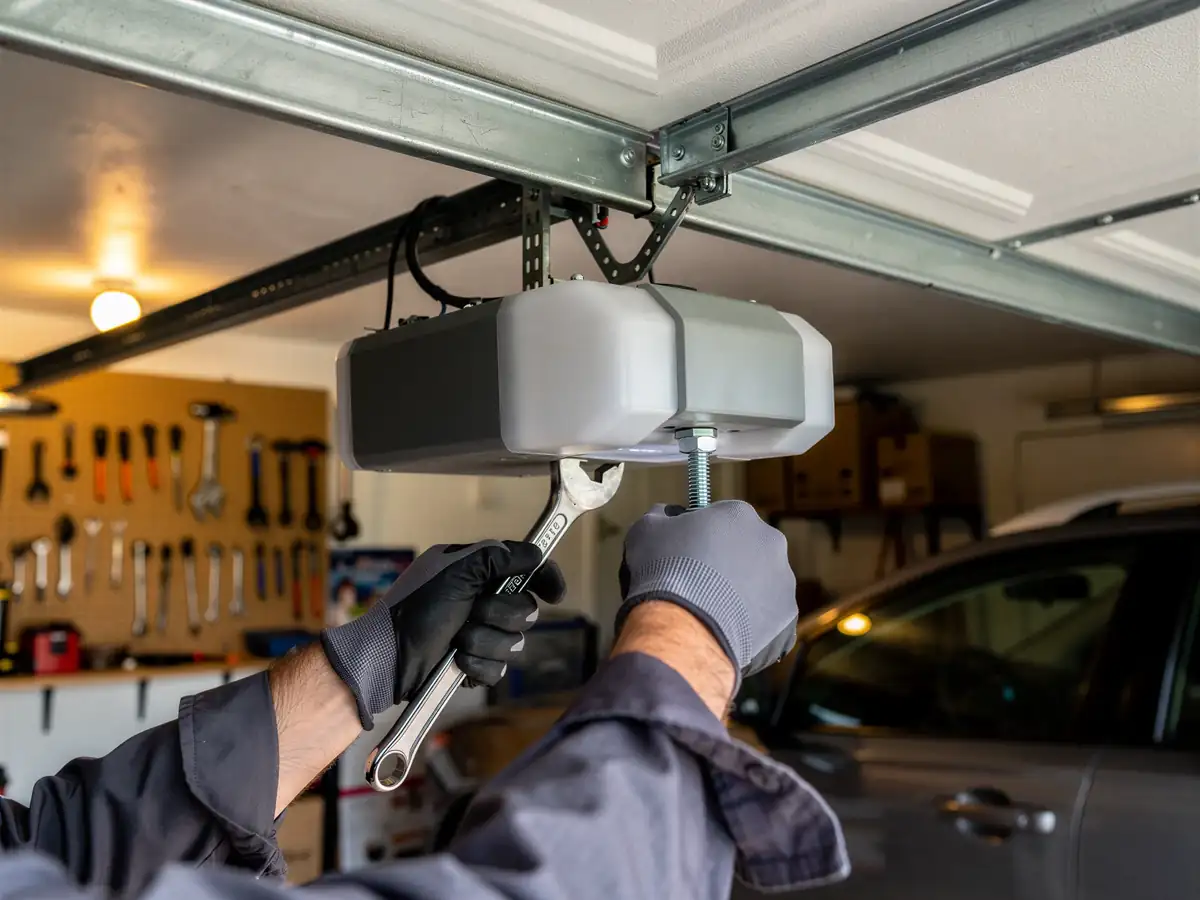
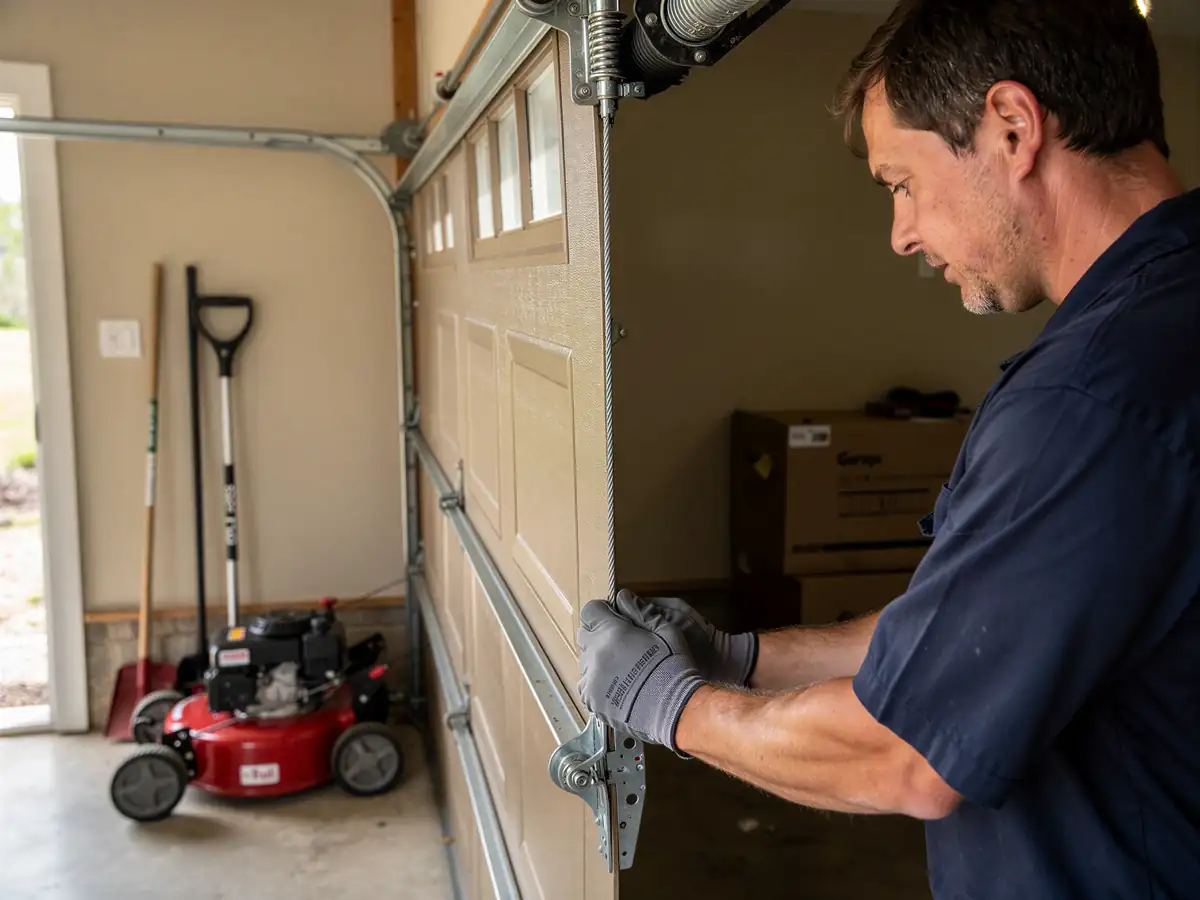
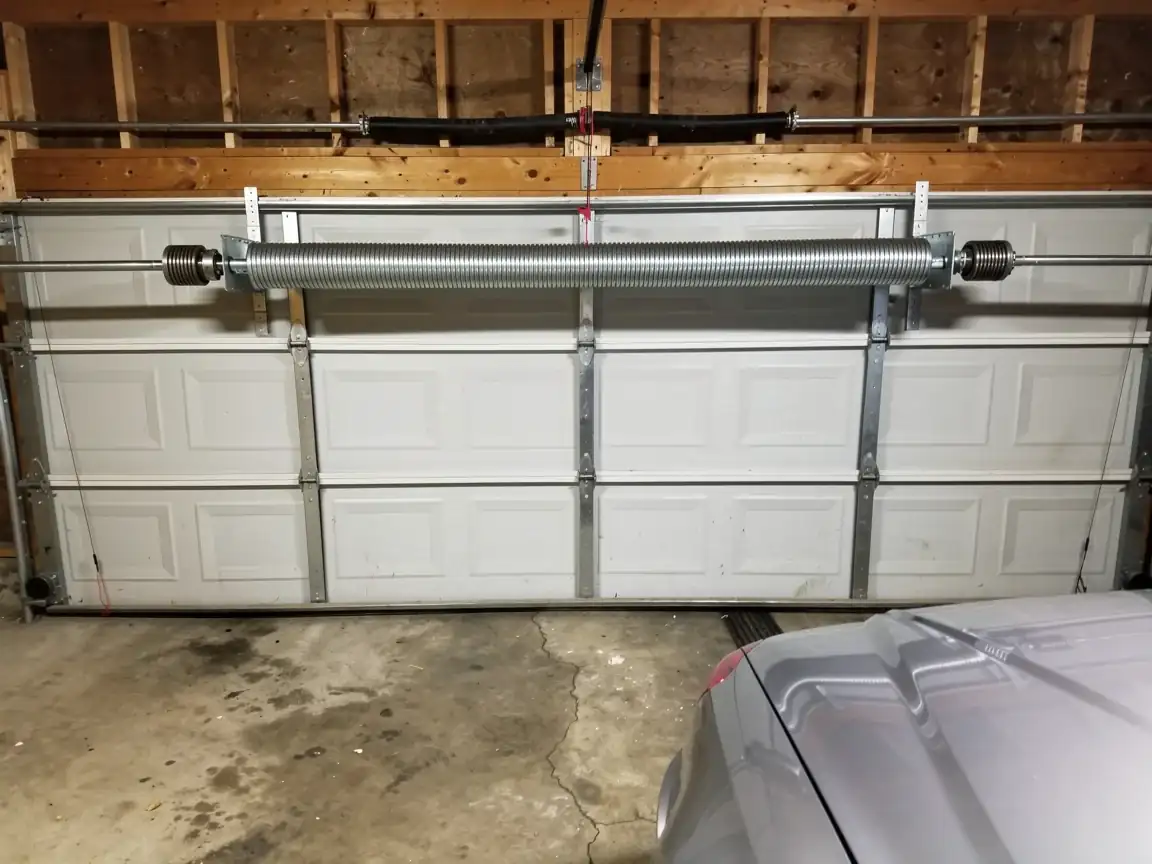
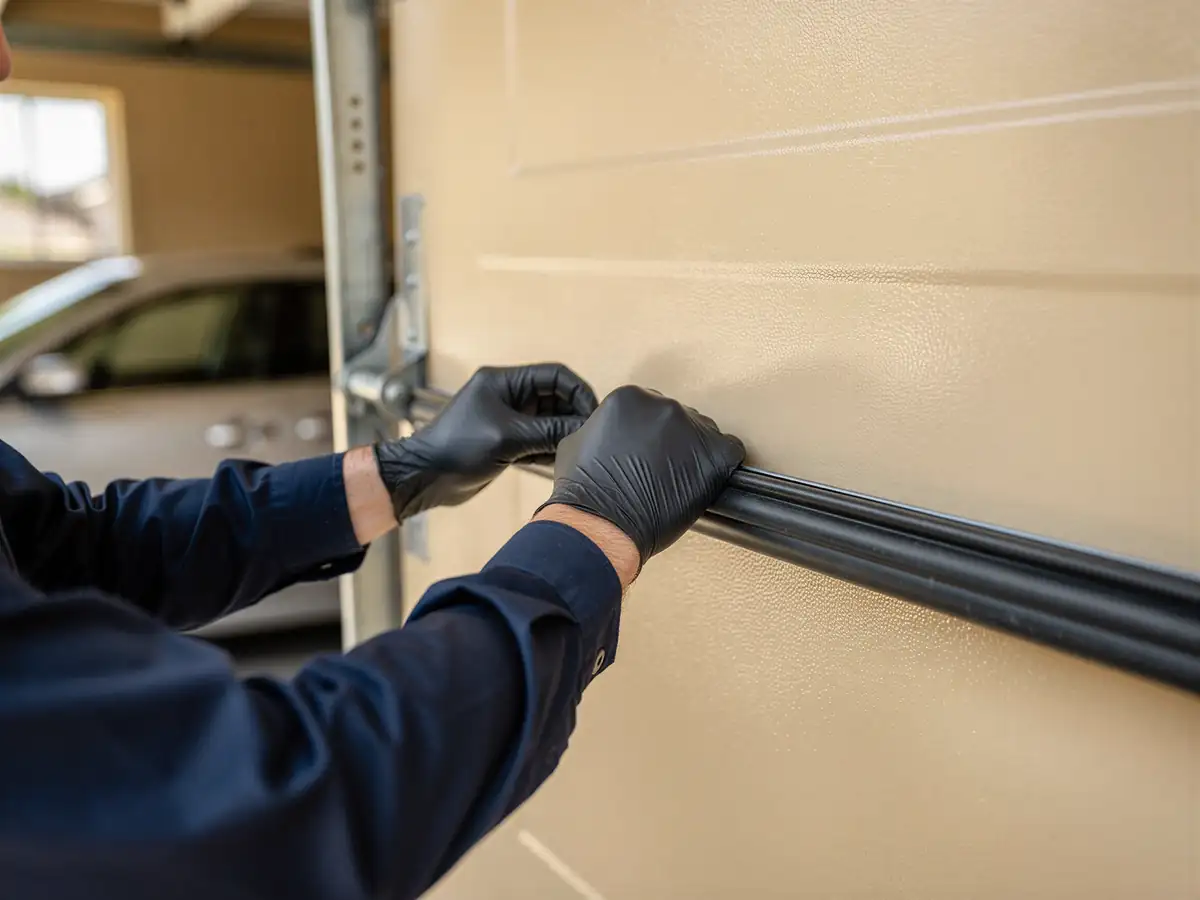
A cosmetic dent pull on a panel you're not replacing is something a confident homeowner can attempt with the right tools, and we won't tell you otherwise. But full panel replacement means disconnecting cables, sometimes releasing spring tension, and re-hanging a section while keeping the door balanced - get the balance wrong and you're putting uneven load on the opener or the spring every time it runs. We also won't pretend every panel is an easy order: matching an exact profile and color on an older door can take time to source, and that lead time isn't something we control. If your door is original to a house built in the 1960s or 70s, it's worth having someone look at the whole door, not just the damaged section, before you commit to a repair.