Older vs Newer Streets
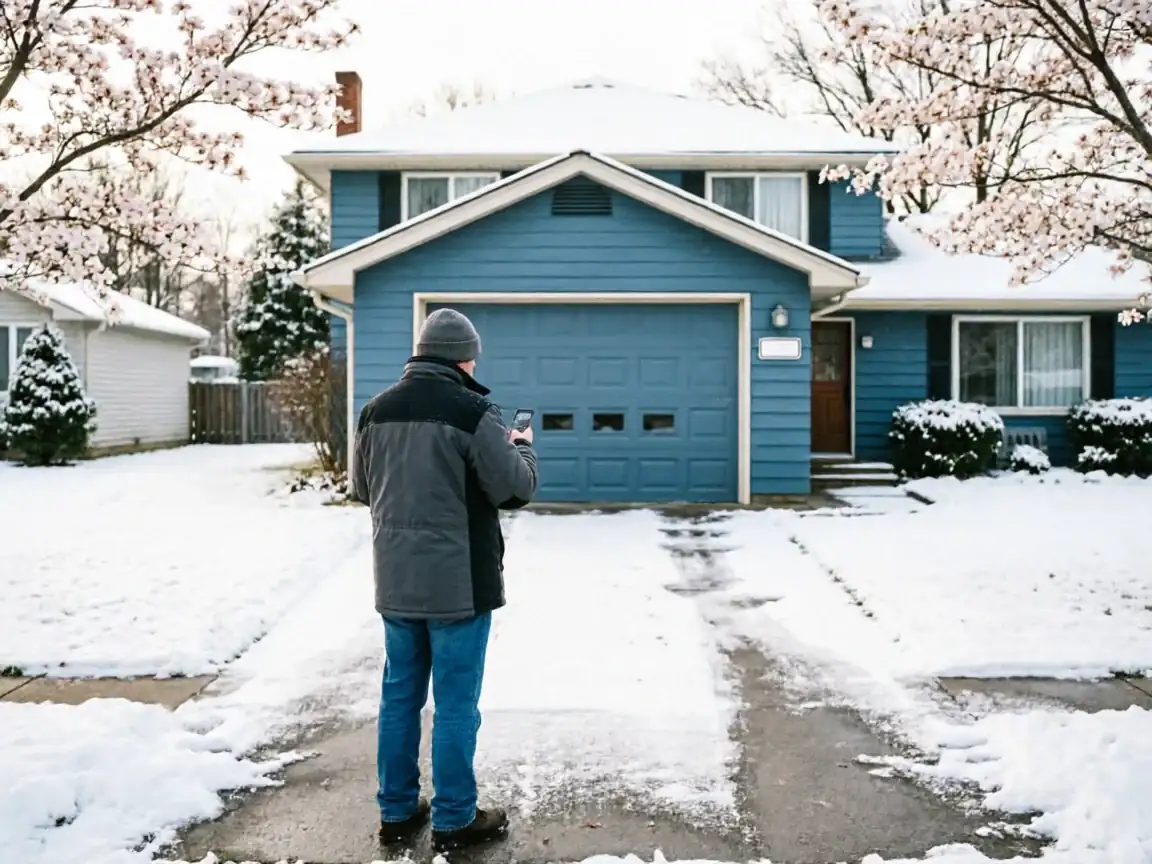
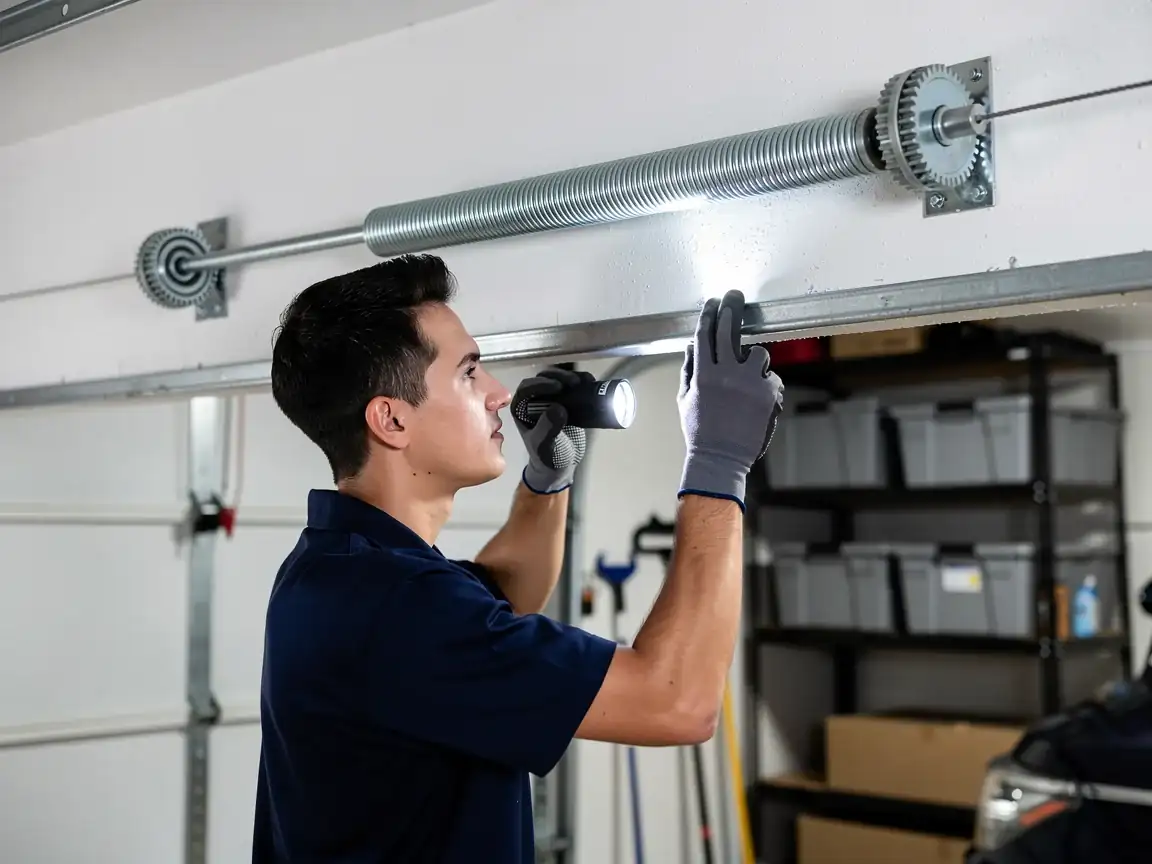
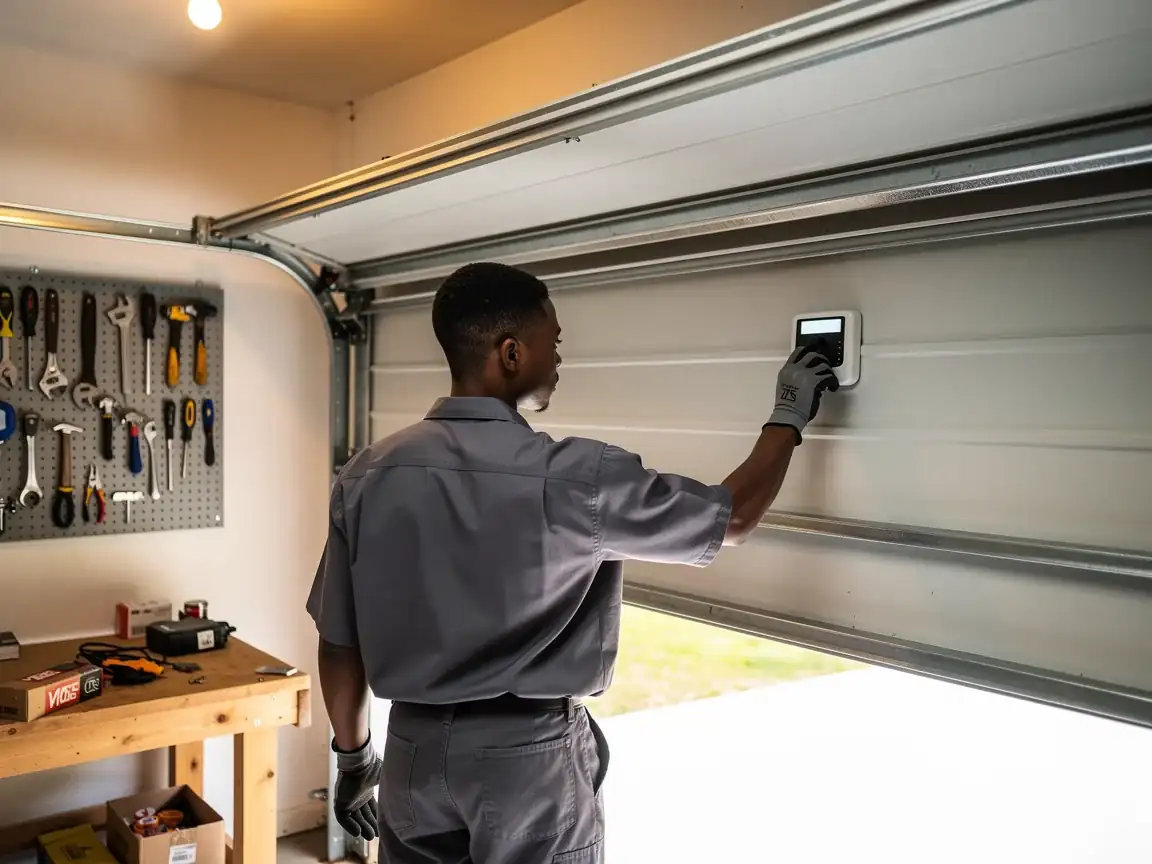
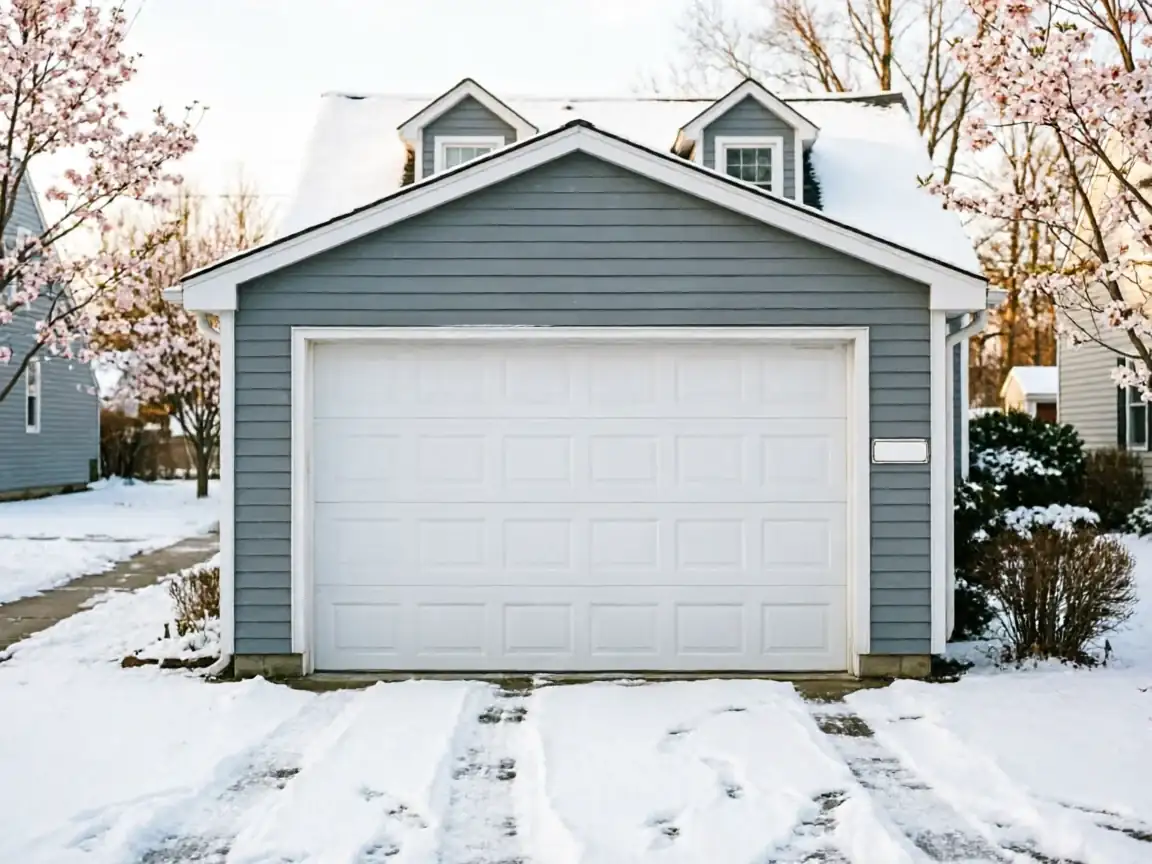
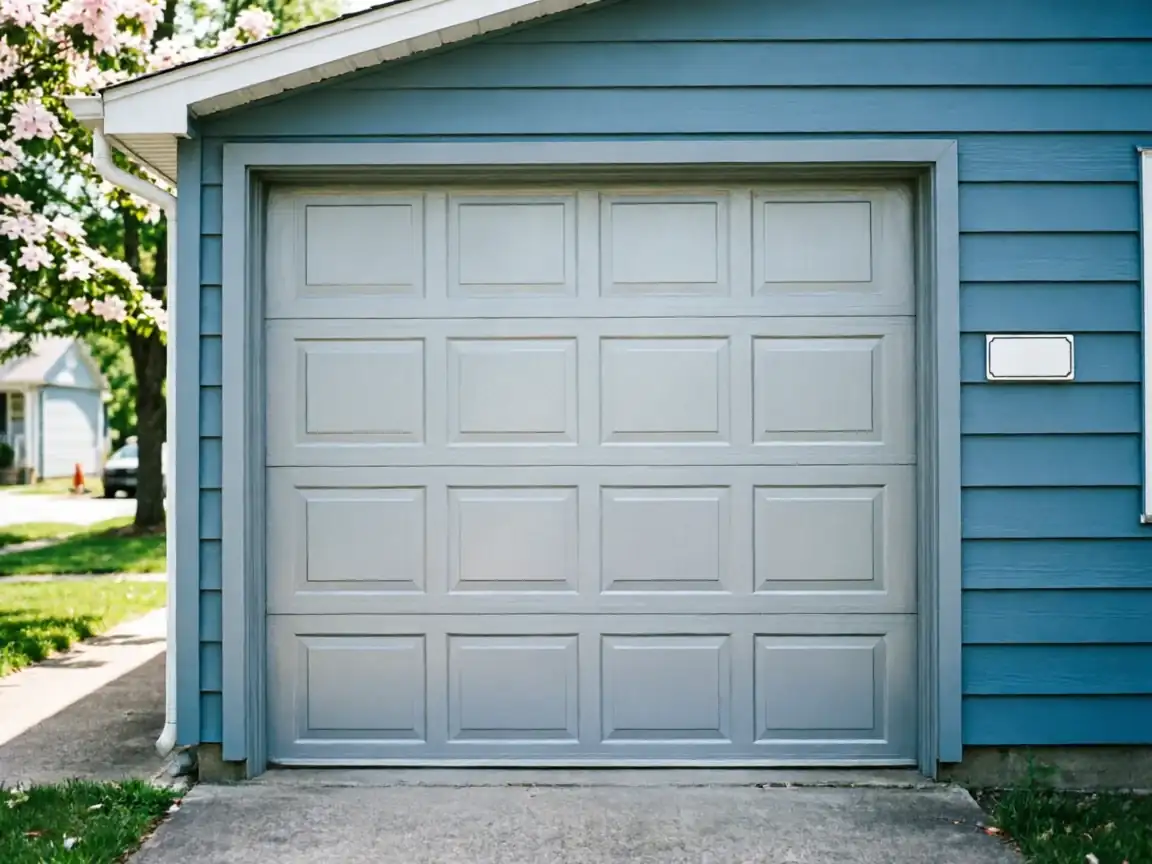
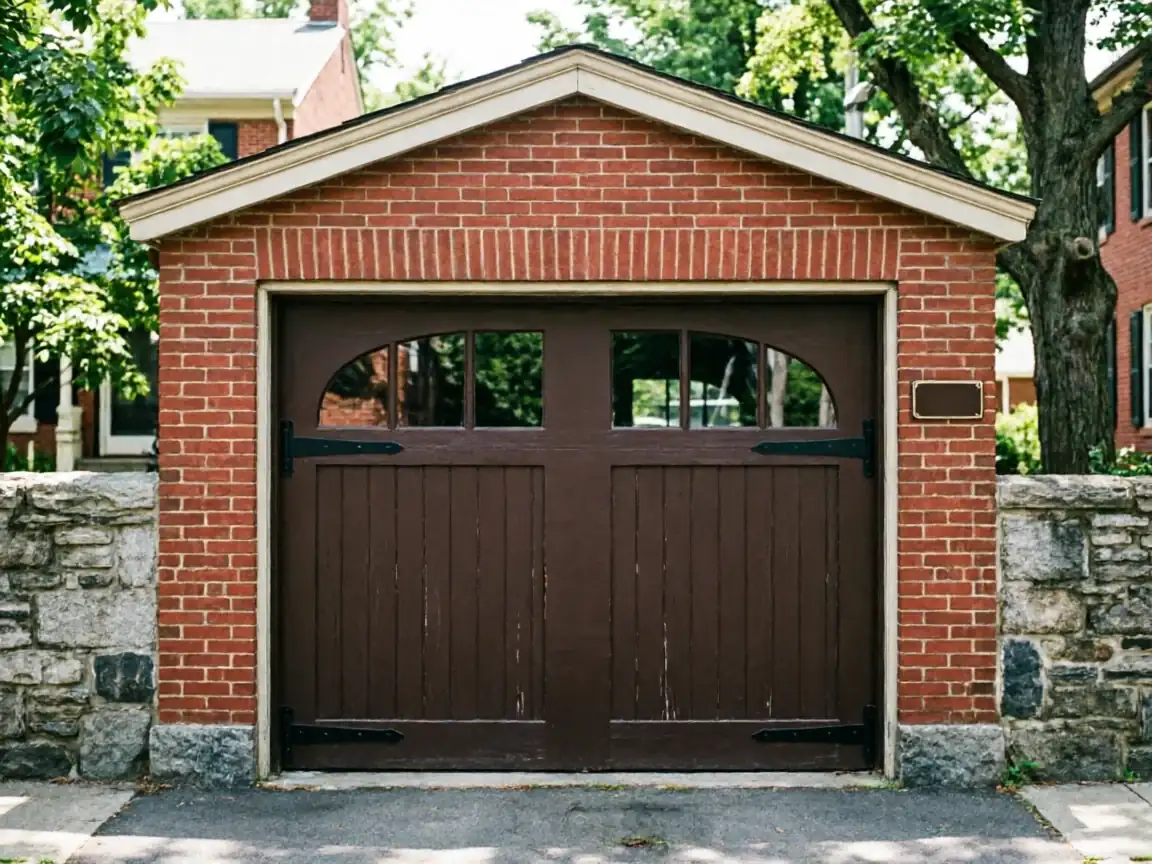
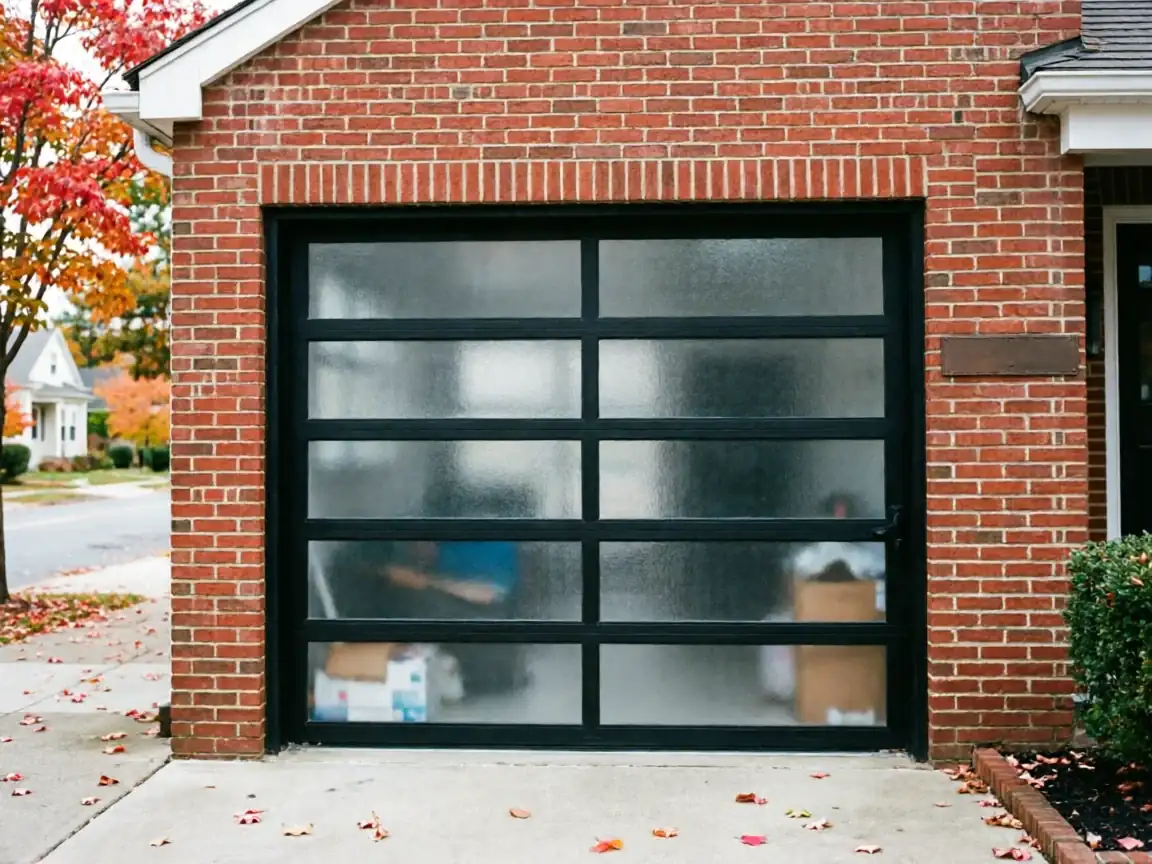
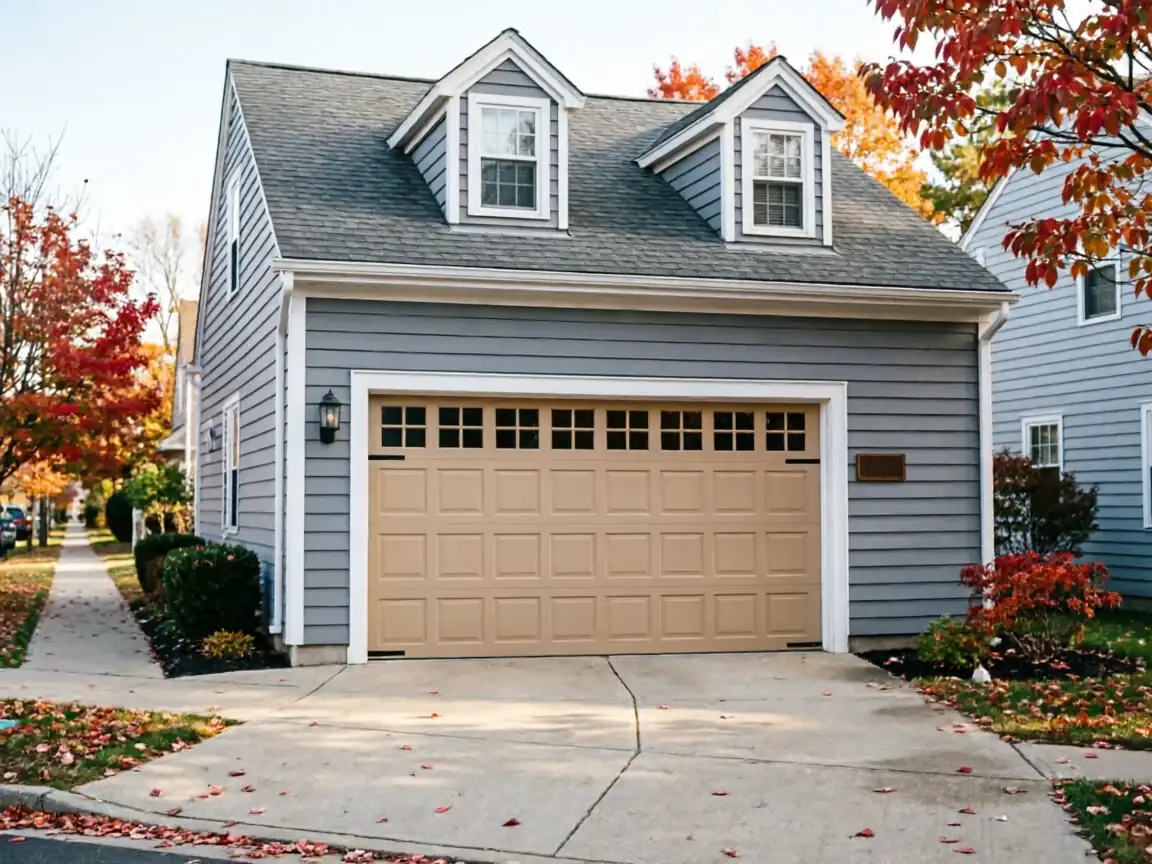
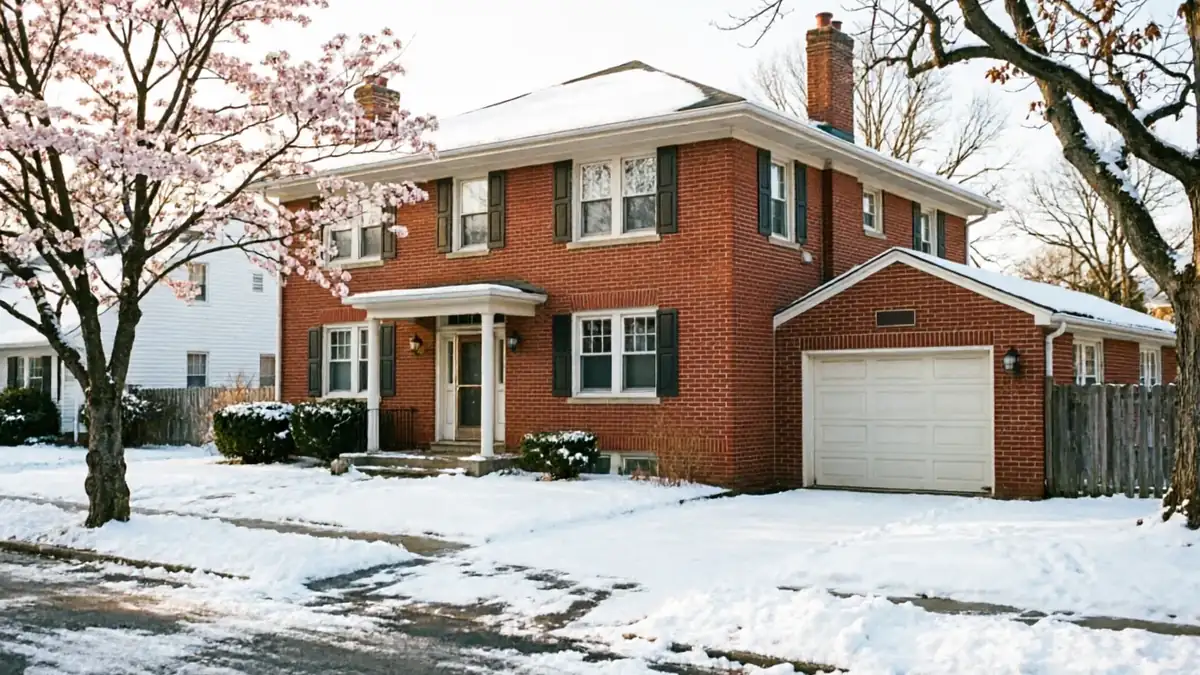
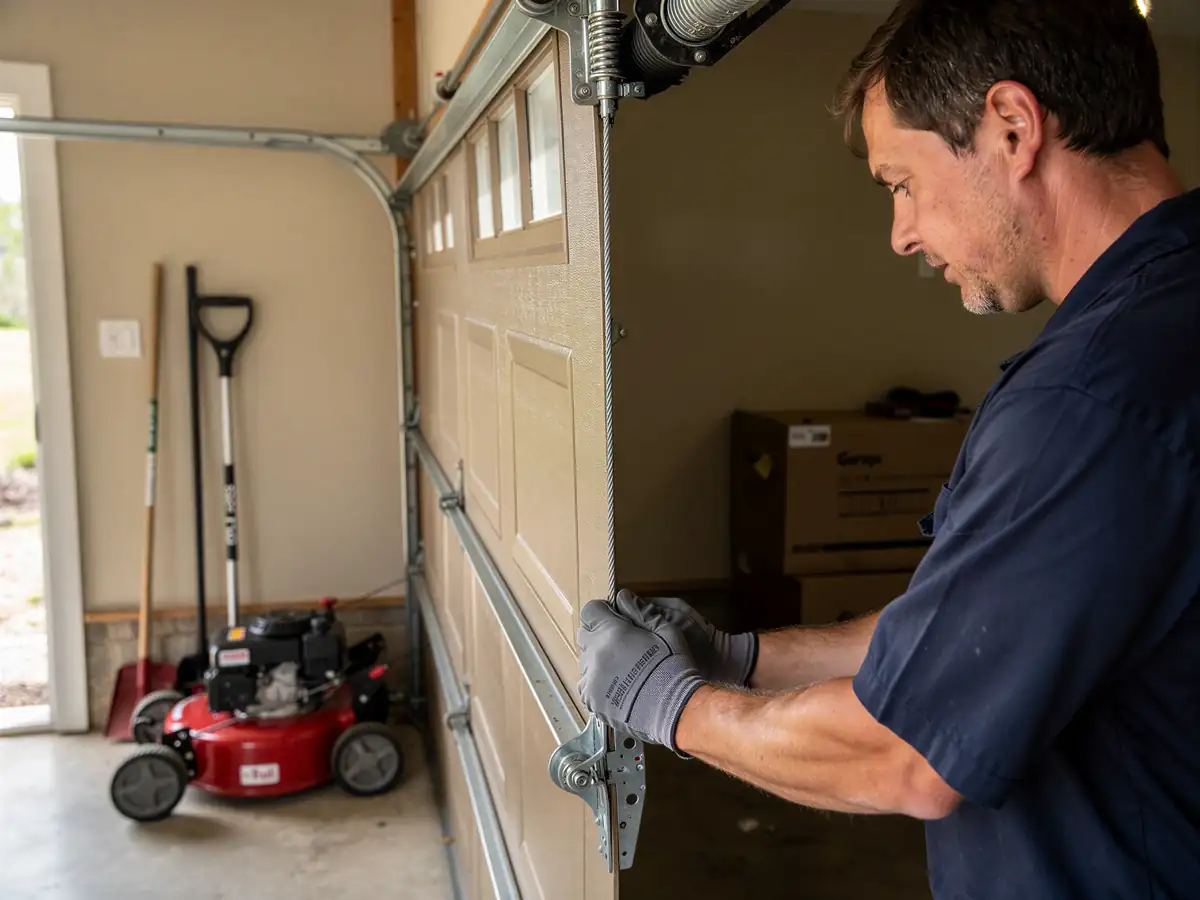
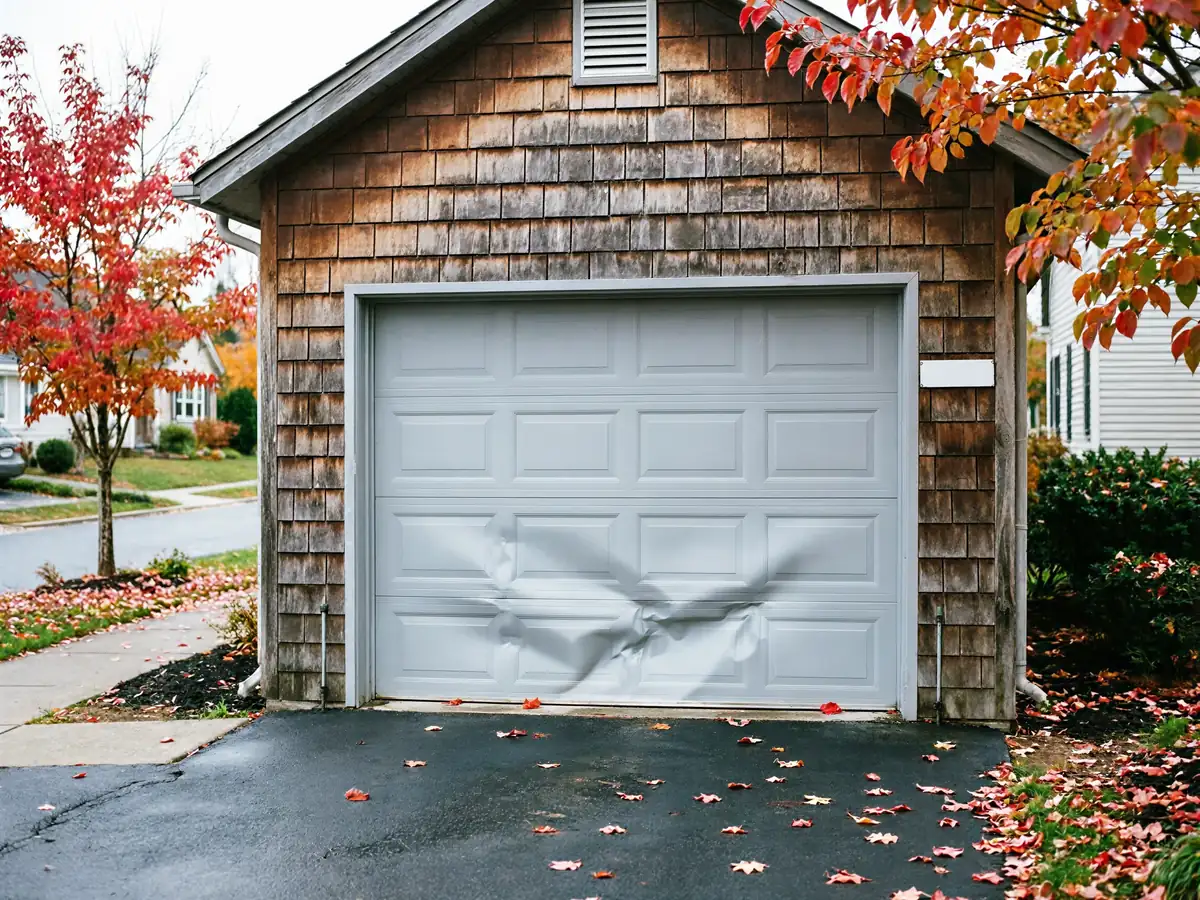
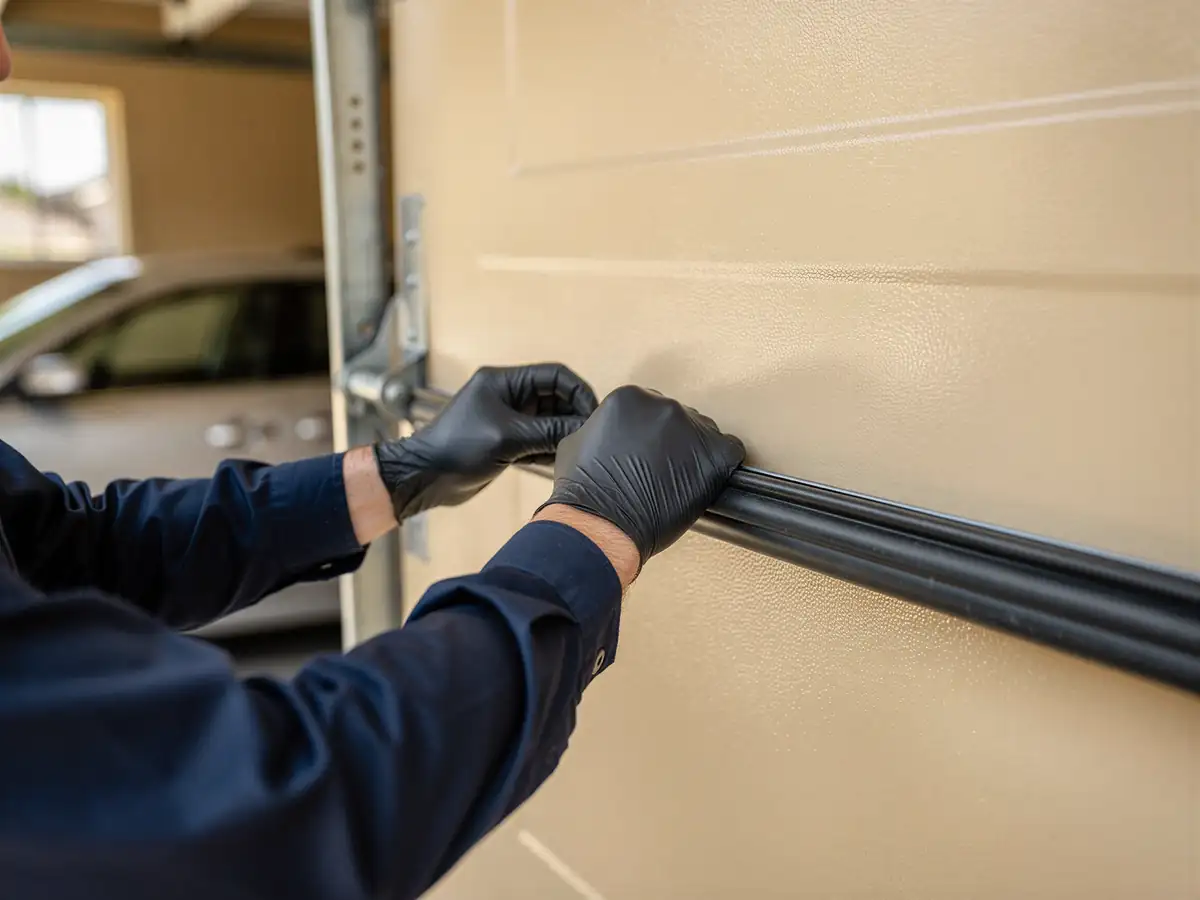
Seymour isn't one era of house. The housing stock across our coverage area runs from 1952 up through 2013, but Seymour's own median build year lands right at 1972 - squarely in the mid-century wave that filled in this part of the valley. That matters more than it sounds like it should. A house built in 1972 almost always has a different spring setup, different headroom, and different bracket spacing than one built in 2005, even if both doors look similar from the driveway. We see both in Seymour: pockets of older homes with original steel tracks bent from decades of use sitting a few streets over from newer construction with factory-standard extension springs. Knowing which era a block falls into tells us what's probably waiting in the garage before we even open the door. The newer builds tend to have more forgiving opener mounts and lighter panels; the older ones were built for doors that weigh more and springs that were never meant to last sixty years without a rebuild.
What Was Built Here
With 6,287 households in Seymour, a lot of garages share the same bones. The broader area's housing mostly dates to the 1960s and 70s, and Seymour's 1972 median puts it right in that stretch rather than at either edge. That means original torsion setups that have outlived at least one or two openers, wood jambs that have shifted slightly over fifty-plus years, and in some cases tracks that were never upgraded when the door itself was replaced. Median household income here runs about $103,682, noticeably lower than the roughly $130,180 median across our wider coverage area - which in practice means more Seymour homeowners asking us to repair what's there rather than replace the whole unit, and that's a reasonable call more often than not on a door from this era.
Where We Stop
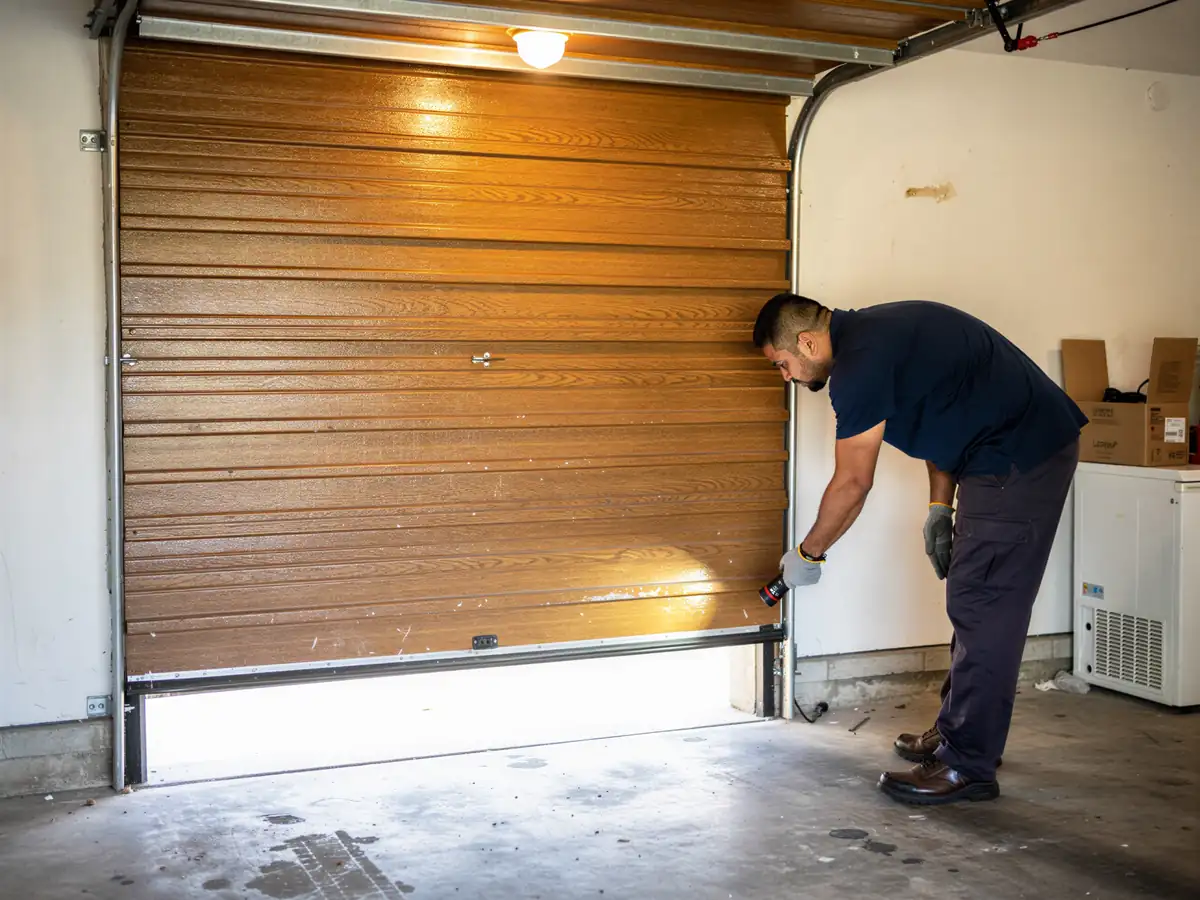
We run out of Shelton, about 6 miles from Seymour, and we don't keep a depot or staff stationed in town - every job starts with a drive. We also don't try to rebuild hardware that's past the point of being worth it; on some of the oldest torsion setups in Seymour, replacing the whole spring and drum assembly costs less in the long run than patching a system that's going to need another call in a year. If a job needs a part we don't carry on the truck, that can mean a short wait rather than a same-visit fix, and we'd rather tell you that up front than pretend otherwise.