Parts We Carry
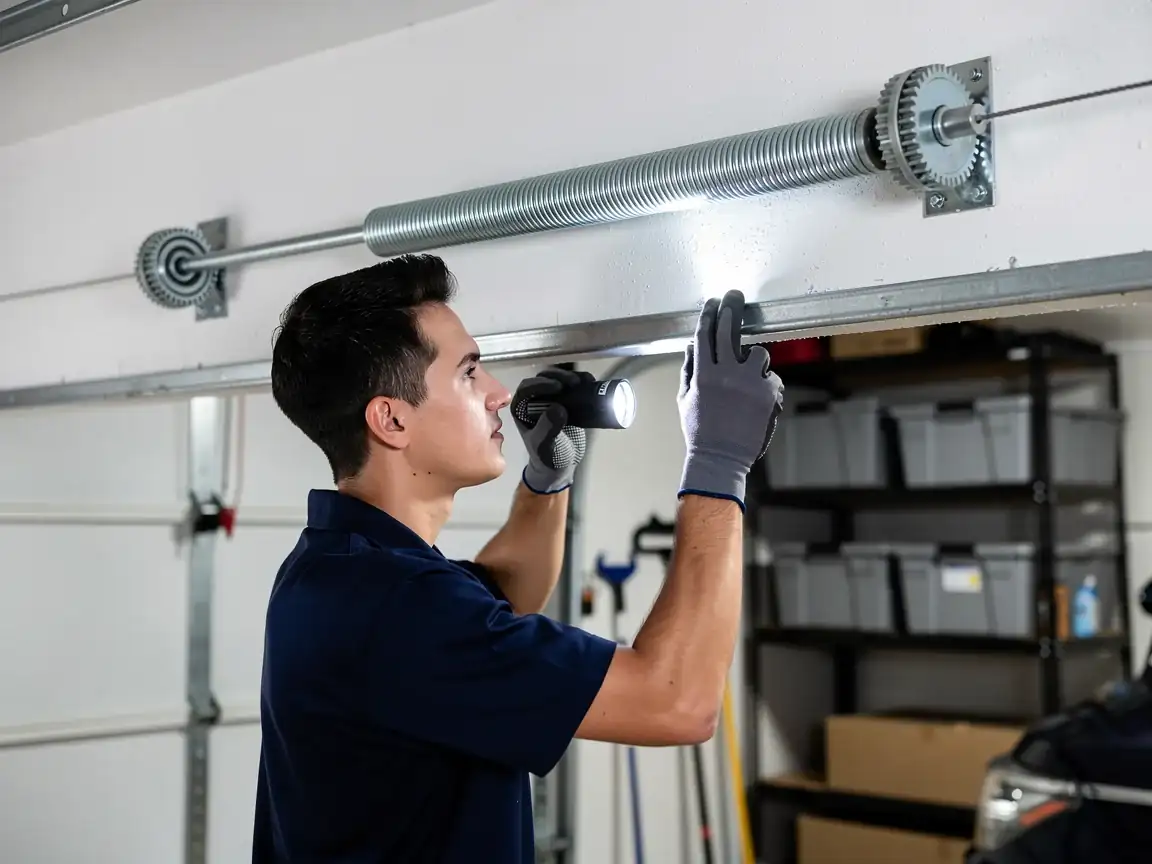
The fault we see most in Seymour is a torsion spring that's worn out on a door built to a weight spec nobody sells new anymore. Half the houses in Seymour went up within a few years of 1972, which put most garages on steel-and-wood sectional doors running on torsion hardware sized for that era's panel weight. When one of those springs snaps, you can't just grab the next size off the shelf and expect smooth travel - the drum, the cable gauge, and the spring wind all have to match the door it came with.
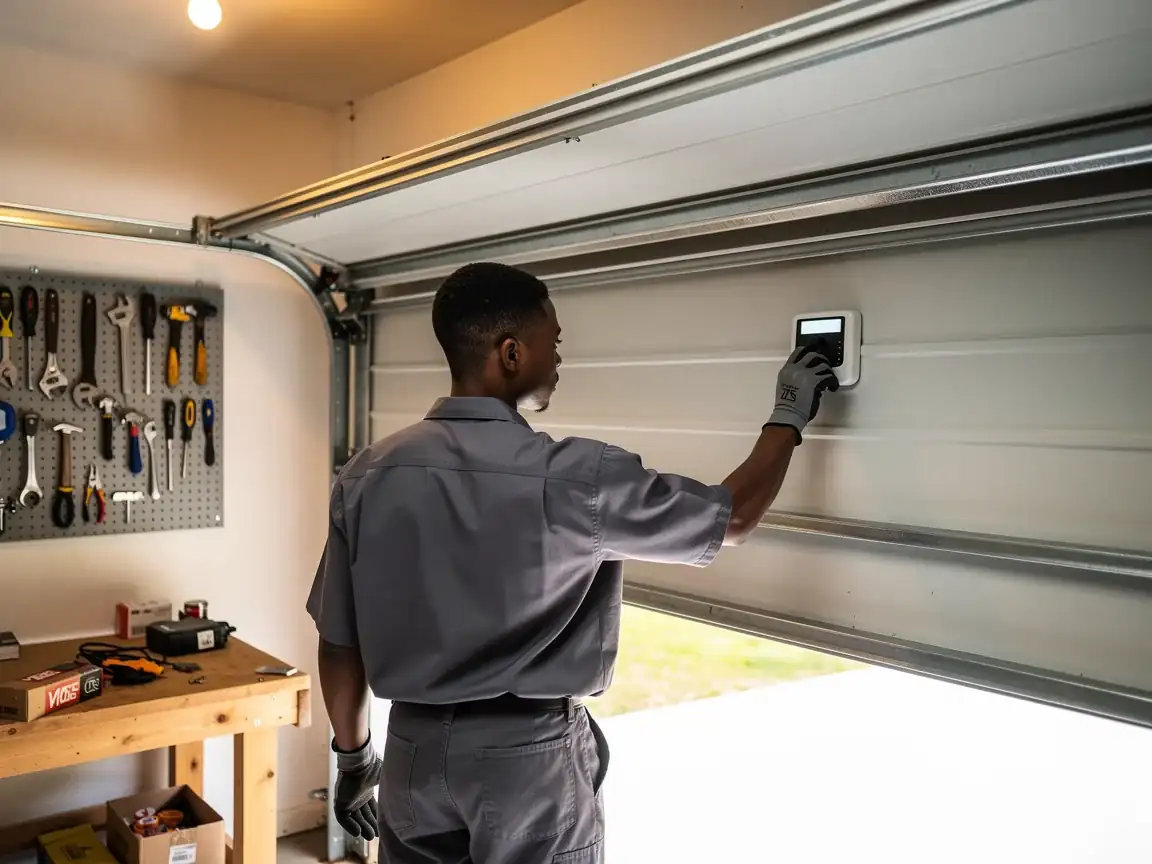
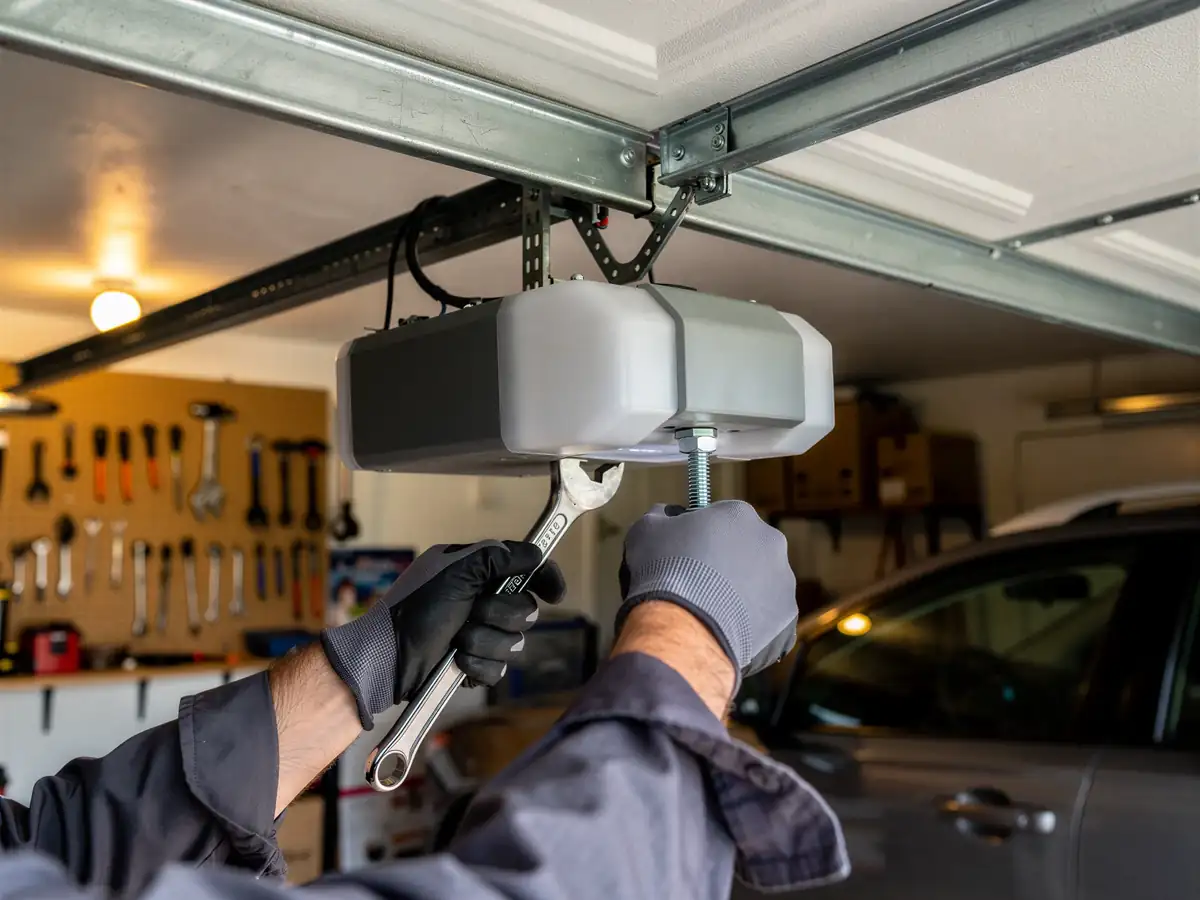
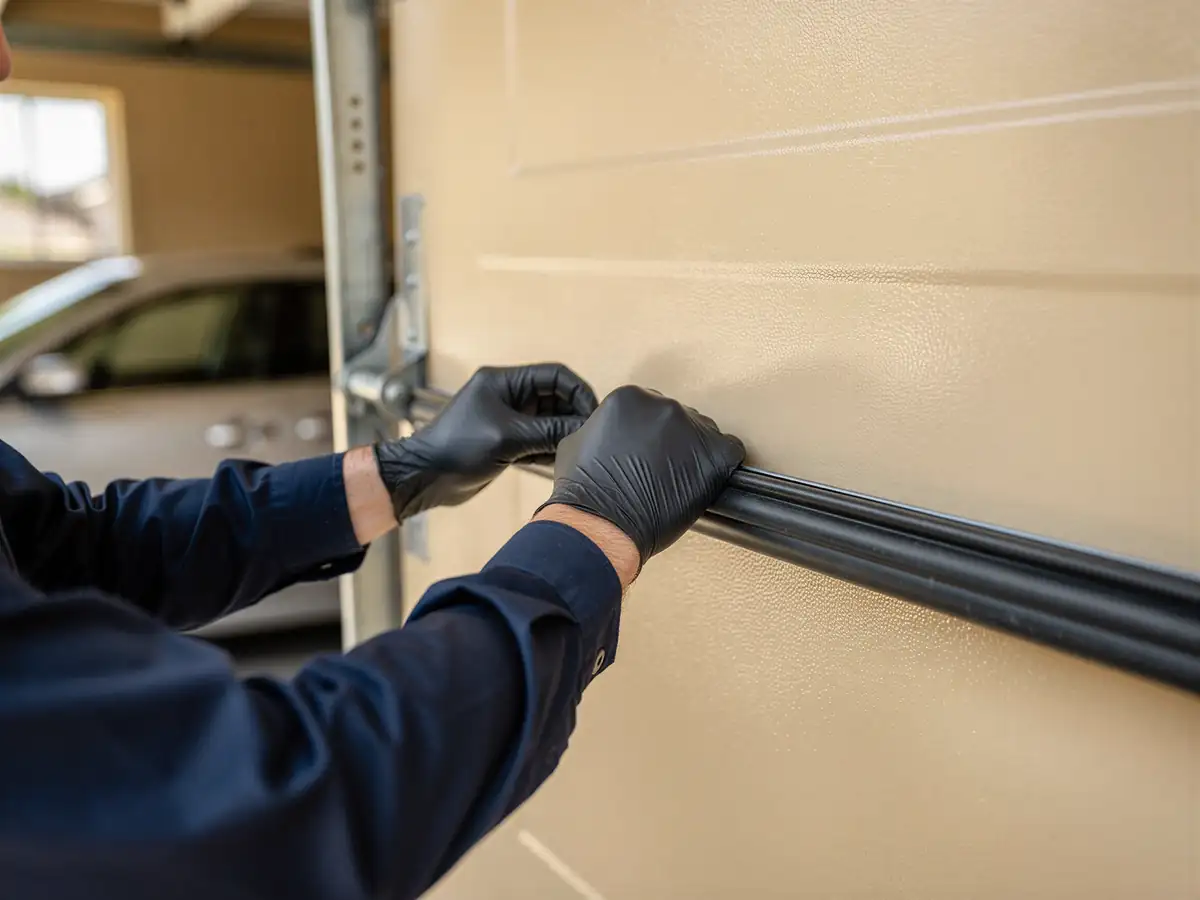
We carry a working range of torsion and extension springs covering that 1950s-through-1980s window, along with rollers, cables, and hinges sized for the heavier wood-core panels that era used before foam-insulated steel took over. What we don't stock is anything specific to a custom or architectural door - those parts get ordered once we've got the door in front of us and measured it. If your opener is original to the house, the drive gear inside it is also worth checking before we touch the door itself; worn gears on an old chain drive get blamed on the spring more often than they should.
What You Pay
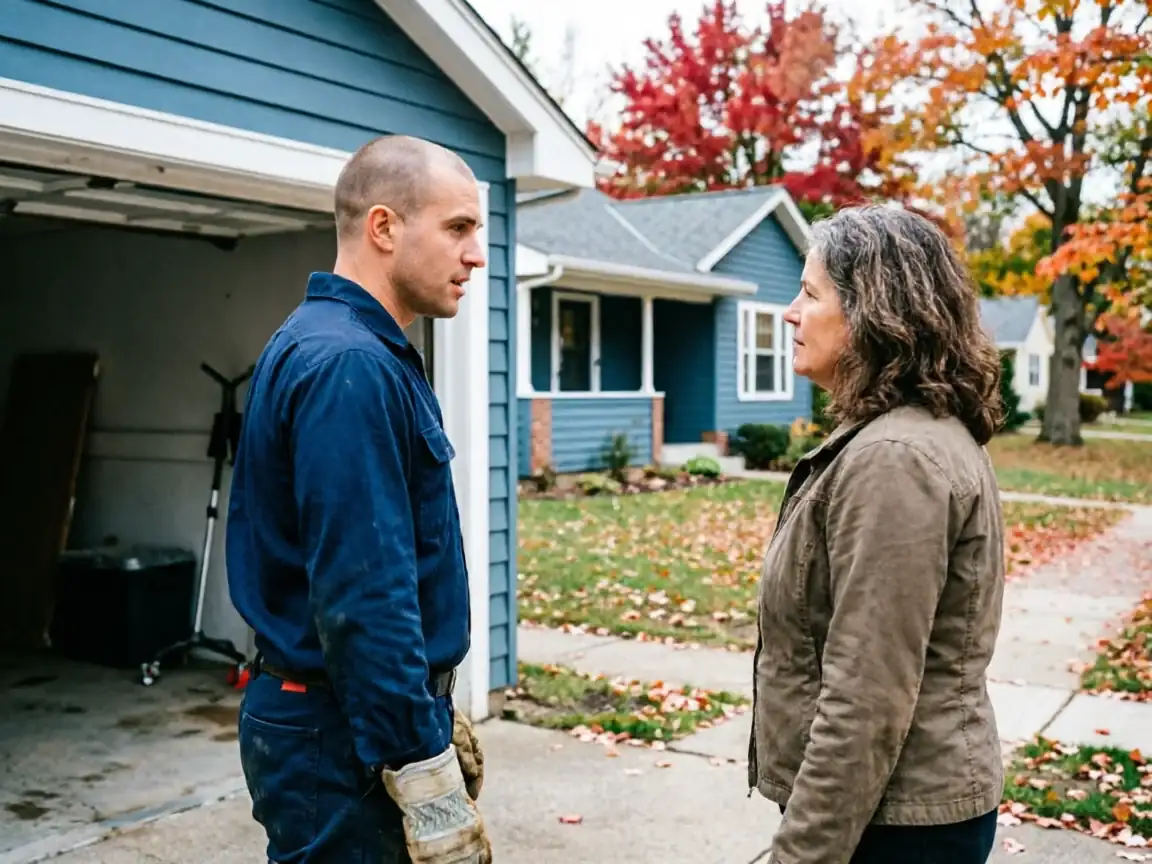
Seymour's median household income is $103,682, noticeably below the $130,180 median across the wider Shelton service area, and that gap shows up in what kind of repair makes sense here. A lot of the calls we get in Seymour are homeowners trying to decide whether to fix a 40-year-old door or replace it, and the honest answer depends on the door more than the budget.
We don't post flat prices for spring or cable jobs because the spring size, the door weight, and whether the drums and bearings need replacing alongside the spring all move the number. What we can tell you is that a straight spring swap on a standard sectional door costs less than a full torsion conversion or a cable-and-drum rebuild, and we'll give you that number on-site before any work starts, not after.
How Long It Takes
We run out of Shelton, six miles from Seymour
So the first thing to plan for is drive time, not a walk-in slot. A straightforward torsion spring replacement on a standard door usually fits inside a single visit once we're on-site, but if the spring size matches an older, no-longer-made specification - common on doors from Seymour's 1950s-through-1980s building stock - we may need to order the correct part before coming back to finish the job.
That's the honest limitation here
We're not going to force a mismatched spring onto a door just to close the job same-day. A wrong-size spring either won't lift the door evenly or will wear out again inside a year, and that's a worse outcome than a short wait for the right part.
What the Fix Involves
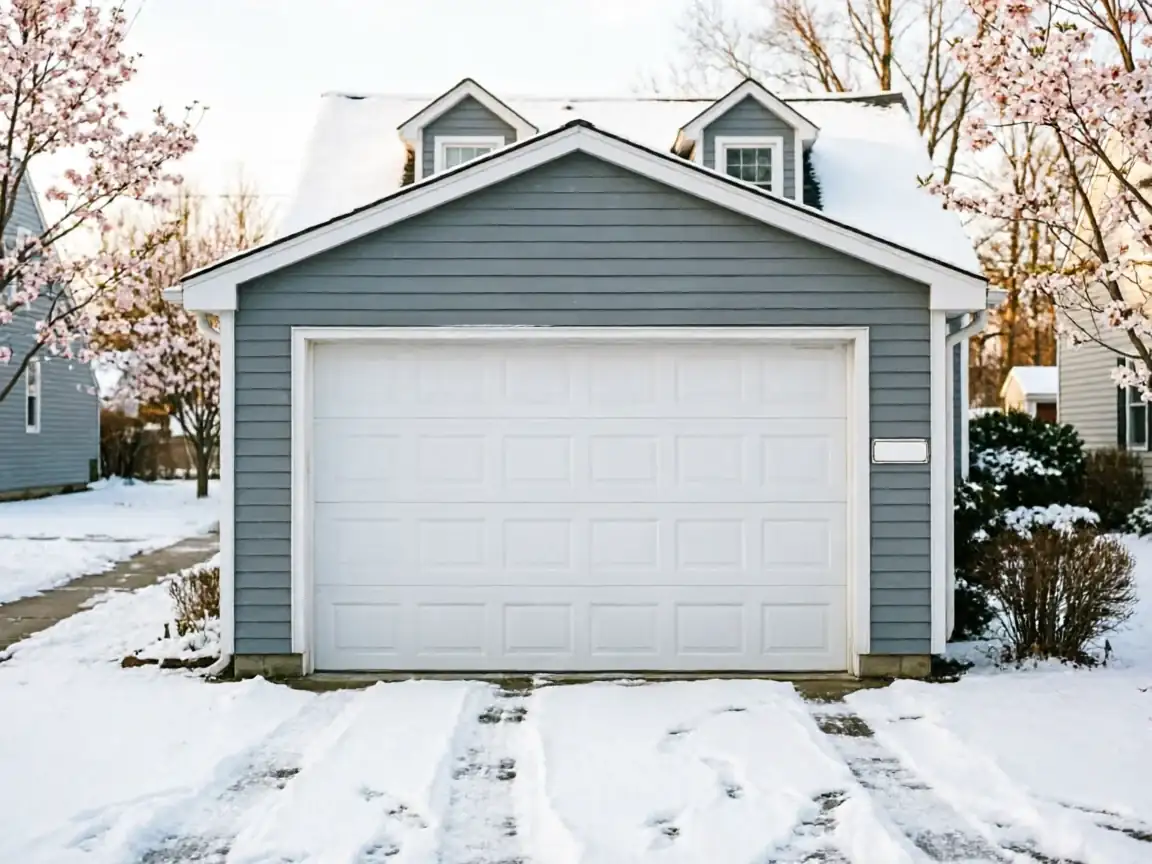
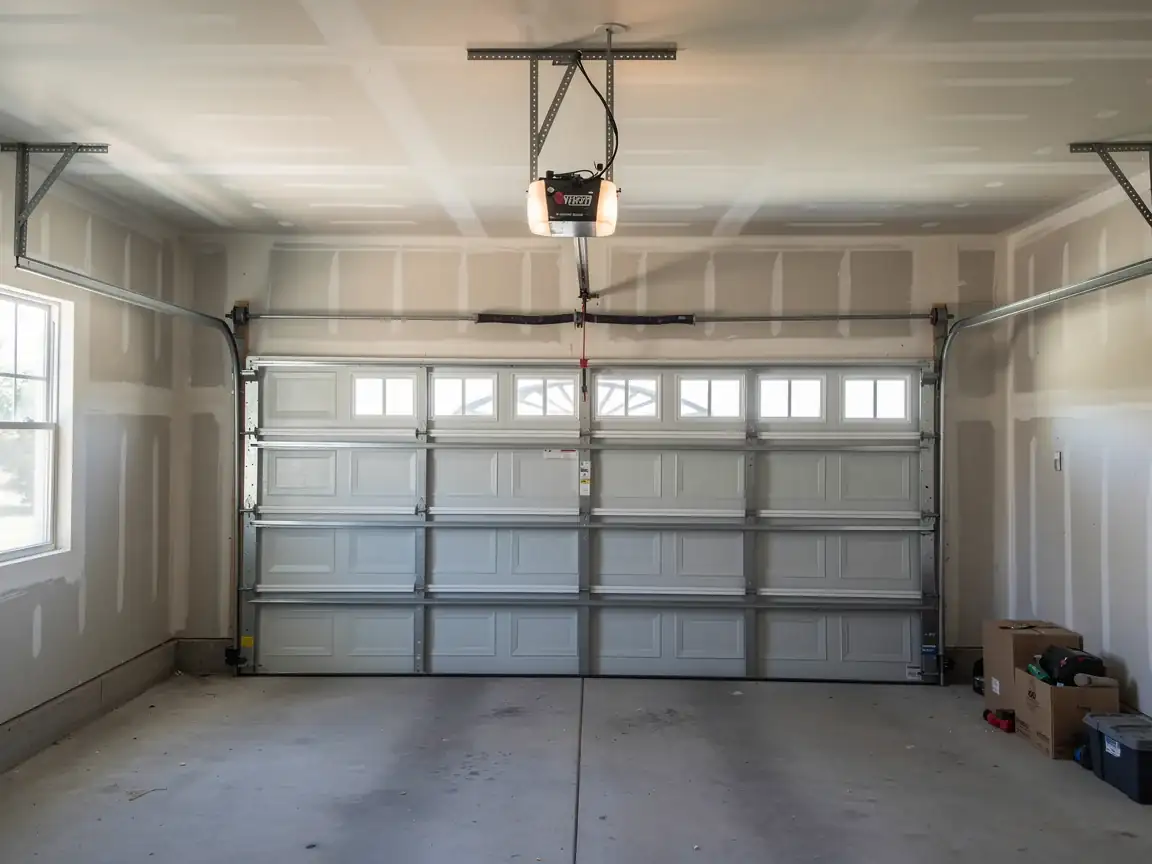
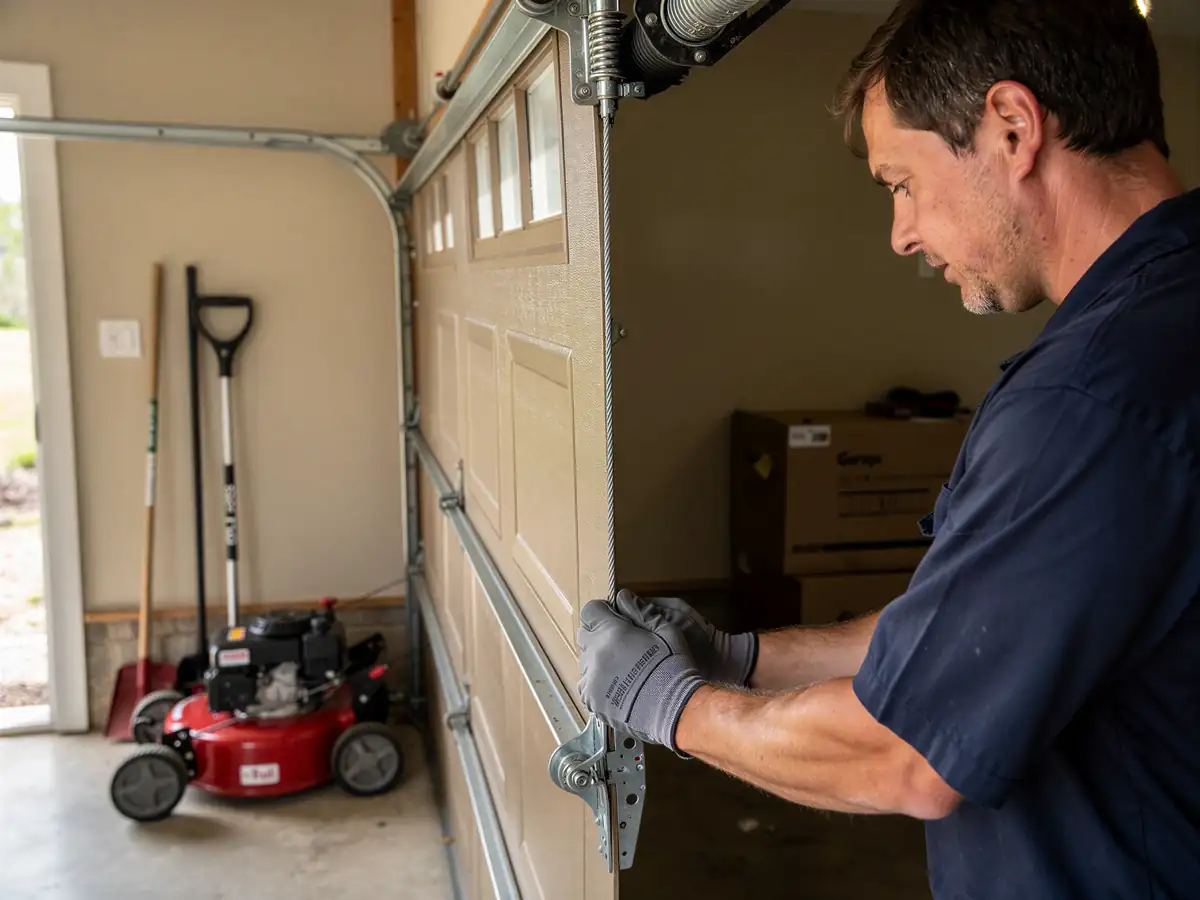
On a torsion spring job, we start by relieving tension on the old spring, pulling the cable drums, and checking the shaft and bearing plates for wear before anything new goes on - on a door built around 1972, those bearing plates have usually seen fifty winters of a cold climate and are often the real reason the door feels rough even after a new spring goes in. Severe cold cycles through this part of the state stiffen lubricant and shrink metal tolerances, which adds load to old hardware beyond what the spring itself is rated for.
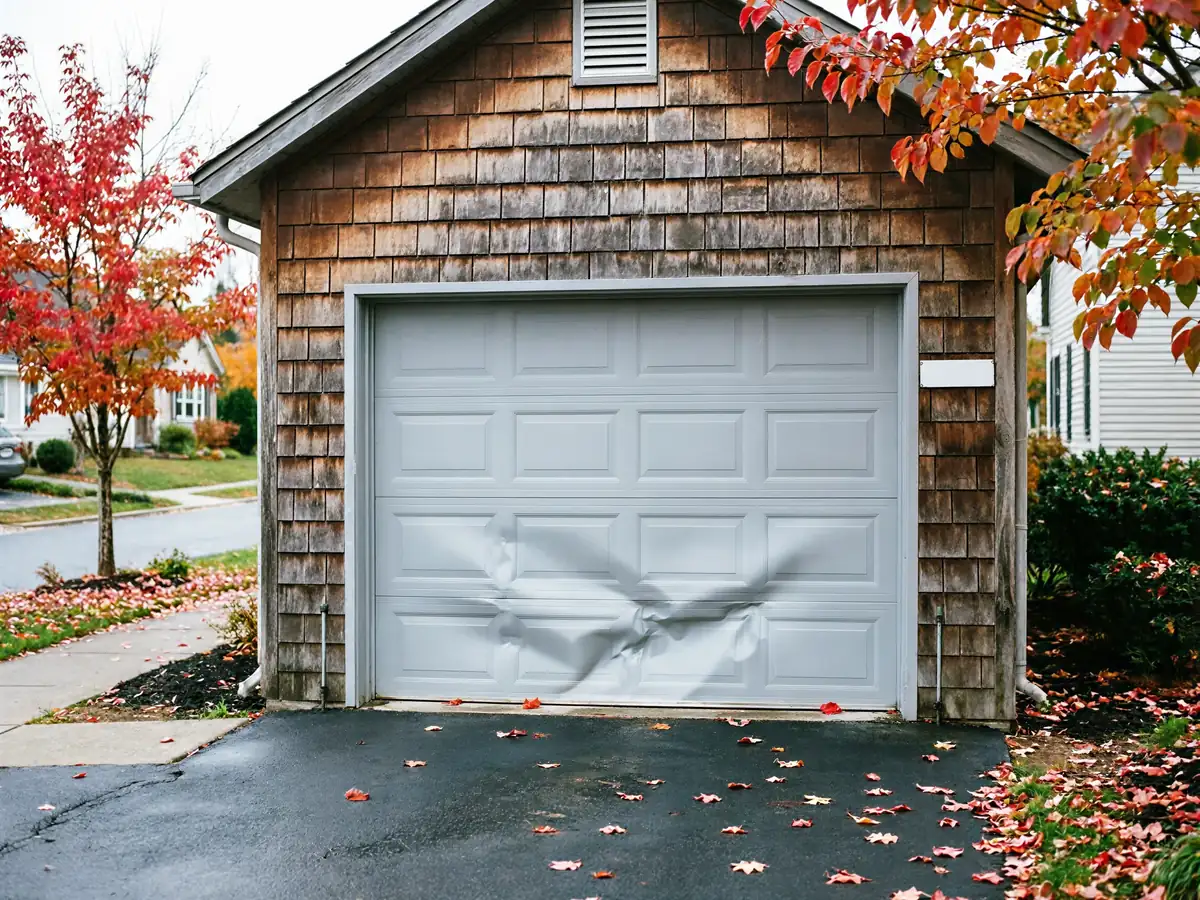
Once the spring, drums, and cable are matched to the door's actual weight, we balance the door by hand before reconnecting the opener, since an opener fighting an unbalanced door will burn out its drive gear fast. If the track is bent or the panels are warped from age rather than the spring failure, we'll say so rather than replace a part that isn't the problem.