Parts We Carry
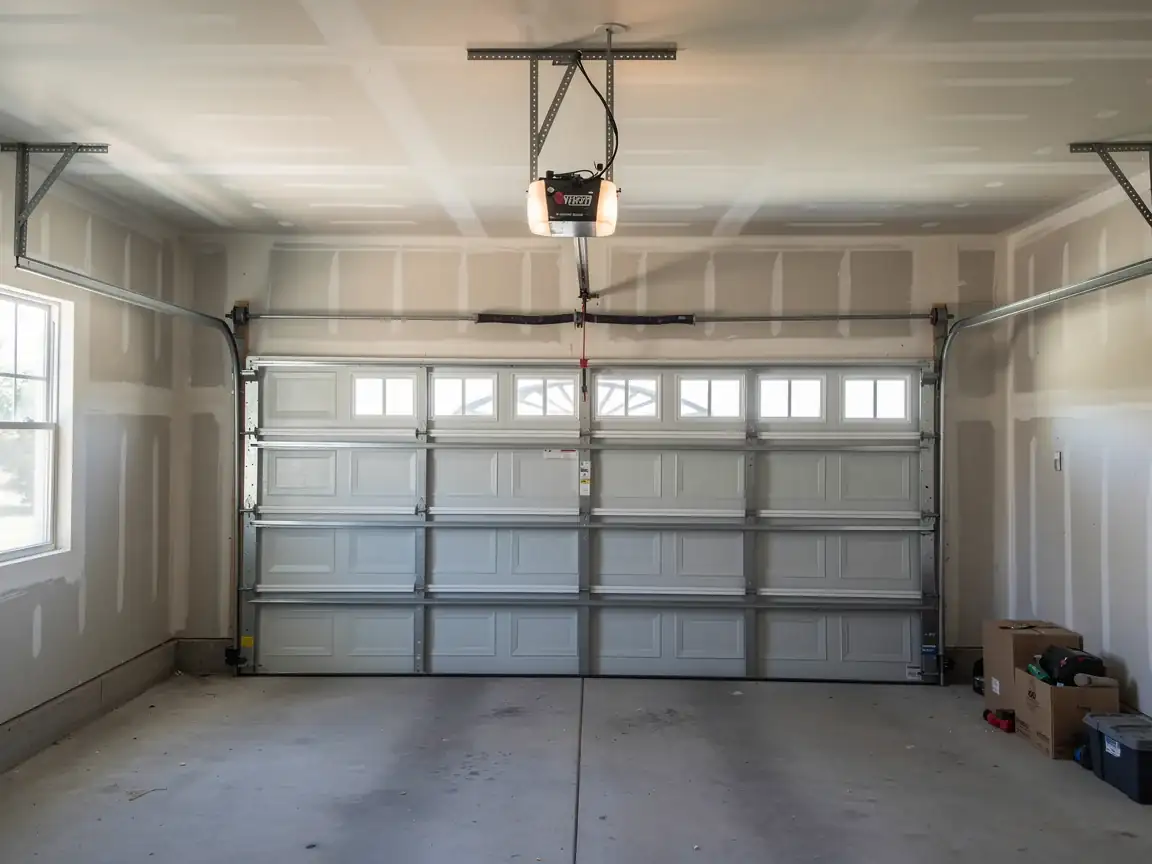
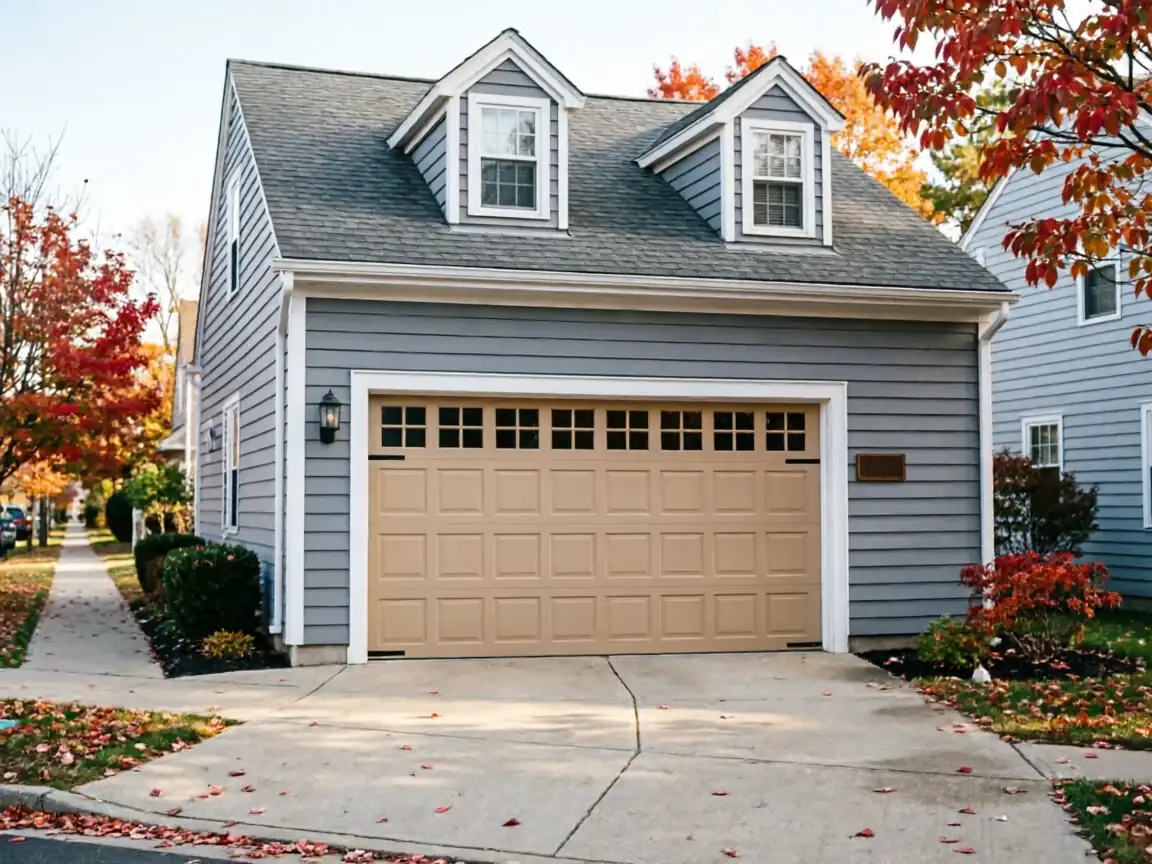
Seymour has 6,287 households, which is a small enough number that the openers we pull out of these garages tend to look the same job after job. The median house here was built in 1972, and a lot of them still have the original chain-drive unit, or a replacement from decades back that's finally worn through its gear. We stock belt-drive and chain-drive openers in the horsepower ranges that fit a standard single or double door, along with wall consoles, remotes, and the rail hardware that matches a house this age. Houses built around 1972 almost never came with photo-eye safety sensors, since federal law didn't require them until 1993 - so a lot of installs here include running a sensor pair at the bottom of the track for the first time, not just swapping a motor. We don't carry oddball openers for doors wider than a standard two-car bay; if your door was custom-built, the lead time on a matching opener rail can run longer than the install itself, and we'll tell you that up front before you pay for anything.
What You Pay
We don't post a price list here because the number depends on the opener you pick, the horsepower your door needs, and whether we're also replacing worn track or adding sensors that were never there. What we can tell you is what shapes the estimate in a town like this: most Seymour garages are sized for the single or double doors common to the 1960s and 70s building boom, not the oversized bays you see in newer construction, so the openers themselves usually fall in a standard range rather than needing a commercial-grade unit. The truck comes from our Shelton location, six miles out, and that trip is part of the job, not a separate line item. If a quote feels high for what sounds like a simple swap, ask what's included - track work and old opener removal add real labor even when the new unit itself is inexpensive.
What the Fix Involves
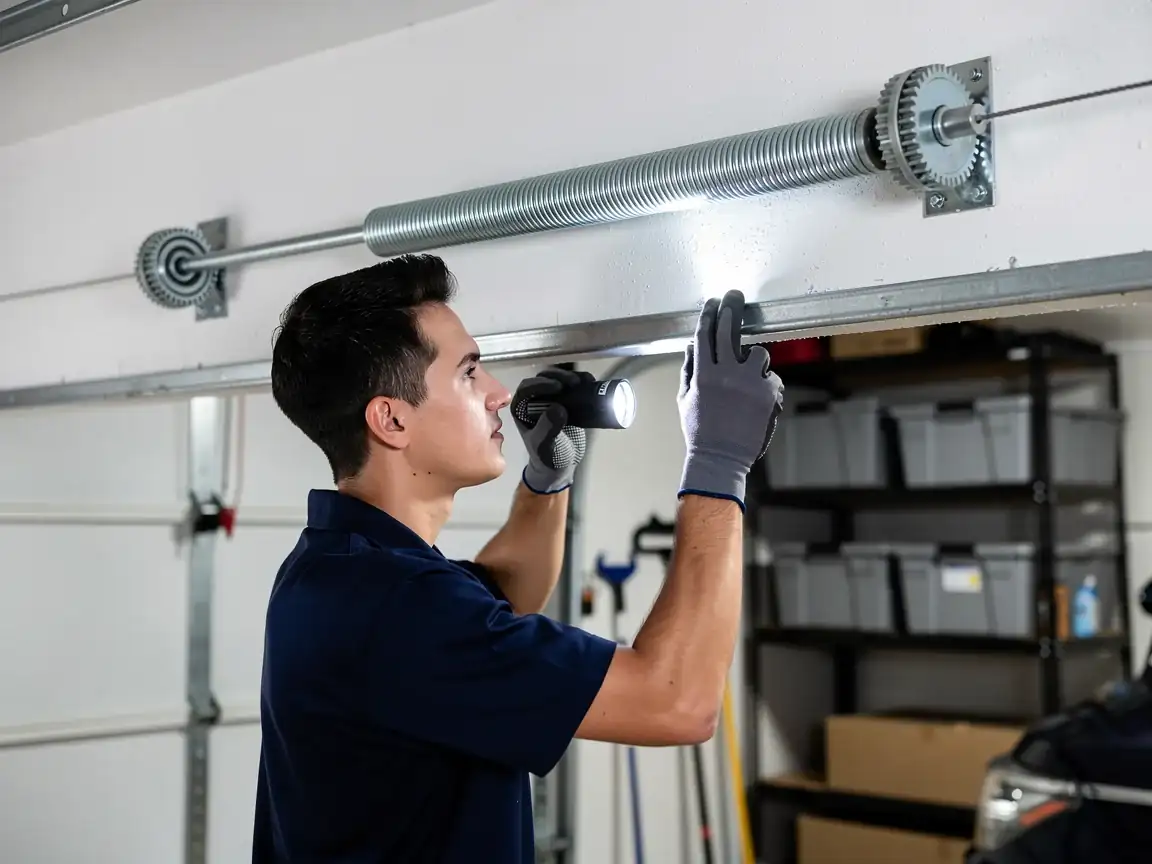
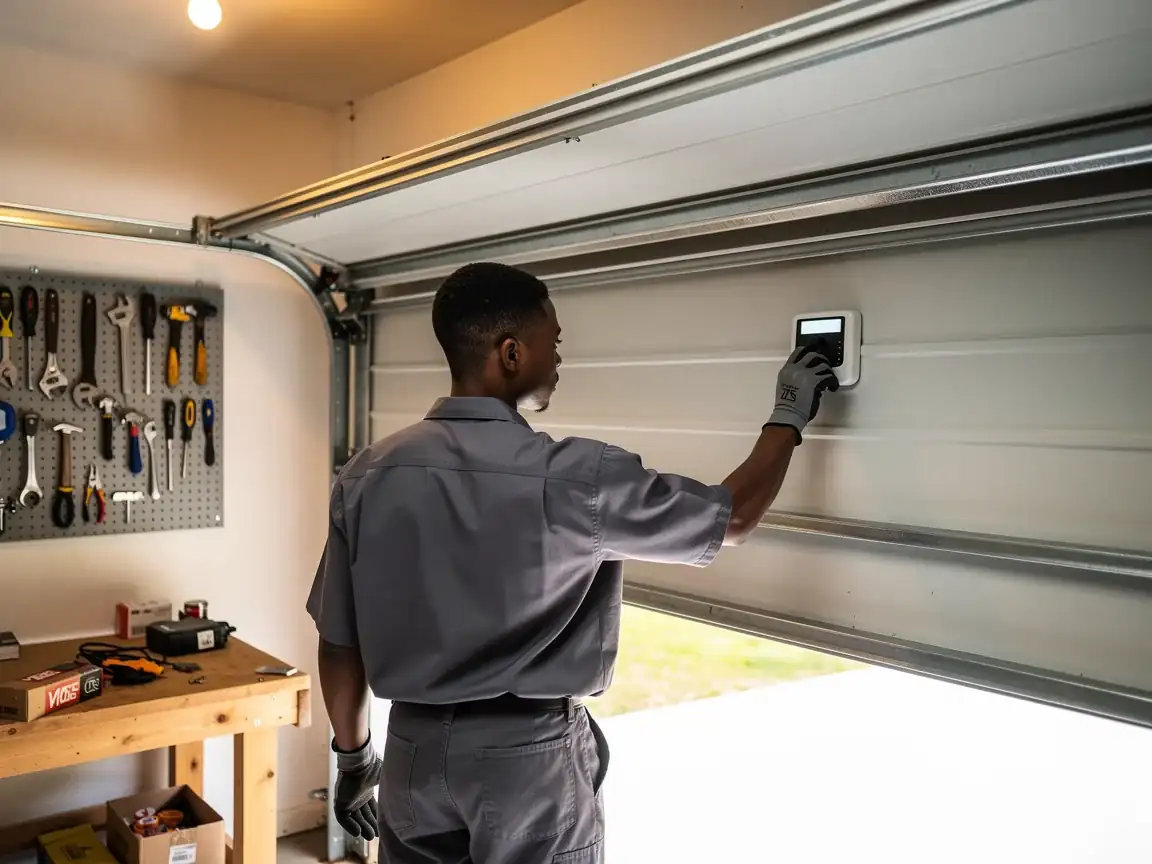
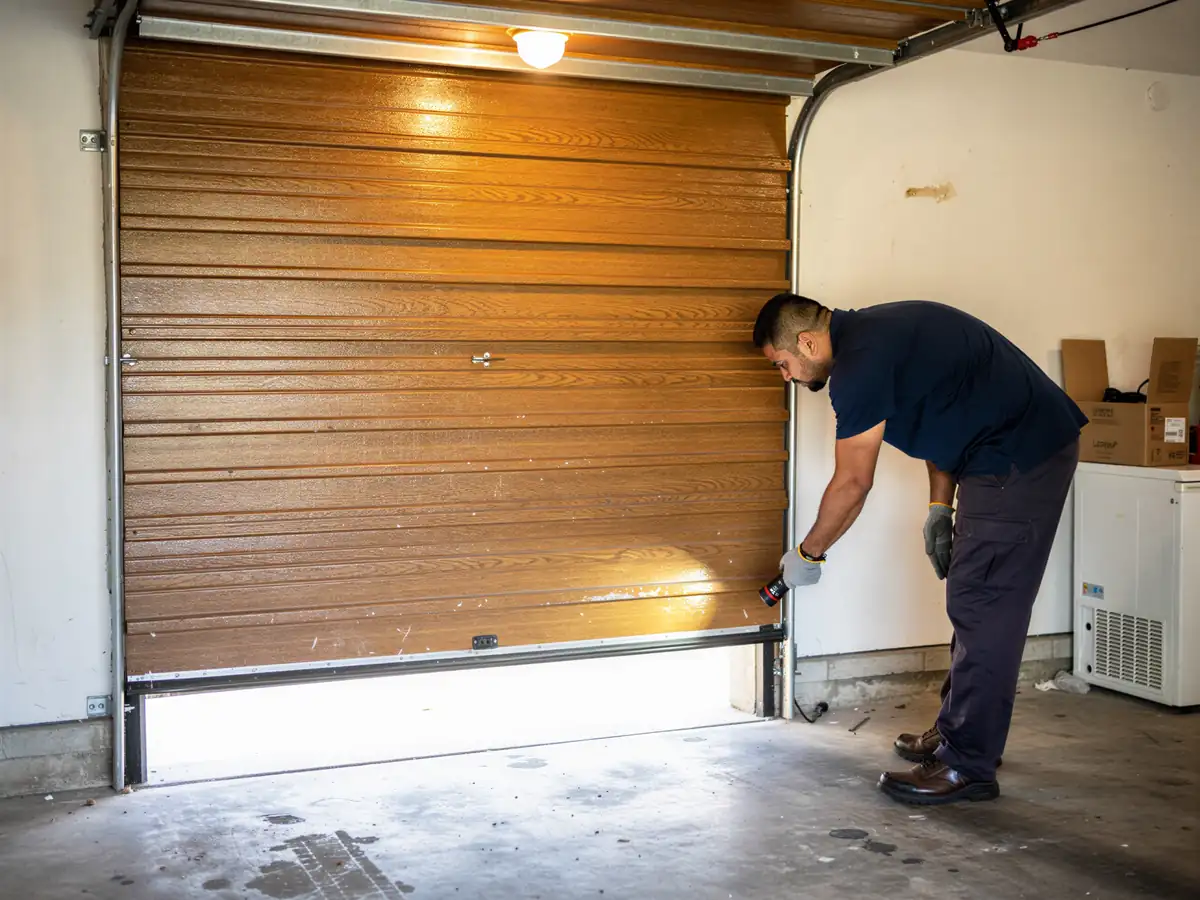
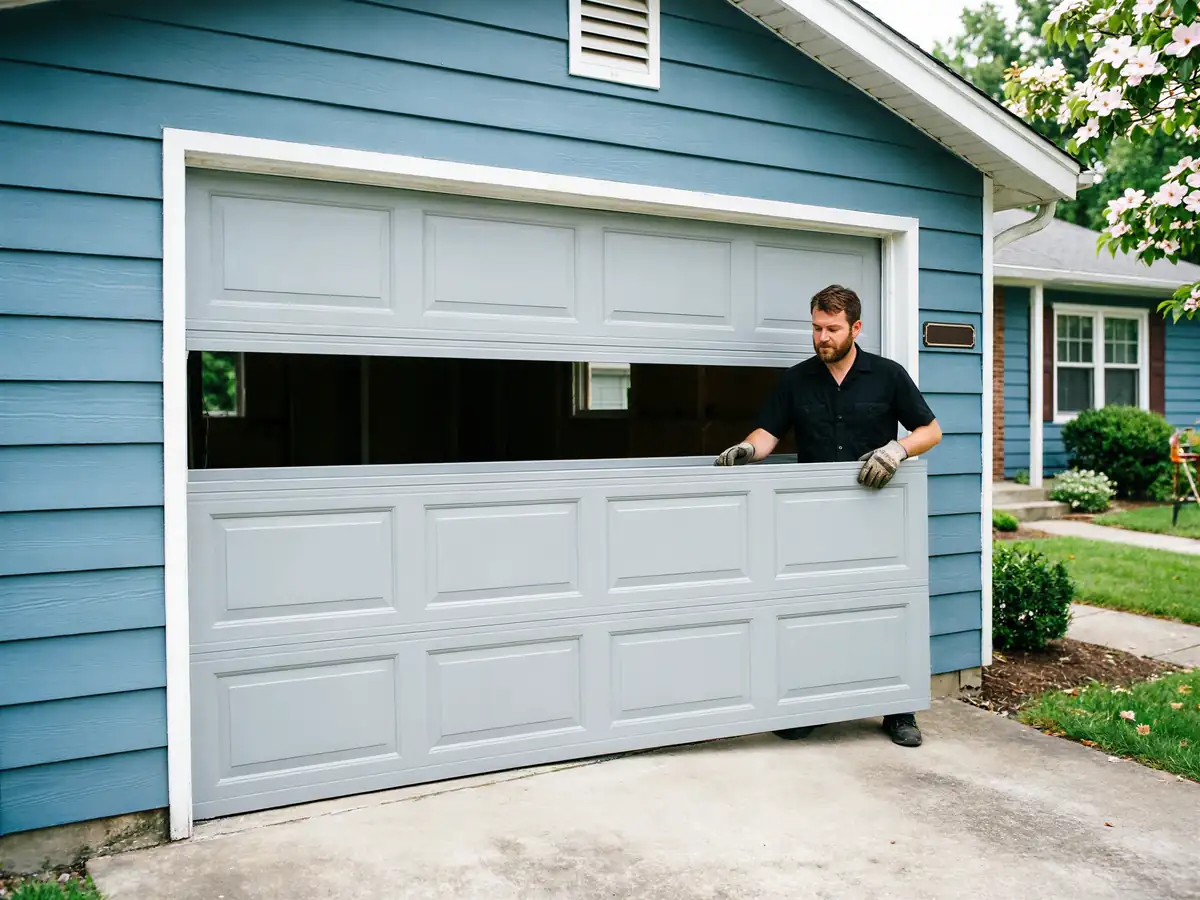
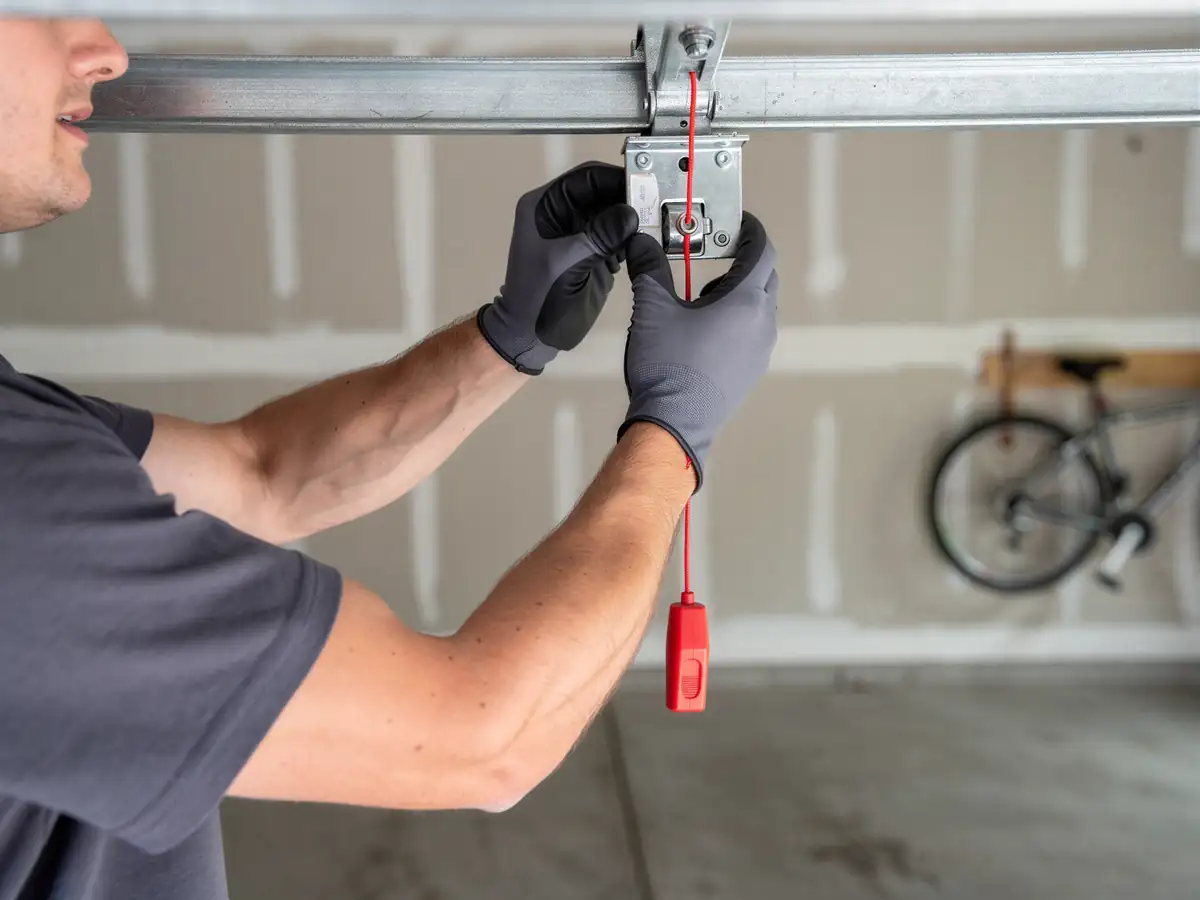
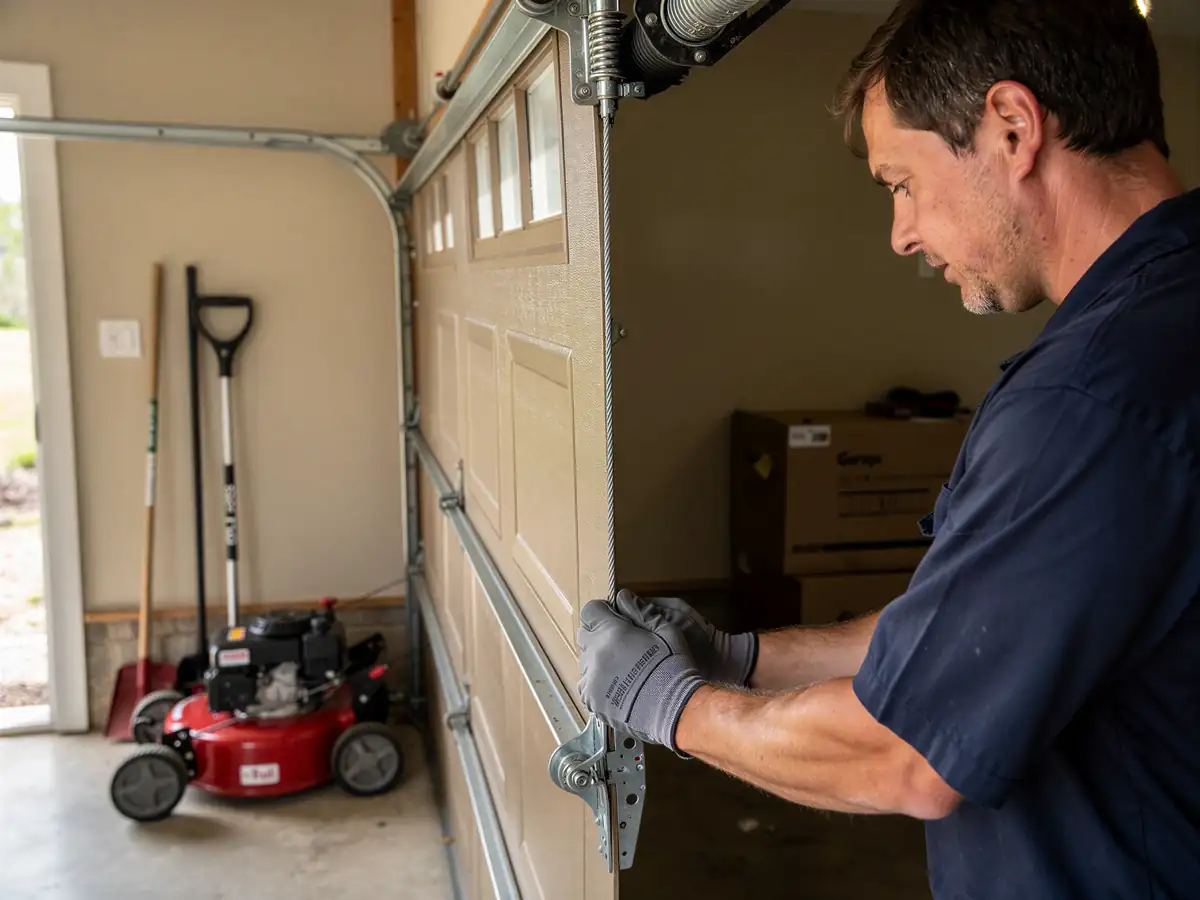
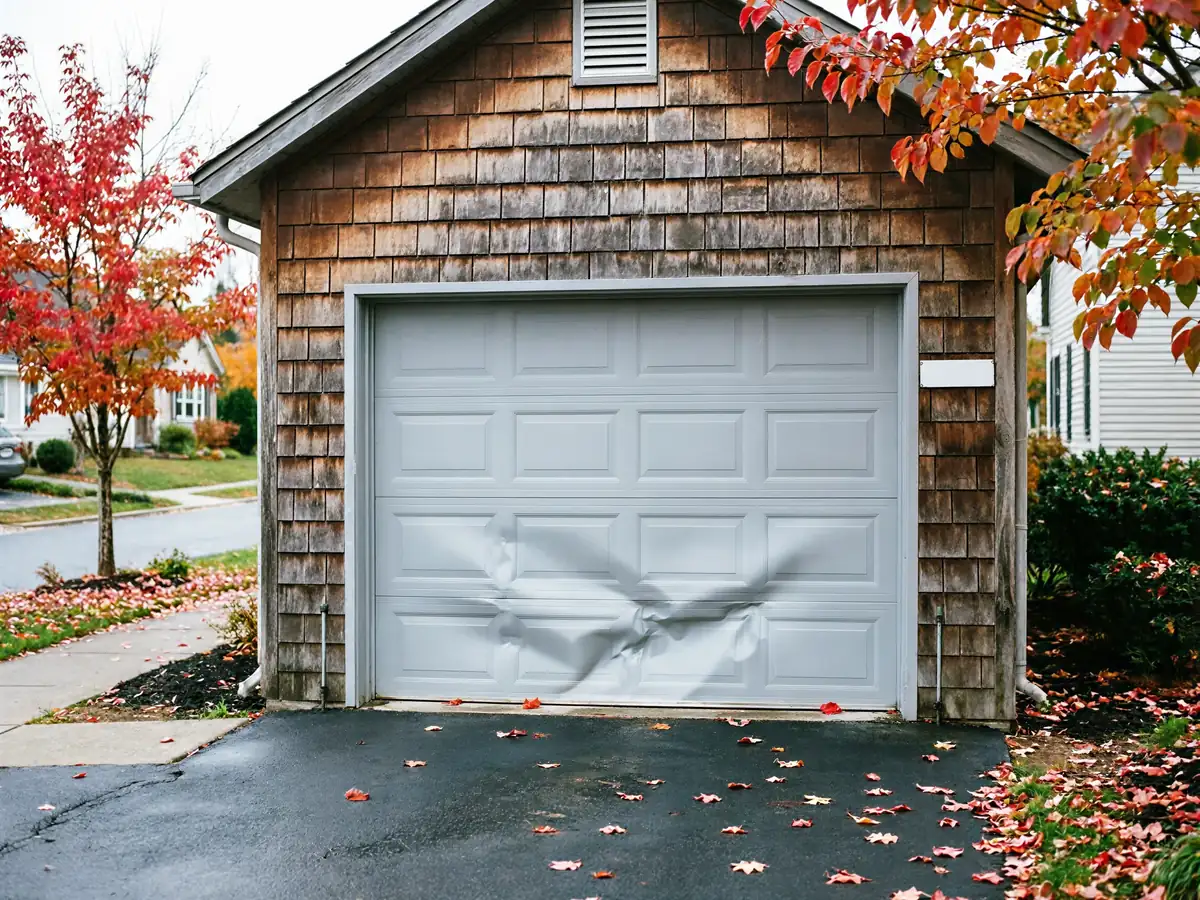
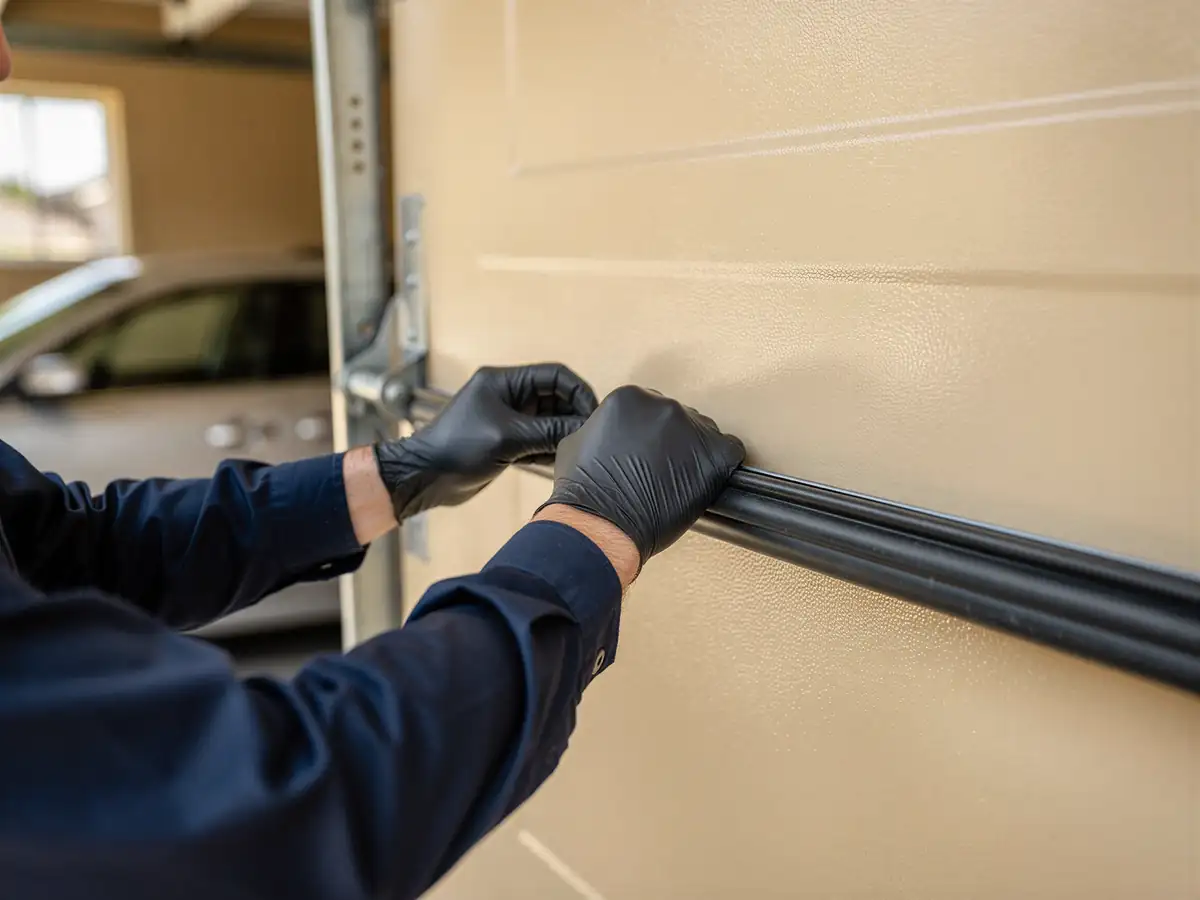
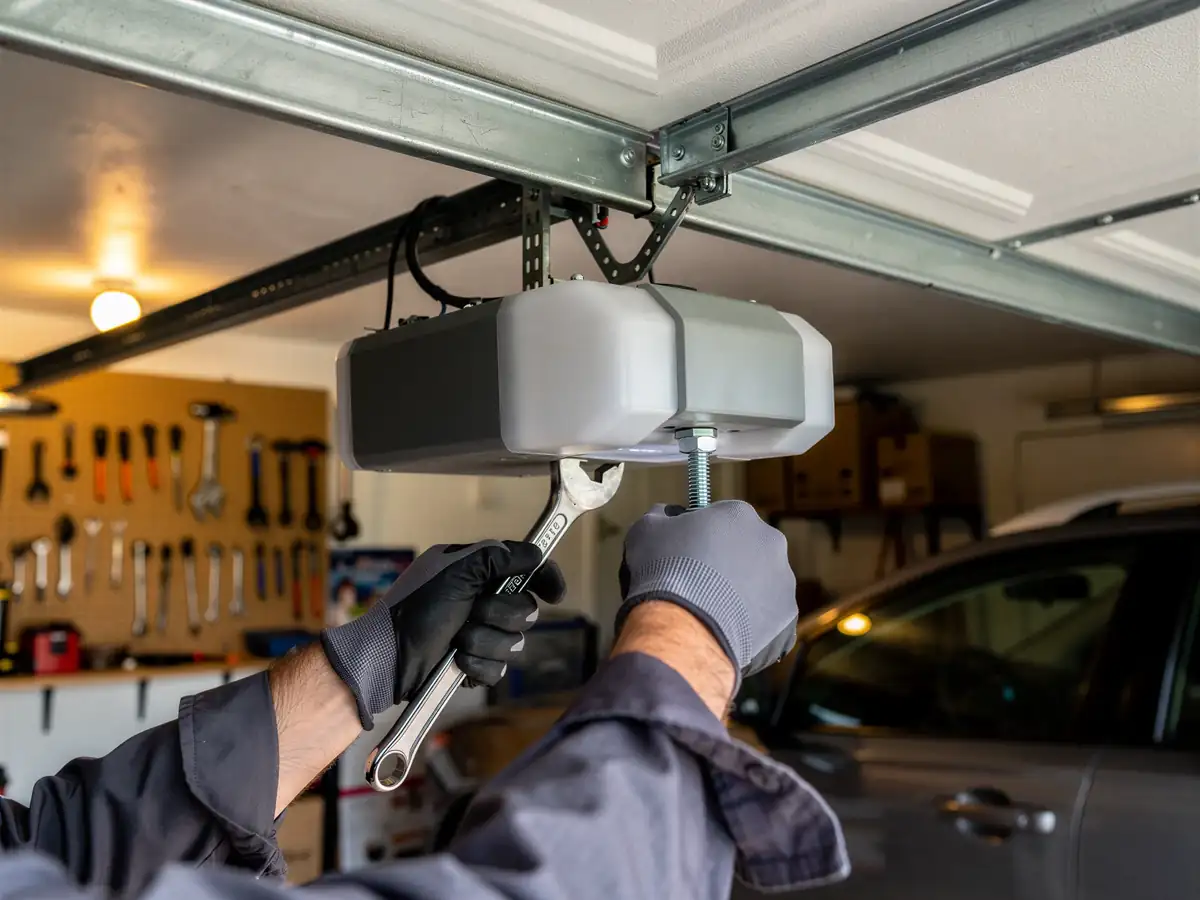
Installing an opener isn't just bolting a motor to the ceiling. We check the door itself first - a worn spring or a bent track will burn out a new opener fast, and that's a conversation we have before the opener goes in, not after. For a house built in the 1960s or 70s, that often means checking whether the existing track and hardware can even take a modern opener's travel limits and force settings without binding. Once the door's confirmed sound, we mount the rail, set the travel and force, run power to the unit, and install the photo-eye sensors and wall console if they're not already there. We test the auto-reverse function with a real object in the door's path, not just a visual check, because that's the part that actually keeps the opener legal and safe. We don't install openers on a door we think is going to fail within the year - if the panels or springs are shot, we'll say so and talk about the door before we talk about the motor.