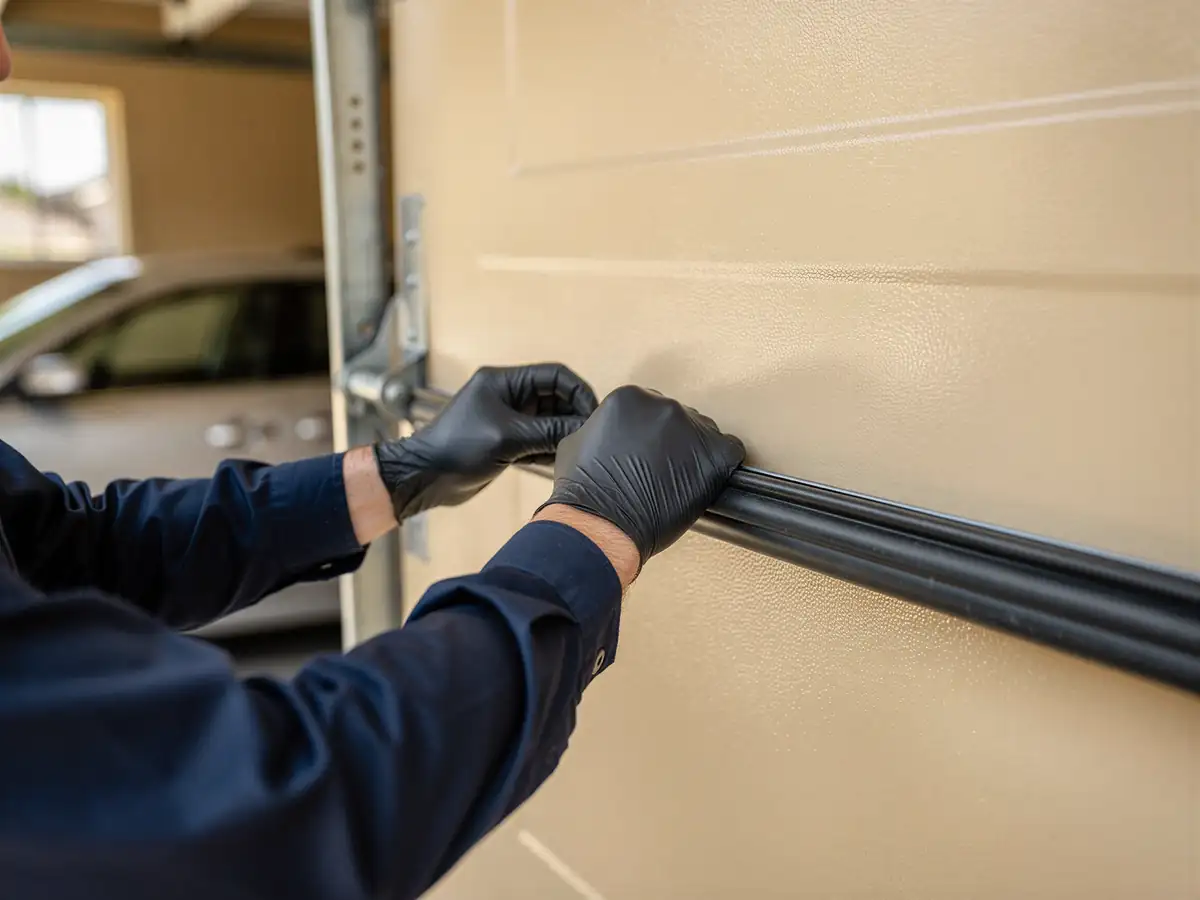
Parts We Carry
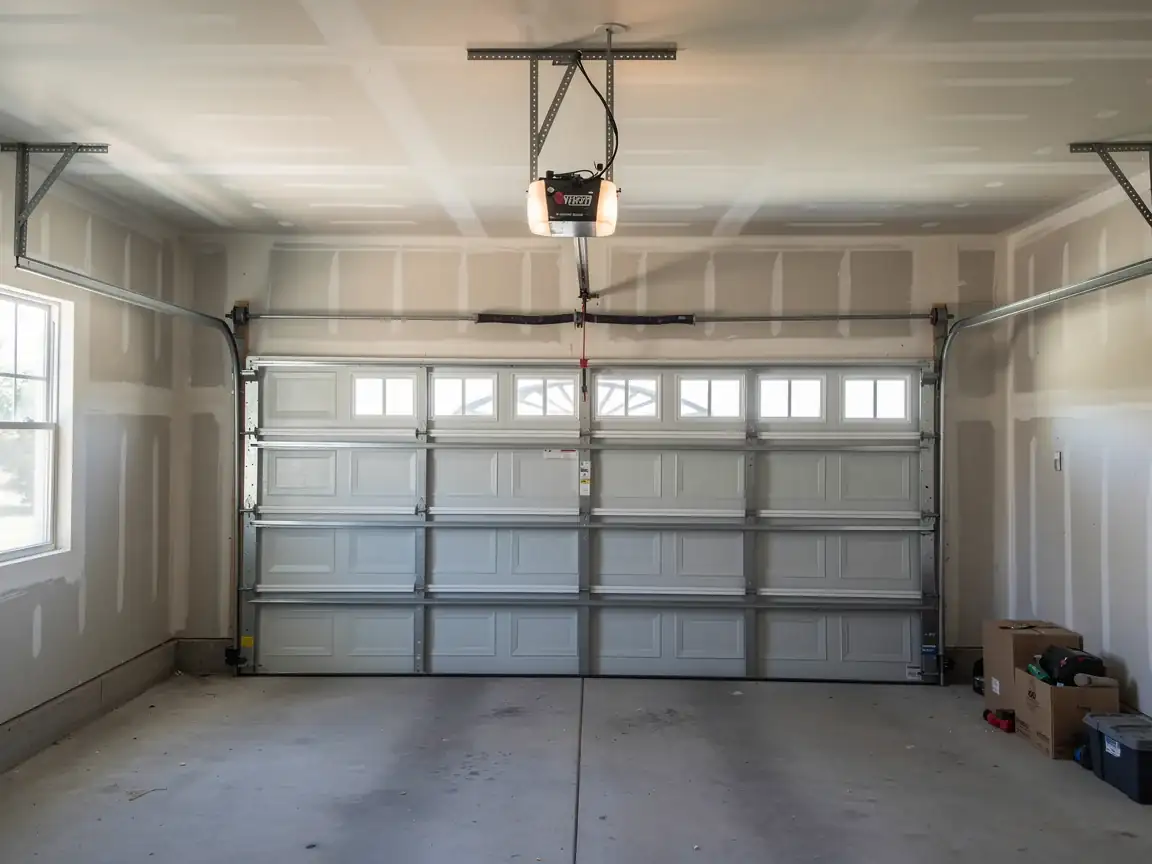
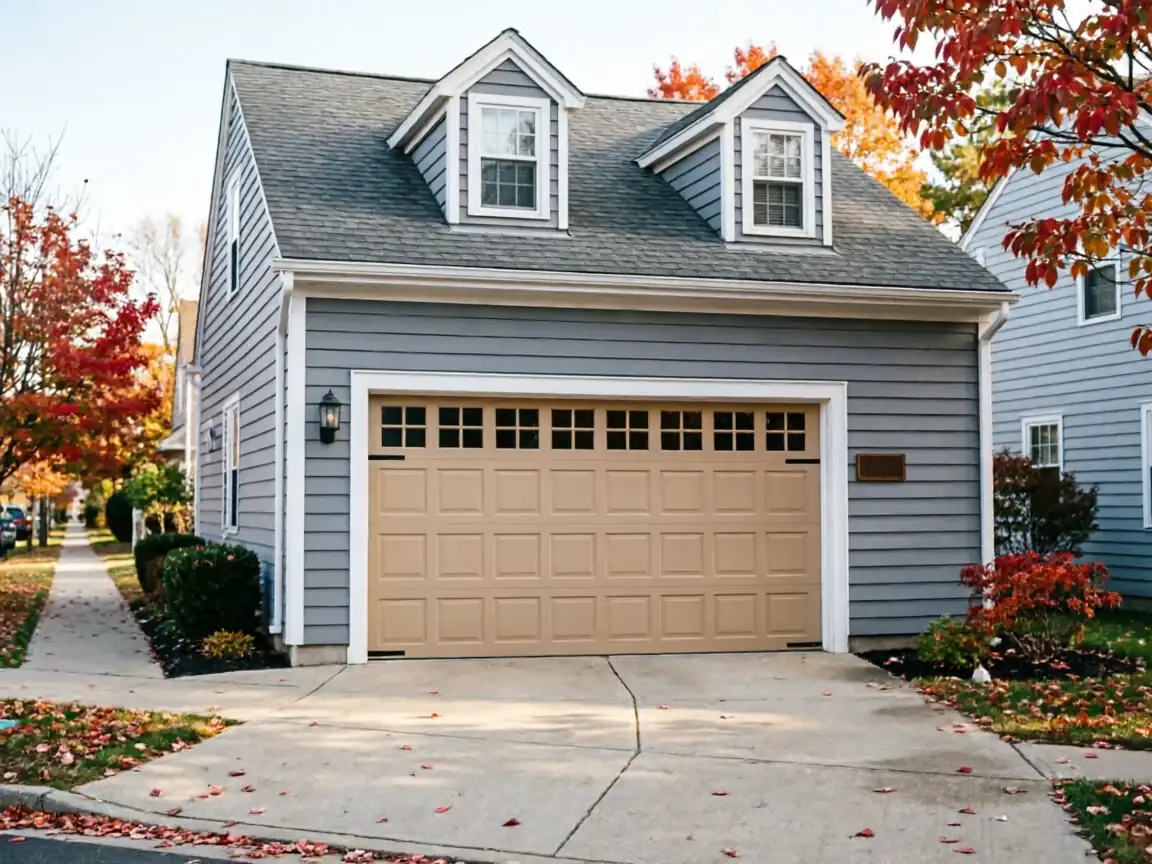
Most of the houses in Seymour went up around 1972, which puts them squarely in the era of galvanized aircraft cable running off a cable drum or, on older extension-spring doors, a pulley at the bottom bracket. We stock the common cable diameters and lengths that fit torsion and extension setups from that stretch of build years, plus the drums, pulleys, and safety cables that wear out alongside them. A lot of the double doors we see in town still run on two separate drums rather than one synchronized shaft, which is standard for a door that age - not a sign of anything wrong, just older hardware. If a door has already been upgraded to a newer torsion system, we carry those cables too. What we don't carry is obsolete track hardware for doors that have been discontinued outright; if your drum or end bearing plate is a model nobody makes anymore, cable alone won't fix the door and we'll say so up front instead of forcing a cable onto a dying system. For more on what we cover around town, see our Seymour garage door page.
What You Pay
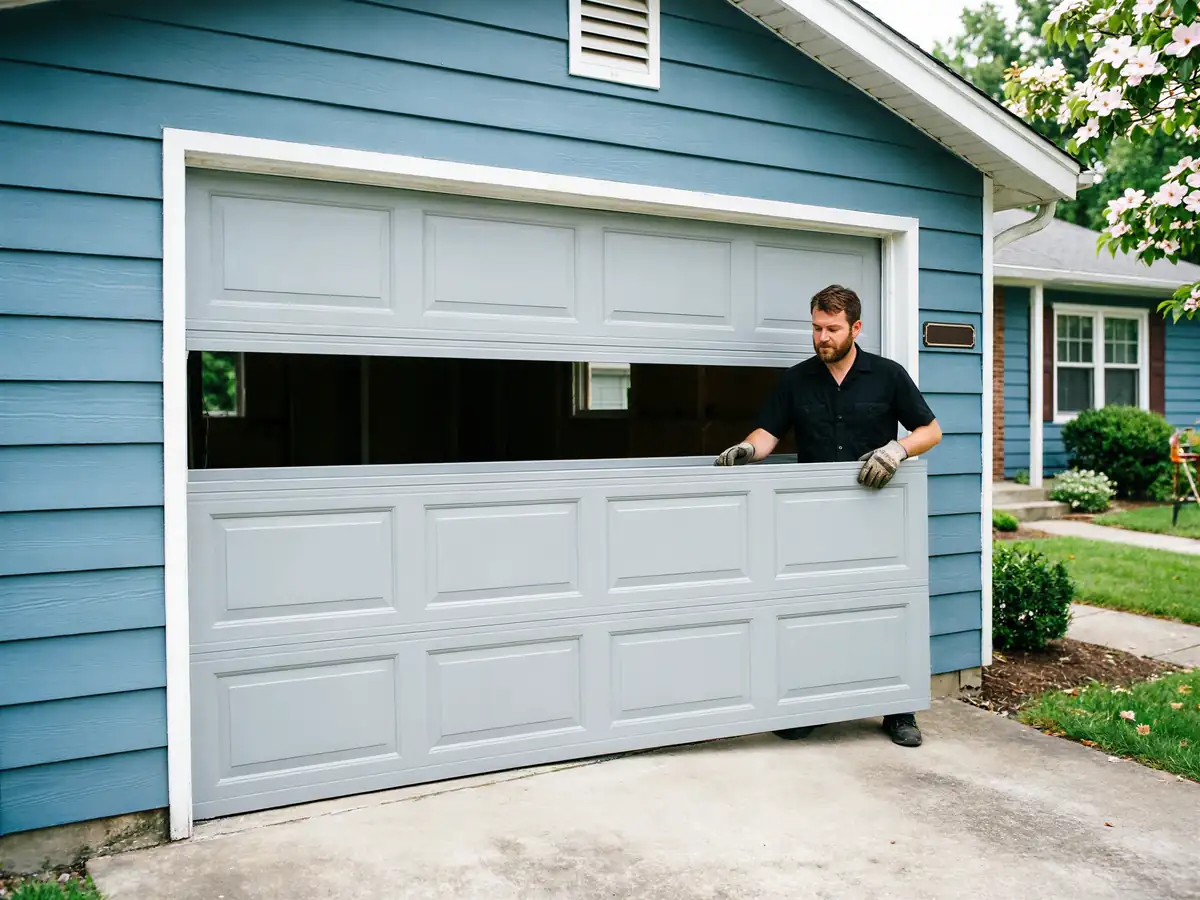
We don't quote a flat number for cable repair because what you pay depends on what's actually broken - one cable snapped versus both, a drum that's also chewed up, a bent bottom bracket, or a spring that let go at the same time and took the cable with it. Seymour's median household income runs about $103,682, a bit below the roughly $130,180 median across the rest of our service area, and in practice that means more owners here ask us to repair the drum and cable rather than replace the whole operator when the opener and track are otherwise sound. We price the job after we look at it, not off a phone description, because a cable job on a door with matching original hardware from 1972 is a different repair than one where a previous owner mixed in a mismatched replacement part somewhere along the way. If the door needs a part we don't carry on the truck, that adds to the timeline more than it adds to the bill in most cases. For a broader look at how we handle cable jobs across the area, see our Shelton cable repair page.
What the Fix Involves
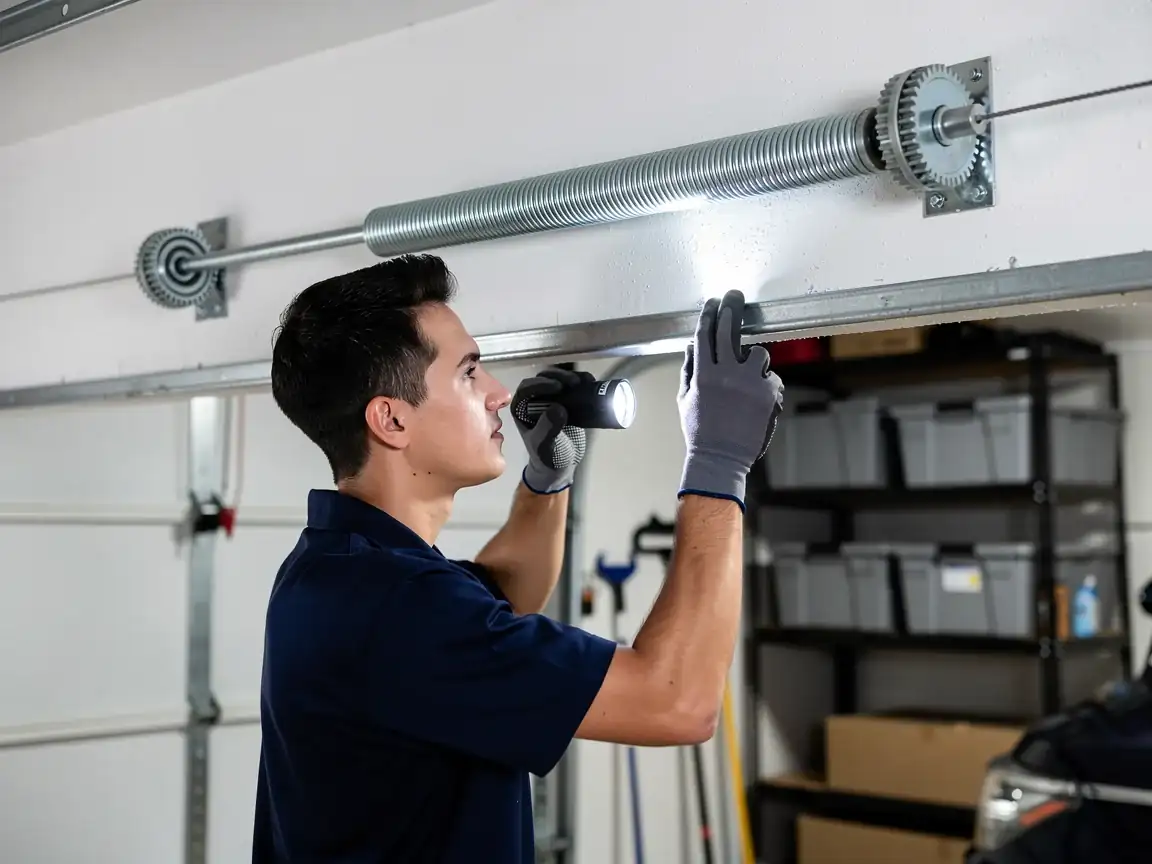
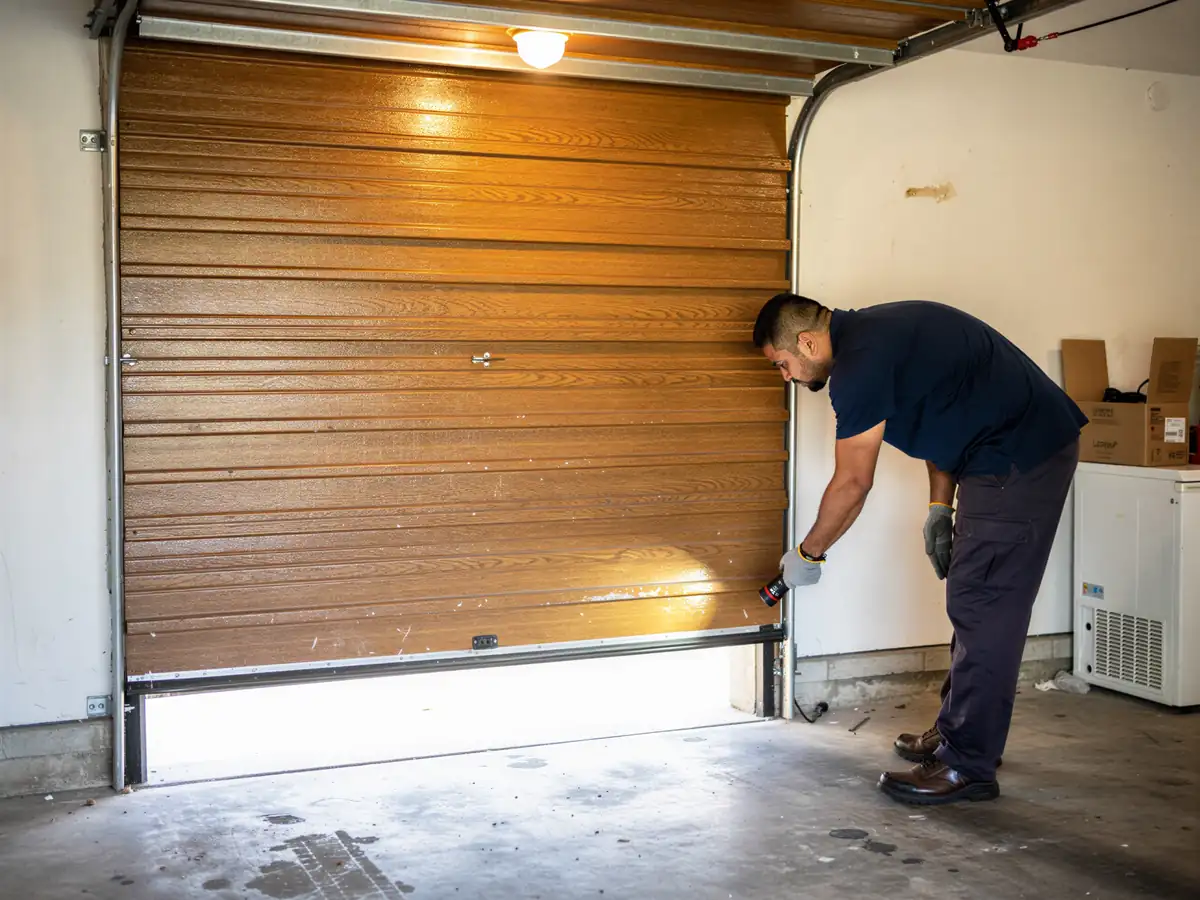
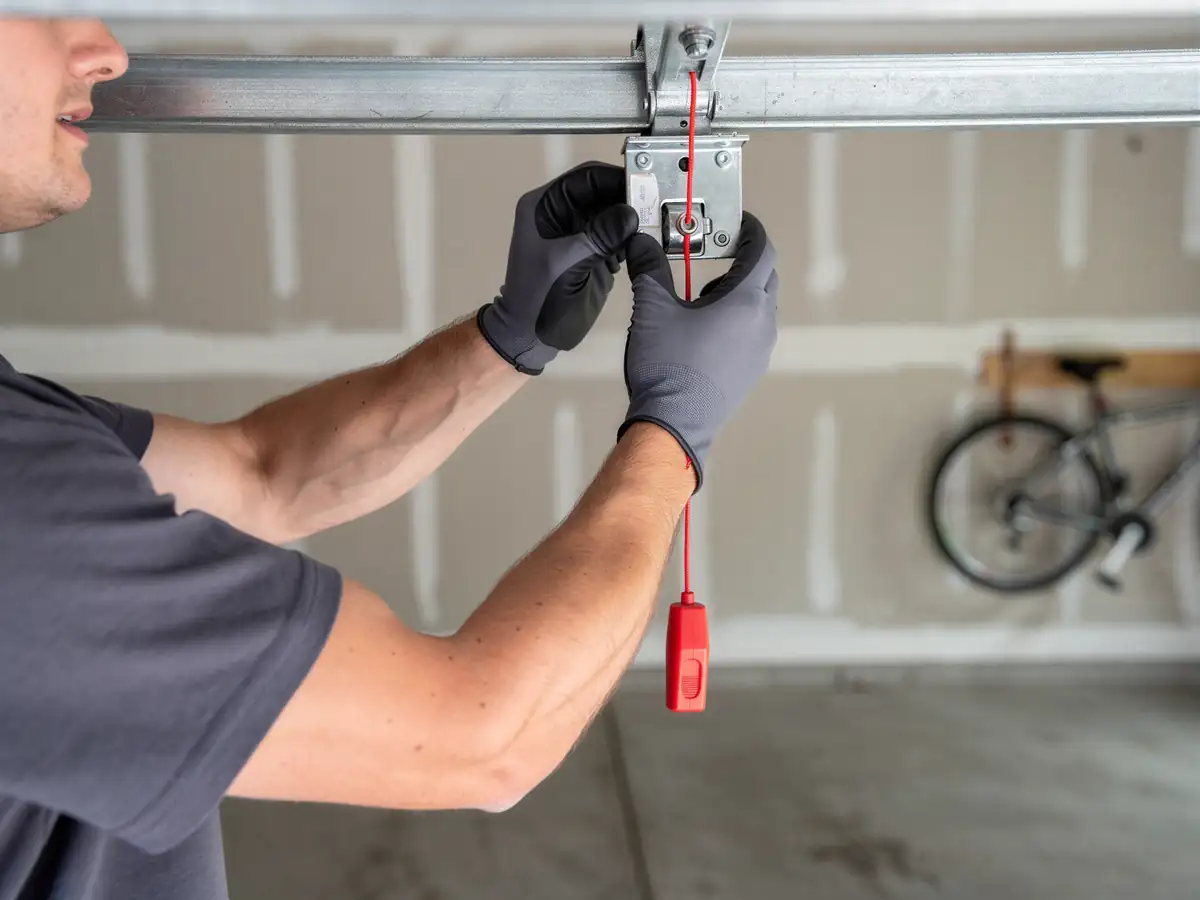
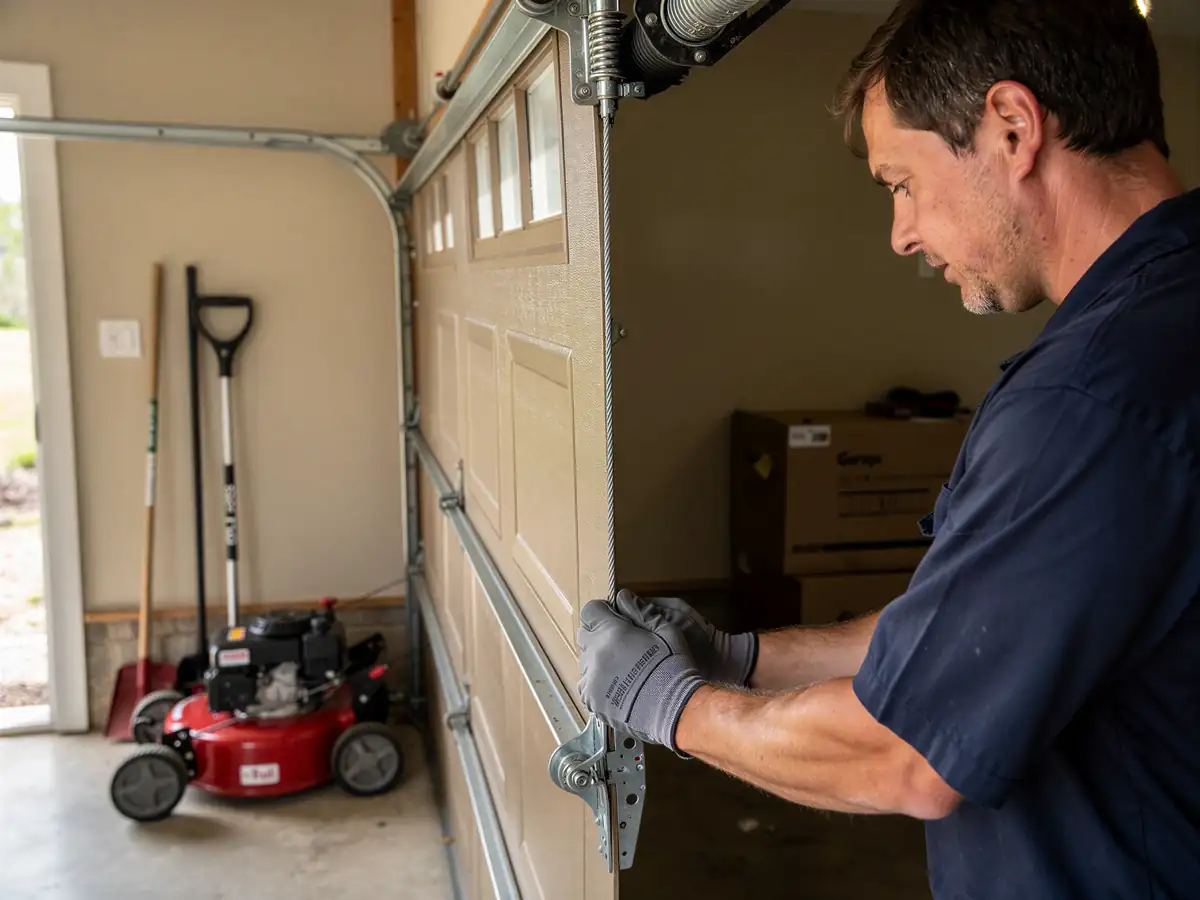
Cable repair starts with releasing spring tension safely, because a cable under load won't come off a drum without a fight, and a torsion spring at full wind can do real damage if you don't know what you're doing. Once tension is off, we pull the old cable, check the drum grooves for wear or rust pitting - common on doors from the 1972 era that have spent decades of cold Connecticut winters in an unheated bay - and check the bottom bracket and pulley on extension-spring doors. Connecticut's winters stiffen galvanized cable, and strands that are already frayed tend to let go at the drum in the coldest months rather than on a mild afternoon. We run new cable at the correct length for your drum size, re-tension the springs, and cycle the door several times to check that it's balanced and tracking straight before we call it done. If the drum itself is grooved or the bottom bracket is bent, cable alone won't hold; we'll say so and quote the parts actually needed rather than put a new cable on hardware that's going to fail again by next winter. That's the one thing we won't do - sell a cable job when the real problem is underneath it.