The Symptom
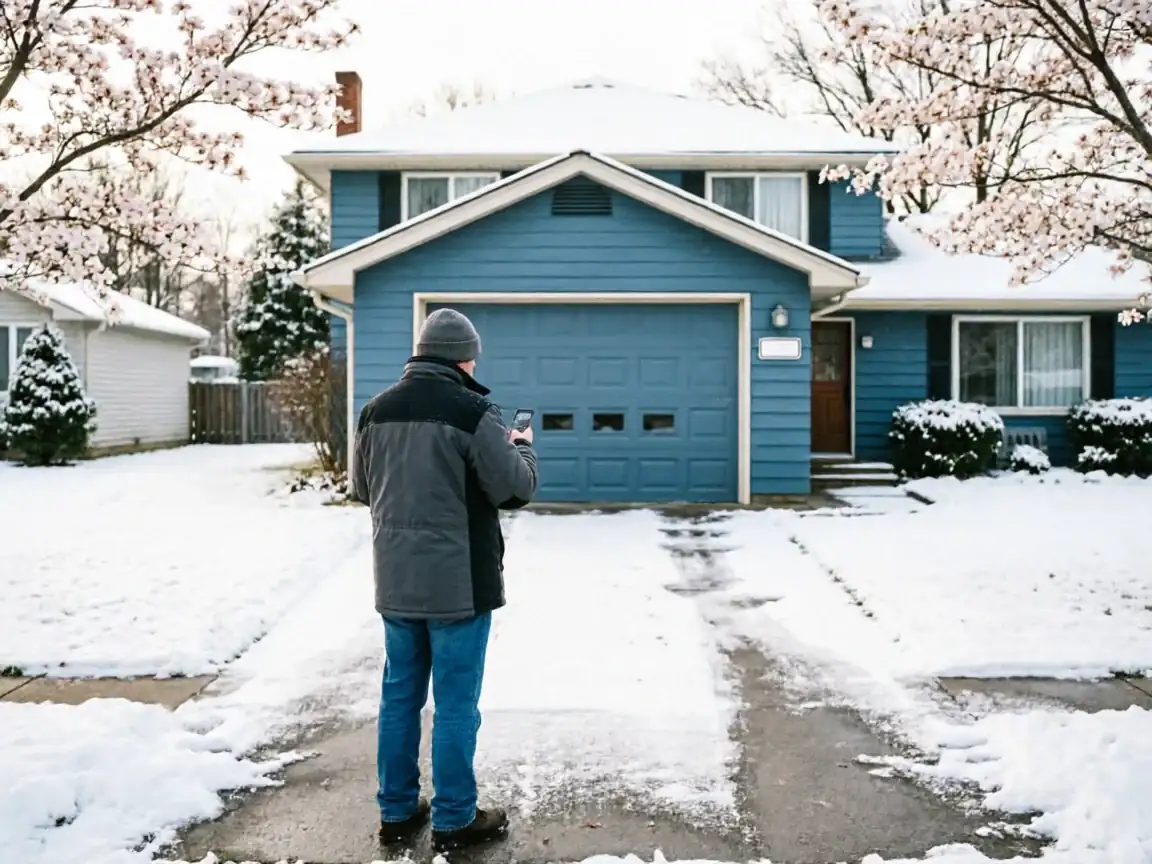
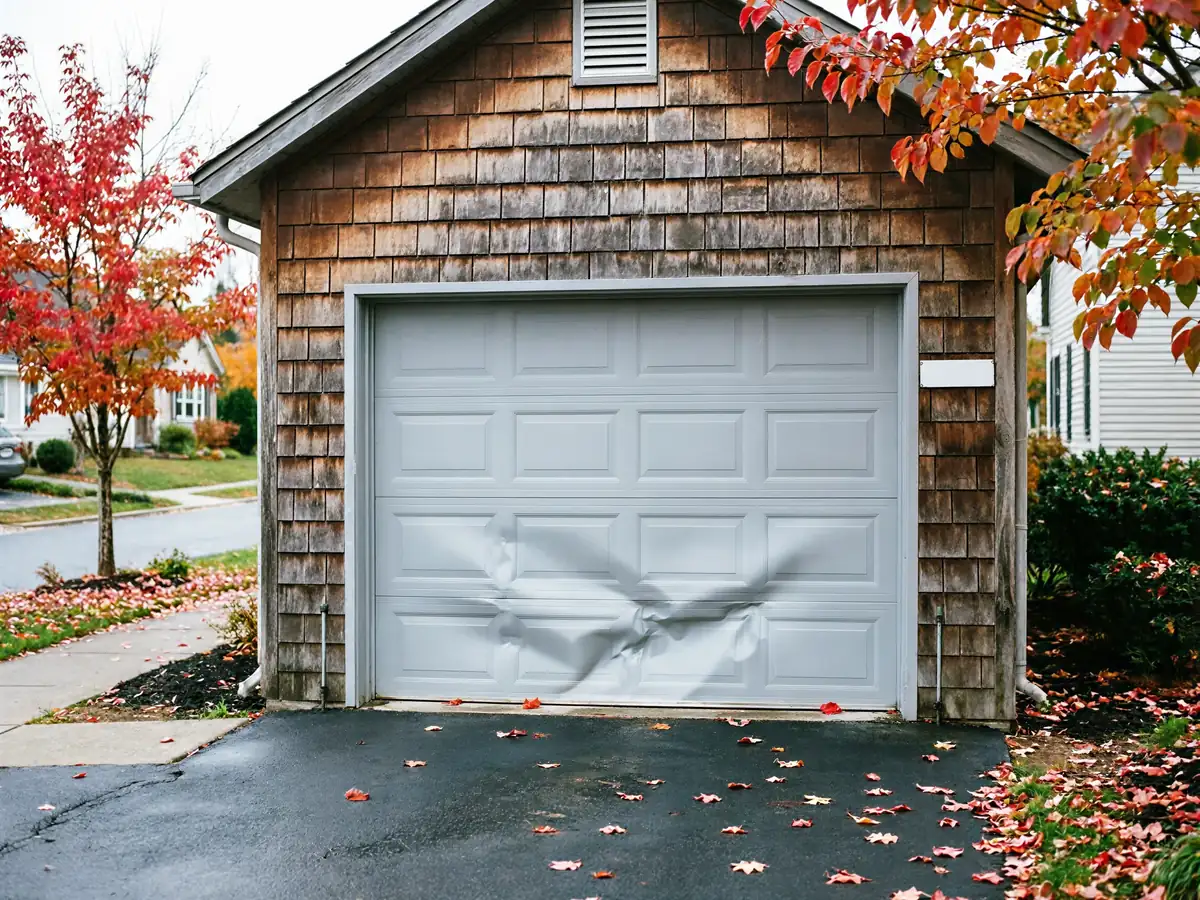
The door starts slow, or it catches halfway up and reverses back down. Sometimes it's a groan from the opener before anything moves at all. Other times the door looks fine going up but drops faster than it should coming down, or one side dips lower than the other as it travels. None of these are random. A door that worked fine all summer and started acting up once the temperature dropped is telling you something specific about the spring, not the opener.
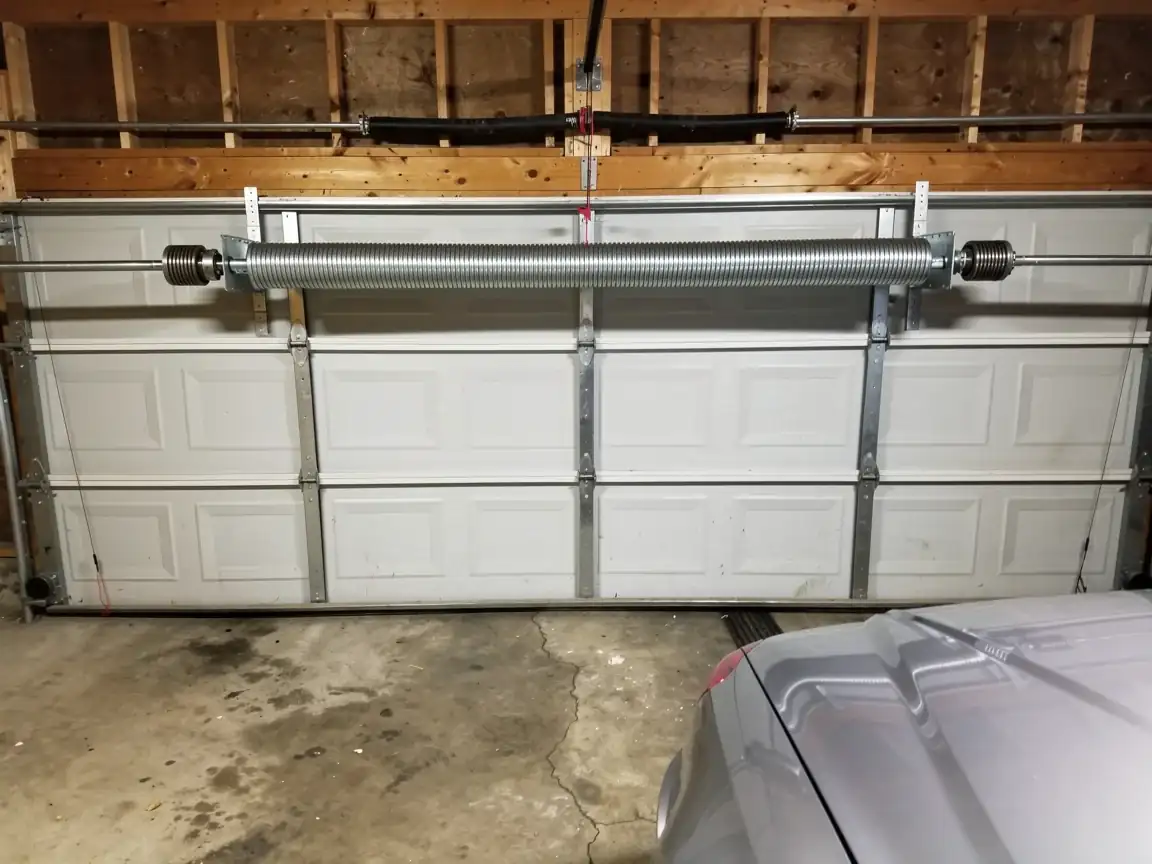
In a lot of Shelton houses this shows up first thing in the morning, when the garage has sat closed and cold all night. The door feels heavier than it should, the opener strains, and by afternoon once things warm up a few degrees it seems to behave again. That swing between morning and afternoon is the tell. It means a torsion spring that's lost tension, or hardware that's stiffened up enough that the opener is doing work it was never sized to do.
Why This Fails Locally
Shelton's housing stock runs mostly 1952 through 2013, with the bulk of it dating to the 1960s and 70s across the area's older neighborhoods. A door and spring system installed on a house built in that window has had decades to cycle through New England winters, and torsion springs don't fail gradually in a straight line - they lose a measurable percentage of tension with age, then lose more with cold.
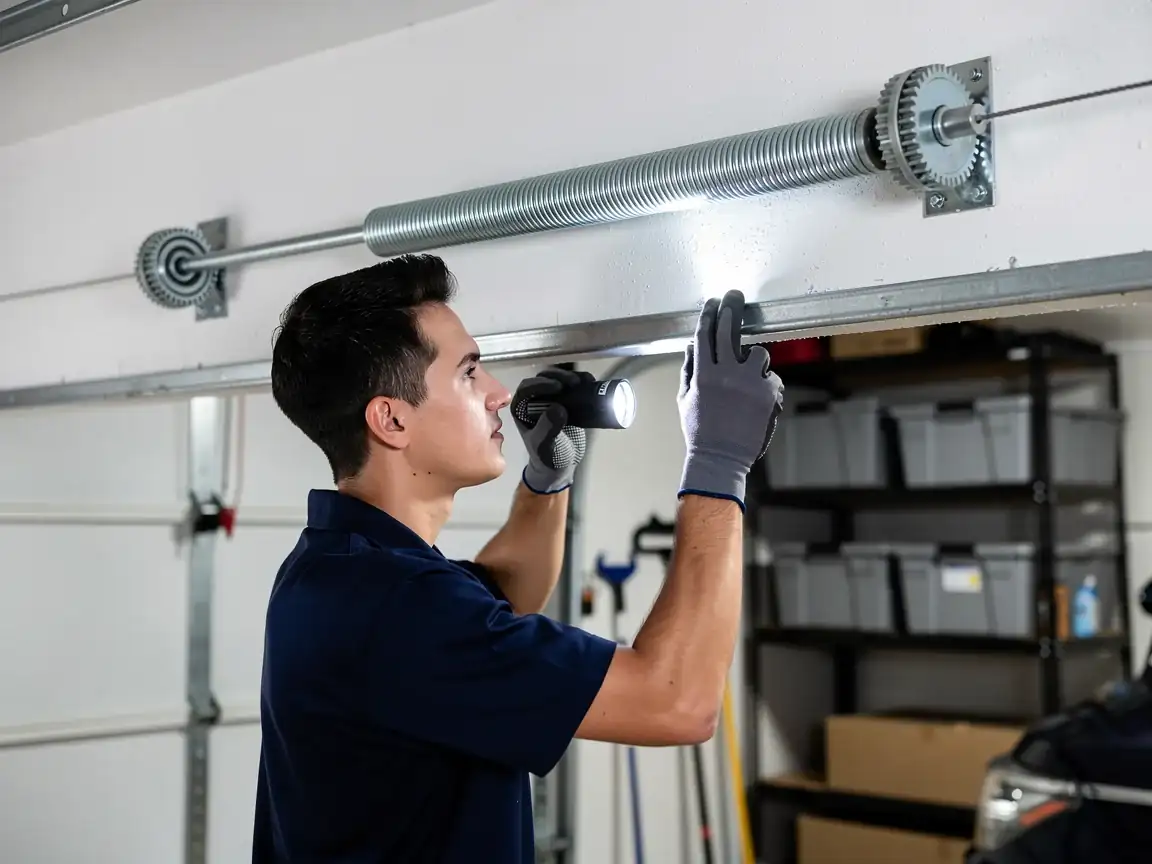
Shelton sits in a COLD-severe climate band, and that matters more for garage doors than people expect. Steel torsion springs contract in cold weather, and lubricant inside the coil thickens, so a spring that's already near the end of its service life gets pushed over the edge exactly when the weather turns raw - late fall into deep winter. If your house dates to that 1960s-70s wave, which covers most of the area, the original spring and the original rail track were sized for a lighter door and a milder duty cycle than openers see today. Add 50-plus years of seasonal cold and that hardware is working past what it was built for.
What Can Go Wrong
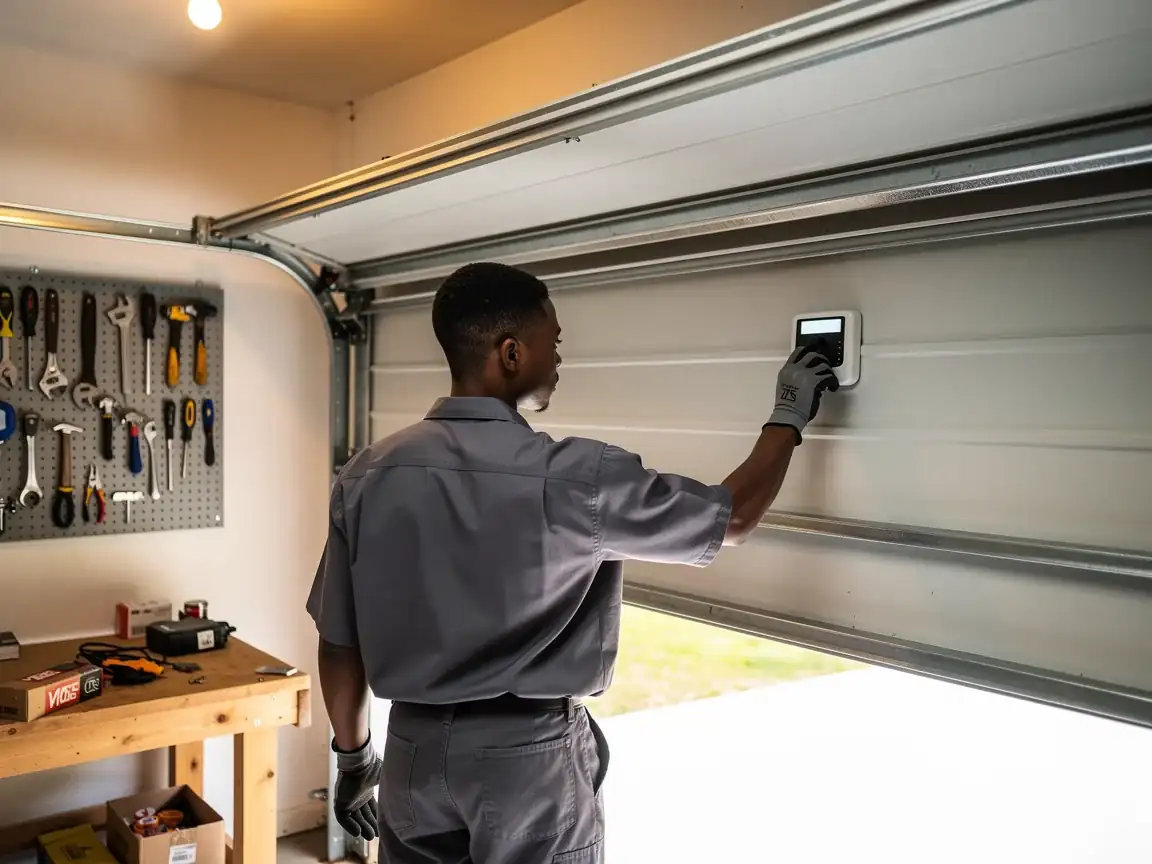
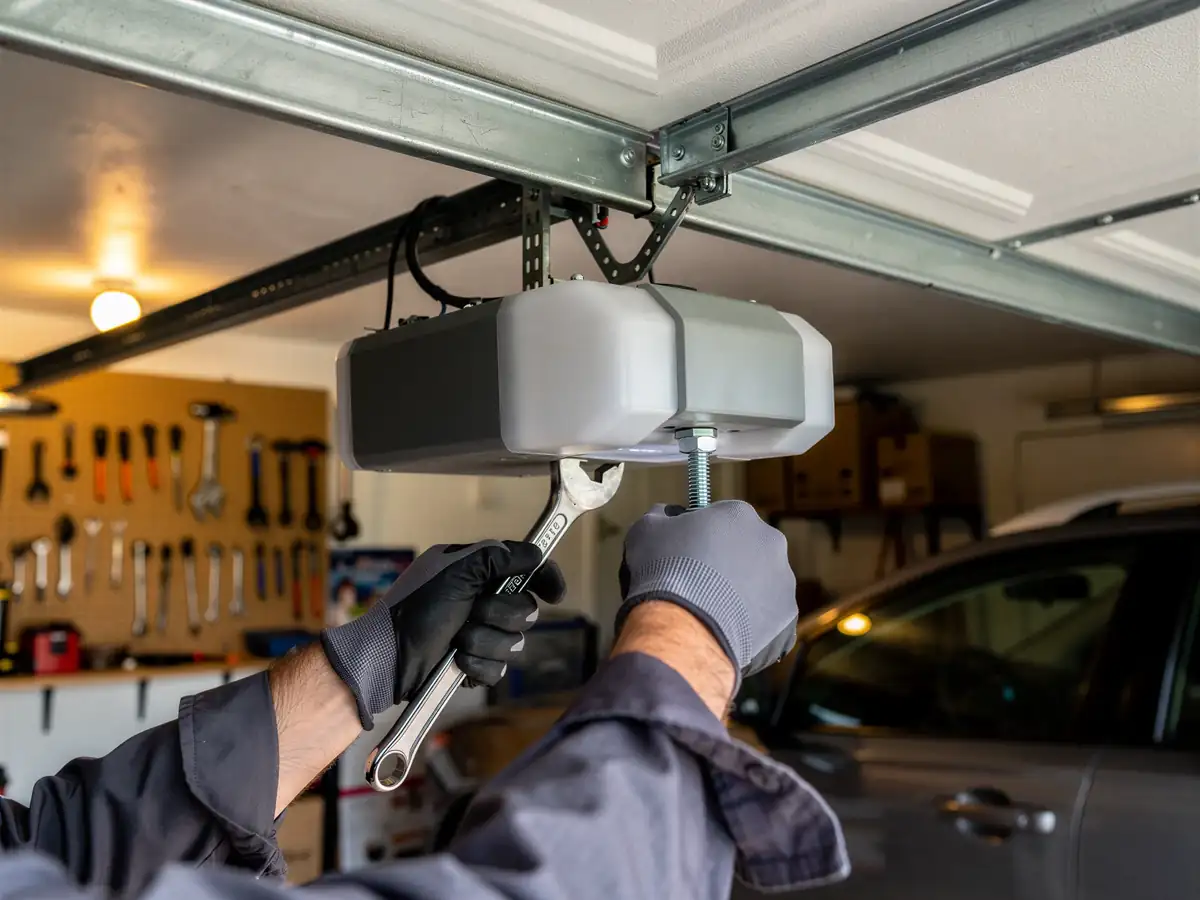
A torsion spring that's lost tension puts the full weight of the door on the opener's gearing every time it runs
Keep running it that way and you're not looking at a spring repair anymore - you're looking at a stripped gear or a burned-out motor on top of the spring job.
Cold also tightens up track alignment
Metal rails contract slightly in low temperatures, and if the track was already a hair out of plumb from decades of settling, winter is when rollers start binding in the channel instead of rolling through it. That's the door that catches halfway and reverses - the opener's safety sensor reading resistance it wasn't built to overcome, not an actual obstruction.
Cables are the other failure point tied to an aging spring
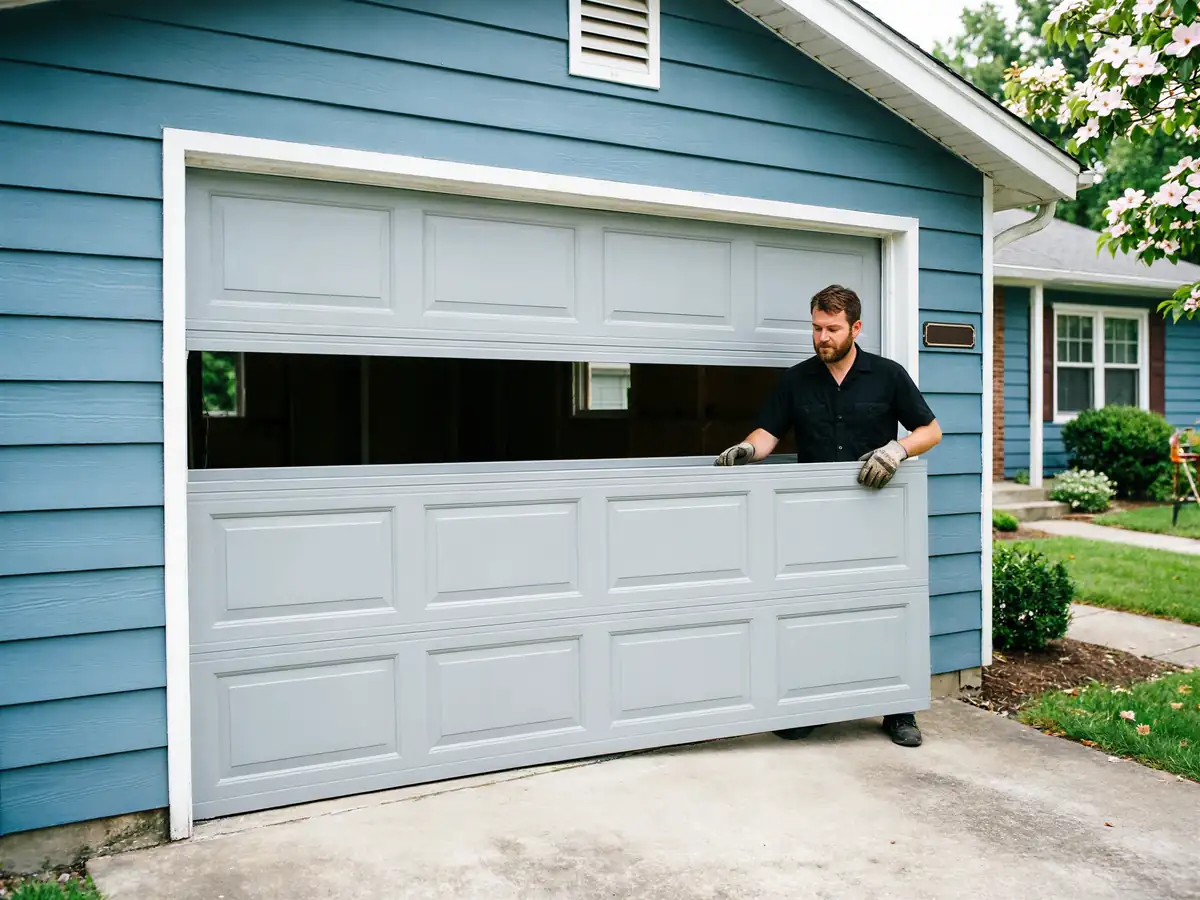
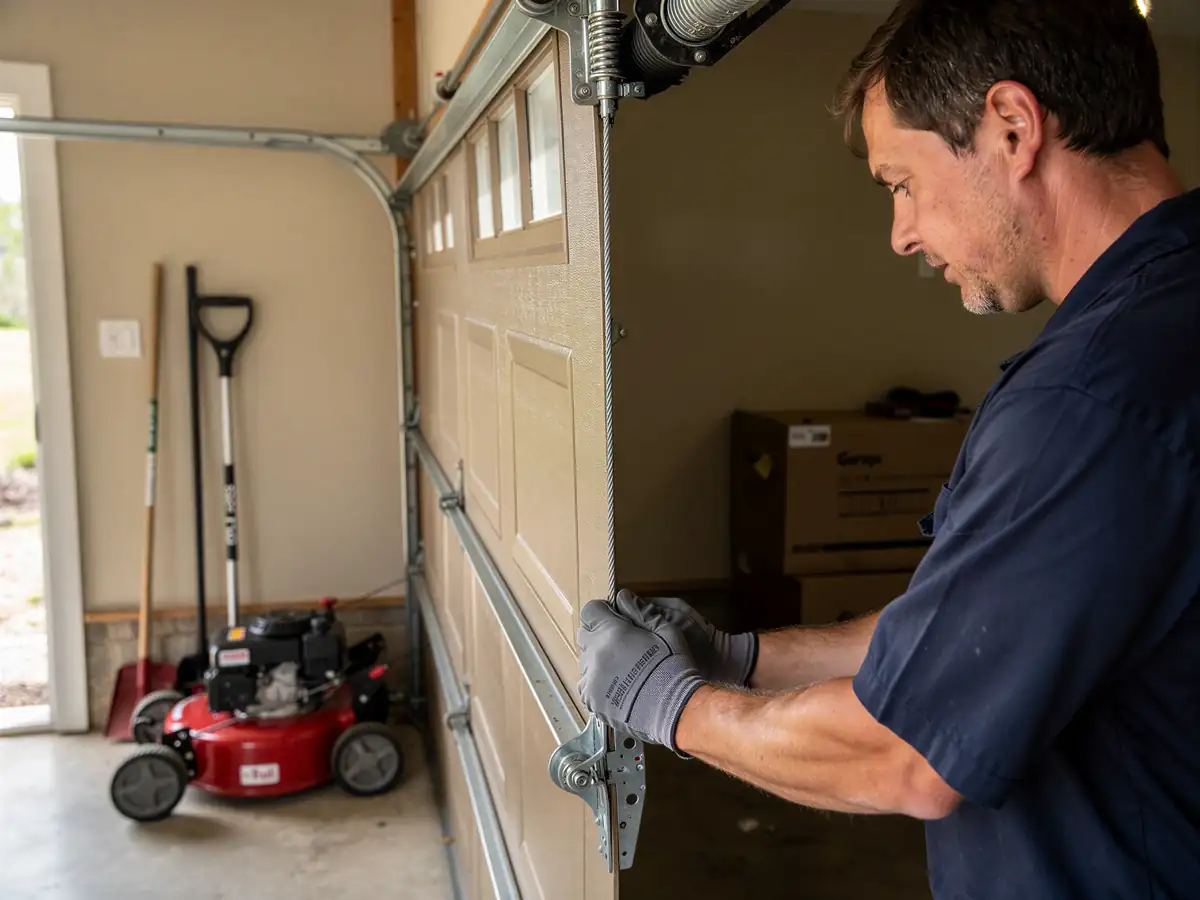
As the spring weakens, more tension shifts onto the cable drums, and a cable that's frayed but still holding can snap without warning once that extra load hits it on a cold morning. A snapped cable with the door halfway open is a heavy door with nothing holding it - that's the one that turns into a bent track or a damaged panel instead of a quick fix.
Can You Do This Yourself
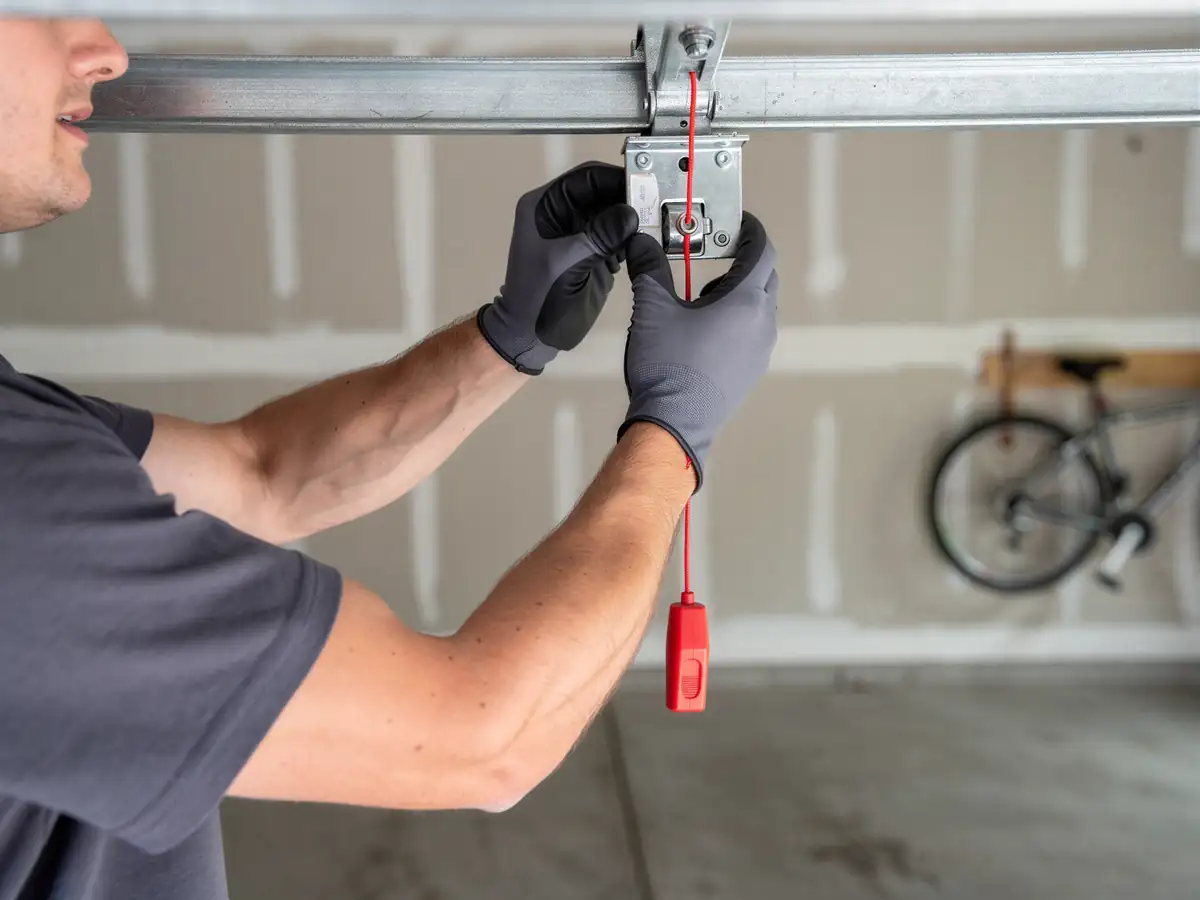
You can check some of this without a wrench. Pull the release handle, door closed, and lift it by hand. It should move with a steady, light pull and stay roughly where you leave it. If it's heavy, drops on its own, or feels uneven side to side, that's spring tension, and that's not a DIY repair - a torsion spring under load is strong enough to break a hand or worse if it lets go while you're working on it. We won't talk anyone through that one over the phone.
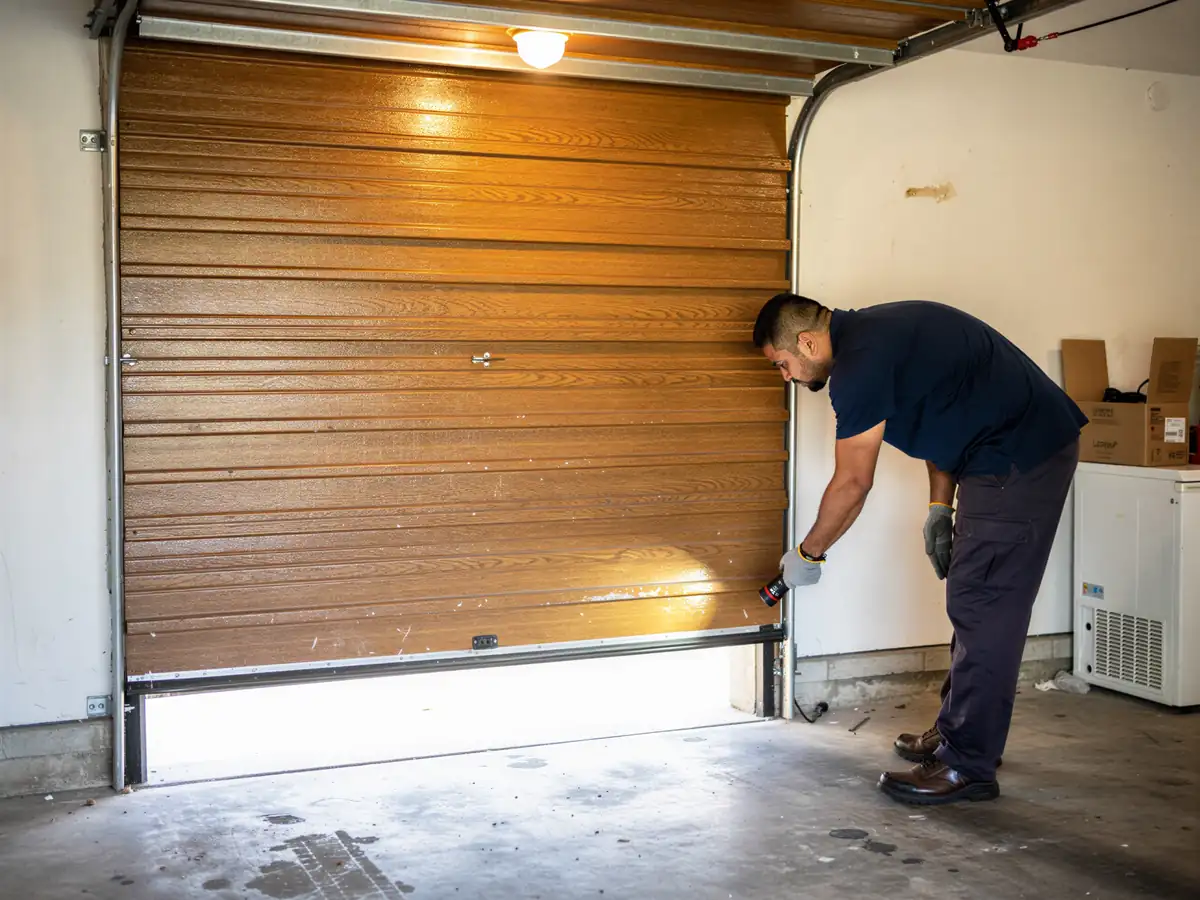
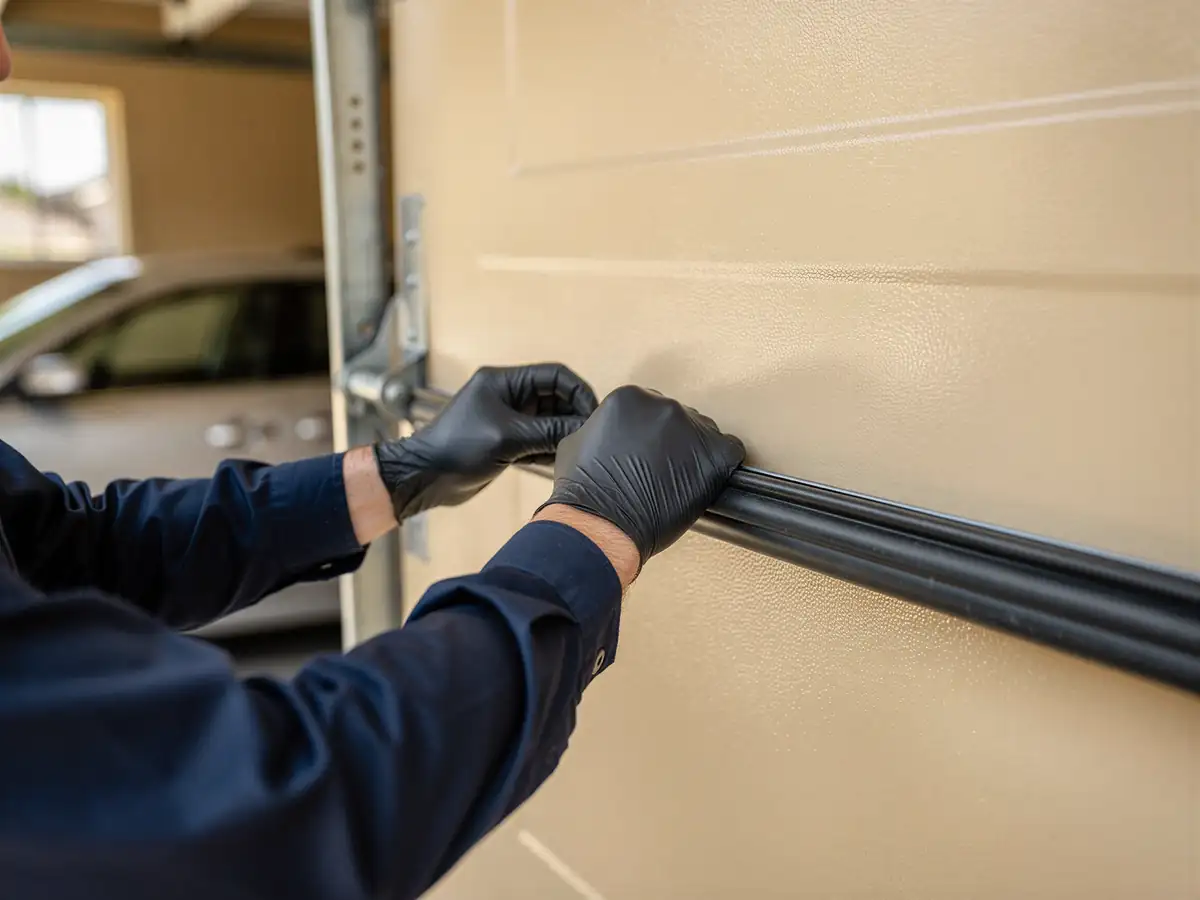
What you can do yourself: look at the rollers and track for visible rust or a bent section, and check that the bottom corners of the door aren't sagging unevenly, which points to a worn cable rather than the spring. Lubricating hinges and rollers with a garage-door-specific lubricant, not WD-40, is reasonable maintenance and won't hurt anything.
One honest limit: if the opener is original to a 1960s or 70s install and the spring has never been replaced, we're usually not going to recommend patching one part. At that age the rest of the hardware is close behind it, and a second call six months later costs you more than doing the spring and cables together the first time.