What Local Conditions Do
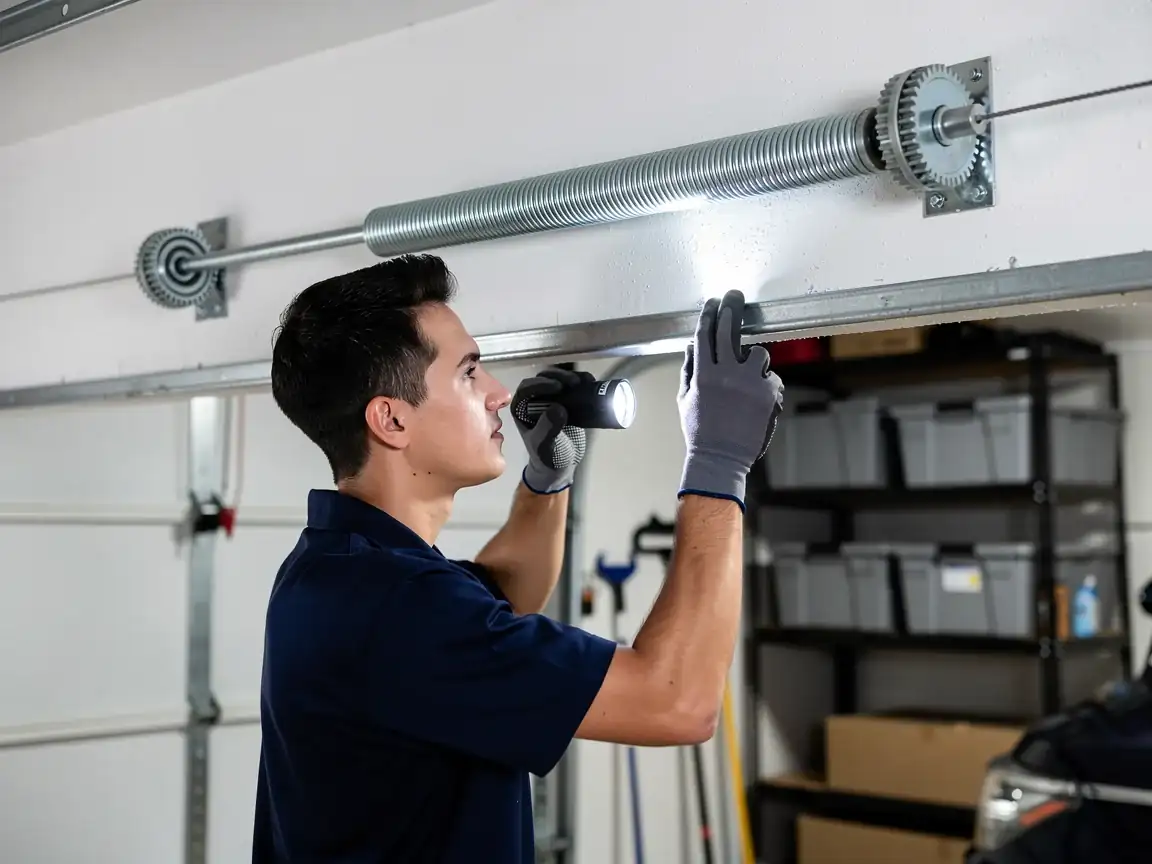
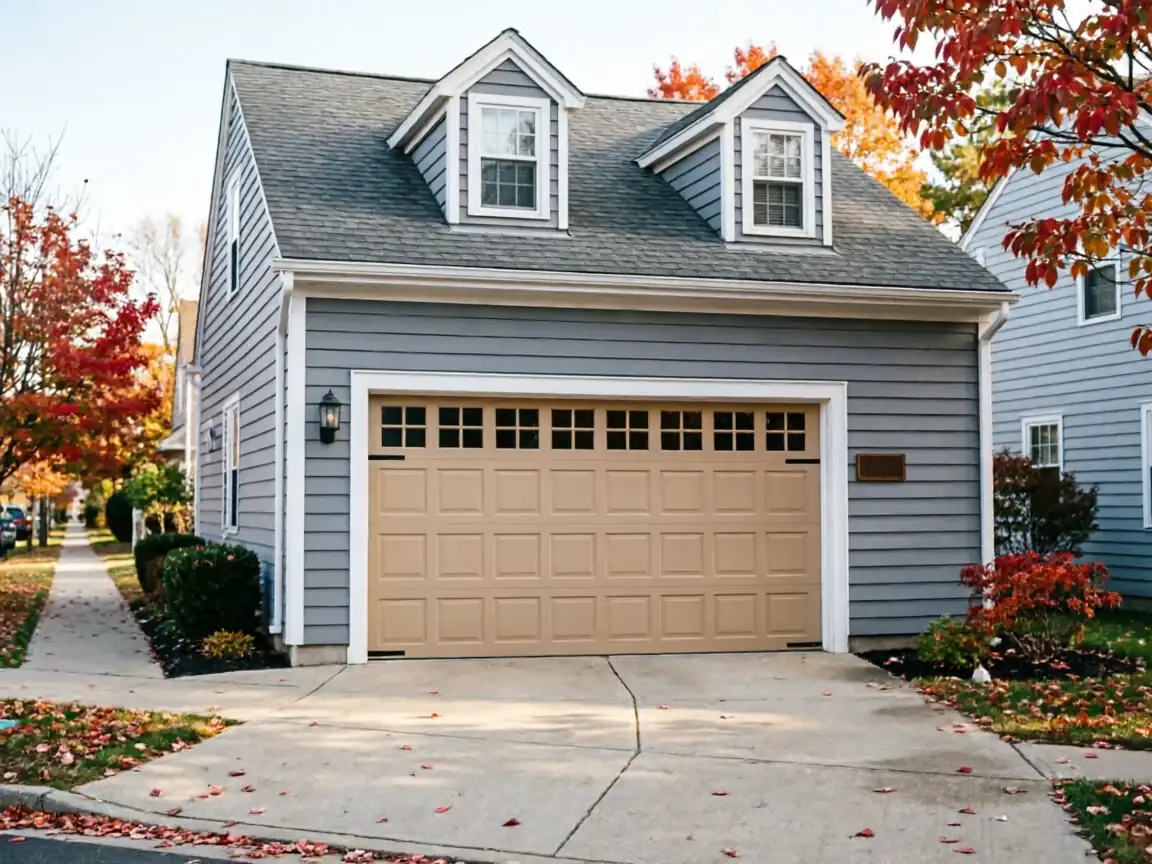
Shelton's housing stock runs from 1952 through 2013, with the median build year at 1972, and most of the 45 named areas we work in are still dominated by that 1960s-70s wave of construction. That matters for a replacement door because the rough opening, the header framing, and the track clearance on a house built in 1968 are rarely what a big-box door kit assumes. A lot of these openings were framed for the lighter one-piece or early sectional doors of that era, and swapping in a modern insulated door often means dealing with jamb shims, header reinforcement, or a track configuration the original builder never planned for.
On top of that, Shelton sits in a severe cold climate band. That changes what 'replacement' should mean here. An uninsulated panel that was fine on a 1970s garage is a liability on a winter morning when the opener motor has to drag a door through frozen weatherstripping or a slightly warped track. We size insulation and weatherseal choices around what this climate actually does to a garage over a full winter, not around a catalog spec sheet written for a mild-climate market.
The Problem
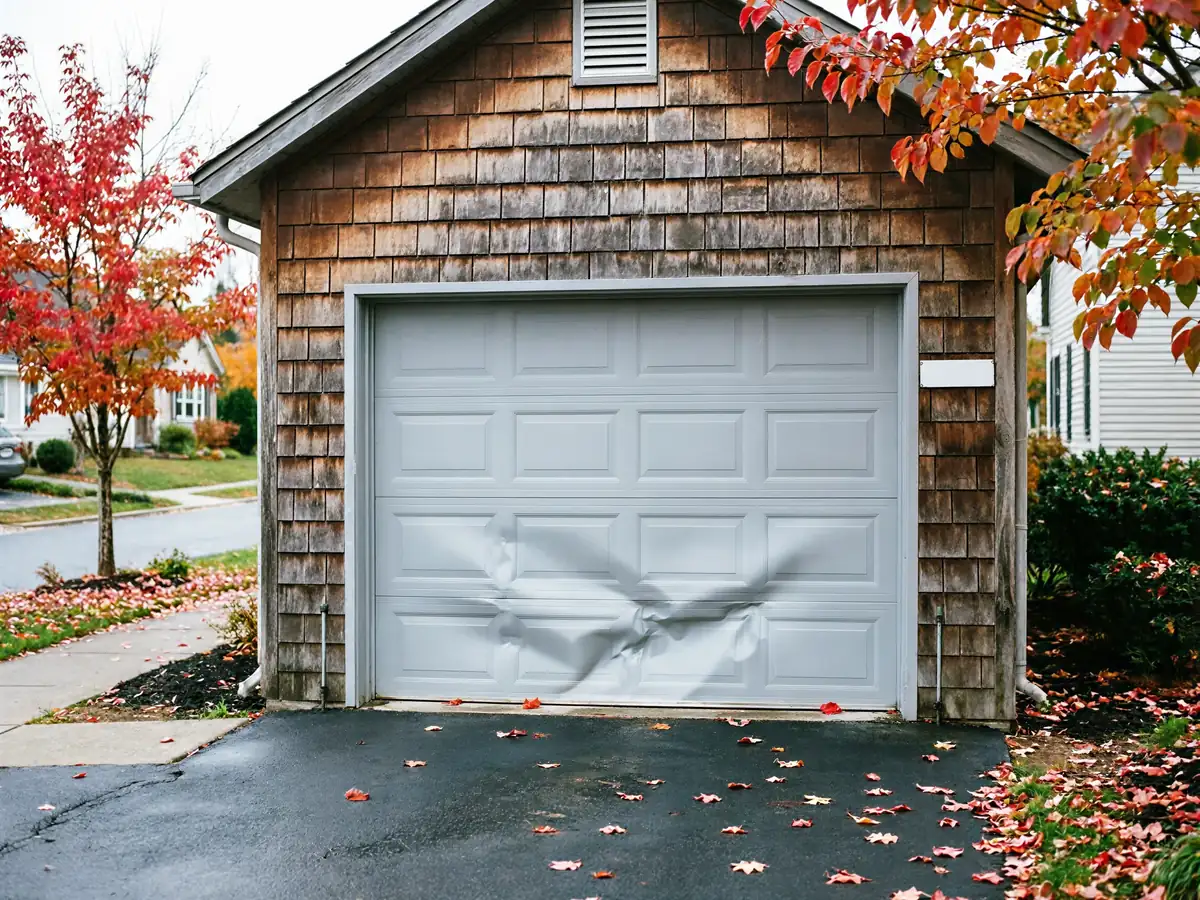
The core problem is mismatch. A door built for today's standard 7-foot opening and modern spring tensioning doesn't just drop into a frame built decades before that standard existed. In a town where the median house dates to 1972, that mismatch shows up constantly: tracks mounted for a torsion spring system that's since been swapped for extension springs, headers that were never sized for a heavier insulated panel, or openings that have settled a half-inch out of square over fifty-plus years.
The cold climate band makes the problem worse, not better. Severe cold cycles the wood framing around these openings every winter, which means the small gaps and settling that already exist in older Shelton construction tend to get wider over time rather than staying put. A door that was hung level in 1975 is not necessarily level now, and a replacement that doesn't account for that will bind, drag, or leave daylight at the corners the first cold snap it has to perform in.
When It Stops Being a DIY Job
A straightforward panel swap on a modern
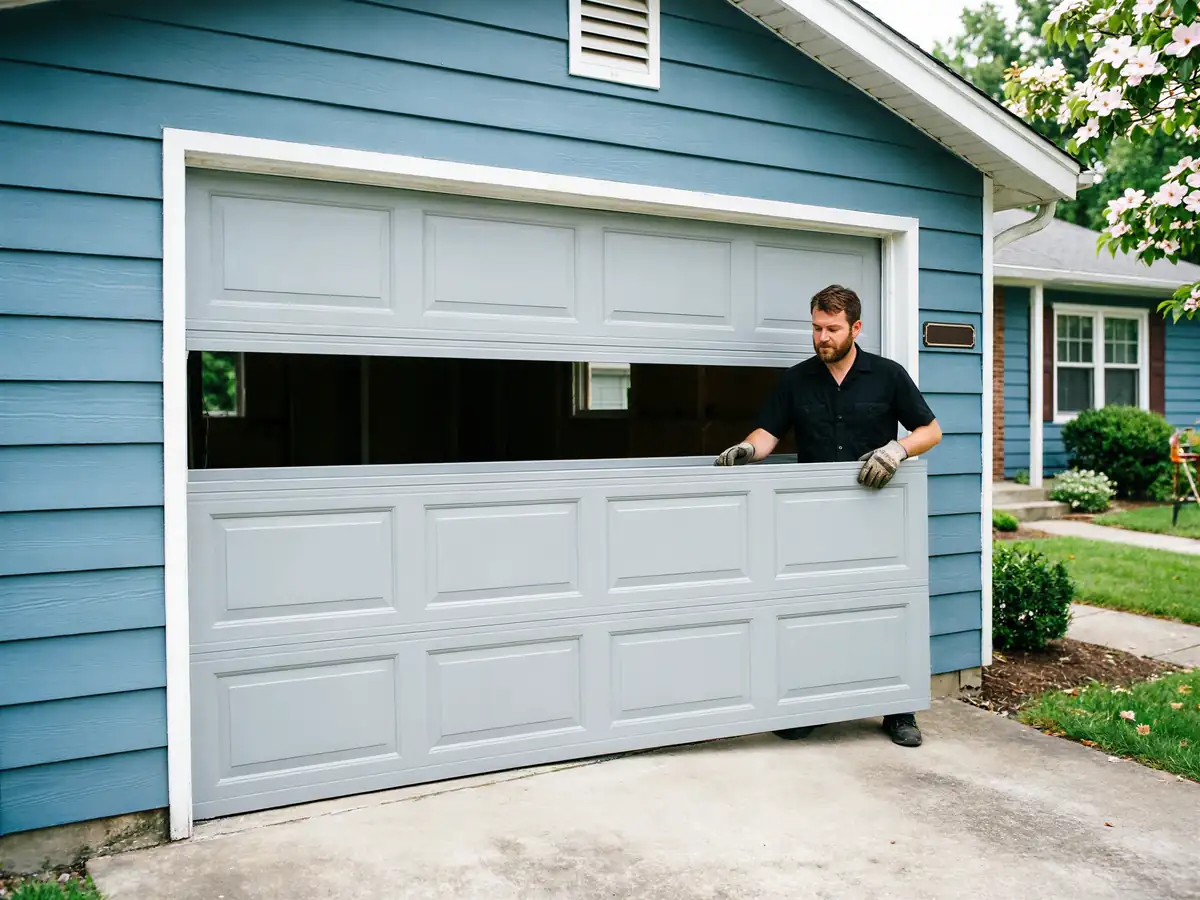
Square opening is within reach for a handling homeowner. A replacement on a house from the 1960s or 70s, in a severe cold climate, with an opening that's shifted over fifty years, is a different job. Once you're reframing a header, re-squaring a jamb, or re-engineering spring tension because the old hardware doesn't match the new door's weight, you're past the point where a weekend and a borrowed level get it done safely.
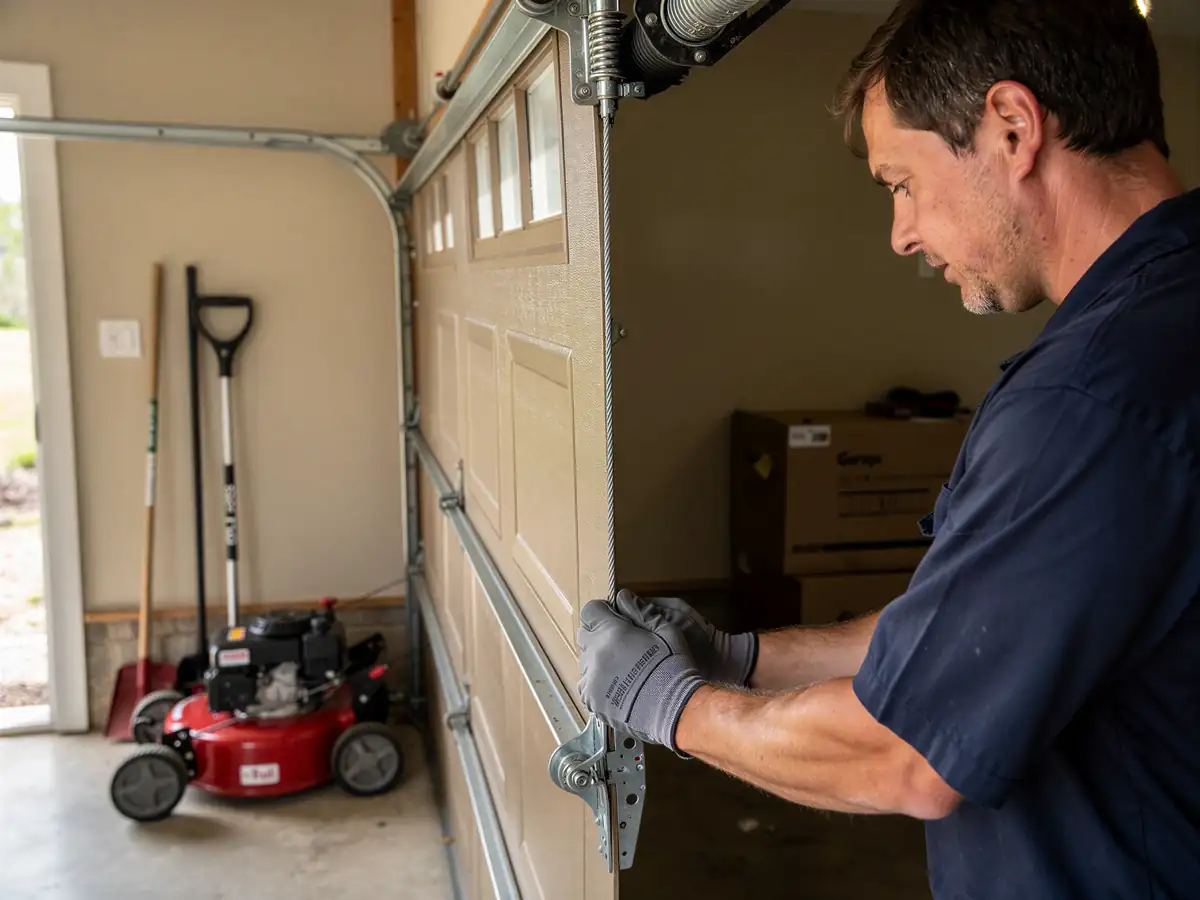
We'll say plainly: we don't recommend DIY torsion spring replacement on any door, old opening or new, regardless of town or house age
That's not a Shelton-specific limitation, it's just true everywhere a spring under that kind of tension is involved. But the header and framing work that often comes with replacing a door in this area's older housing stock is the part that most often gets underestimated by homeowners who've done a panel swap before and assume this job is the same.
Where People Go Wrong
The most common mistake we see in this part of Connecticut is buying the door before measuring what the opening actually needs. Someone picks a double-door insulated model because the neighbor has one, without checking whether their own 1960s-era header can carry it or whether their track clearance matches. In a service area where median household income sits at $130,180 and homeownership is common across more than 131,000 owner-occupied houses, people are willing to spend on a good door - but spending on the wrong spec for an older opening means paying twice.
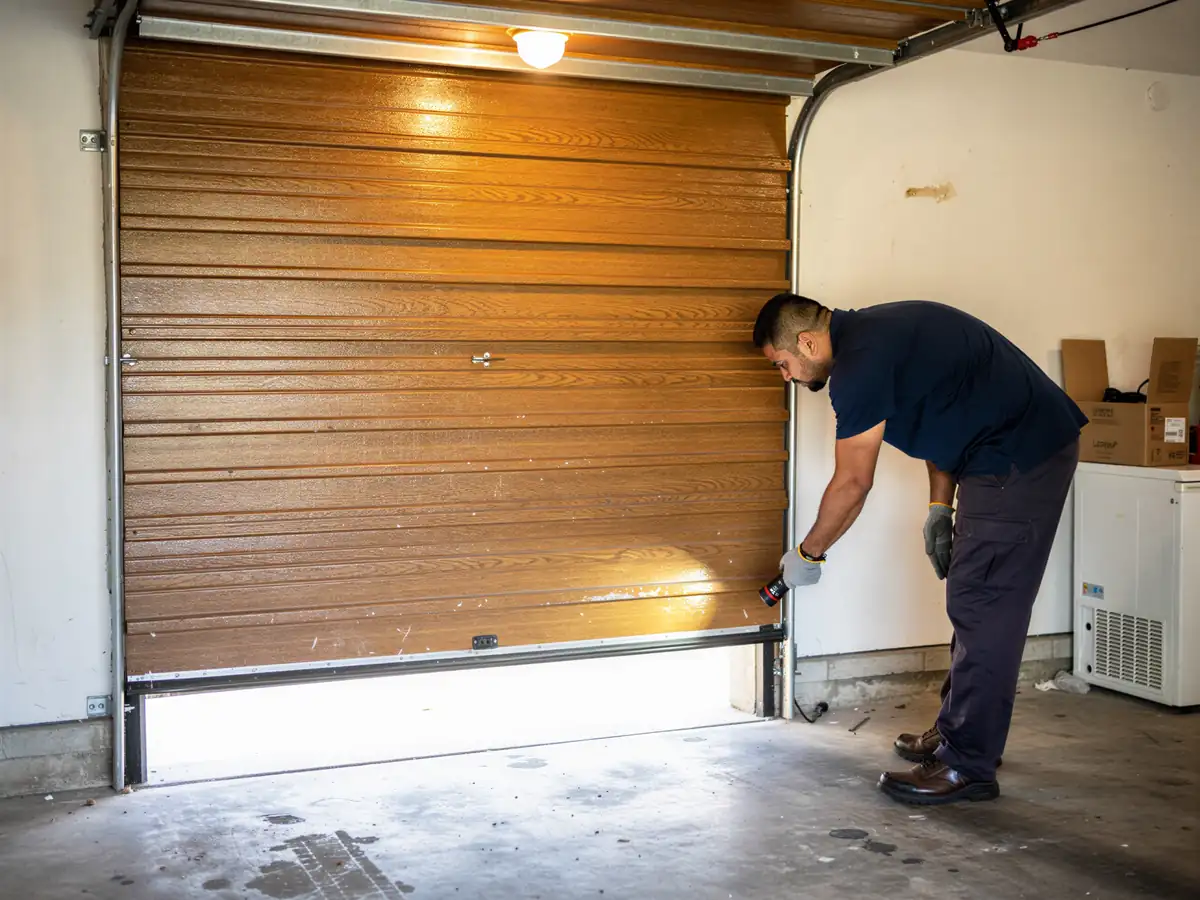
The second mistake is ignoring the climate band when picking insulation and seal type. A door rated for a mild climate will underperform here every winter, and the failure doesn't show up on install day - it shows up as ice buildup on the bottom seal or a opener straining against a frozen track months later. Match the door to the opening's actual age and to what a severe cold winter does to it, not to what looked good in a showroom.