Older vs Newer Streets
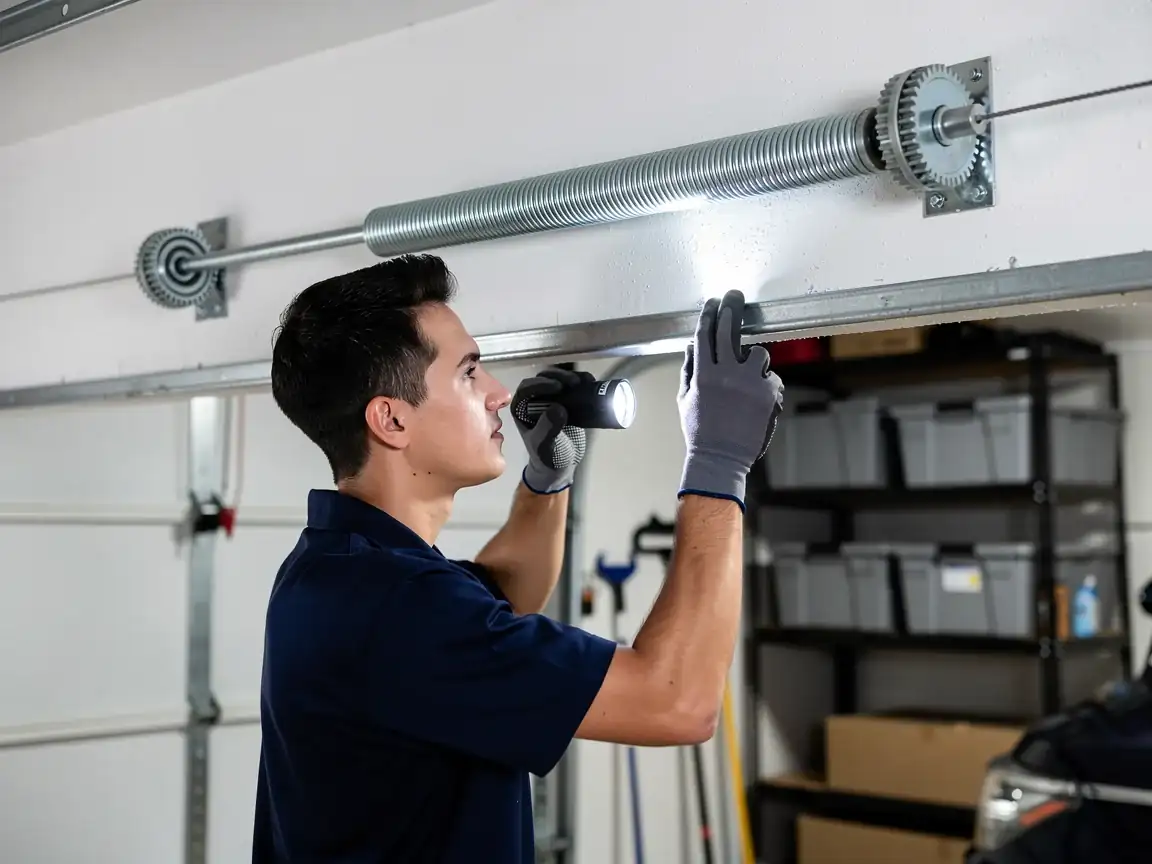
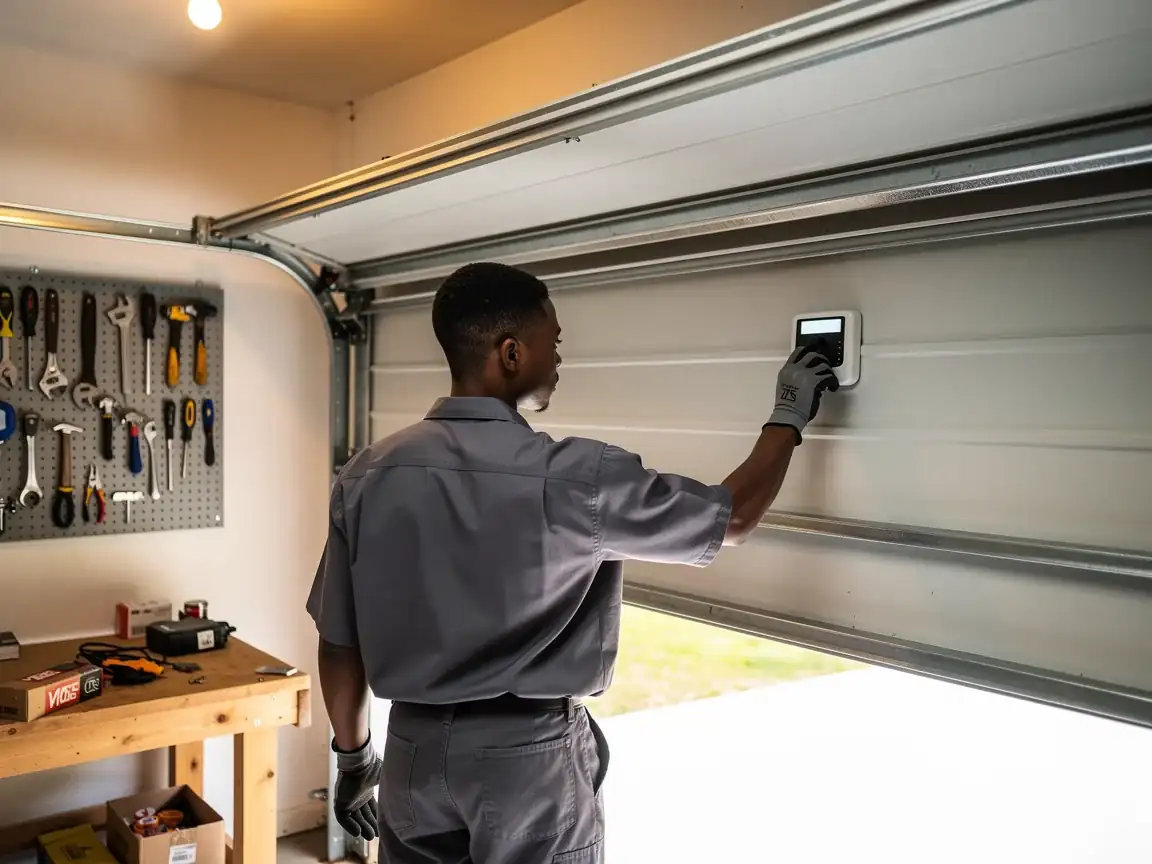
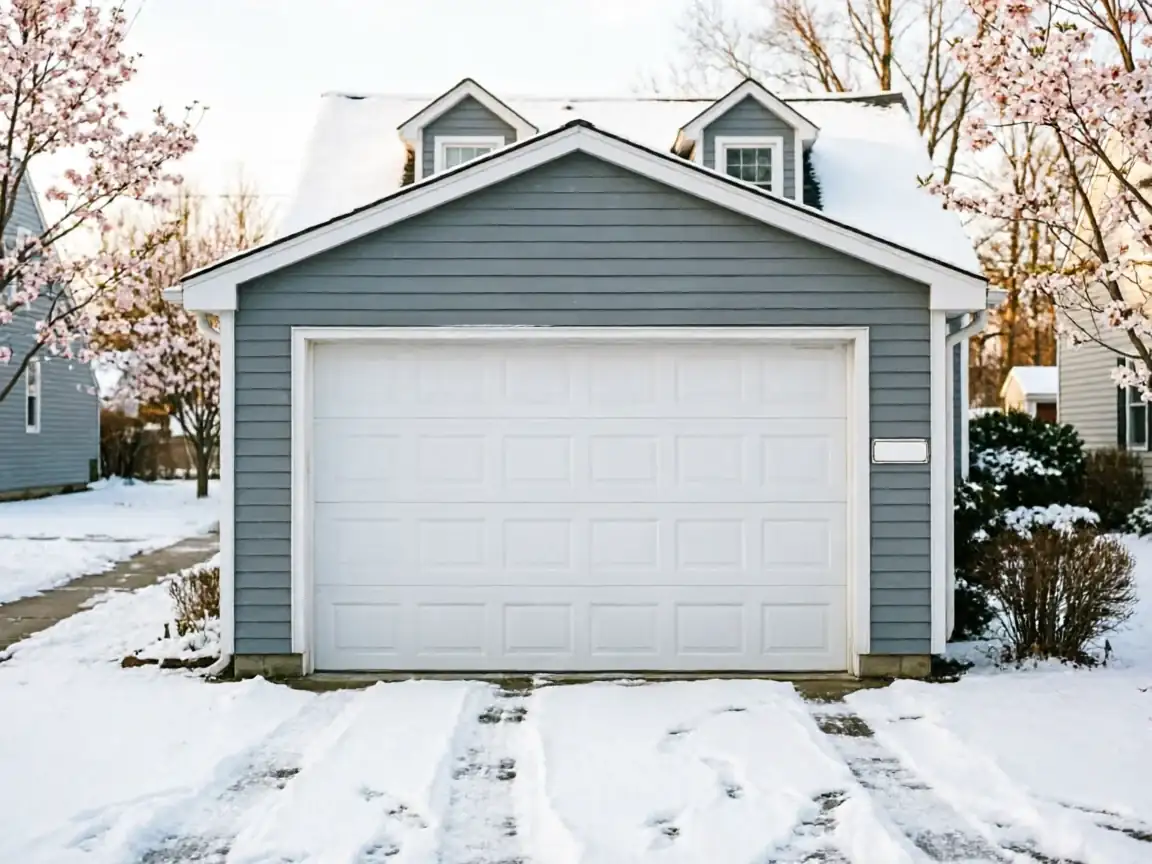
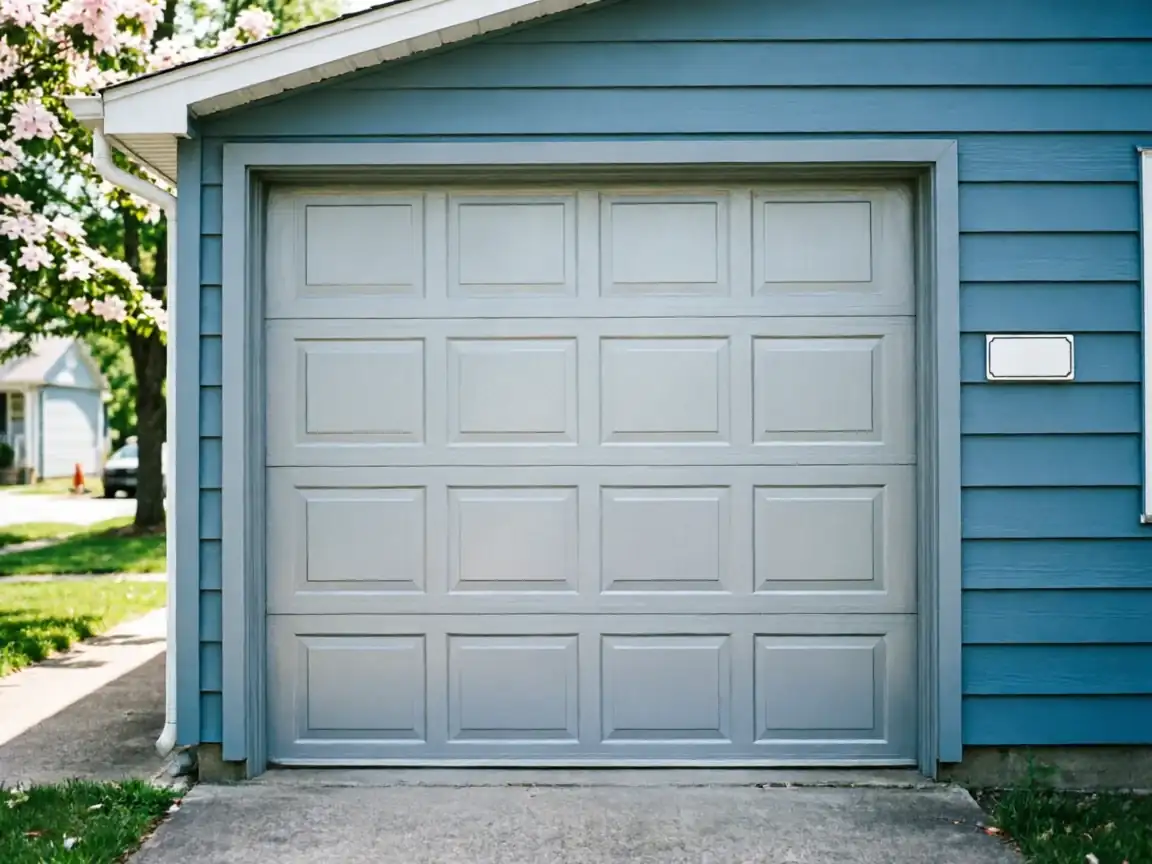
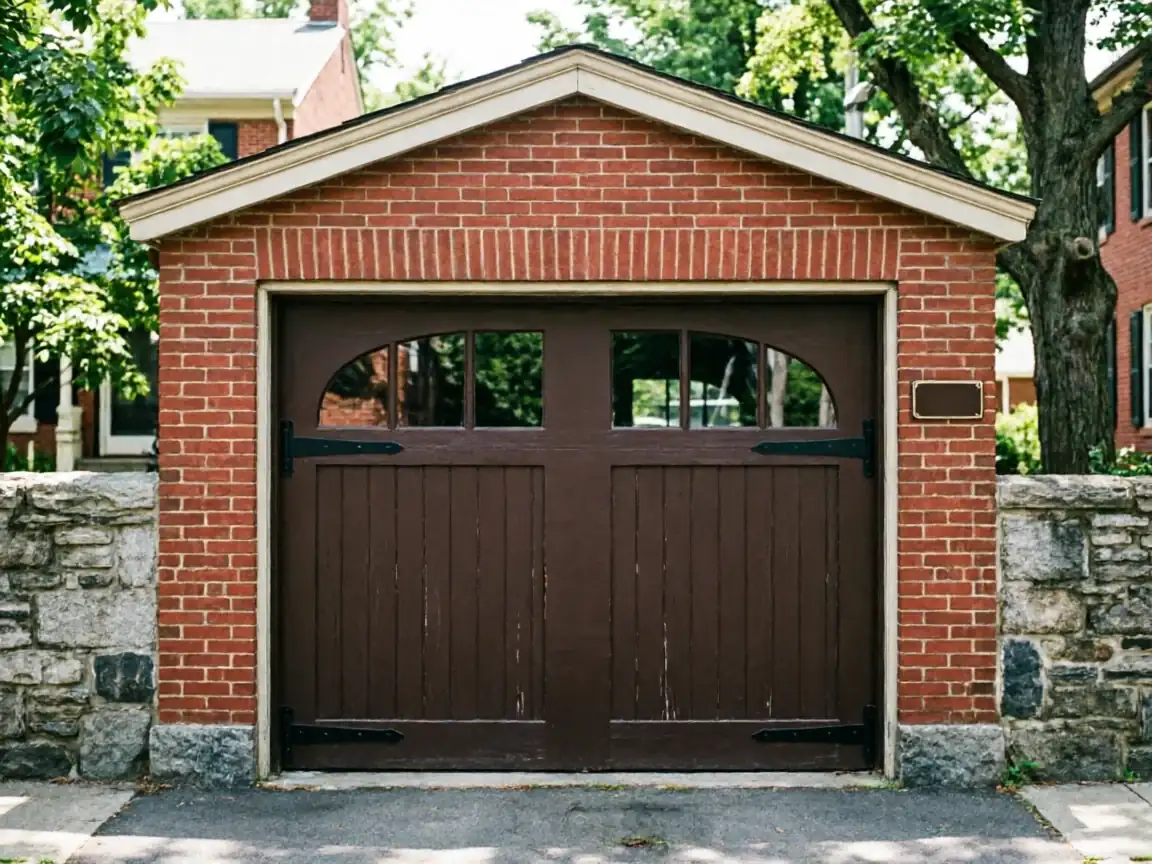
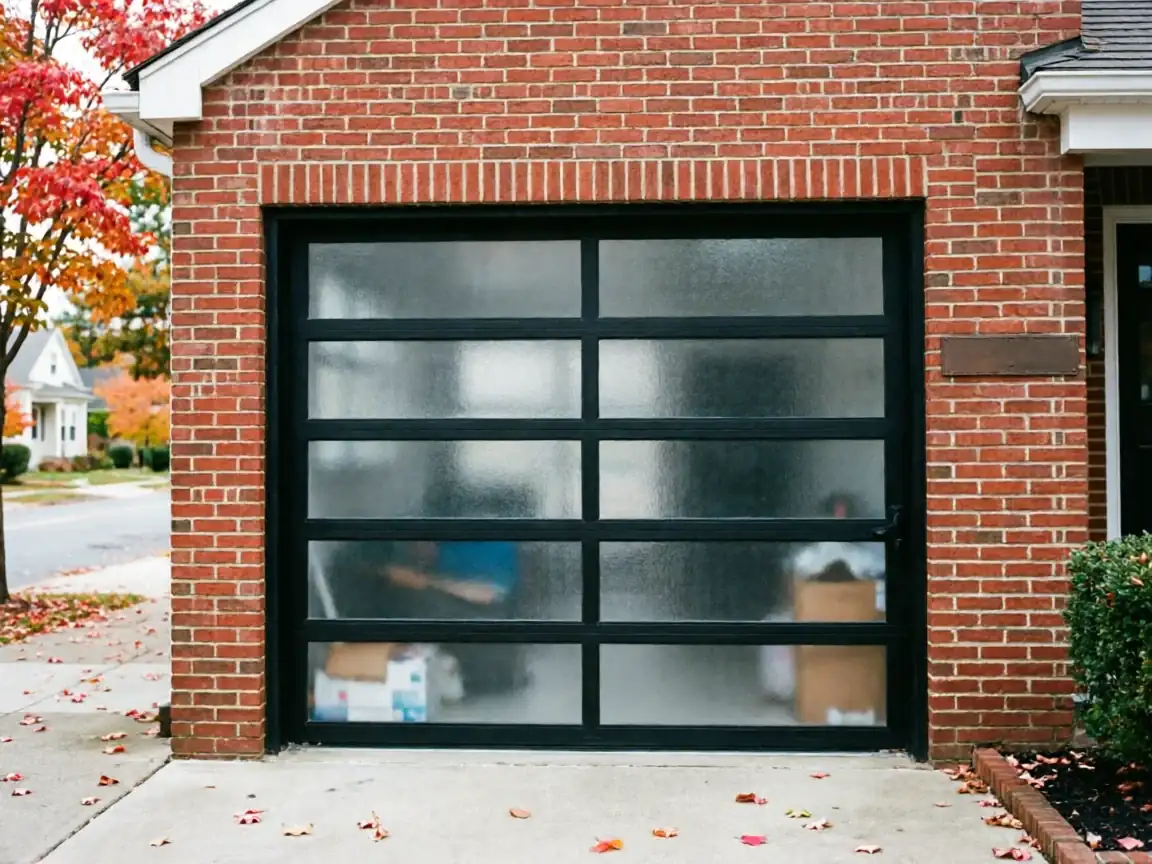
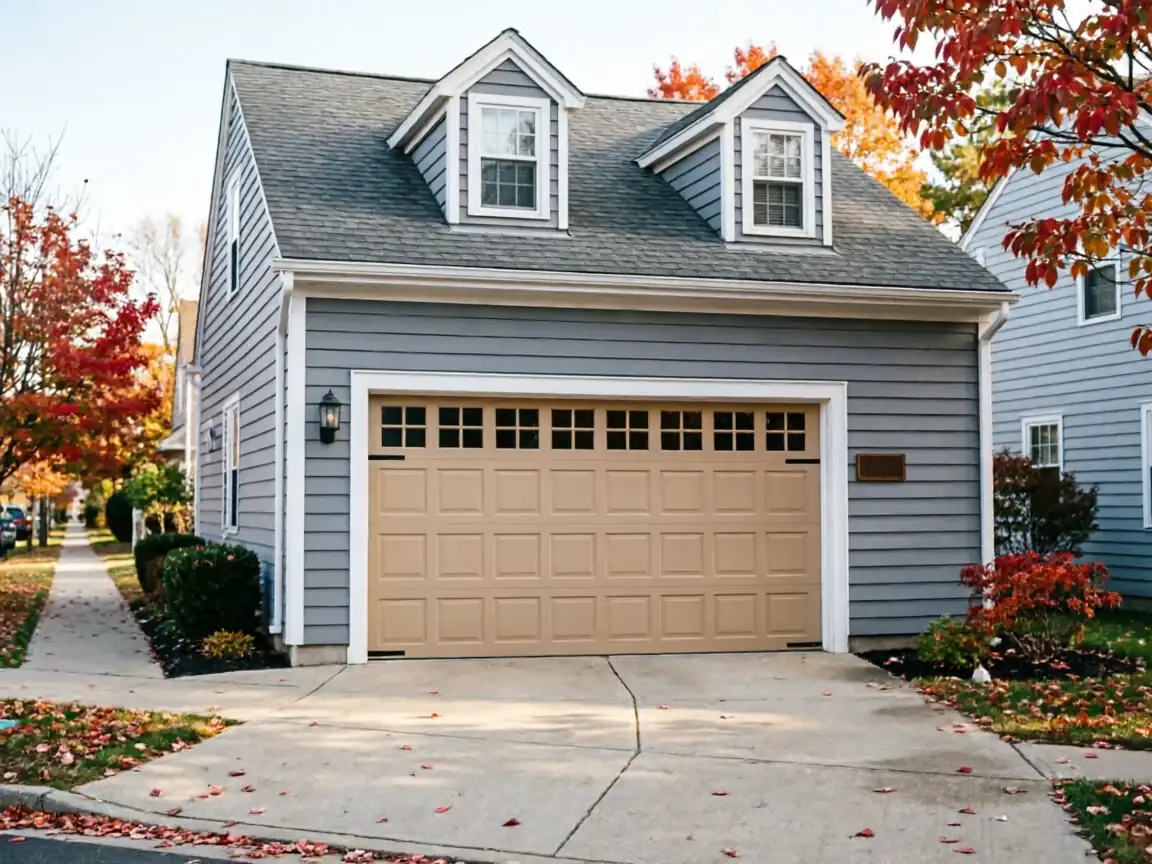
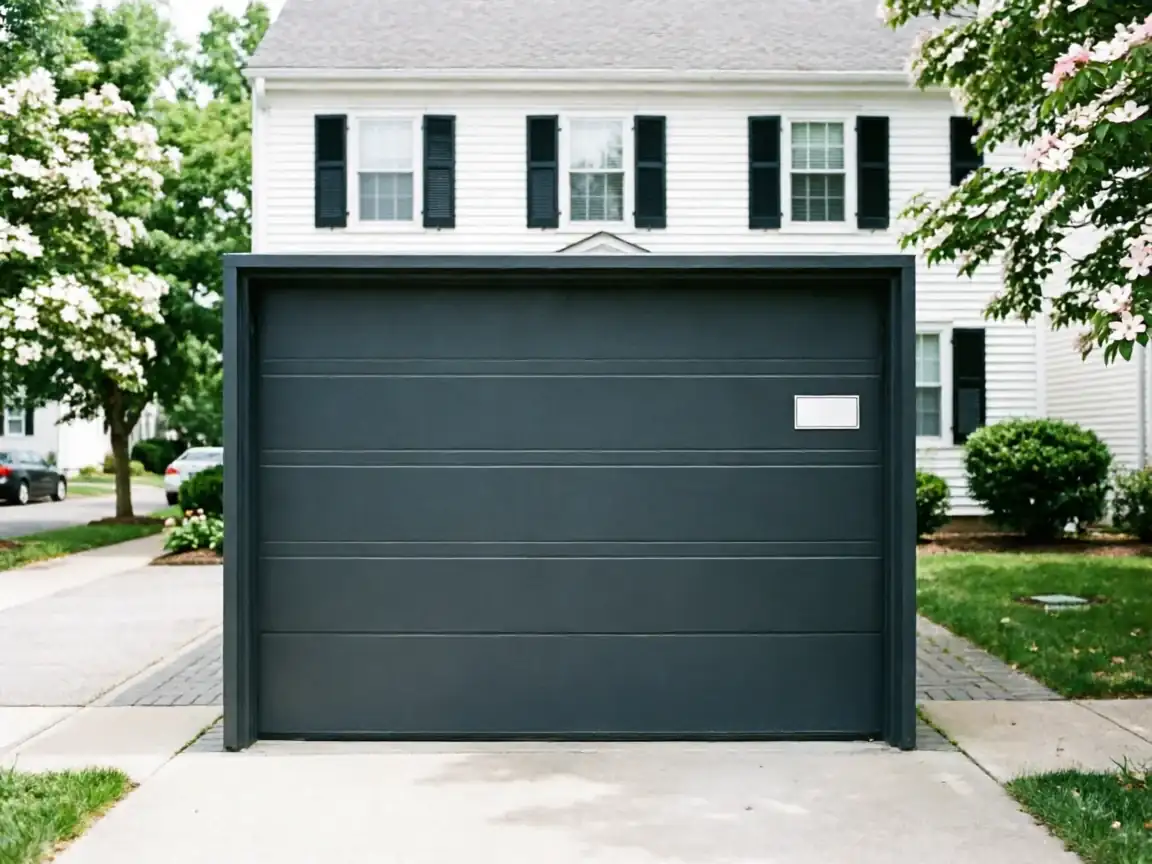
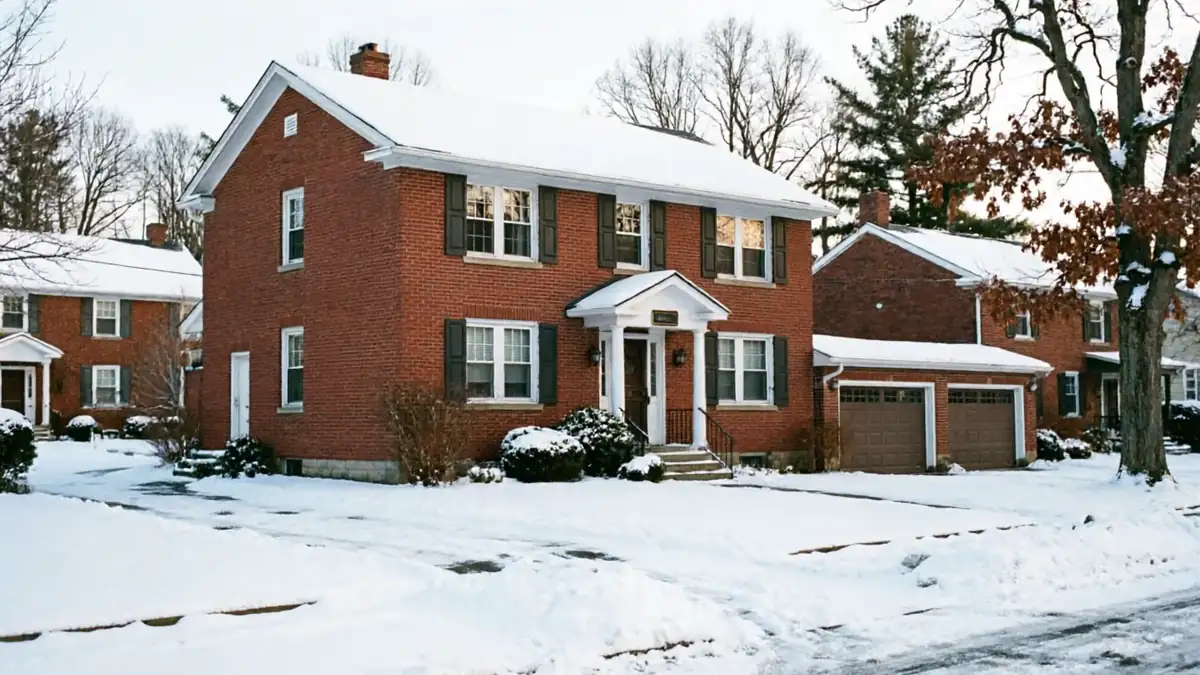
Woodbridge isn't one era of housing stock, and that matters more here than in towns that got built out all at once in a decade. The town's median year built sits around 1967, which puts a big share of the housing right in the middle of the broader area's 1952-2013 range, but with a noticeably older lean than some of the newer pockets closer to Shelton. A 1967 build and a 2005 build don't share a single garage door part. The older homes tend to have narrower bays, lower headroom, and hardware that was never meant to be swapped out quickly. Newer construction in town has more standard clearances and openers that are easier to source parts for. When we quote a repair, we're not guessing at what's behind the door - we ask the build year first, because it tells us more than a photo does. A homeowner on a street built in the late 1960s is going to hear a different diagnosis than one in a house from the 1990s, even for what sounds like the same complaint on the phone.
What Was Built Here
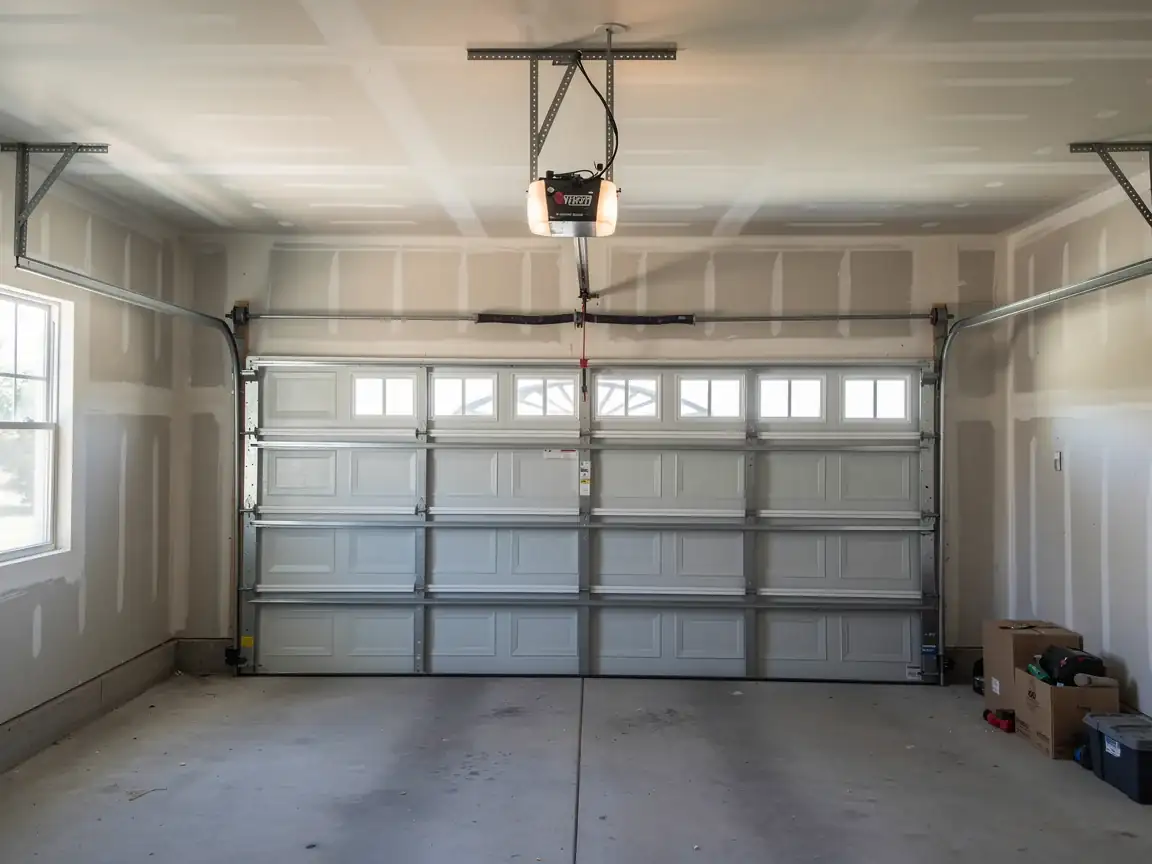
With roughly 3,185 households in Woodbridge and a median household income well above $200,000, this isn't a town where garage doors get patched and ignored. People here tend to either fix it right the first time or replace the whole unit rather than live with a door that sticks. That's worth knowing going in - we see fewer makeshift repairs and more doors that were professionally installed to begin with, which actually makes diagnosis faster in some cases and slower in others, since an older torsion system might have already been serviced once or twice by someone else. The 1967 median build year means a lot of these houses have had at least one opener swap and probably one spring replacement by now, somewhere in their history. What we can't tell you without seeing the door is whether that prior work was done to match the original hardware or just bolted on to get it working again.
Where We Stop
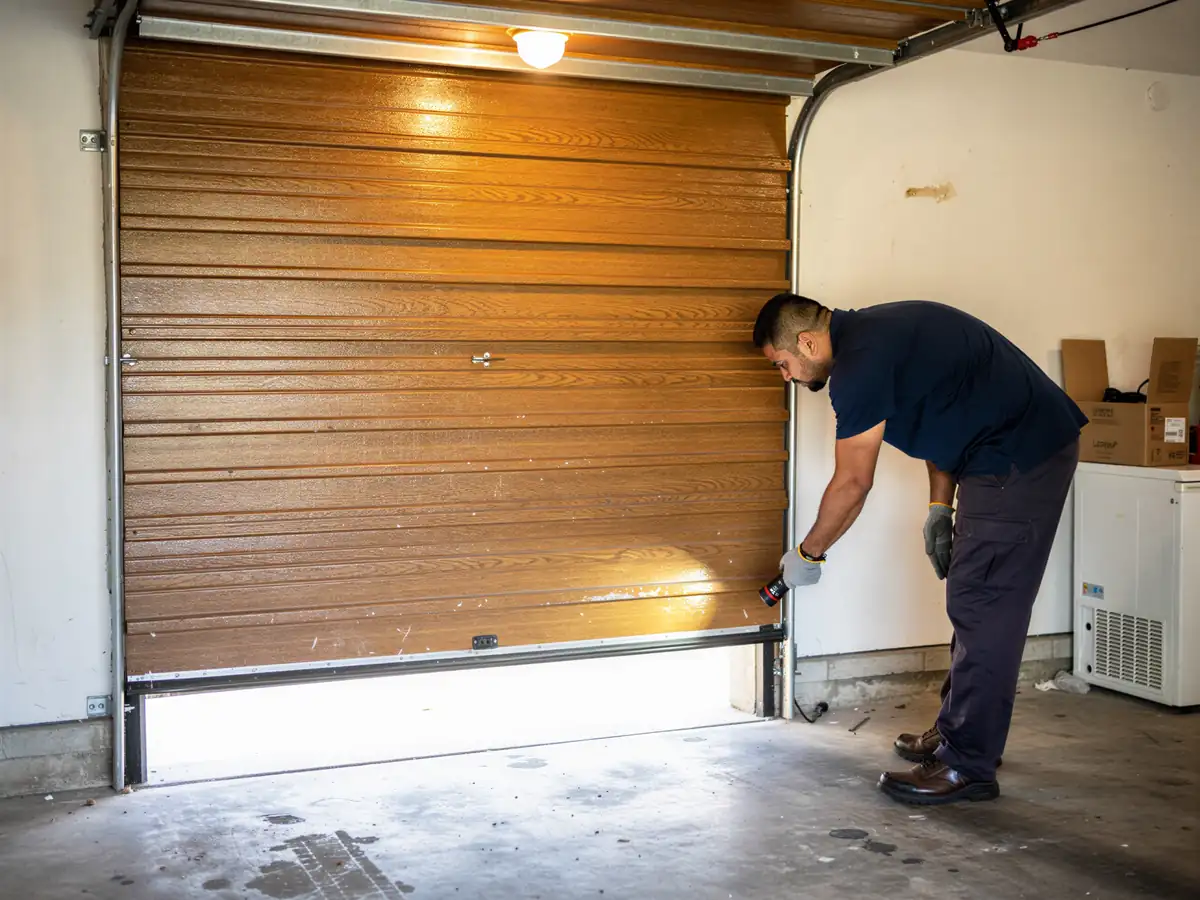
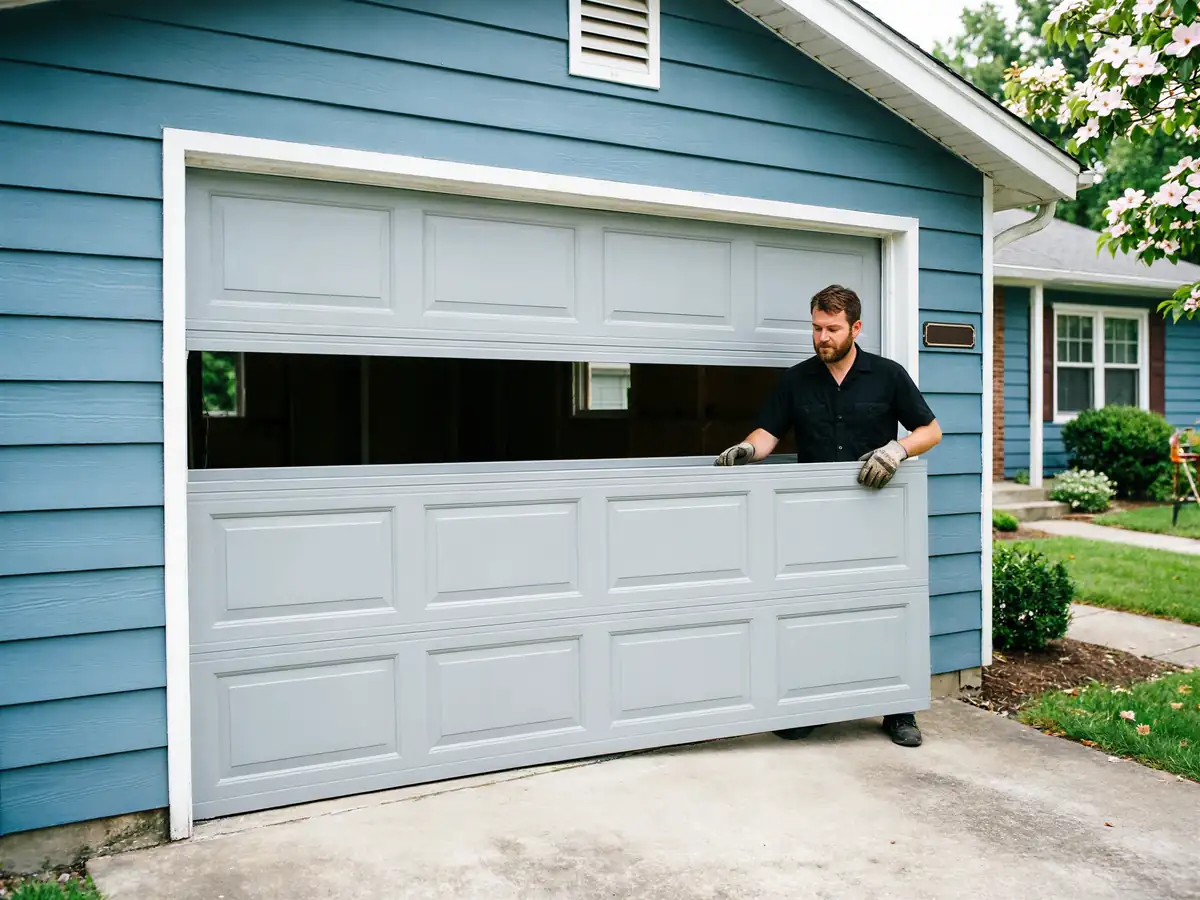
We run out of Shelton, about 8 miles from Woodbridge, and we're honest that this isn't a same-town, same-hour kind of setup - we schedule the trip, we don't claim to be sitting around the corner. We also don't try to match obsolete hardware with parts that don't fit; if a door from the late 1960s needs a specific drum or a track profile nobody makes anymore, we'll tell you straight that replacement beats forcing a repair, rather than jury-rigging something that fails again in six months. What we won't do is quote a fix over the phone without knowing the build year and door type - too many of these older systems look the same from the driveway and aren't.