What the Fix Involves
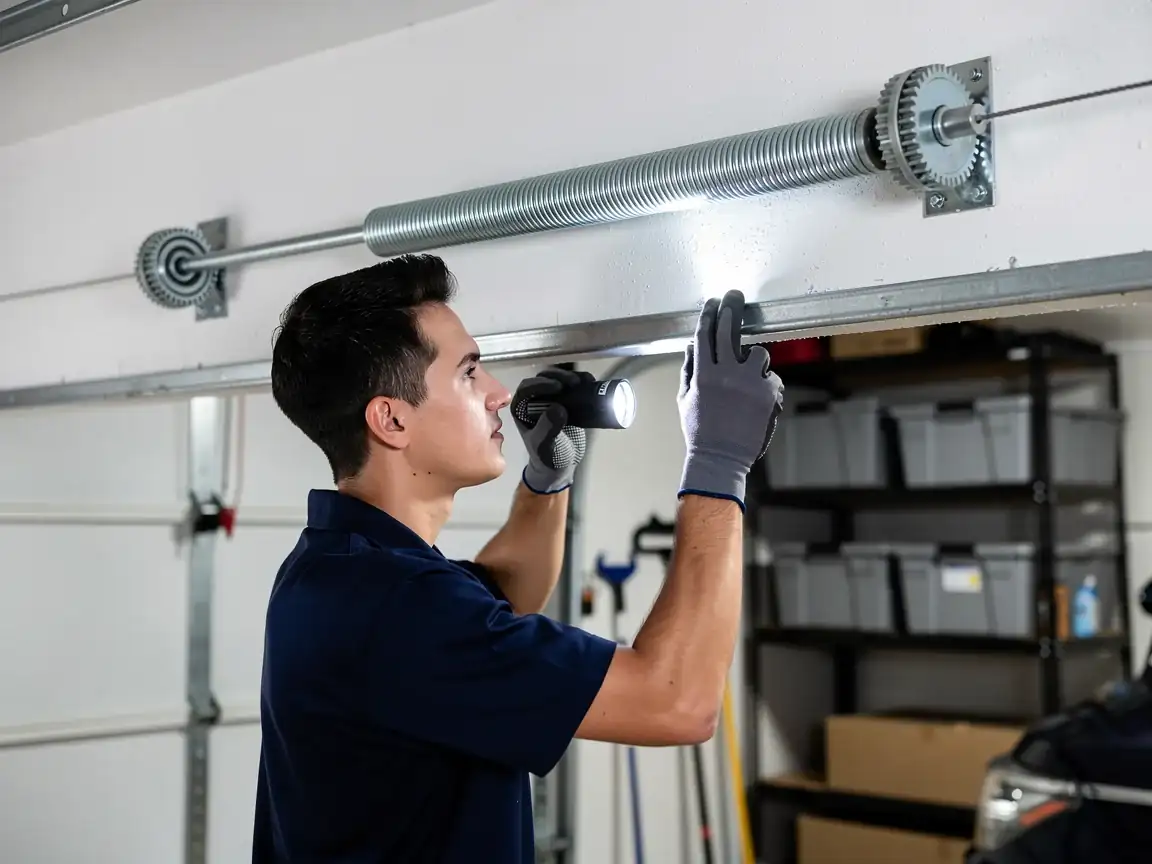
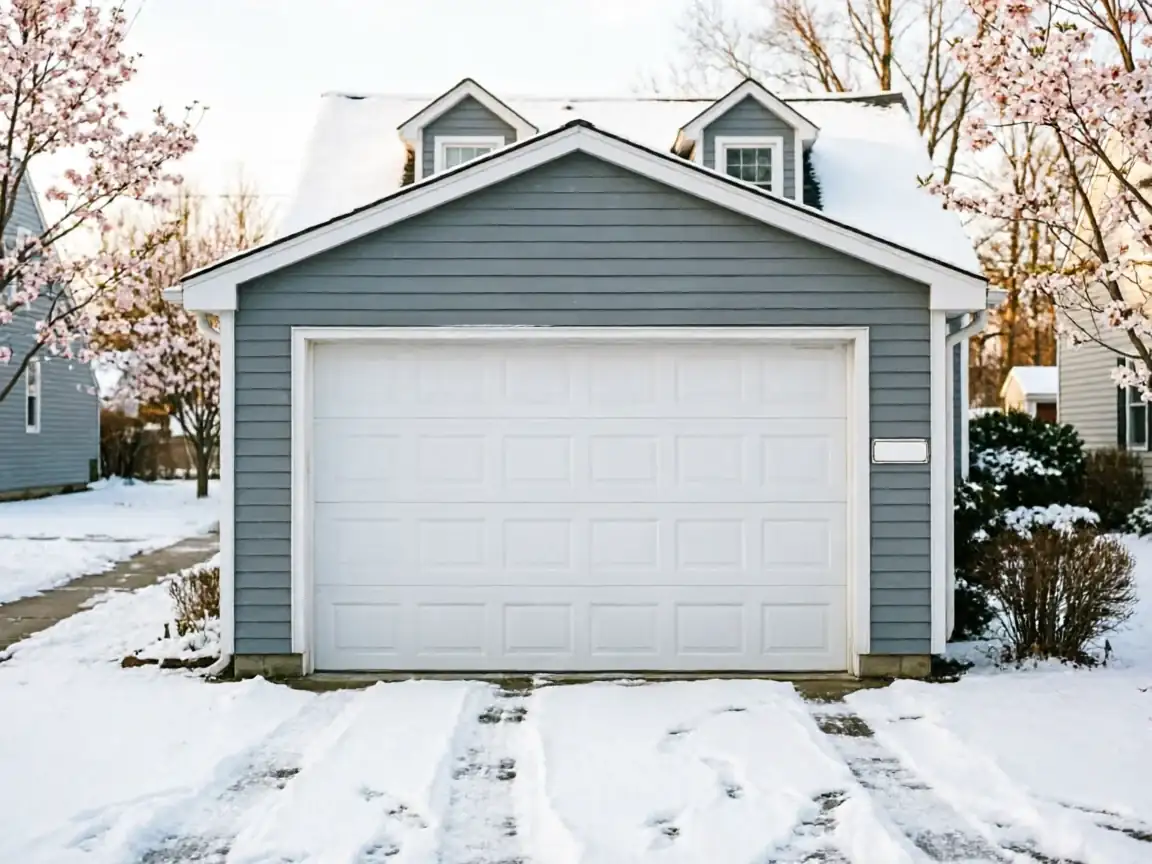
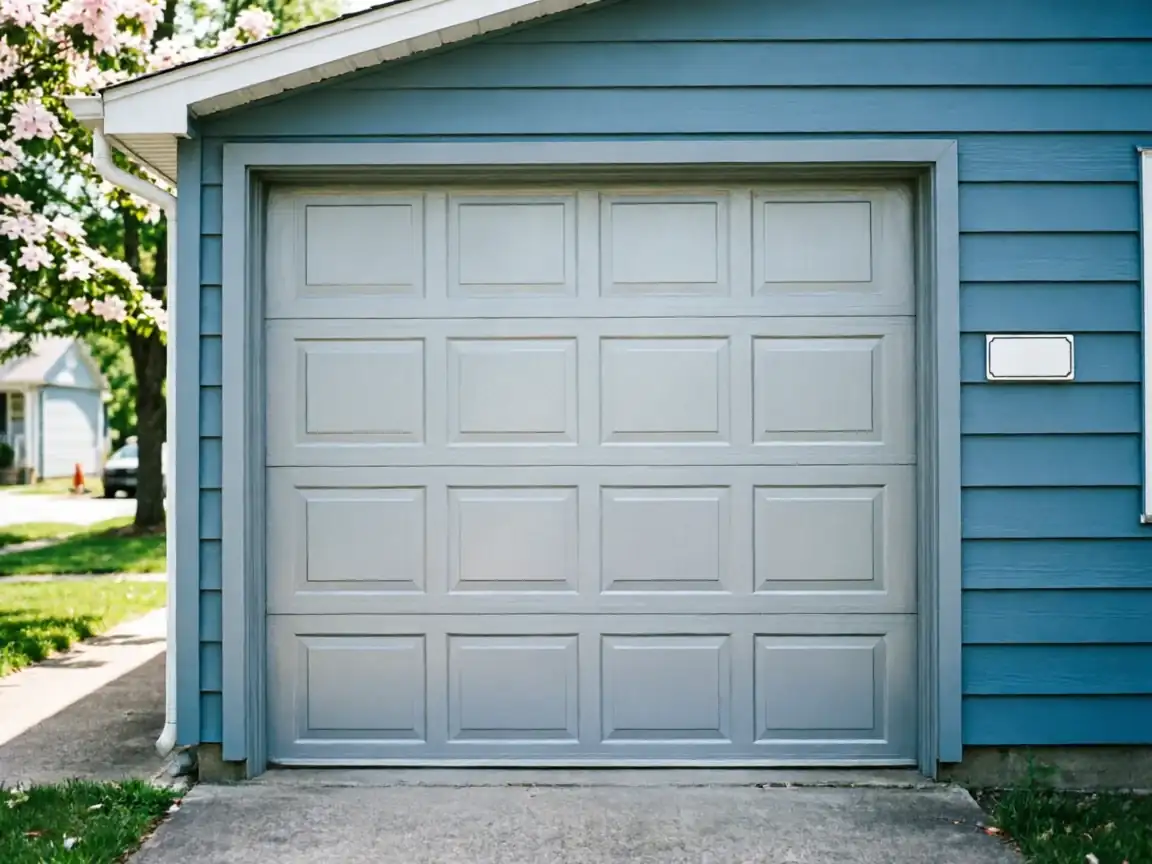
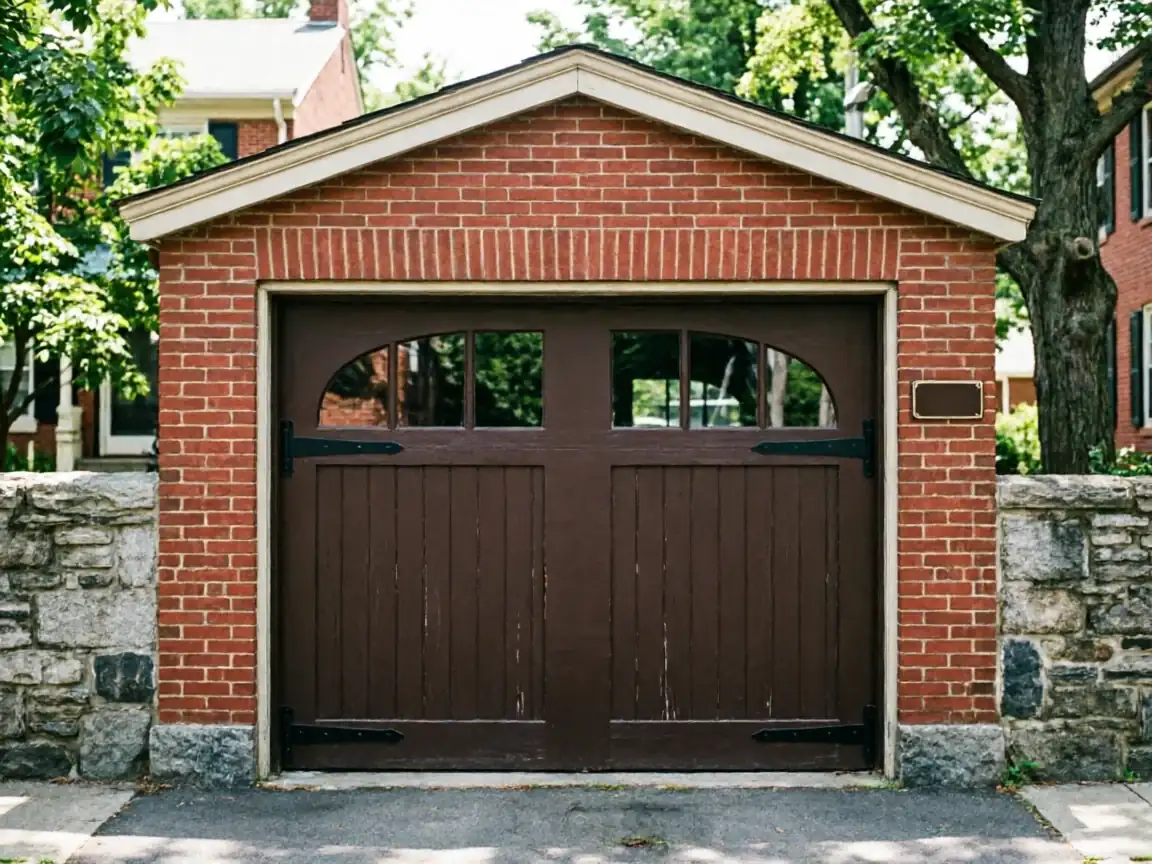
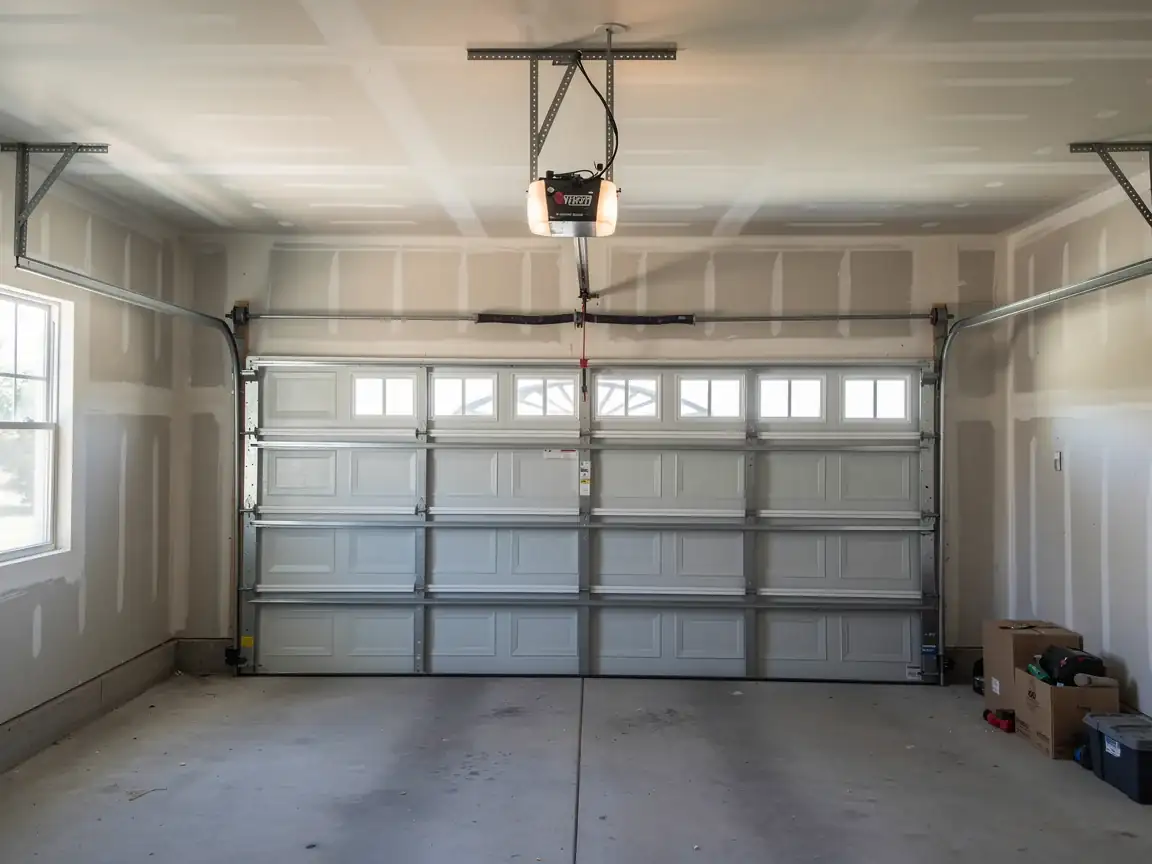
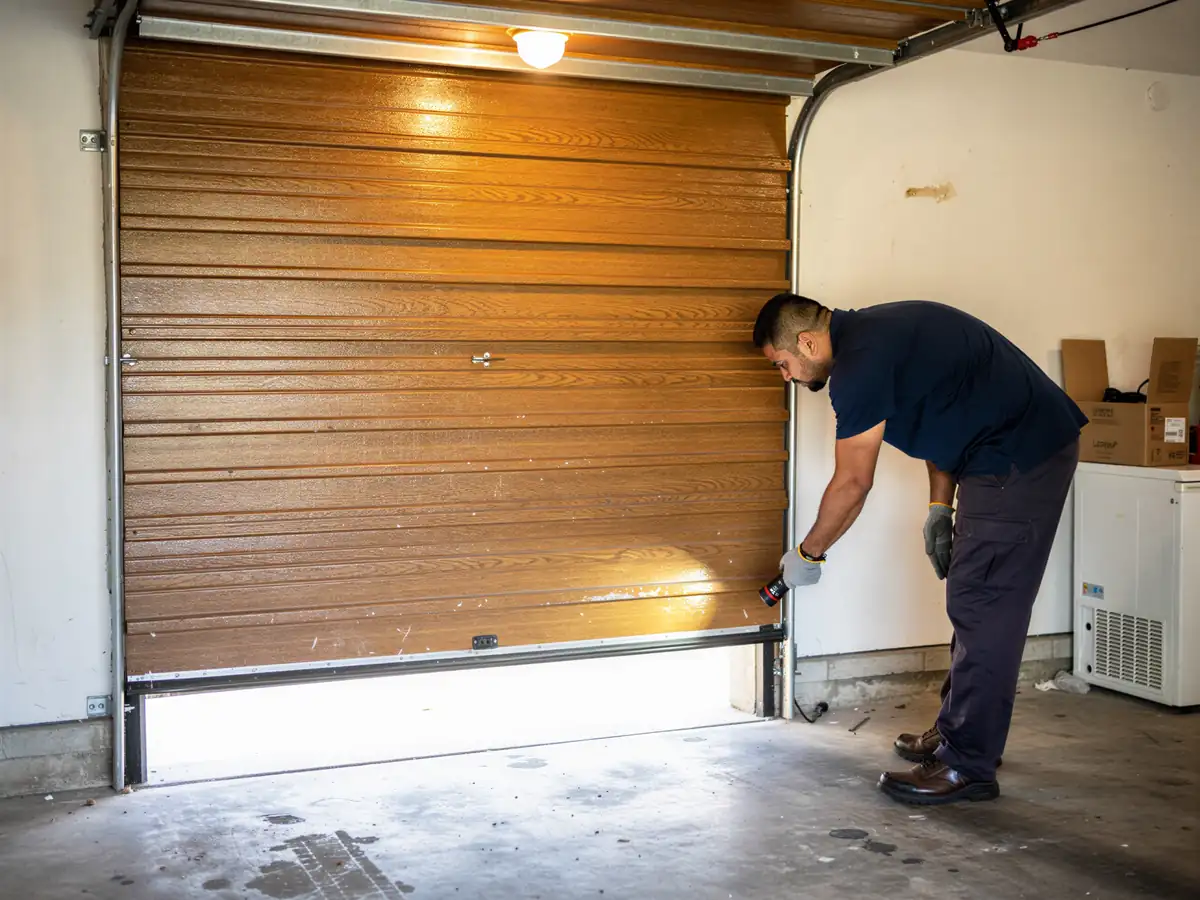
Most houses in Woodbridge went up around 1967, which puts the garage built with them squarely in the mid-century wave of double-wide bays - usually a 16-foot door, often a single-layer steel or aluminum panel hung on side-mounted torsion hardware rather than the center-mount systems you see on newer builds. A lot of these original doors are still in service, just with decades of replacement parts bolted onto an original frame. Fixing one means working with what's actually there: an extension or torsion spring sized for a door built before today's insulated-panel standards, hinges worn from fifty-plus years of cycles, and a track that was leveled to a foundation that's settled since Nixon was president. A repair call here starts with figuring out what generation of hardware is on the door, because the fix for a 1967 door is not the fix for a 2005 door, even if the symptom - a door that won't budge or slams the last foot of travel - looks identical. We open the door by hand first, check spring tension, and look at whether the track is original or already been swapped once before we touch anything.
Why This Fails Locally
Connecticut's winters put real stress on a torsion spring, and the older the spring, the less tolerance it has left for cold-weather contraction. In a severe cold climate band, steel coils tighten slightly as temperatures drop, and a spring that's already fatigued from forty-plus years of daily cycles is more likely to snap on a January morning than a mild October afternoon. Woodbridge sits inland, away from any coastal moderation, so the full swing of a Connecticut winter hits these older coils directly. Houses built in the 1960s and 70s across this part of the service area share this same exposure, which is part of why spring failure calls cluster in the cold months rather than spreading evenly across the year. It isn't a flaw in how the door was built - it's just physics acting on sixty-year-old steel that was never going to last forever. A door that's been quiet for a decade can go from fine to seized in one cold snap.
How Long It Takes
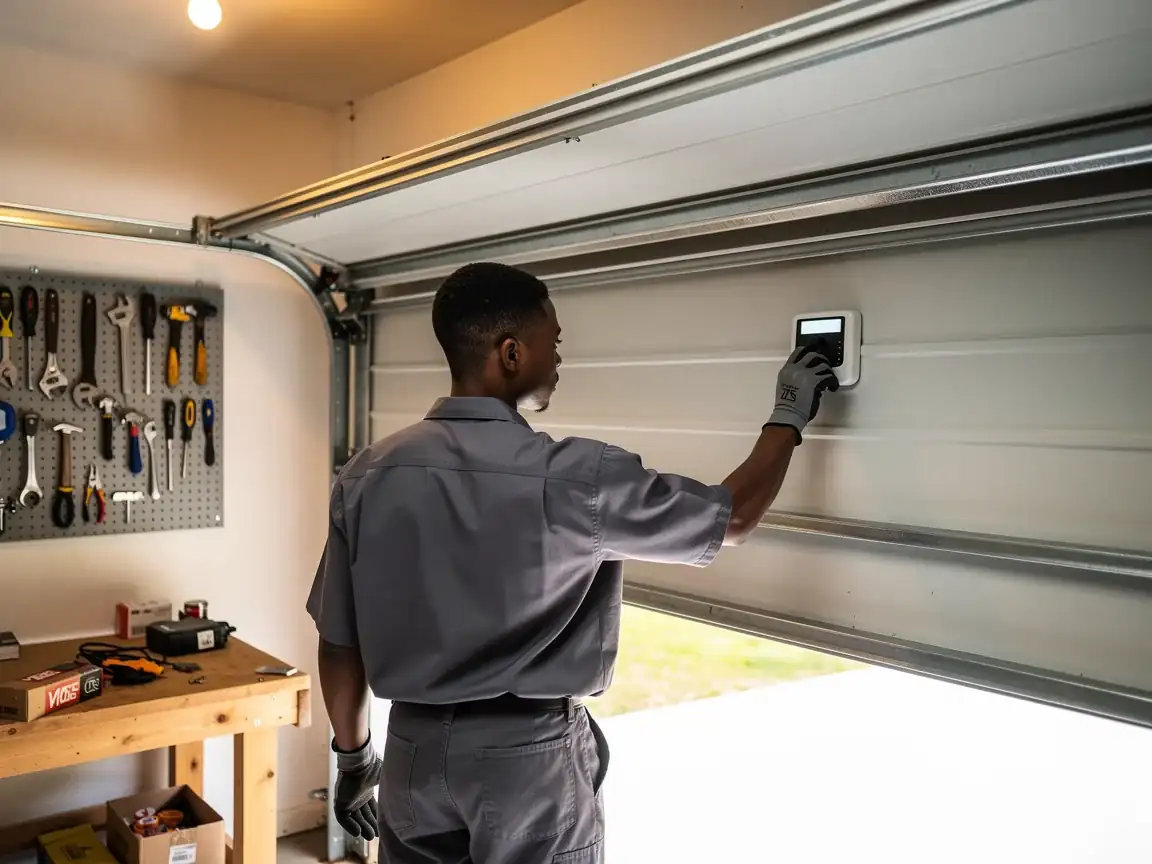
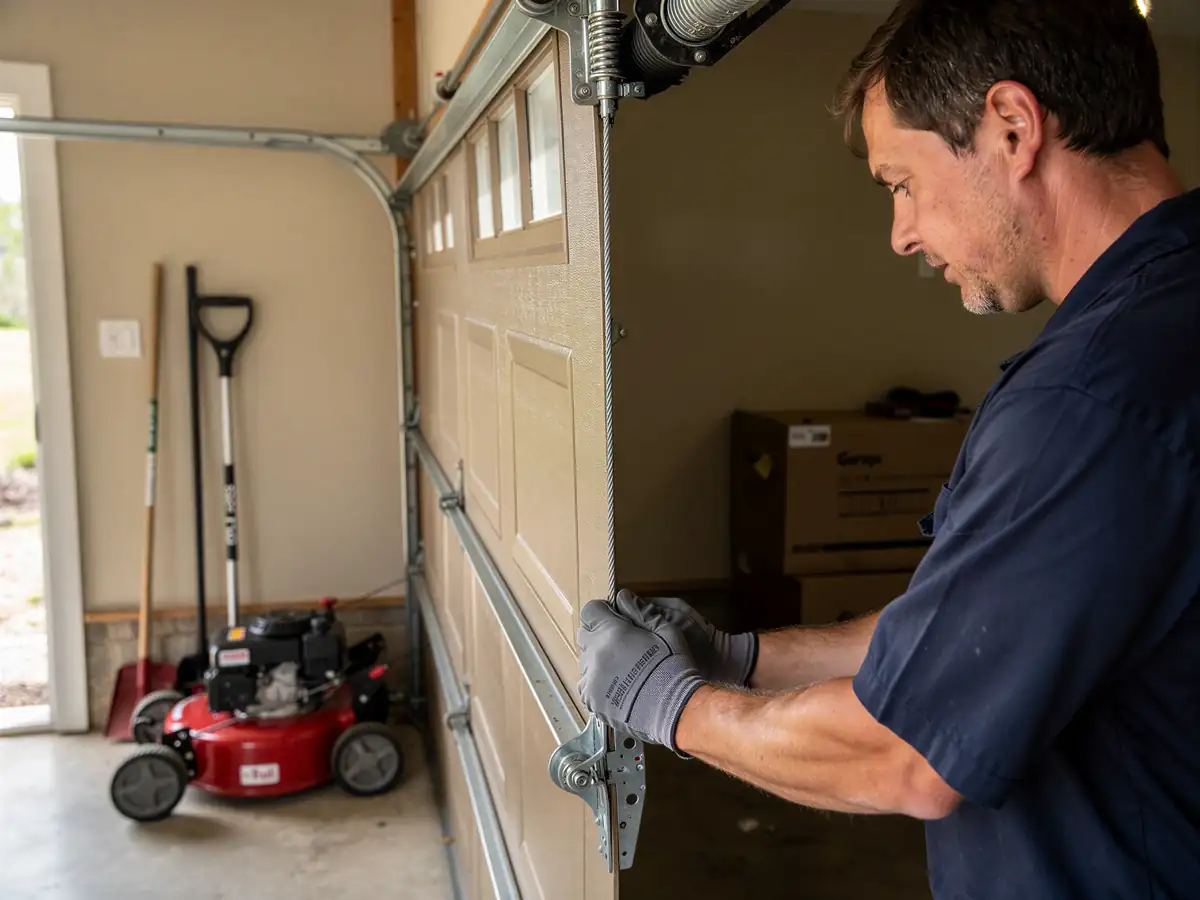
A straightforward spring or roller repair on a 1967-era door is usually a same-visit job once we're on site, assuming the part is a common size. The honest limitation: some of these older single-spring setups use shaft and drum diameters that newer doors don't, and if the one on the truck isn't a match, that part has to be ordered rather than improvised - we won't force a wrong-size spring onto an old shaft because it's close enough. Since Woodbridge is about 8 miles from our Shelton shop, travel isn't the bottleneck; parts availability for older hardware sometimes is. We'll tell you on the spot whether it's a same-day fix or a return trip, and we won't guess.
Parts We Carry
We stock the torsion spring sizes, roller types, and cable gauges that cover most of the 1960s and 70s doors still running in this part of the service area, since that era makes up a large share of what we see. What we don't keep on the truck is anything custom-cut for a door that's been modified more than once over fifty years - at that point, patching an original 1967 door can cost more in labor than replacing the panel section outright, and we'll say so rather than bill for a repair that won't hold. Given the income level in Woodbridge runs well above the service area median, a fair number of homeowners here choose a full panel or door swap over a patch once a door's into its second major repair - that's a conversation we have honestly, not a default we push.