What the Fix Involves
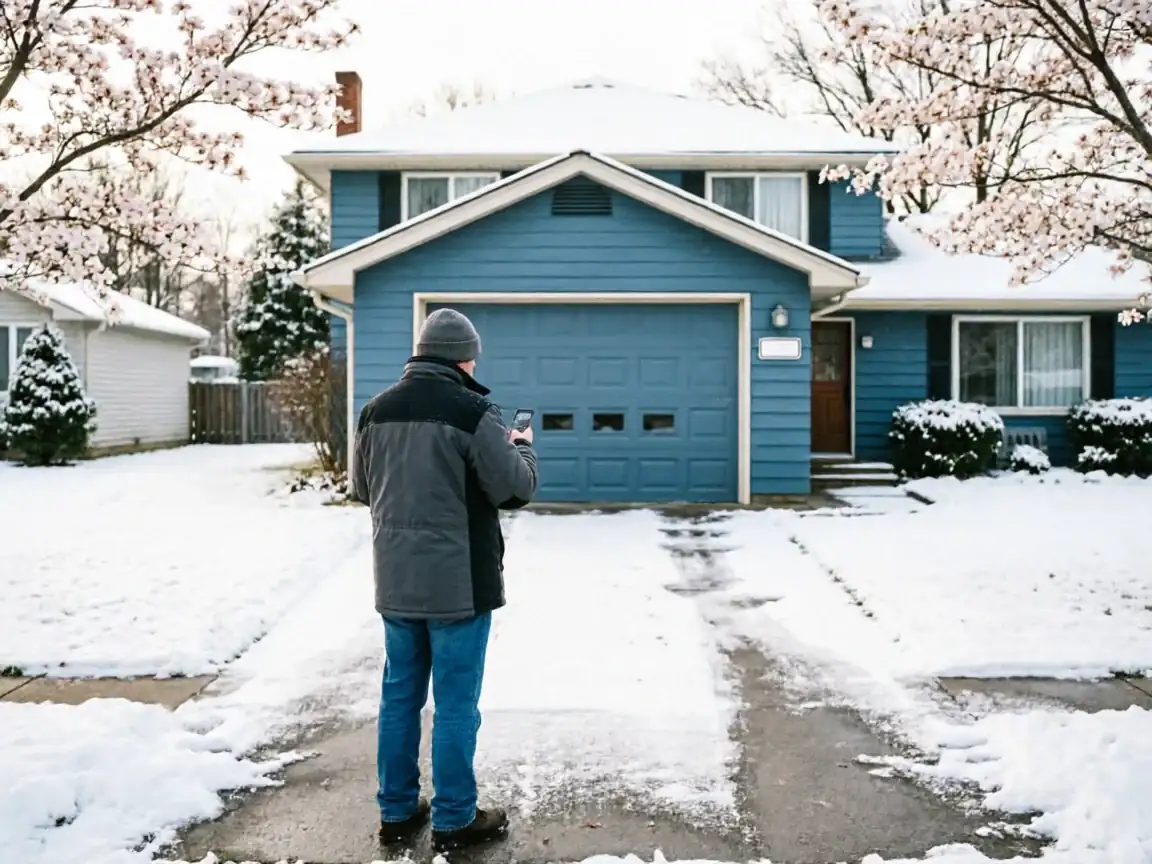
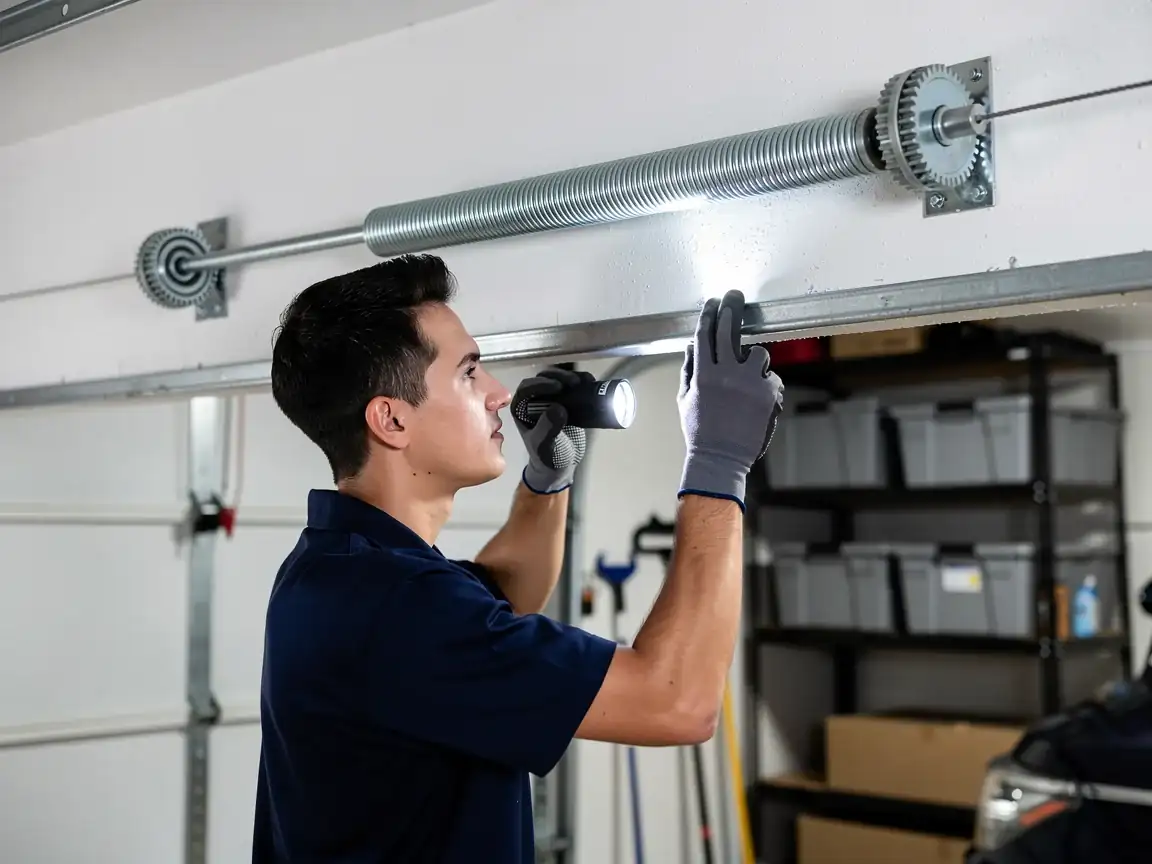
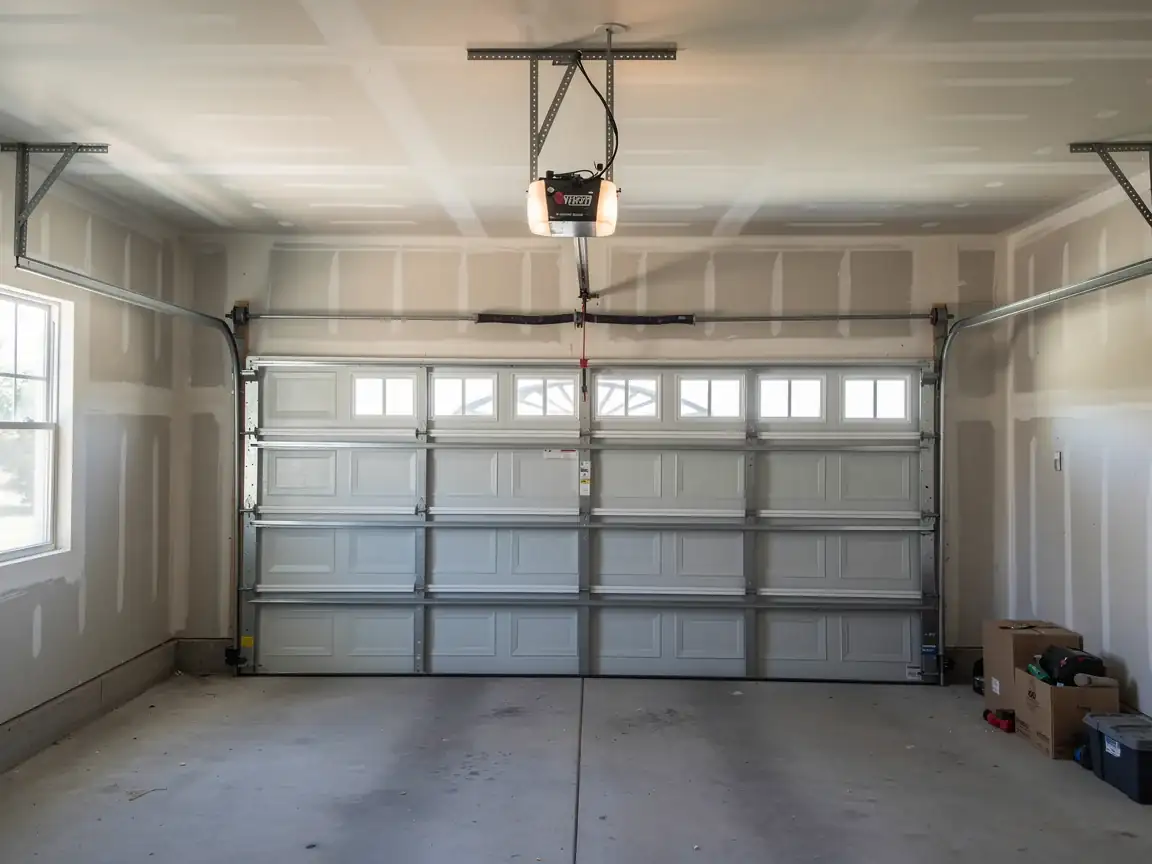
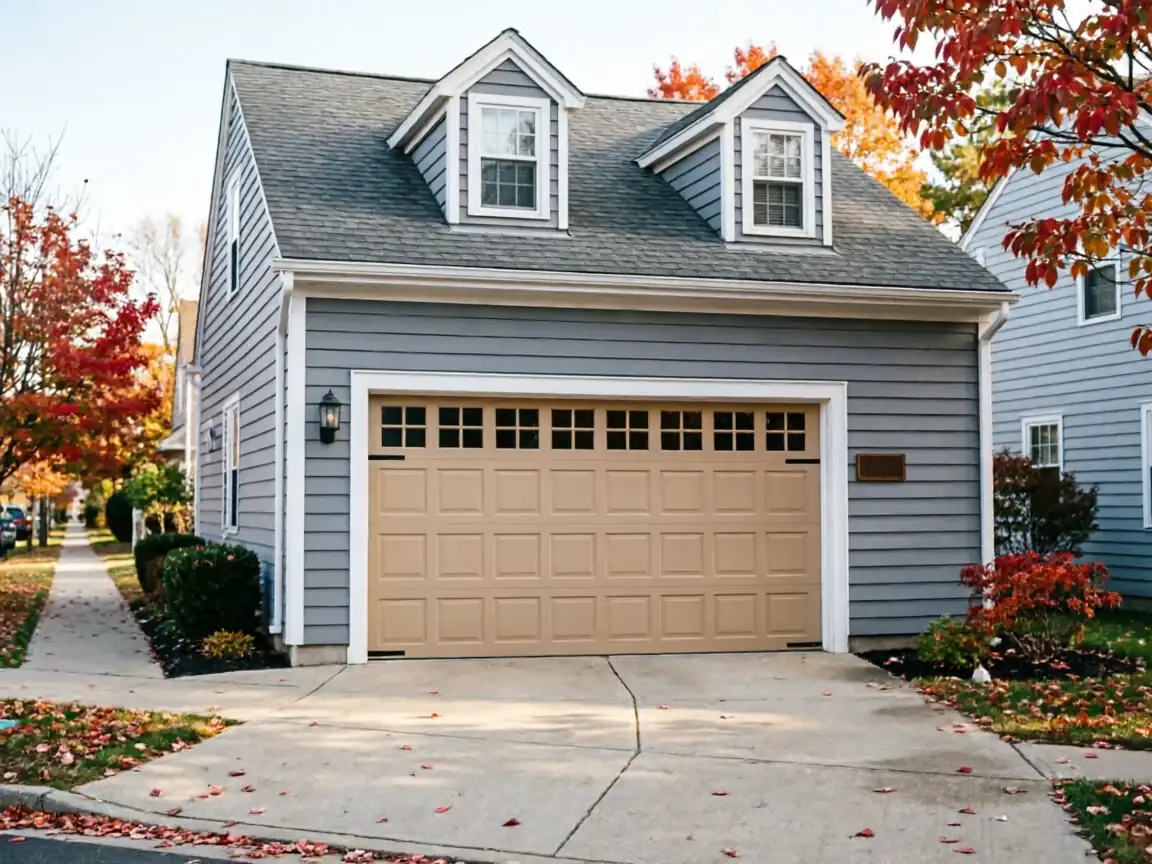
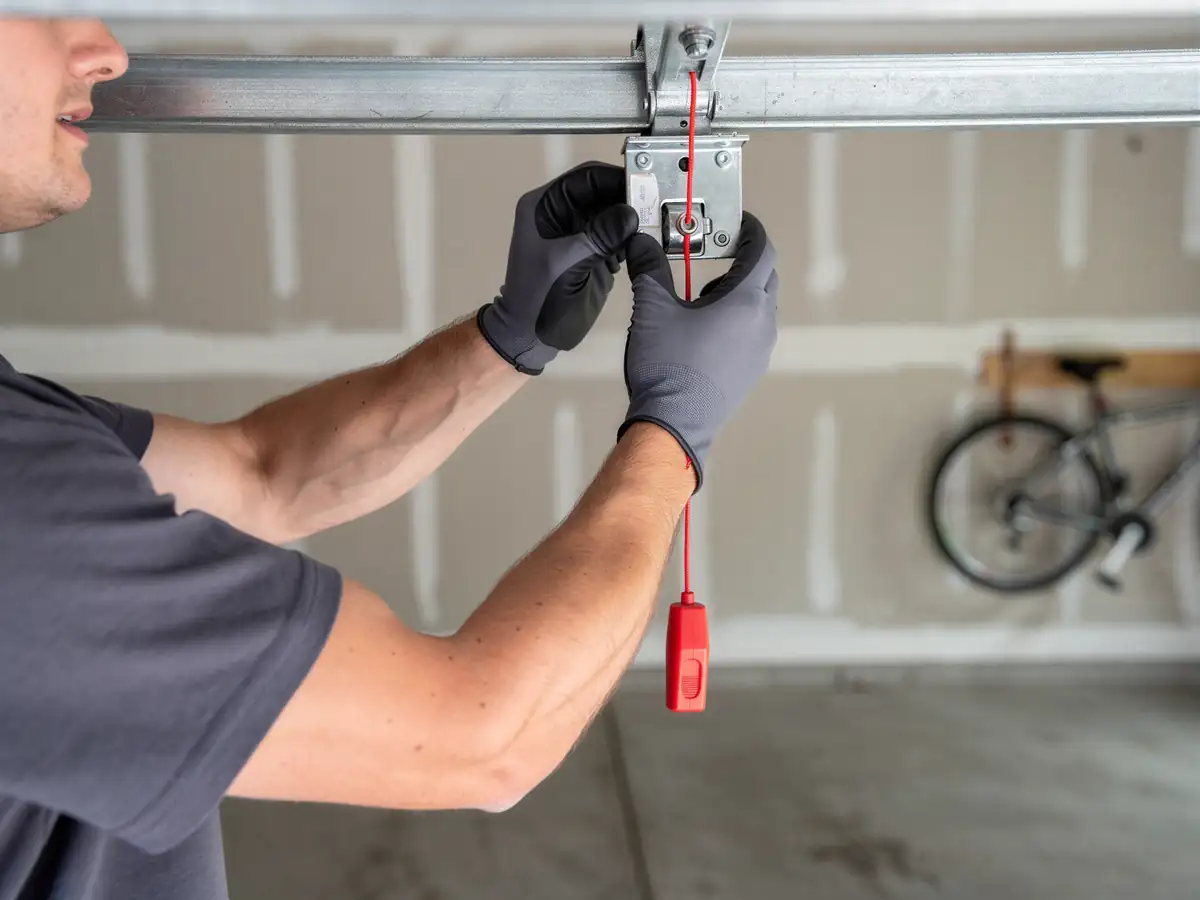
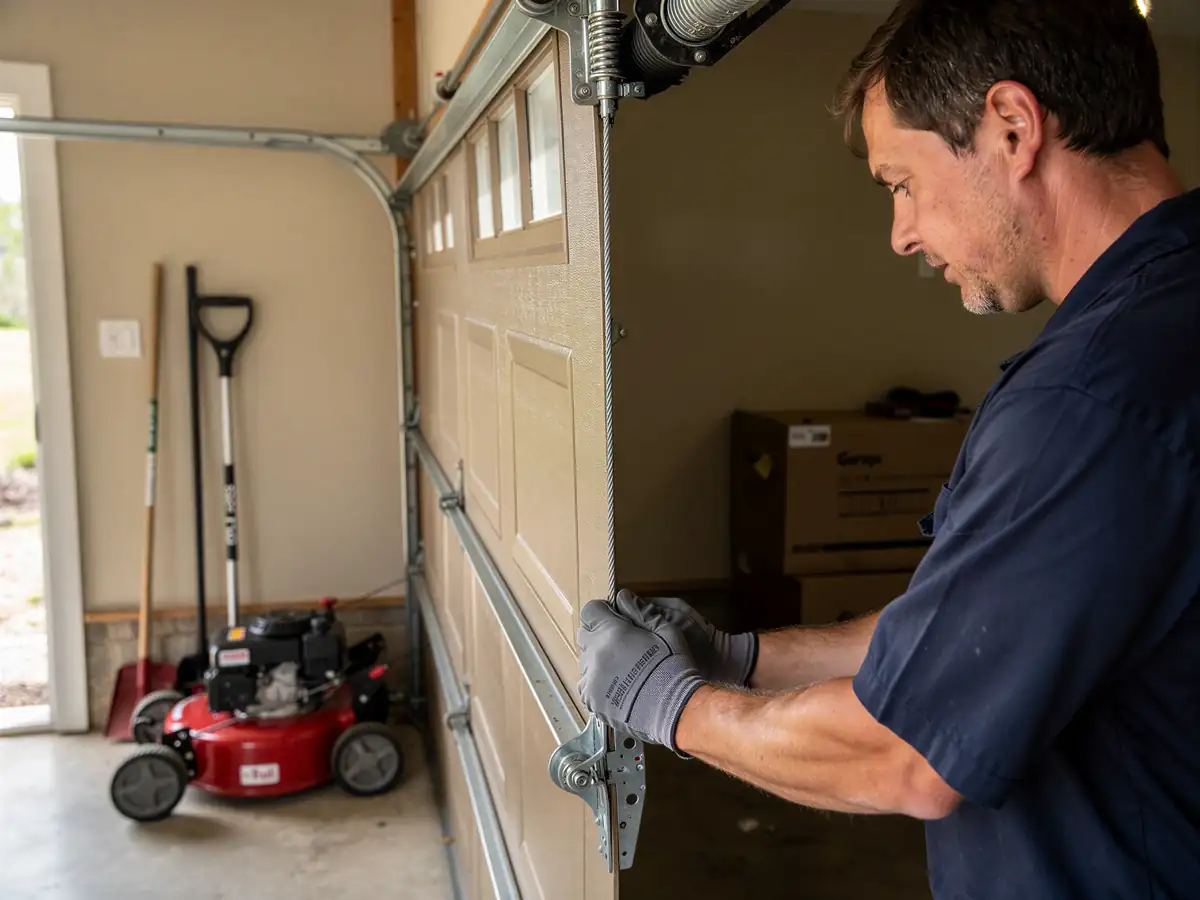
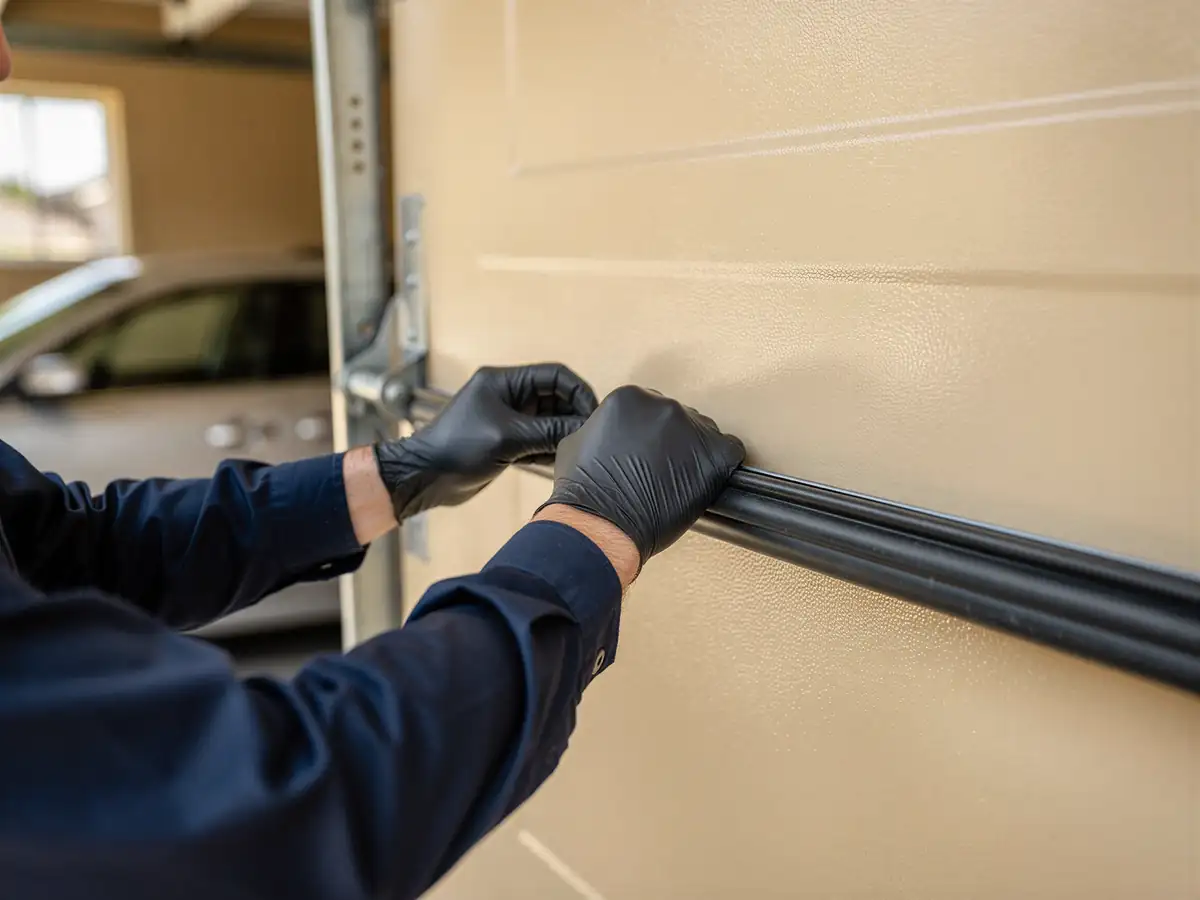
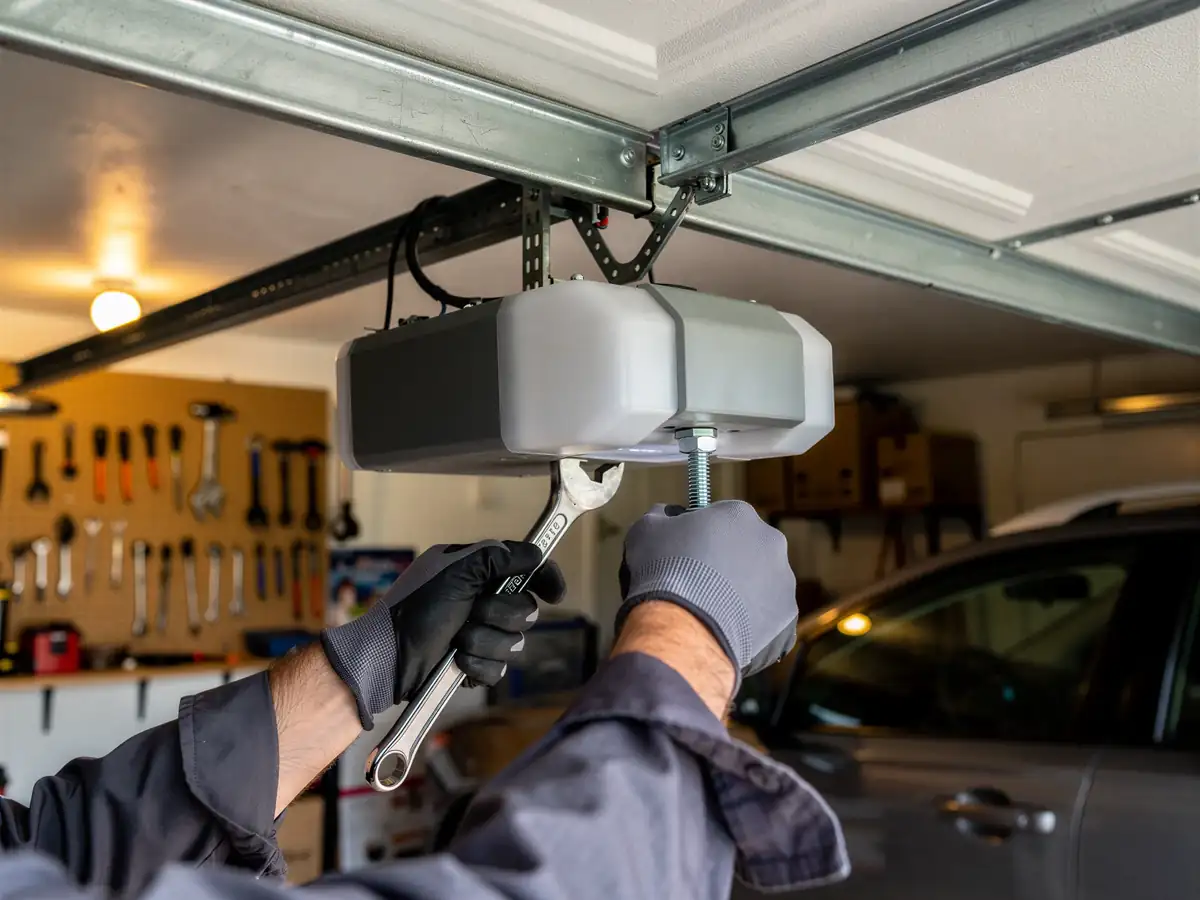
Shelton's service area spans houses built anywhere from 1952 to 2013, but Woodbridge sits on the older end of that range, with a median build year of 1967. That matters more than it sounds like it should. A house built in 1967 almost always has a door and track system sized for the openers of its decade, which means less headroom above the door, shallower jamb depth, and framing that was never built to carry a modern steel reinforced panel plus a heavy chain-drive unit. When we come out from Shelton to install an opener here, the first thing we check isn't the opener itself, it's whether the existing track and header can take the mounting hardware a current unit needs. On a lot of Woodbridge jobs, that means an adapter bracket or a shimmed rail before the opener ever goes on the ceiling. Skip that step and you get an opener that runs but strains, which shortens its life fast. We also factor in what's already up there: plenty of these homes still have the original chain-drive units from decades of prior ownership, and swapping those for a belt-drive changes the rail length and mounting points, not just the motor.
Why This Fails Locally
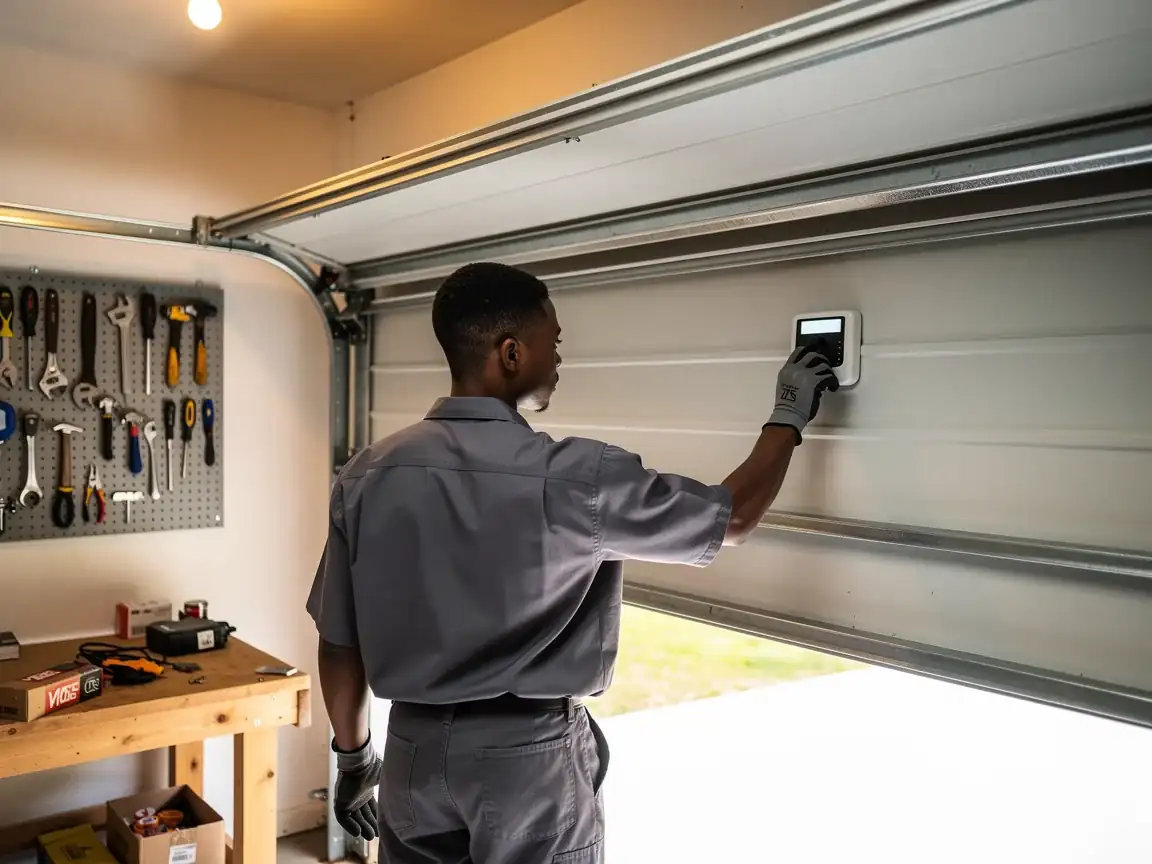
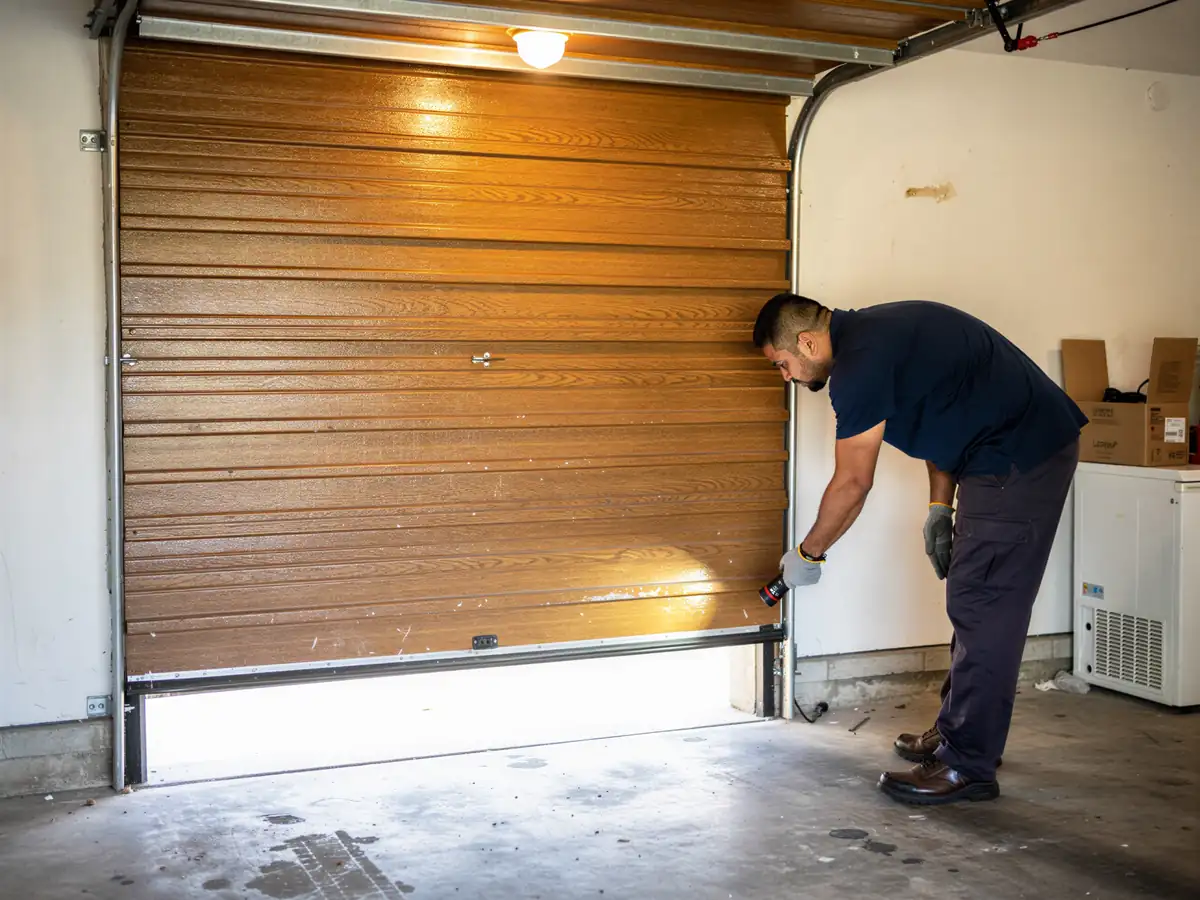
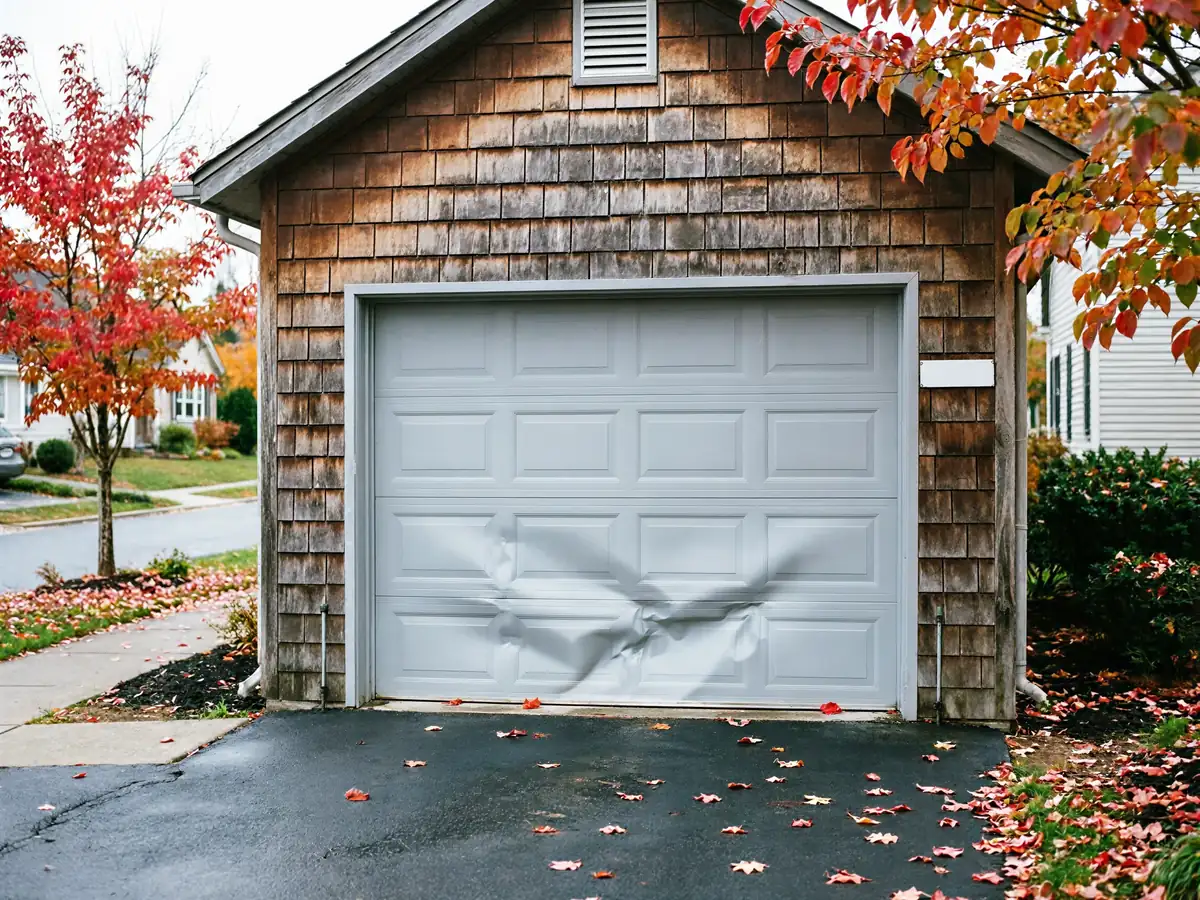
The households in Woodbridge report a median income of $201,926, well above the roughly $130,180 median across the wider service area, and that income gap shows up directly in what goes wrong with opener jobs here. Homeowners in this bracket more often ask for smart openers with camera integration, battery backup, and quiet belt drives rather than the base chain unit a budget install would default to. The problem is that a lot of these houses still have the original 1960s-era door panel on the other end of that opener, and a high-torque smart unit paired with a door that's lighter or heavier than spec is a mismatch that shows up as grinding, reversing, or a door that won't fully seat. We size the opener to the actual door weight and track condition we find on site, not to the price point a homeowner assumes they need. An opener that's over-specified for an old, light panel wears the drive gear early. One that's under-specified for a reinforced replacement door never closes clean.
How Long It Takes
A straight swap onto existing, sound track in a Woodbridge garage runs the same timeline as anywhere else in the service area once we're on site. The longer jobs here come from the header and bracket work described above: checking headroom clearance against the ceiling height common to 1960s construction, and confirming the existing rail will take new mounting hardware without reworking the jamb. We won't give a number for how long any specific job takes without seeing the garage, since the condition of sixty-year-old framing varies house to house even on the same street. What we can say is that we travel the 8 miles out from Shelton as a single trip, so there's no reason to stage the work across two visits unless the bracket or wiring issue turns out to need a part we don't carry on the truck.
Parts We Carry
We stock the openers and mounting hardware that cover the range of door ages we actually see across the service area's housing, which runs from 1952 to 2013 construction. For Woodbridge, that means carrying the adapter brackets and extended rail sections that older, shallower-jamb garages tend to need, since that's a recurring call here rather than an occasional one. One limit worth saying plainly: if a job turns up framing that needs structural work beyond a bracket, like a rotted or undersized header, that's carpentry, not an opener install, and we'll tell you before we start rather than force a unit onto a header that can't hold it. We'd rather make a second trip with the right part than install something that fails in a year.