The Symptom
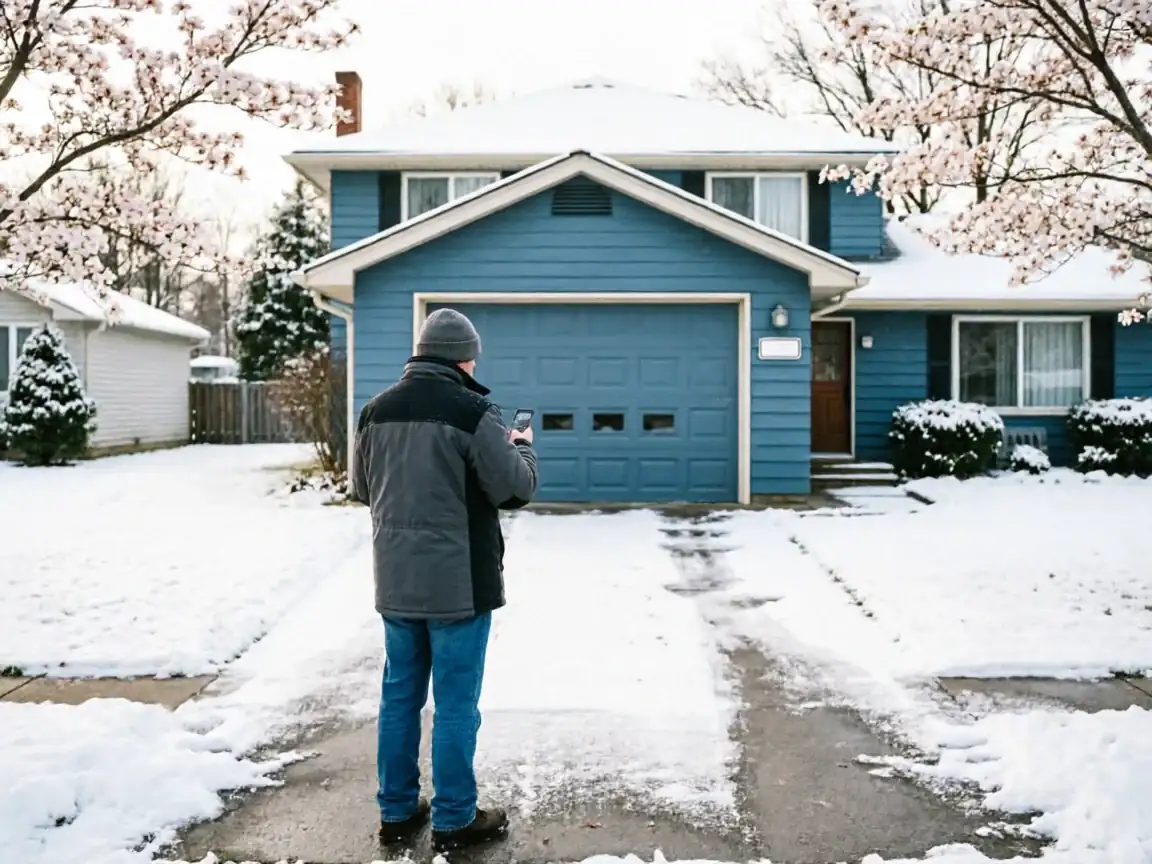
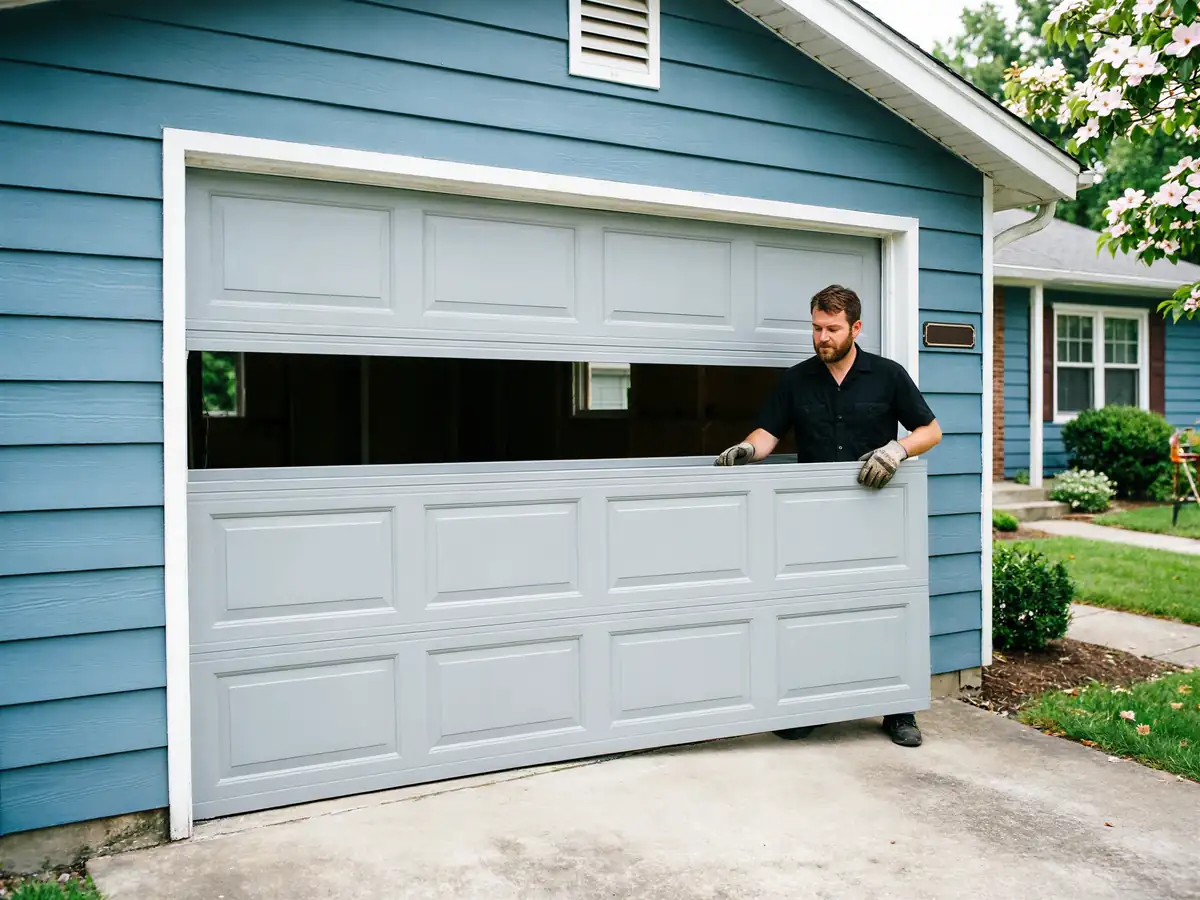
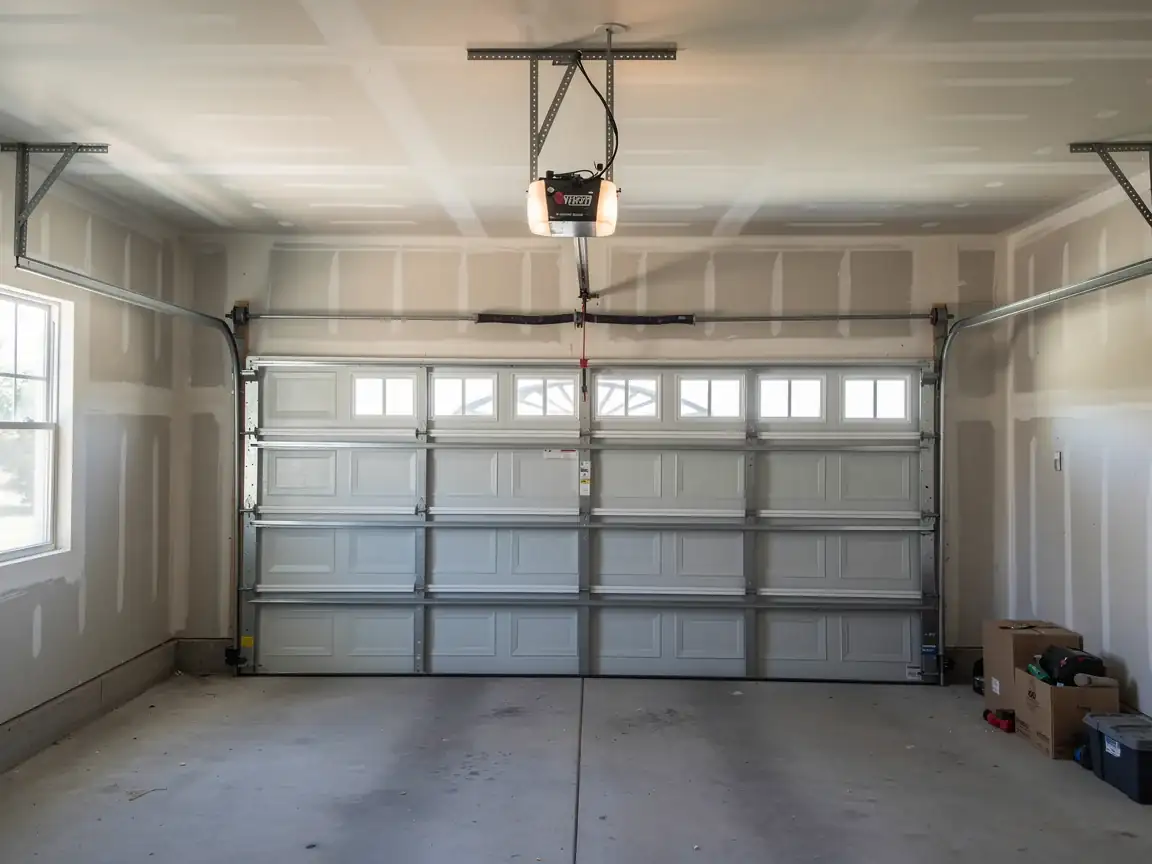
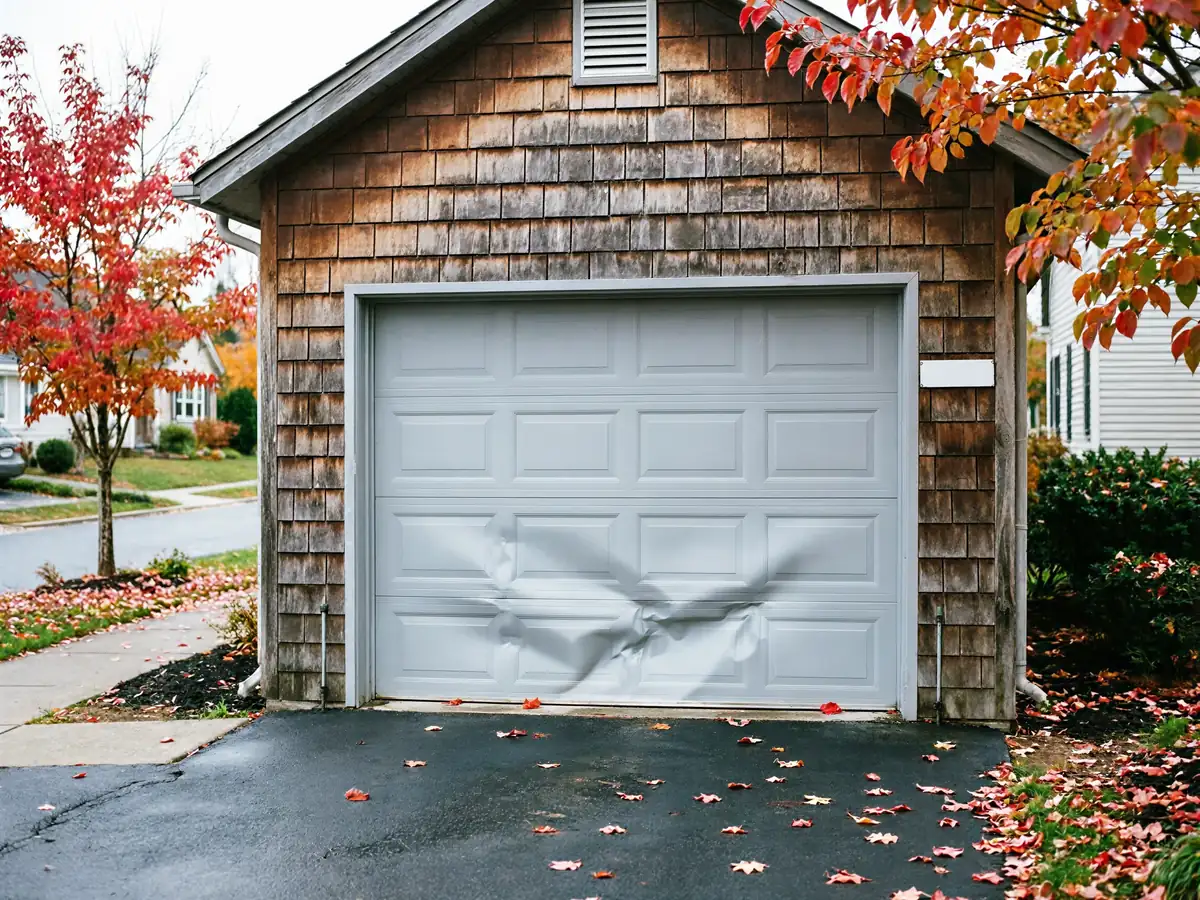
The door groans going up, hesitates about halfway, or the opener strains and clicks before the door moves at all. Sometimes it's a scrape on the way down, or the whole panel shudders instead of sliding smooth. None of that is normal, and none of it fixes itself - it gets slowly worse until a spring snaps or a cable frays through.
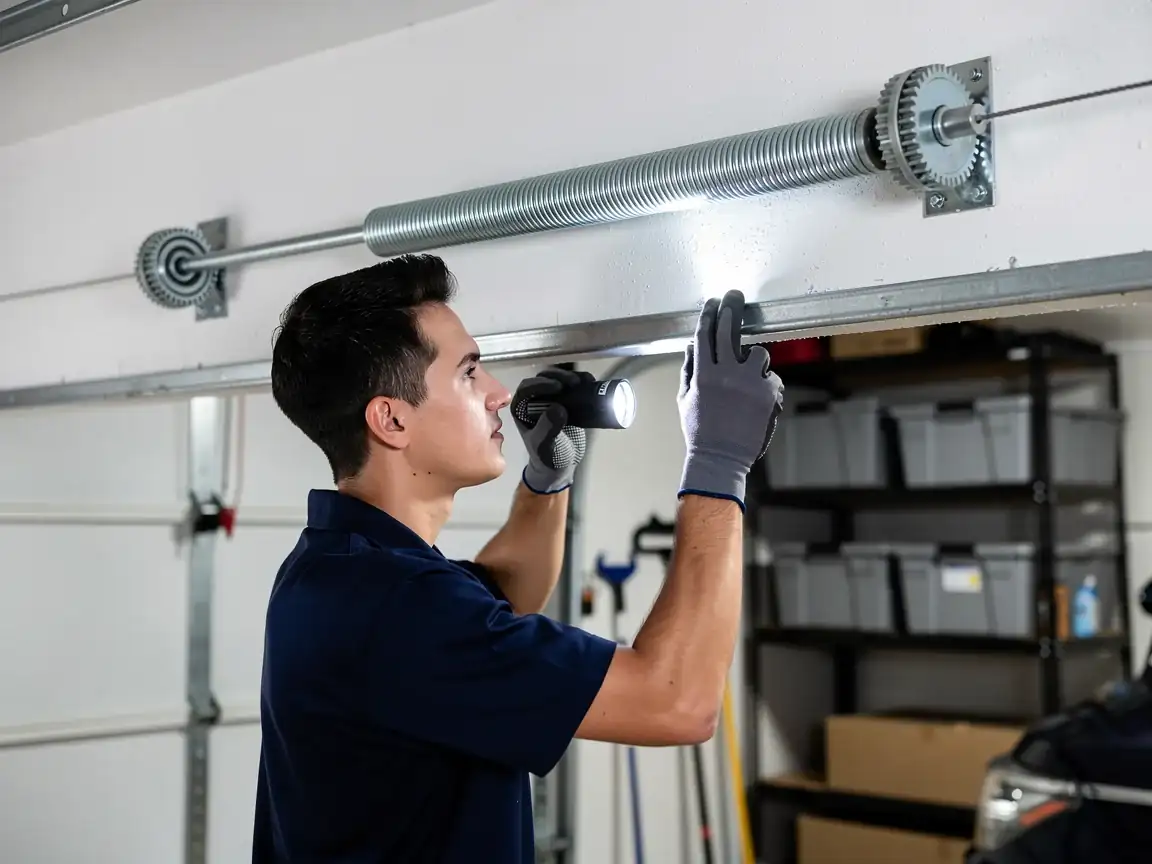
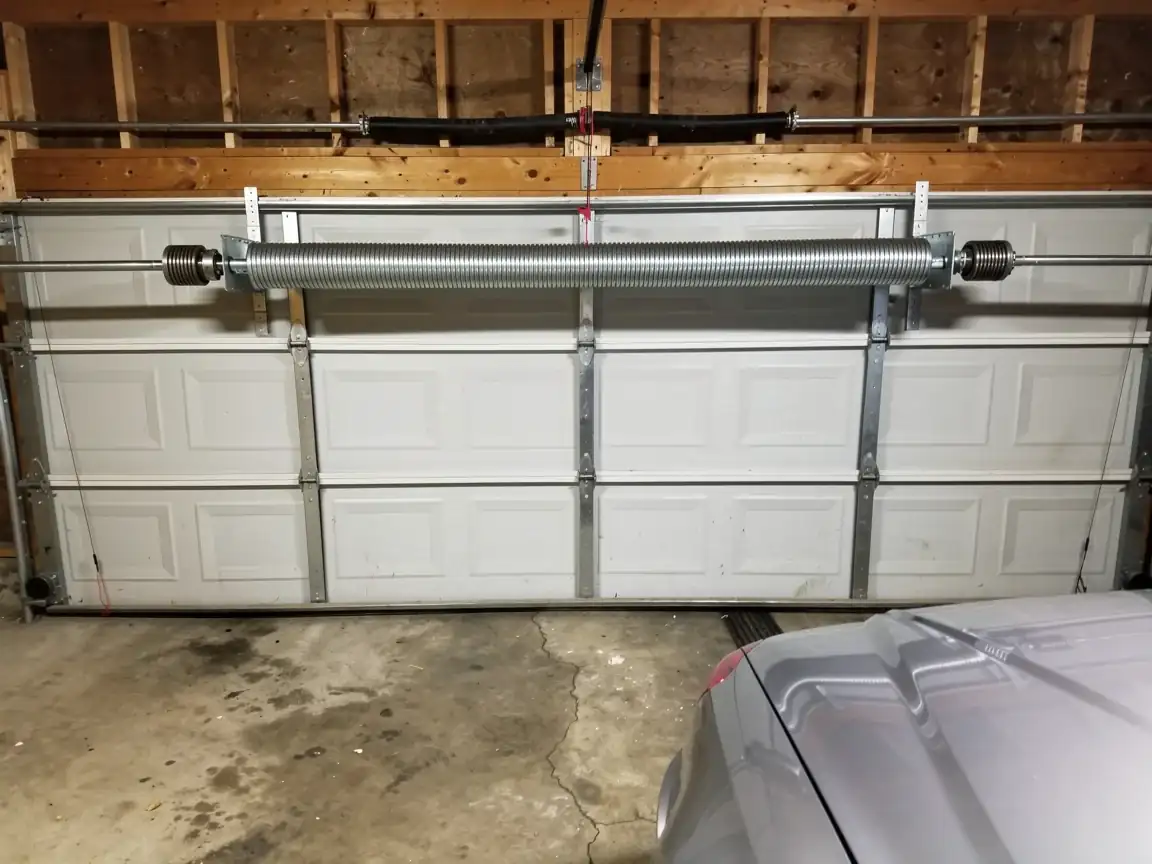
These symptoms show up on doors that get opened and closed every day without anyone looking at the hardware behind the trim. A torsion spring loses tension a little at a time. Rollers wear flat spots. Lift cables fray one strand at a time inside the drum. You don't see any of it until the door tells you, usually at the worst moment - cold morning, car half in the driveway, door stuck at knee height.
Across the towns we cover, the pattern is the same: doors installed decades ago, on hardware nobody's touched since, carrying a house through hot summers and cold winters with zero adjustment in between. That's the setup for a hard failure, not a slow one.
Why This Fails Locally
The housing stock in this service area was mostly built between 1952 and 2013, with the typical home dating to 1972, and the bulk of it falls into 1960s and 70s construction spread across the 45 communities we work in. That matters for garage doors specifically: a torsion spring rated for 10,000 cycles doesn't know what year it is, and a door installed when a house was built in 1968 is now on its second or third spring if anyone's been paying attention - and often isn't, if they haven't.
Then there's the climate. This area sits in a COLD severe band, which means steel hardware goes through real freeze-thaw swings every winter. Cold makes lubricant stiffen, metal contract, and torsion springs lose a measurable amount of lift force on a hard freeze morning - which is exactly when homeowners need the door to work without a fight. A spring that's already fatigued from age has less margin to handle that cold-weather load drop, and that's when it breaks instead of just underperforming.
Put those two together - old hardware, cold climate - and you get a service area where maintenance isn't optional upkeep. It's the difference between a spring that lasts its rated life and one that snaps a cable on a January morning.
What Can Go Wrong
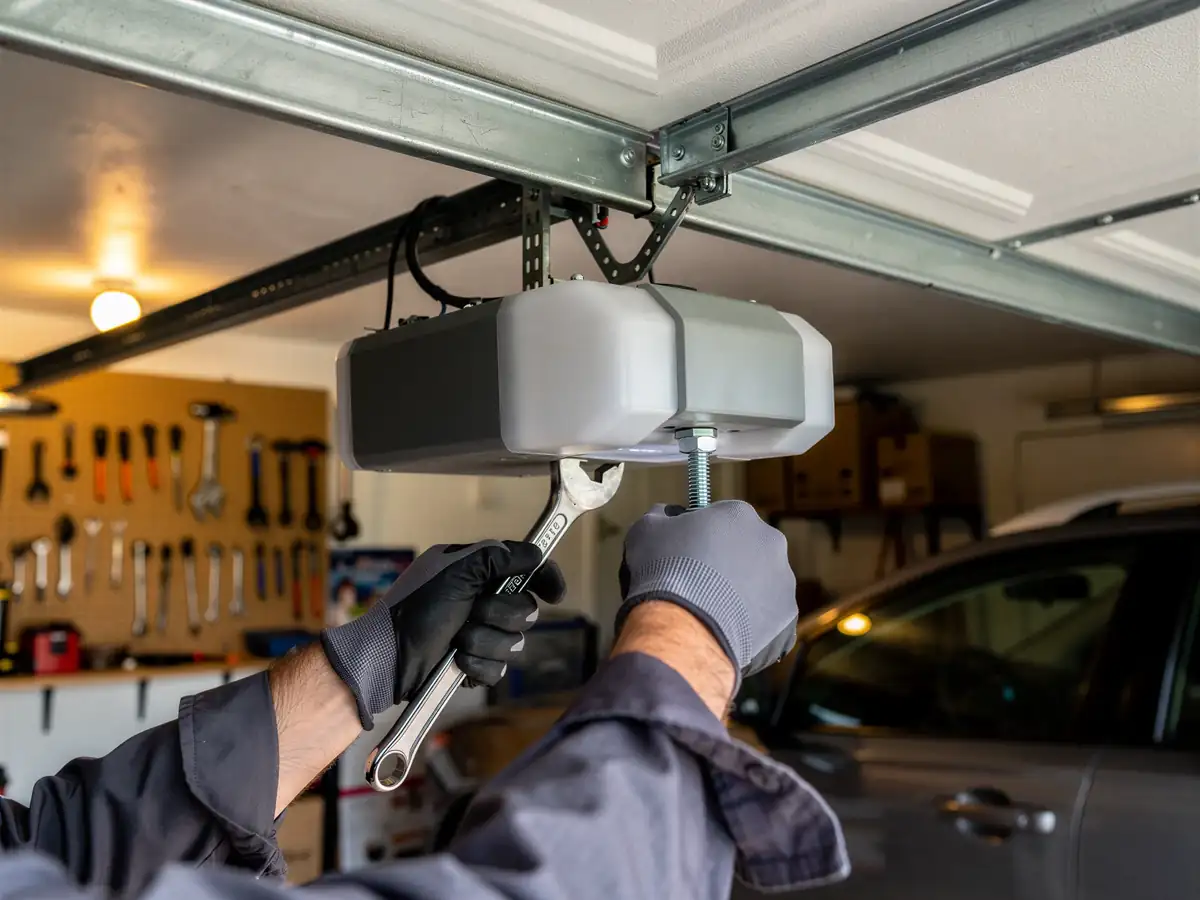
A torsion spring that's lost tension makes the opener do work it wasn't built for
Which burns out the motor early. A frayed cable under load can snap and let a door drop fast - that's a safety issue, not just an inconvenience. Rollers with flat spots bind in the track and pull the whole door off square, which stresses the opposite side of the hardware even though nothing's visibly wrong there yet.
On older doors - and across this area a meaningful share of the stock is original-era hardware from that 1960s-70s building wave
The lift hardware was often sized for a lighter door than what's on the opening now if a panel's ever been replaced. That mismatch shows up as uneven travel or a door that reverses on its own.
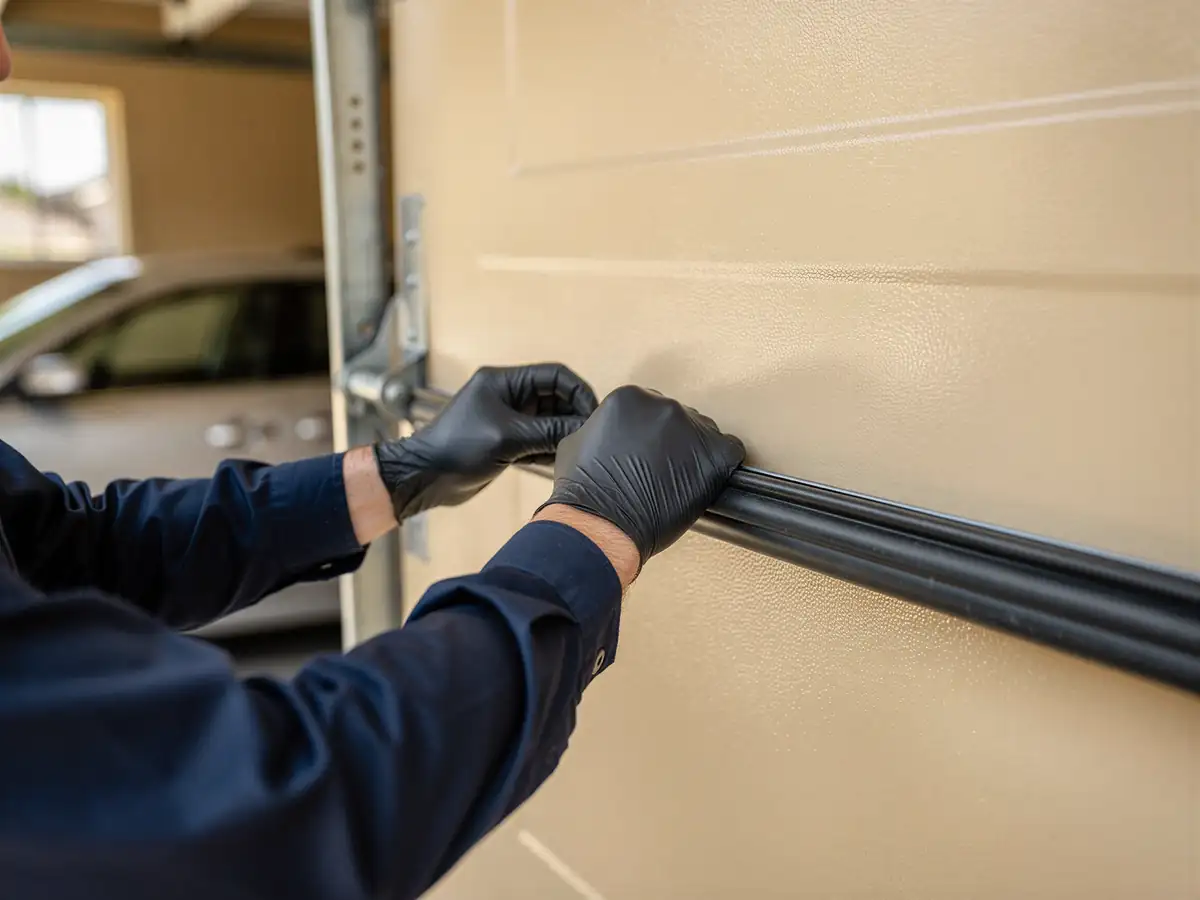
Weatherstripping that's cracked from repeated cold snaps lets drafts and moisture into the garage
Which speeds up rust on cables, hinges, and the bottom bracket. None of these faults are dramatic on their own. Together, over a winter or two without a look-over, they add up to a door that fails hard instead of giving warning.
Can You Do This Yourself
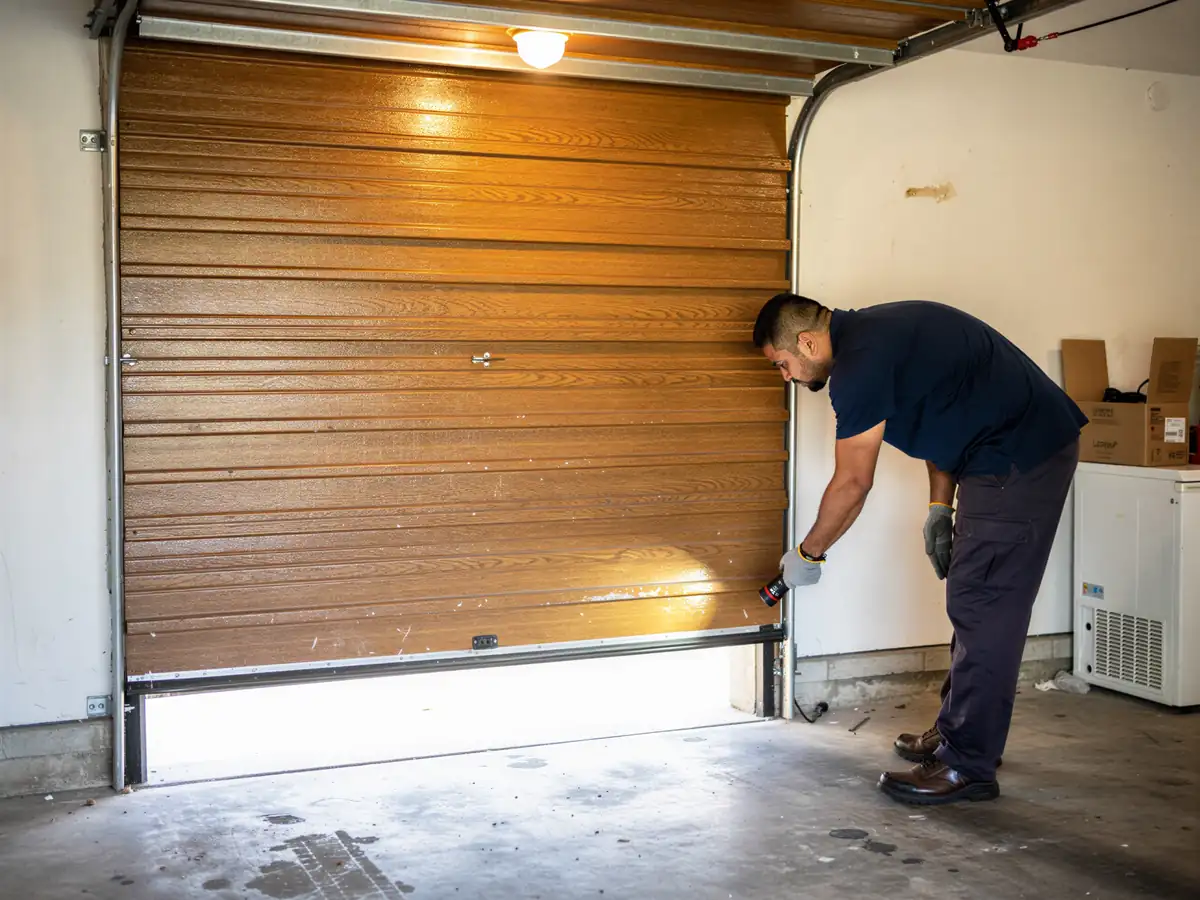
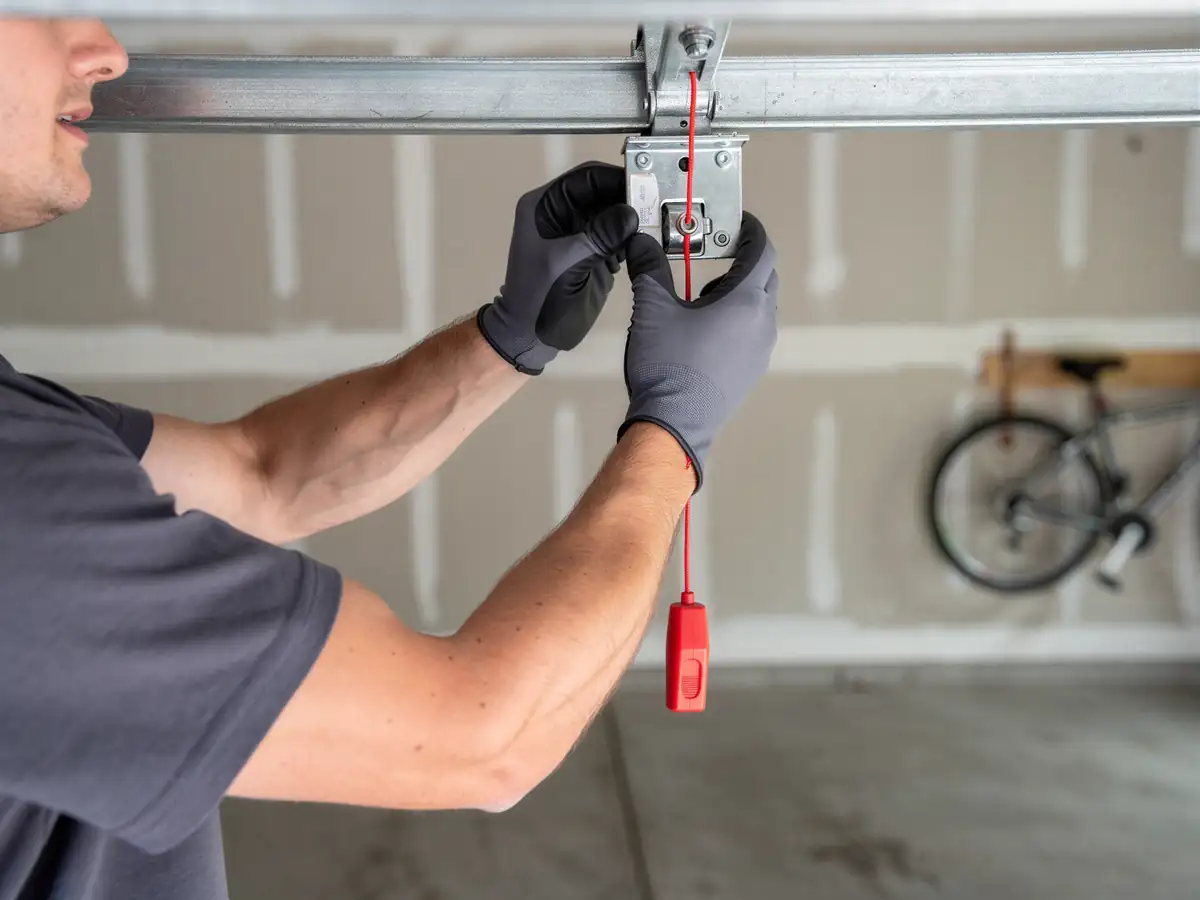
Some of it, yes. You can visually check cables for fraying, listen for grinding that wasn't there last month, and keep the track clear of debris. Lubricating hinges and rollers with the right garage door lubricant - not WD-40, which washes grease out rather than replacing it - takes ten minutes and helps in a cold climate where things stiffen up.
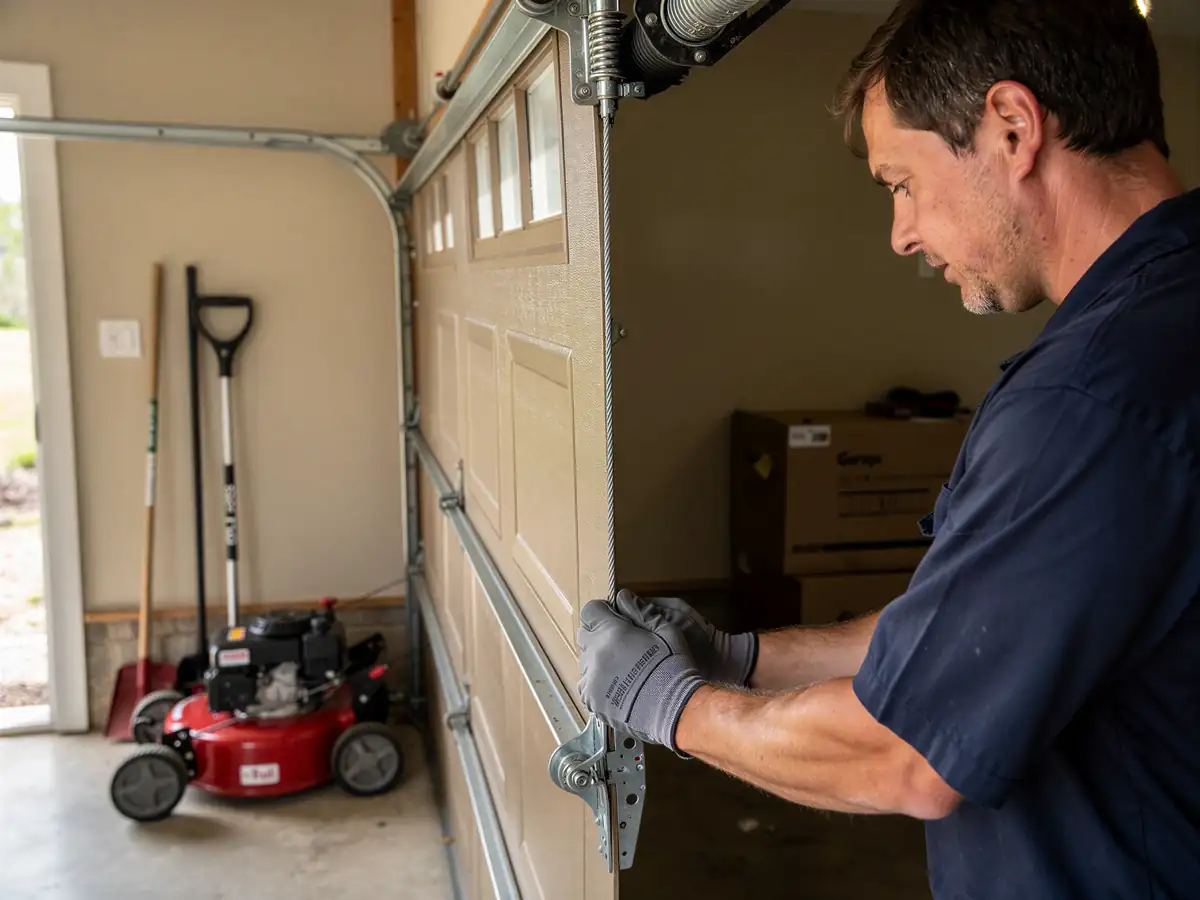
What you shouldn't touch is the torsion spring itself. It's under enough stored tension to cause a serious injury if it lets go while you're working on it, and that's true whether the door is five years old or forty. Cable replacement and spring adjustment are jobs for someone with the right bars and clamps, not a ladder and a guess.
Honest limitation: if a door is original to a 1960s or 70s build and has never had the torsion hardware replaced, a maintenance visit might turn into a recommendation to replace the spring system rather than patch it - at that age, parts wear as a set, and fixing one piece just shifts the load to the next weak point. We'll tell you when that's the case instead of running the meter on a repair that won't hold.