What Local Conditions Do
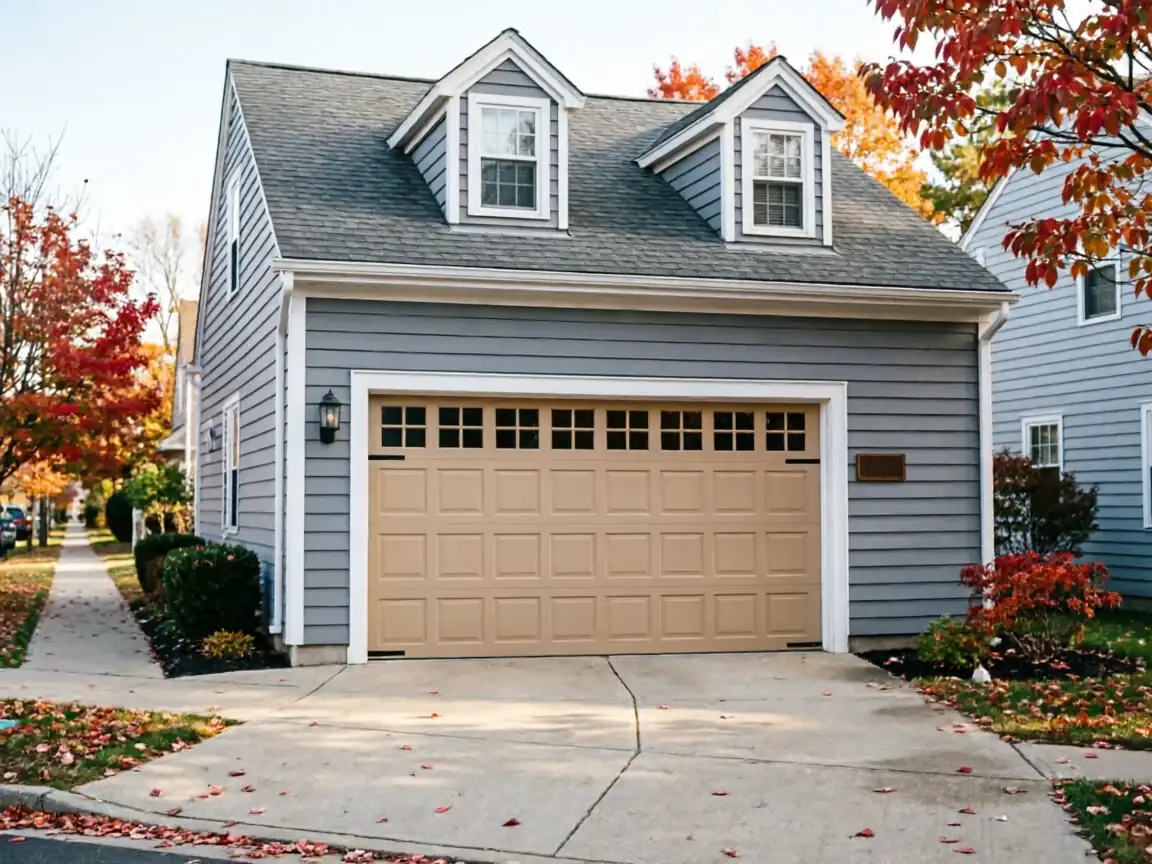
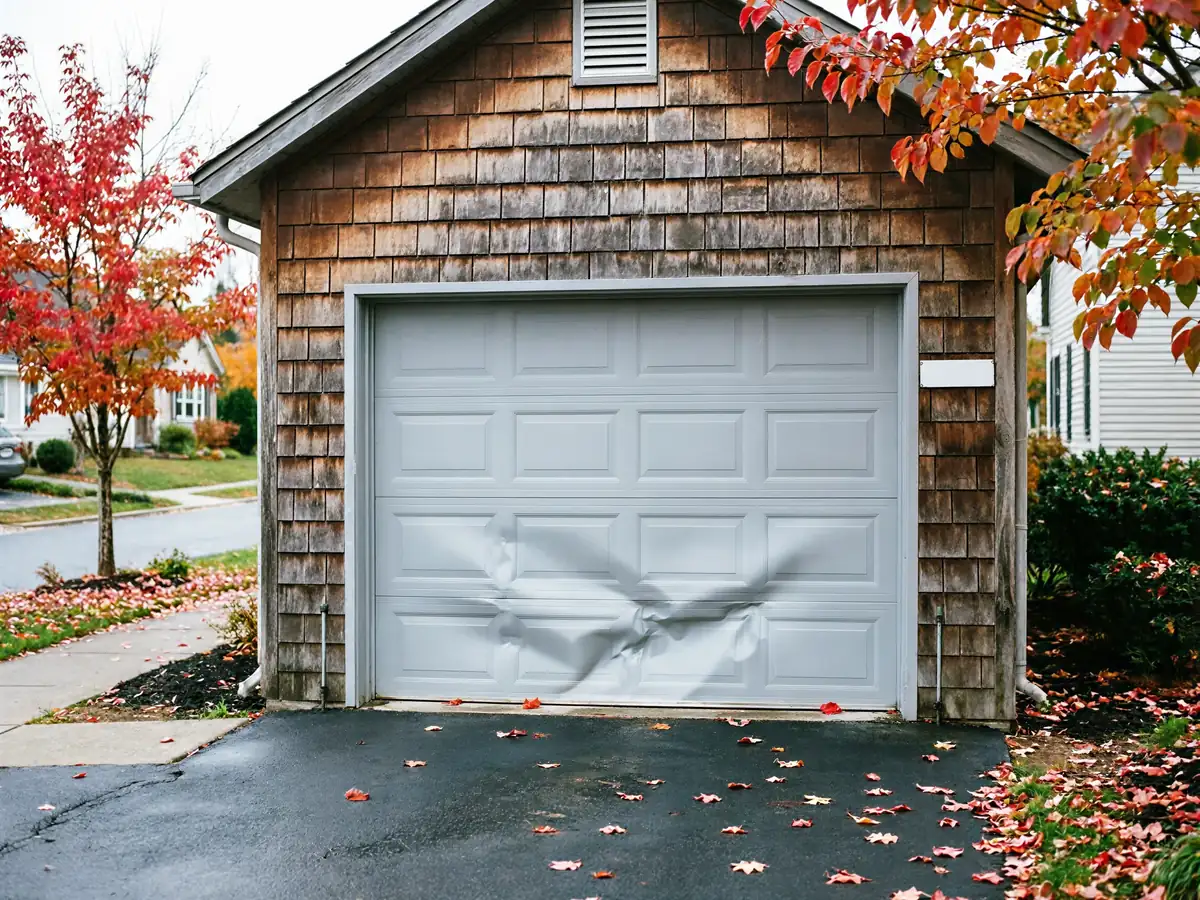
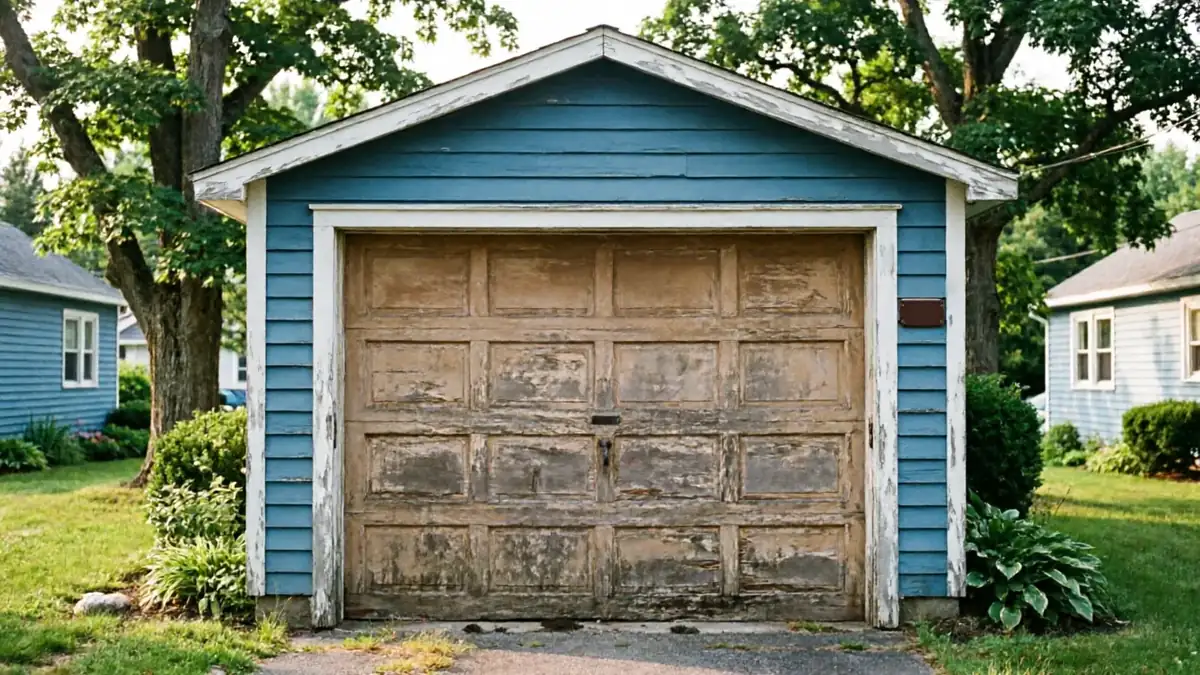
Shelton's housing stock runs from 1952 up through 2013, but the median build year lands at 1972, and most of the 45 named neighborhoods in this area are solidly 1960s-70s construction. That matters because a door and opener installed or replaced during that window was built to a different winter than the one we get now. The region sits in a severe cold climate band, and a garage door built around 1972 specs wasn't engineered with today's insulation expectations or the cycle loads that come from repeated freeze-thaw swings on steel tracks and springs. Cold metal contracts, torsion springs lose a fraction of their tension with every hard freeze, and nylon rollers from that era turn brittle well before a modern roller would. None of this means a 50-year-old door is junk. It means the parts inside it are old enough that fatigue, not abuse, is usually what's failing. When you're deciding whether a repair makes sense, the build era of the house is often a better clue than how the door looks from the driveway.
The Problem
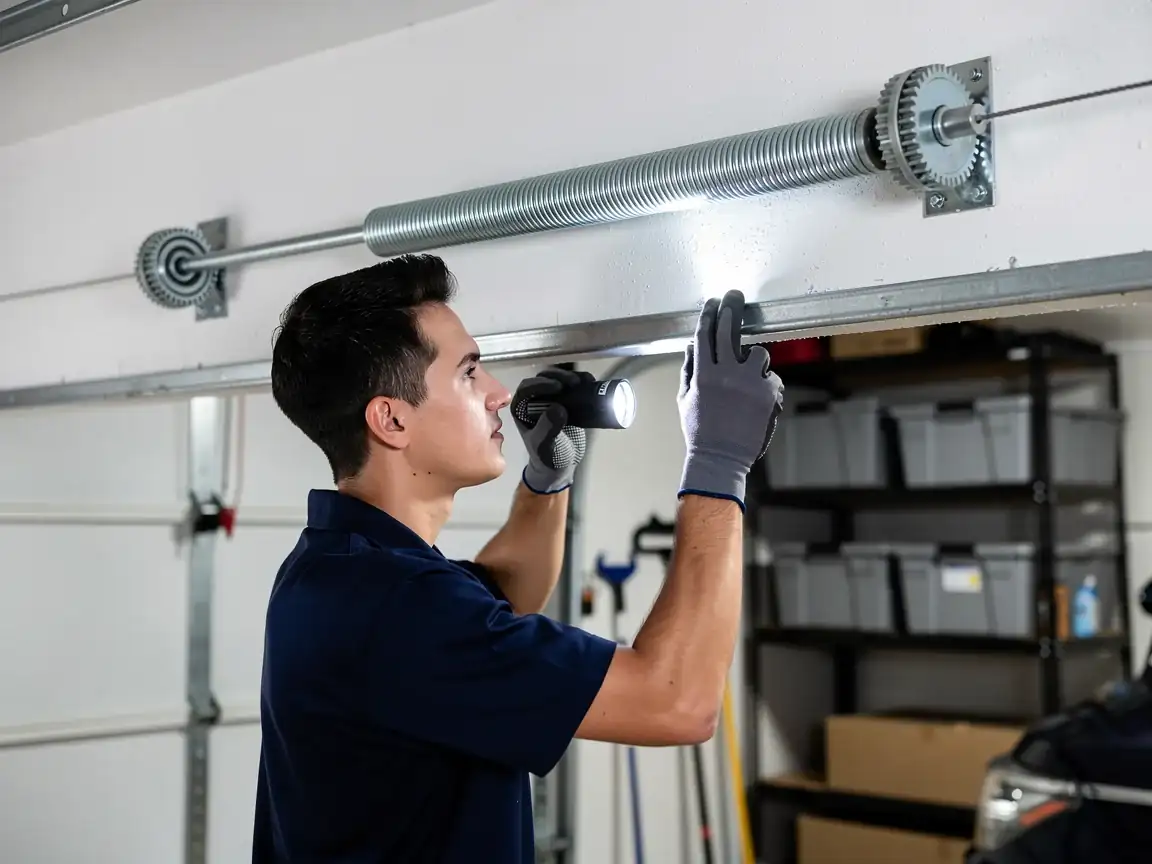
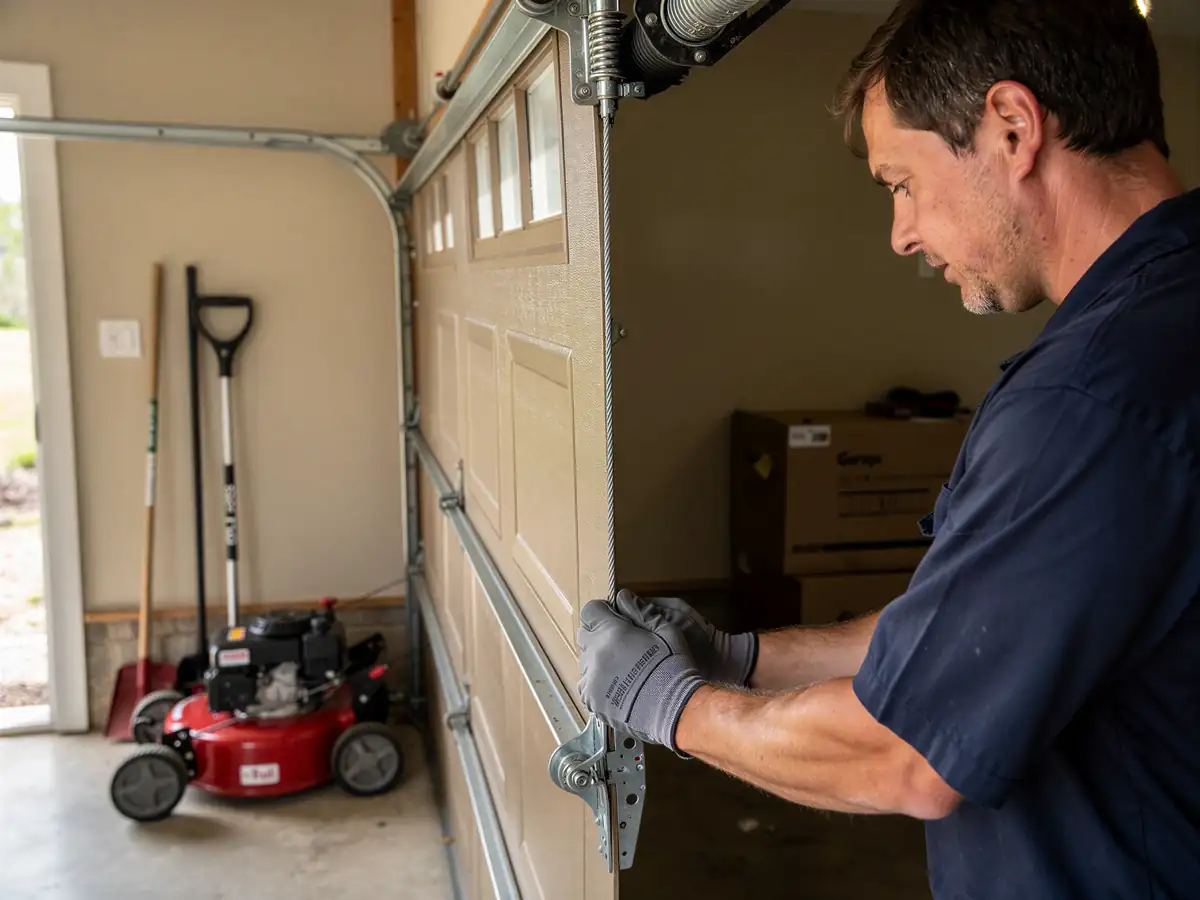
A door from the 1960s or 70s stock common across this area was almost always set up with a single torsion spring and steel tracks sized for a lighter door than what owners often install today when they upgrade to insulated panels. Add decades of Connecticut winters and the wear shows in predictable spots: the spring itself, worn bearing plates, and track brackets that have loosened as the wood jamb behind them has shrunk and swelled with each season. We see this pattern enough across the older sections of Shelton that it's less a surprise and more a schedule. The honest limitation here: once the torsion tube itself is bent or the original drum pulleys are pitted, you're not fixing a part, you're replacing a system, and at that point patching it is money that doesn't hold.
Where People Go Wrong
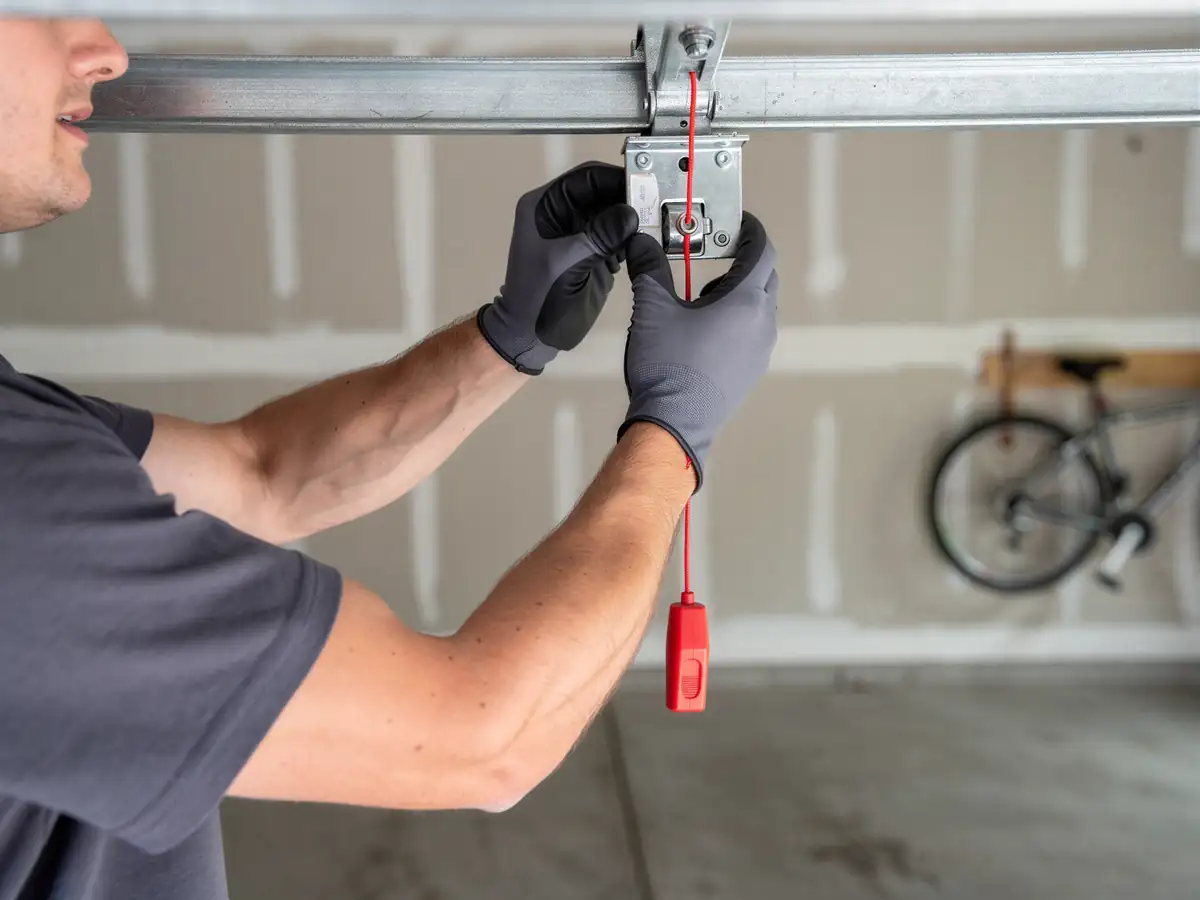
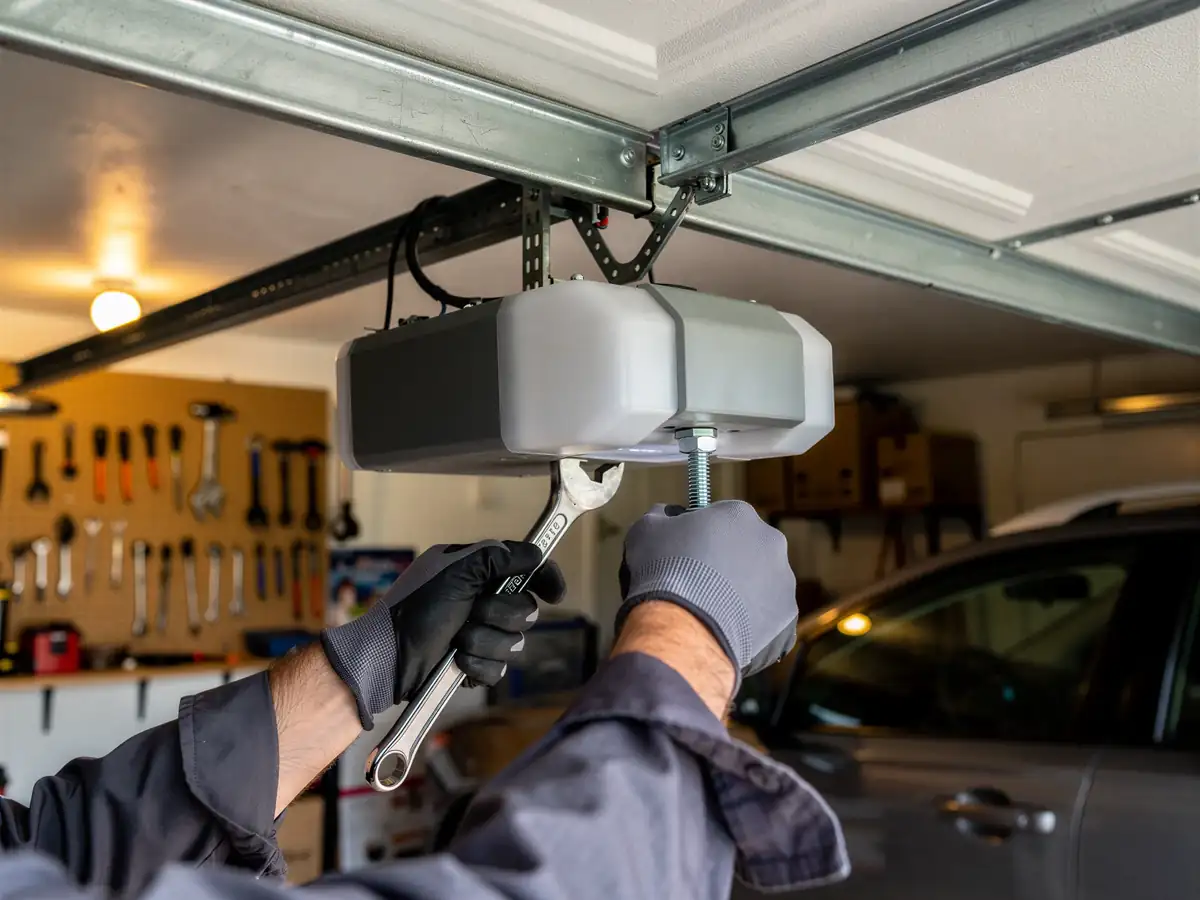
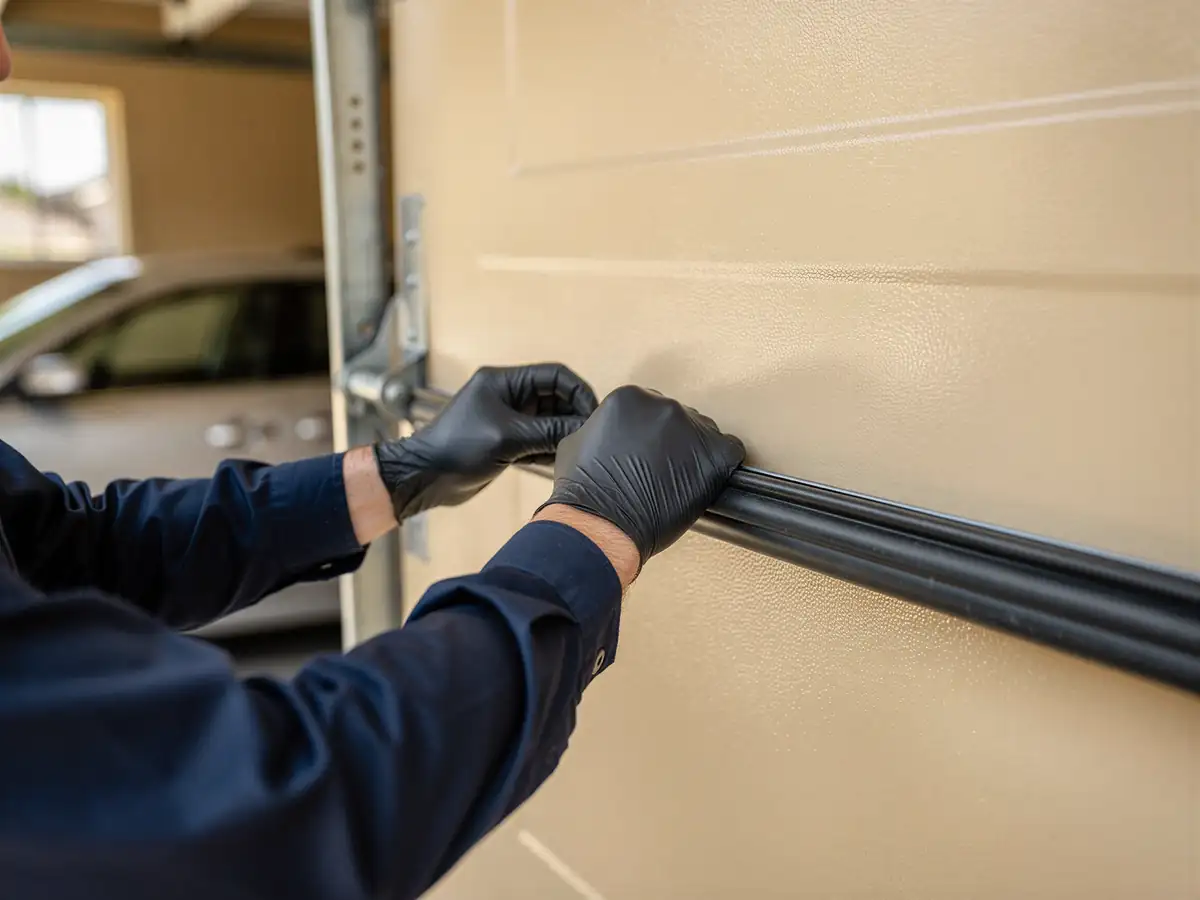
The most common mistake we see in houses from Shelton's older stock is replacing a worn opener while leaving 50-year-old springs and cables in place, because the opener is the visible, easy part. The spring is what actually lifts the door, and a new opener motor straining against a tired spring just burns itself out faster. The other mistake is assuming a door built when household incomes and home values looked very different from today's $130,180 median means the door itself is cheap to replace, so repair gets dismissed too early. Plenty of original hardware from the 1972-era median build is still sound steel and worth saving if the spring and rollers are the only things gone. Know which problem you actually have before you decide to replace instead of repair.