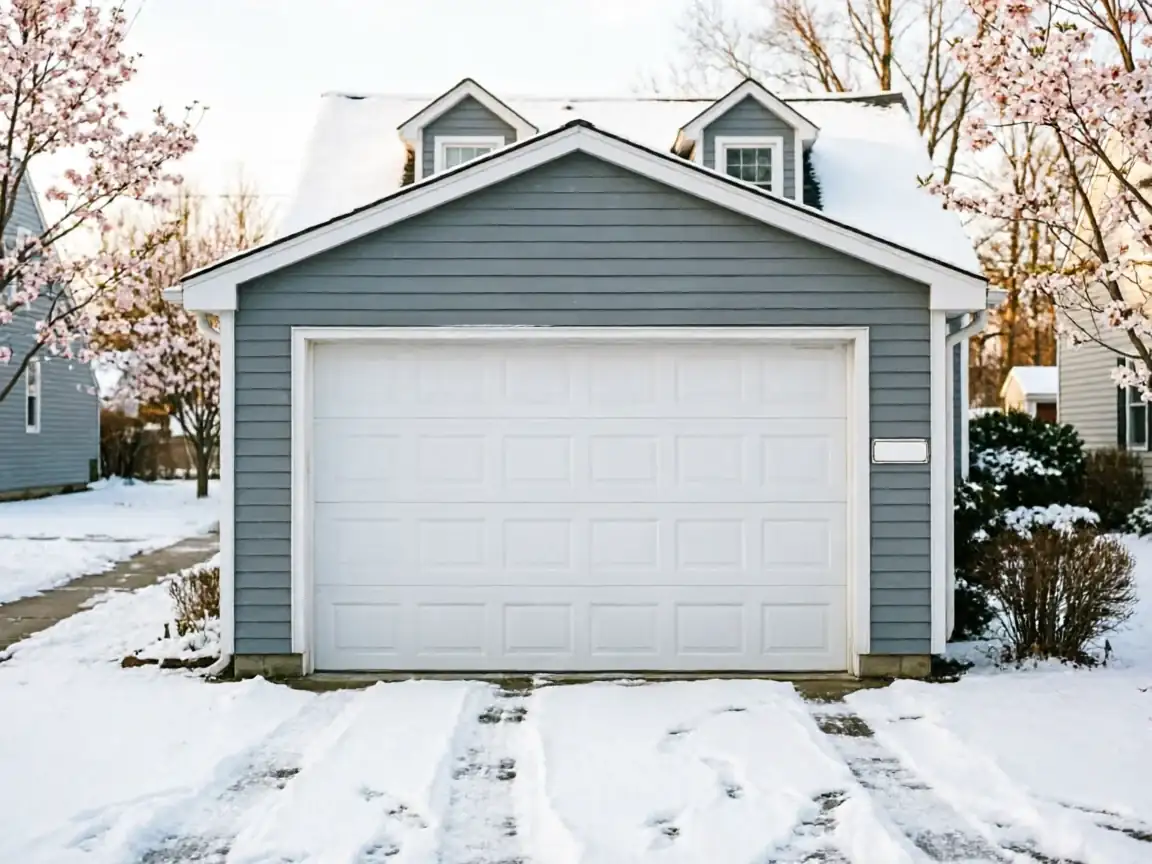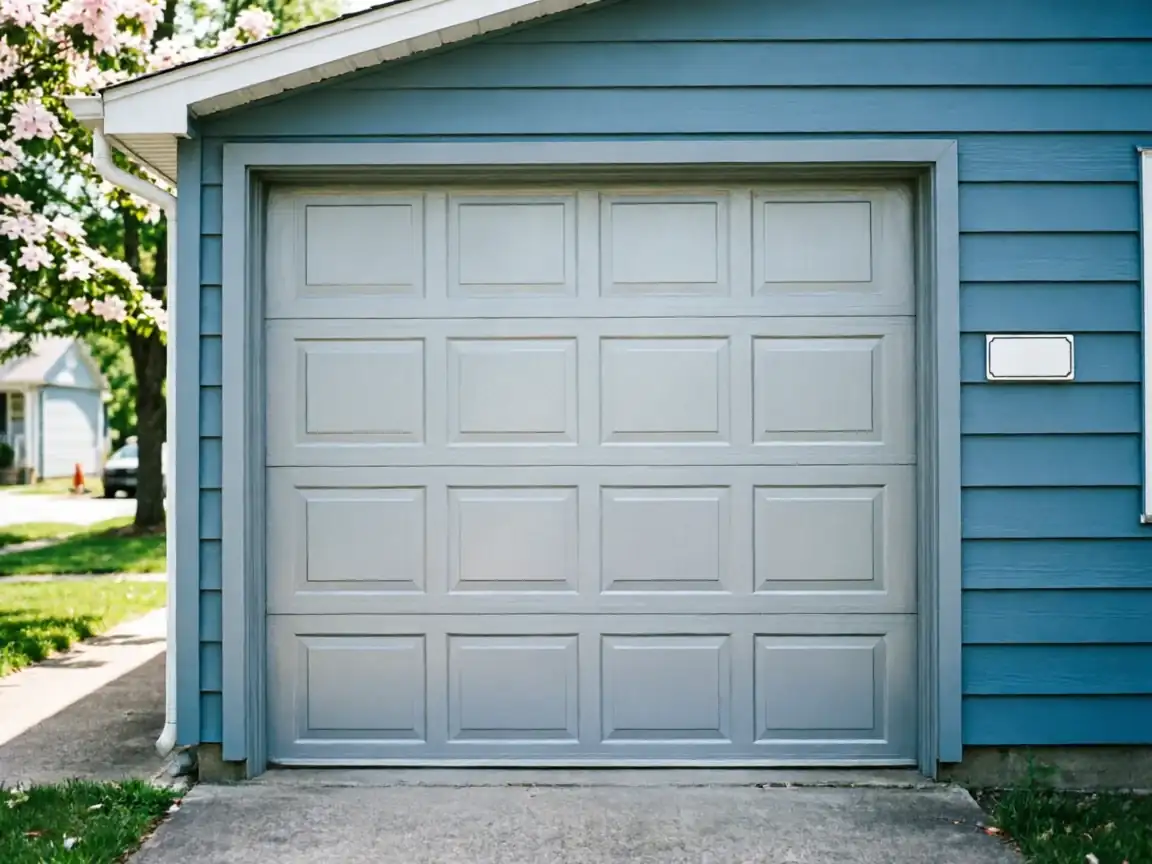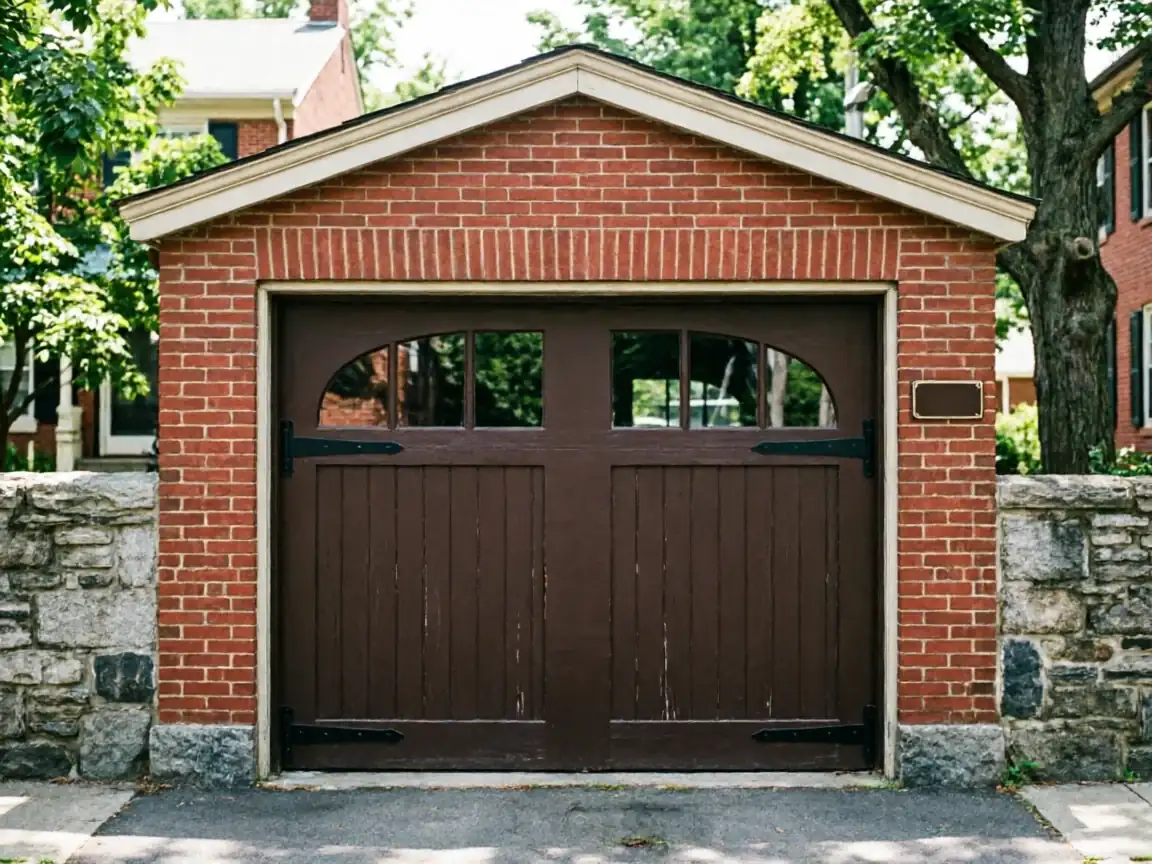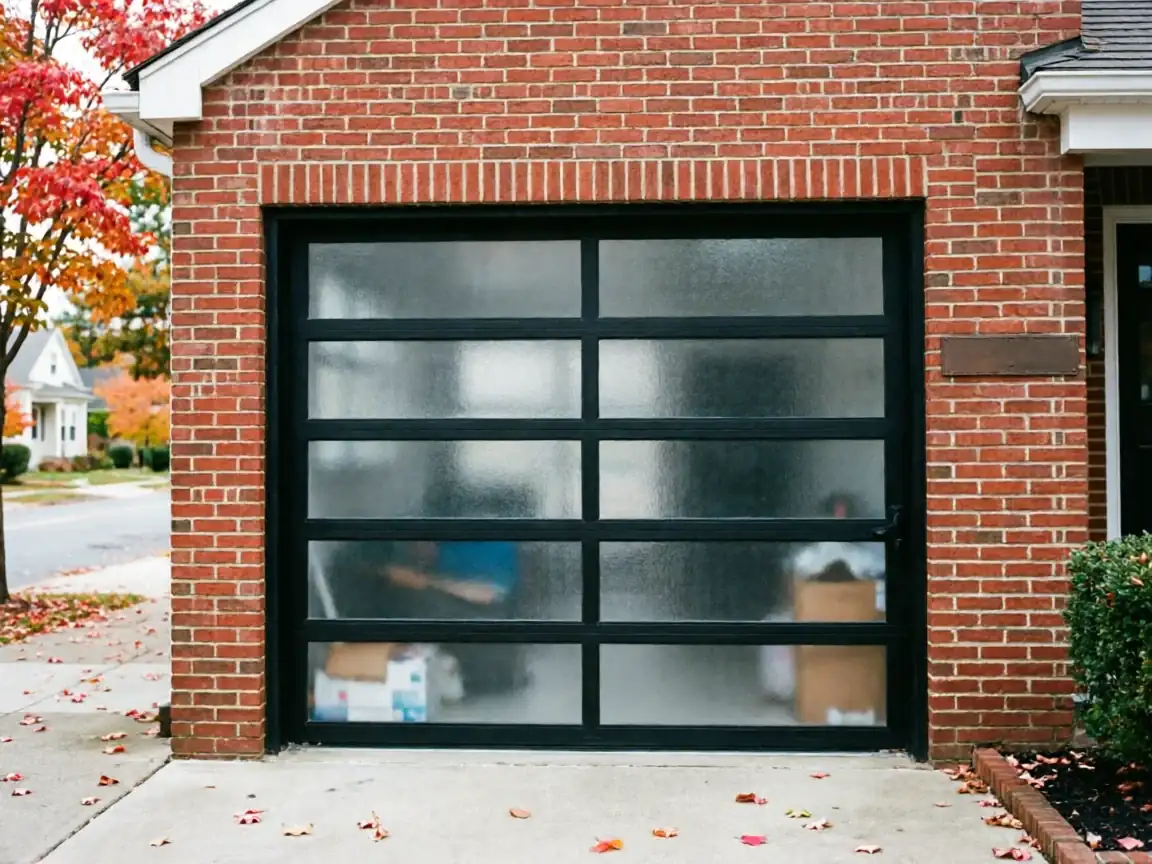
The Symptom
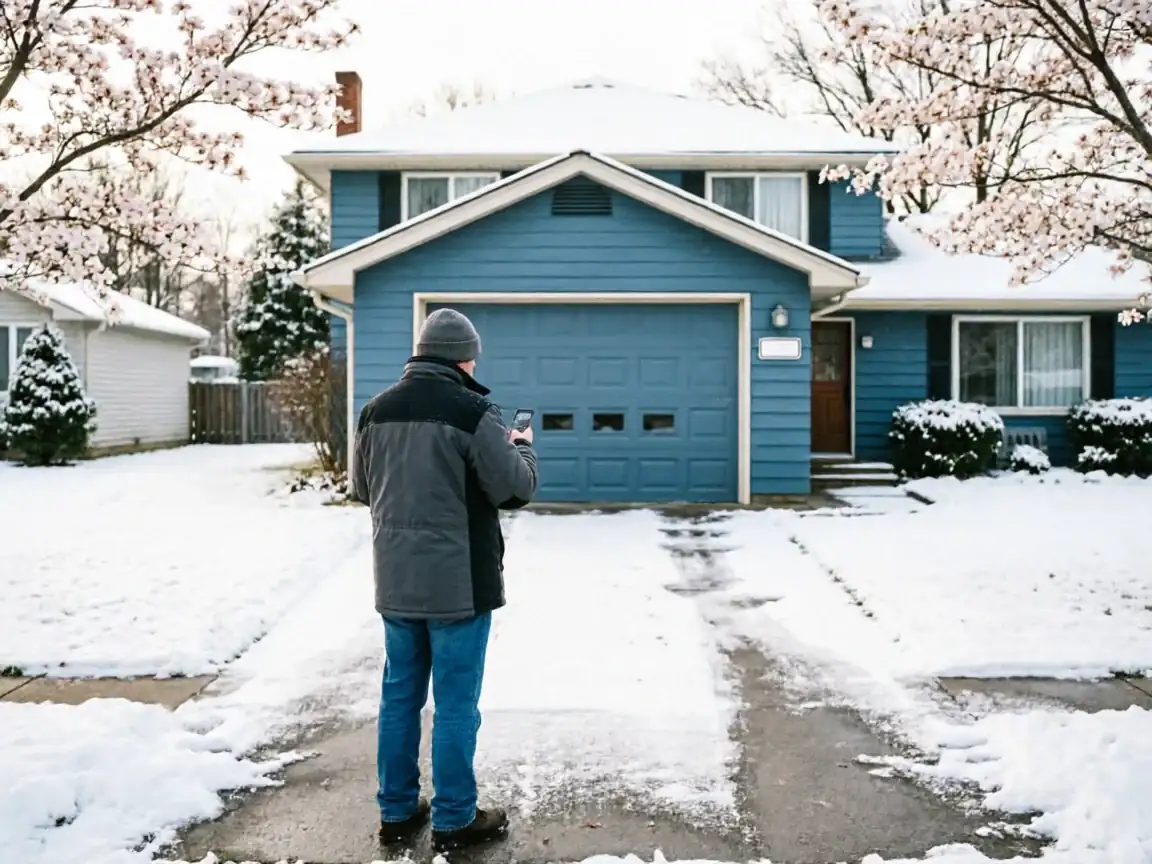
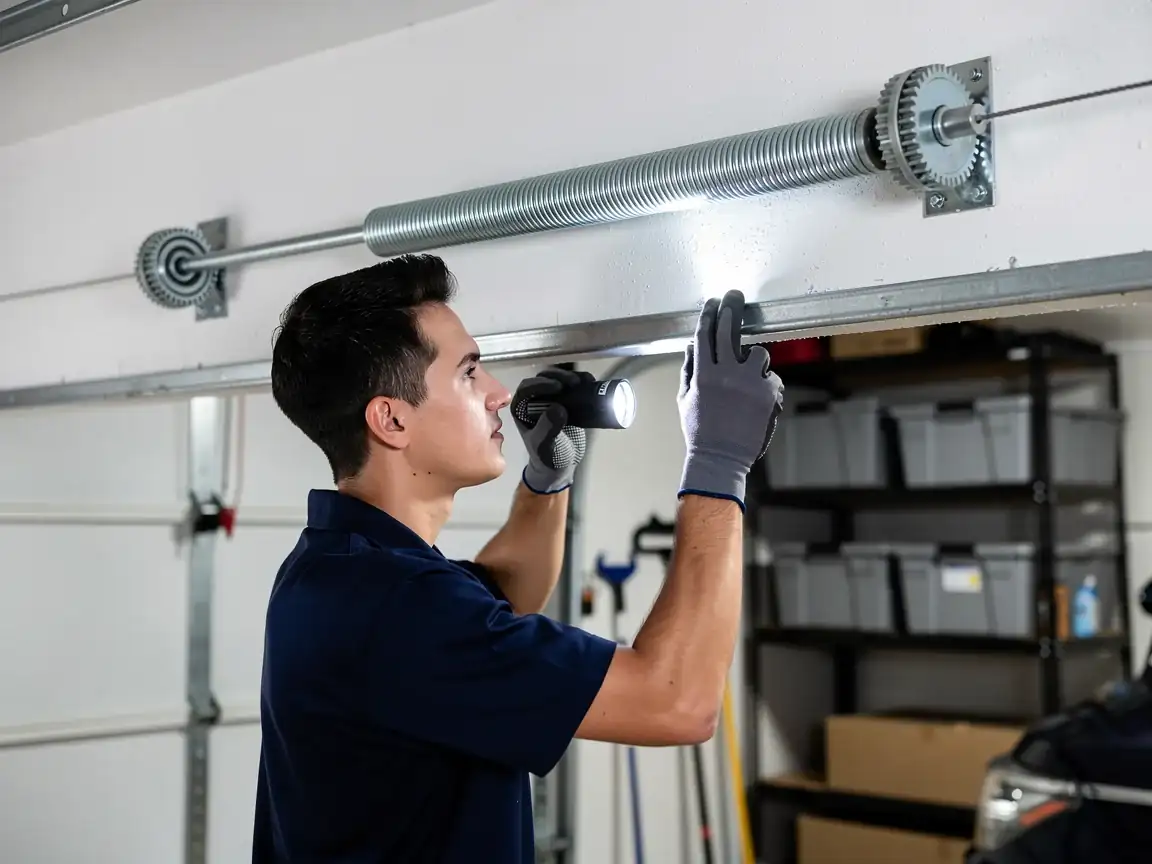
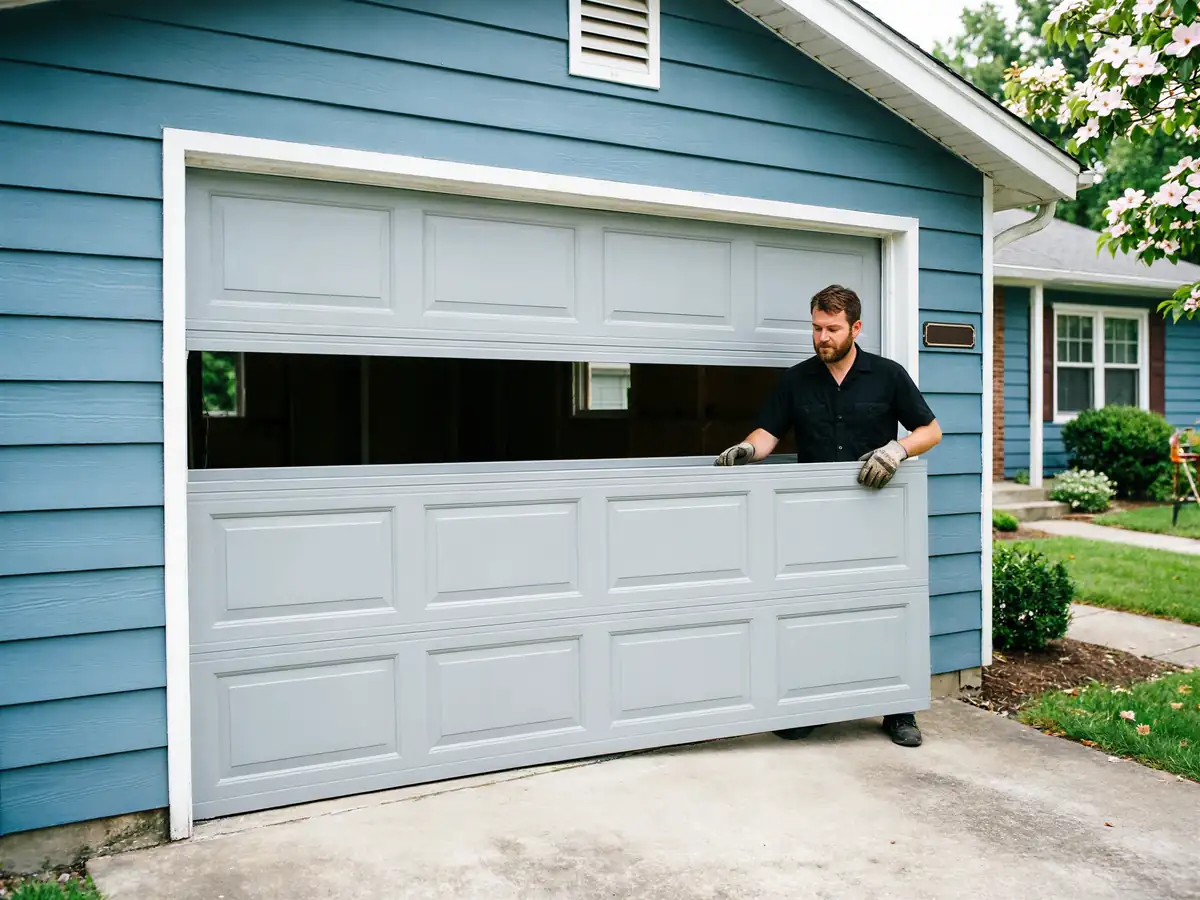
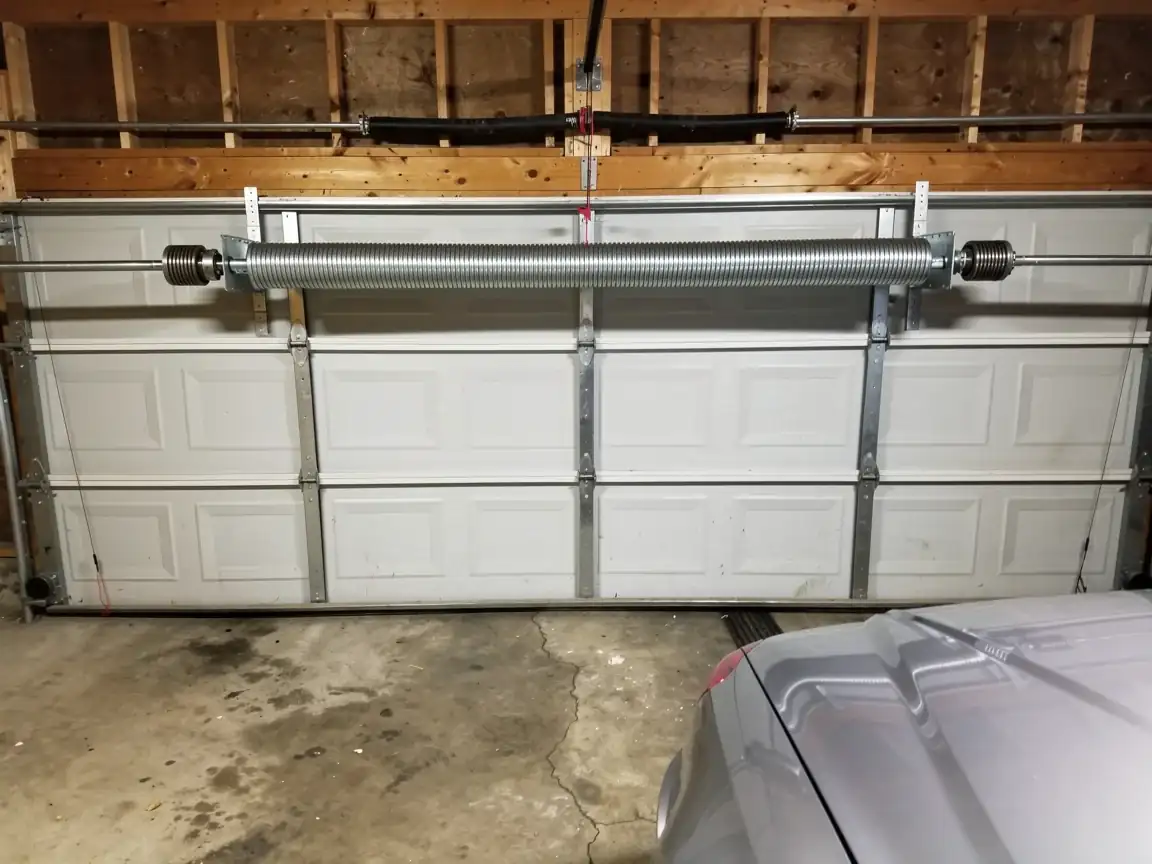
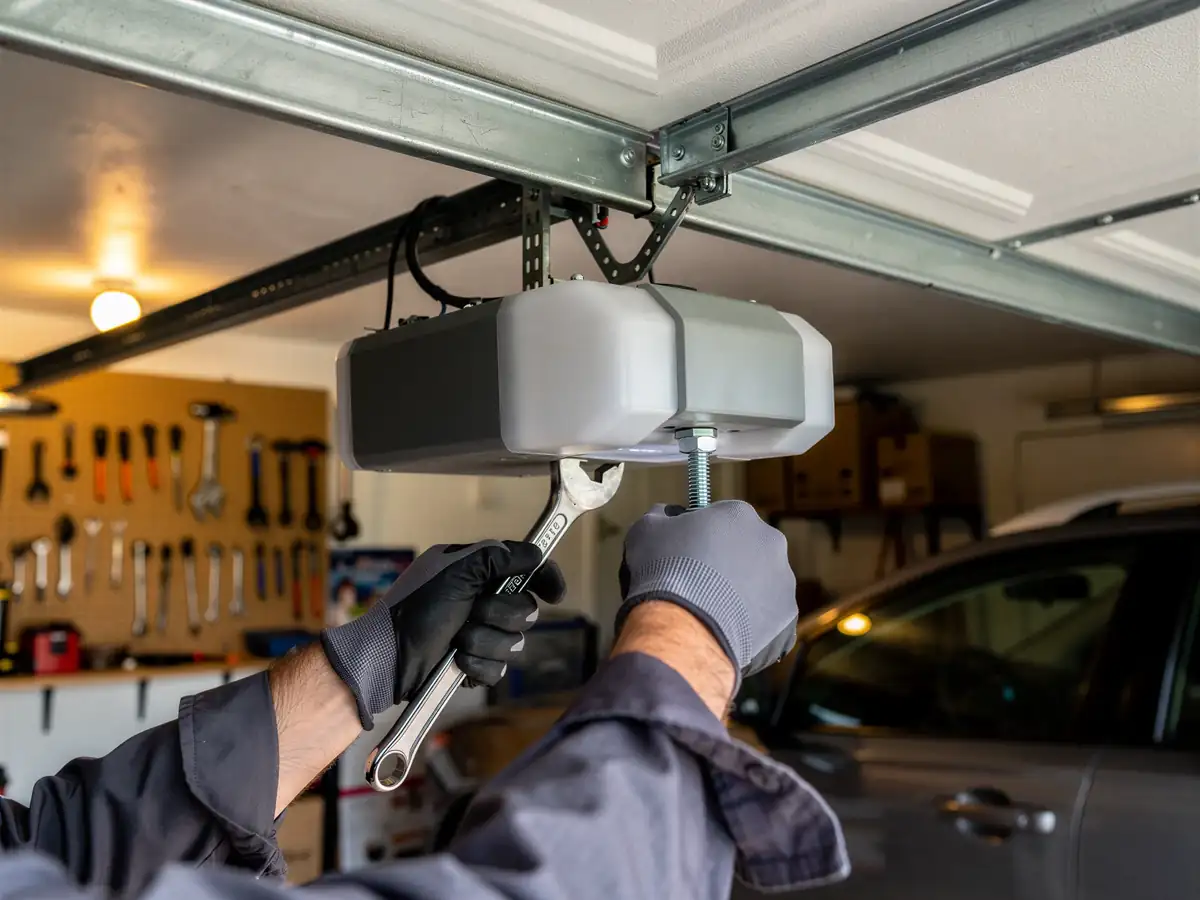
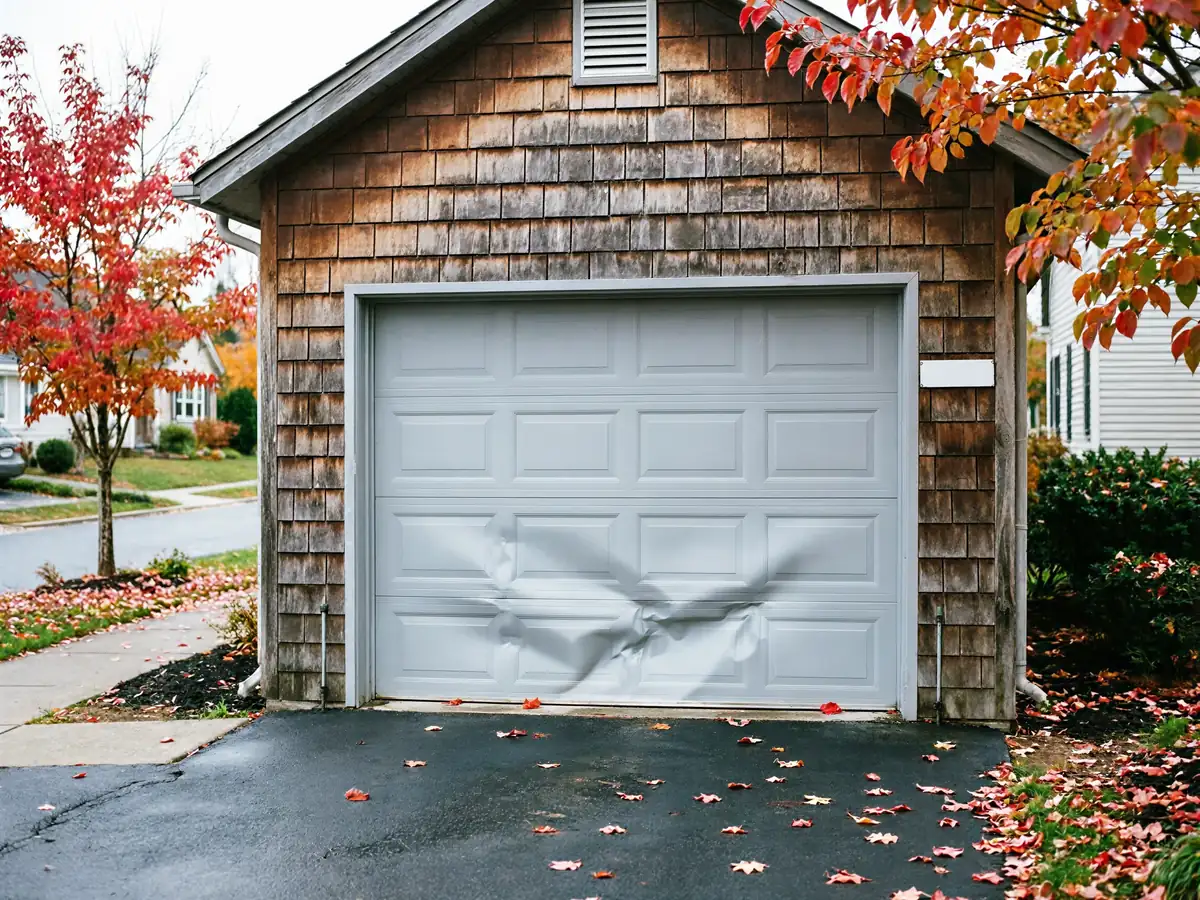
The door hesitates halfway up, or it won't budge until you give the handle a shove, or the opener grinds for a second before the chain catches. In Shelton these calls cluster around one thing: a spring that's lost its tension and a door that's heavier than it looks once that tension is gone. You might also hear a bang at the top of the travel, or notice one side of the door dropping faster than the other on the way down. Some owners describe a door that reverses on its own a few inches off the floor - that's usually the opener trying to compensate for a spring that can no longer carry its share of the weight. None of these are small. A door with a failed torsion spring is a 150+ pound panel being held up by a motor that was never built for that job, and the next thing to go is usually the opener's drive gear, not the spring.
Why This Fails Locally
Housing in the Shelton area runs 1952 to 2013, with the median build year sitting at 1972, and most of the 45 named neighborhoods we cover - from Derby and Trumbull nearby out to Oxford and Naugatuck - are dominated by that same 1960s-70s stock. Doors and openers installed or replaced during that era are past any reasonable service life, and a lot of the original torsion hardware is still in place because nobody's had a reason to touch it until it fails. Add in a cold-climate winter: steel springs lose a measurable amount of tension as temperatures drop, lubricant in the torsion bearing thickens, and nylon rollers that were fine in July start binding in January. A spring sized correctly for a 1972-era door at 70 degrees is working harder than it should at 15 degrees, and that's the gap that turns a quiet door into a noisy one almost overnight.
Can You Do This Yourself
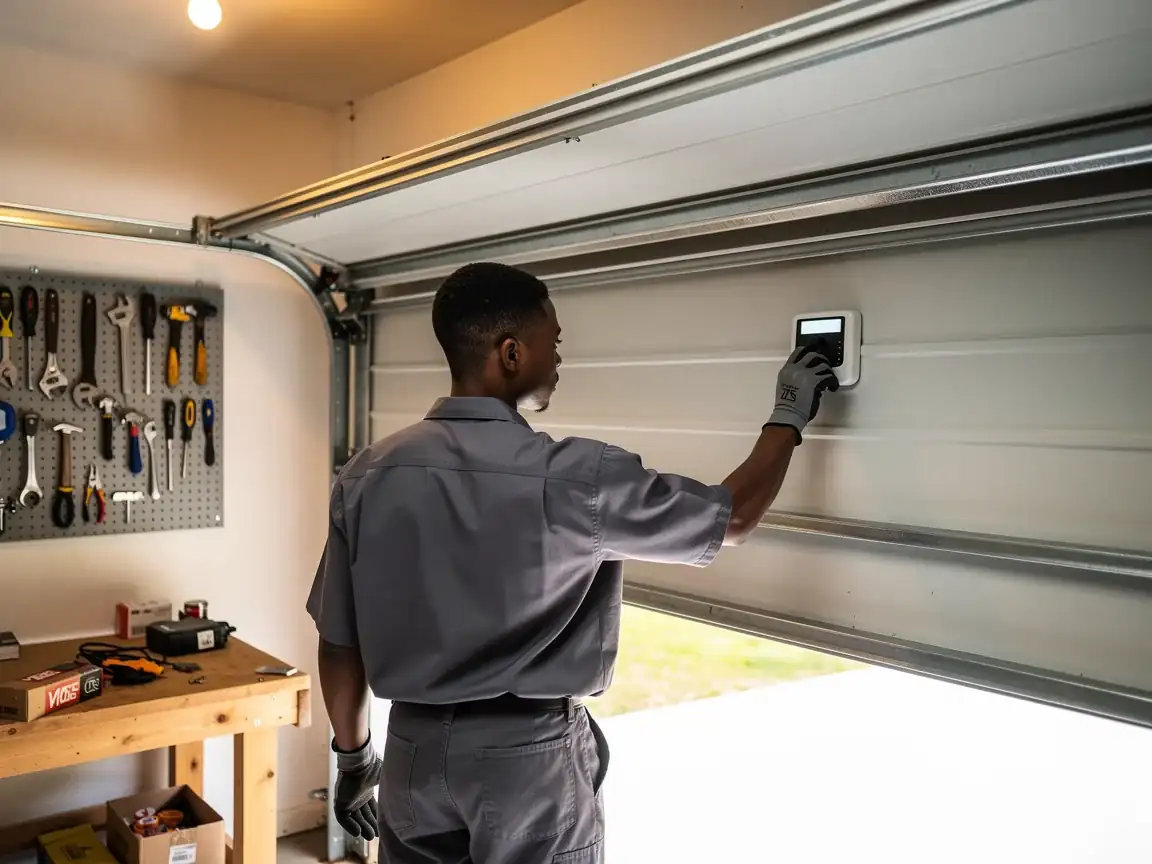
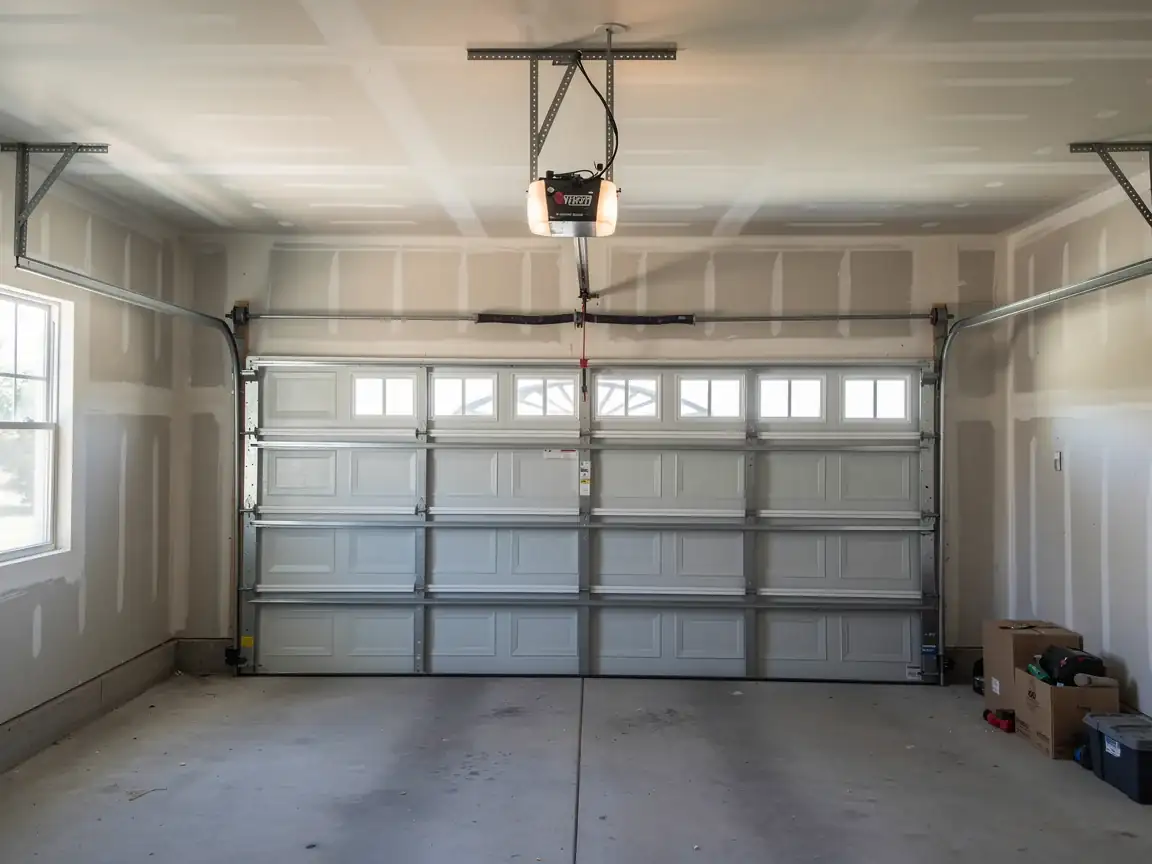
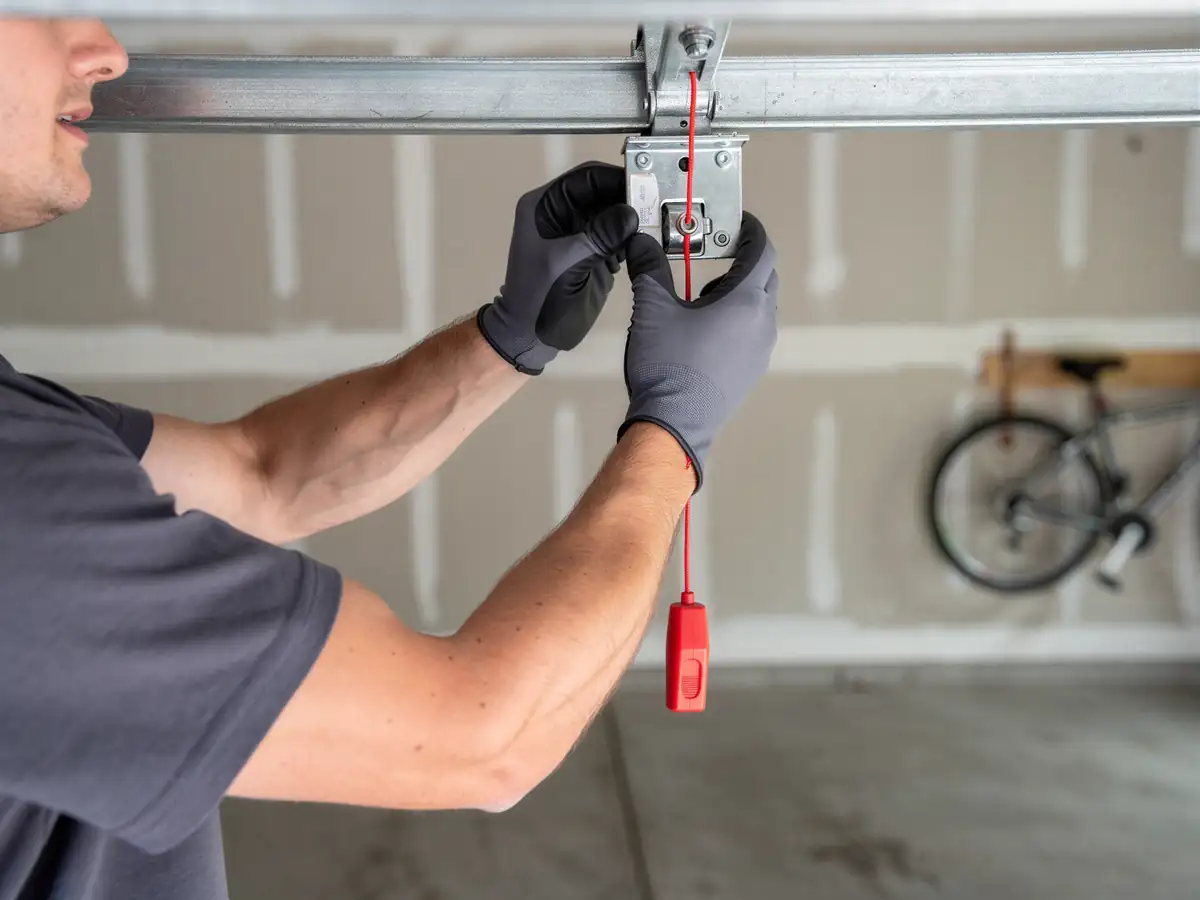
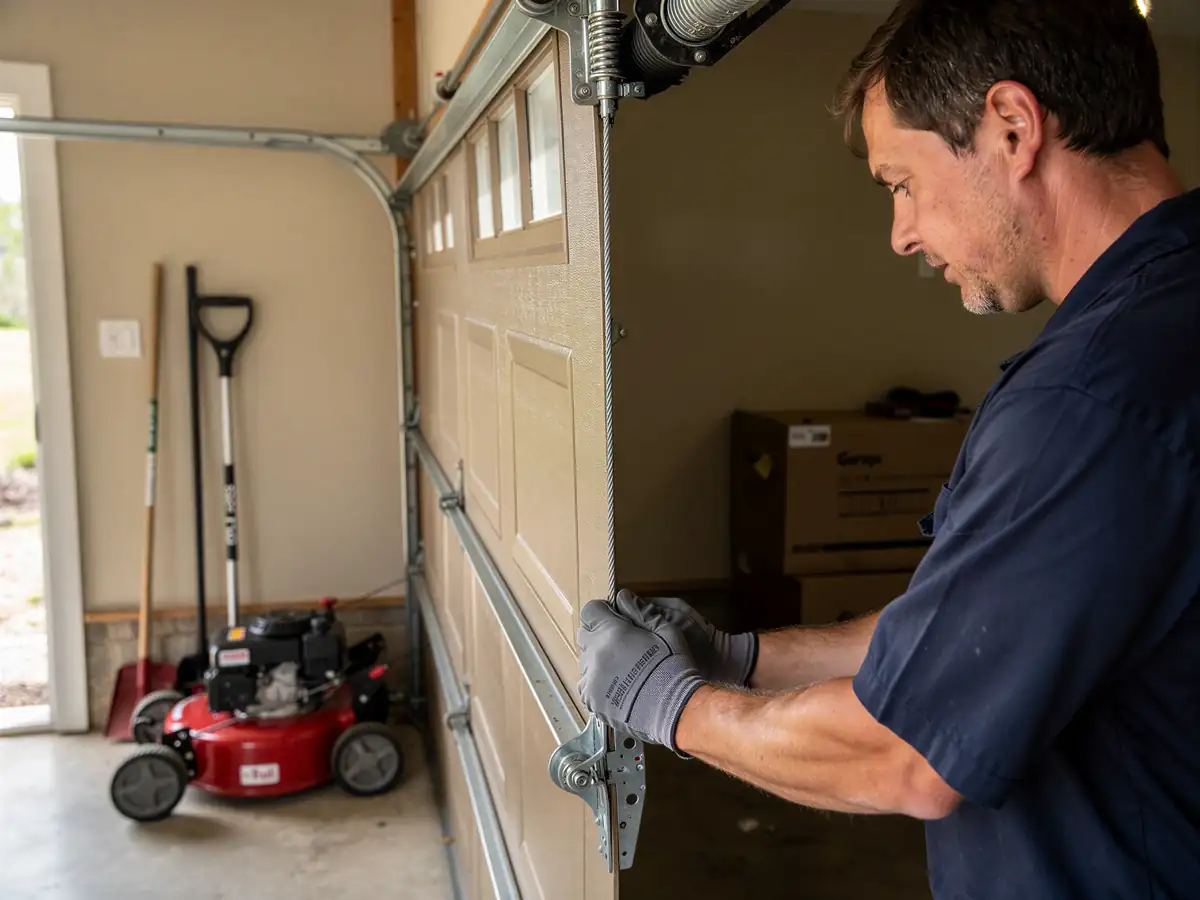
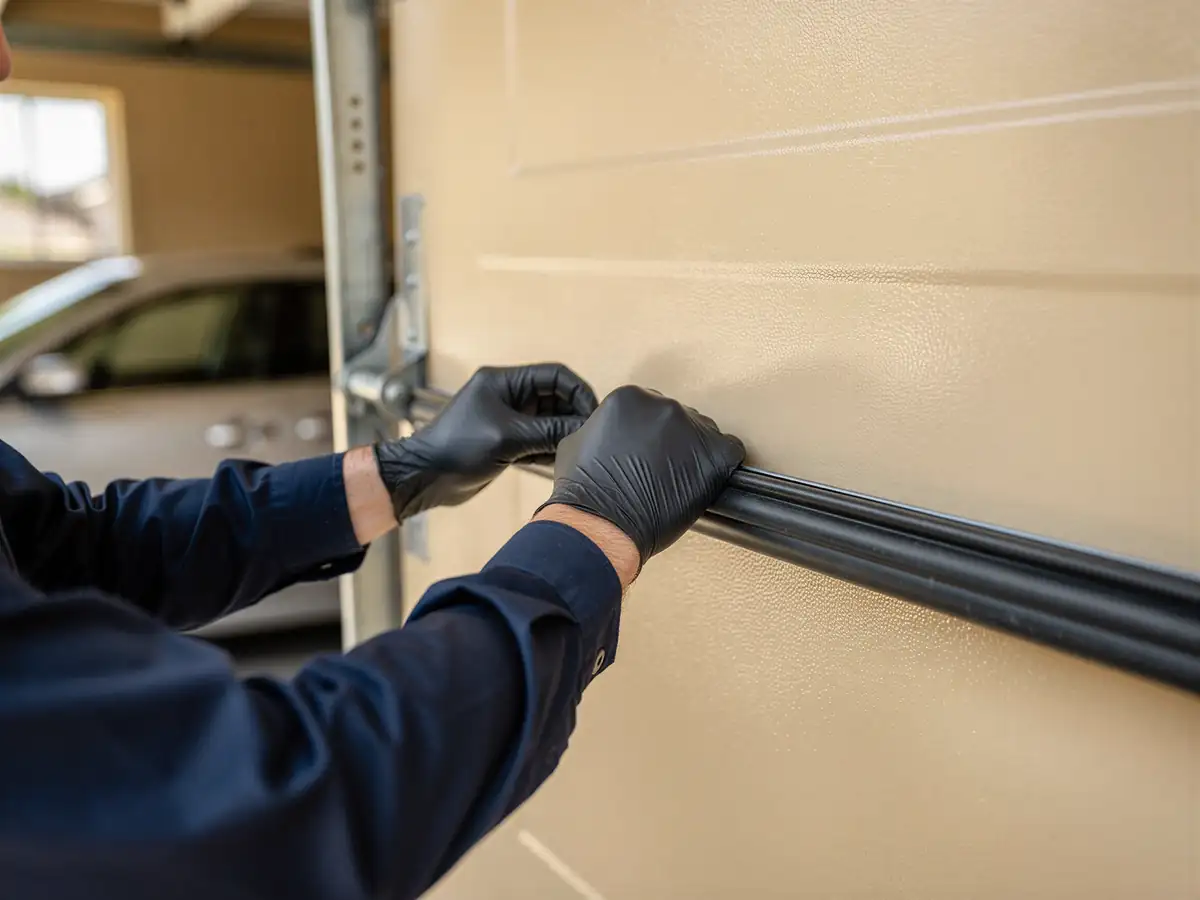
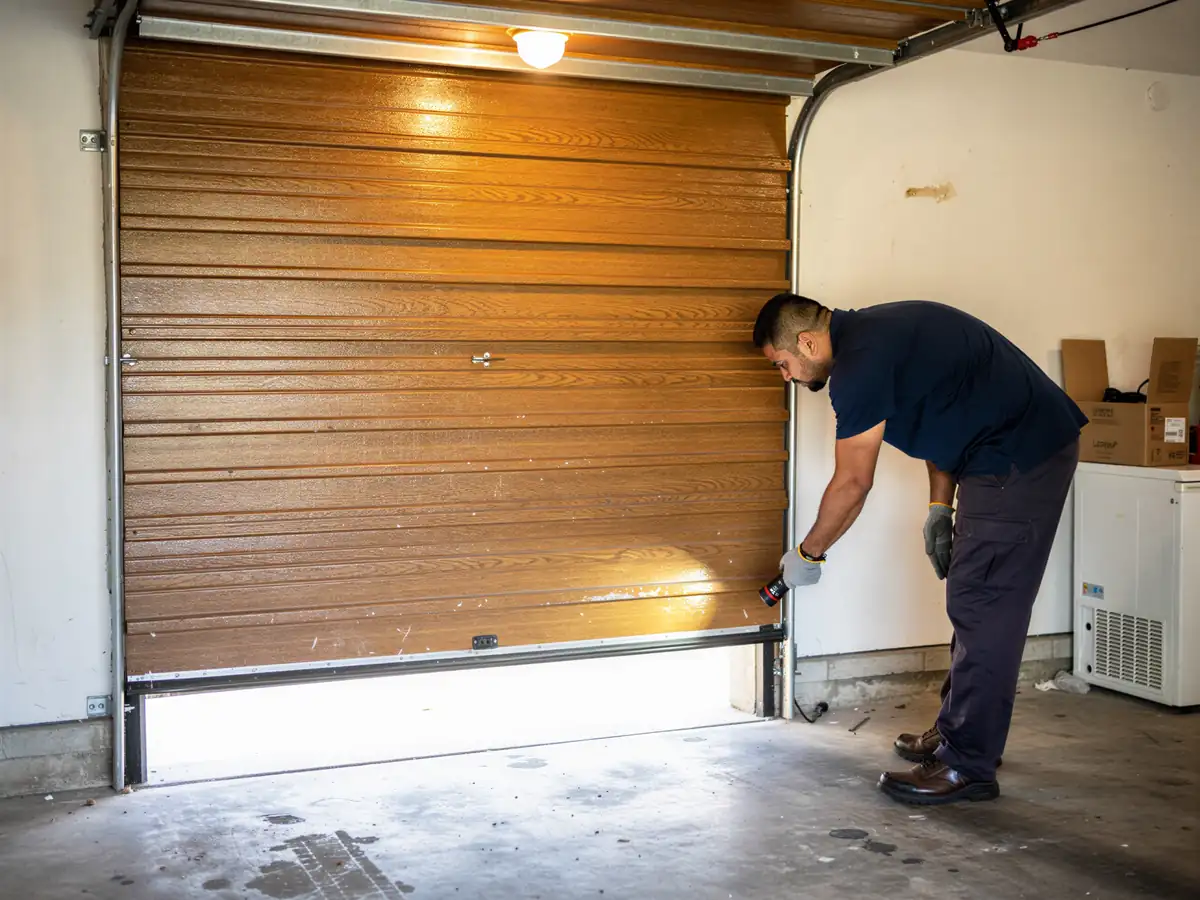
Don't touch the torsion spring. It's wound under enough tension to break a hand or worse, and that's true whether the door is five years old or fifty. You can safely check and tighten the track brackets, clear the track of debris, and lubricate rollers and hinges with a garage-door-rated lubricant - that's reasonable homeowner maintenance. You can also test the auto-reverse safety feature by placing a block of wood in the door's path and watching it reverse on contact; if it doesn't reverse, stop using the opener until it's fixed. Beyond that - spring replacement, cable replacement, drum work, anything inside the torsion assembly - call it in. We'll say plainly that a repair isn't always the right call either: on a door old enough to be near the early end of that 1952 range, replacing it can cost less over time than patching hardware that keeps failing.