Serving Shelton, CT & nearby
(475) 203-3827
Shelton, CT

The Noises Your Shelton Garage Door Is Trying to Tell You About

Shelton homes built mostly in the 1960s and 70s make specific noises as original hardware ages in our cold climate. Here's what each sound tells you.

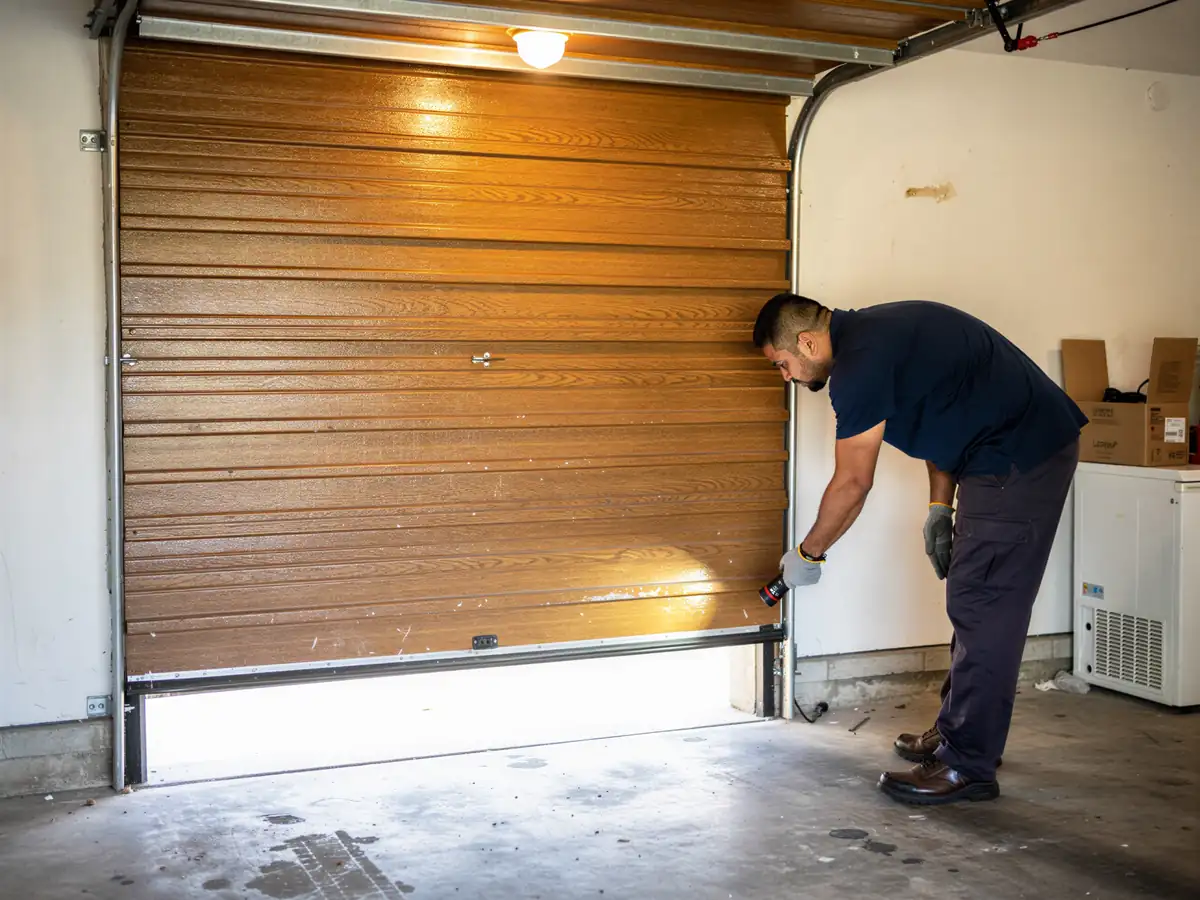
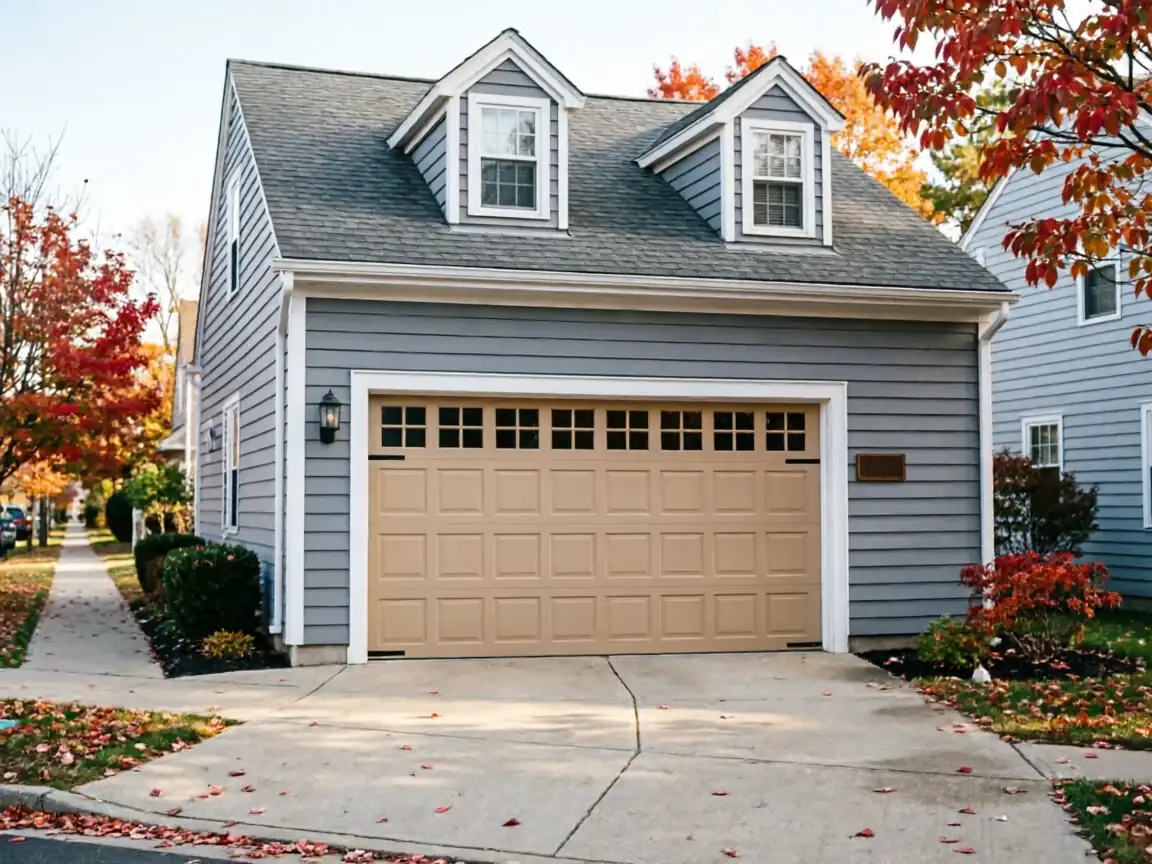
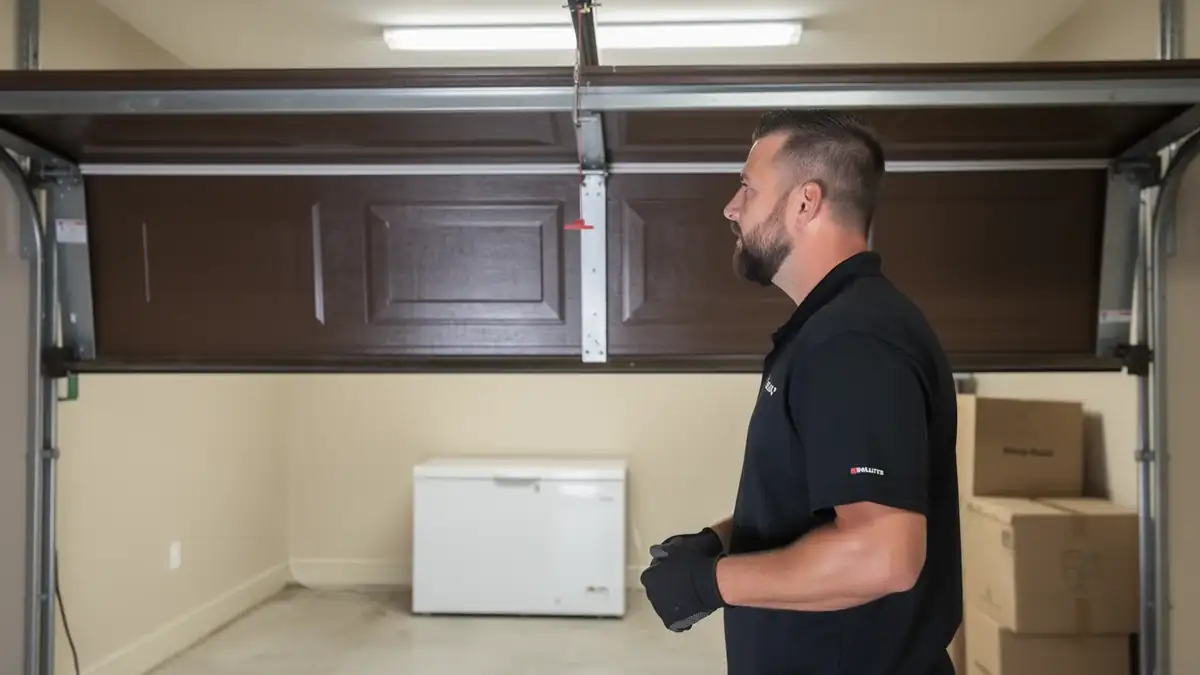
A technician stands in a garage looking at a brown garage door.

What Local Conditions Do

Most of the housing stock around Shelton went up between 1952 and 2013, with the median build year sitting at 1972. That matters because a door installed on a house from that era is running on hardware that was engineered for a different winter than the one we actually get now. Shelton sits in a cold-severe climate band, which means the steel in springs, tracks, and rollers goes through a real freeze-thaw cycle every year, not just a cold snap here and there. Across the 45 named neighborhoods and nearby areas we work in, from the older sections near downtown to the newer builds further out, that combination of age and cold shows up the same way: metal fatigues faster, grease stiffens in January, and the parts that were fine in June start complaining in November. A door that's quiet all summer and starts grinding the first cold week isn't a coincidence. It's the hardware telling you the lubricant thickened and the clearances it was built with in 1972 don't account for a steel track that's contracted in 15-degree air.

The Problem

A squeal on the way up is usually a dry roller, and on a house from the 1960s or 70s that roller has likely never been touched. Nobody greases a garage door roller as routine maintenance - it's not like an oil change, so on original hardware that's 50-plus years old, dry metal-on-metal contact is the default state, not the exception. A rattle partway through the cycle is different: that's usually a loose track bracket, and on houses from this build era the brackets were often lag-bolted into jamb framing that has since dried out and shrunk, which loosens the hold without anyone noticing until the door starts shaking. Then there's the thud - one loud bang partway through opening or closing. On a door this age, that's almost always a spring losing tension unevenly, and in cold-severe conditions the steel doesn't flex the way it did when it was new. It gets brittle at the fatigue point instead of just wearing down gradually. Each of these sounds is diagnostic, not cosmetic, and on hardware this old they tend to show up in that order - squeal, then rattle, then bang - over a season or two, not all at once.

When It Stops Being a DIY Job

A squeaky roller is a fair weekend project - clean it, lubricate it, done. A loose bracket you can often snug yourself if you can reach it safely. But once you hear that single loud bang, you're past DIY, full stop. That's a torsion spring under tension that's failing, and on a door old enough to be original to a 1960s or 70s Shelton house, the spring has absorbed five decades of exactly the freeze-thaw cycling this climate band produces. It doesn't fail gently. A spring at that stage can let go while someone is standing under the door, and the stored energy in a wound torsion spring is enough to break fingers or worse. We don't recommend homeowners touch spring tension, full stop - that's true everywhere, but it's worth saying plainly here because a lot of these doors are old enough that the spring is at or past the end of its realistic life, not just due for adjustment.

Where People Go Wrong

The most common mistake we see is treating the noise as the problem instead of the symptom. Someone sprays lubricant on a squealing roller, the squeal goes quiet for a week, and they consider it fixed - meanwhile the bracket that was never checked keeps loosening underneath it. On houses from this era, the hardware tends to fail as a system: one worn part puts extra load on the next one, and in a climate that cycles through real freezes, that load shows up faster than it would somewhere milder. The other mistake is waiting through an entire cold season on a door that's already banging, hoping it holds until spring. We'll say plainly: if your door is making that one-time loud thud, don't wait for better weather to call. And we'll also say plainly where we draw our own line - if a door's track, hinges, and spring are all original and all showing wear at once, patching one part is often just delaying the same call by a few months. Sometimes replacement is the honest answer, not another repair.
How it works

From “it’s stuck” to “it’s fixed”

A quick, honest process - no guesswork and no surprises, start to finish.

  1. 1
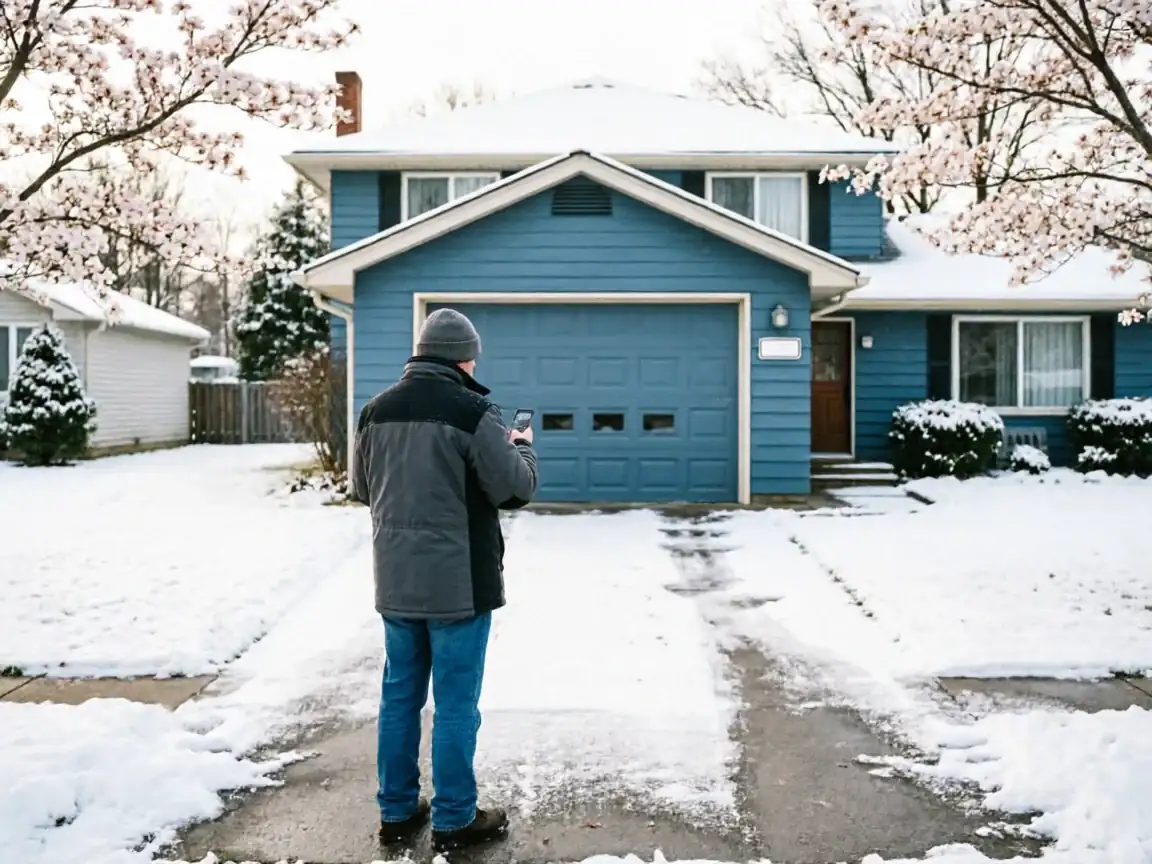
    A technician stands in a snowy driveway, looking at a blue house with a garage.

    Tell us what’s wrong

    Describe the symptom - won’t open, loud bang, opener runs but the door won’t move.

  2. 2
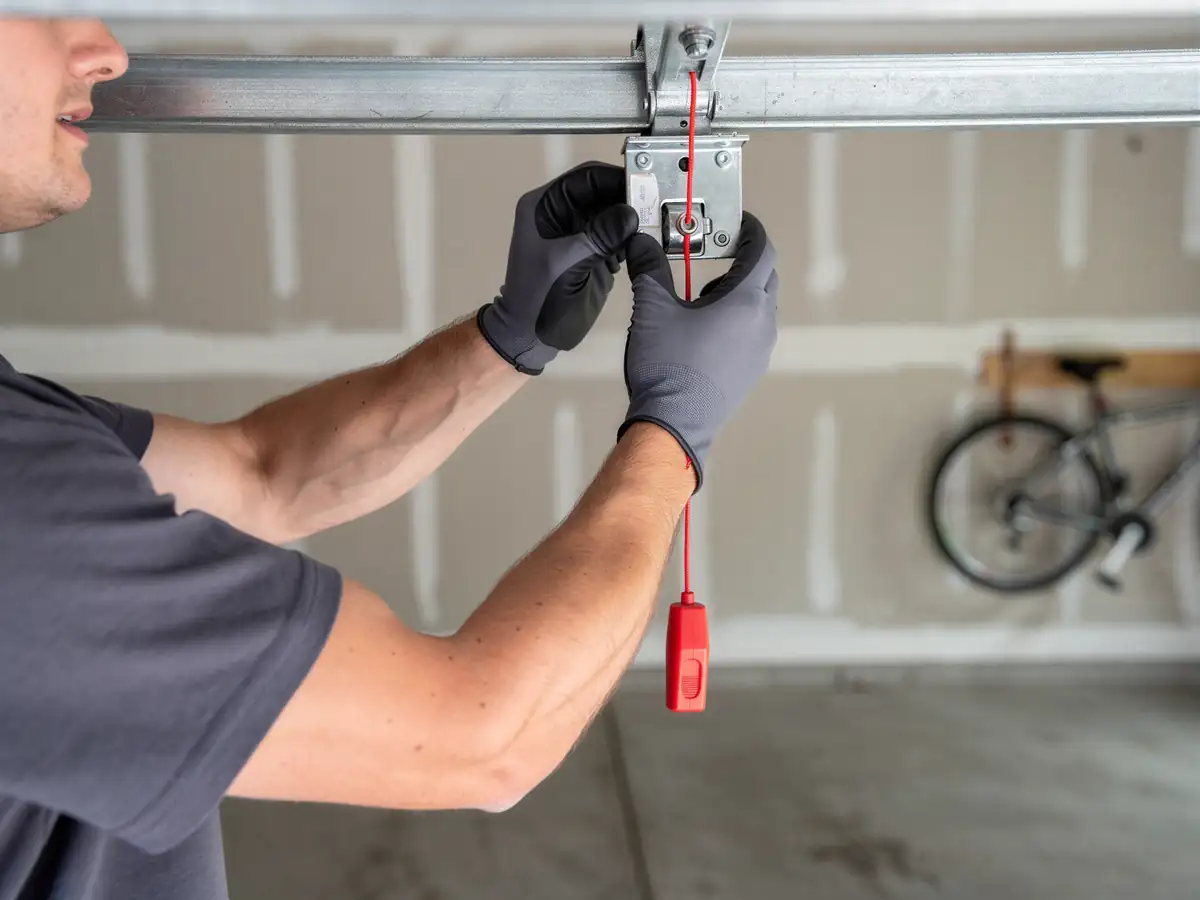
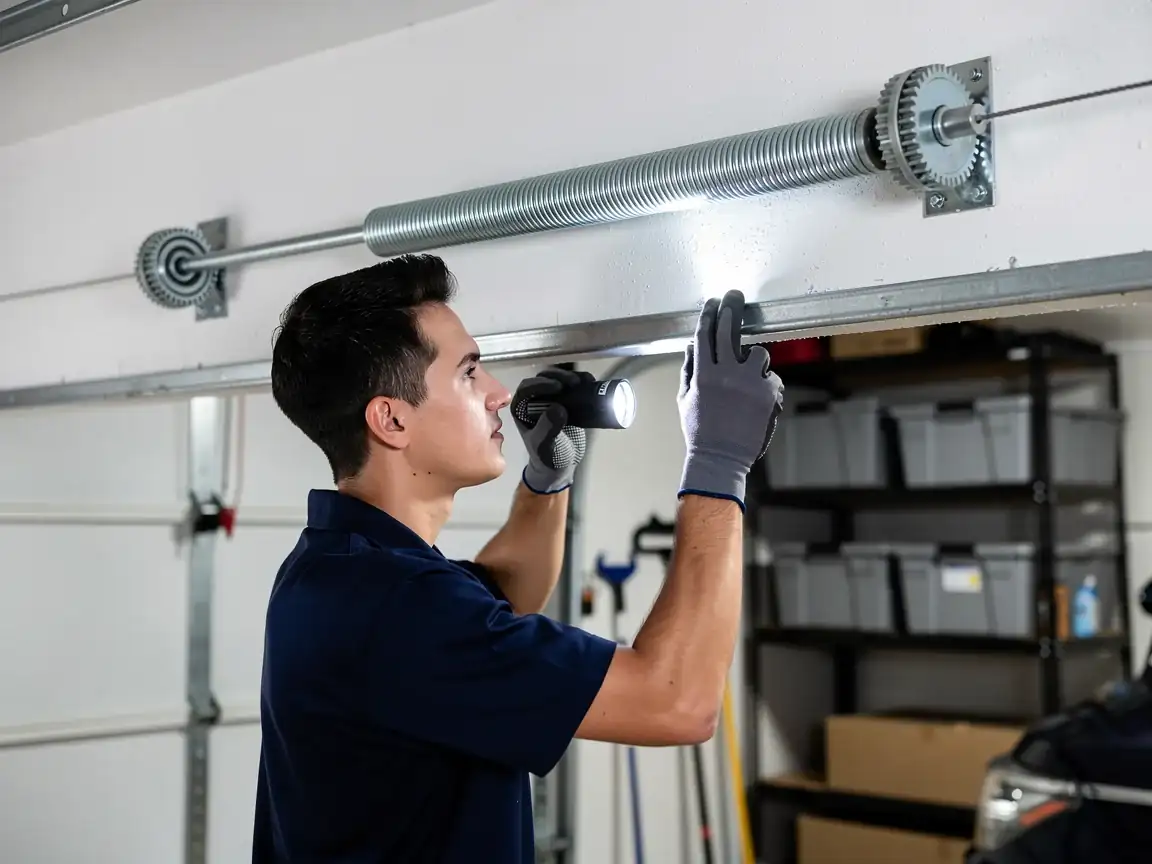
    A technician in a blue shirt and gloves inspects a garage door track with a flashlight.

    On-site diagnosis

    A technician tests the door under power and by hand and finds what actually failed.

  3. 3
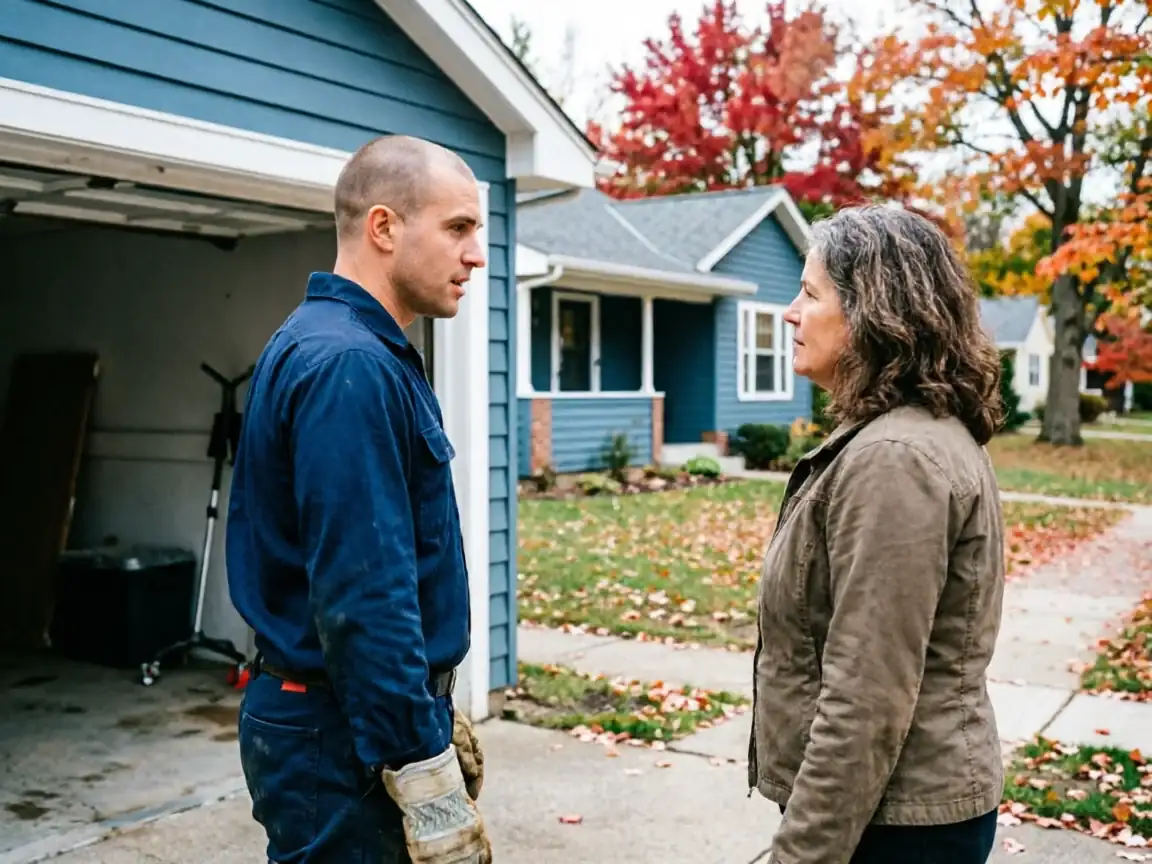
    A technician in a blue uniform talks to a woman in a brown jacket.

    Clear, up-front plan

    You get the fix that’s needed and what drives the cost - before any work starts.

  4. 4
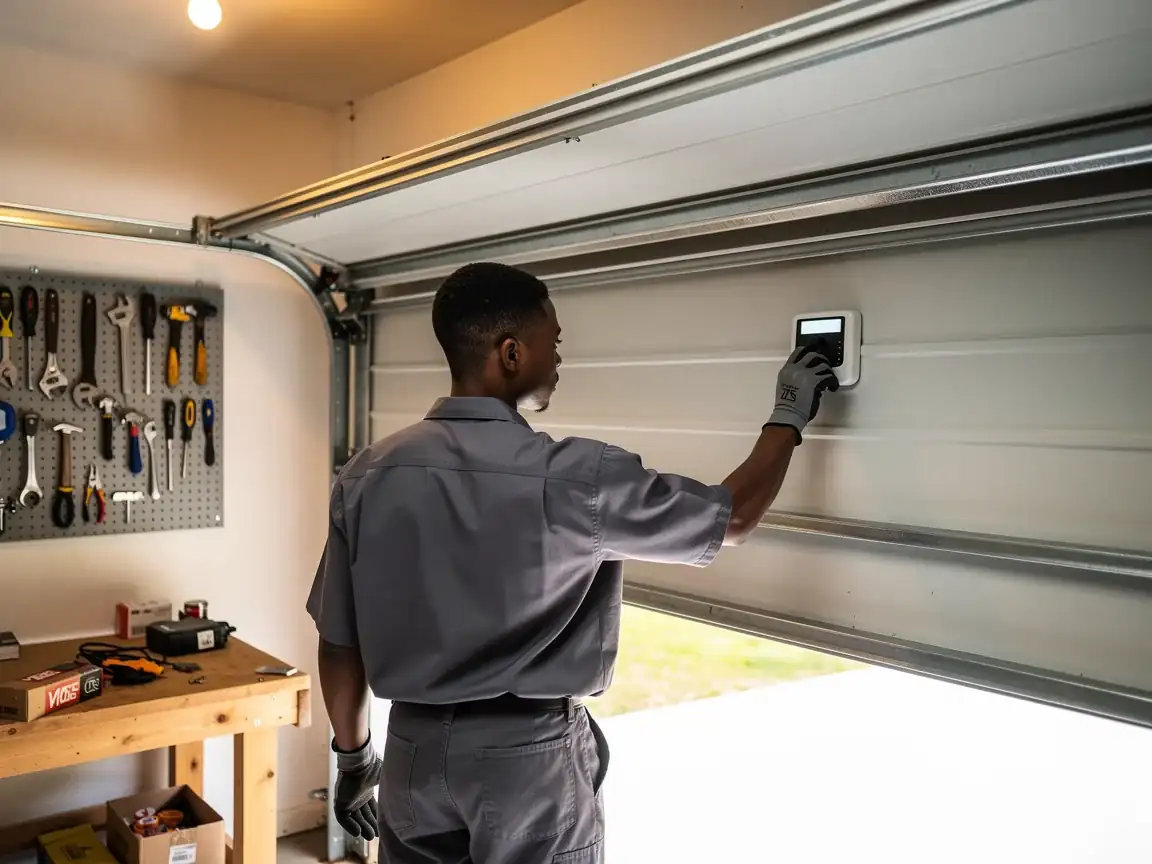
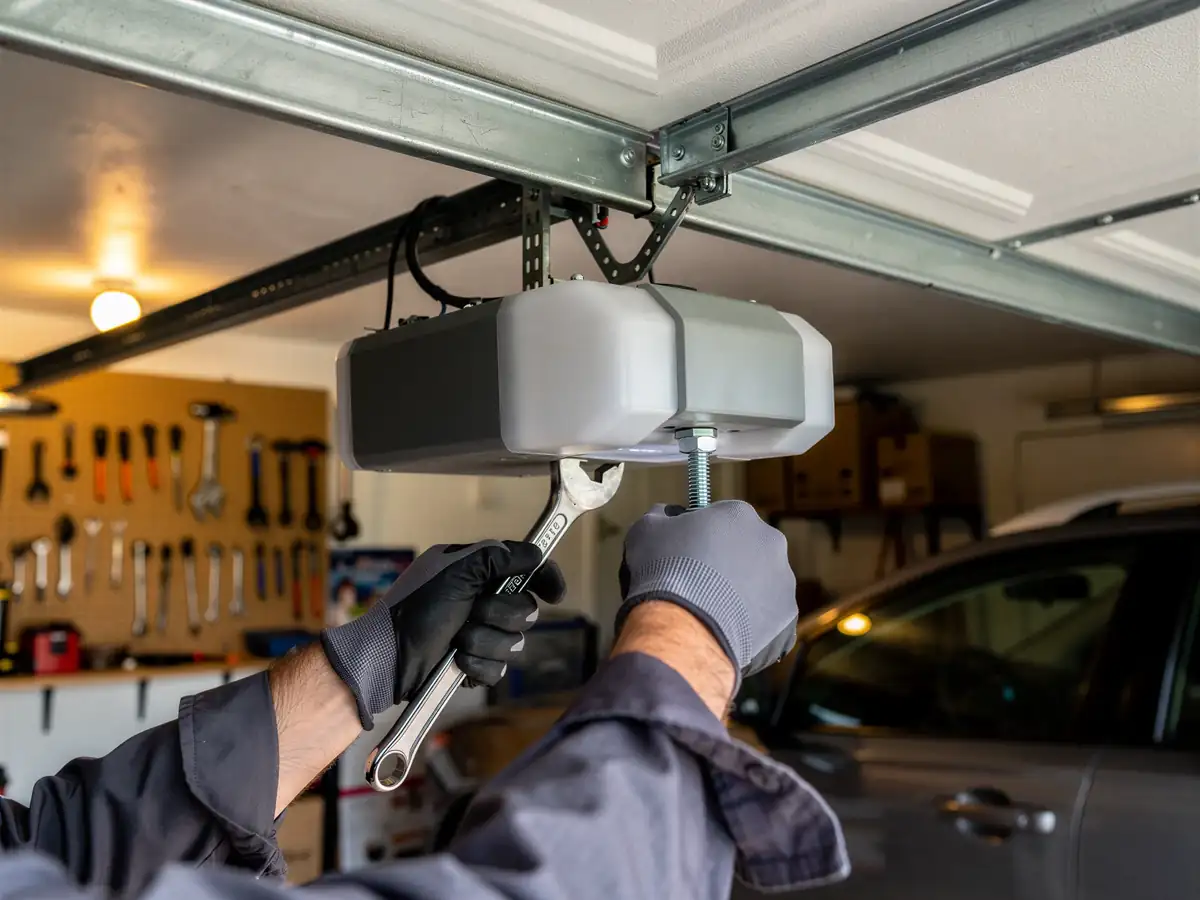
    A technician in a gray uniform adjusts a white control panel on a garage door.

    Repaired & tested

    The repair is done, the door is set true and tested, and the work area left clean.

Not sure which repair your door needs in Shelton, CT? Describe what it’s doing - every job starts with a diagnosis.

How we work

What to expect

Diagnosis firstEvery visit starts by finding what actually failed - not a pre-written parts list.
The right part for the doorSprings and openers matched to the door’s weight and age, so the fix holds up.
Straight answersWhen a repair makes more sense than a replacement - or the reverse - you hear it plainly.
Clean, careful workTension released safely, hardware set true, the door tested under power before we leave.
What we do

Garage Door Services

Repair and installation work for Shelton homes and businesses.

Questions

Frequently asked

Straight answers about garage door repair in Shelton. Still unsure? Ask us directly.

My garage door squeals every morning in winter but is fine by afternoon - is that normal?

It's common on older hardware. Cold overnight air stiffens grease and shrinks metal clearances slightly, so the first few cycles of the day are the loudest. It's not an emergency, but it's a sign the rollers are overdue for lubrication, and on a door original to a 1960s or 70s build, overdue usually means years, not months.

Is a loud bang always the spring?

Not always, but it's the most common cause, especially on original hardware from this era. A bang can also come from a cable jumping its drum. Either way, don't test the door again once you hear it - call and have it checked before running the opener another cycle.

Can I just add oil to a noisy door myself?

For rollers and hinges, yes, a light lubricant helps. Don't touch the spring or try to adjust tension yourself. On a door this old, the spring may already be near the end of its life, and working near it under tension is the one part of this job that isn't a DIY task.

Ready to get your garage door sorted?

Request a QuoteCall