What Local Conditions Do
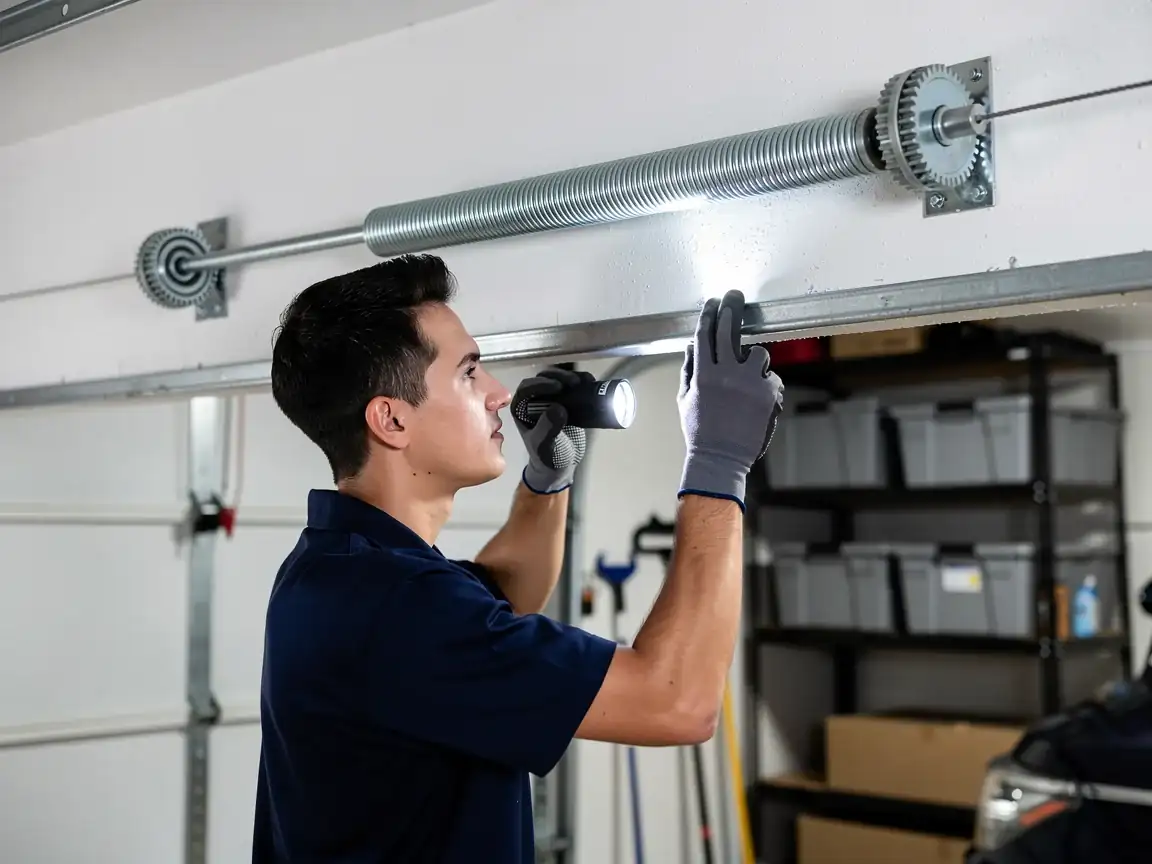
Shelton sits in a cold-severe climate band, and that shapes the first three things a technician looks at before touching a panel. Steel torsion springs lose tension faster when they cycle through hard freezes and thaws all winter, so a spring that reads fine in October can be noticeably weaker by February. Nylon rollers crack in cold they weren't built for, and galvanized lift cables corrode where ice sits on the track instead of draining off it. None of that is theoretical here - it's the reason a tech checks spring wind and cable fray before they ever ask about the opener. A door that's been sitting unused in an unheated garage through a Connecticut winter behaves differently than the same door in a mild climate, and the diagnostic order reflects that.
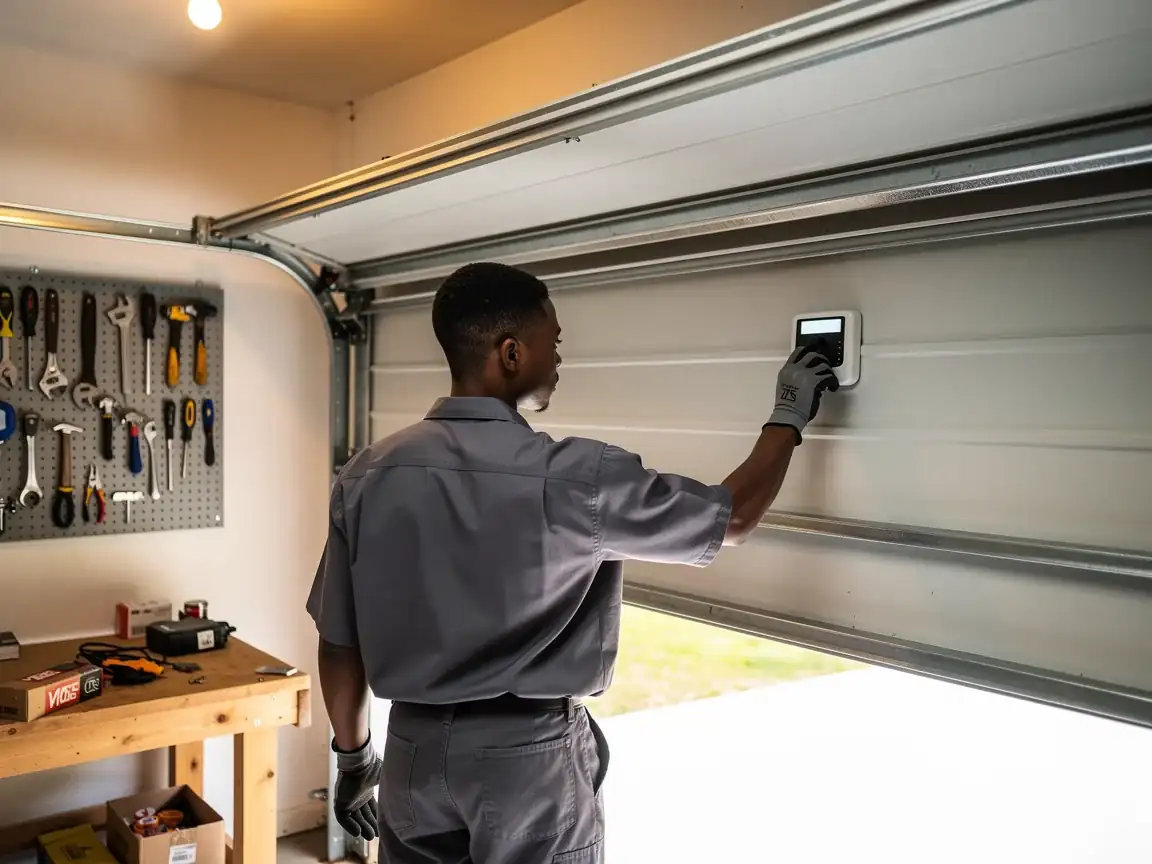
The check starts at the spring, moves to the cable and track, and only then gets to the opener and sensors. Skipping ahead to the opener because that's where the noise is coming from is how a call gets misdiagnosed. In this climate, cold-stiffened hardware masks itself as an opener problem more often than people expect.
The Problem
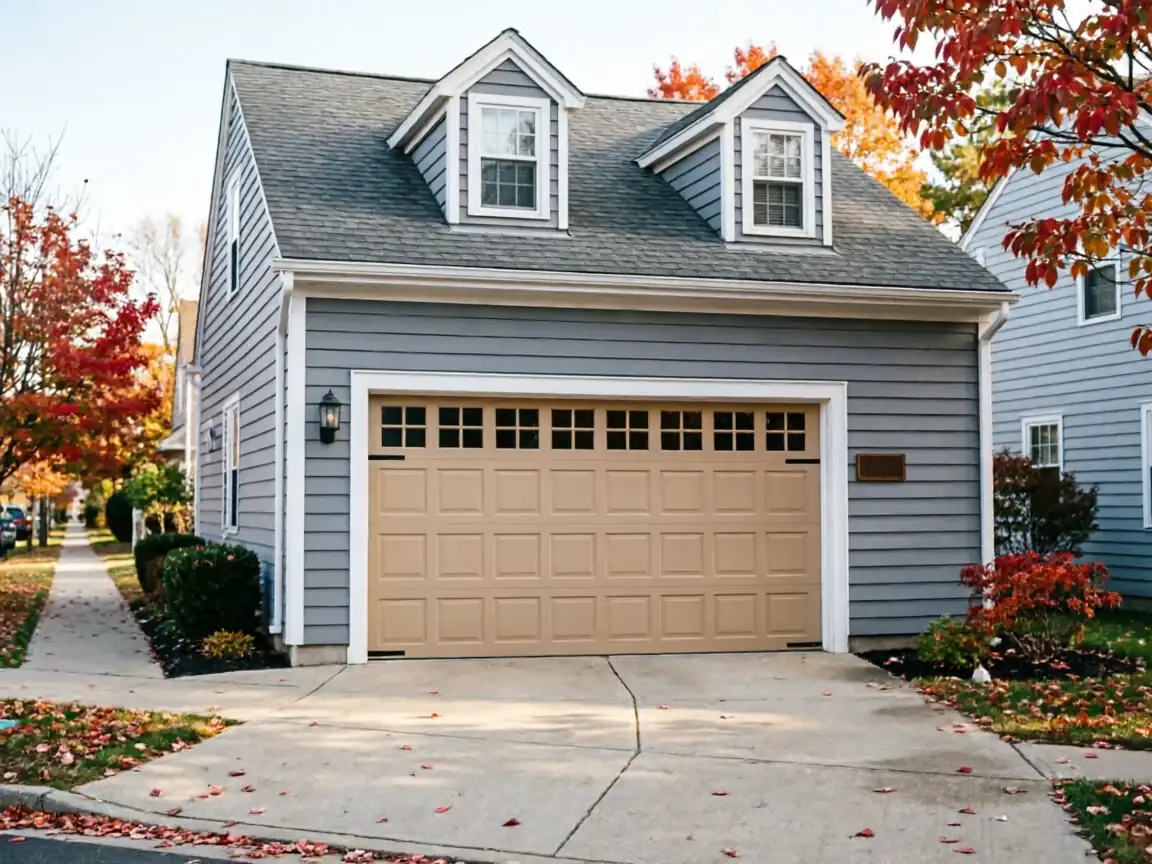
Housing in and around Shelton was built mostly between 1952 and 2013, with a median year of 1972, and the bulk of it clusters in the 1960s and 70s across the 45 named areas that make up this stretch of the Housatonic Valley. That matters because a door installed on a house from that era is very likely still running original or near-original hardware: side-mounted torsion springs, steel track with the older bracket spacing, and openers that have been swapped once, maybe twice, but on track and springs nobody touched.
The problem a technician actually runs into is parts mismatch. A homeowner orders a universal spring online, sized for a modern door, and it doesn't match the wind or wire gauge the 1960s-era bracket was built around. The door binds, or the spring overloads and fails again in a year. Checking the age and type of hardware first - not just the symptom - is what keeps a repair from turning into a second service call three months later.
When It Stops Being a DIY Job
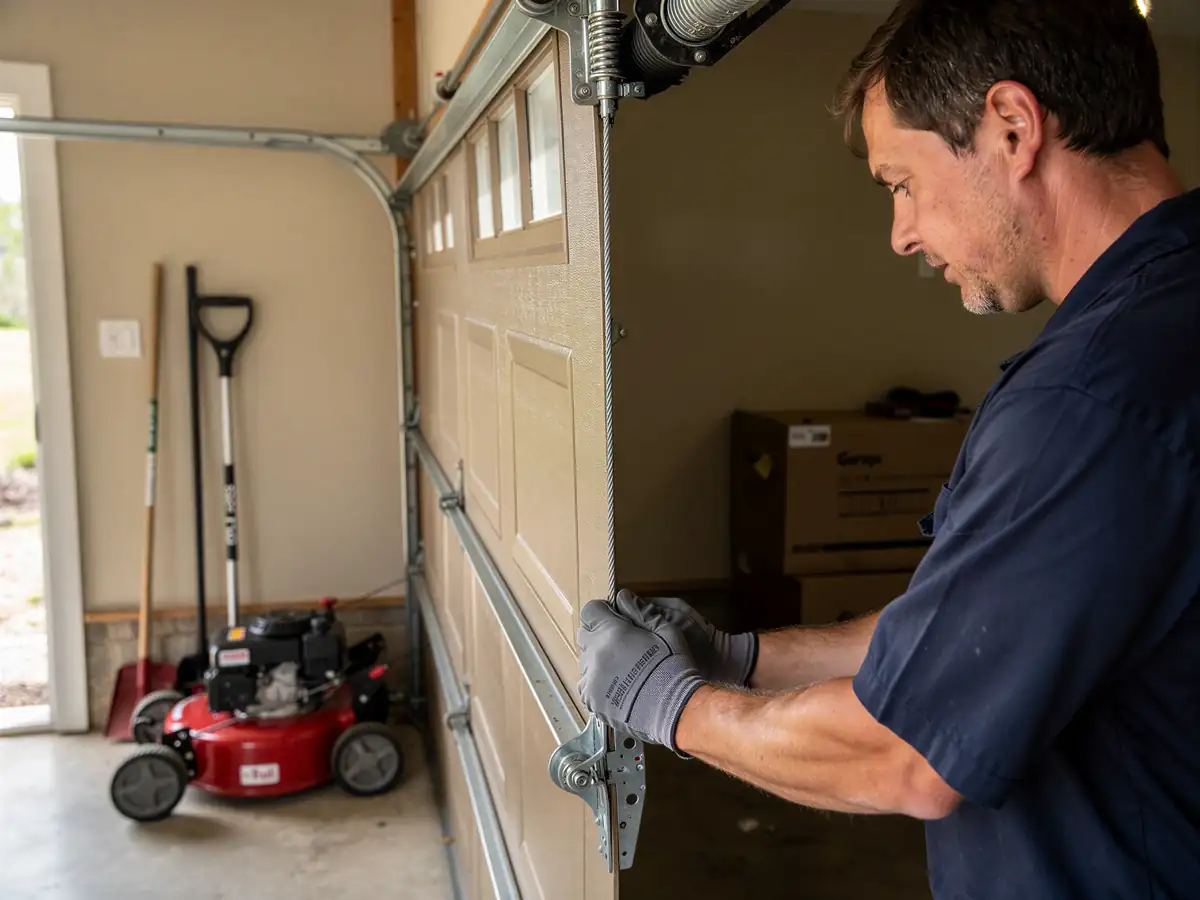
A torsion spring under tension can break a hand or worse
And that risk doesn't change based on how handy someone is. What changes the calculus here is hardware age. On a door original to a house built in the 1960s or 70s, the spring, the winding cone, and sometimes the center bracket have been under load for fifty-plus years without ever being replaced as a matched set. Winding down a spring like that with a cheap winding bar, or guessing at the turns because a video said so, is a different risk than doing the same job on five-year-old hardware with known specs stamped on the spring.
Track alignment is the other line
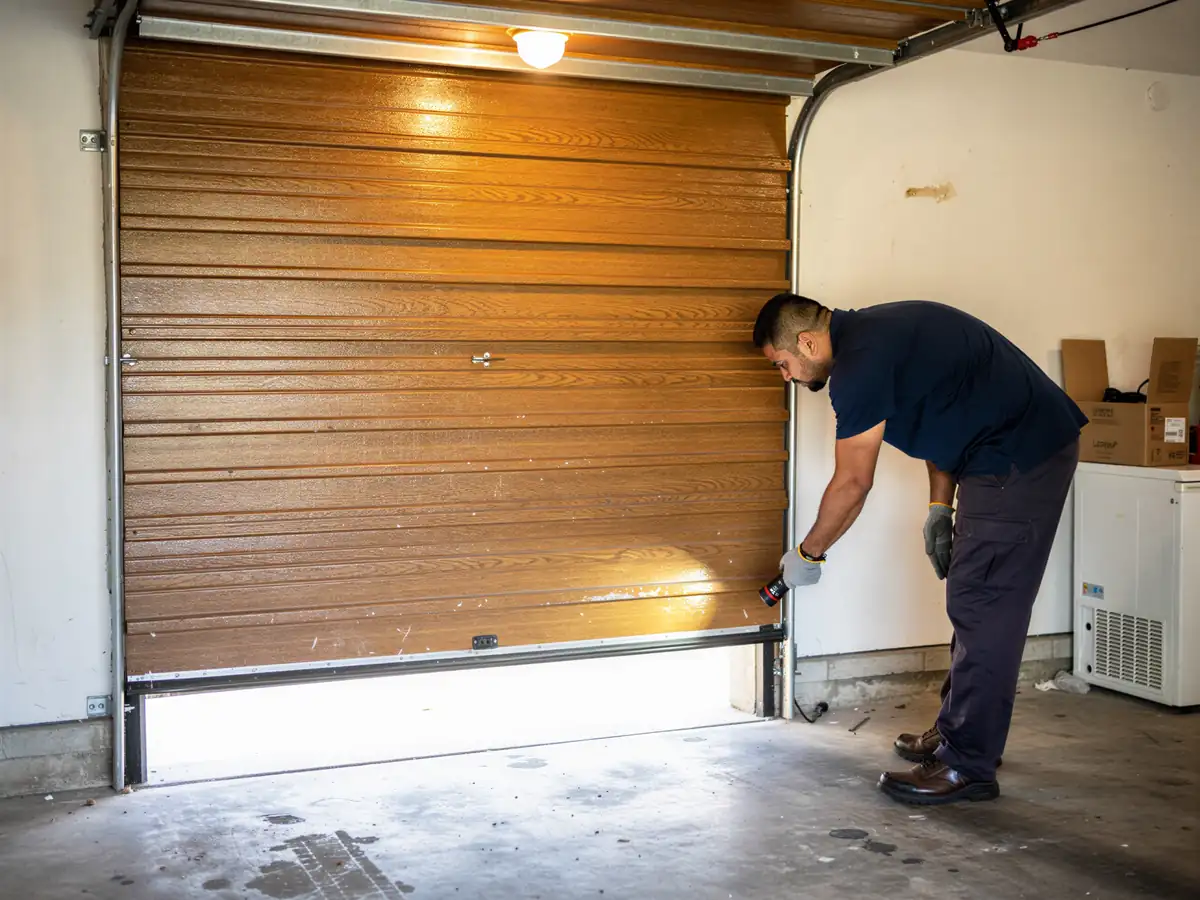
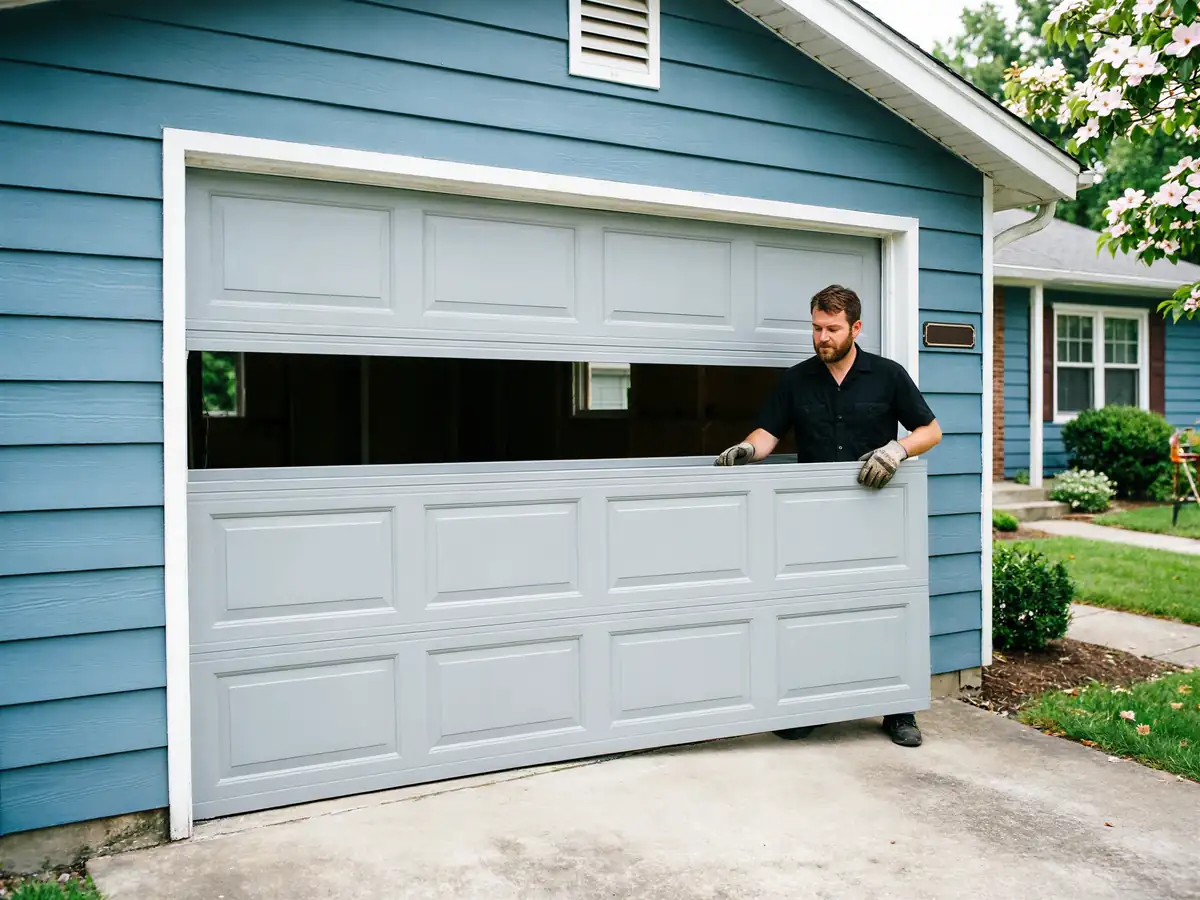
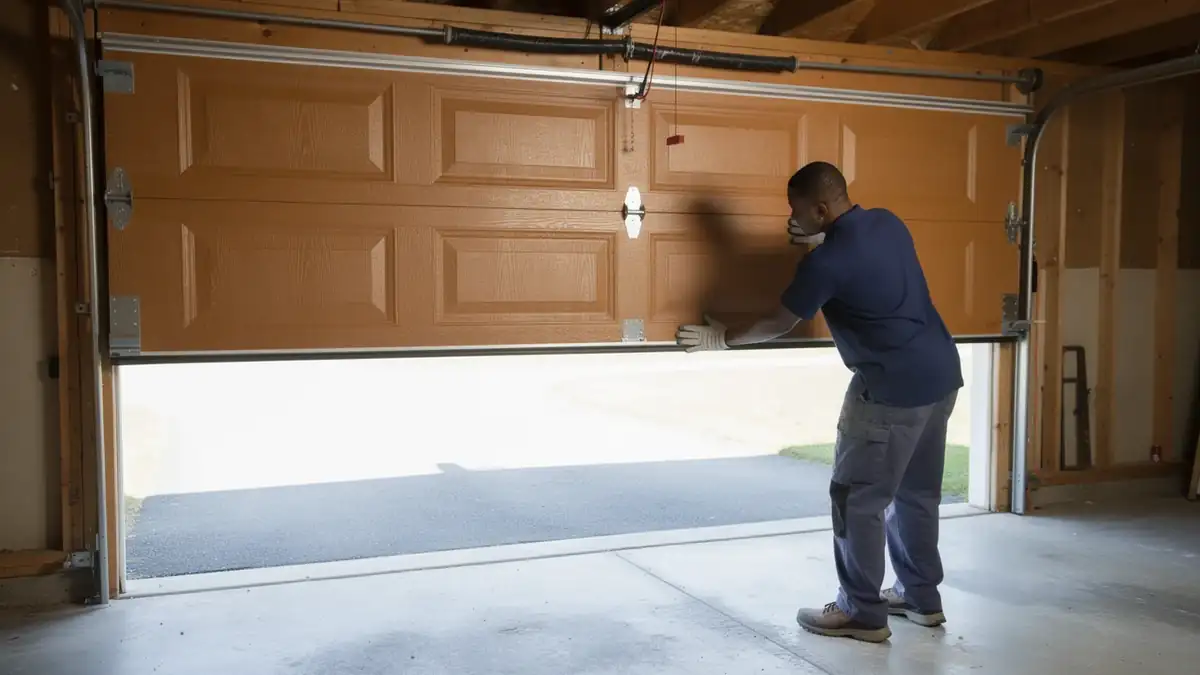
If the door has ever come off track - common on older steel track that's been knocked by a car bumper or warped by cold - realigning it without the right clamps can snap a cable under tension. A technician checks the spring date, the cone condition, and the track gap before recommending anything. If any of those three look original to a pre-1980 install, that's the point where this stops being a weekend project and becomes a call.
Where People Go Wrong
The service area runs 215,330 households and 131,457 owner-occupied houses, with median household income at $130,180 - and that income level means a lot of homeowners default to replacing the whole door when a repair would have done the job, or the reverse, patching a door that's past the point of patching. Both mistakes come from skipping the same step: actually inspecting what's original versus what's been replaced before deciding.
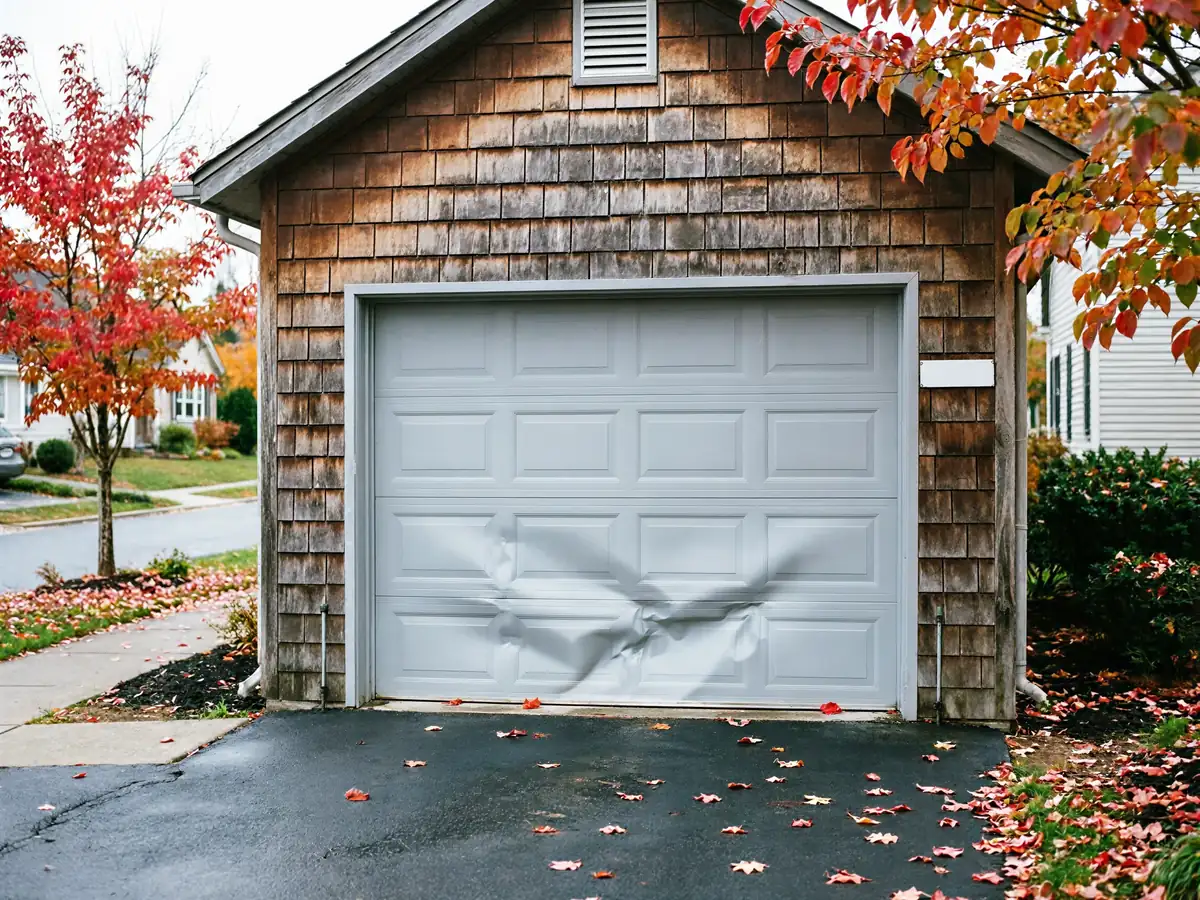
The other common error is buying parts sized for a newer door and forcing them onto older track. It fits just well enough to install, and fails within a season. We won't tell you a repair will last if the bones underneath it - the track, the bracket spacing, the header - are too far gone; sometimes a full door replacement really is the honest answer, and we'll say so rather than keep billing for patches on hardware that's done.