Older vs Newer Streets
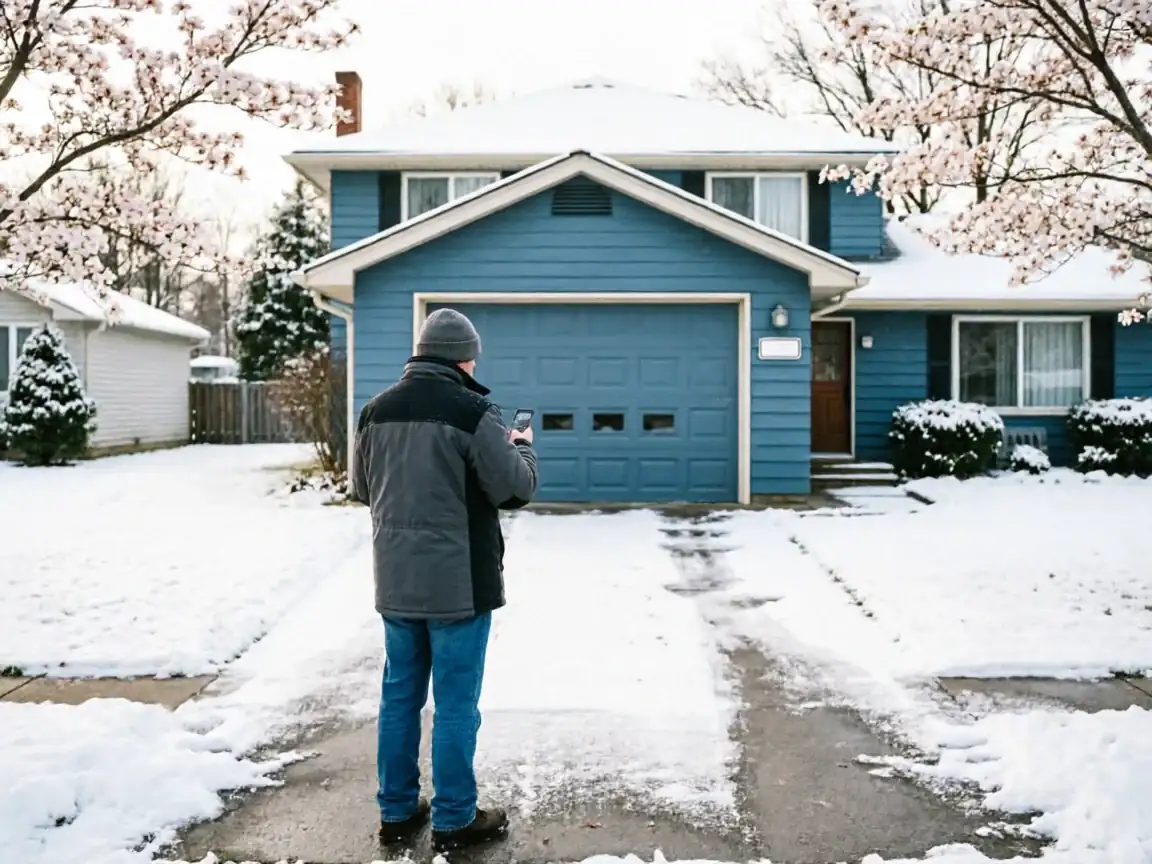
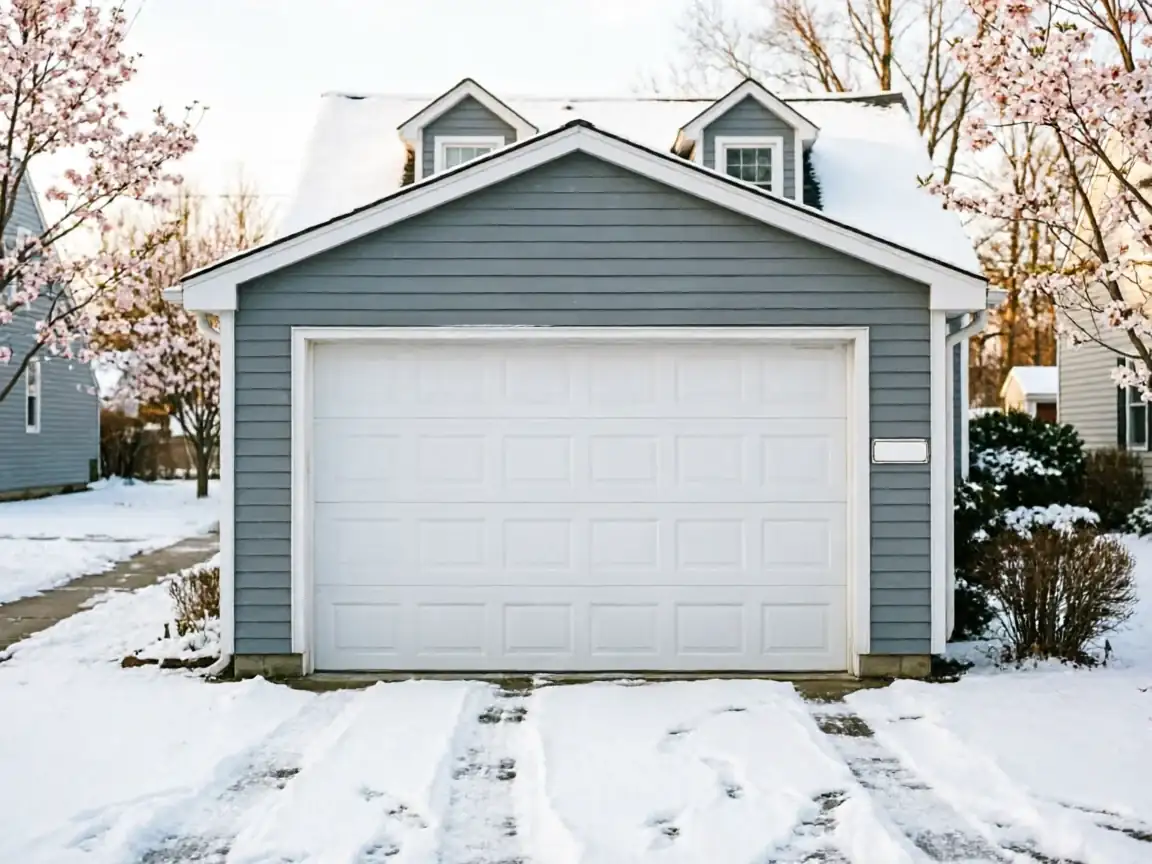
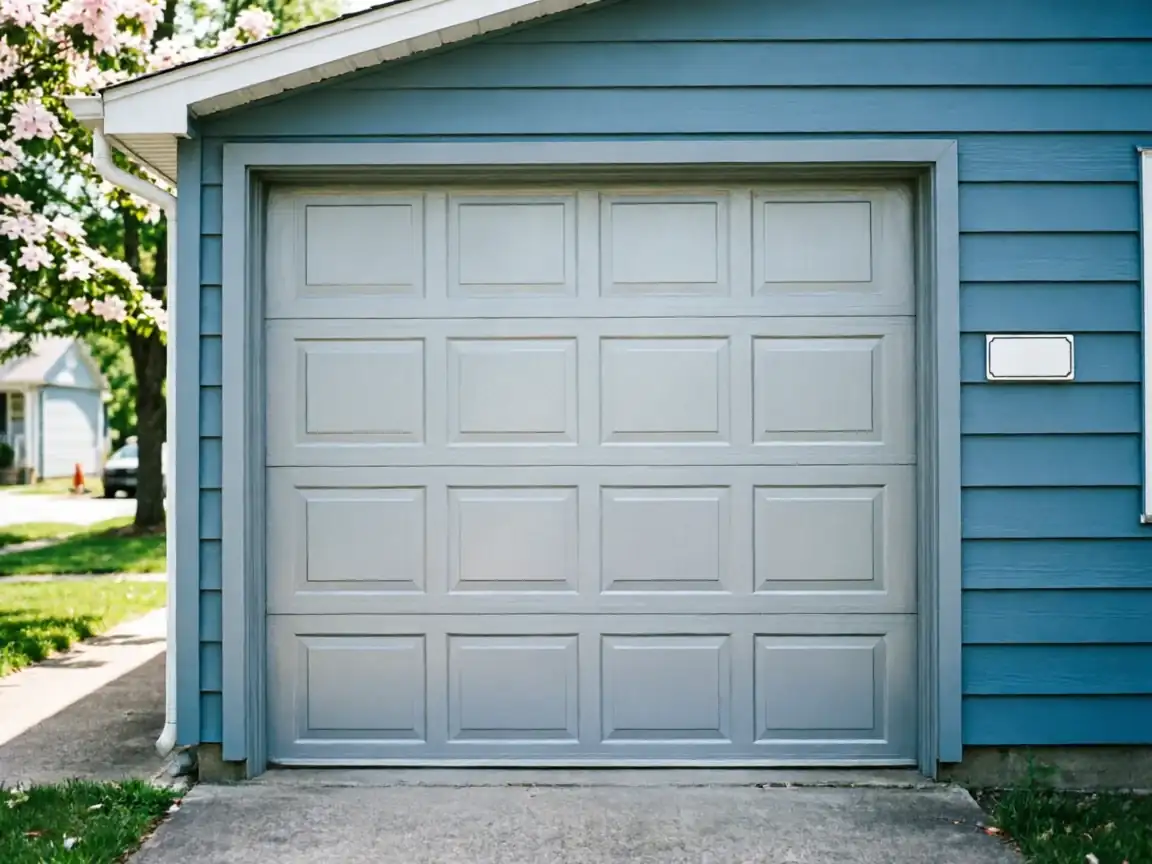
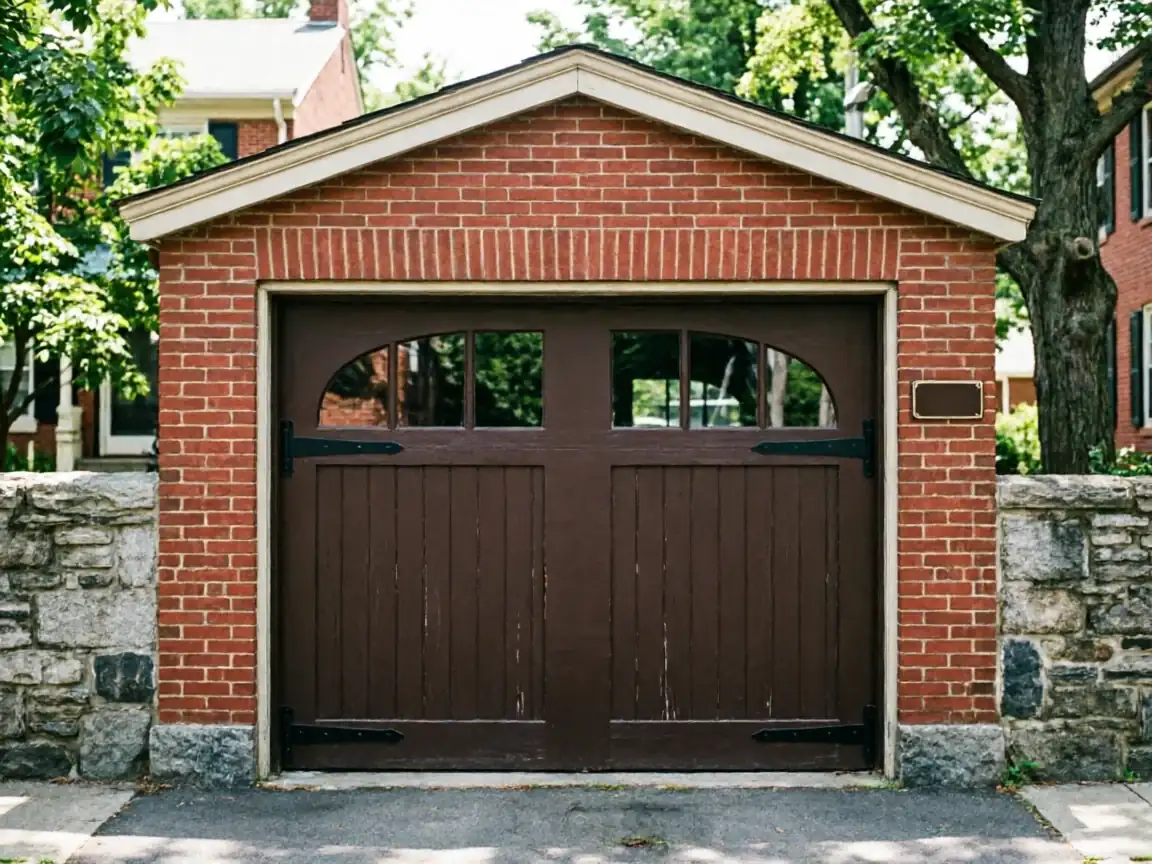
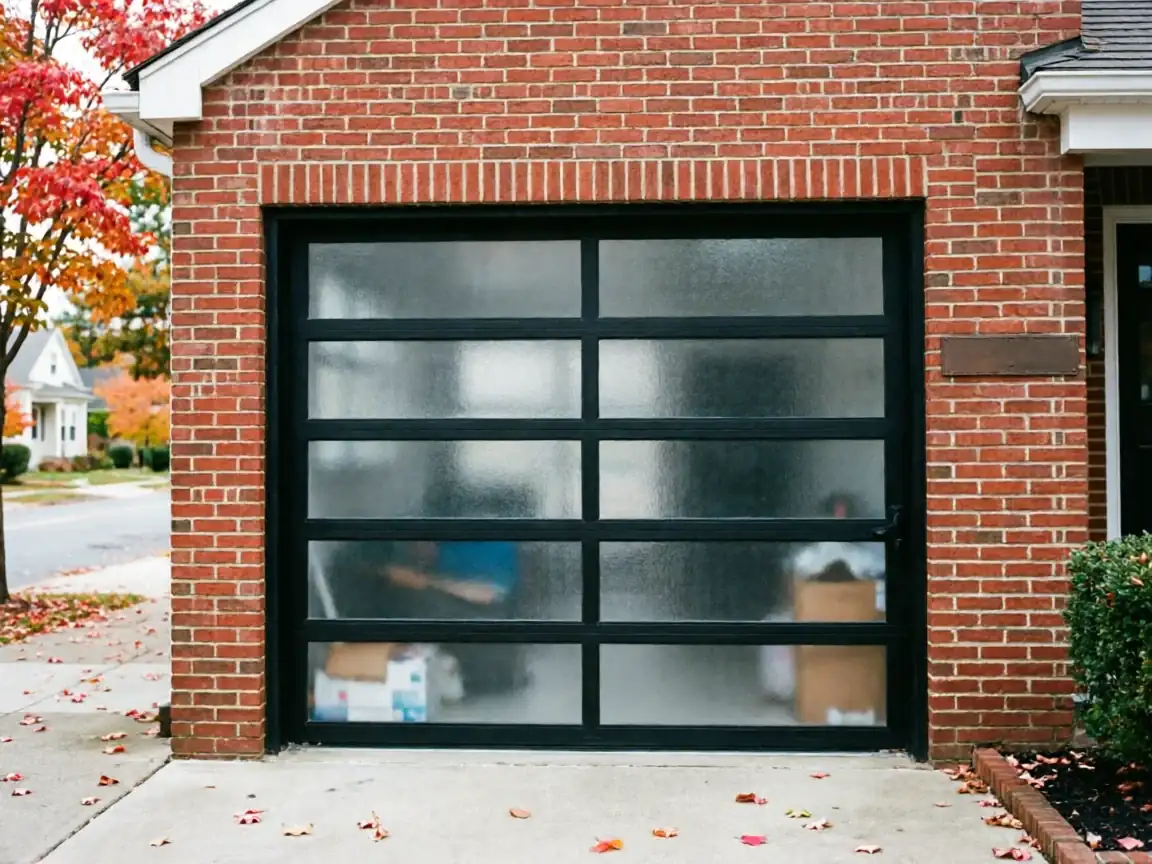
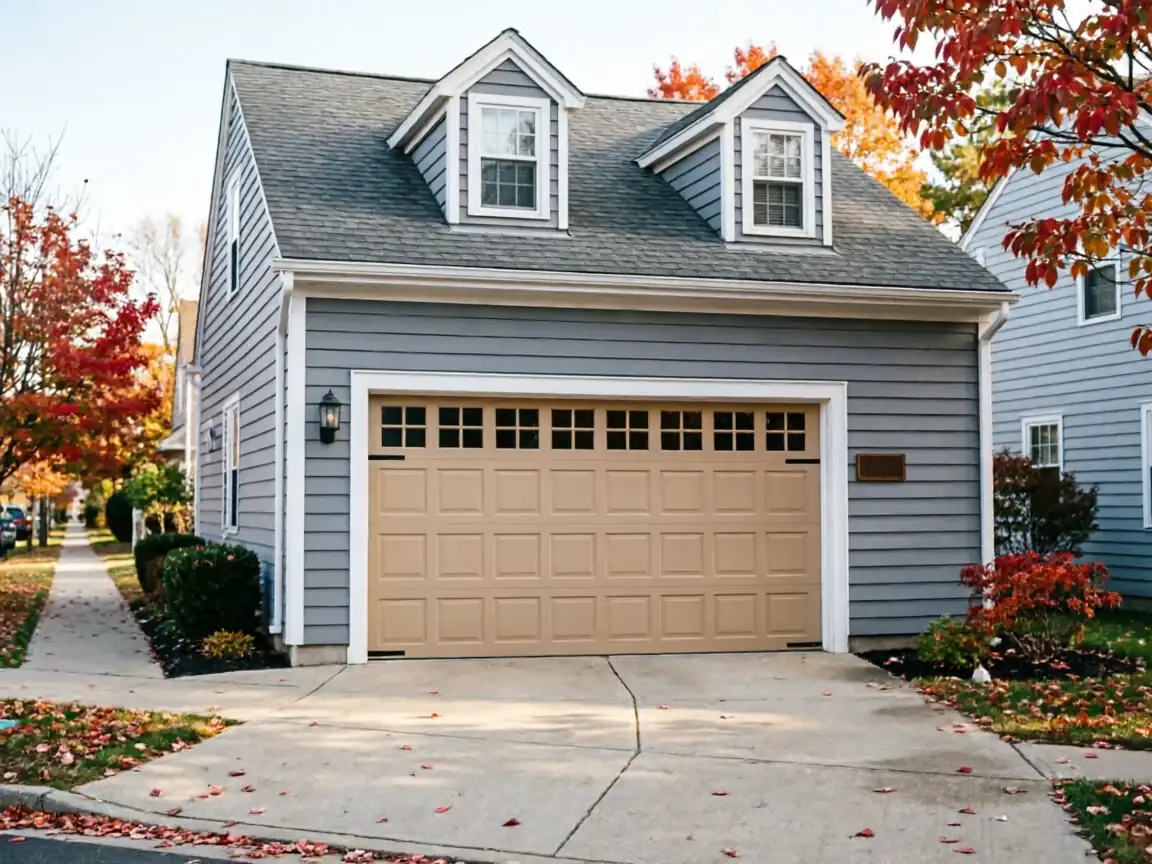
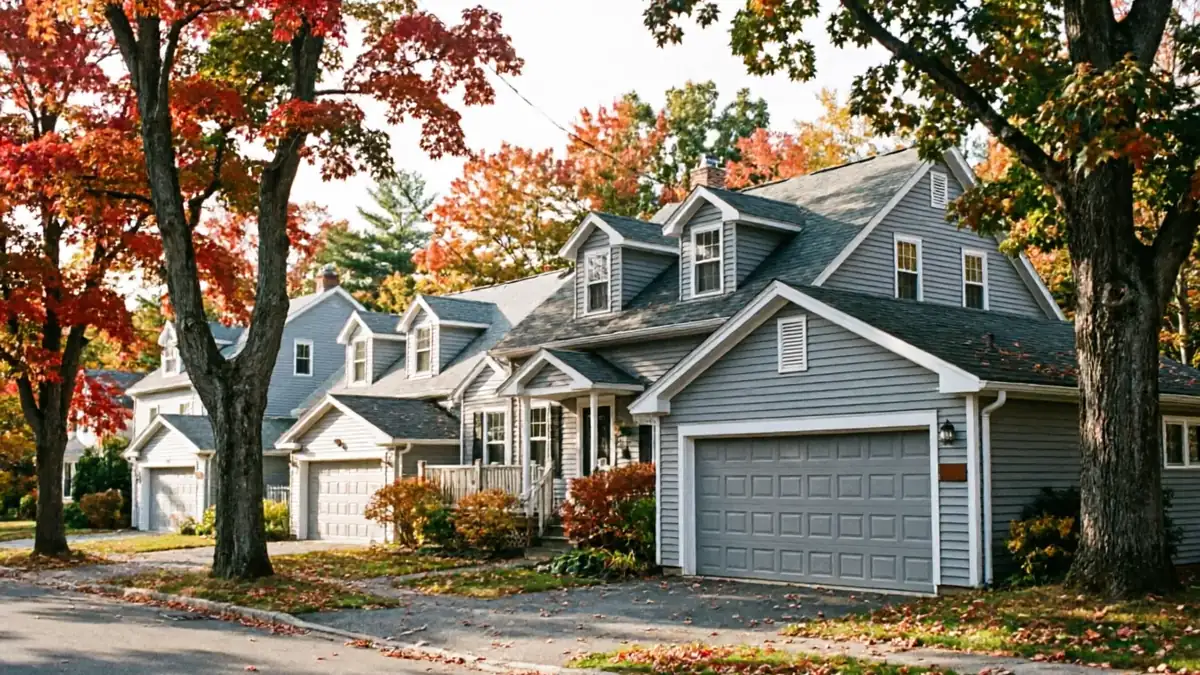
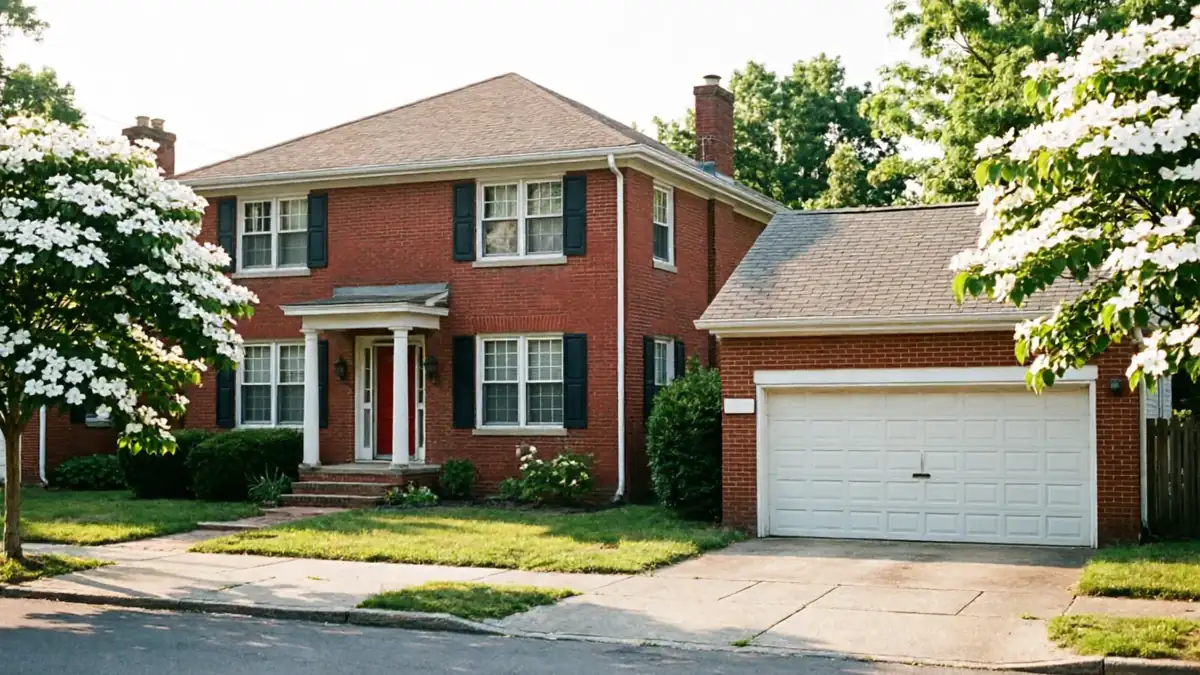
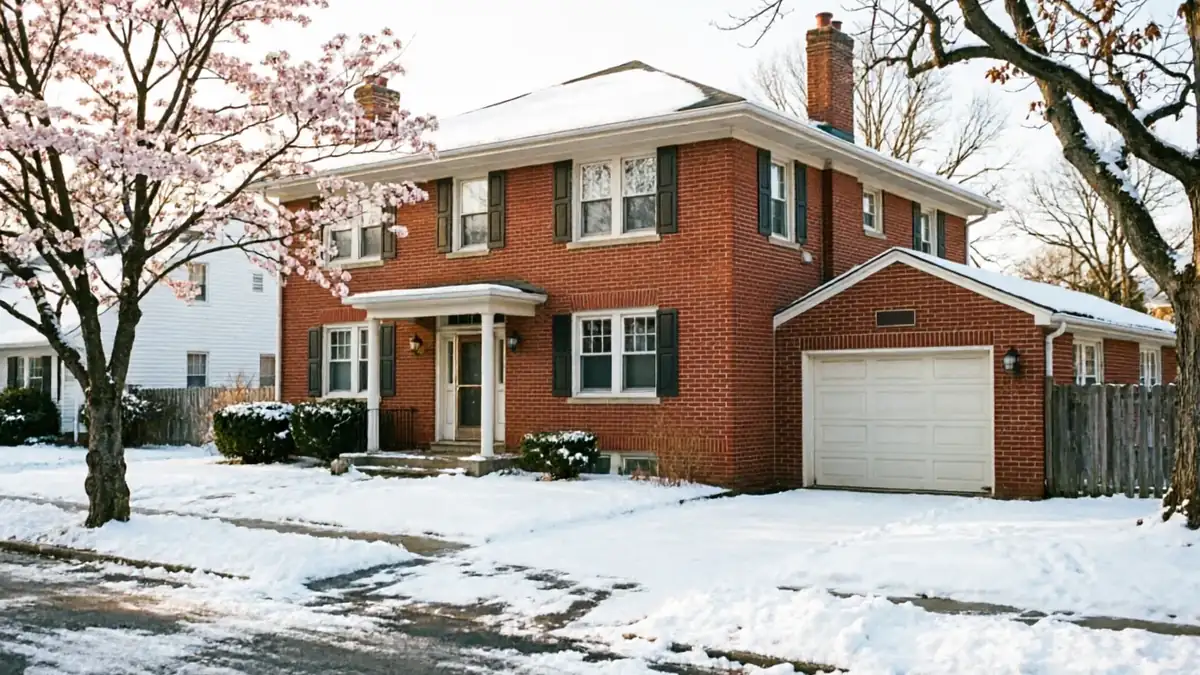
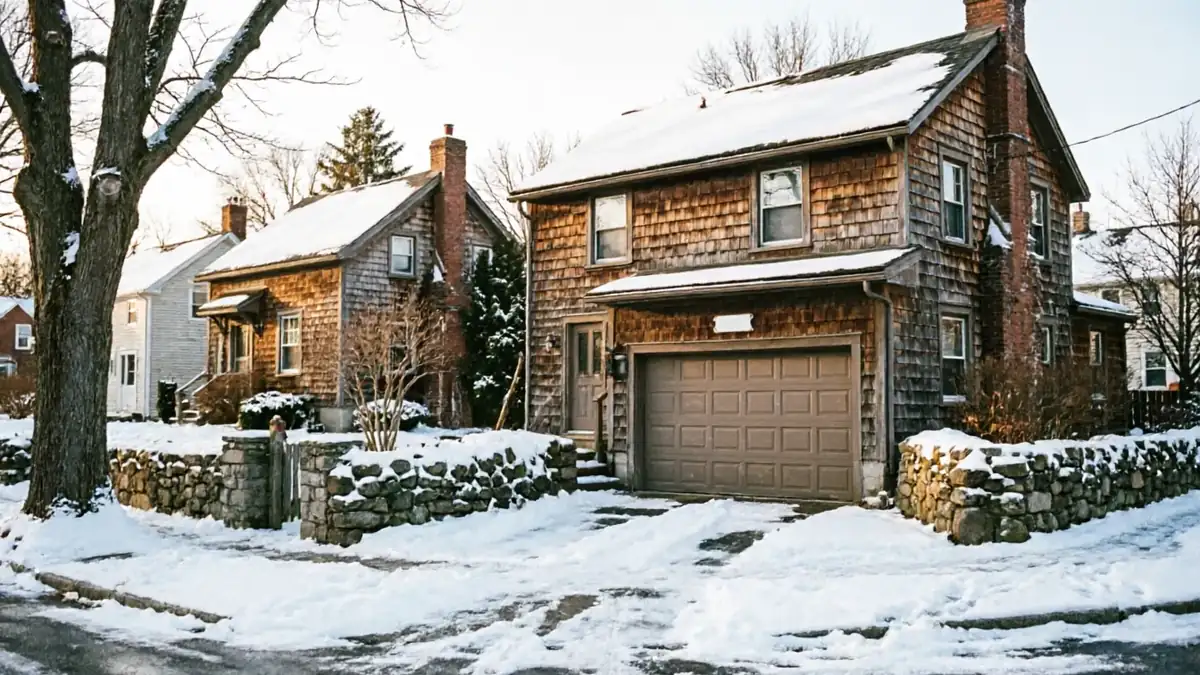
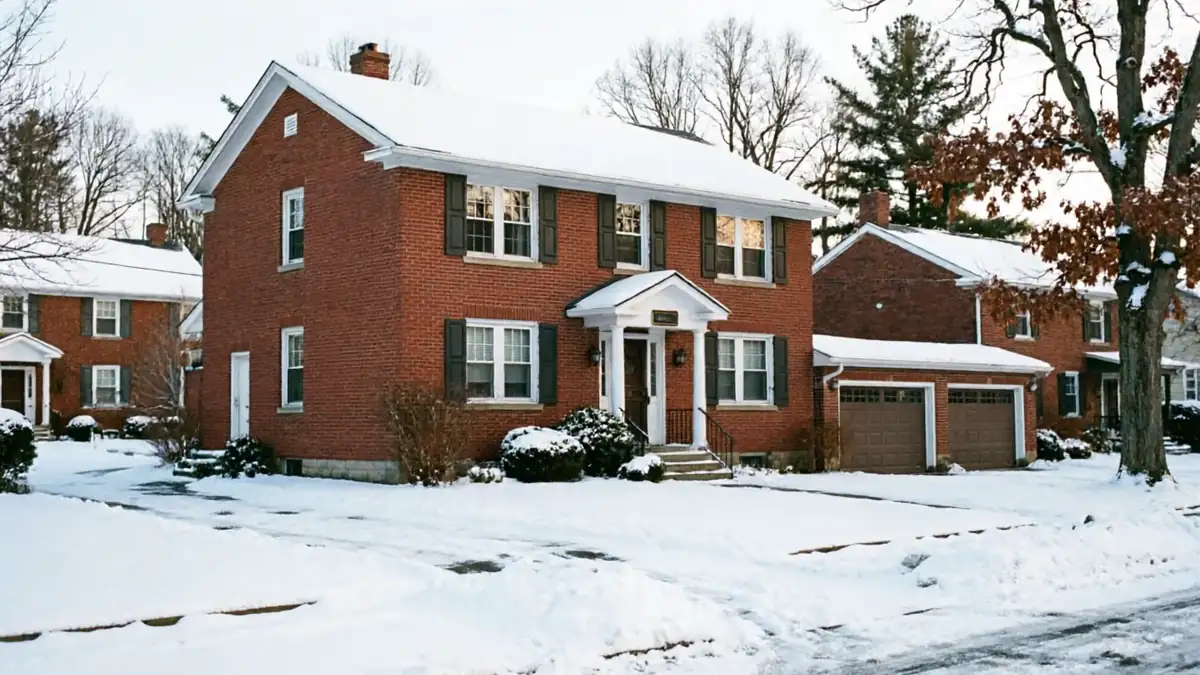
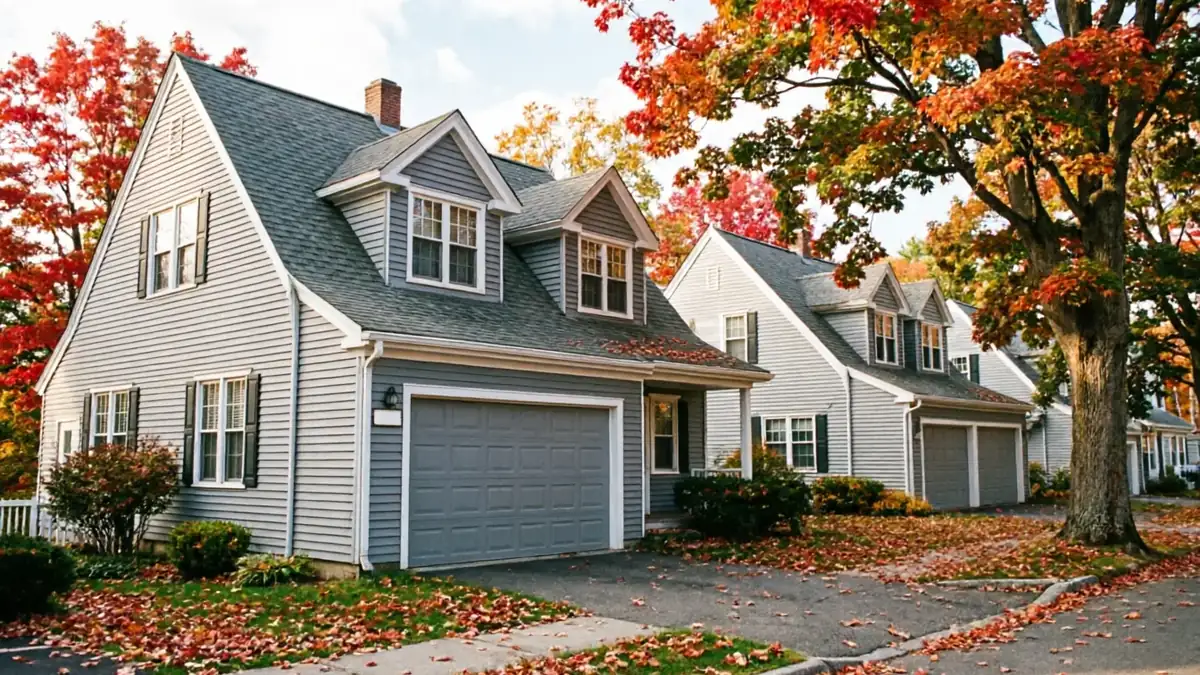
Oxford isn't one era of construction. You'll find pockets that go back further, but the town's median year built lands around 1986, which puts a big share of the housing stock well past the postwar boom that shaped a lot of this region. That's a different starting point than Shelton itself, where the broader service area's housing runs older on average, with a median closer to 1972 and stock concentrated in the 1960s and 70s. In Oxford, more houses were framed with wider garage bays already standard, double-car attached garages built in from the start rather than added on, and factory steel doors instead of the wood or early-steel panels you'd expect on a 1960s build. That shifts what breaks and what we're called out for. We still see some older sections with the heavier, older torsion setups, but they're the exception here, not the rule. Knowing which decade a street went up tells us more about the door before we even see it than the listing photos do.
What Was Built Here
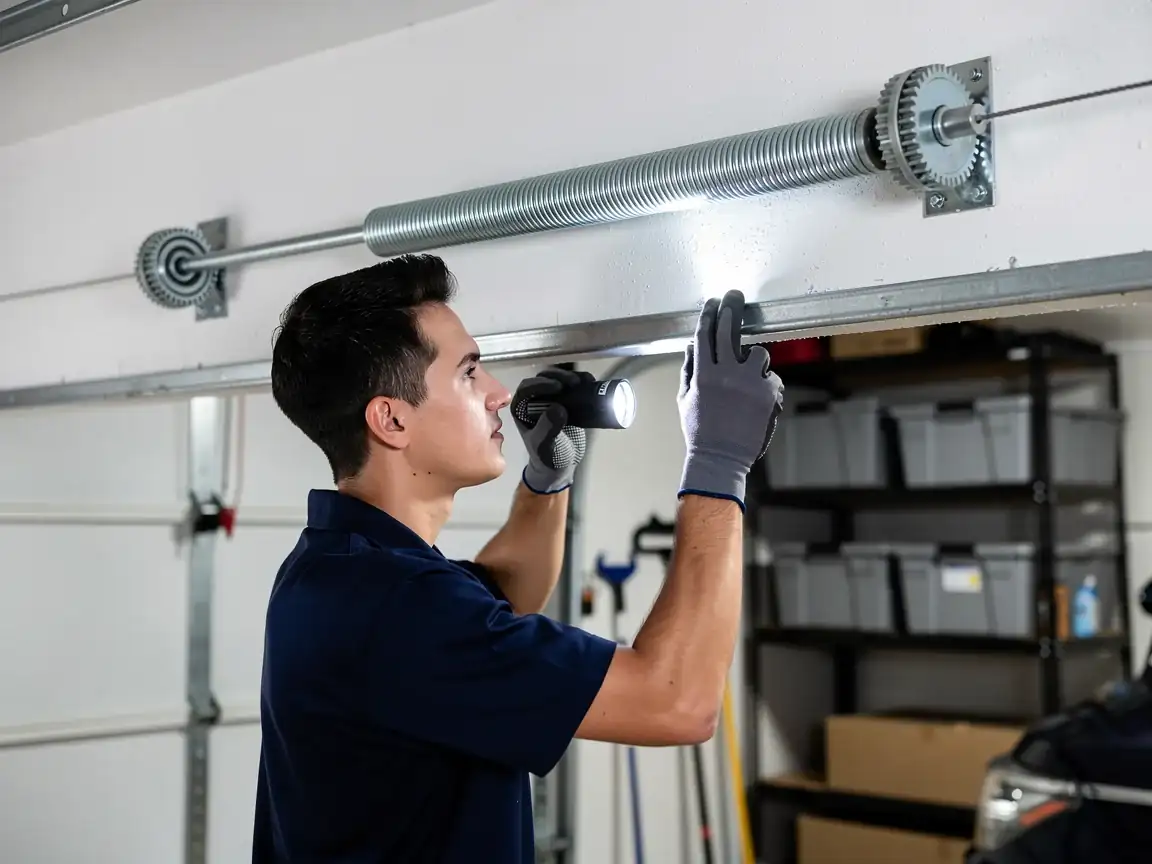
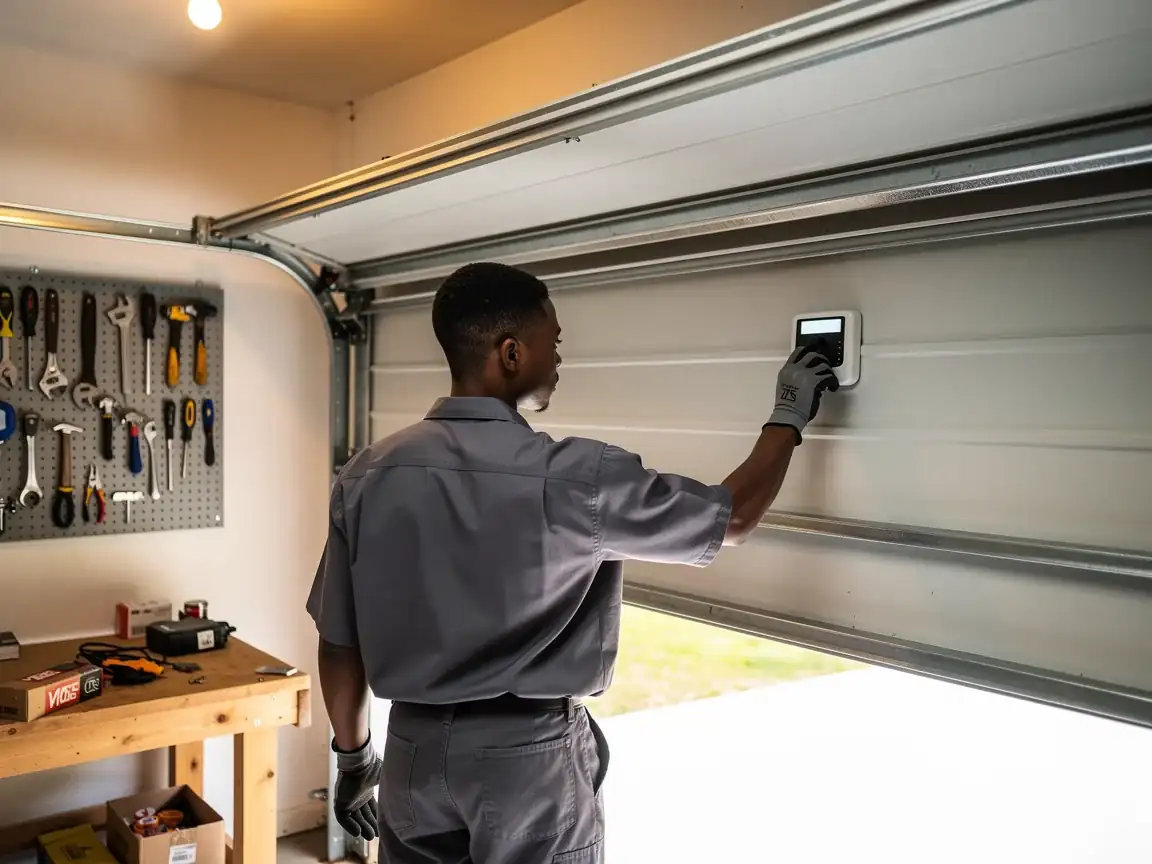
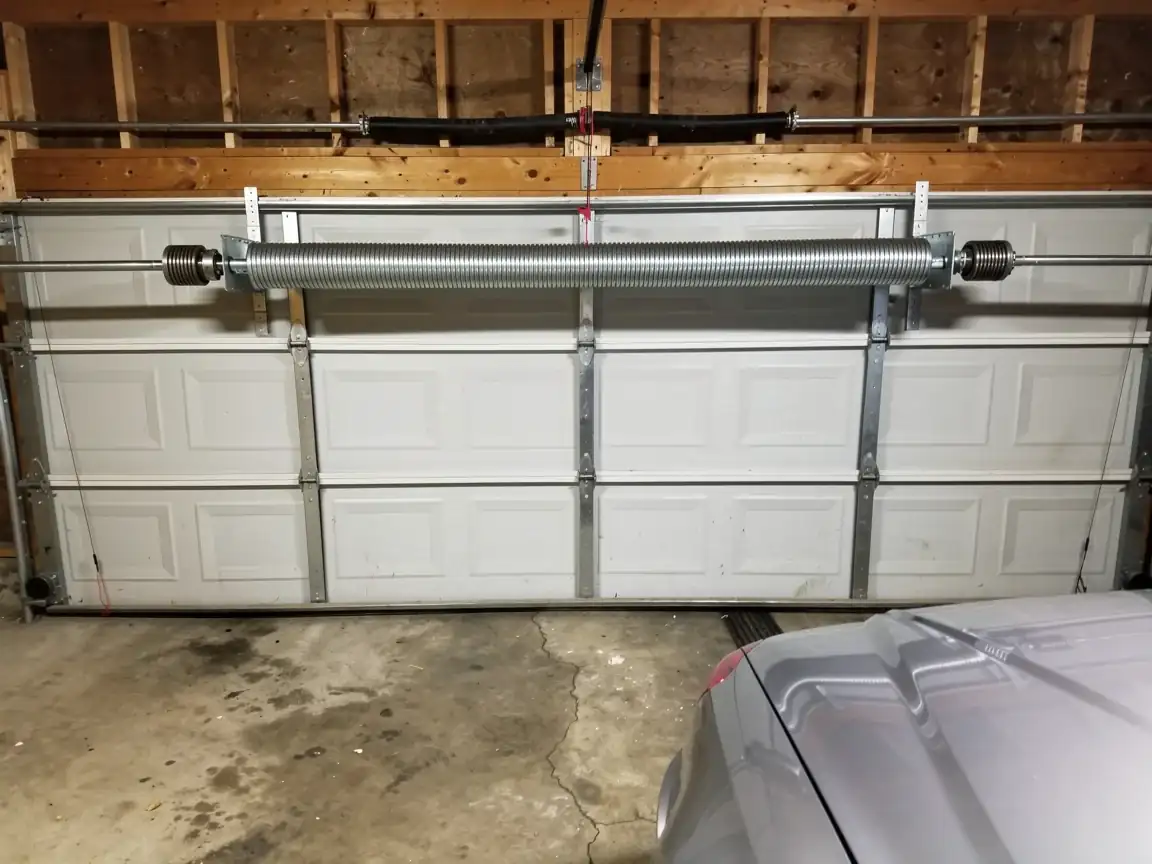
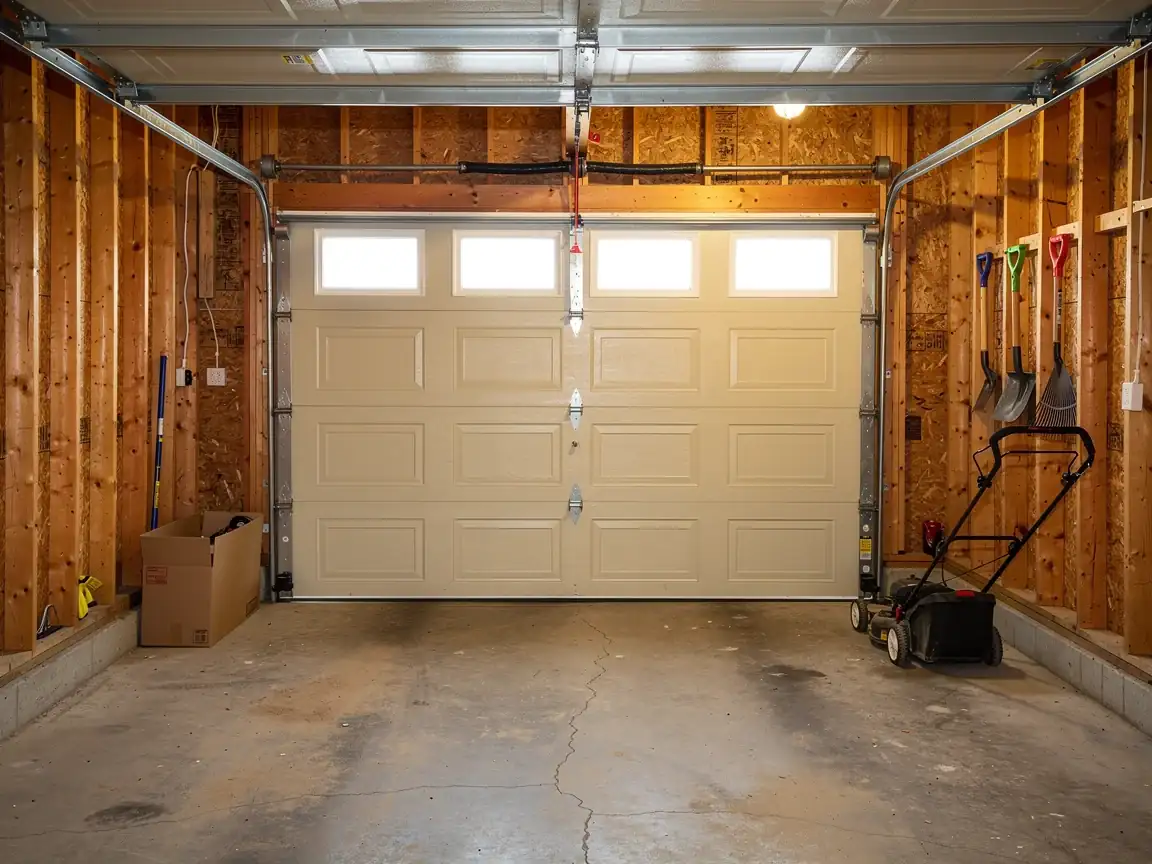
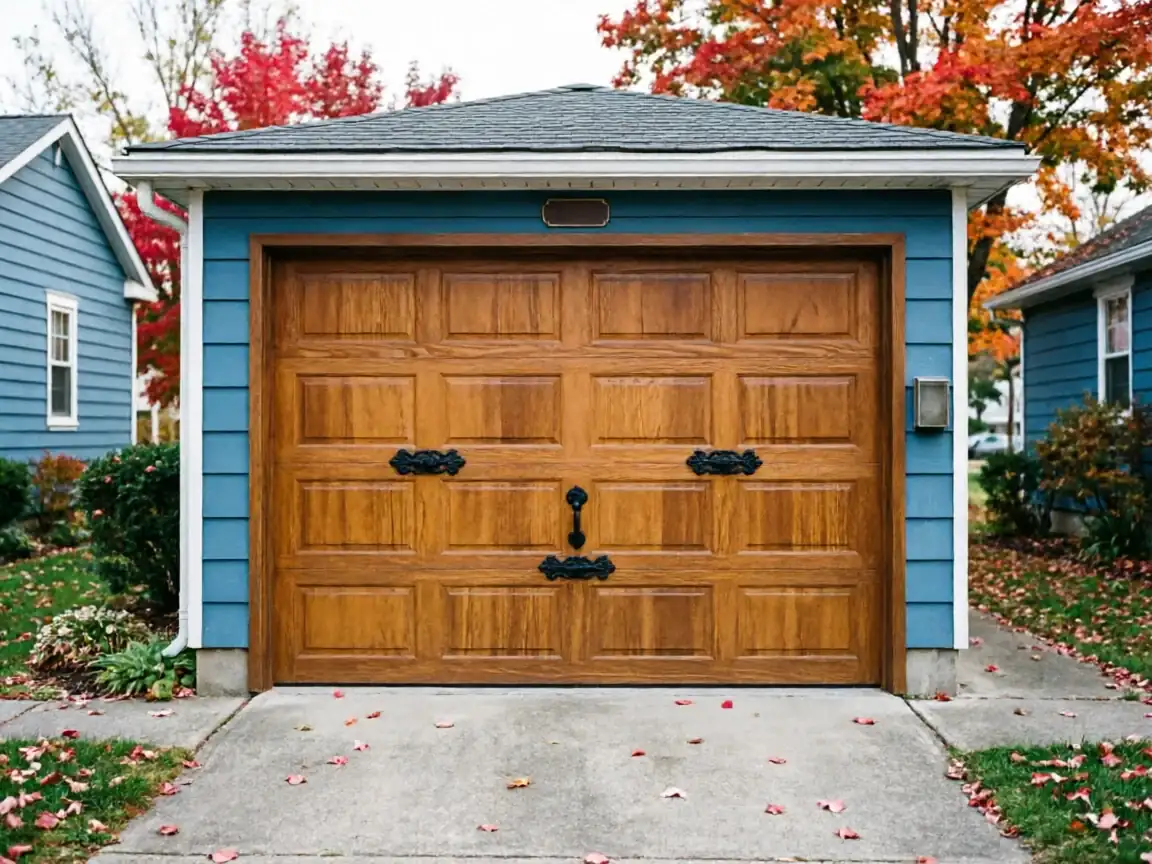
With roughly 4,929 households in Oxford and a median household income around $125,563, this is a town of mostly single-family homes with attached two-car garages, built in waves through the 70s, 80s, and on into the 2000s and later given the 1986 median. That later build date means extension spring setups are rarer than in older housing stock elsewhere in the area, and torsion spring systems on a center-mounted shaft are more common. Openers tend to be chain or belt drive units installed when the house was built or replaced once since, not the ancient AC units you still find bolted into much older garages. Door panels run steel or insulated steel more often than solid wood, since that was standard practice by the time these developments went up. None of this is exotic equipment, it's just a different generation than what we service in the older sections closer to Shelton.
Where We Stop
We run out to Oxford from our shop in Shelton, about 10 miles each way. We don't keep a depot or staff stationed out here, so we're not the people to call for a same-day emergency the way a closer company might be - we're honest about that upfront rather than promising a response time we can't back up consistently. What we are good for is diagnosing and fixing the torsion spring, opener, and track problems typical of the 1980s-and-newer housing common here, and quoting the job before we load the truck. If a door's beyond a reasonable repair - badly rusted track, a panel set no longer made, an opener that's cheaper to replace than chase parts for - we'll tell you that instead of running up a bill on a door that won't be worth it in two years.