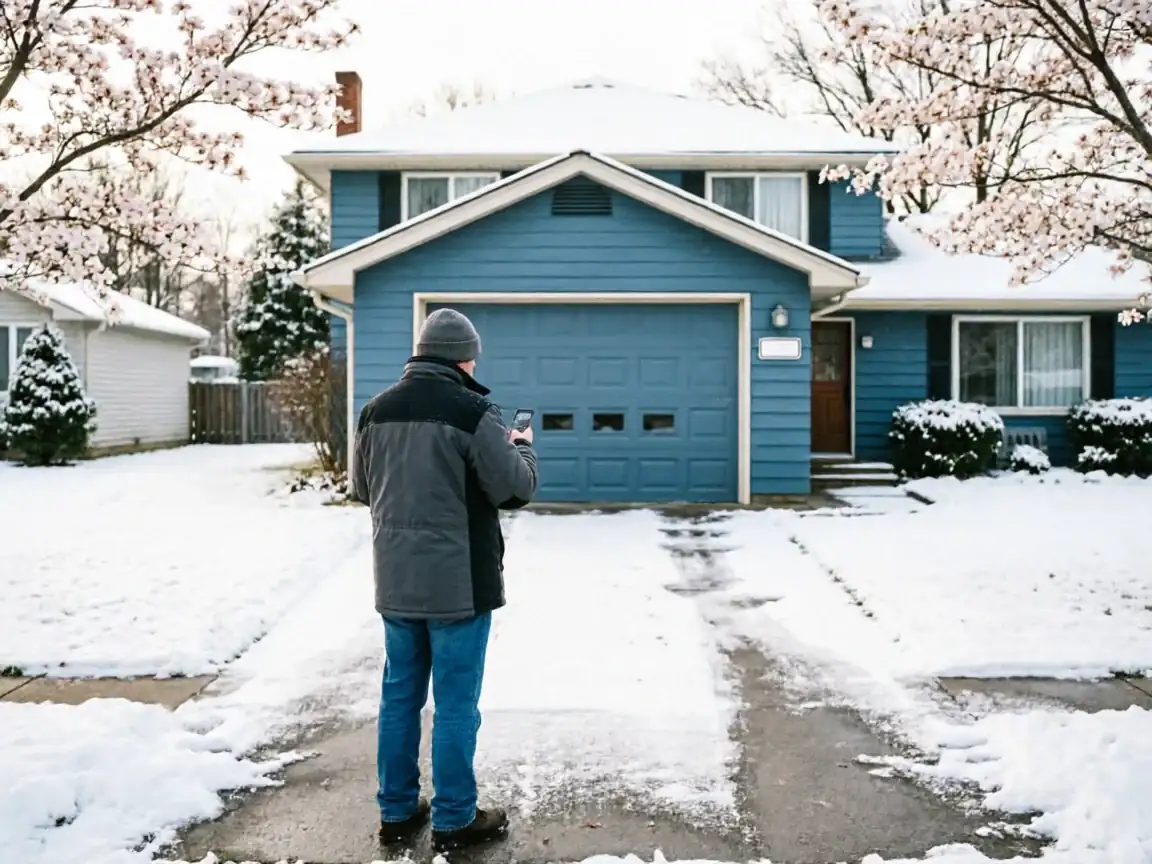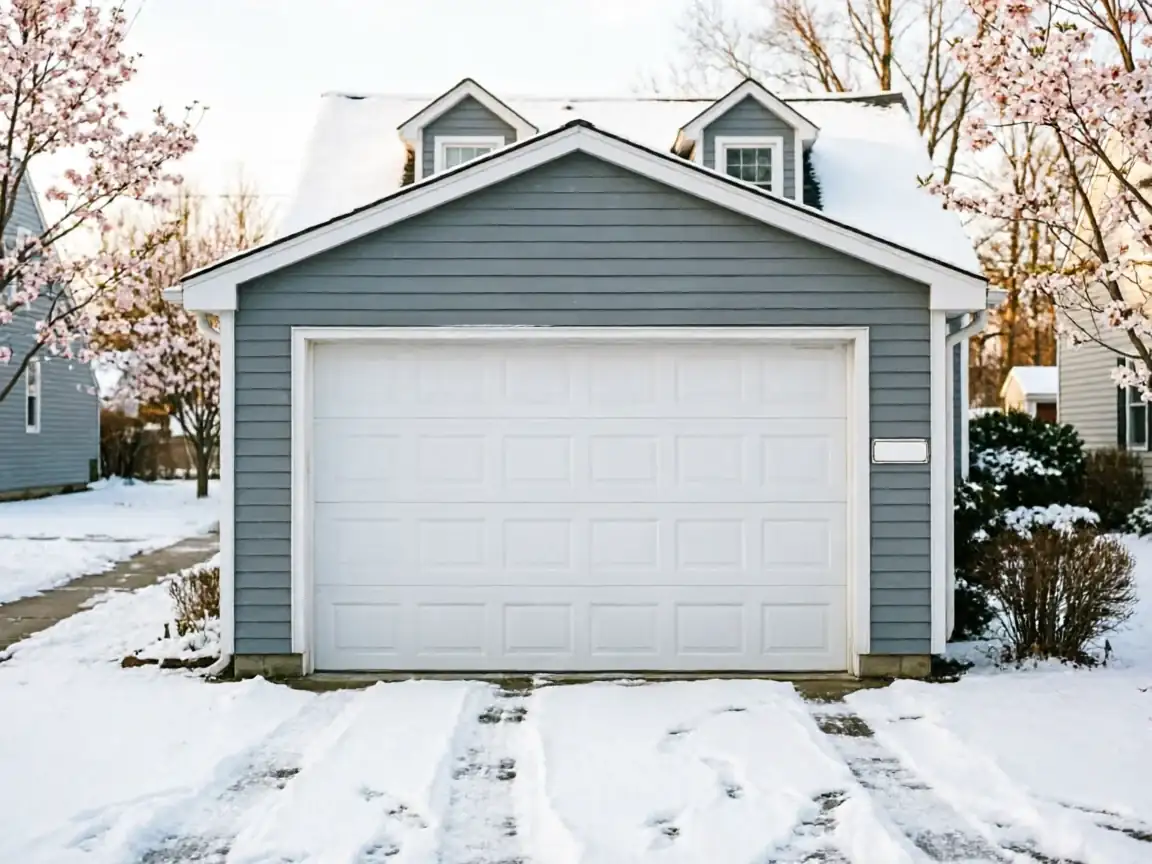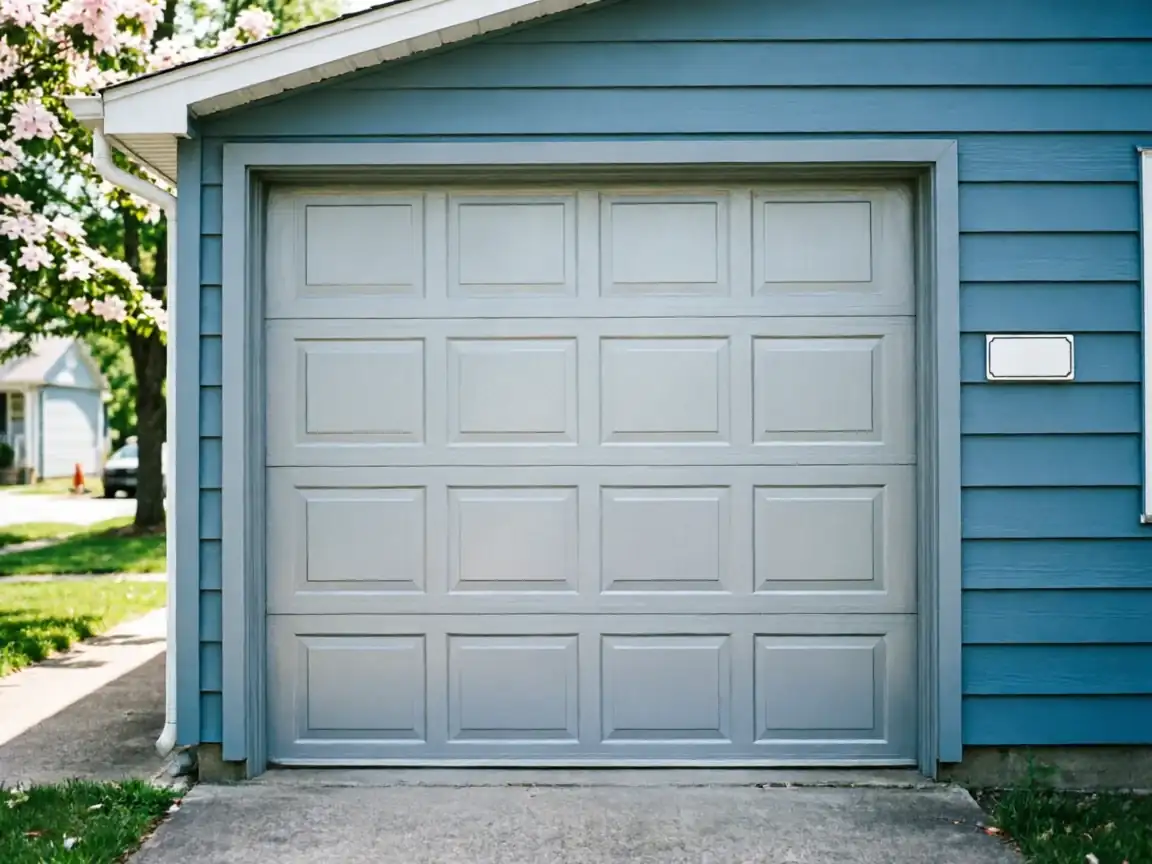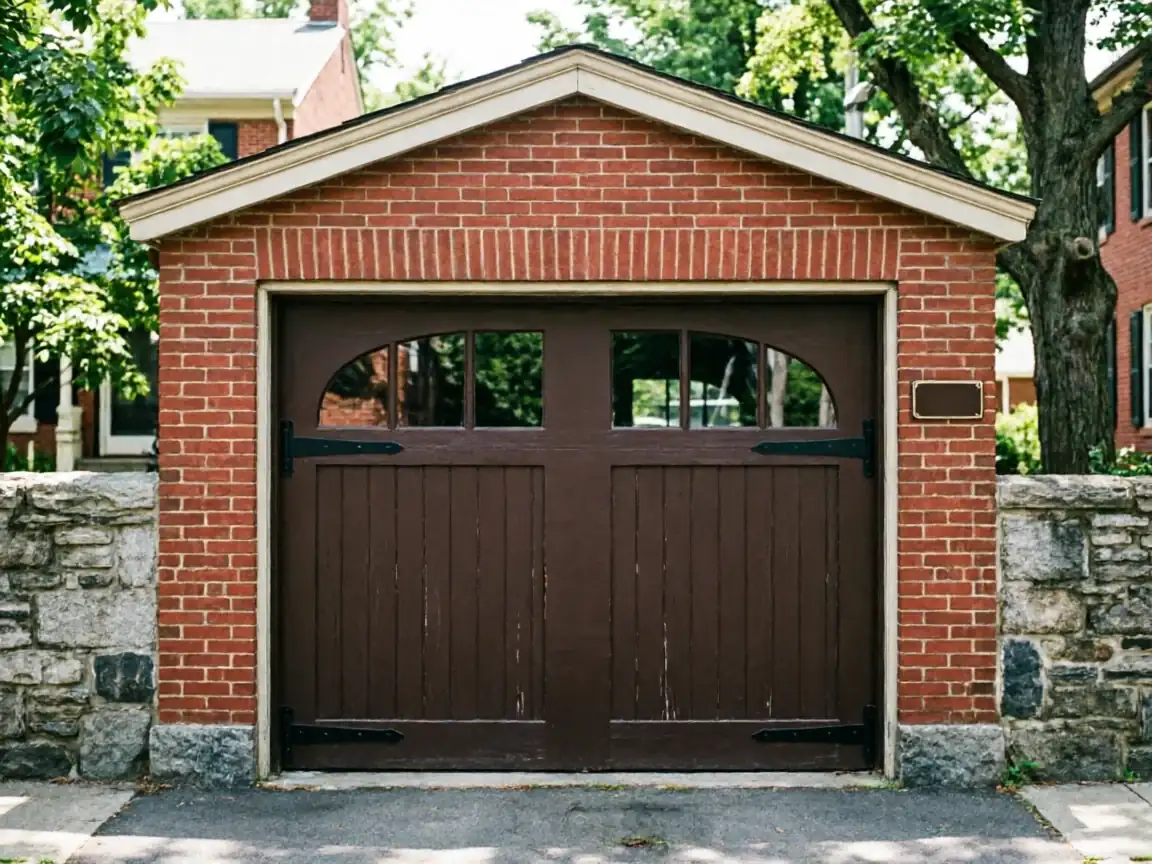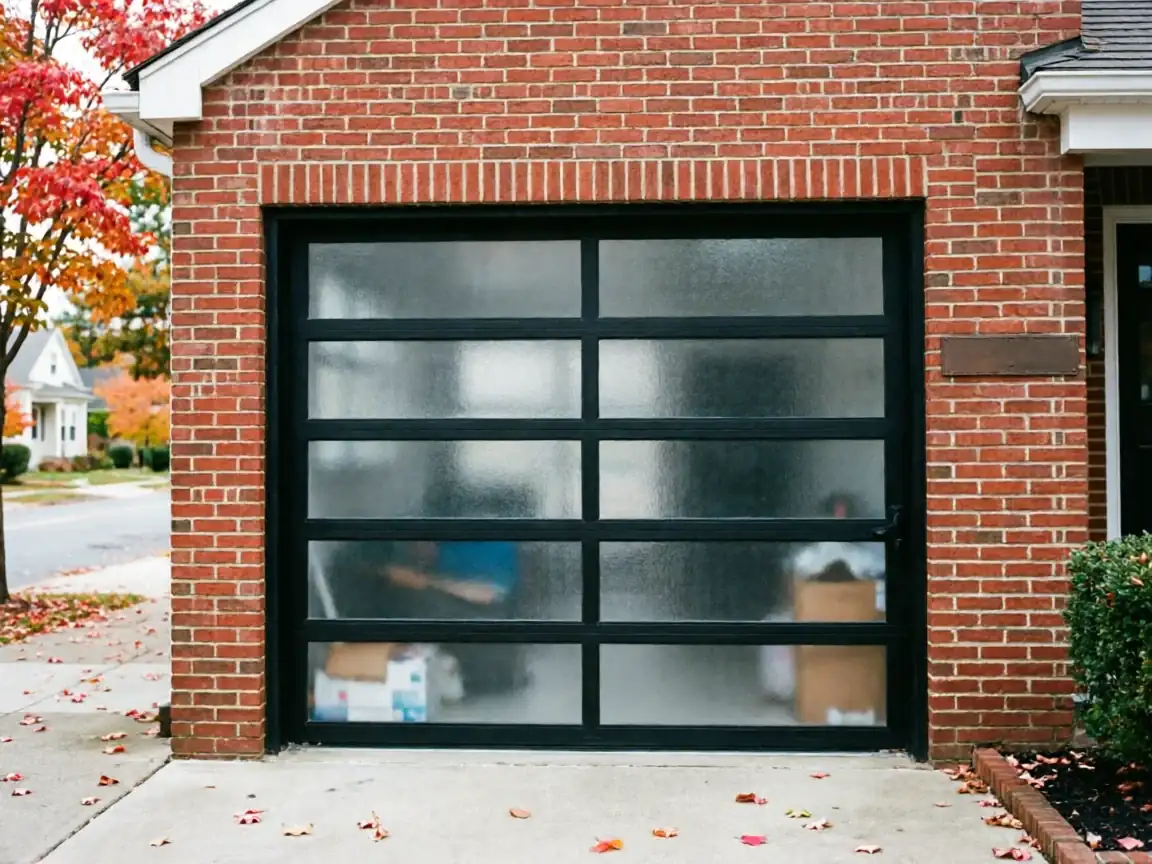
The Symptom
Start with the number that actually decides this: Oxford's median household income is $125,563, a bit under the $130,180 median across the wider service area we cover from Shelton. That gap matters because opener work has a real repair-or-replace line, and at Oxford's income level, a board or sensor repair on a unit already into its second decade usually costs more over two years than a new installation does up front. Homeowners here call us because the opener grinds, stalls halfway up, or runs but won't respond to the wall button. On a house with original 1986-era wiring and a gear-drive unit that's outlived its warranty twice over, that symptom is the motor telling you it's done, not a part telling you it's loose. We don't push a swap on every call - some units just need a new logic board or a capacitor - but we'll tell you straight when the labor-to-replace a 35-plus-year-old gear set stops making sense against a new belt-drive unit.
Oxford is about 10 miles from our Shelton shop, so when we come out, it's because the diagnosis already points toward replacement, not a guess.
Why This Fails Locally
Across the broader area we serve, the median house dates to 1972. Oxford runs younger - median build year 1986 - which means a different generation of opener hardware is failing here than in the older sections closer to Shelton. A 1986 build usually means a chain or screw-drive unit from a mid-80s product line, built before modern logic boards and with mechanical limit switches instead of digital ones. Those switches drift with age and temperature, and that's the part that fails first, not the motor.
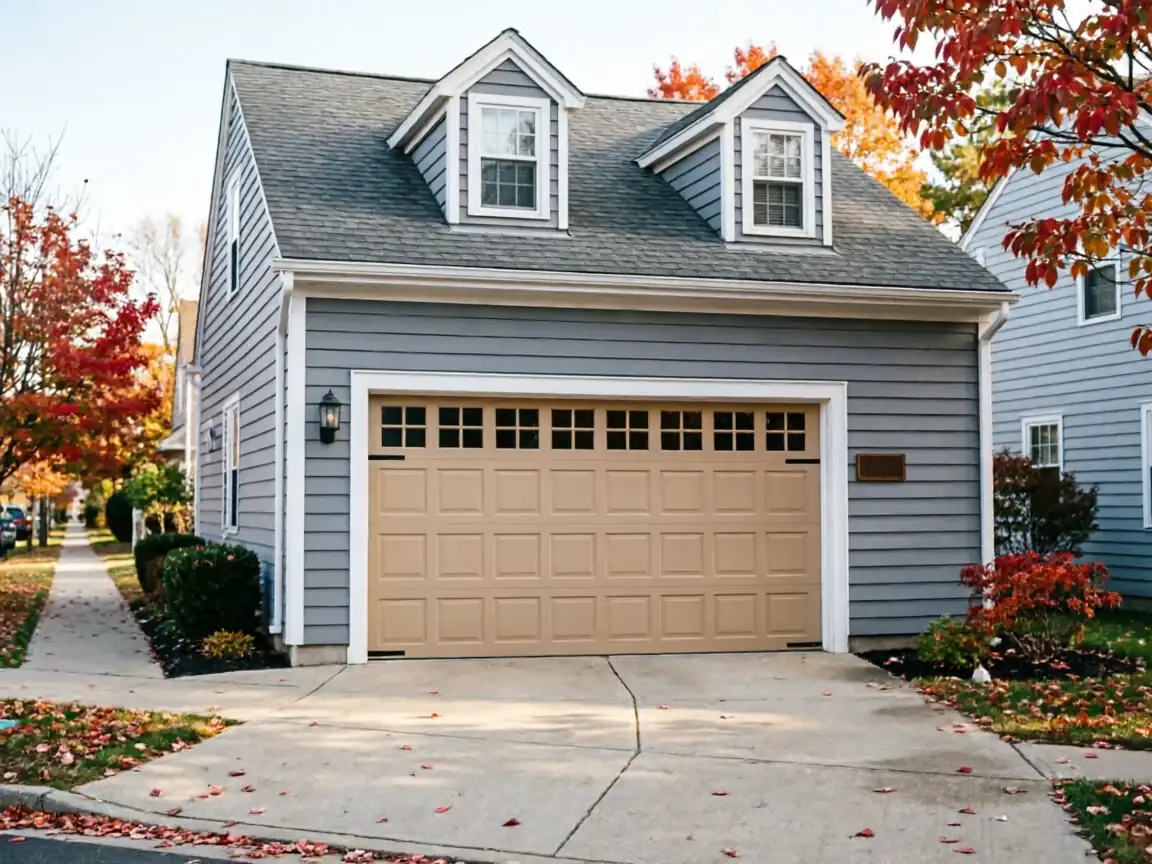
Cold-climate strain (this region sits in a severe cold band) makes it worse. Grease in a 35-plus-year-old gear housing thickens below freezing, and a motor already working against a stiffening limit switch pulls harder every cold morning until something inside gives out. With 4,929 households in Oxford, a good share sitting on the larger, 1980s-style lots common to this town, detached or set-back garages mean longer wire runs from the house panel out to the opener - another spot where old wiring insulation cracks and causes exactly the stall-and-restart pattern we get called about.
What the Fix Involves
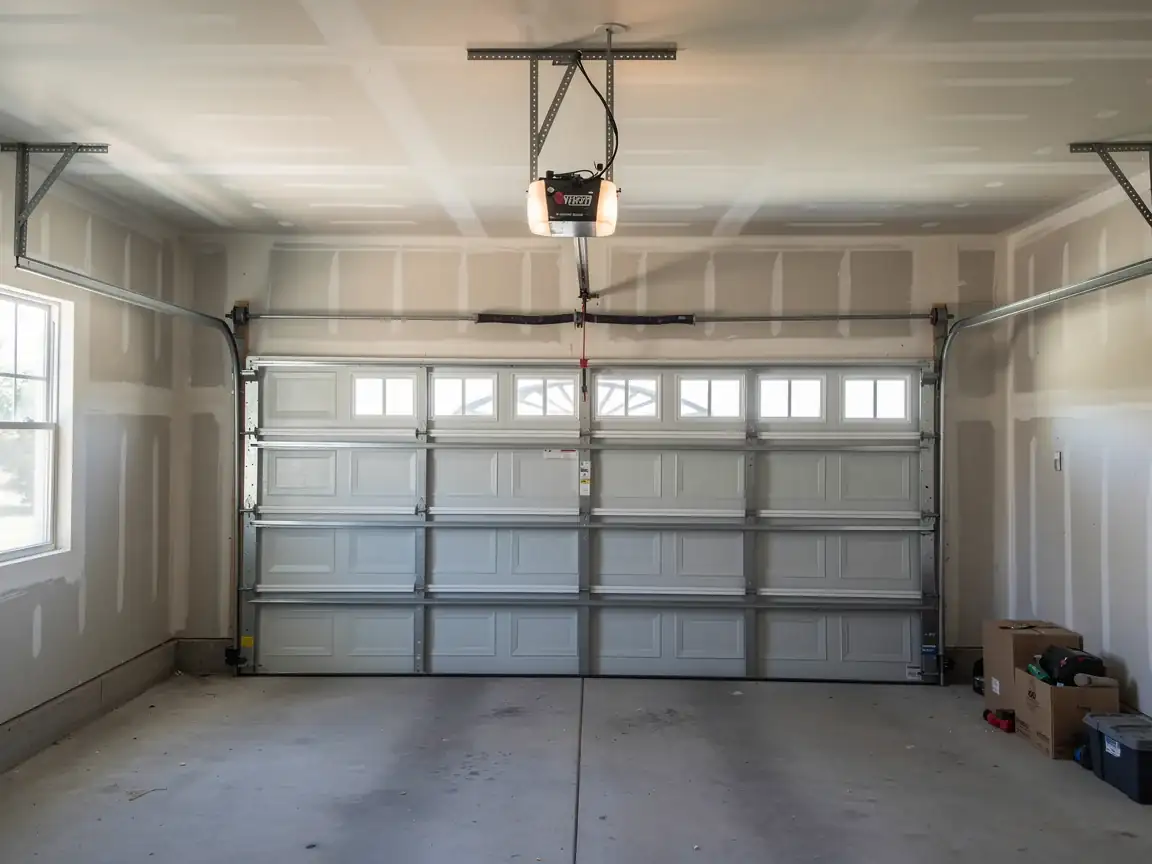
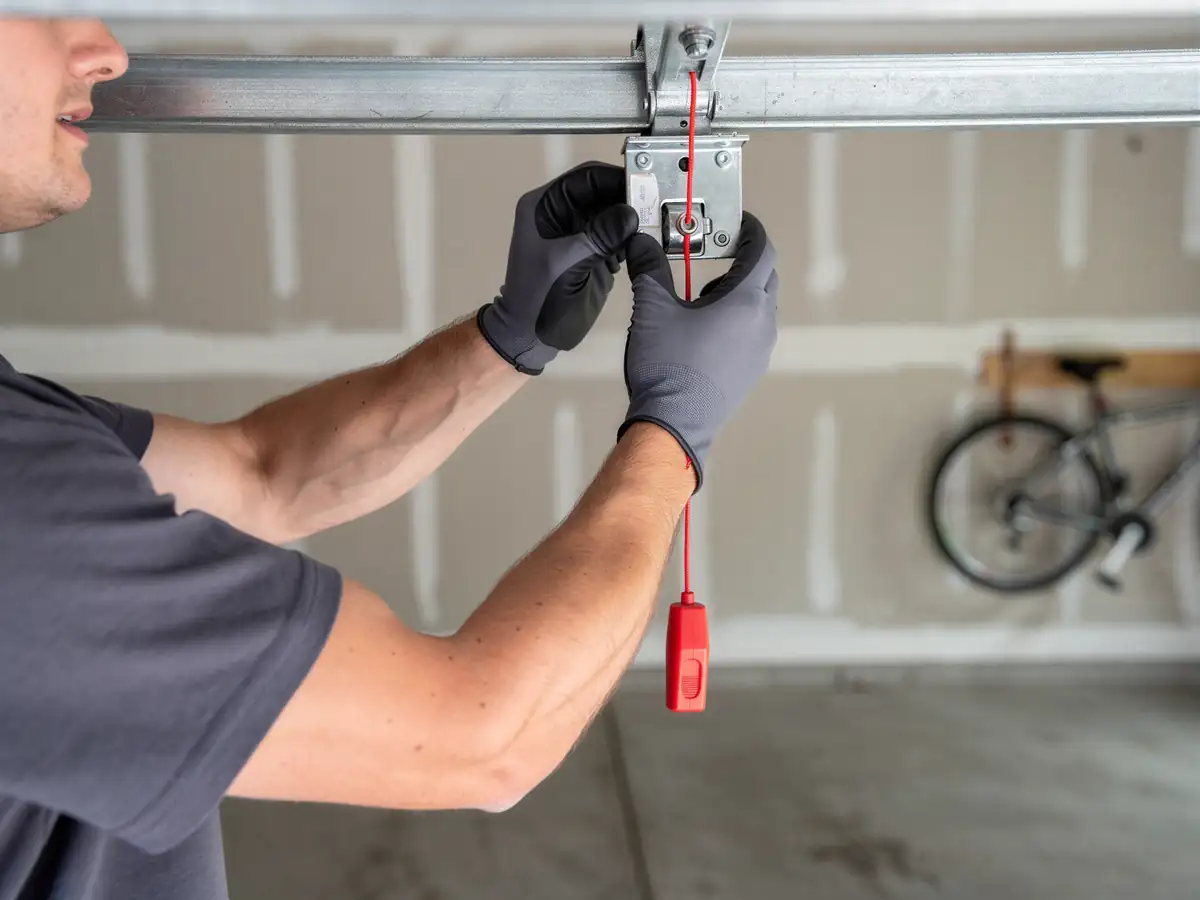
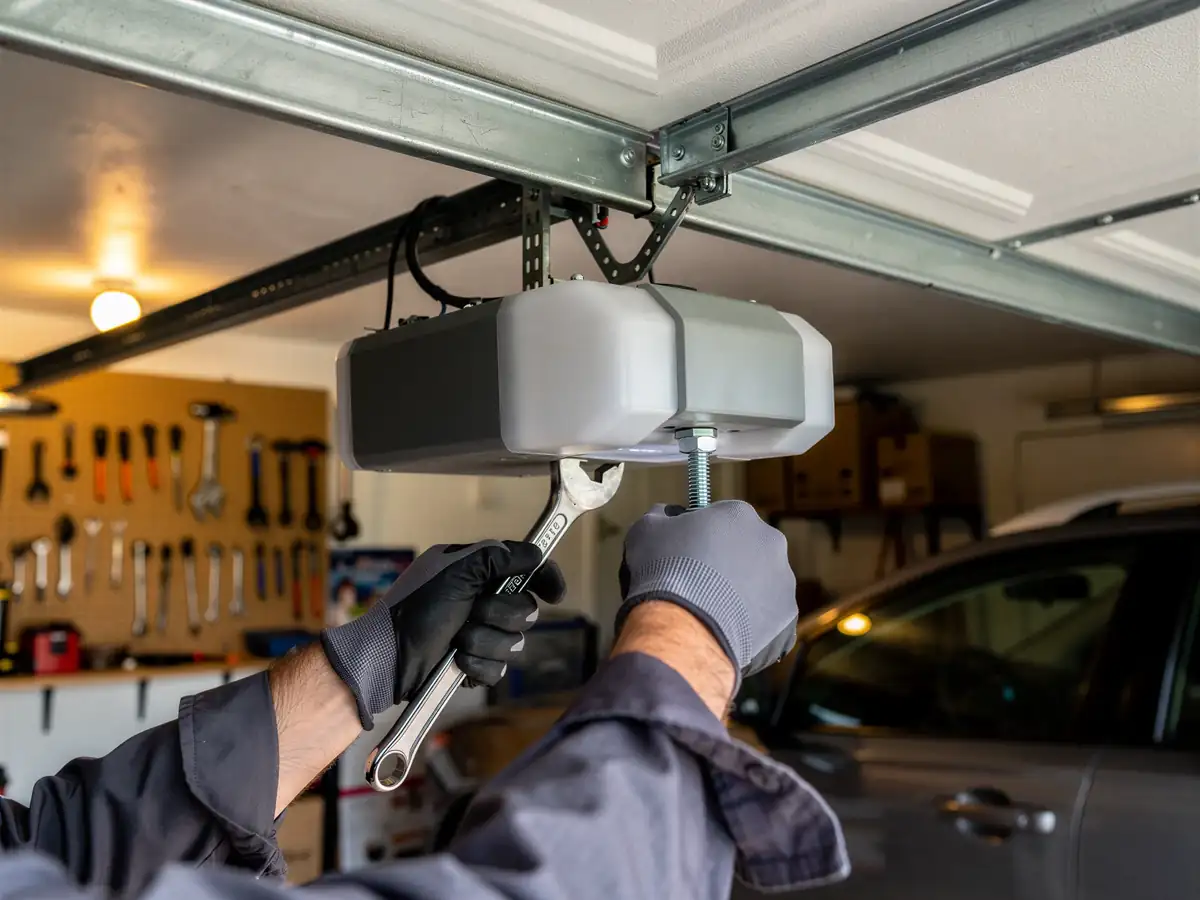
A straight opener swap on a 1980s-era unit starts with pulling the old motor head and limit switch assembly
Then checking whether the existing rail and drive system can carry a new motor or needs replacing too - on houses this age, the rail is usually original and often pitted enough to replace at the same time. We run new low-voltage wire to the wall console and safety sensors rather than splice into 35-year-old insulation, especially on the longer runs common to Oxford's detached-garage layouts.
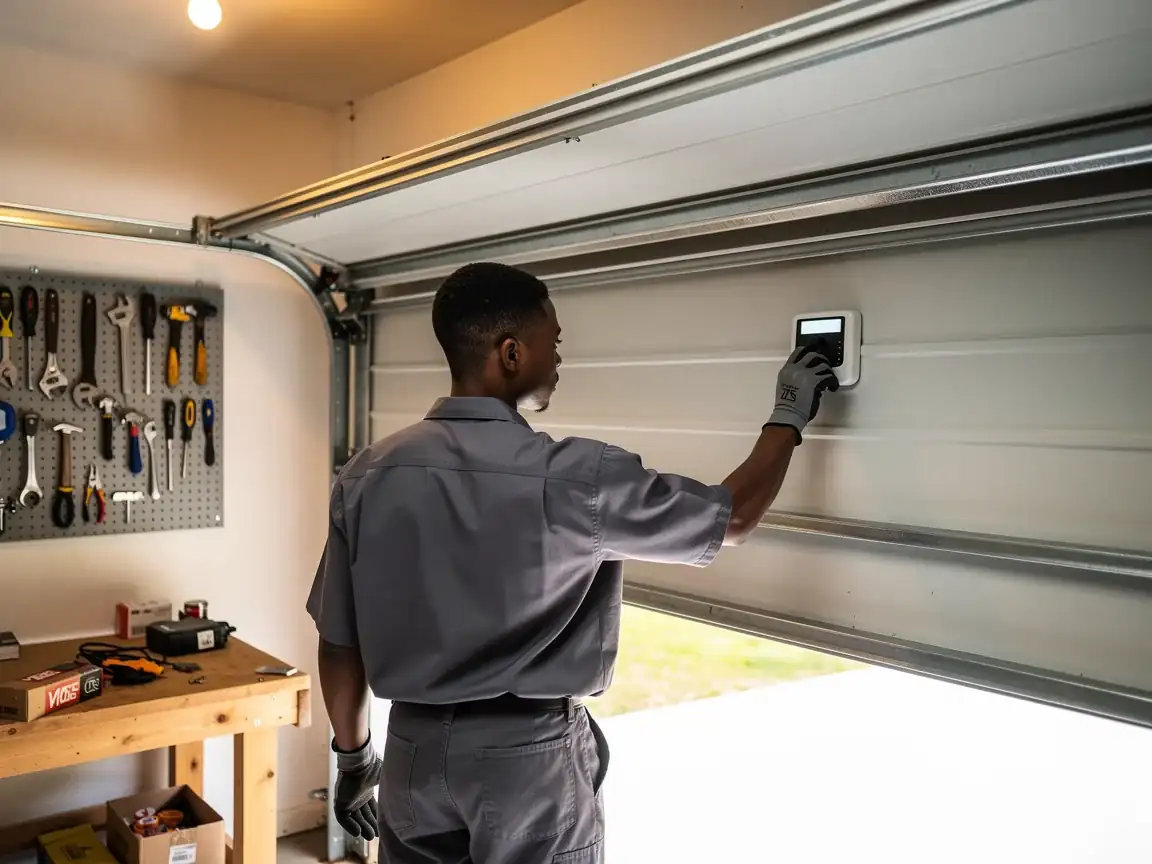
We mount the new logic board, pair the remotes and keypad
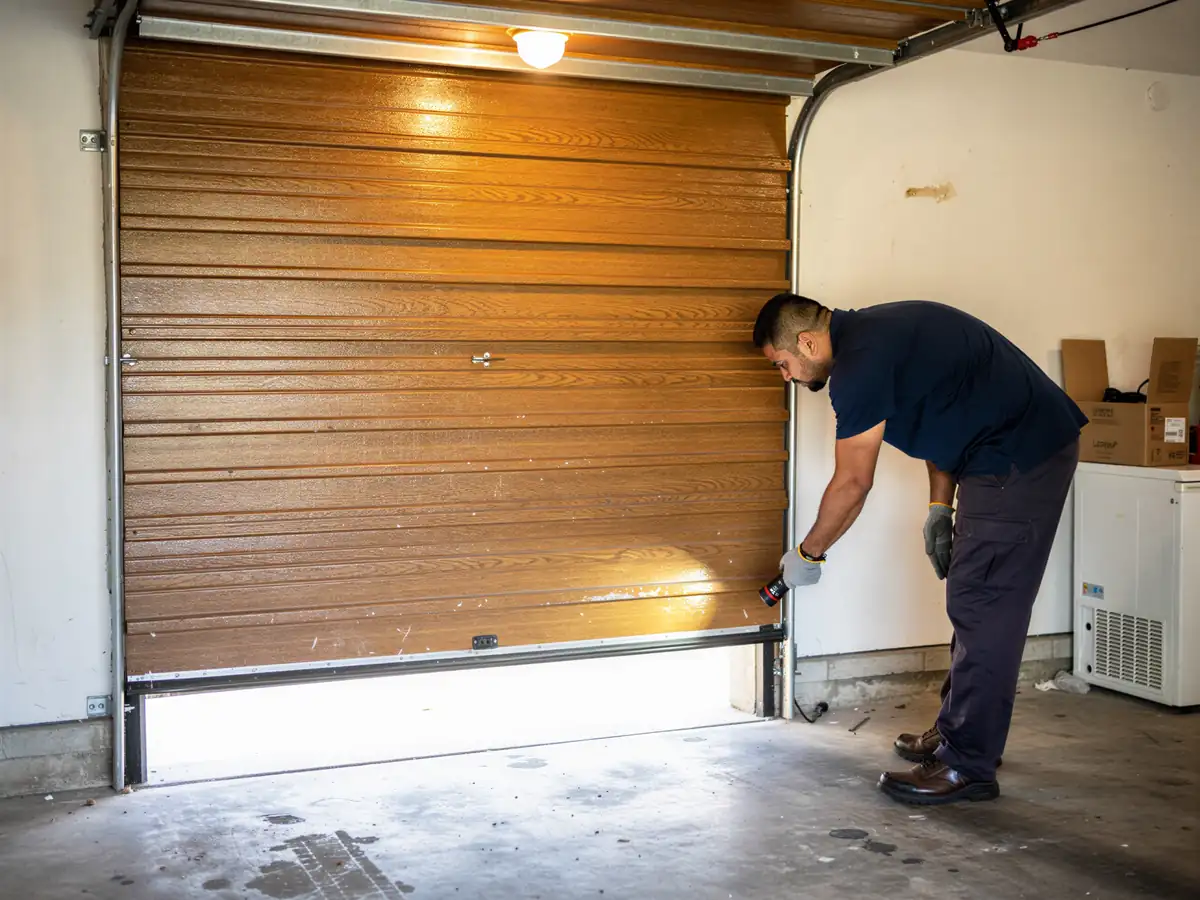
And test travel limits through a full open-close cycle under load, not just empty. On a severe-cold climate band like this one, we also check that the opener's rated for outdoor-temperature garages, since an unheated bay here sees real swings the motor has to start cold in. One limitation worth saying plainly: if the rail or header bracket is bent or the track's badly out of plumb, that's a structural fix first, and no opener installation will hold until that's corrected.
What Can Go Wrong
The most common misfire on a job like this is matching the wrong horsepower or drive type to the door itself - a heavier insulated door from the 1980s needs more lift than a lightweight panel door, and an underpowered opener will burn out again inside a year. Wiring is the second trap: on houses with the longer runs typical of Oxford's lot sizes, a sensor wire run too close to a power line picks up interference that shows as random reversals, which looks like a bad sensor when it's really routing.
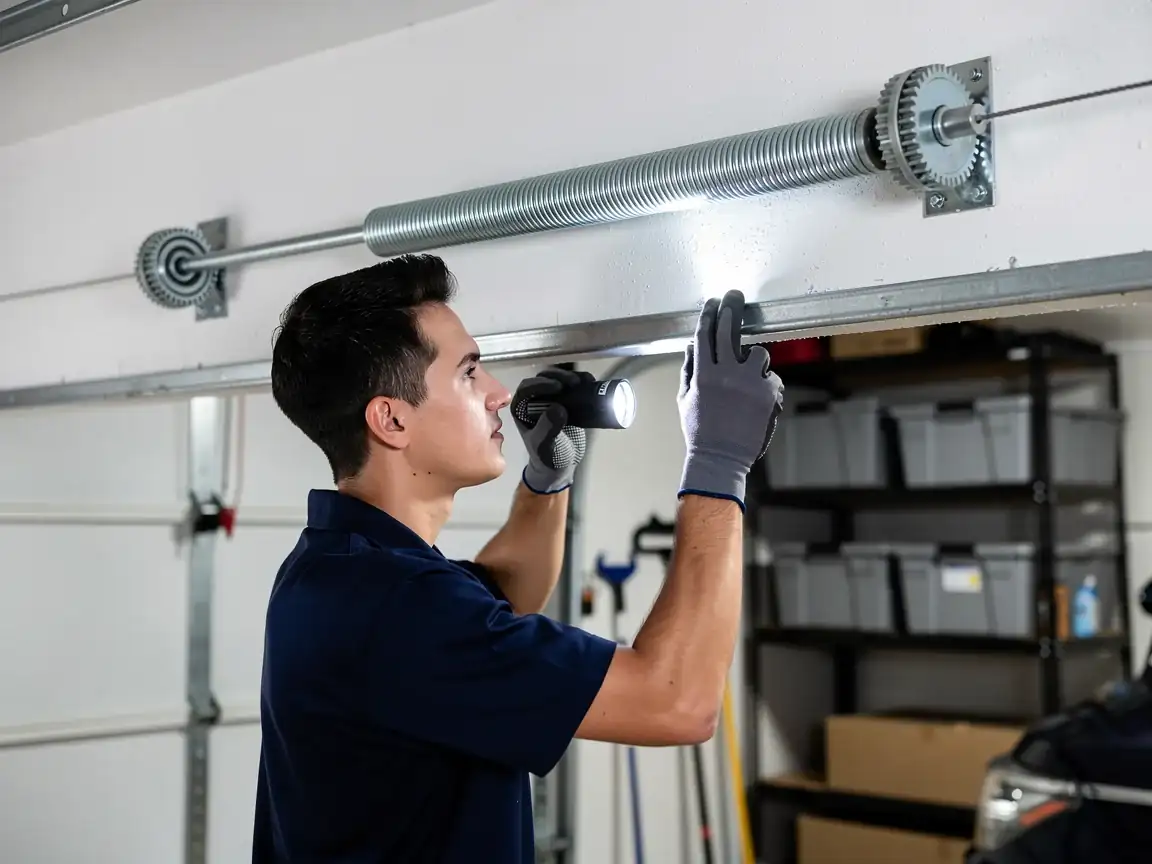
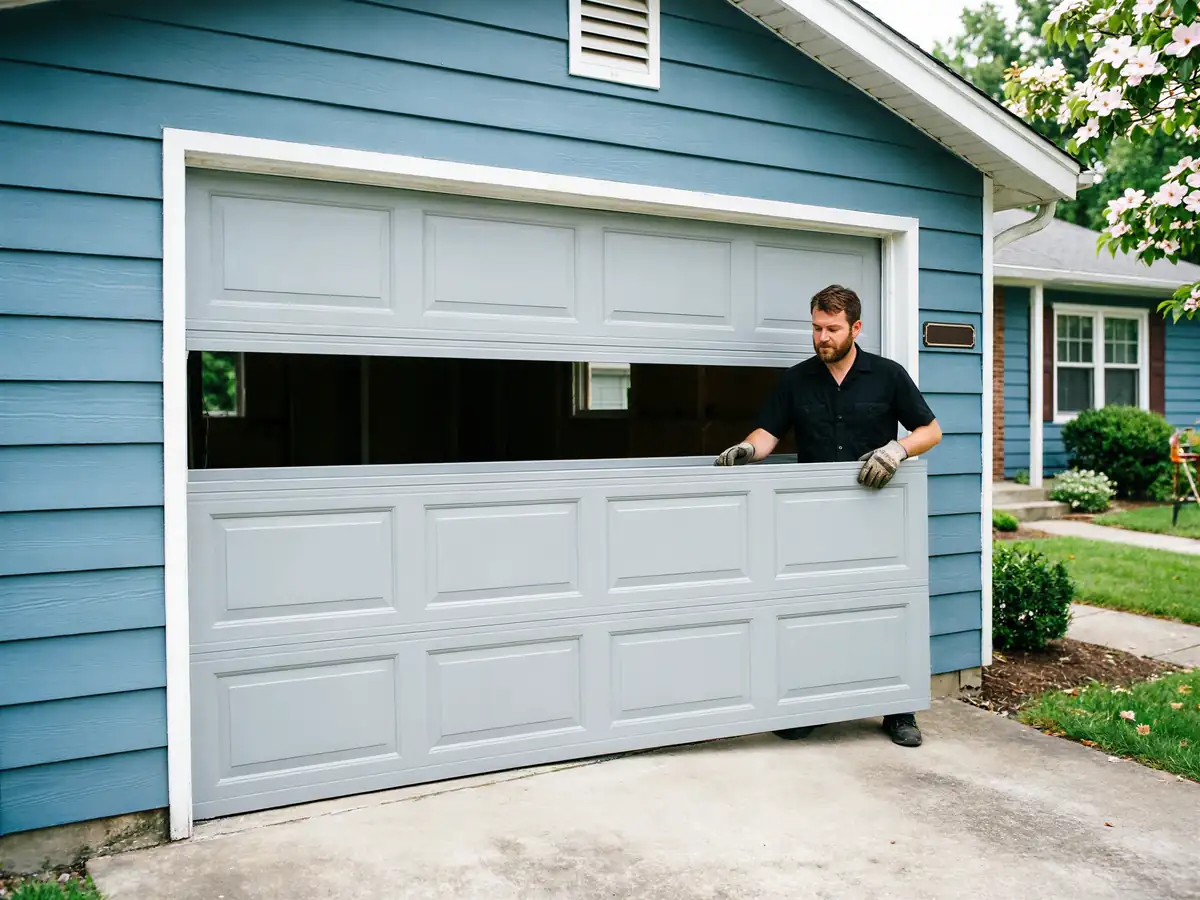
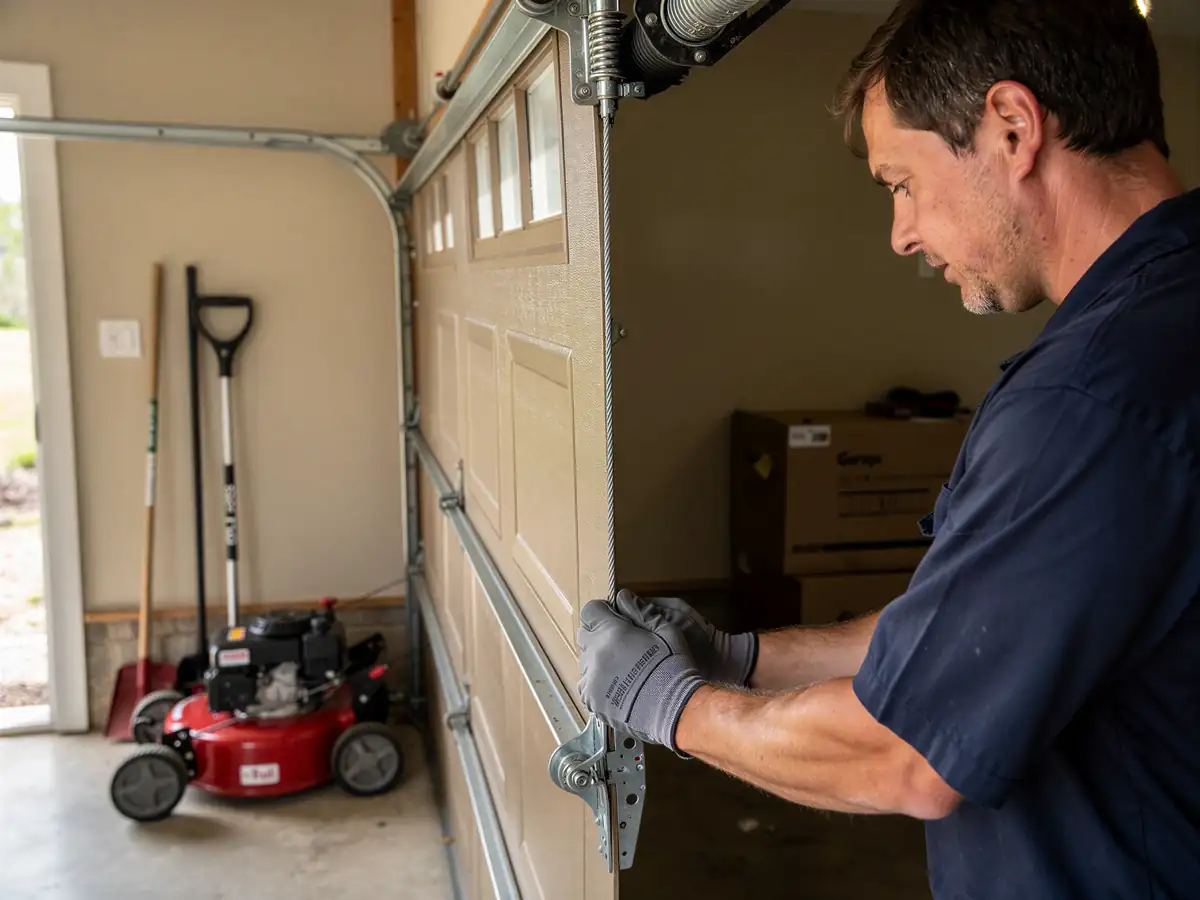
We also see failed installs where the old rail was reused past its life - a rail with worn trolley channels will bind a brand-new motor just as hard as it bound the old one. And on severe-cold days, an opener installed without checking the door's spring balance first will overwork the new motor immediately, since a heavy or unbalanced door puts the lifting strain back on the opener instead of the springs where it belongs.