The Symptom
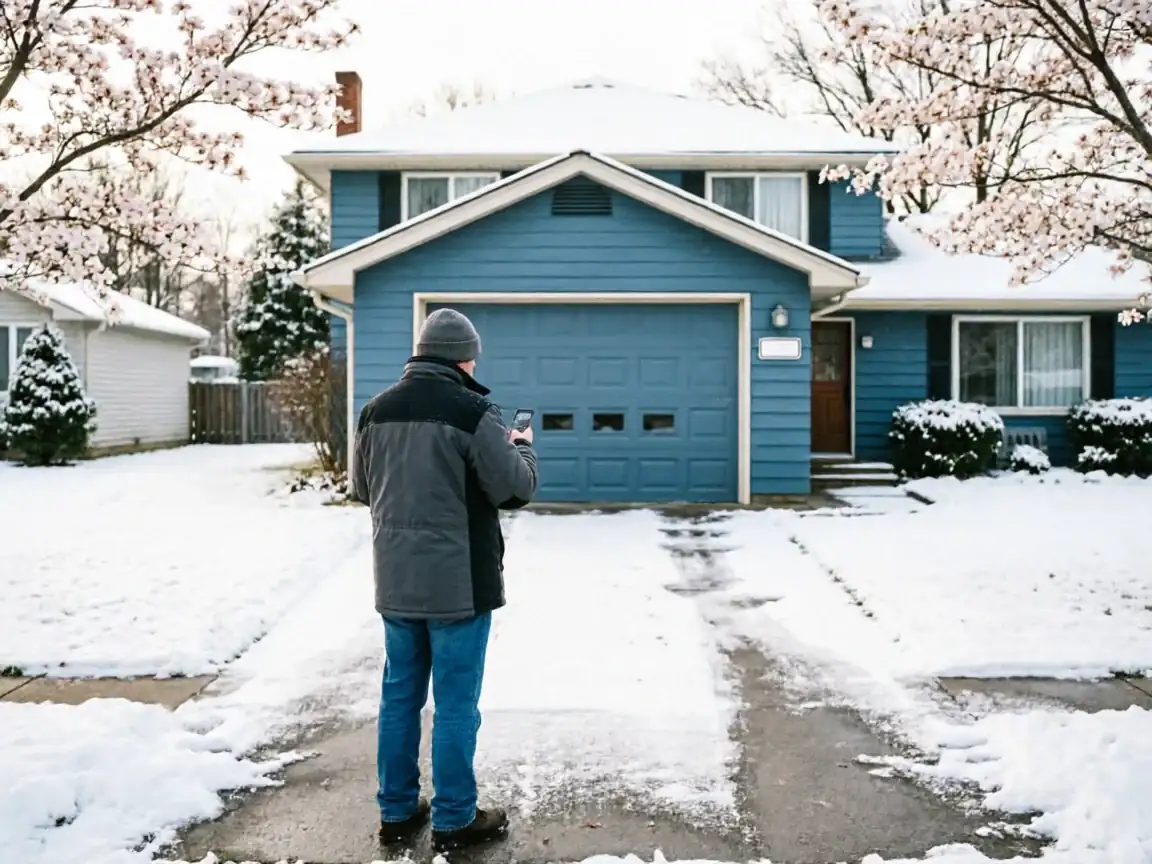
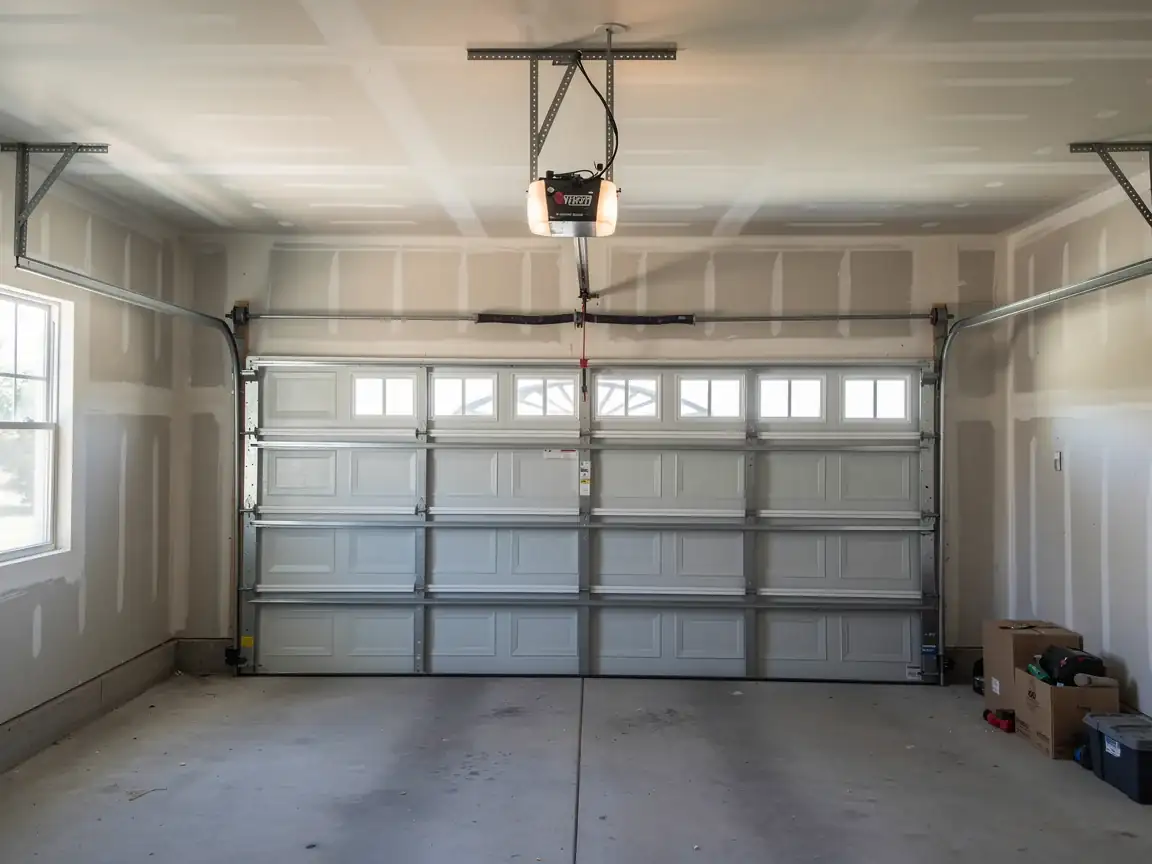
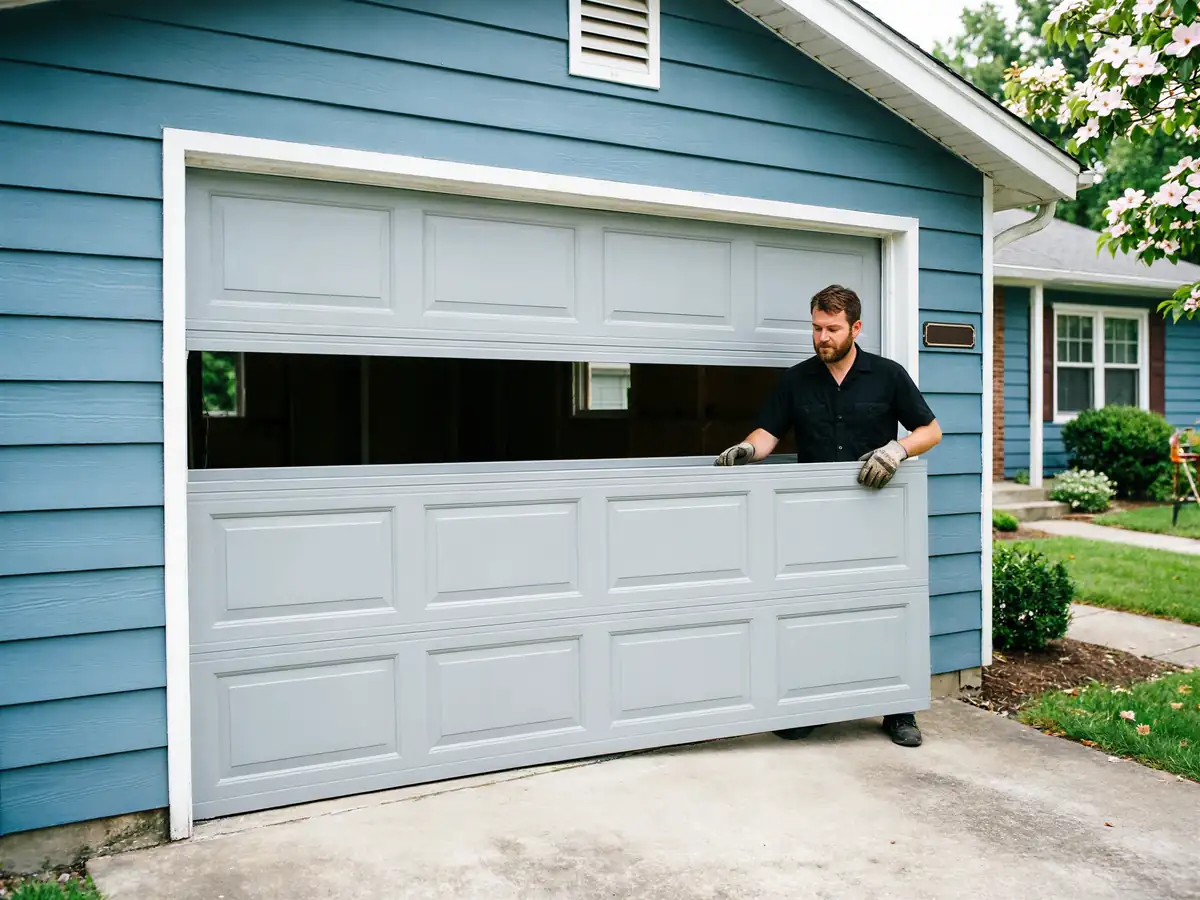
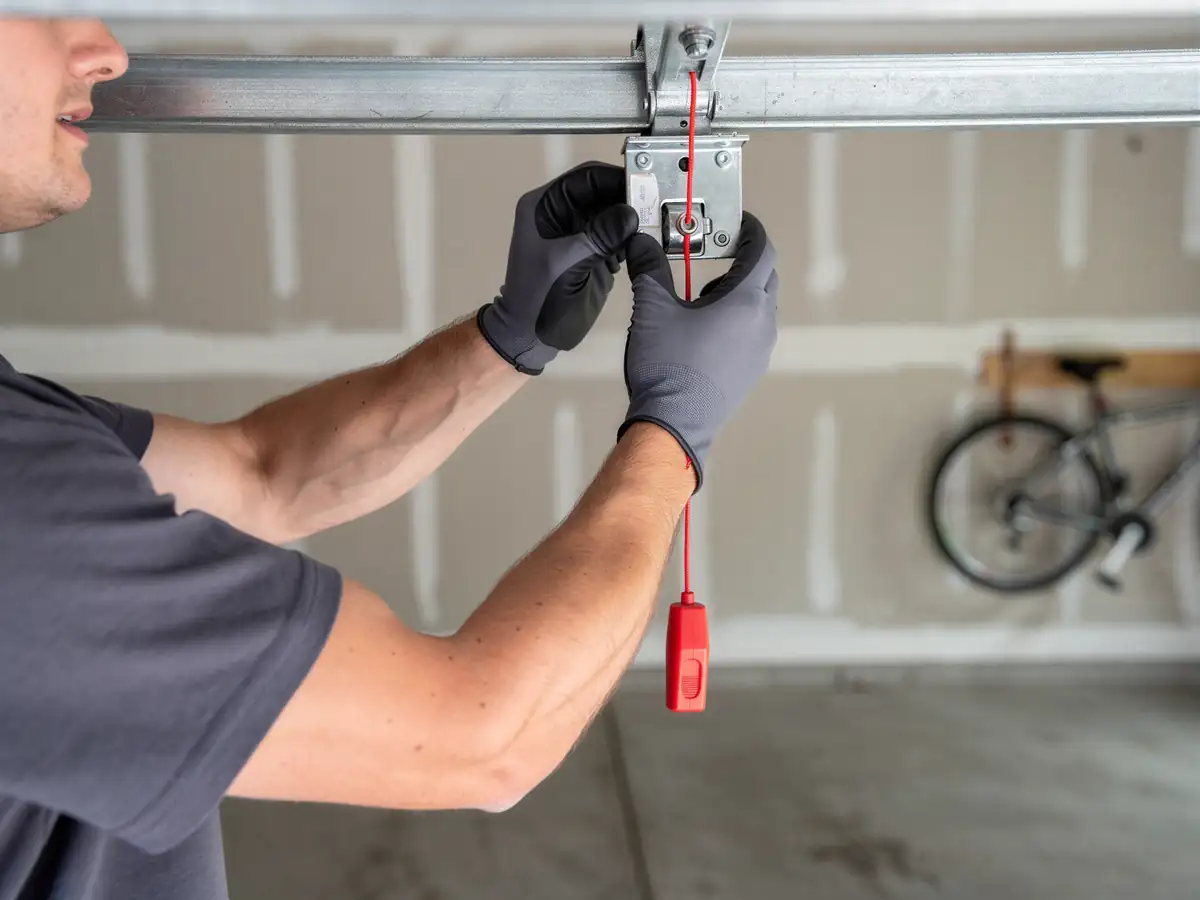
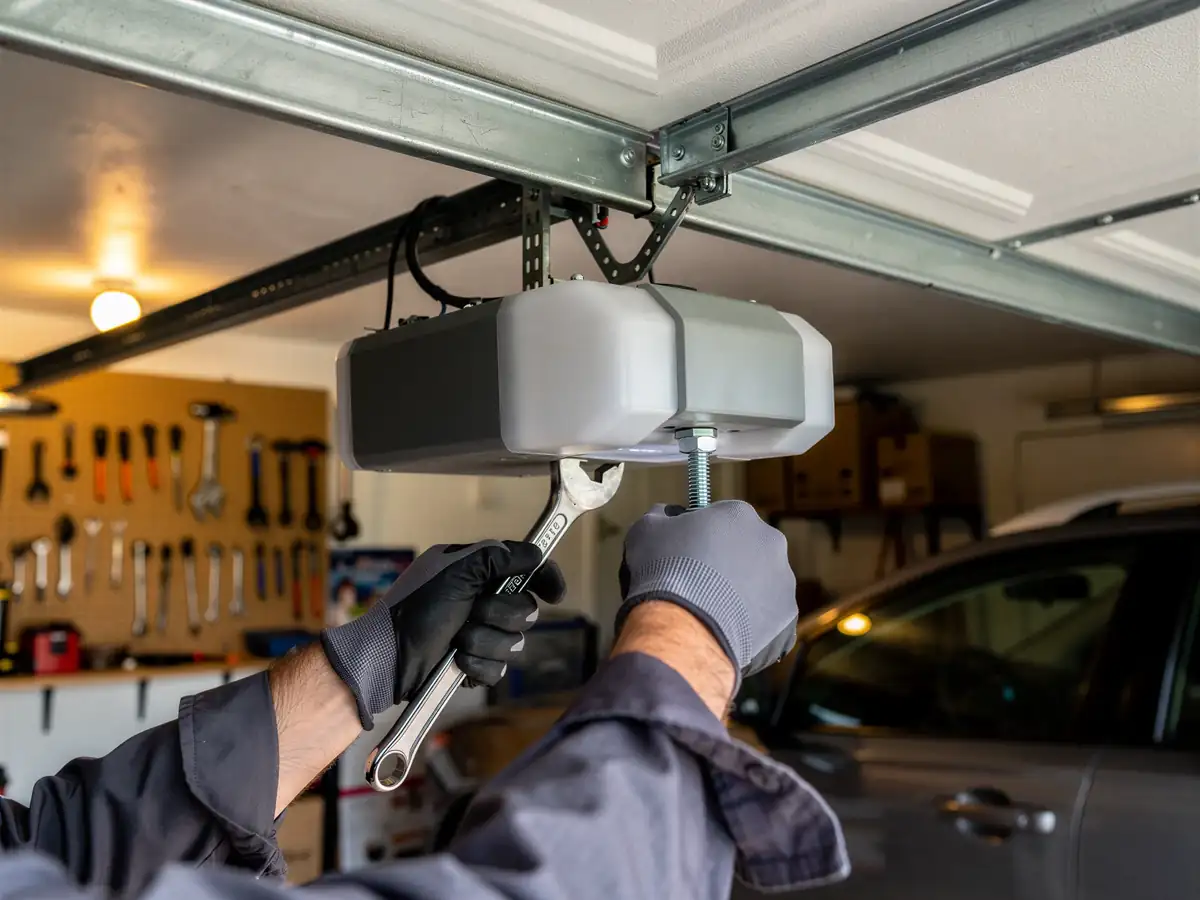
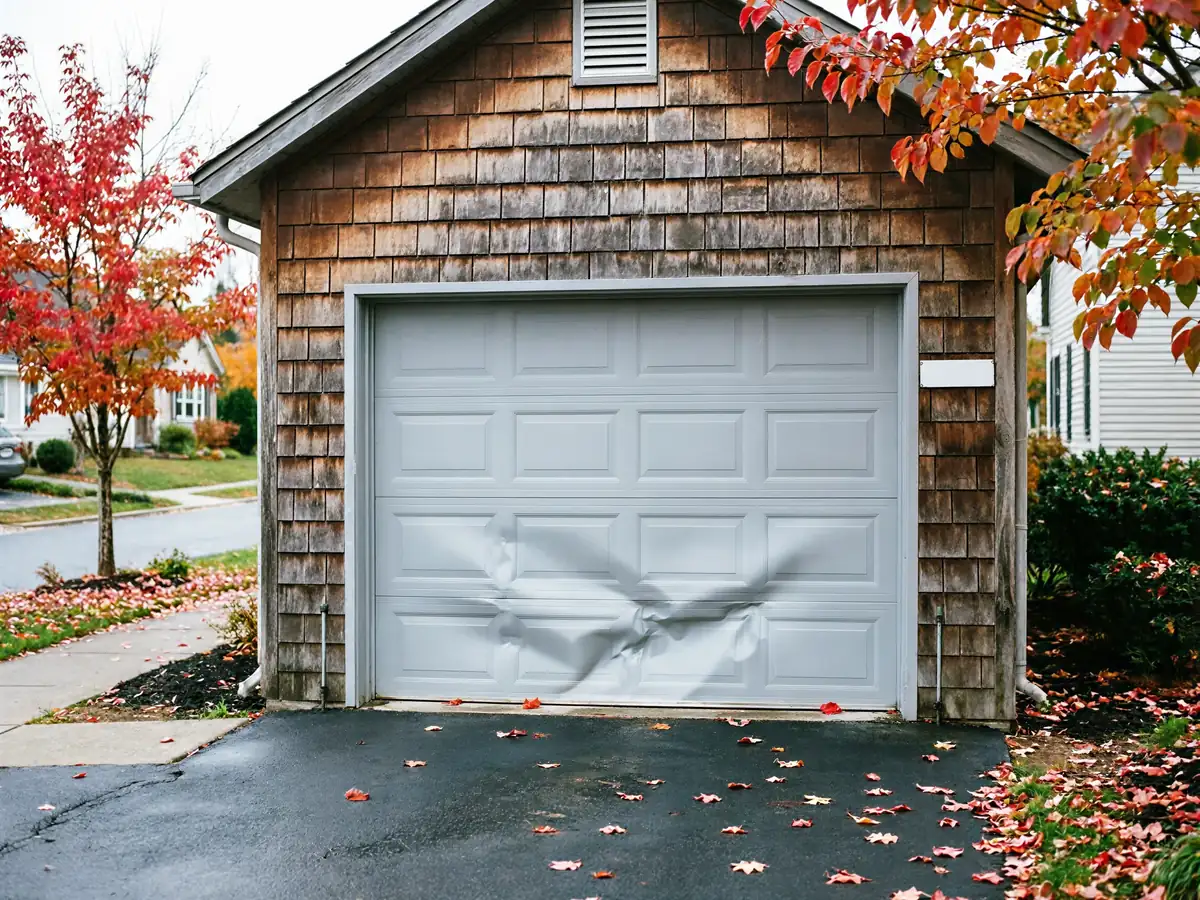
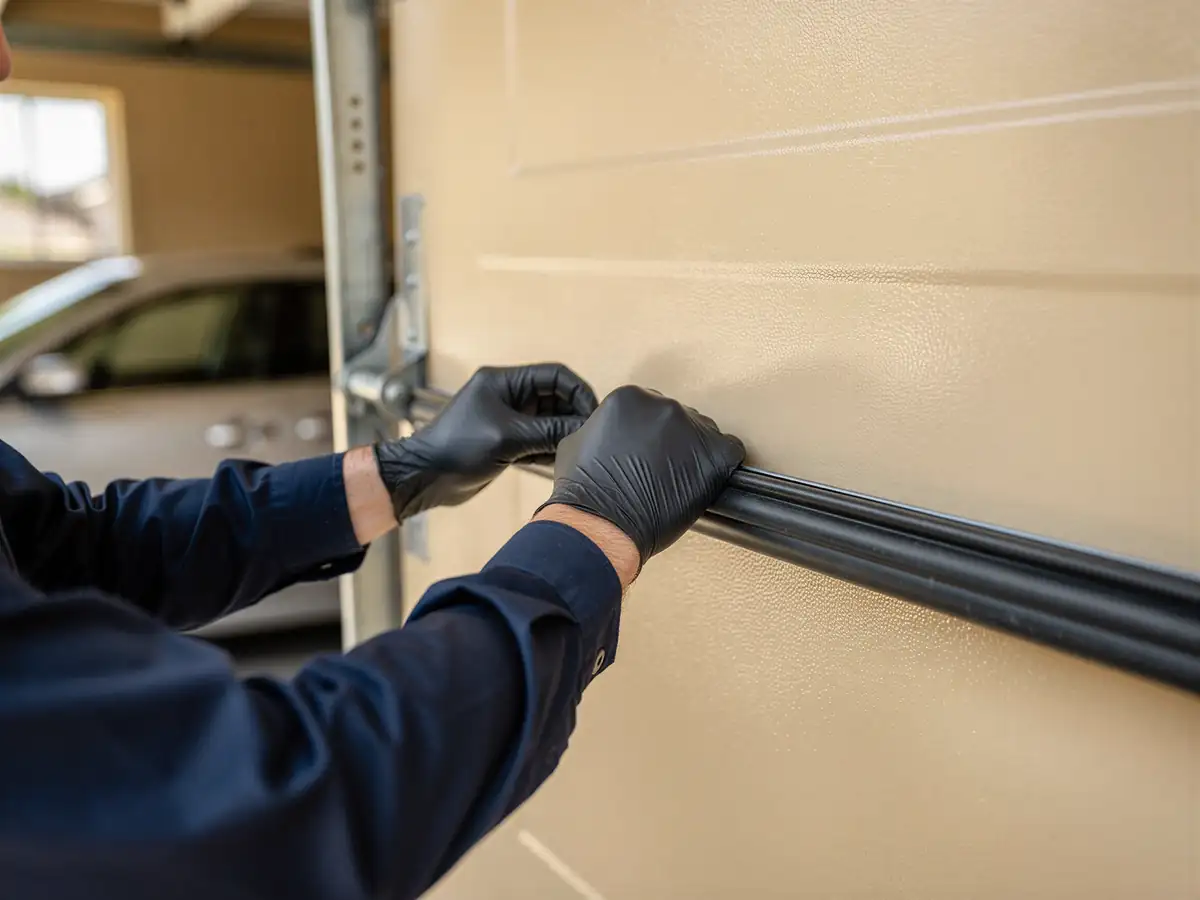
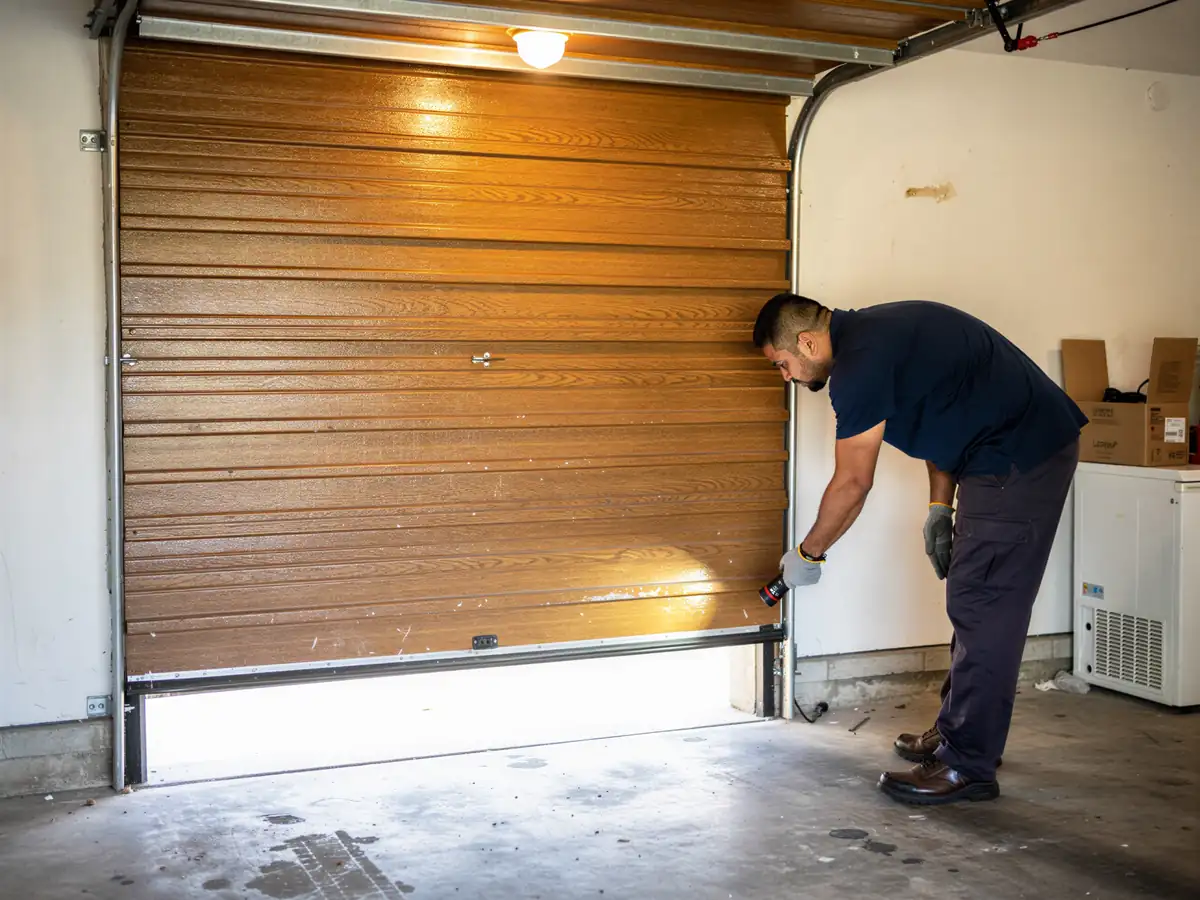
If your door in Oxford is sticking, slamming the last foot of track, or the opener is grinding before it lifts, there's a decent chance nothing on that door has ever been swapped out. Oxford's housing stock centers on 1986, noticeably newer than the 1972 median across the rest of the Shelton service area we cover. That means a lot of these garage doors are original builder-grade units: stock springs sized to the door weight at install, the factory opener that came with the house, and rollers that have never seen grease because nobody's touched them in close to forty years. The symptom you're noticing - a hard catch, a louder-than-usual opener, a door that drifts crooked - is often the first sign that factory-grade hardware from a mid-80s build is finally giving out, not a sign something was installed wrong.
Why This Fails Locally
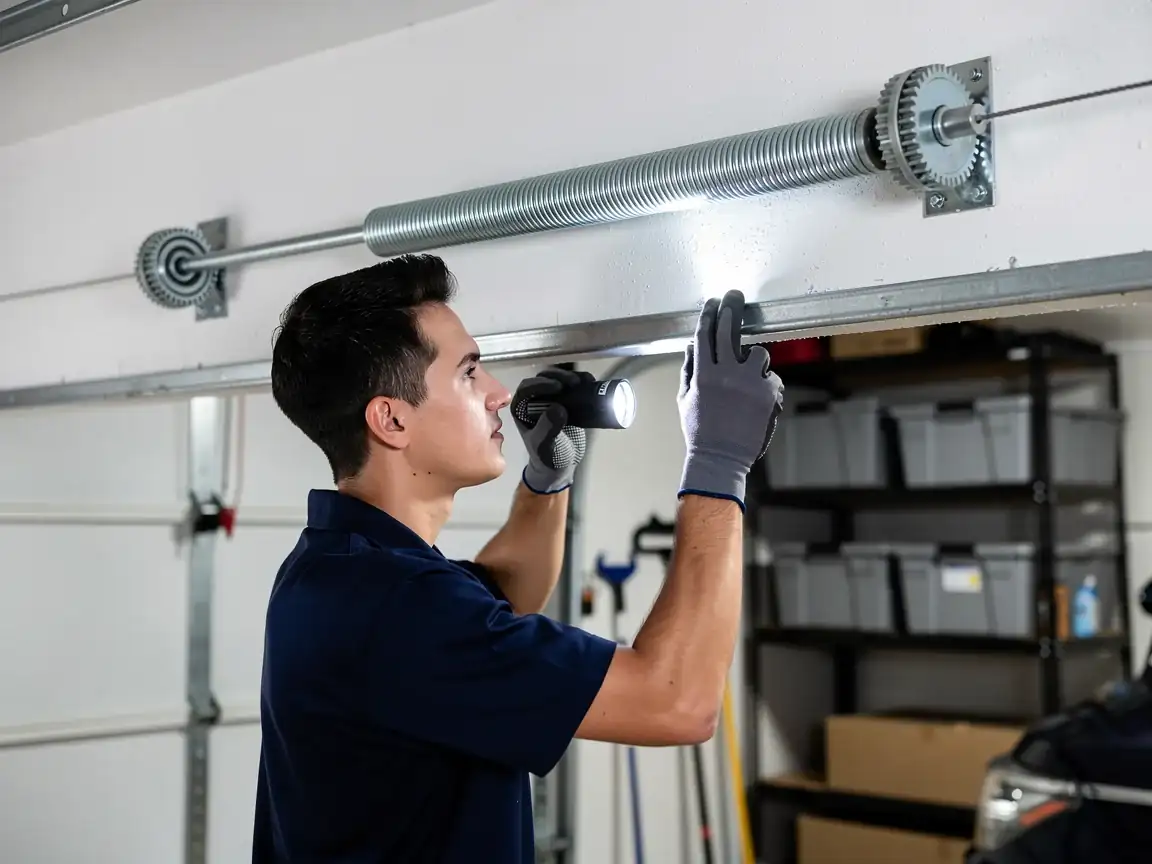
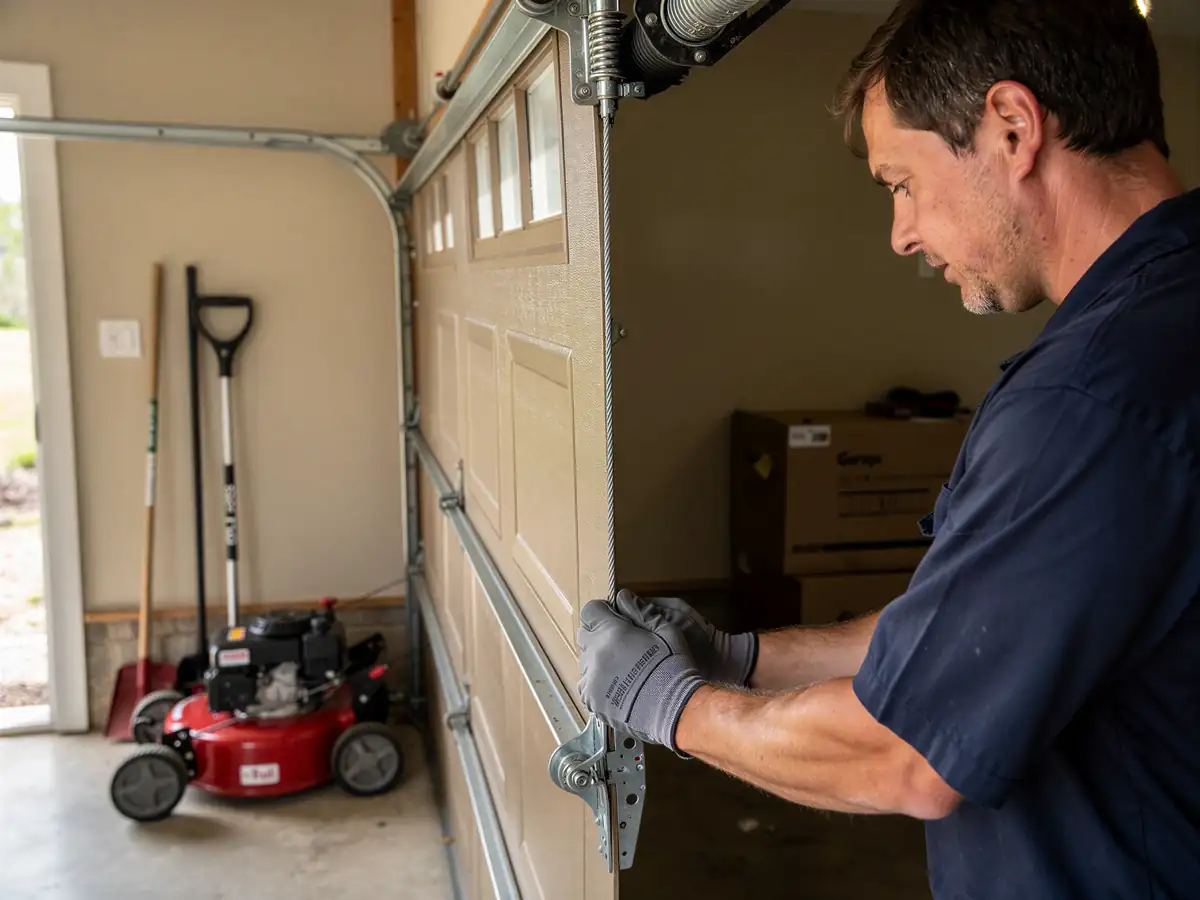
A door built in 1986 was spec'd for a door panel and insulation standard that's lighter than what goes in today, and the springs were sized to match. Thirty-plus years of winters in a cold-climate zone like this one cycles steel through expansion and contraction every season, and torsion springs lose tension gradually - you don't get a warning, you get a door that's suddenly twice as hard to lift by hand. Oxford sits about 10 miles out from our Shelton base, far enough that we're not doing same-day drop-ins on a whim, so when a spring finally lets go on one of these original setups, it tends to go without notice and the owner is stuck lifting a 150-pound door by hand until we get a truck out there. The other local number worth knowing: Oxford's median household income runs close to $125,563, a bit under the $130,180 median across the wider area, which is part of why original equipment tends to get run into the ground here rather than swapped out early.
What Can Go Wrong
The honest limitation: if a spring has been failing slowly for years, the cable and the drums have usually been taking extra wear nobody noticed, and sometimes a