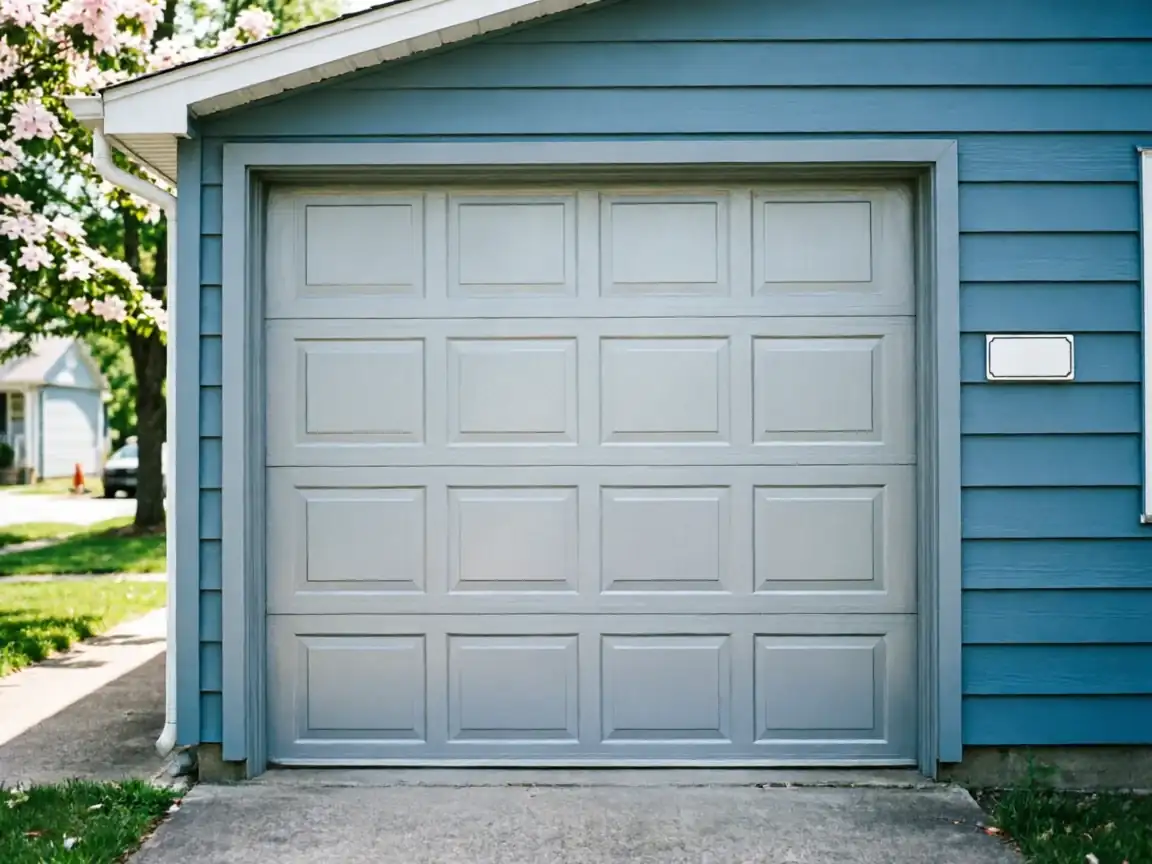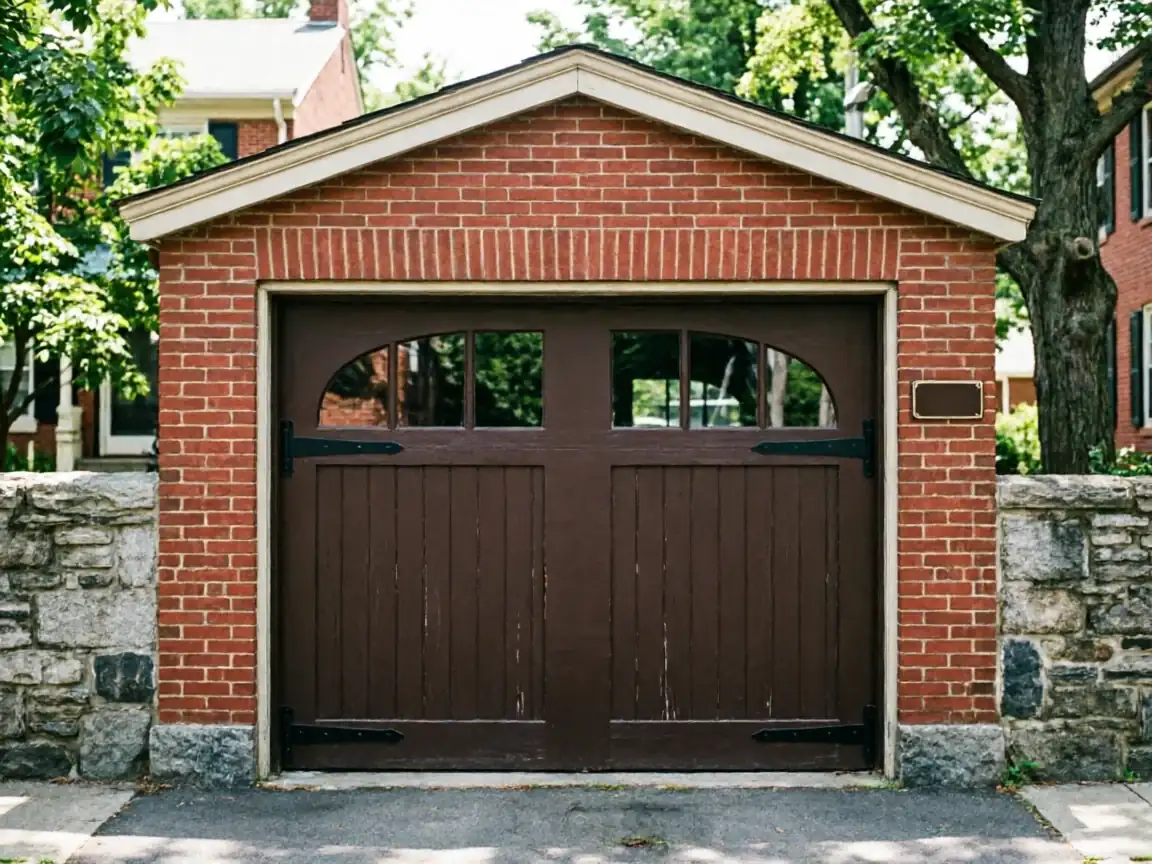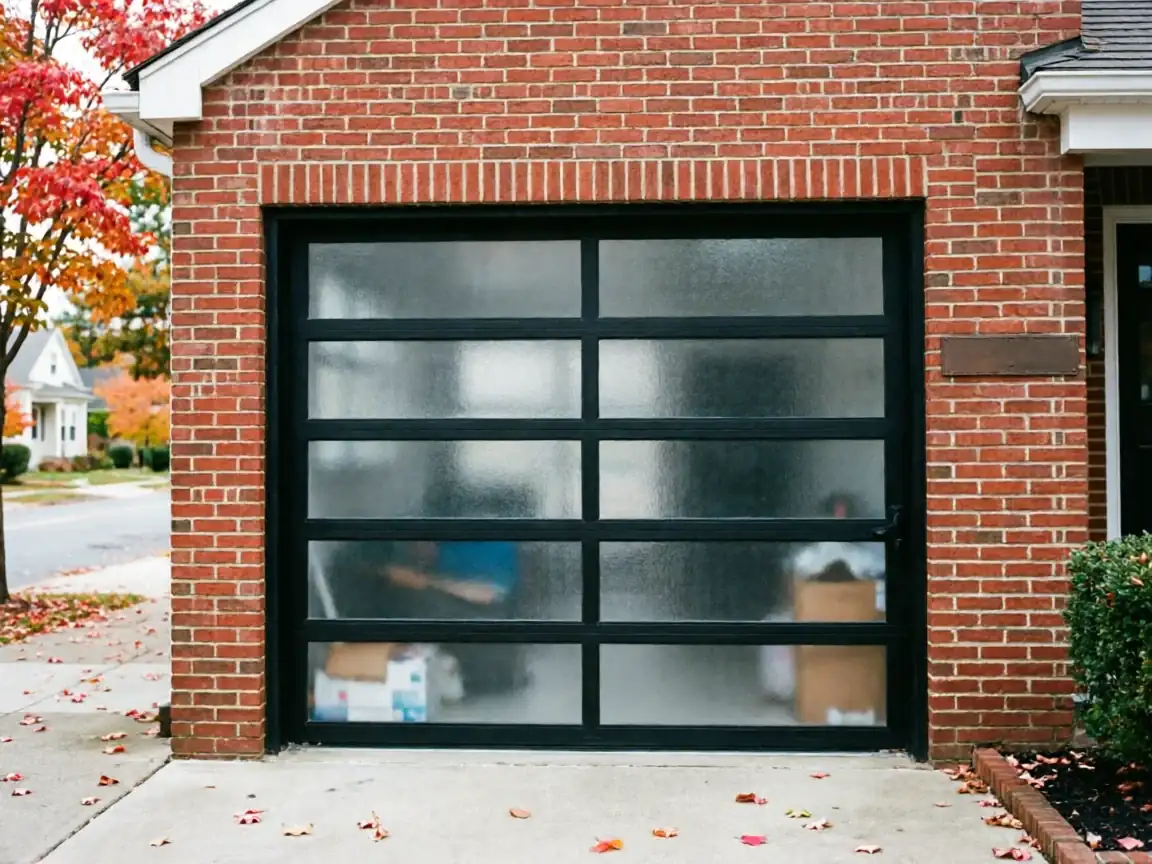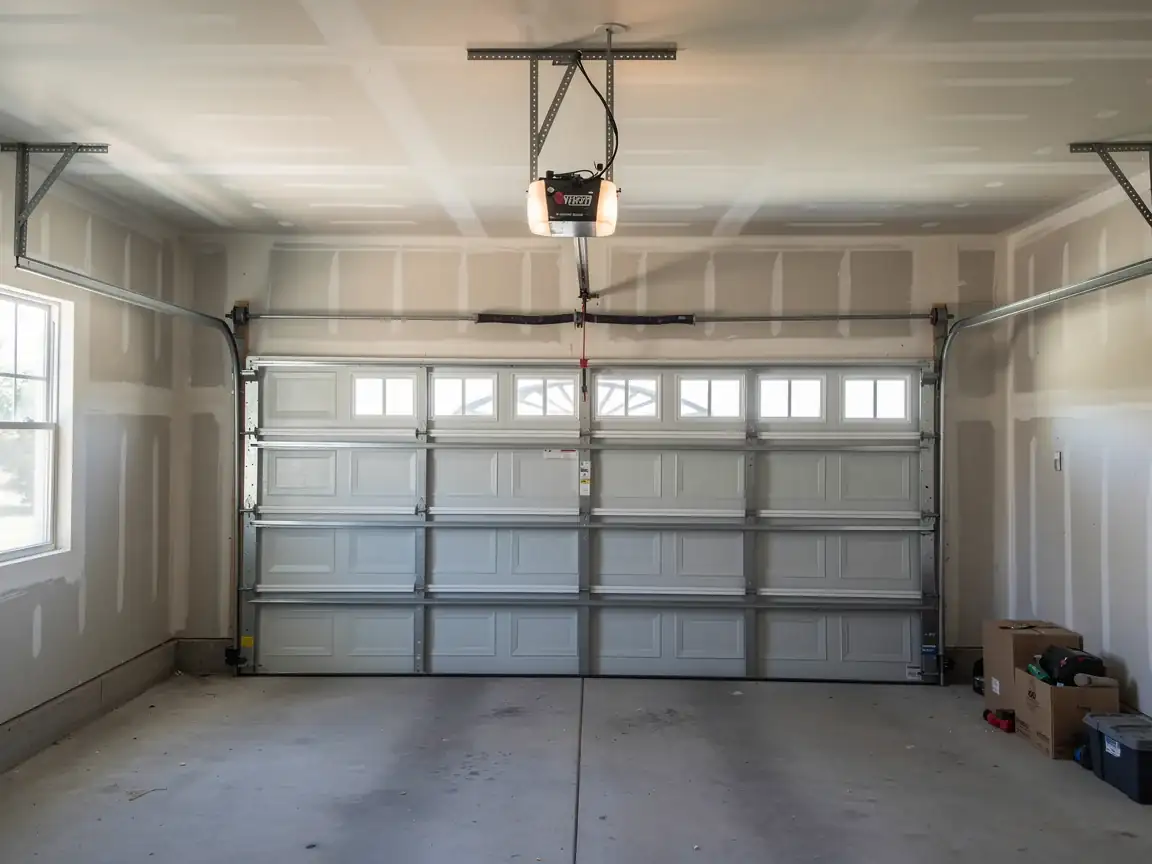
The Symptom
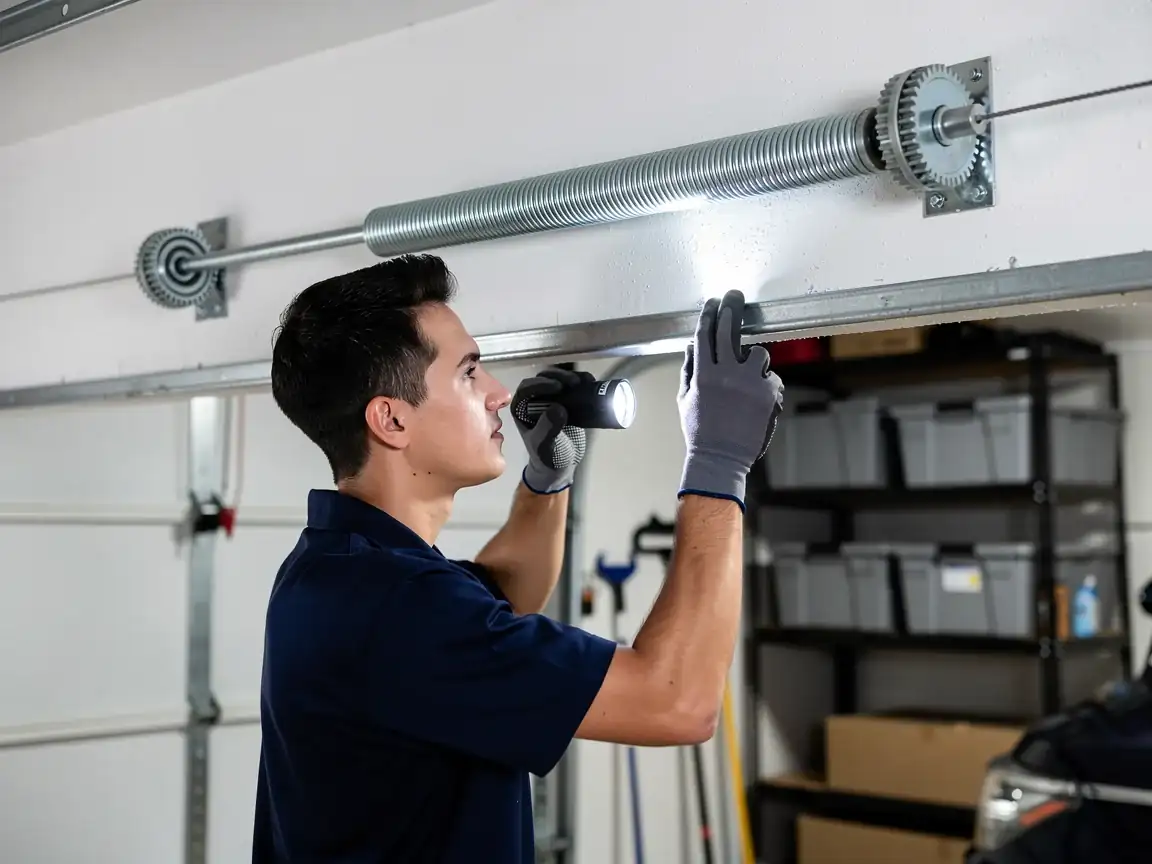
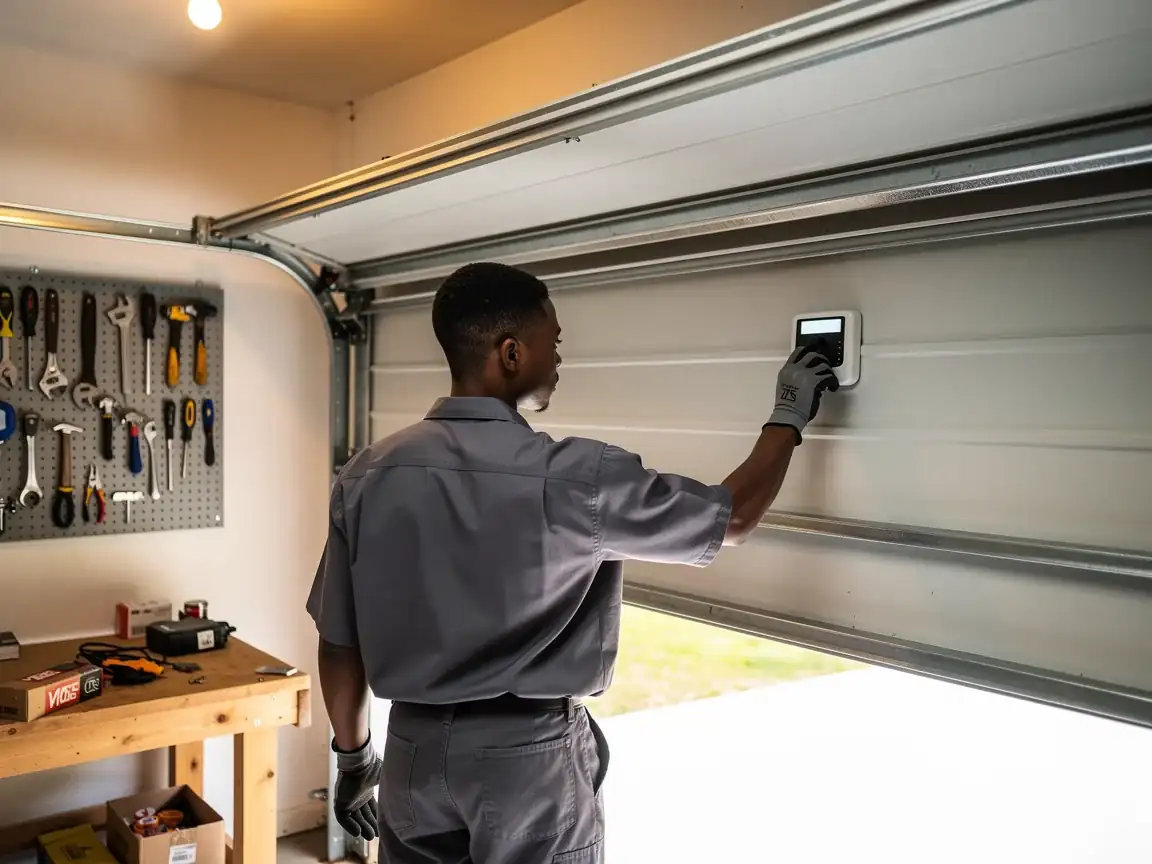
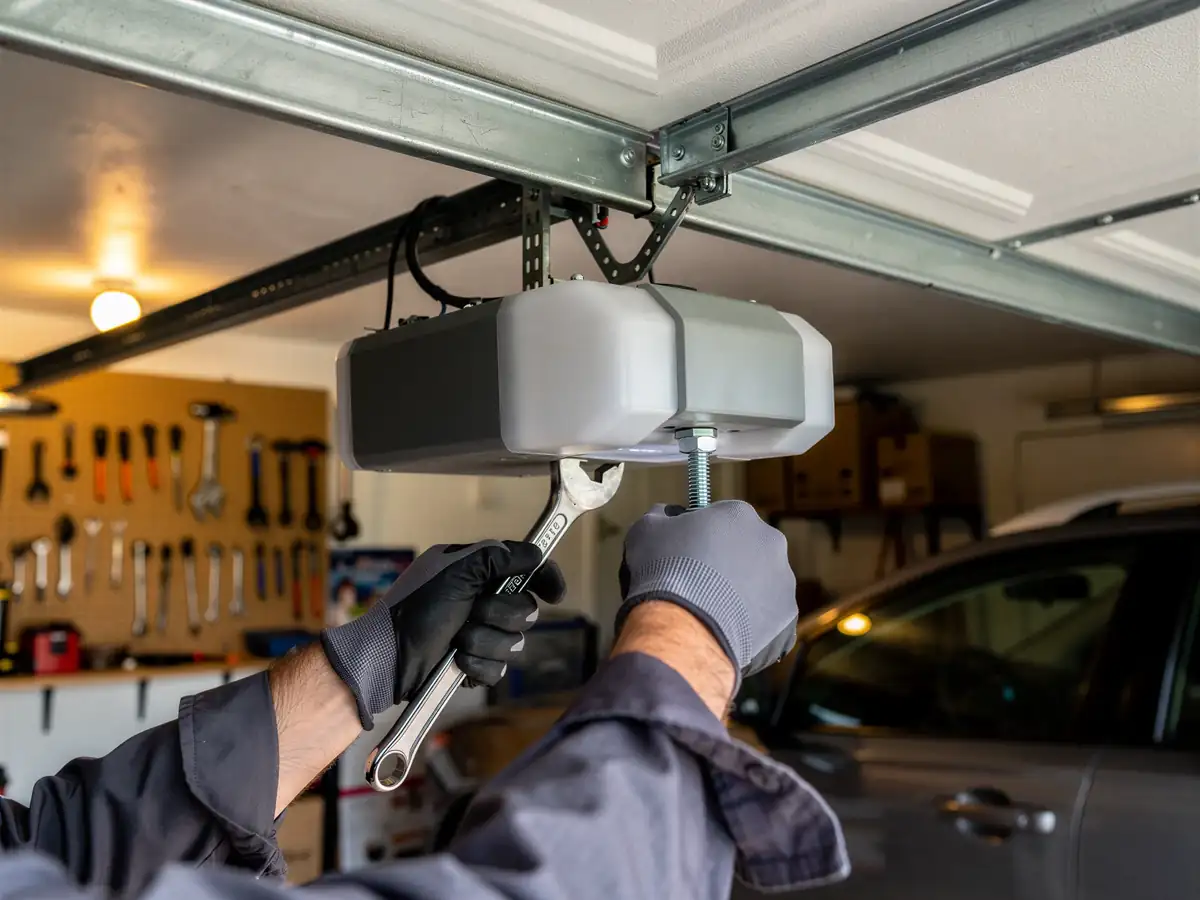
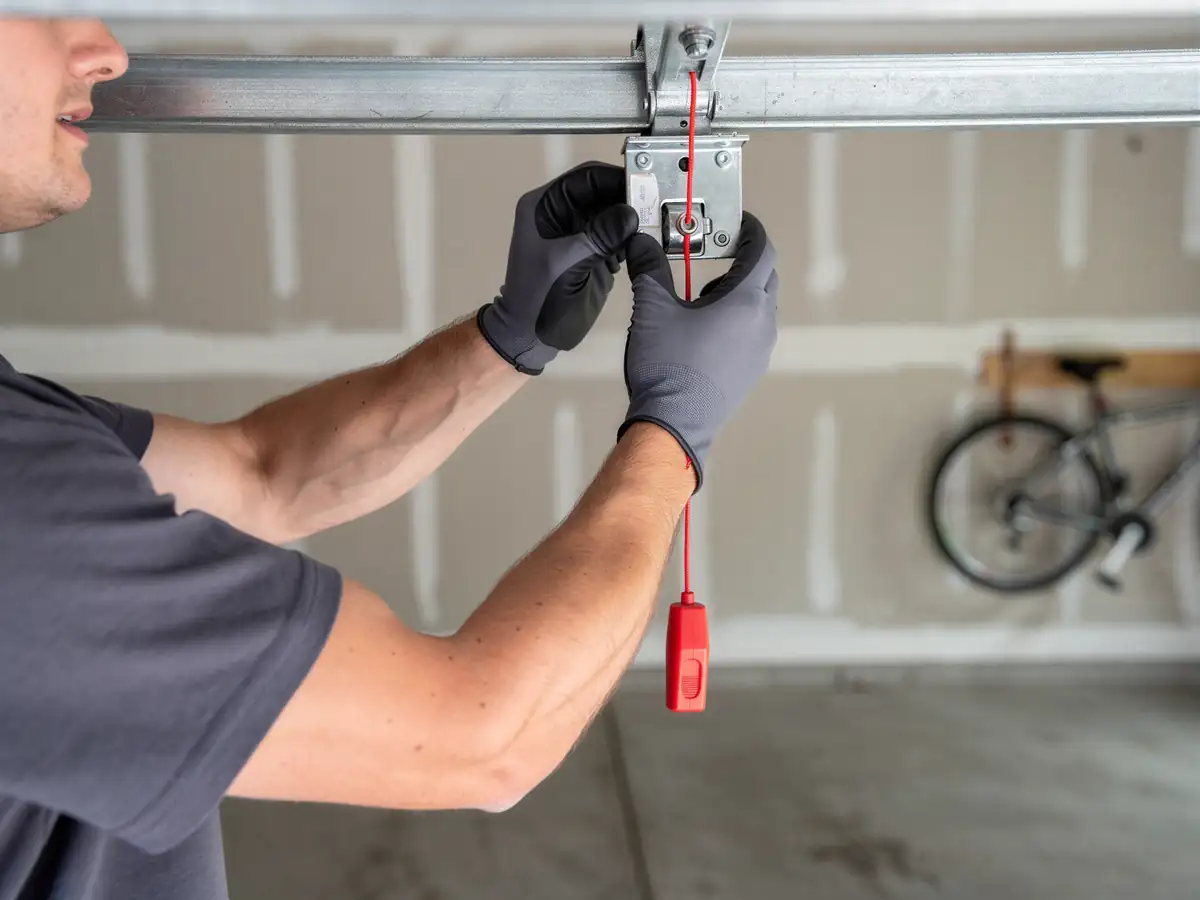
Your opener hums, the light blinks, but the door won't move - or it moves a few inches and reverses. In a lot of the towns we cover, that symptom points straight at a spring or a worn cable on a door that's been in service since the Johnson administration. Oxford is different. The service area overall has housing dating back to 1952 with a median build year of 1972, but Oxford's own stock runs later - most houses here went up well after that, closer to the mid-1980s. That means the opener itself, not the door hardware around it, is more often the actual problem. Newer doors here tend to still have their original torsion springs and tracks in decent shape; it's the chain-drive or screw-drive unit bolted to the ceiling that's twenty-plus years old and finally giving out. Circuit boards fail, capacitors on the motor dry out, and the logic board that controls travel limits starts misreading where the door actually is. If you're hearing a motor run but seeing no door movement, or getting random reversals on a door that looks fine, the opener is the suspect, not the panel.
Why This Fails Locally
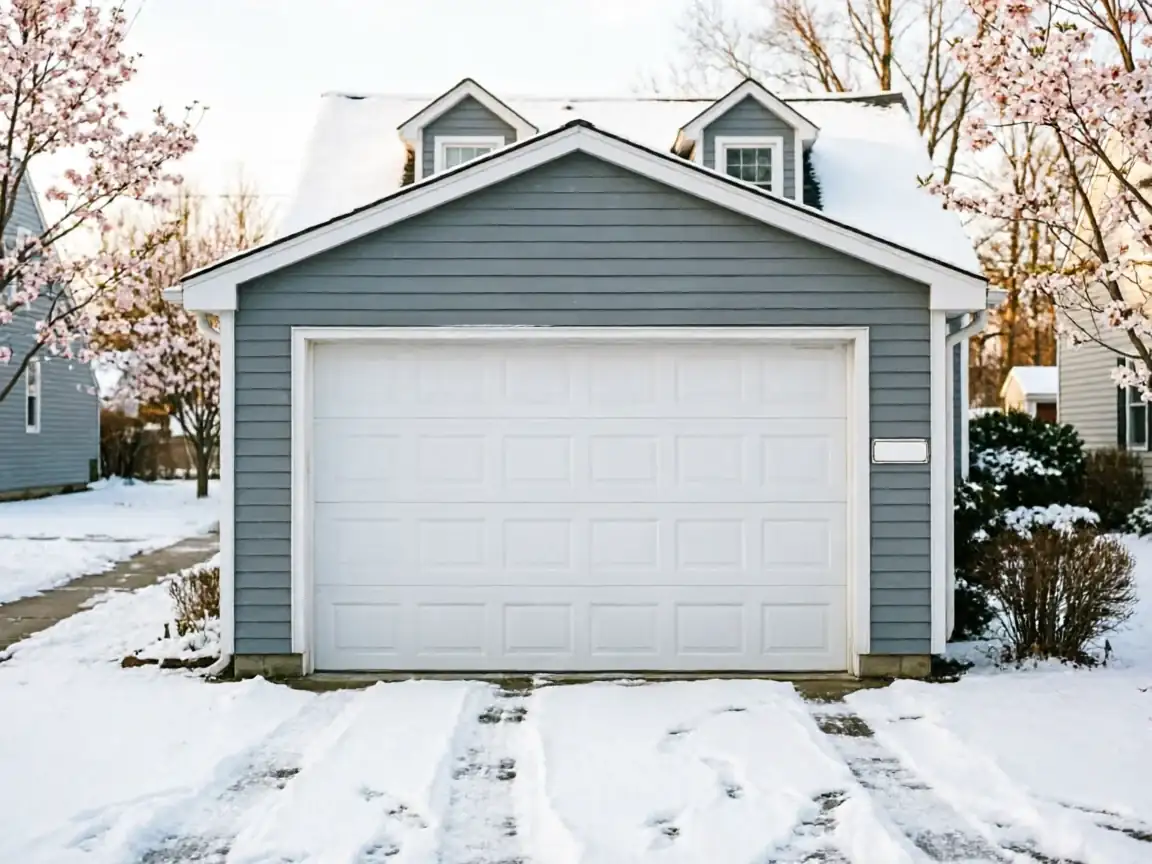
A house built around 1986 usually got a chain-drive opener that was standard for the era, often upgraded once or not at all since. Those units have had three or four decades of Connecticut winters to work through - and this corner of the state sits in a cold-severe climate band, which matters more for openers than people expect. Cold makes grease in the drive gear stiffen, chain tension loosen as metal contracts, and the capacitor that kicks the motor on struggle to deliver the jolt it used to. None of that is dramatic until one January morning the door just won't go, usually the same week you need it most. Because Oxford's housing skews newer than much of the rest of what we cover from Shelton, we see fewer calls here for rotted jambs or ancient extension springs and more for opener logic boards, worn drive gears, and safety sensor alignment drifting out after years of lawn mower bumps. The fix is almost always in the unit on the ceiling, not the door it's lifting.
What Can Go Wrong
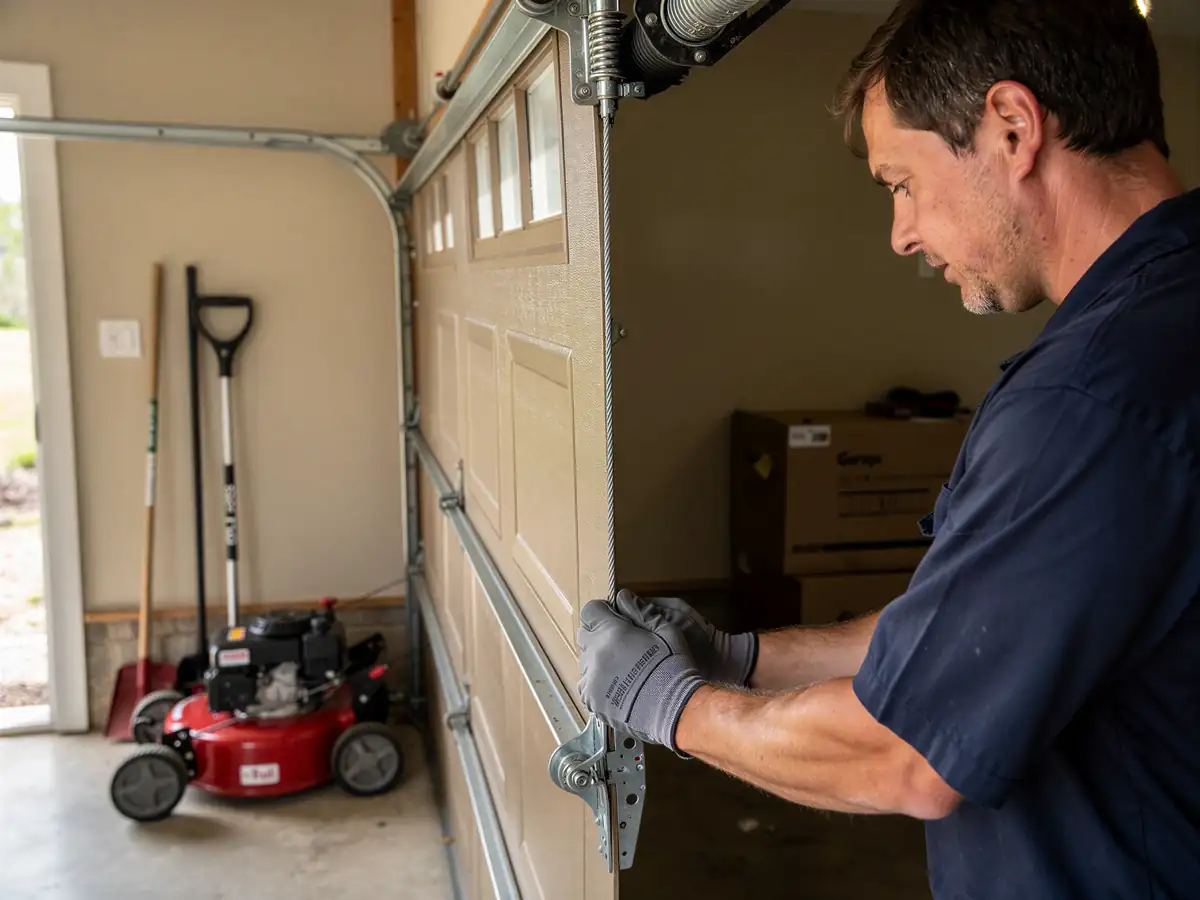
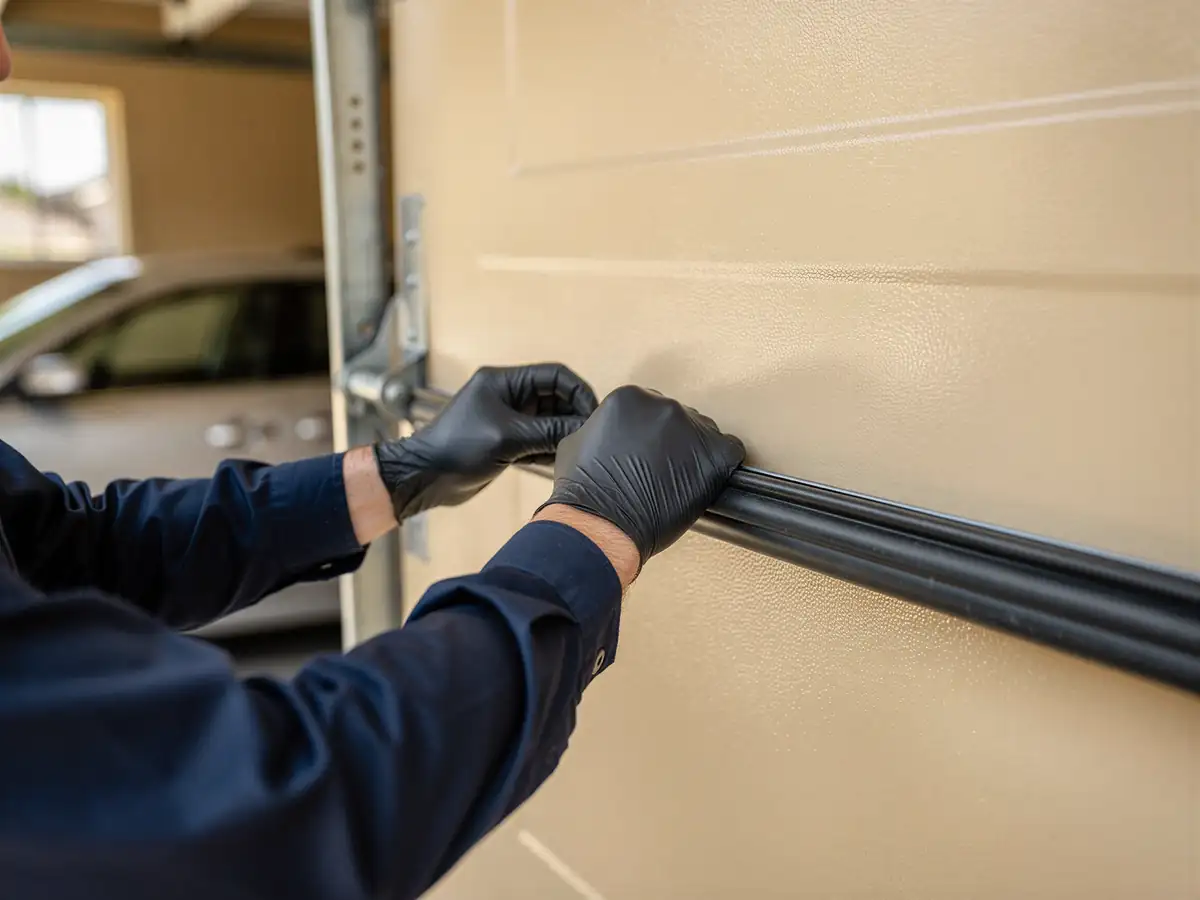
The honest limitation: if the opener is an older belt or chain model and the manufacturer has moved on to a different drive system entirely, we can't always get an exact replacement part - at that point replacing the whole unit is cheaper and faster than chasing a discontinued board. We also won't try to force a repair on a unit that's failing for a second or third time in a year; that's a sign the motor itself is done; patching it again just delays the same call. On the door side, even newer Oxford homes occasionally have an opener mismatched to the door's actual weight - installed by a previous owner or builder on the cheap - and no amount of board-swapping fixes an opener straining against a door it was never rated to lift. In cold-severe winters, ice on the bottom seal can also mimic opener failure by pinning the door shut; that's worth ruling out before any repair starts.