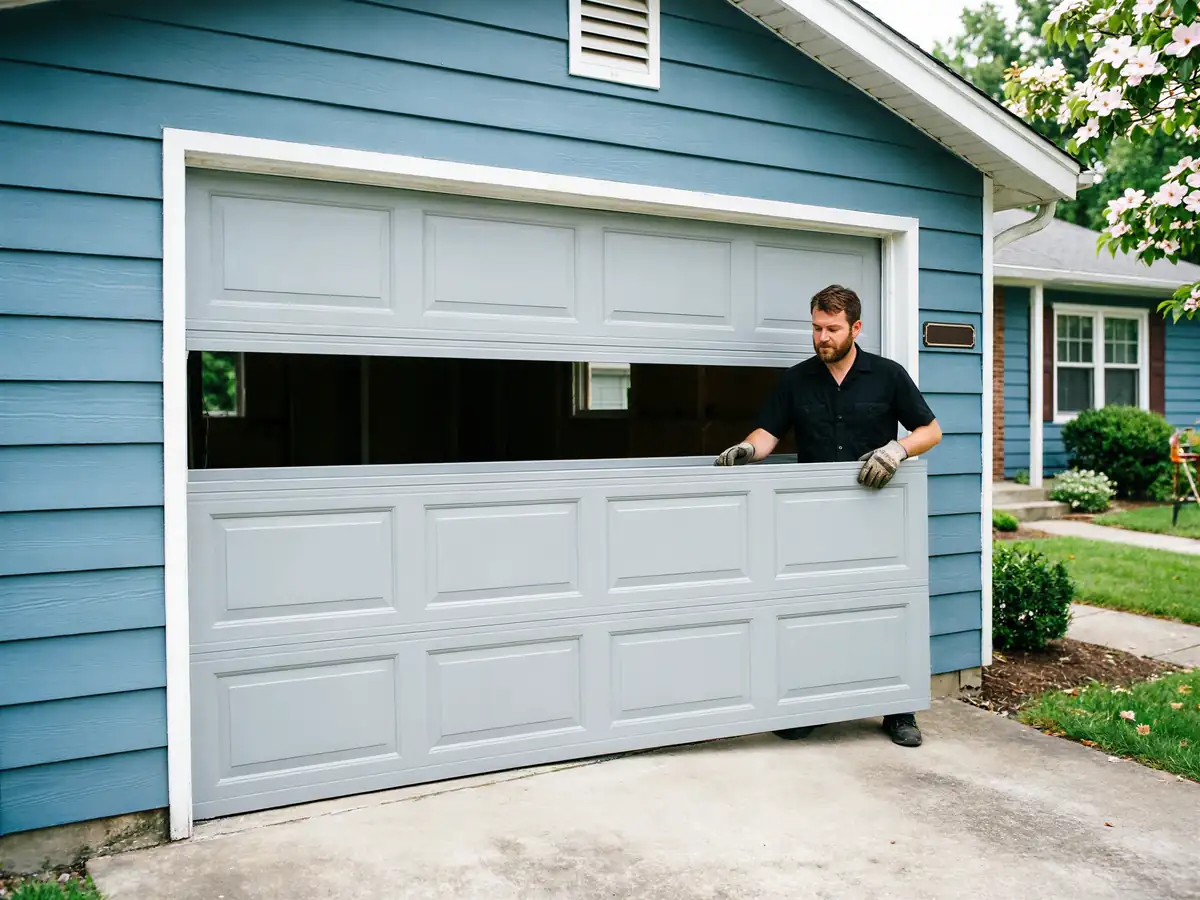
The Symptom
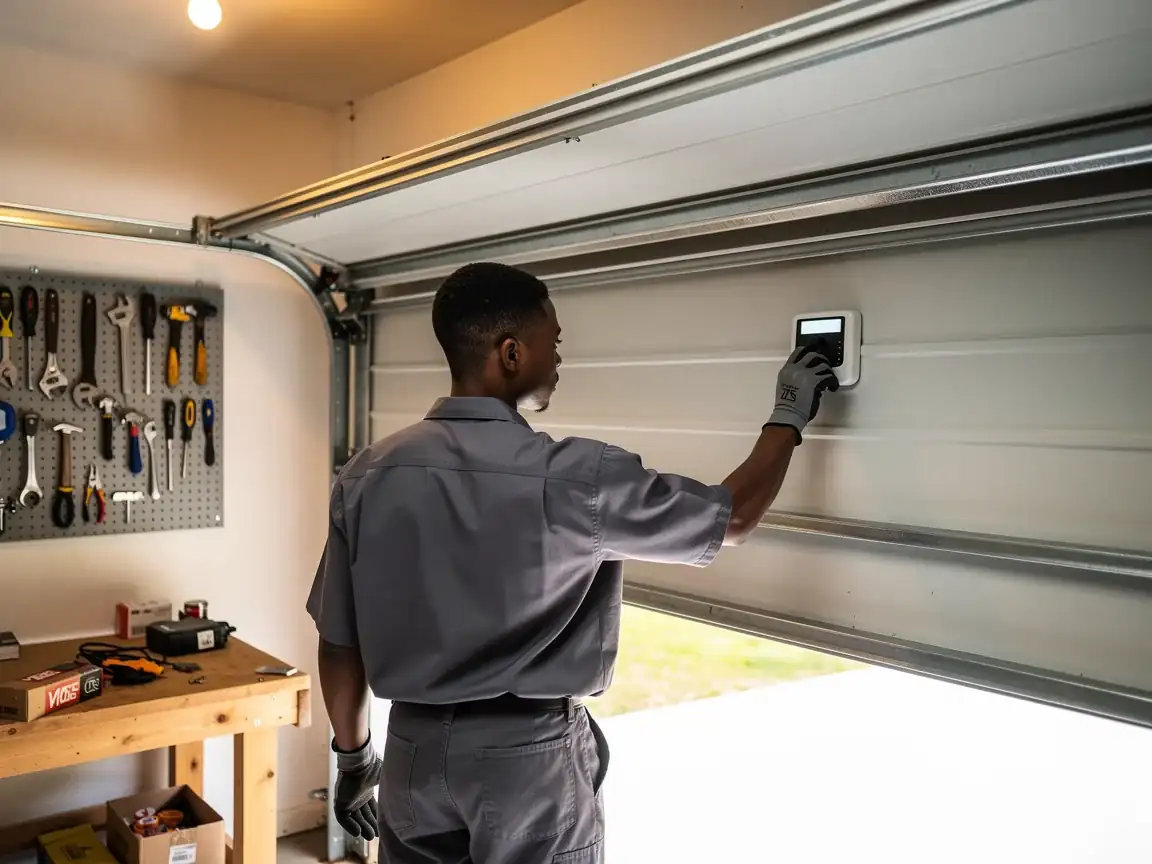
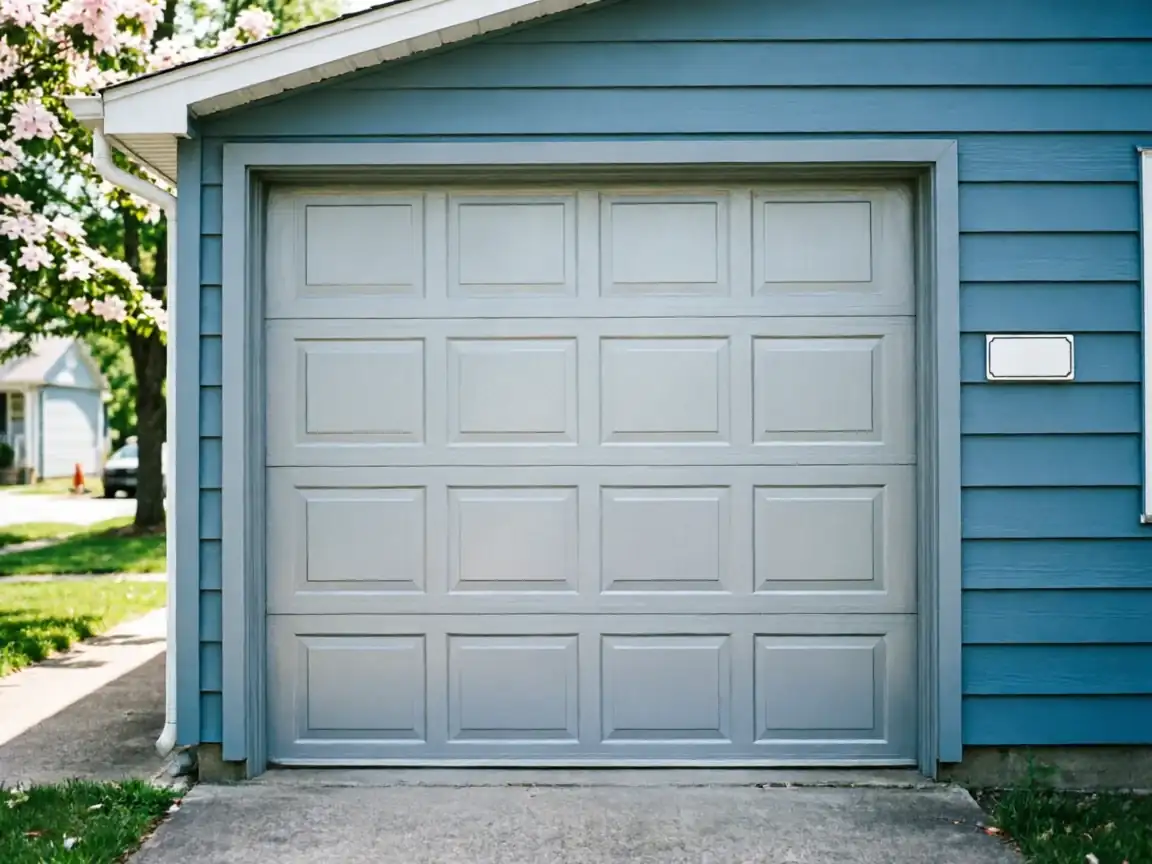
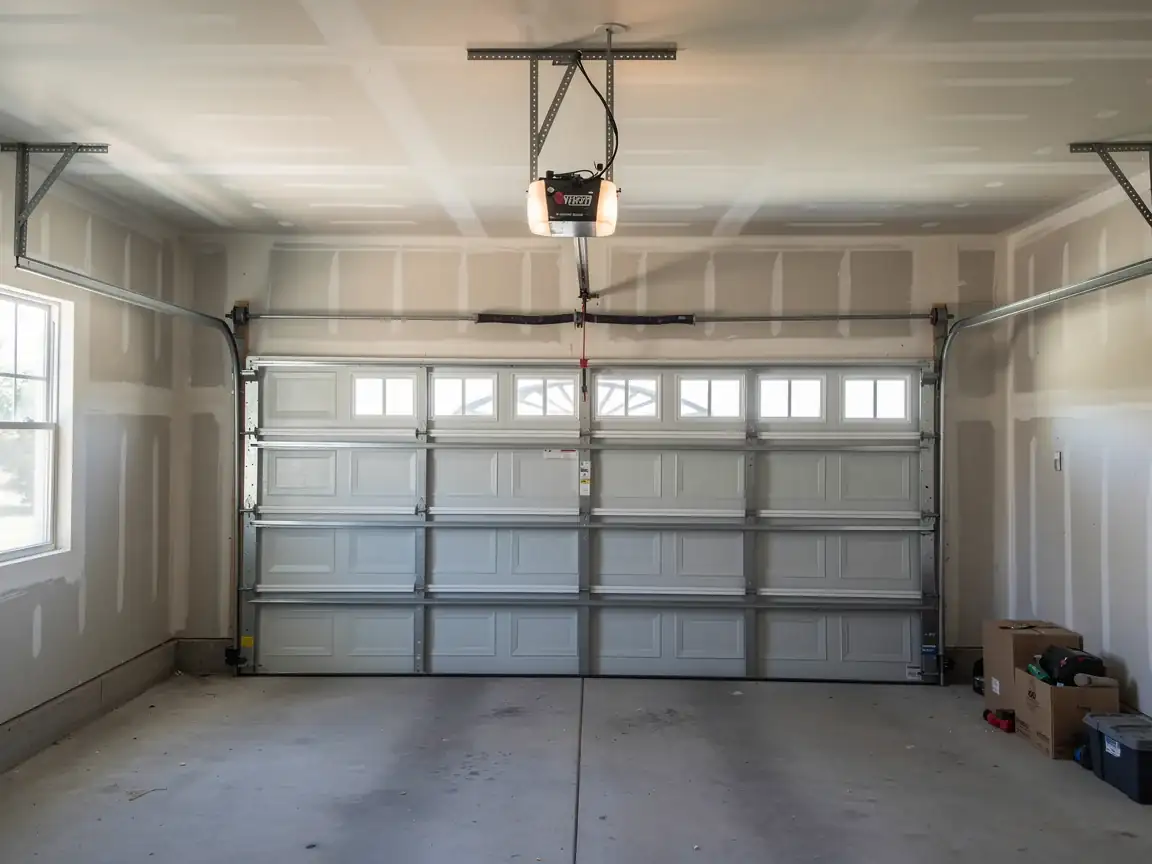
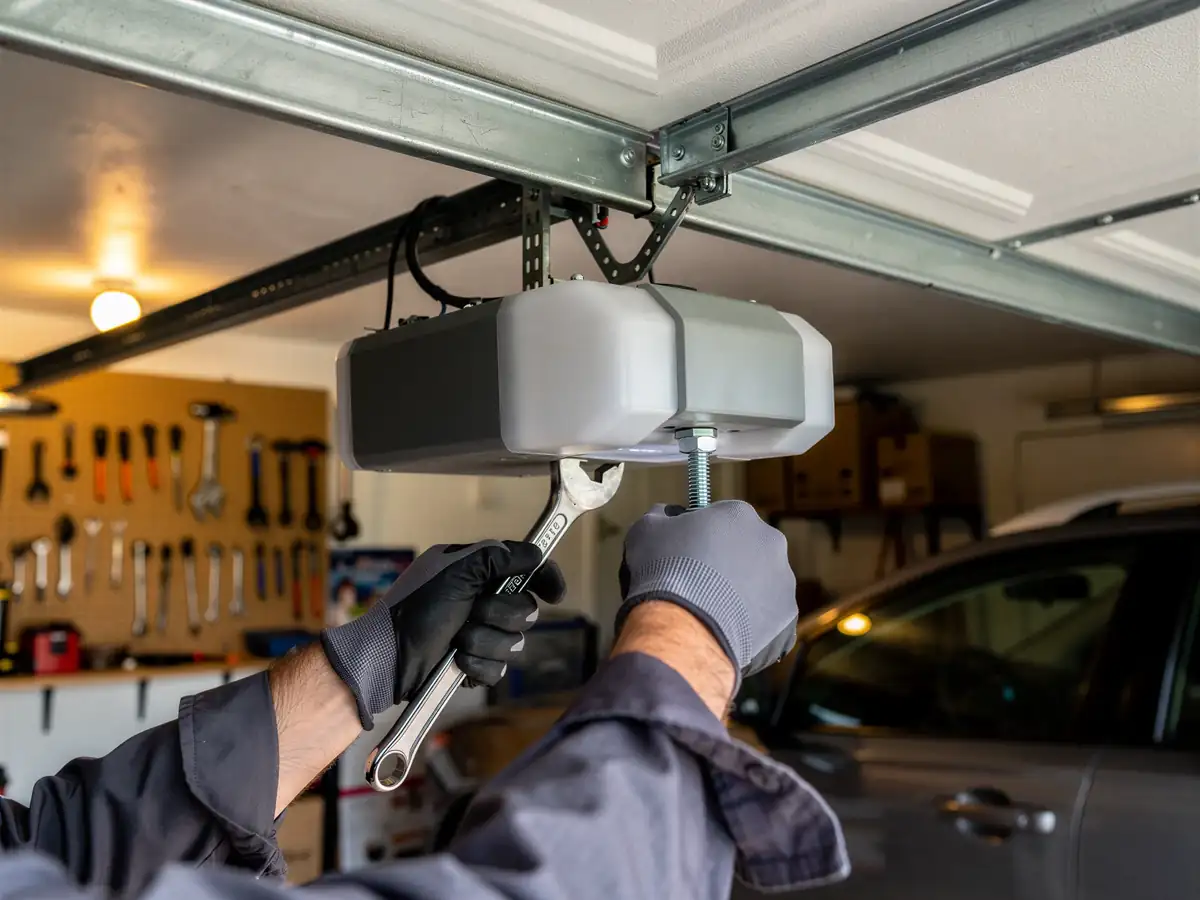
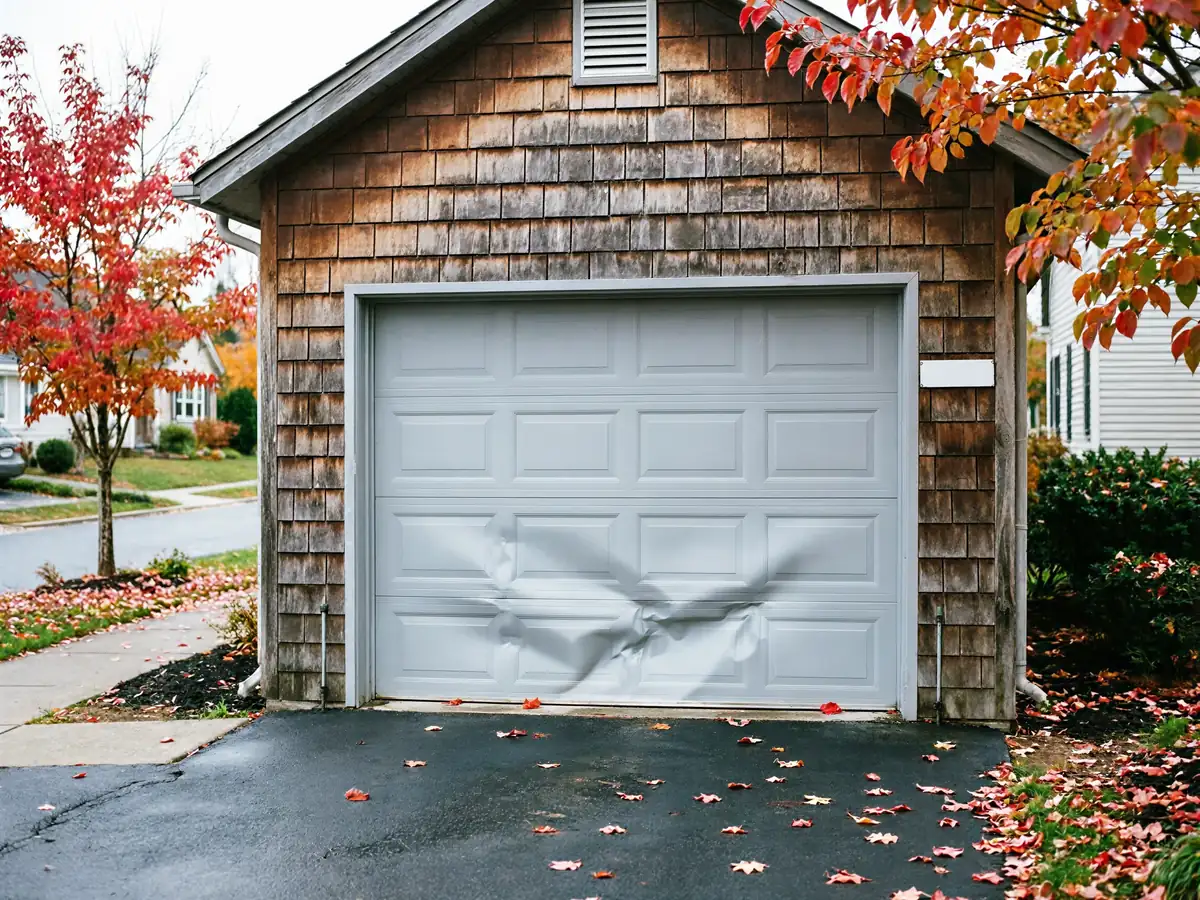
Oxford's housing stock centers on 1986, a good fourteen years newer than the 1972 median across the wider Shelton service area. That one number tells you what you're dealing with. A door installed when a house was built in the mid-80s is now pushing forty years old. The symptoms show up the same way every time: the door sags at the bottom corners, the opener grinds before it catches, and the steel panel face has gone soft and dented from four decades of basketballs and car doors. If your opener is original to the house, it's a chain-drive unit with none of the safety reversal sensing that's standard now. Homeowners usually call us not because the door stopped working outright, but because it's gotten loud, slow, and unreliable enough that they don't trust it anymore. That's the right instinct. A door built to 1986-era hardware specs wasn't engineered for 2024 expectations around insulation, quiet operation, or opener safety, and patching it only buys a little time before the next part fails.
Why This Fails Locally
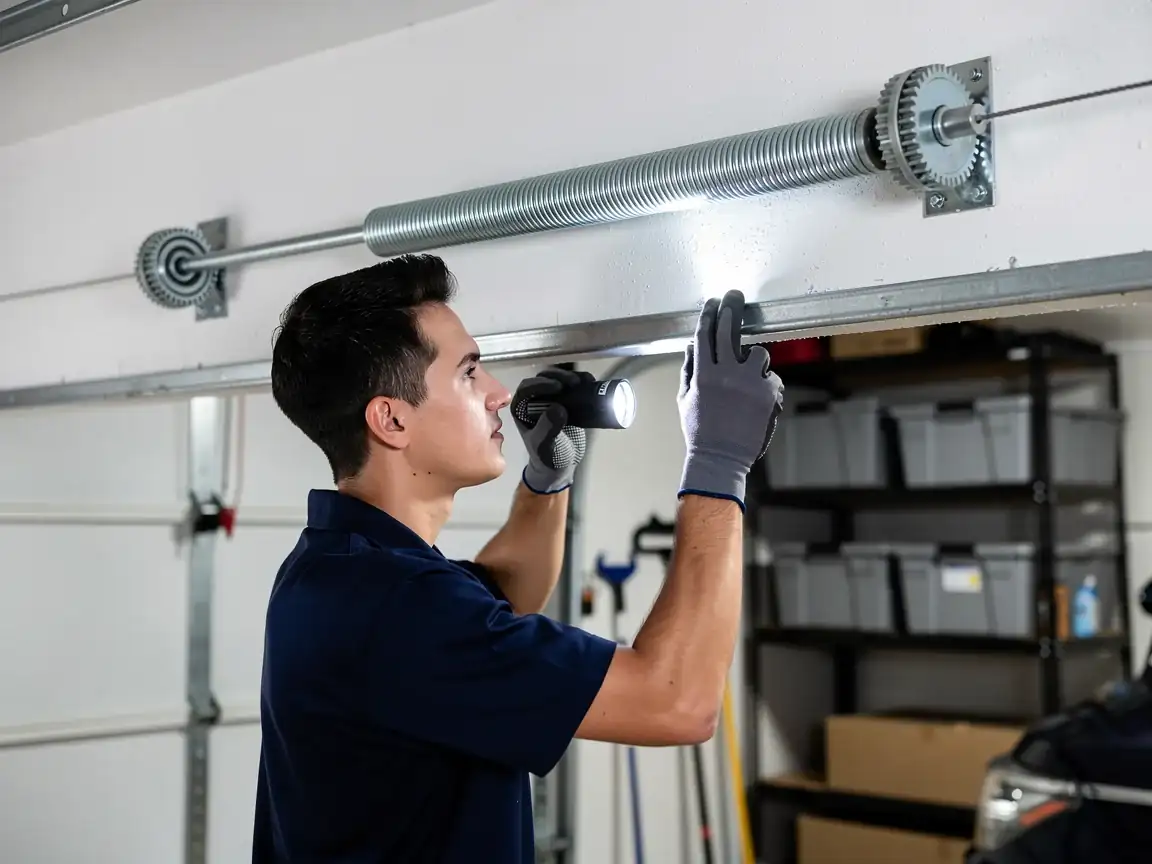
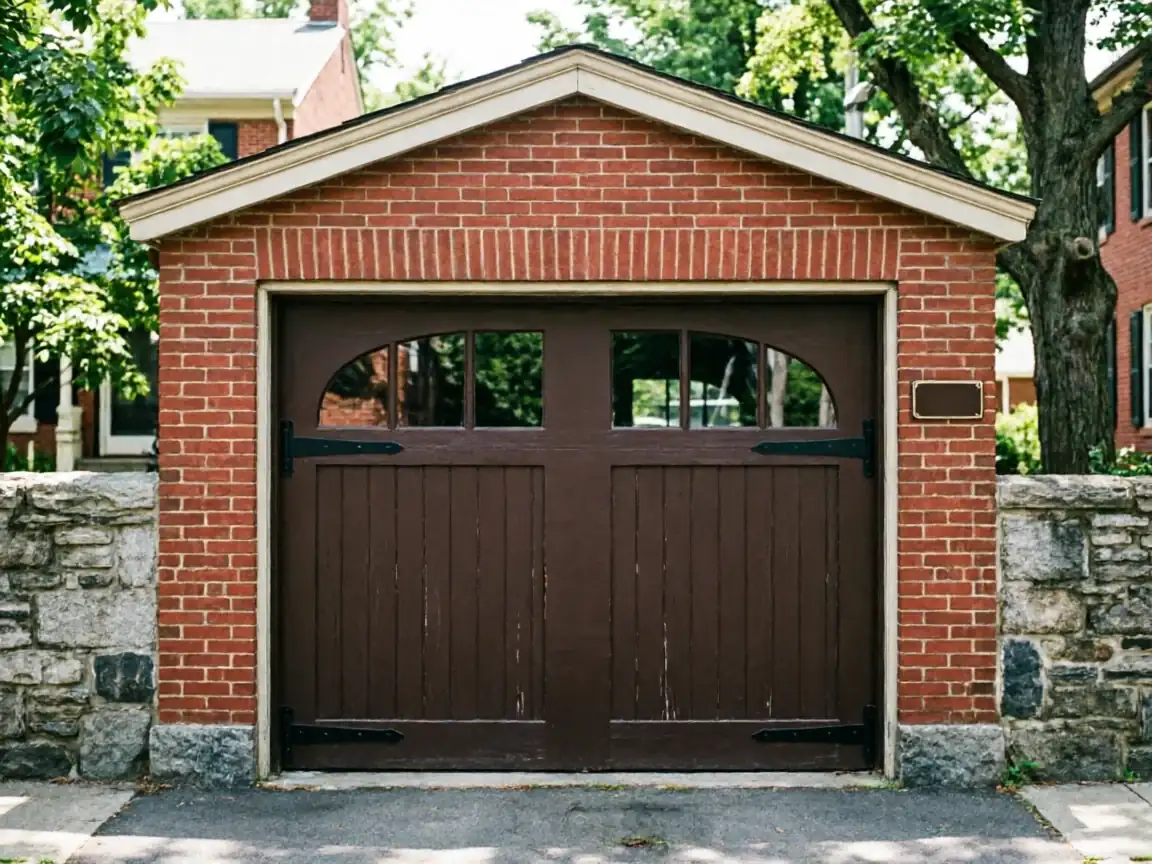
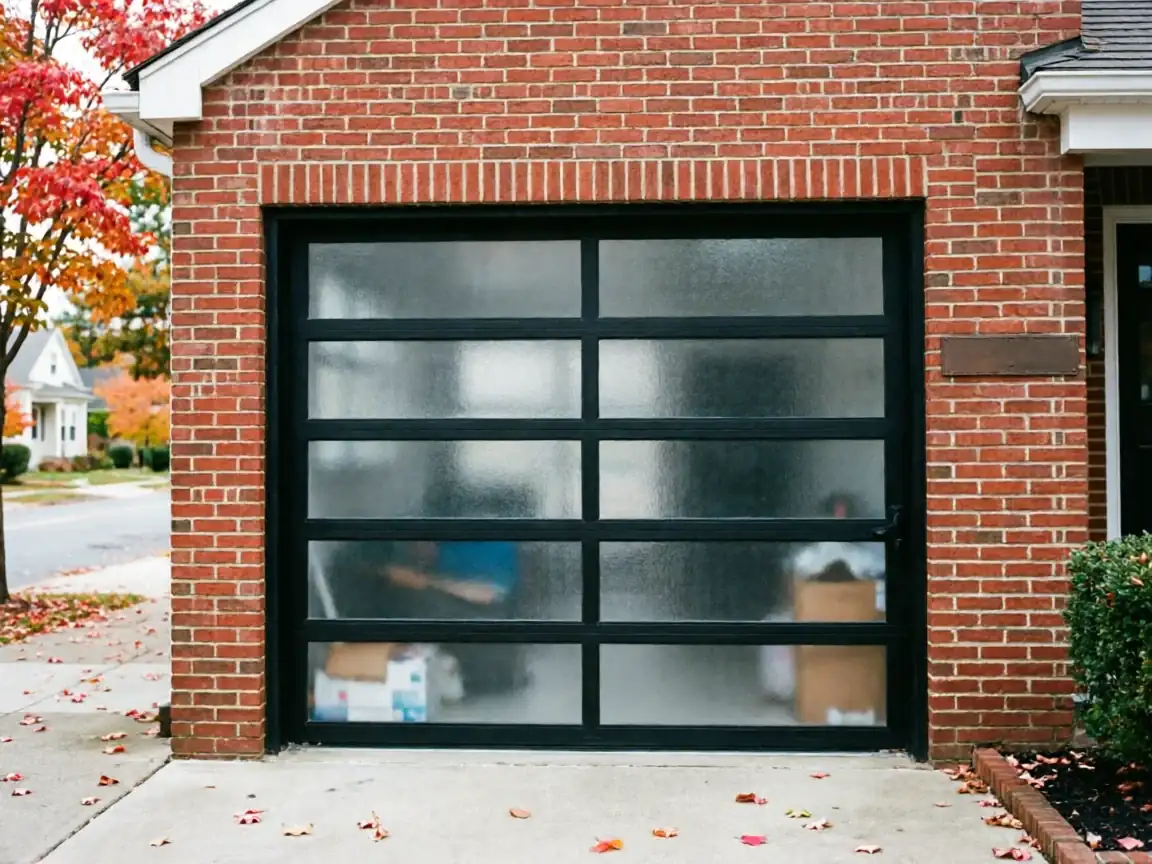
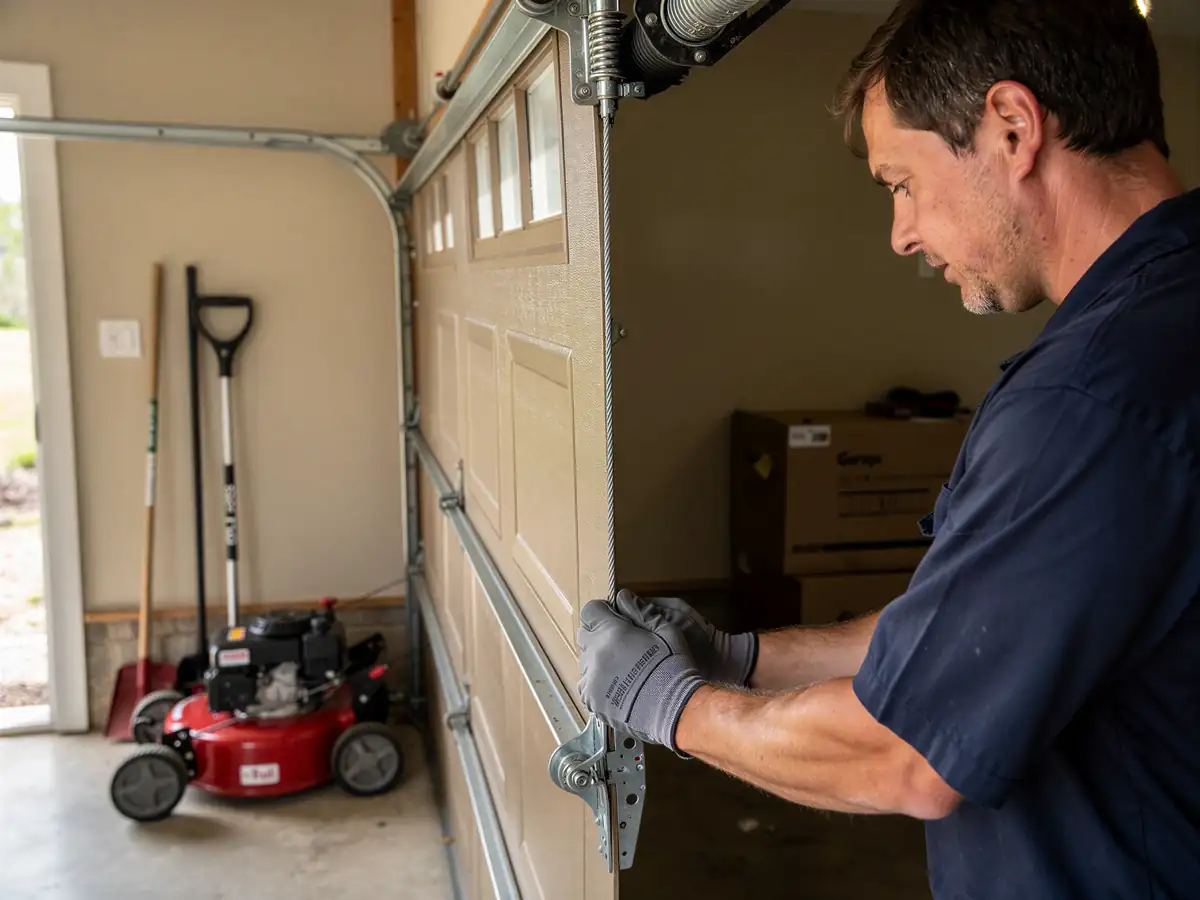
A door built to 1986 standards here doesn't meet the insulation homeowners want in a COLD severe climate. Builders in that era mostly used single-layer, non-insulated steel panels, because energy code at the time didn't push back on garage doors the way it does now. That was fine for the climate expectations of the day. It's not fine when winters bring sustained cold and the garage shares a wall with living space or sits under a bonus room. The other issue is springs. A torsion spring sized for a door built in 1986 was rated for the door weight and cycle count of that decade's hardware, not for a heavier insulated replacement panel. Swap in a modern door without resizing the spring and you get premature failure or a door that won't lift smoothly. Oxford's median household income of $125,563 runs a bit below the broader service area's $130,180, and we mention that only because it shapes the kind of job we usually spec here: solid mid-range insulated doors rather than the top-tier custom lines, matched correctly to the house rather than oversold.
What Can Go Wrong
The most common surprise on a 1986-era Oxford install is header rot or settling around the frame that wasn't visible until the old door comes off. With just 4,929 households in Oxford, we're not out here every week the way we are in denser parts of the service area, so we rely on the homeowner to flag anything unusual about past water intrusion or prior repairs before we quote the job. Another issue: some of these houses had their openers replaced once already, often with a unit that doesn't match the door's current spring setup, which means the