The Symptom
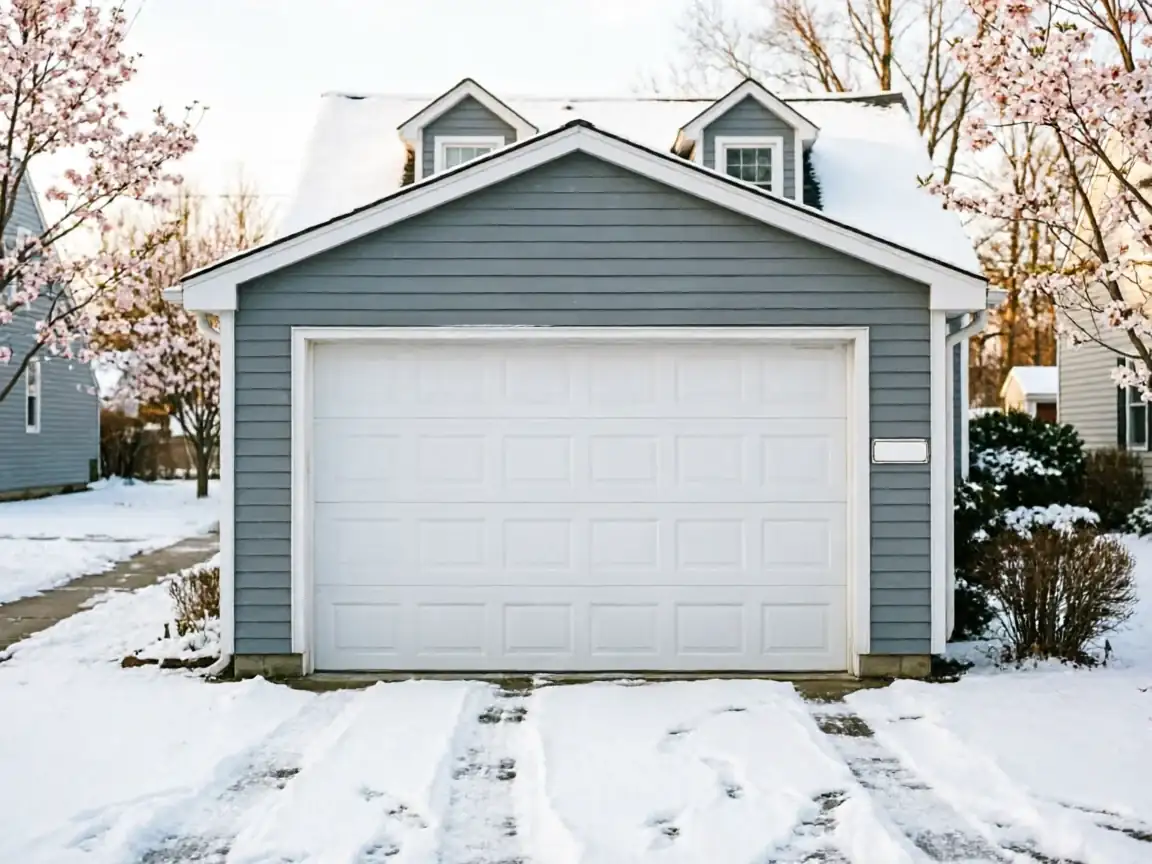
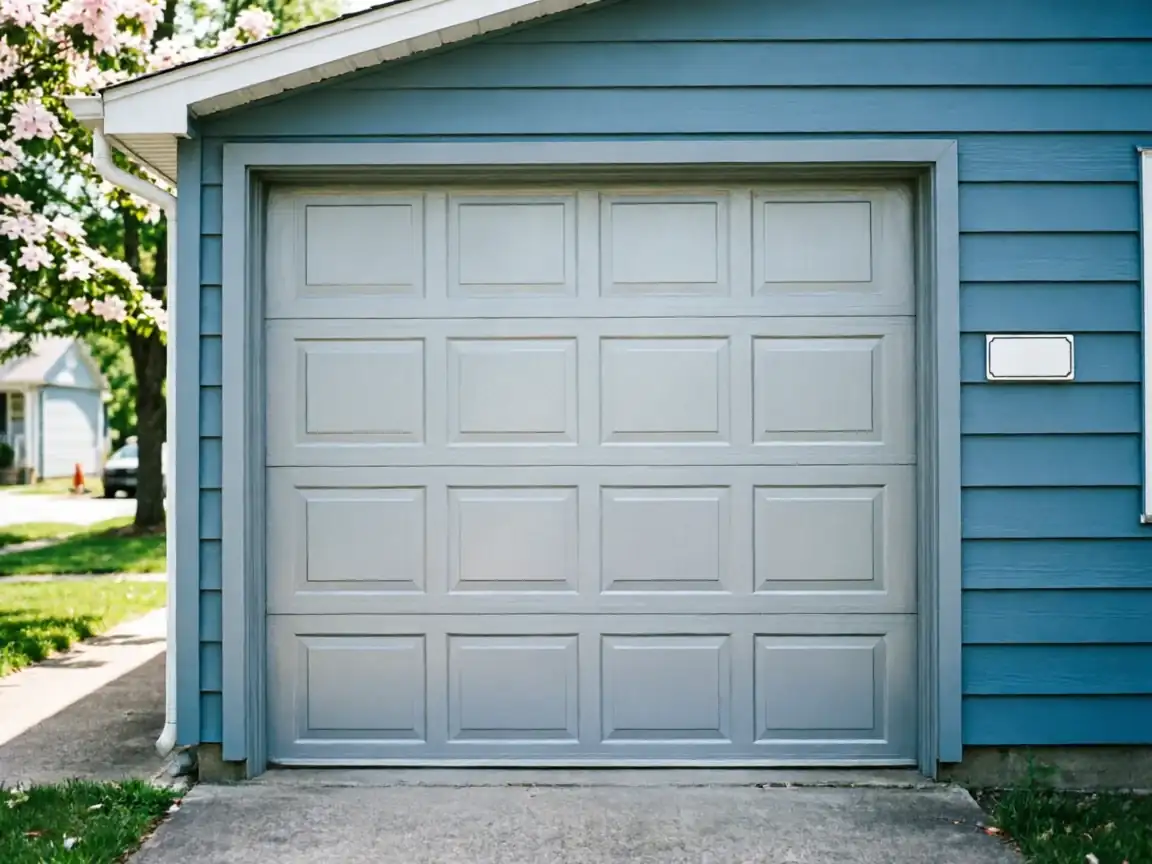
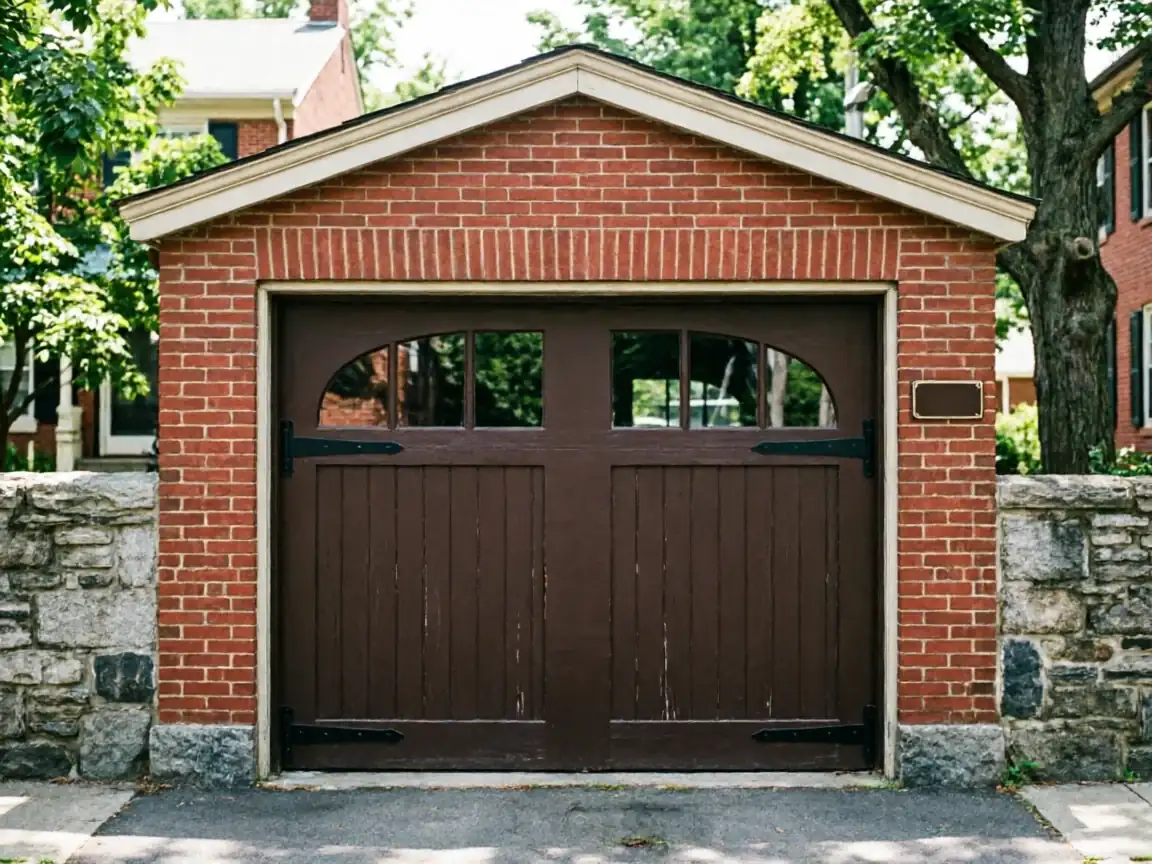
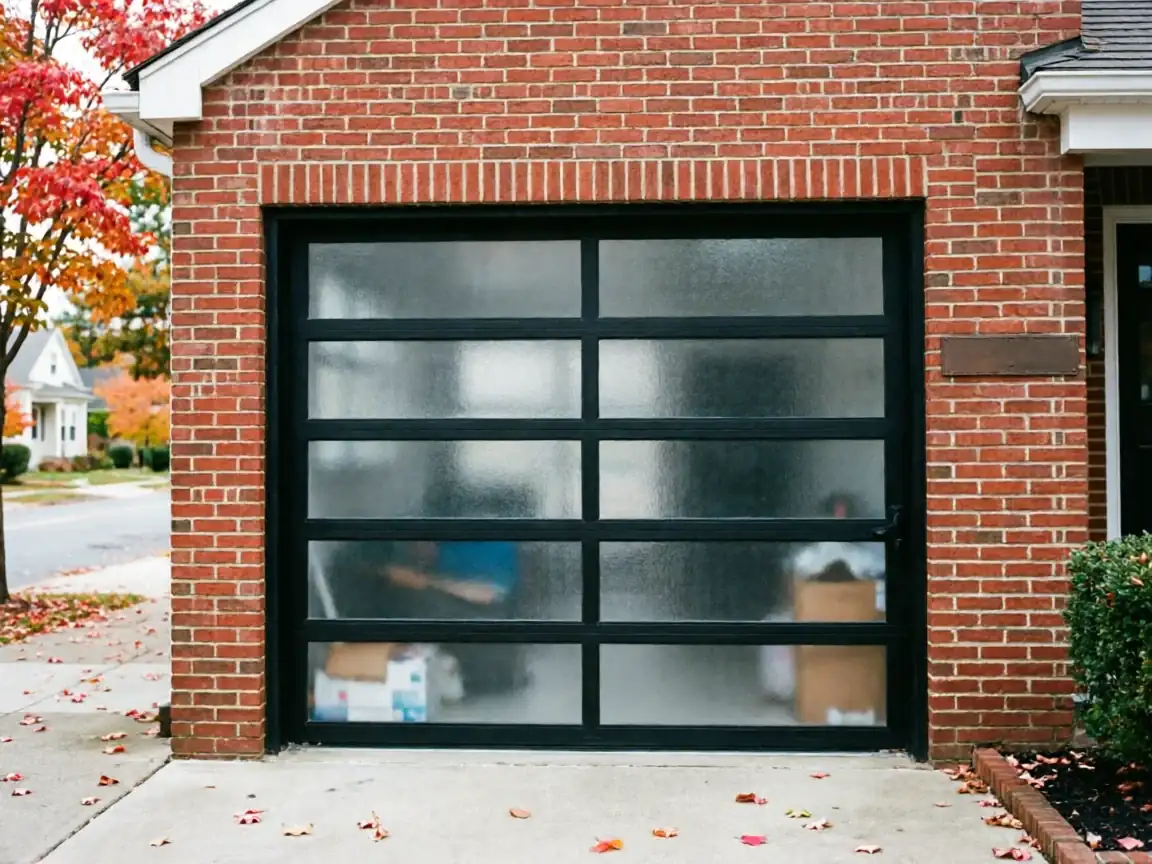
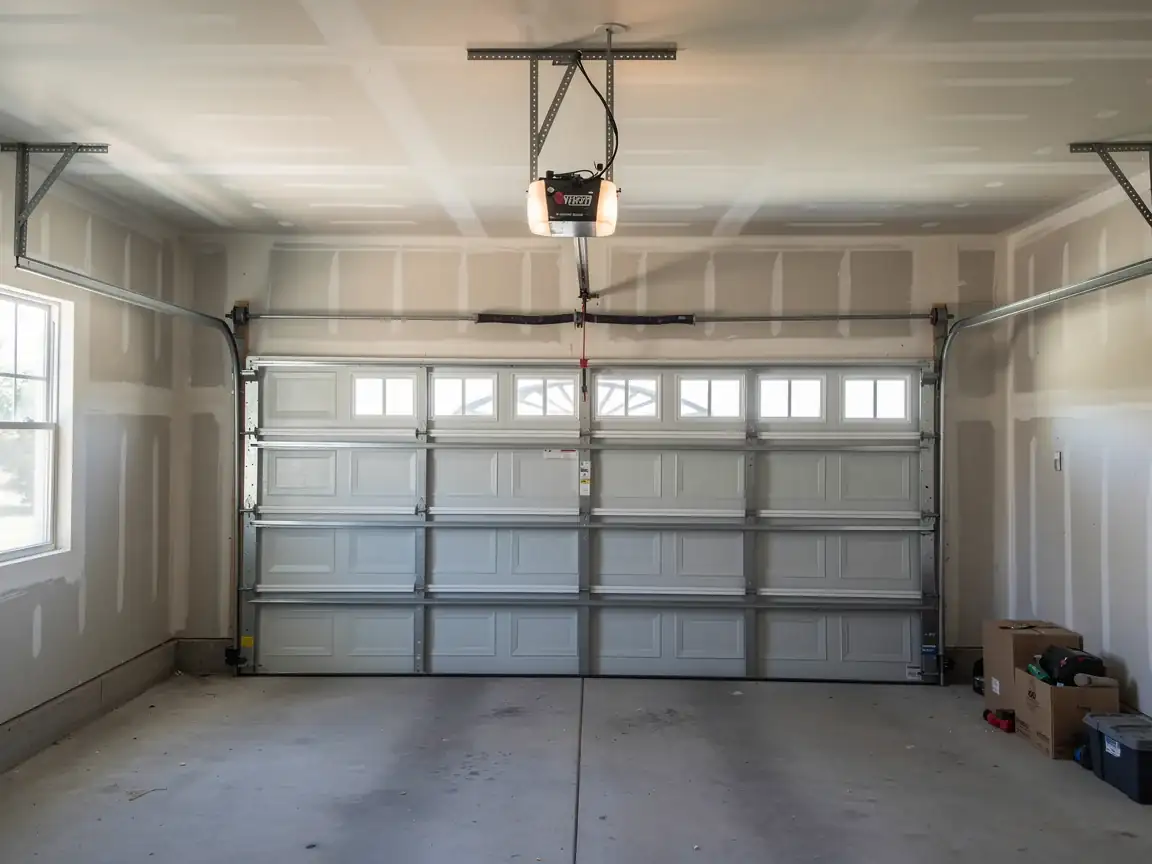
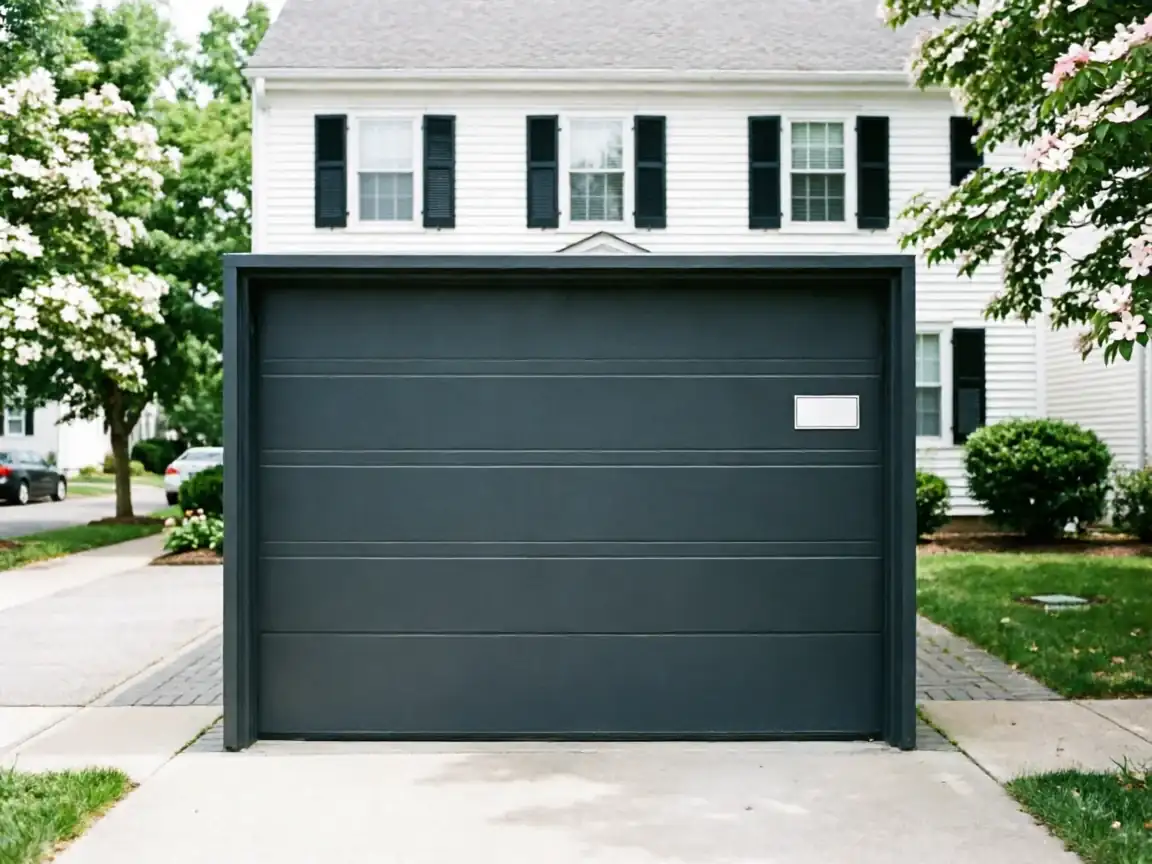
Most of Oxford's housing stock went up well after the rest of the towns we cover out of Shelton - the median build year here lands around 1986, a good fourteen years newer than the 1972 median across the broader service area. That means the doors on these houses are mostly wide steel sectional doors from the 80s and 90s, often 16-foot double-car units rather than the narrower single doors common on older housing stock nearby. By the time these went in, torsion spring setups on a header-mounted bar had mostly replaced the older side-mounted extension spring hardware, and a lot of these original doors are non-insulated steel panel with a thin baked-on finish.
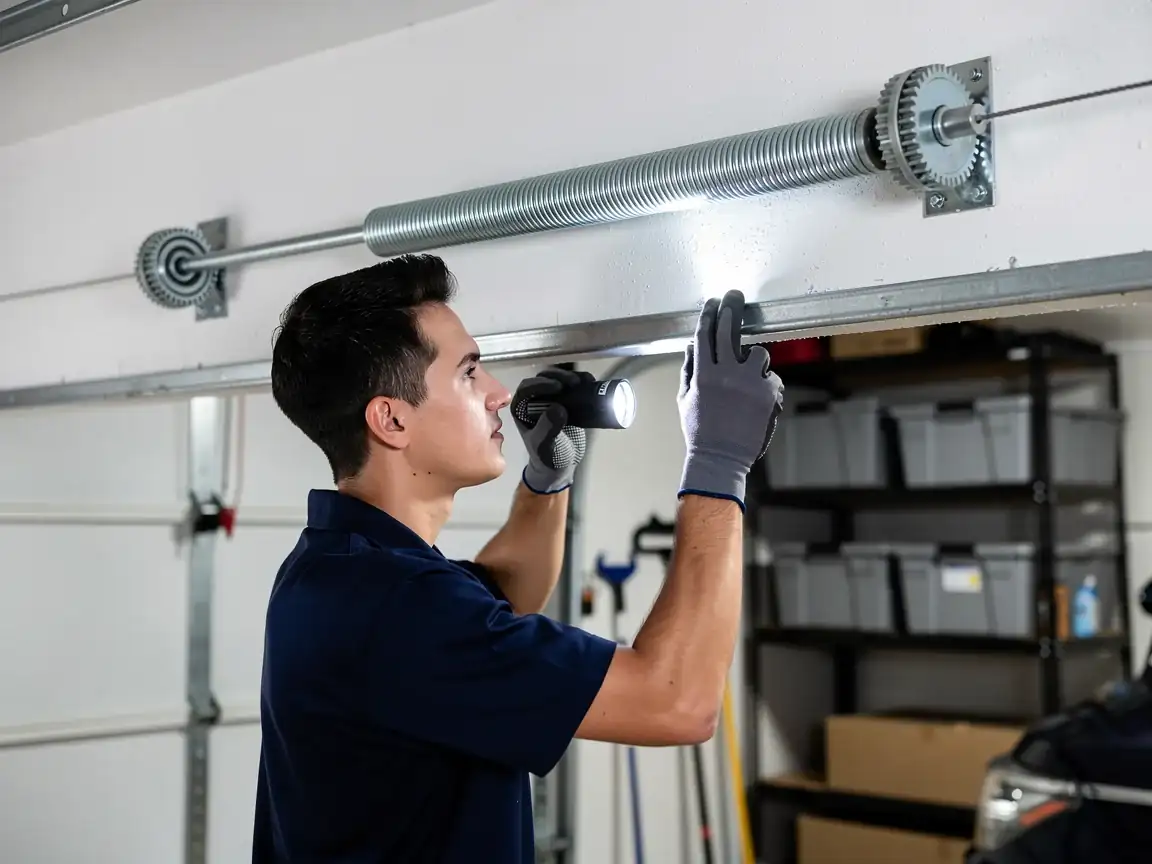
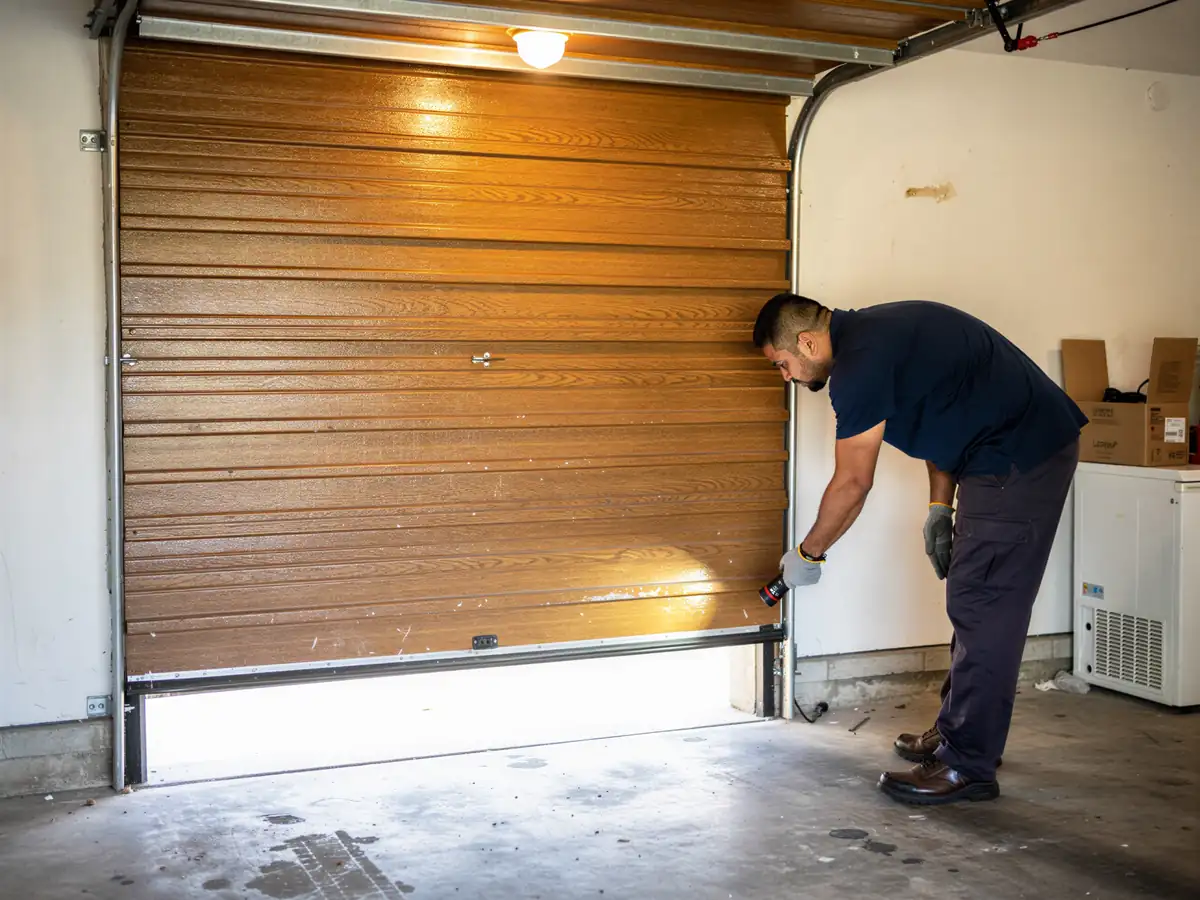
The symptom owners call about most is the door groaning or binding partway up, especially on the coldest mornings, or a opener that strains and reverses before the door reaches the top. On a 16-foot double, that strain usually means the torsion spring is undersized for the door's age and sag, or the cable has started to fray where it wraps the drum. It's rarely the opener itself - the motor is doing exactly what a weak spring is asking it to do.
Why This Fails Locally
Oxford sits in the same cold-climate band as the rest of the Shelton service area, which the federal climate data classifies as severe cold. On a door built in the mid-80s, the steel panels and the factory lubricant in the spring and roller hardware weren't speced for forty winters of that kind of swing. Grease that was fine in 1986 has gummed up or washed out by now, and the galvanized torsion spring wire gets brittle with age faster in cold-cycling conditions than it would in a milder climate.
Because so many of these doors are wide 16-foot doubles rather than single-car openings, the torsion spring carries more load per inch of travel, and a spring that's marginal on a single door fails outright on a double. Household income in Oxford runs higher than the service-area median - a bit over $125,000 against roughly $130,000 for the wider area - and a fair number of these homeowners never had the original builder-grade spring swapped out for a cycle-rated replacement, because the door kept working until the day it didn't. With about 4,929 households in town, that's a lot of original 80s hardware still carrying its first spring.
What the Fix Involves
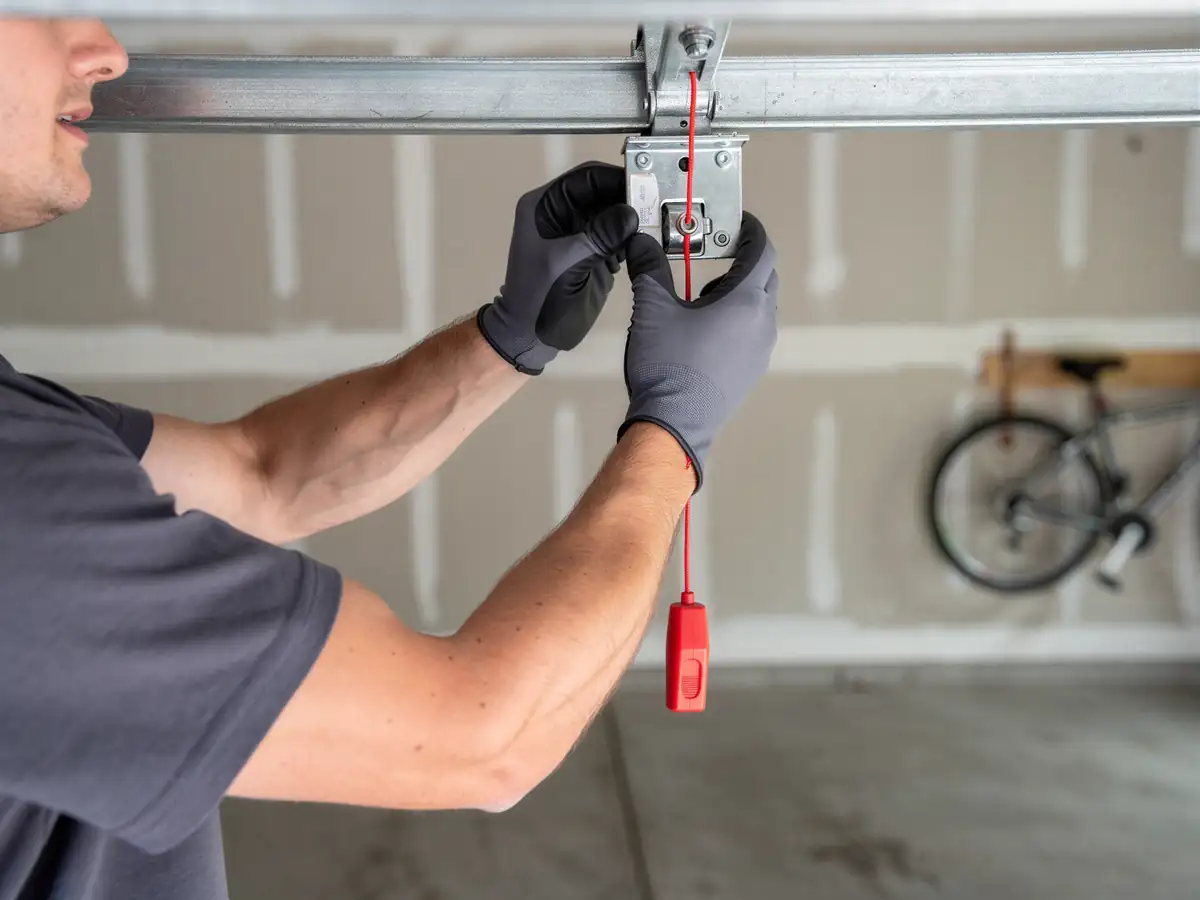
On a door this age, the job usually starts with pulling the torsion spring and checking the wire gauge against what the door's weight and width actually call for
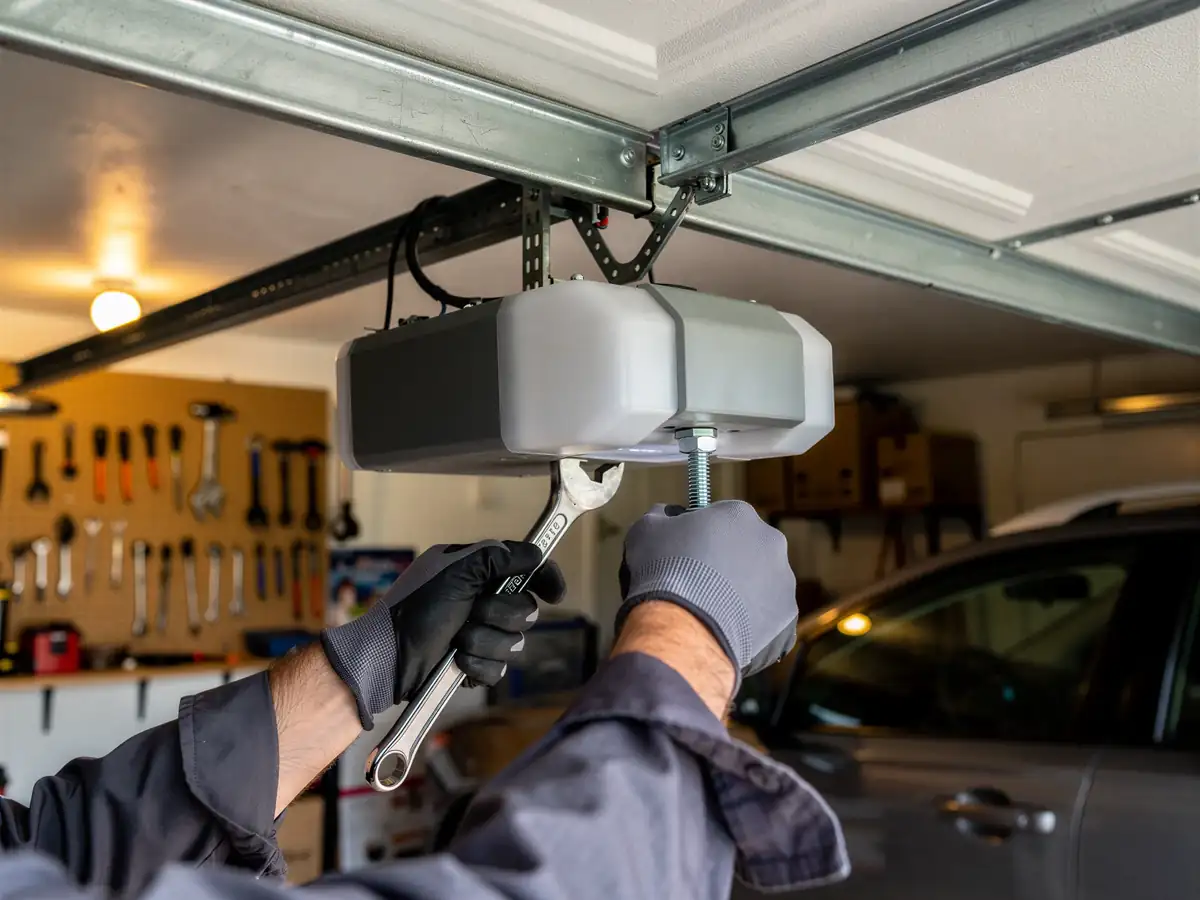
Builder-grade springs from the 80s were often undersized to begin with, and nearly four decades of cold-weather cycling hasn't helped. If the drums and shaft are pitted or the bearing plates are worn, those get replaced at the same time rather than reused, since reinstalling a new spring on worn hardware just moves the failure point.
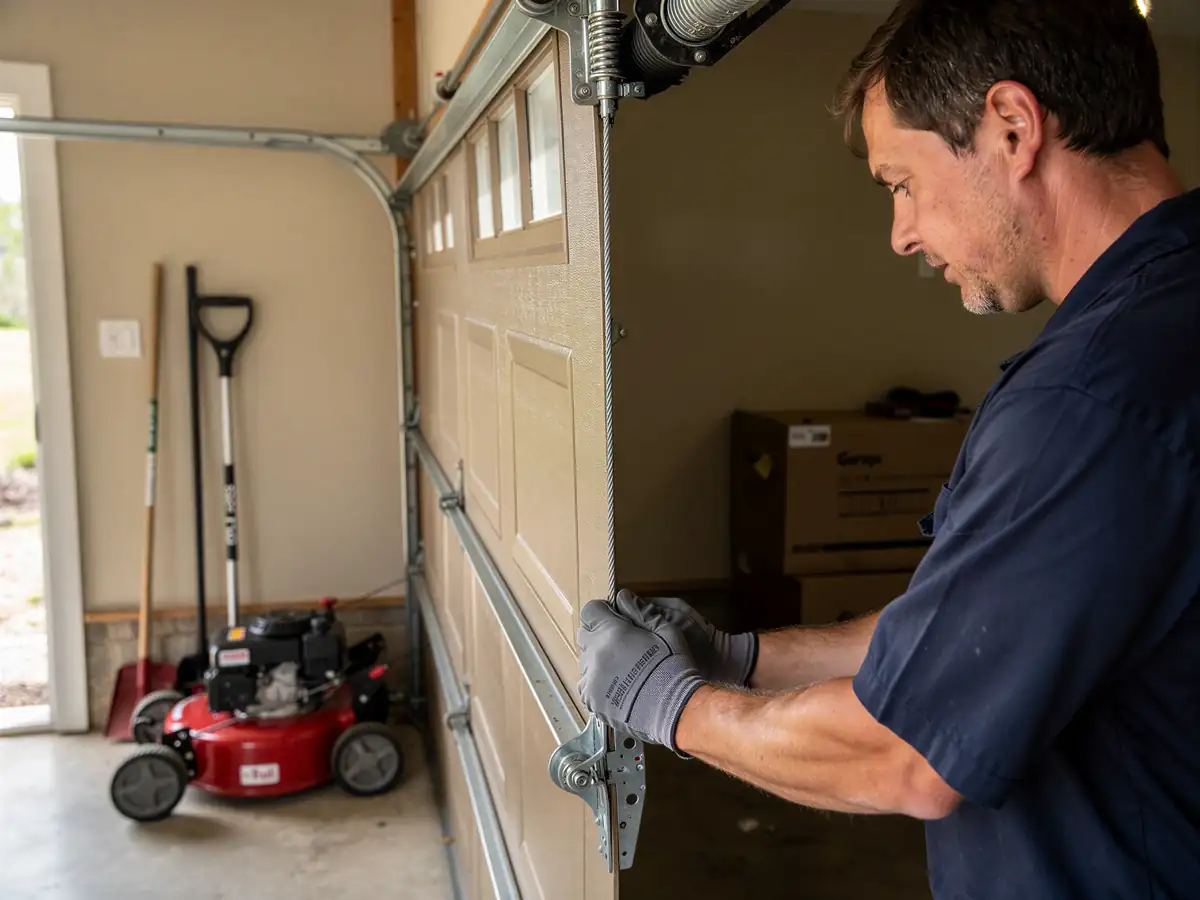
Cables get inspected for fraying at the drum wrap
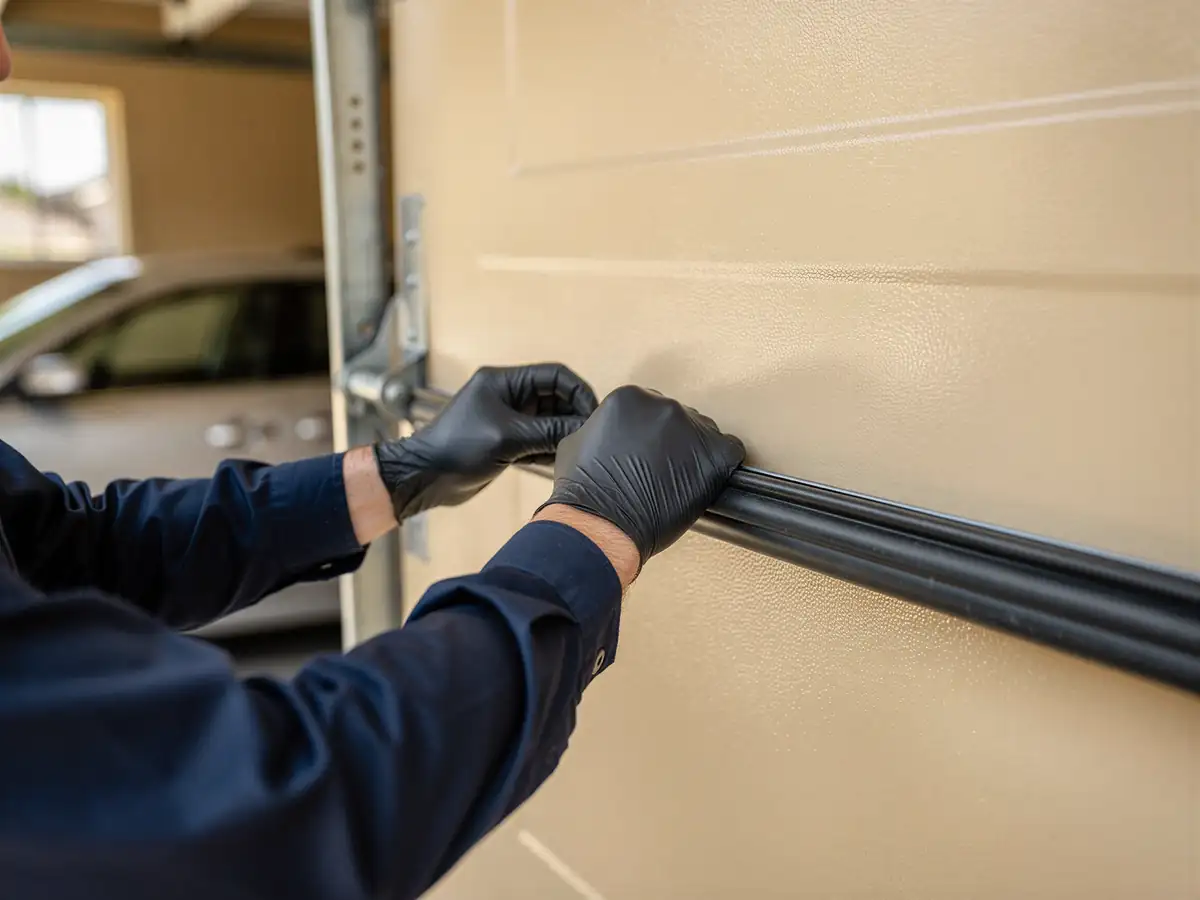
And on a 16-foot double we check both cable runs, not just the one that looks worn. Rollers on doors this age are almost always the original steel roller rather than nylon, and swapping to nylon cuts down on the binding that shows up on the coldest mornings. We travel out from Shelton for these calls - Oxford runs about 10 miles from the shop - so we book the drive into the job rather than treating it as a side stop.
- 10 miles
We don't carry parts for doors built before the 70s
So if a panel needs matching on something that old, expect a lead time on that piece specifically.
What Can Go Wrong
The most common mistake on an 80s-era double door is replacing the spring without checking the drums, which leaves a new spring fighting worn hardware and burning out early - sometimes within months instead of years. On a 16-foot door, mismatched cable tension between the two sides can also throw the door off level, and a door that closes slightly crooked puts extra strain right back on the new spring.
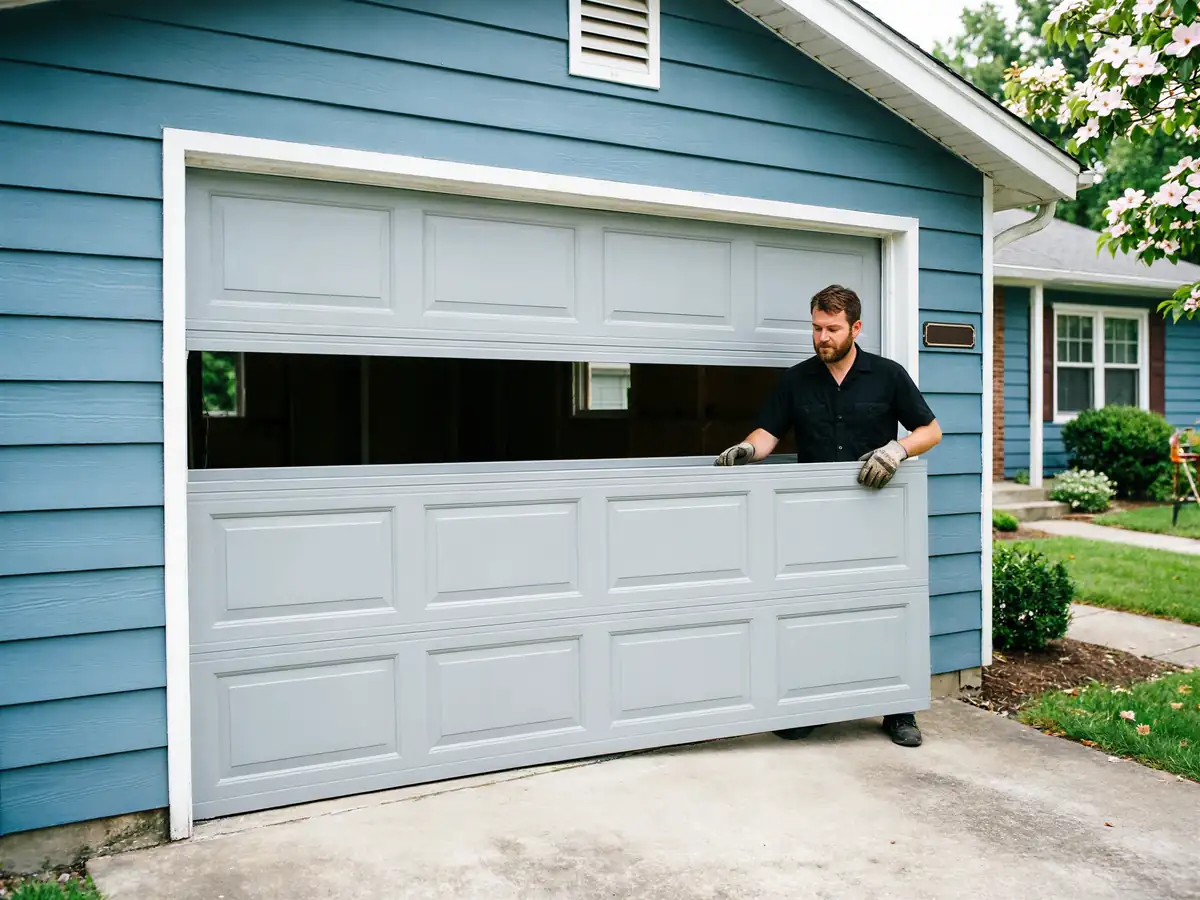
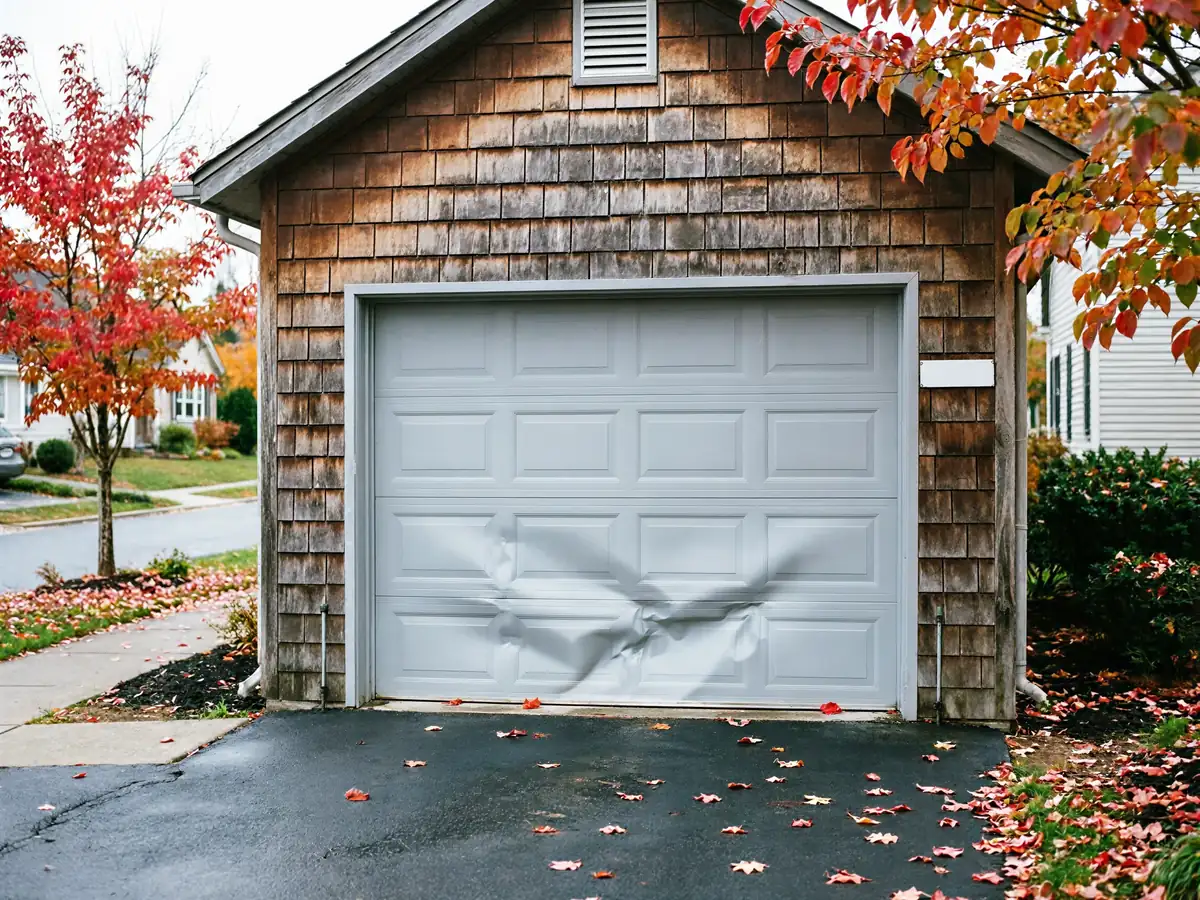
The other failure we see is cosmetic patch jobs on steel panels that are thirty-plus years old - a dented panel gets pulled straight instead of replaced, and the original factory finish doesn't match a new coat of paint cleanly. Sometimes the honest answer is that the opener and spring are fine but the door itself has had enough, and putting more money into a 1986 steel panel door doesn't make sense next to a straightforward replacement. We'll tell you when that's the case instead of running up a repair bill on a door that's at the end of its run.