The Symptom
The opener still runs, but something's off. It grinds longer than it used to before the door moves. It reverses halfway up for no reason. The remote works from the driveway but not from the street. Sometimes it just hums and the door doesn't budge at all. None of these are the opener dying cleanly - they're the opener fighting a door it was never sized for, or a motor and gear set that's worn past the point where tightening a bolt fixes anything. By the time you're pulling the manual release cord every morning, you're not troubleshooting anymore, you're just delaying the call.
Across the Shelton area, houses built from the early 1950s through the 2010s carry a wide range of door weights, track geometries, and panel materials, so the symptom looks different from one street to the next. An opener that's labored for two winters on an underpowered chain drive isn't a minor nuisance - it's a motor that's already lost a chunk of its working life.
Why This Fails Locally
Housing in this service area runs from 1952 up through 2013, with the median landing around 1972 and a heavy concentration of 1960s and 70s stock spread across the 45 named neighborhoods and towns we cover. That matters for openers in two ways. First, a lot of these garages were framed for doors and track systems that predate today's standard opener mounting hardware, so a straight swap-in rarely lines up without adapting the header bracket or rail support. Second, this is a cold-climate region with severe winter conditions, and an opener that's undersized for the door's weight works harder every time grease thickens and wood or steel contracts in the cold. That extra load doesn't show up as a sudden failure - it shows up as years shaved off the gear and a capacitor that gives out early.
A correctly sized opener, installed with attention to the specific door and track it's driving, handles that cold-weather load without the motor straining on every cycle. That's the difference between an opener that lasts and one that's replaced twice as often.
What Can Go Wrong
A few things go wrong often enough to name
The wrong horsepower for the door: a half-horsepower unit on a heavy insulated double door will run, but it'll run hard, and hard running is what burns out gears and belts early. Mismatched drive type: a belt drive on a garage that shares a wall with a bedroom is a comfort call, not just a mechanical one, and it's worth getting right the first time rather than swapping later.
Then there's the mounting itself
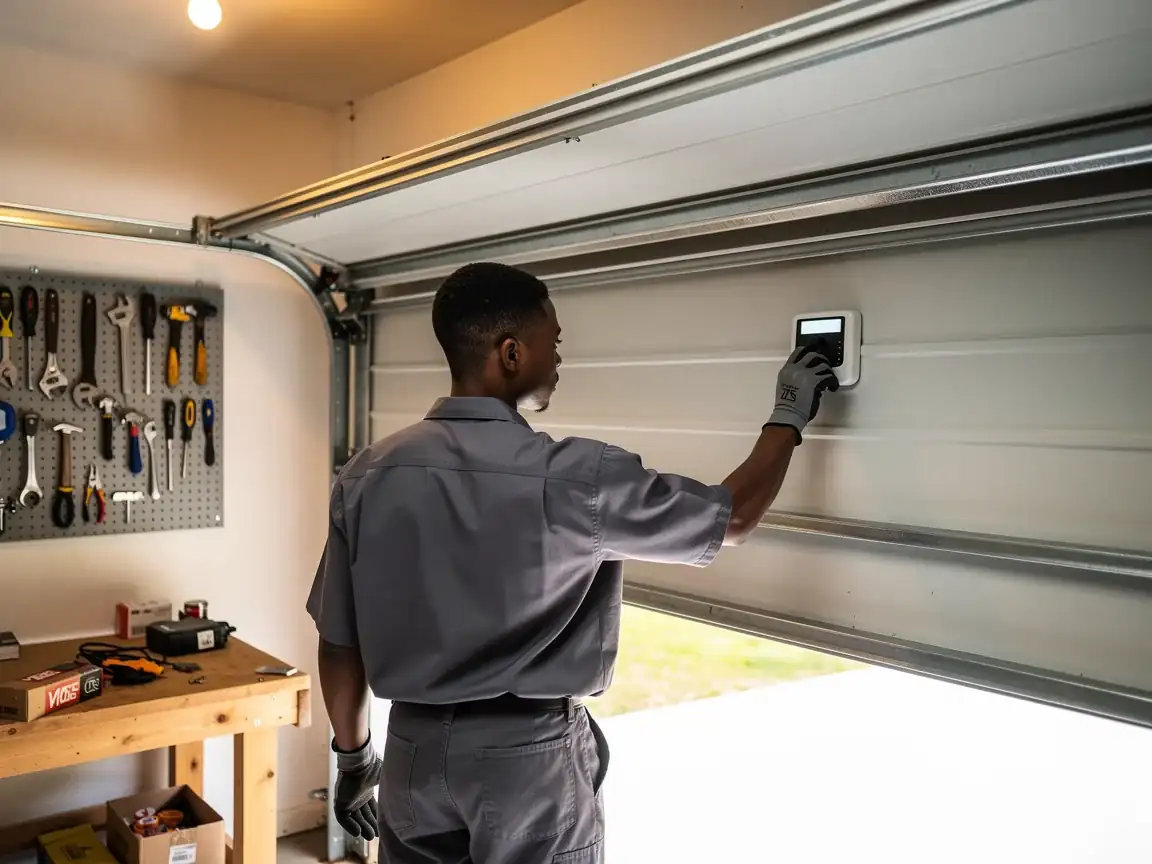
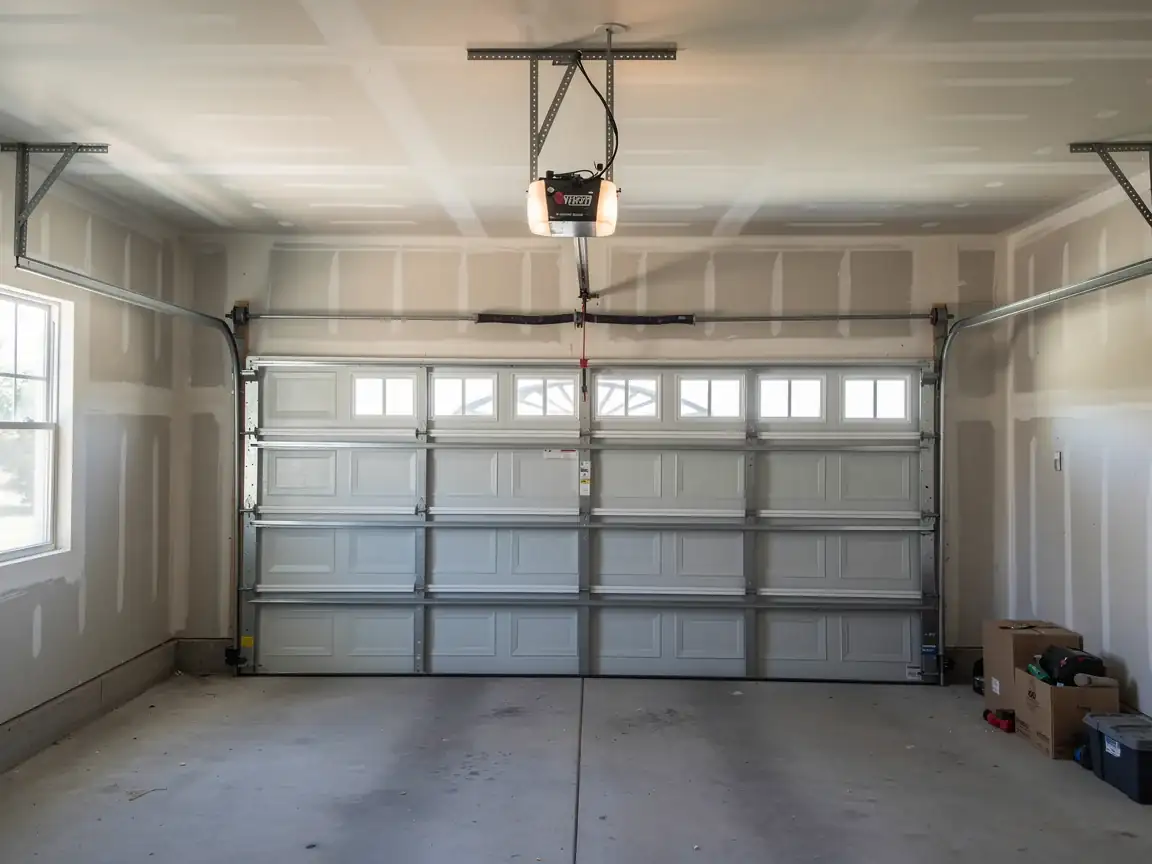
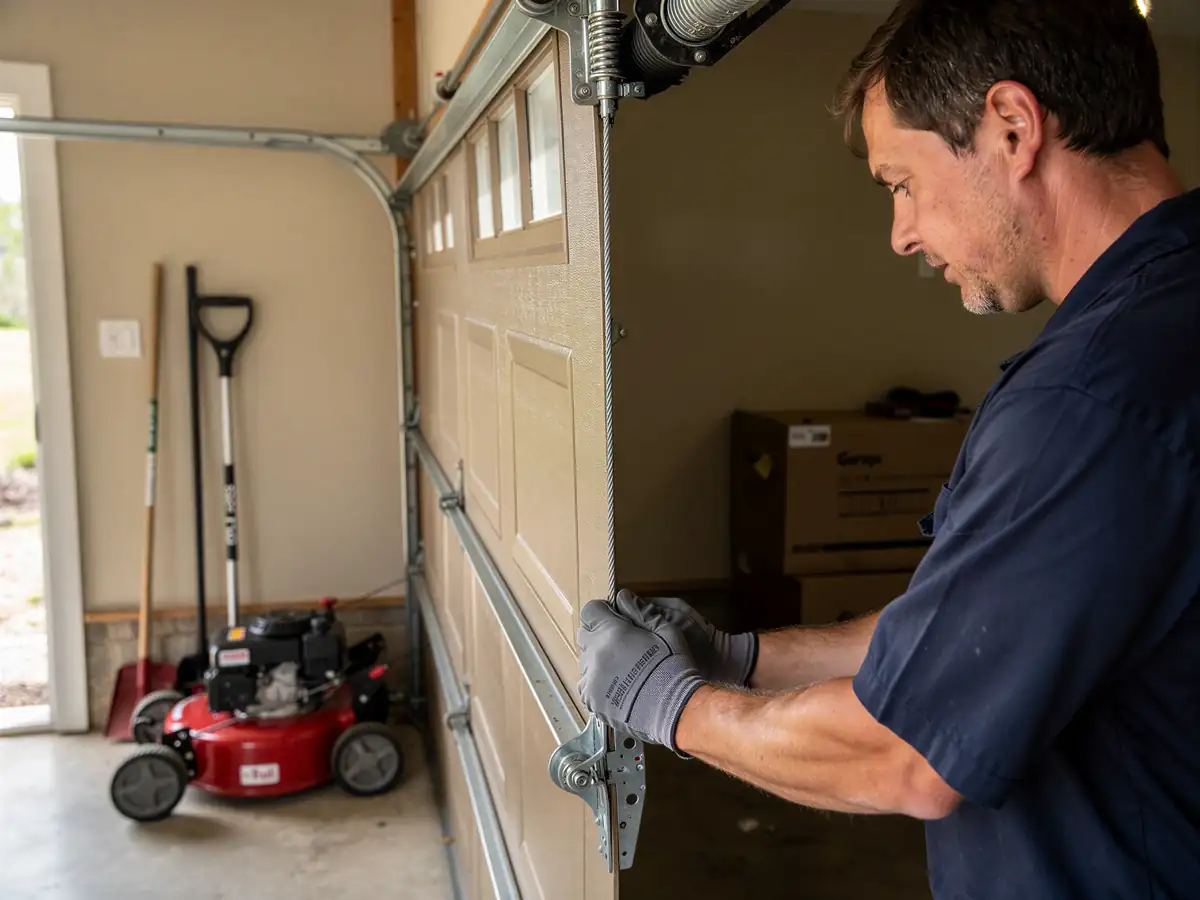
Older framing doesn't always have a header positioned where a new opener bracket expects it, and bolting into weak wood because it's close enough is how you end up with an opener that sags under its own travel within a year. Safety sensor alignment gets skipped or rushed, which is the single most common reason a new opener reverses or refuses to close at all. And wiring a new opener into an old wall switch or doorbell-style button without checking the gauge or the circuit is a corner that shows up later as intermittent failures nobody can diagnose over the phone.
None of these are exotic problems
They're the ordinary mistakes that come from treating every opener install as identical, when the door, the track, and the framing behind it rarely are.
Can You Do This Yourself
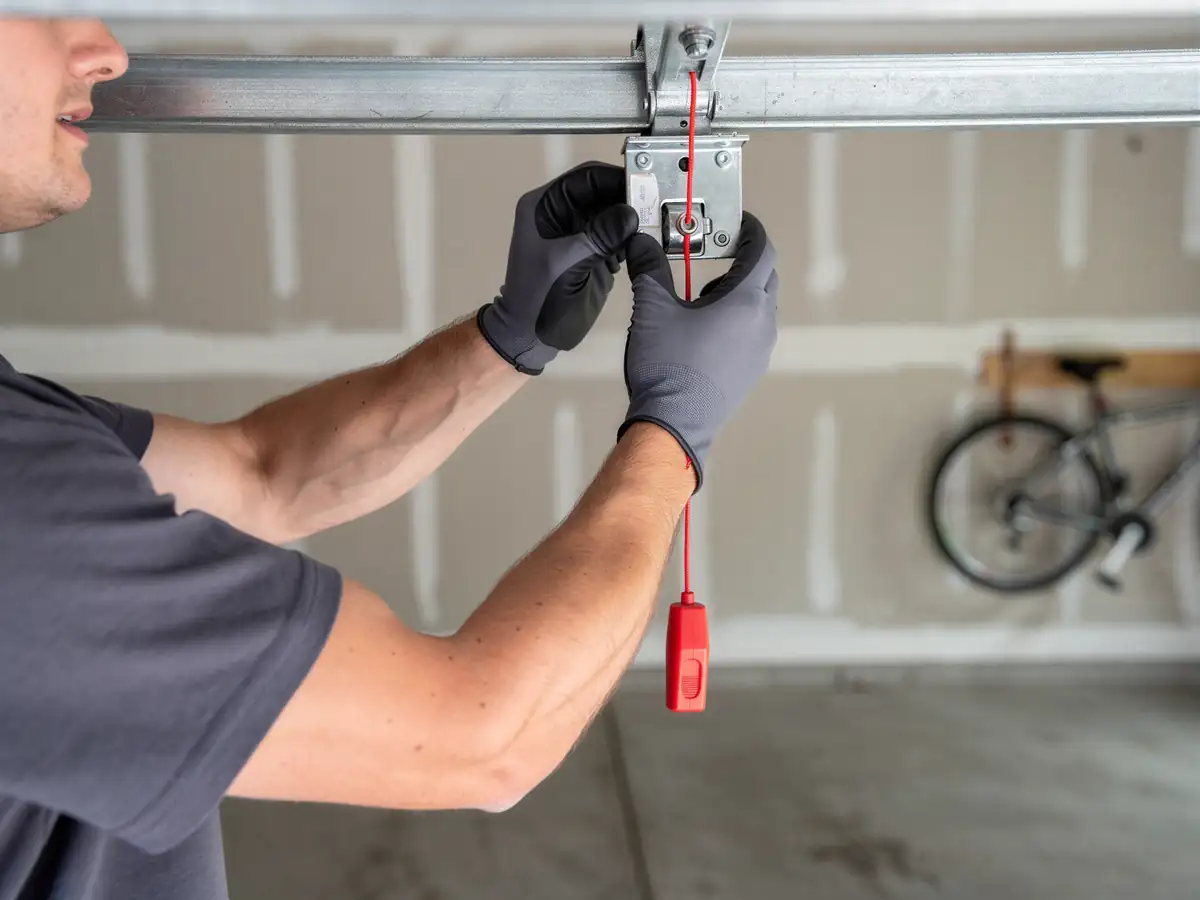
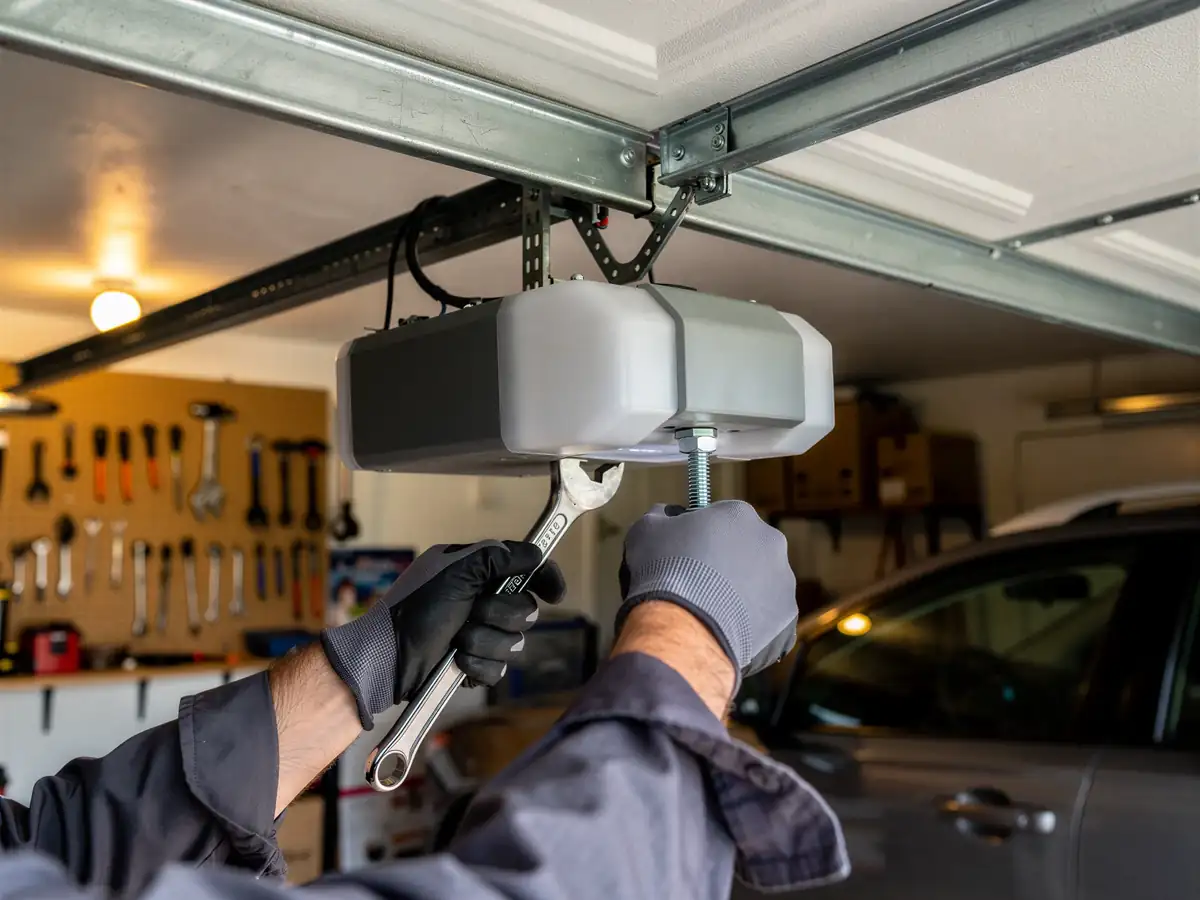
You can buy an opener off a shelf and bolt it to the rail yourself - plenty of people do, and plenty of those installs work fine for years. Where it goes sideways is sizing the unit to the door's actual weight, getting the travel limits and force settings right so the door doesn't slam or stall, and aligning the safety sensors so they actually trip when they're supposed to. Get the force setting wrong and you've got a door that closes on a bike or a foot without stopping, which isn't a theoretical risk, it's the reason those settings exist.
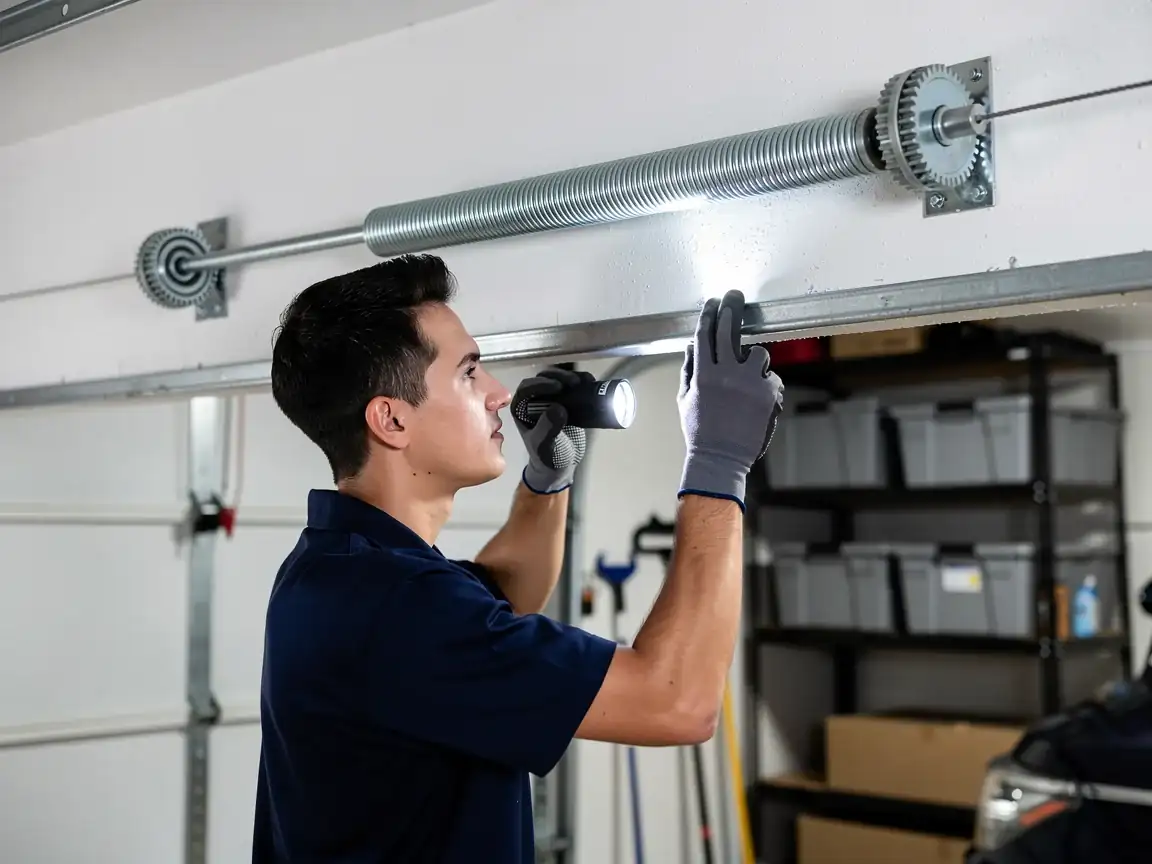
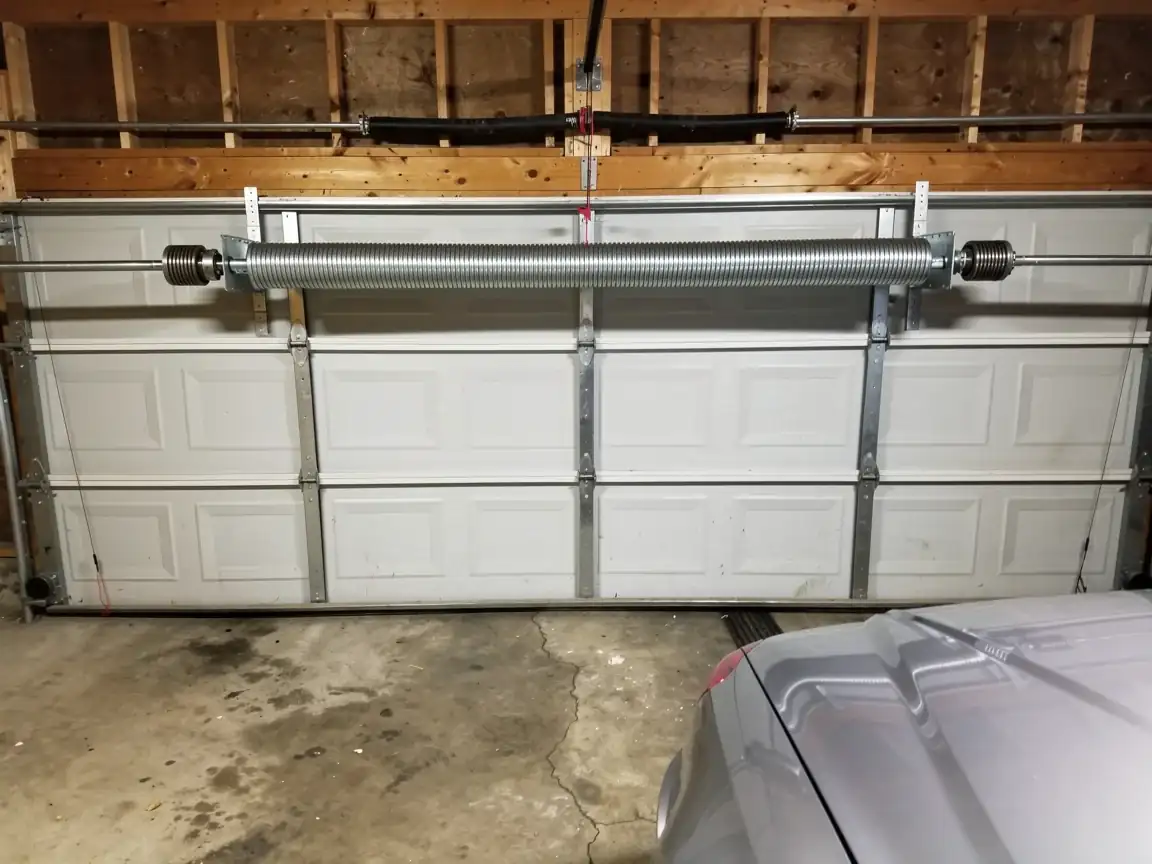
If you're comfortable with a torque wrench, a level, and reading a wiring diagram, the mechanical part isn't beyond a capable homeowner. Where we'd tell you to stop and call someone is anything involving the torsion spring system near the opener mount, or a header that needs reinforcing before it can carry the bracket load - that's not a DIY afternoon, that's a different job with different risk. If the opener install is straightforward and the existing hardware is sound, doing it yourself is a reasonable call. If you're not sure which situation you're in, that uncertainty is worth a phone call before you're up on the ladder.