What Local Conditions Do
Shelton's housing stock runs from 1952 up through 2013, but the bulk of it - across the named neighborhoods and surrounding areas - went up in the 1960s and 70s. That matters for openers specifically. A lot of those houses still have the garage wired the way it was wired in 1968: one outlet, one circuit, no surge protection, and in plenty of cases the original opener or a direct swap-in replacement from decades back.
The region also sits in a cold-severe climate band. That's not a scare word, it's a classification, and it means the opener's motor, the gears inside the head unit, and the battery backup (if there is one) all have to work through real winter temperature swings every single year, not just an occasional cold snap. Cold makes grease stiffen, makes belts and chains tighten up, and makes a marginal capacitor finally give out. None of that is unique to any one house - it's what the climate band does to every opener in it, year after year, especially the older ones still running on original 1960s-70s era wiring.
The Problem
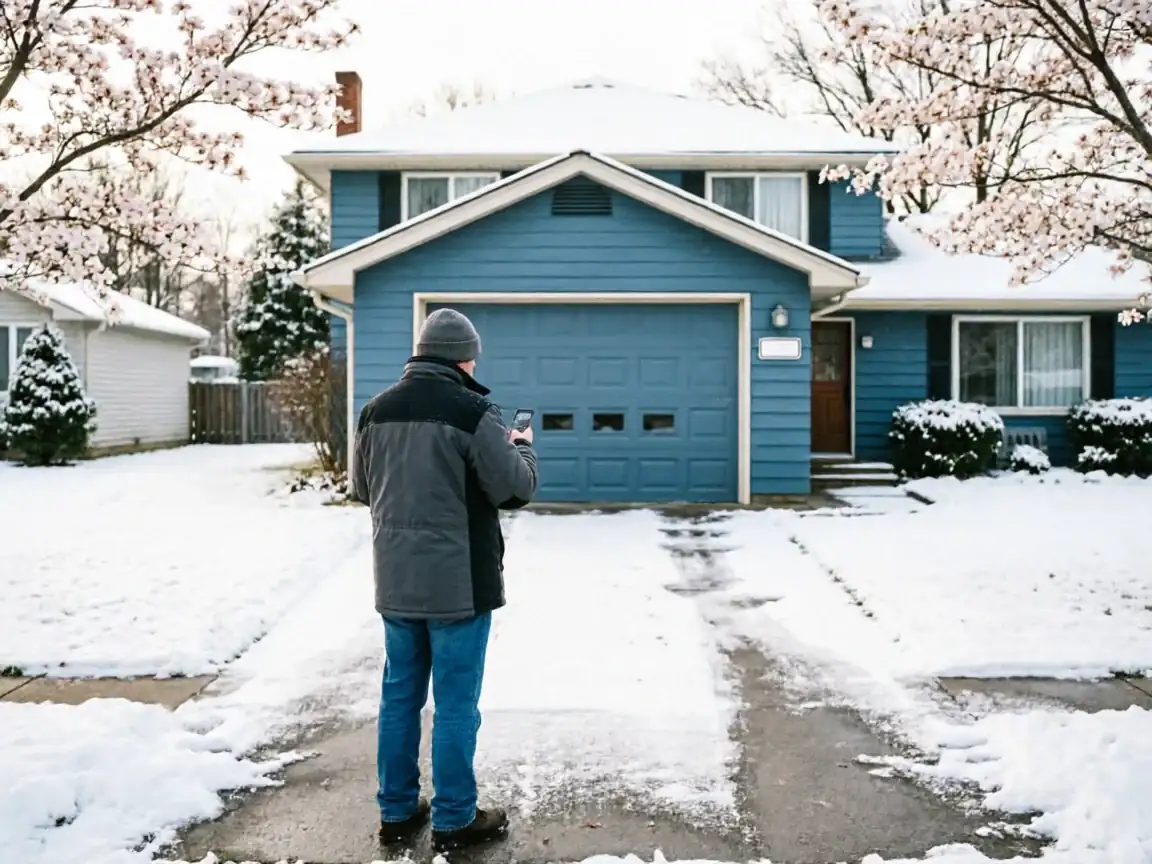
Put those two facts together - older housing stock, cold-severe climate - and you get a predictable failure pattern. The opener that's been fine for years suddenly won't engage on the coldest morning of the season, right when you need the door to open to get the car out. Or the power blinks during a winter storm, and the opener's logic board doesn't recover cleanly even after the power's back, because the board itself is old enough that it doesn't like a dirty restart.
This isn't a once-in-a-decade event in a region like this. It's a seasonal pattern tied directly to how old the equipment tends to be here and what the climate puts it through. A newer opener in a newer house handles a power cut fine - it resets, the safety sensors recheck themselves, done. An opener that's thirty or forty years old, on original wiring, in a house built in that same era, is the one that gets stuck mid-cycle or won't respond to the remote at all after the lights flicker.
When It Stops Being a DIY Job
Resetting an opener after a power cut is something most people can do themselves
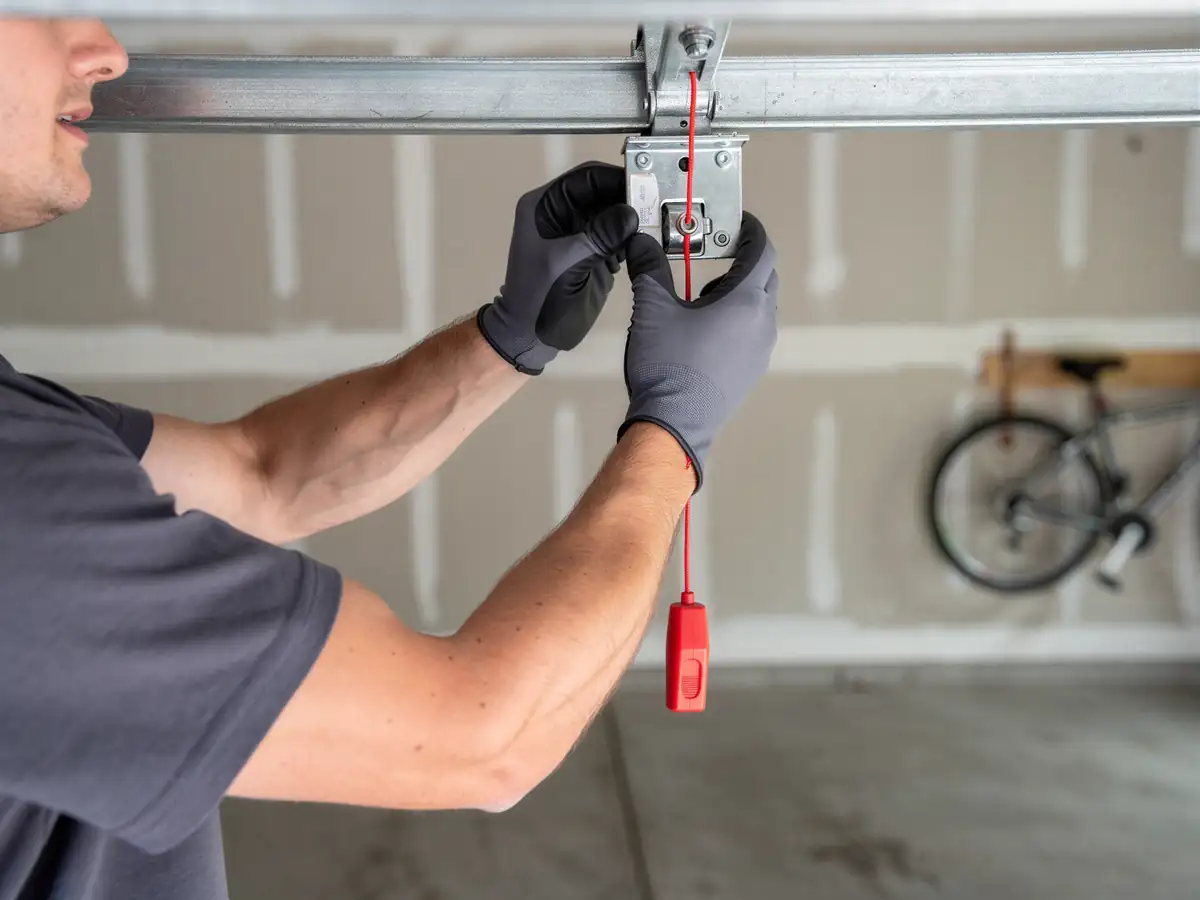
Unplug it, wait, plug it back in, reprogram the remote if needed. That's fine, and we're not going to tell you to call a tech for that.
Where it stops being a DIY job is when the door won't respond at all after power's restored
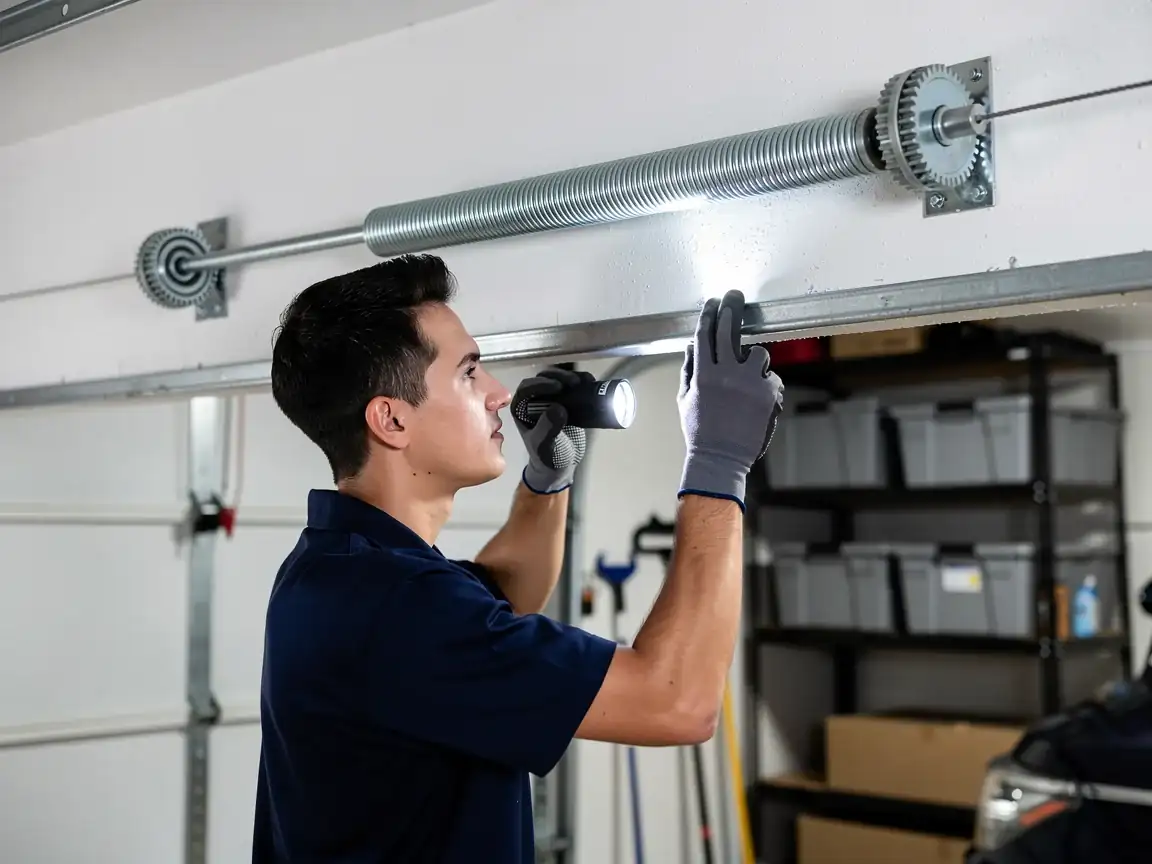
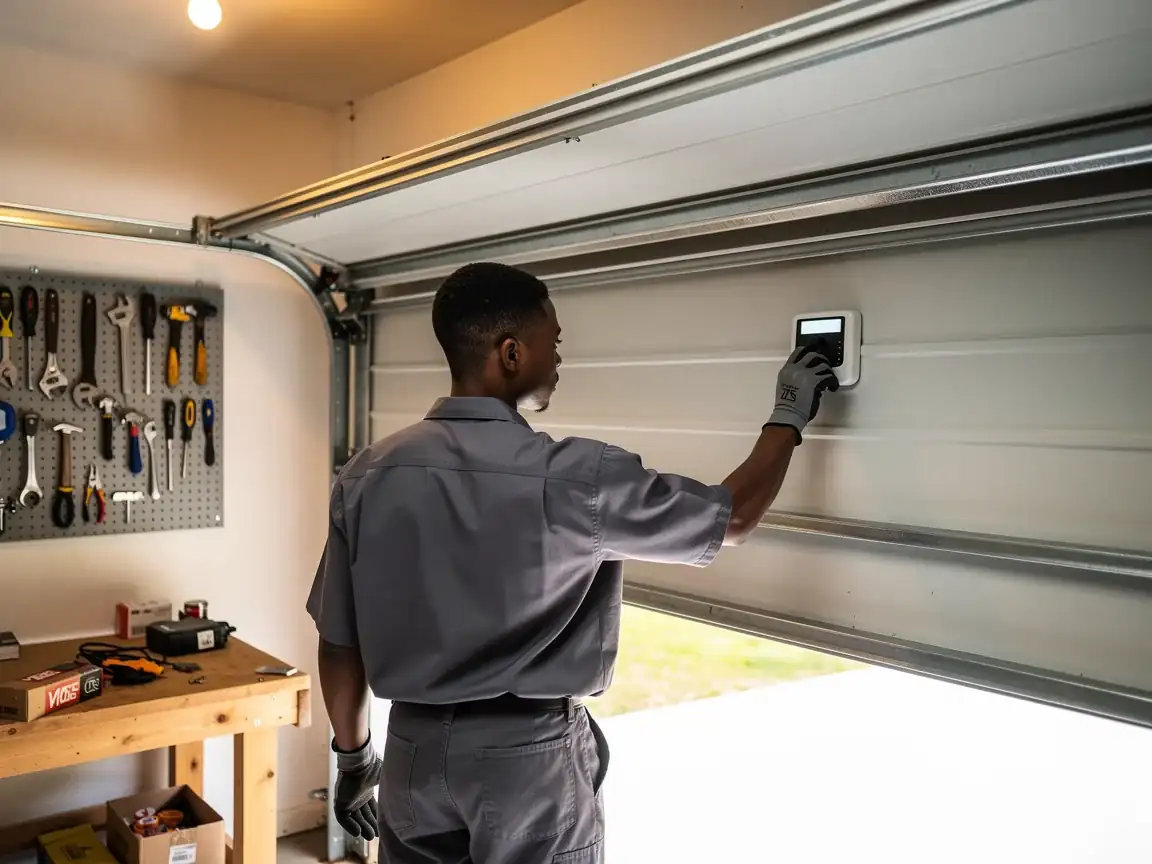
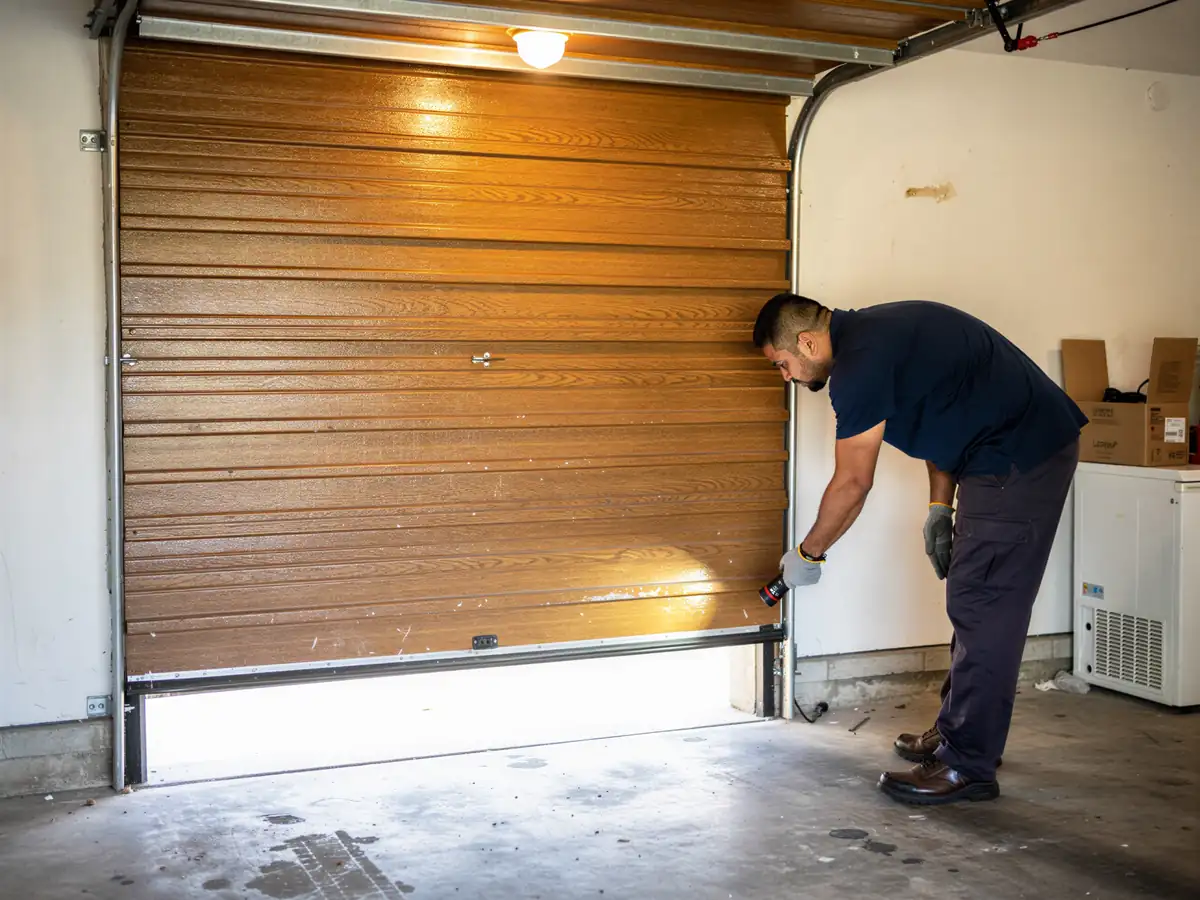
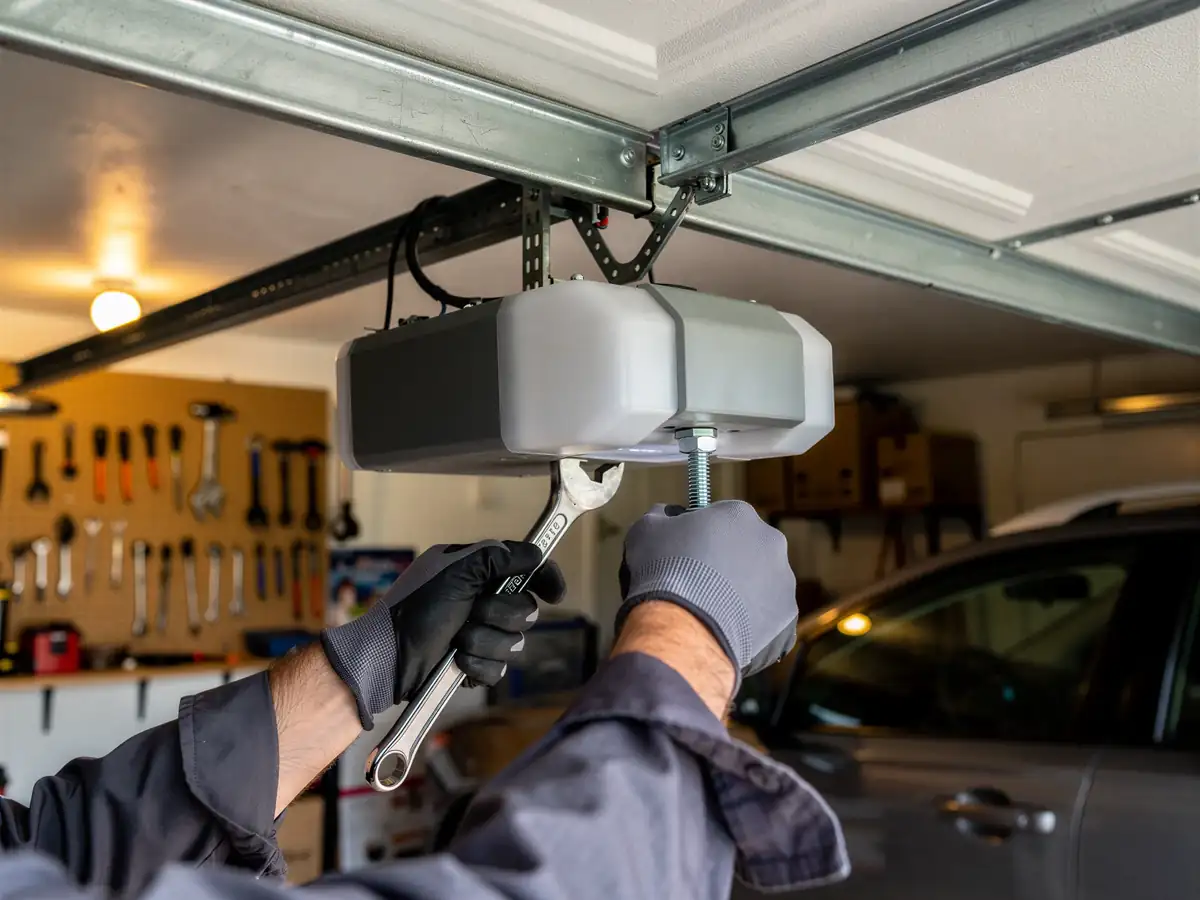
Or when it responds but doesn't fully close - the safety sensors blink an error code and nothing you do clears it. On a lot of the openers still in service on 1960s-70s era builds, that's not a settings problem, it's a dying logic board or a capacitor that finally failed under the cold. At that point you're not troubleshooting, you're diagnosing a part that's original to a house built decades before most of today's opener electronics existed, and that's a different job.
One honest limitation here
If the opener is that old, we often can't get an exact replacement part. Manufacturers stop stocking boards and gear kits for units that age, and chasing down a used one isn't worth your time or ours. Full opener replacement is usually the faster, cheaper answer once it gets to that point.
Where People Go Wrong
The most common mistake is treating every post-outage failure the same way - assuming it's always a battery backup issue or always a simple reset, when the houses here skew old enough that it's often the opener itself giving out under repeated cold-cycle stress. People replace the battery, it still doesn't work, and now they've spent money without fixing anything.
The other mistake is waiting. With median household income in the service area at $130,180, a lot of homeowners here can afford to replace an opener outright rather than nurse along a unit from the 1970s - but plenty wait until it fails completely in the middle of a cold snap, which is the worst time to be without a working door and the worst time to get a same-week install scheduled. If your opener is already acting up before winter sets in, that's the window to deal with it, not after the first real cold hits.