Older vs Newer Streets
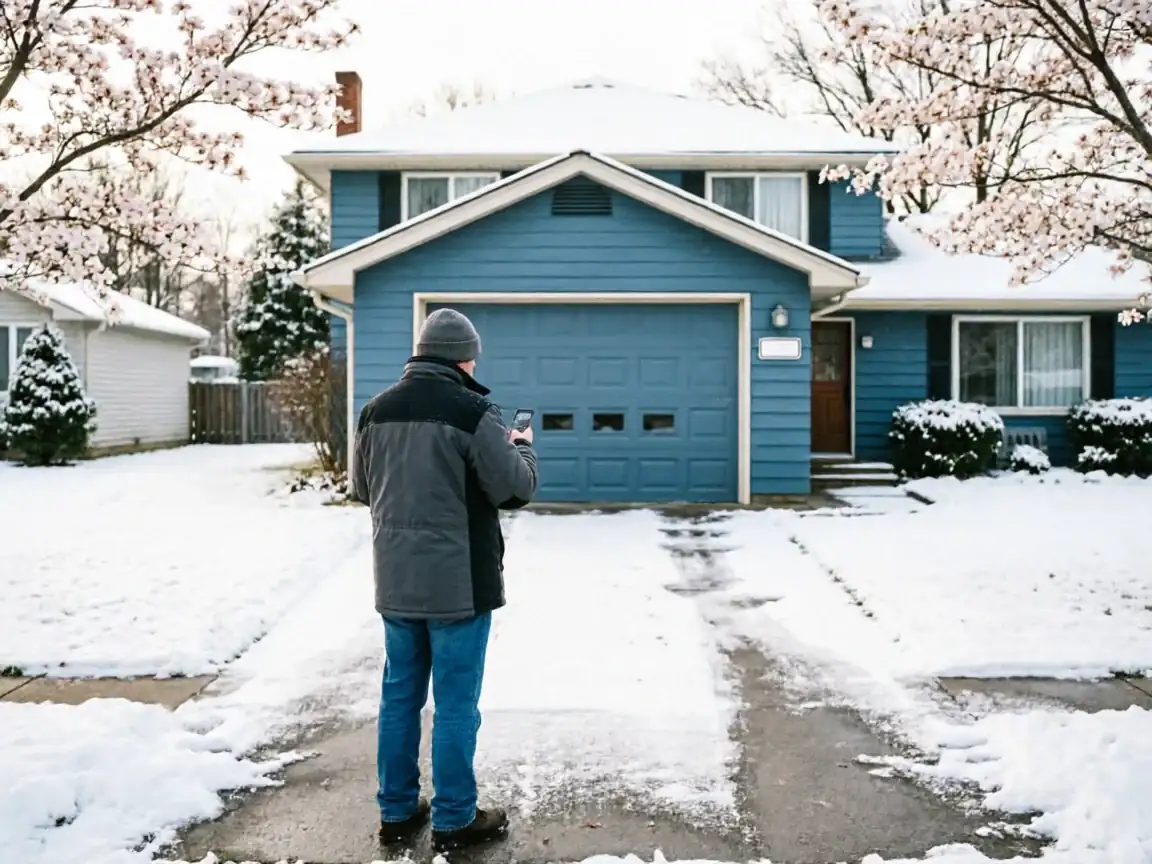
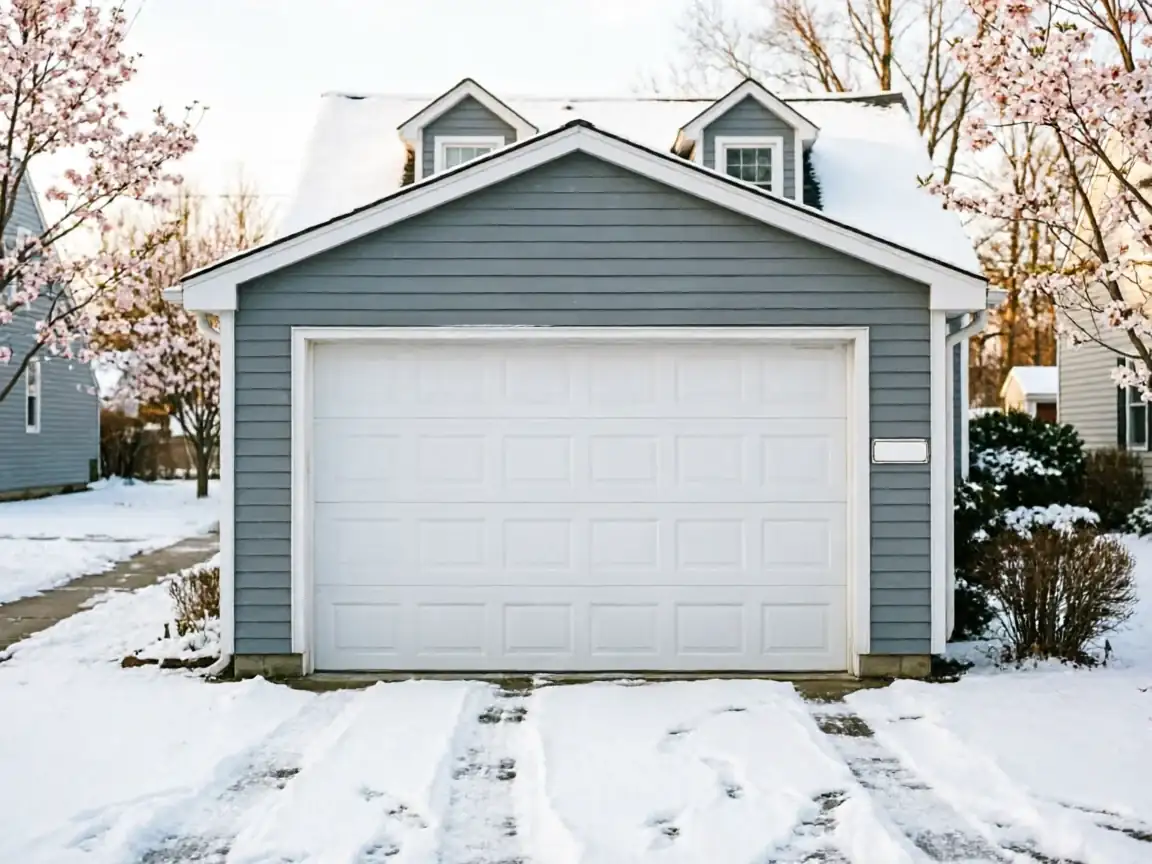
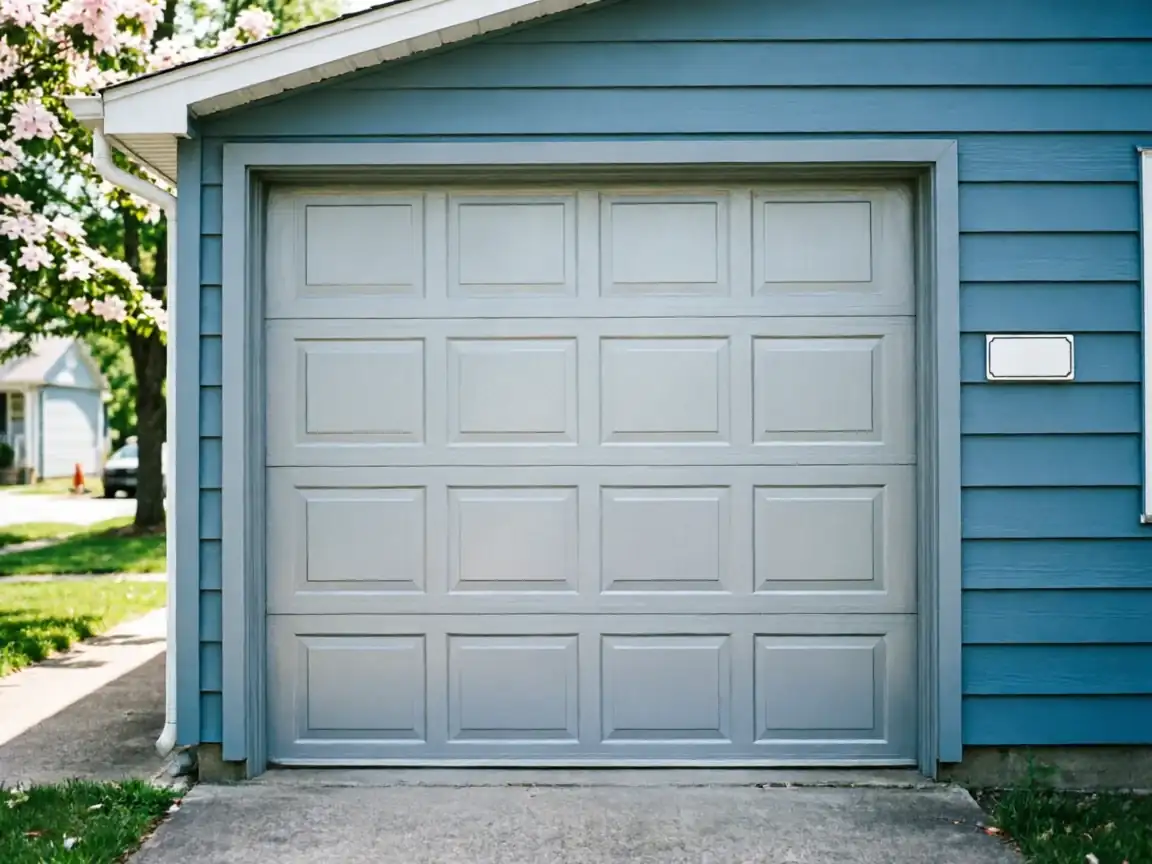
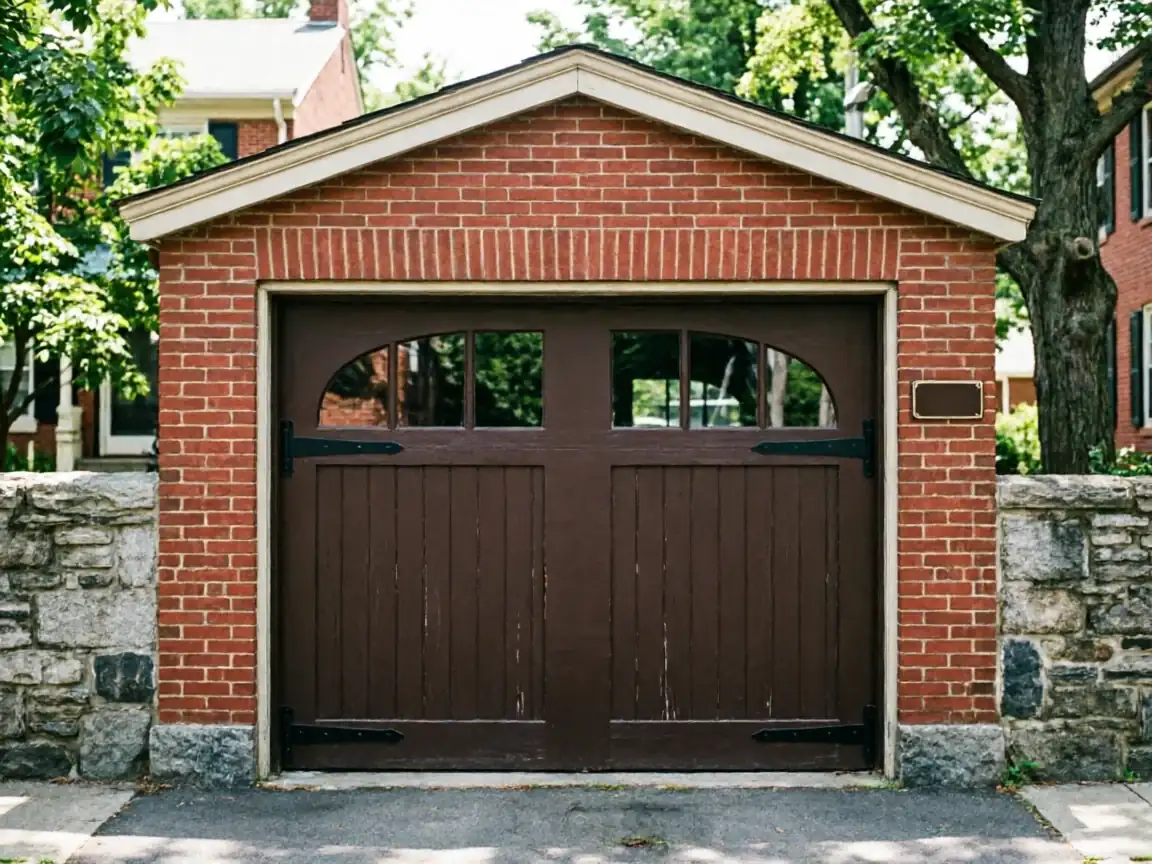
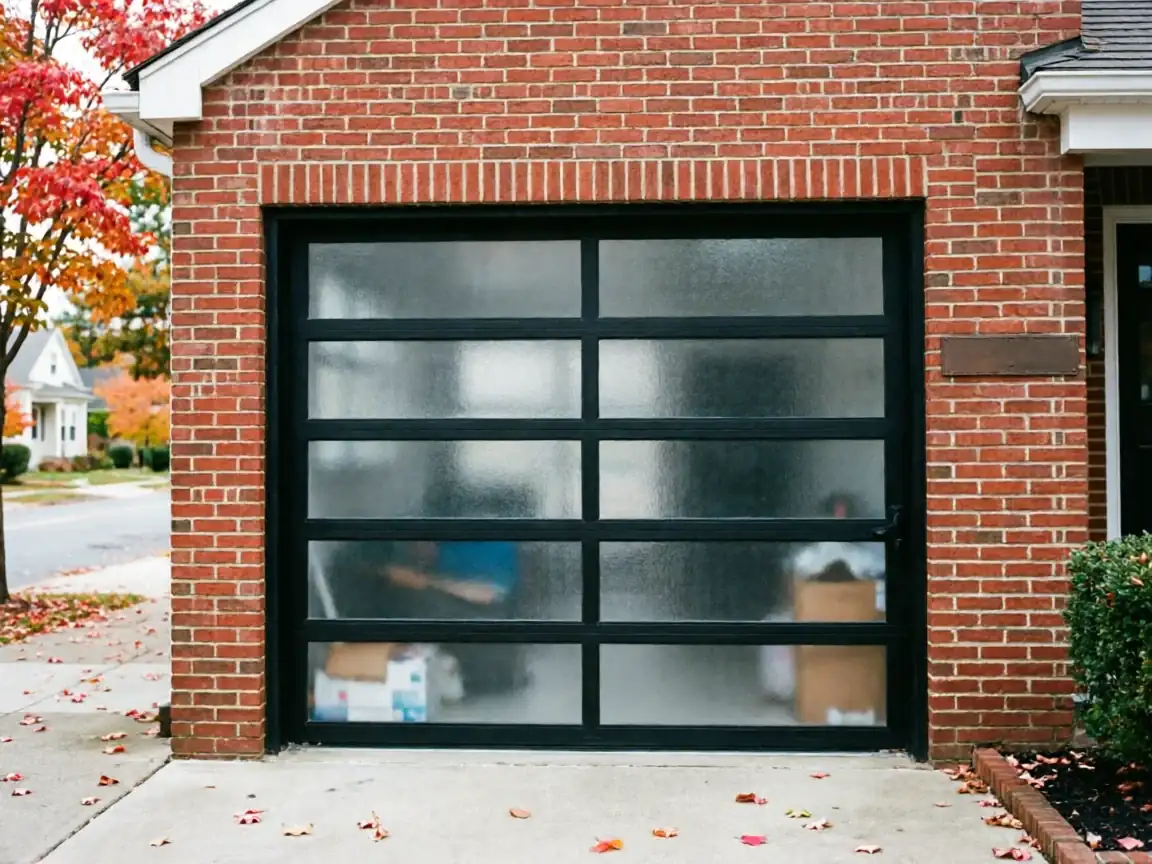
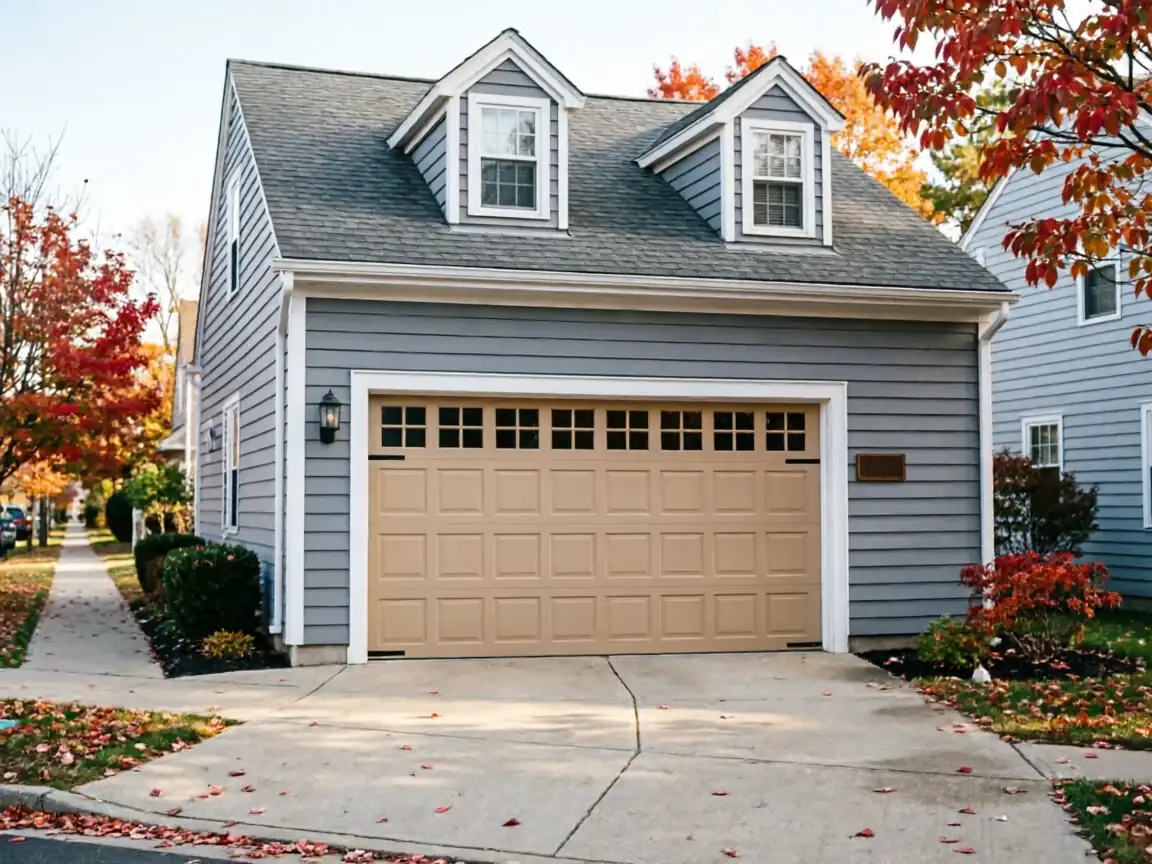
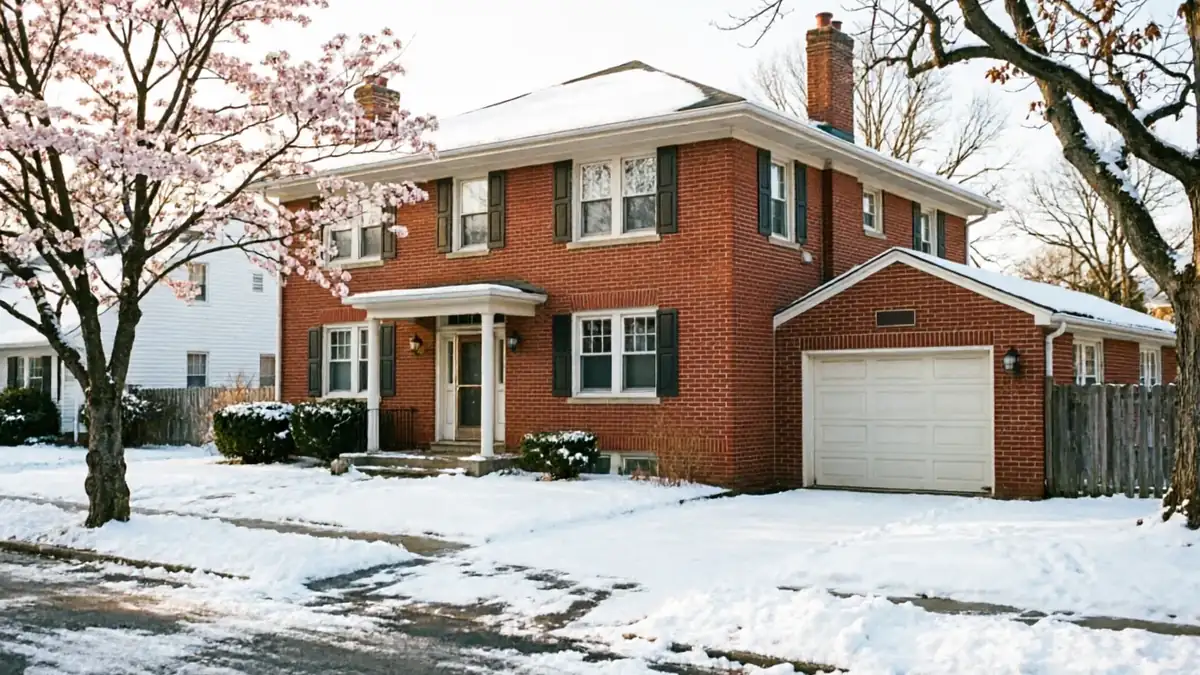
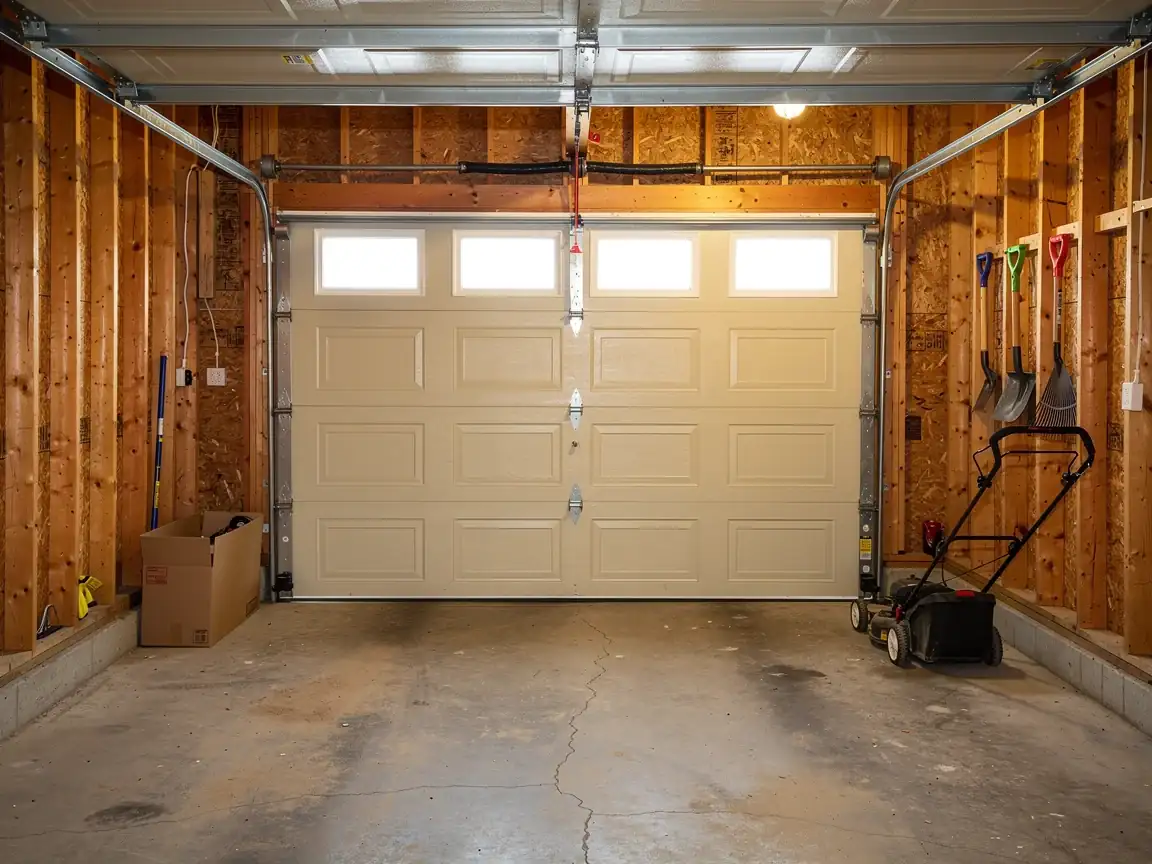
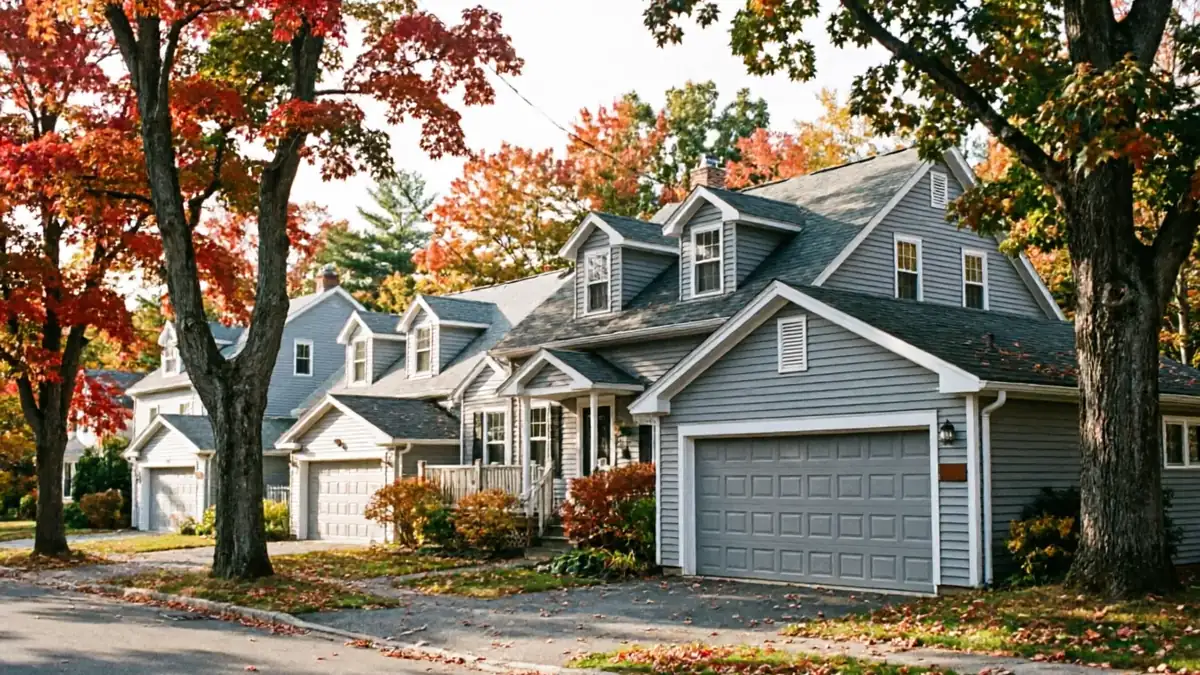
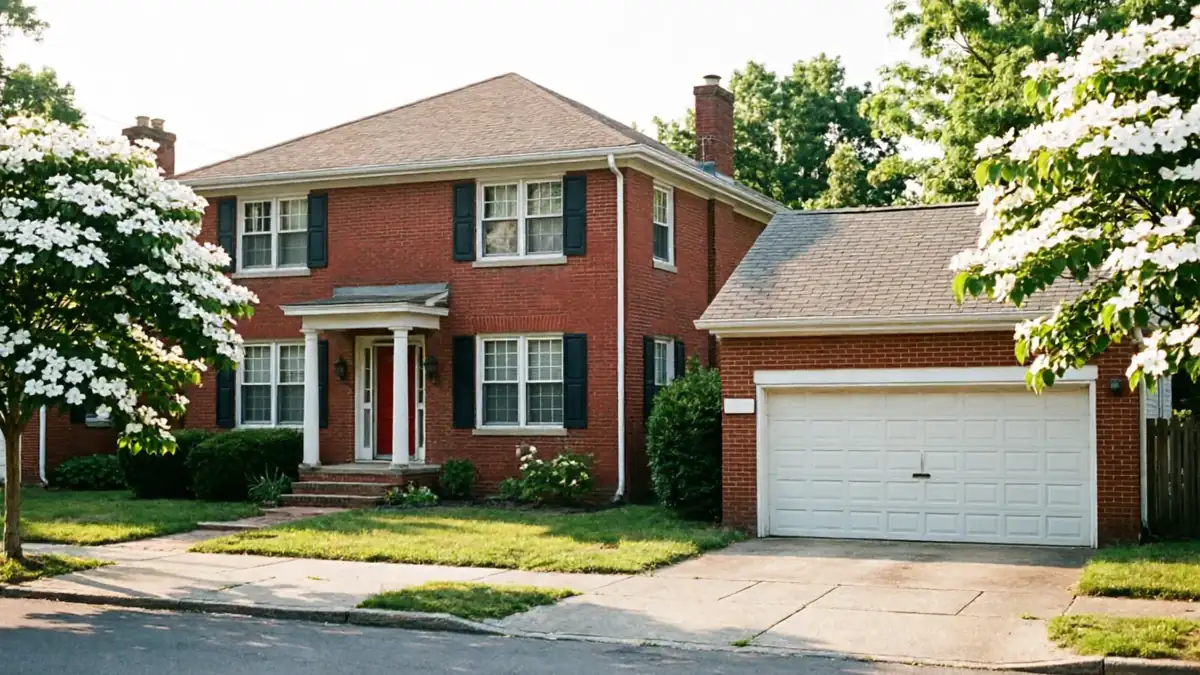
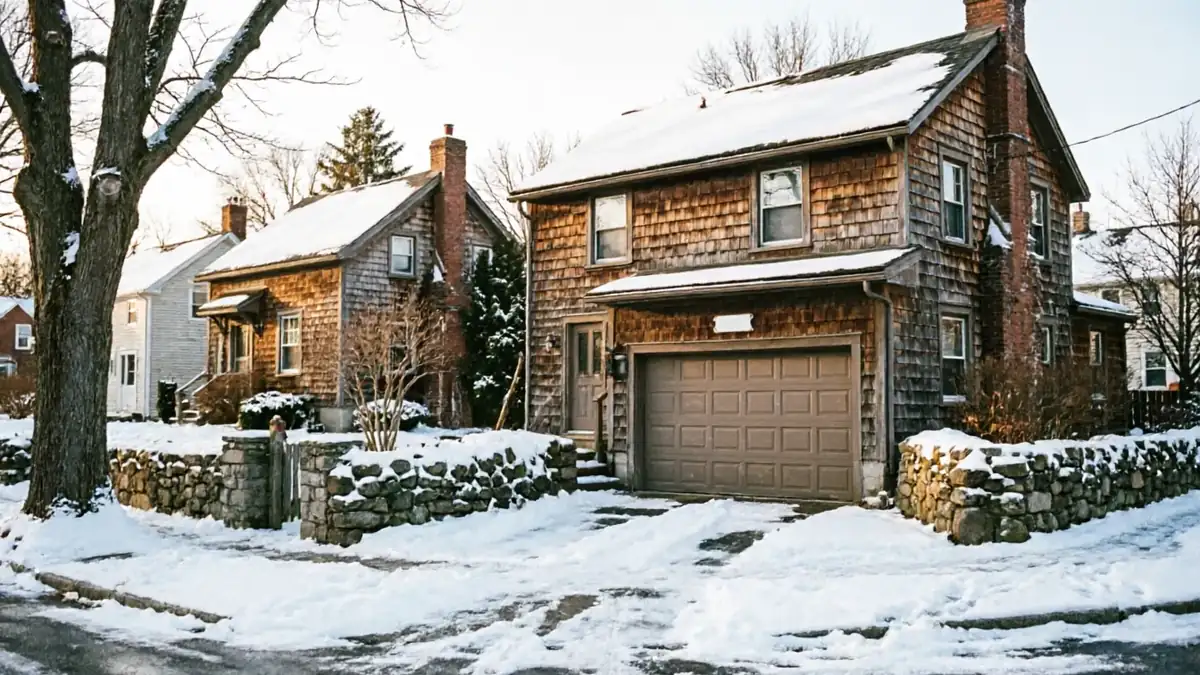
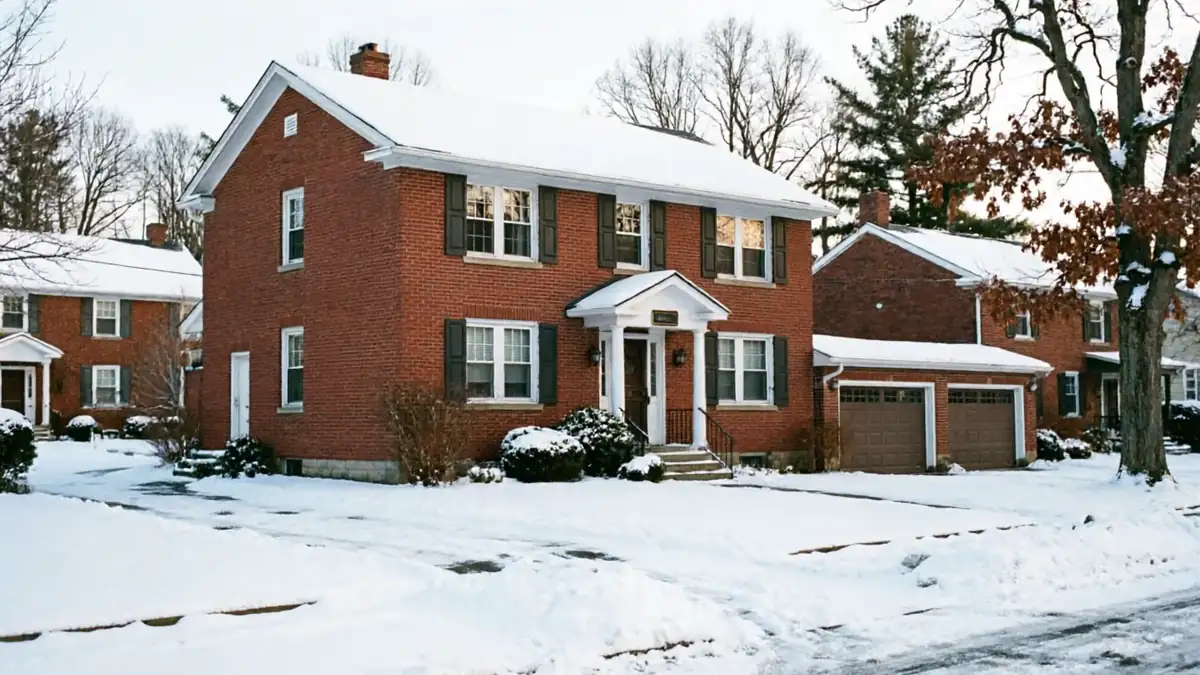
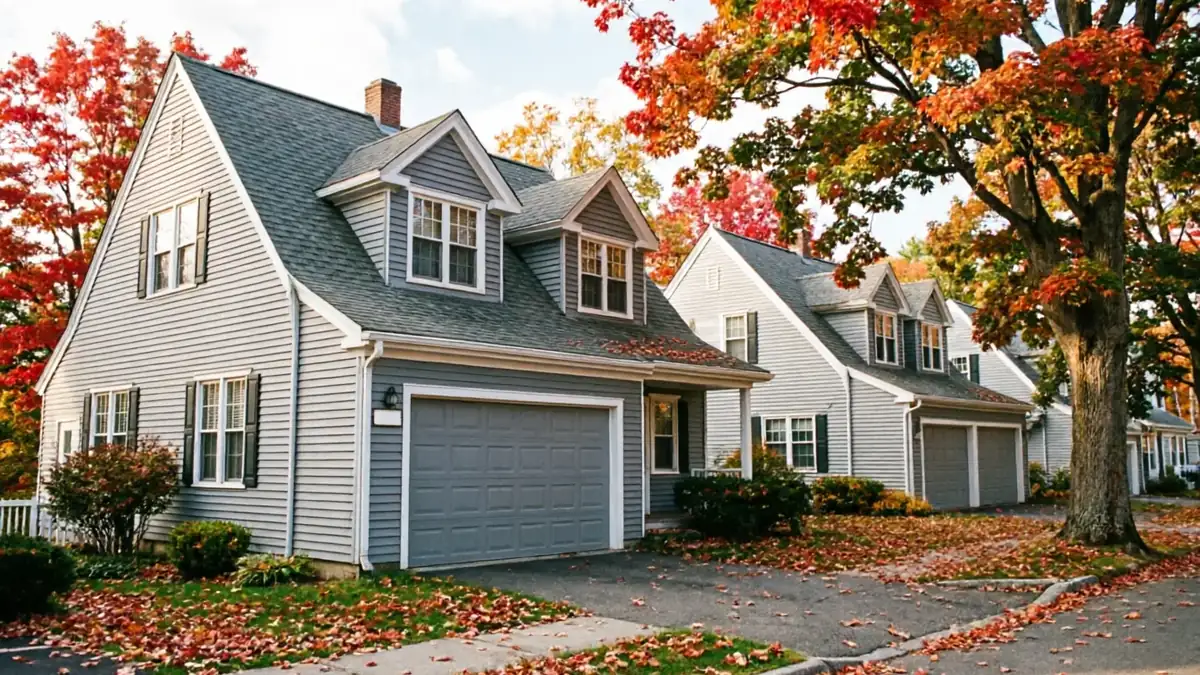
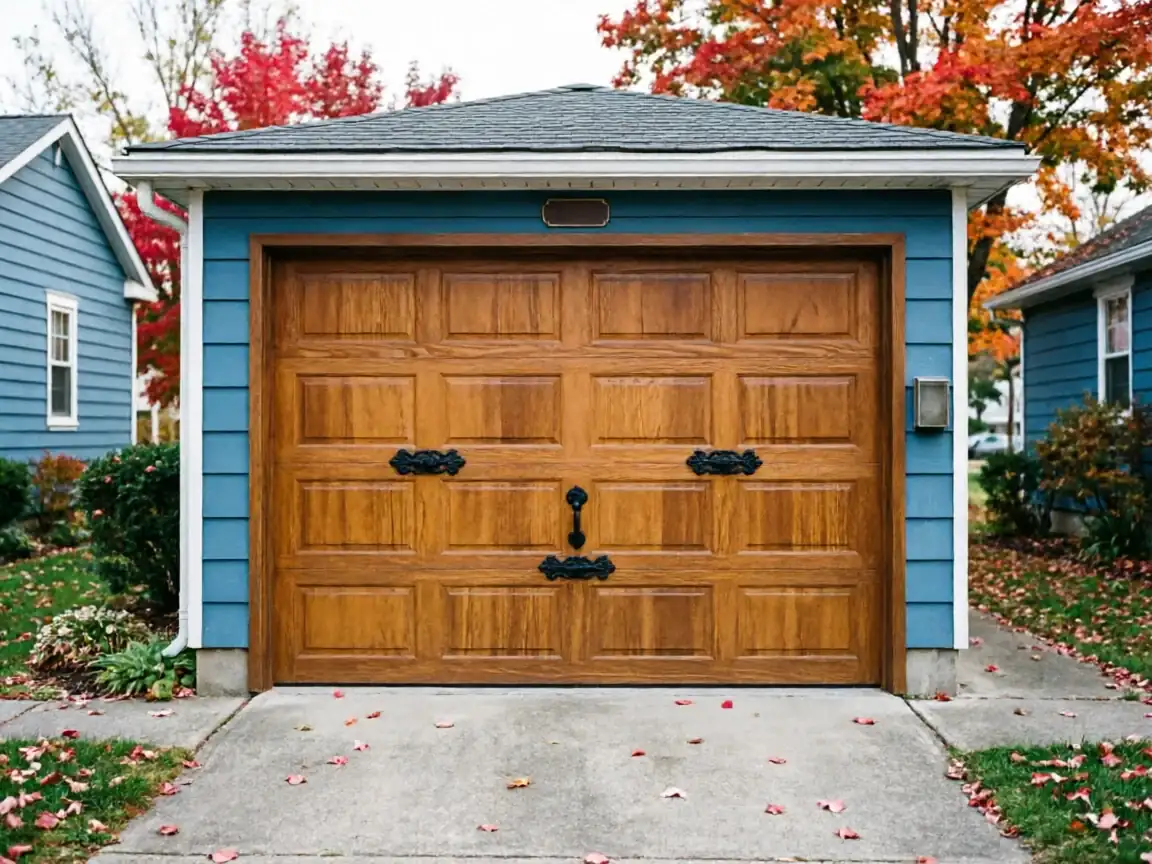
Trumbull's housing runs older than you'd guess driving through it. The area's median build year sits around 1965, which puts a lot of garages here a few years ahead of the broader Shelton service area's 1972 median. That gap matters more than it sounds like it should. A door and opener installed in the mid-60s was built for a different set of expectations than one from the 70s - lighter-gauge steel, simpler torsion setups, and openers that have usually been swapped out once or twice already by now. On the newer pockets of Trumbull, closer to later subdivisions, you'll see doors that match the more common 1970s-era hardware found across the wider area. The two don't take the same parts, and a tech who doesn't check the build era before quoting a job is guessing. We come from Shelton, about 4 miles away, and the first thing worth knowing before a truck gets to your driveway is which era your garage actually belongs to.
What Was Built Here
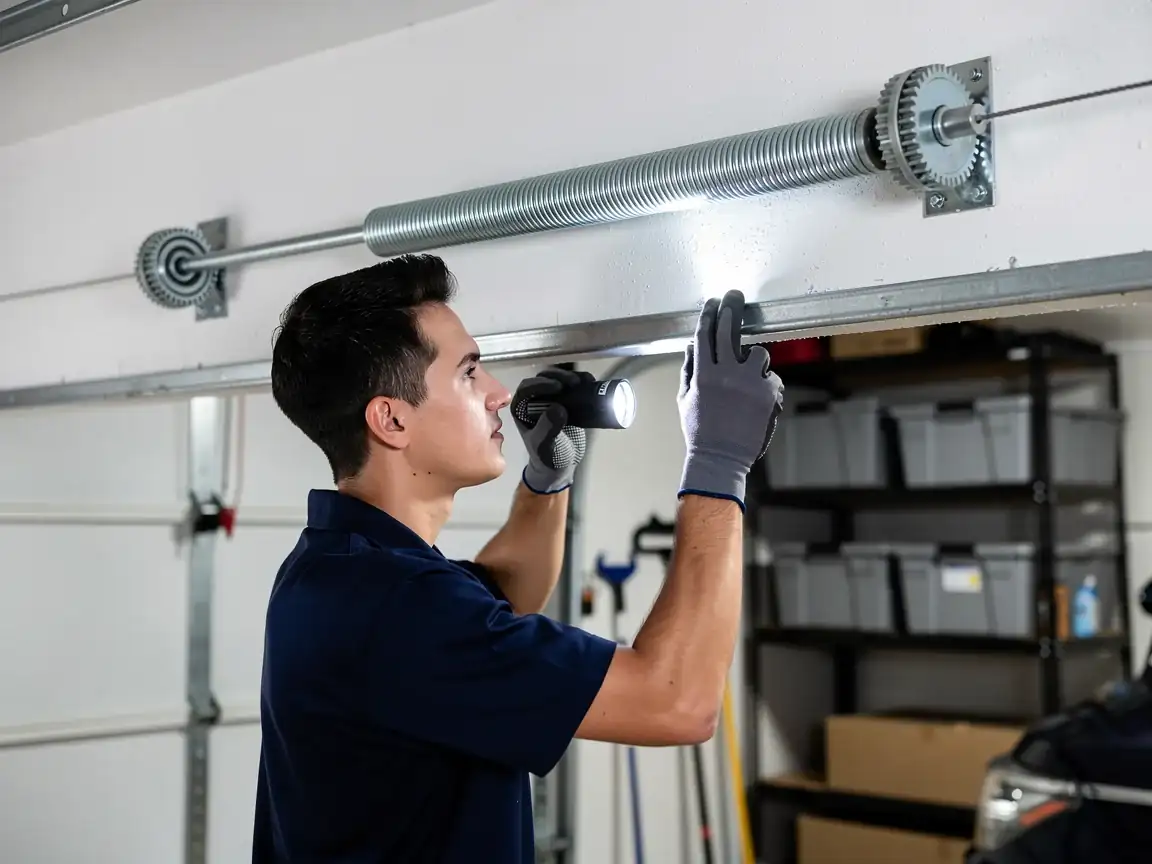
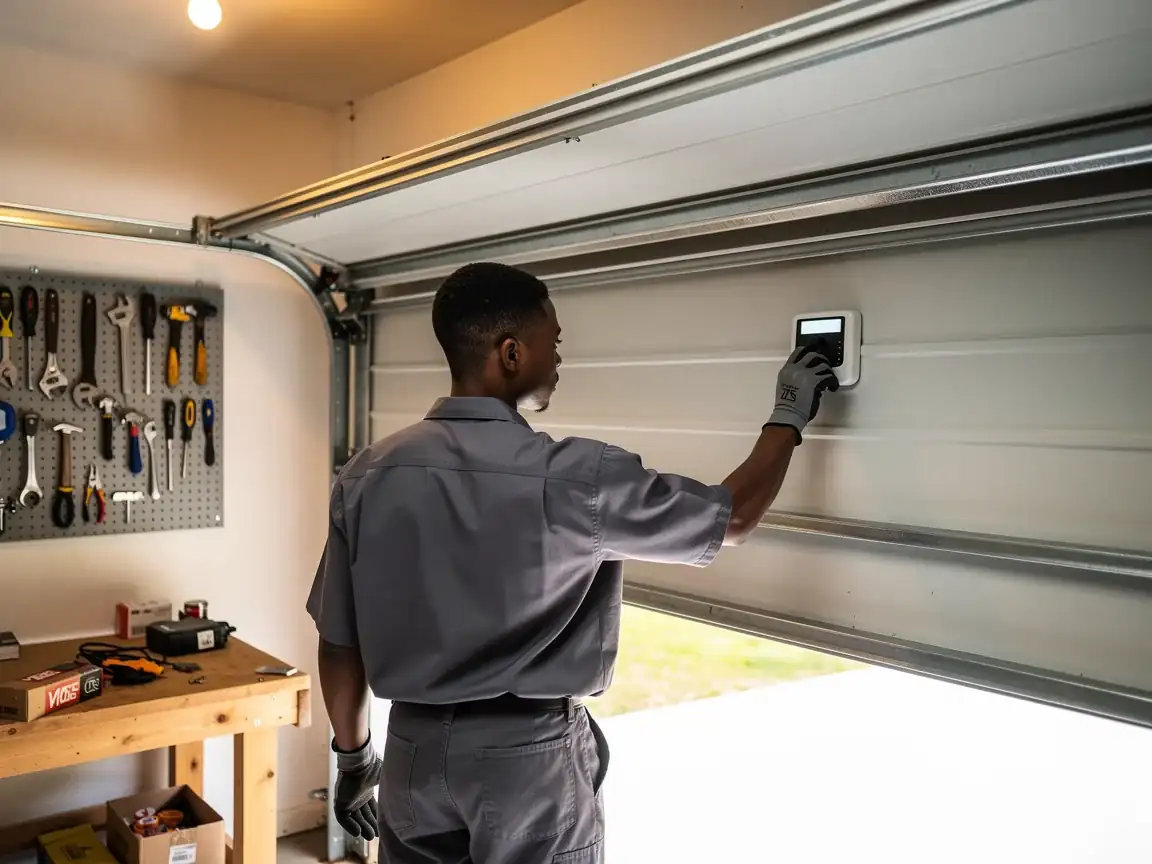
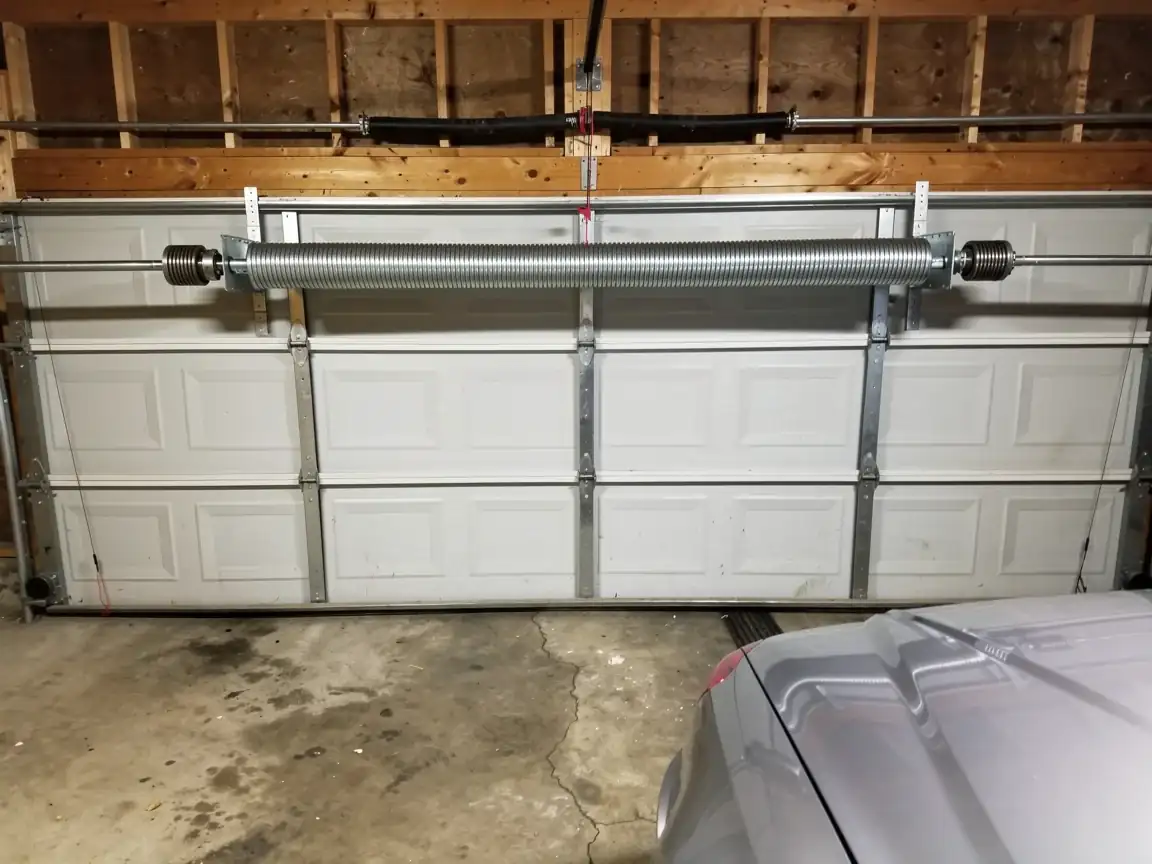
With roughly 11,886 households in Trumbull, there's a real mix of original garages and ones that got replaced somewhere along the way. The mid-1960s construction wave means a decent share of these are original torsion setups on steel track that's older than most people realize, sitting behind a door panel that's been repainted more than once. Median household income here runs about $163,227 - notably higher than the $130,180 median across the broader service area - and that shows up in what we see on the job: more owners who replaced an opener or upgraded a door at some point rather than running the original hardware into the ground. That doesn't mean everything's new. It means repairs here are as likely to be 'this opener is the second one' as 'this is the original 1965 unit.' Both show up. Knowing the housing era before the call saves a trip for the wrong spring size or an opener bracket that doesn't match what's actually on the wall.
Where We Stop
We're honest about this part: we run out of Shelton, about 4 miles from Trumbull, and we don't keep a crew stationed here. That means we're not the call for a same-minute emergency at 2 a.m. - we'll get there, but there's drive time built in, and we'd rather tell you that upfront than pretend otherwise. We also won't try to repair a door that's past the point where repair makes sense. If your panel's bent beyond straightening or the track is rusted through from age, replacement is the honest answer, not another patch job. Parts for some of the older original hardware on 1960s-era doors aren't always sitting on the truck either - certain torsion springs or obsolete track brackets can mean a short wait while we source the right part instead of forcing a fit that won't hold up.