Can You Do This Yourself
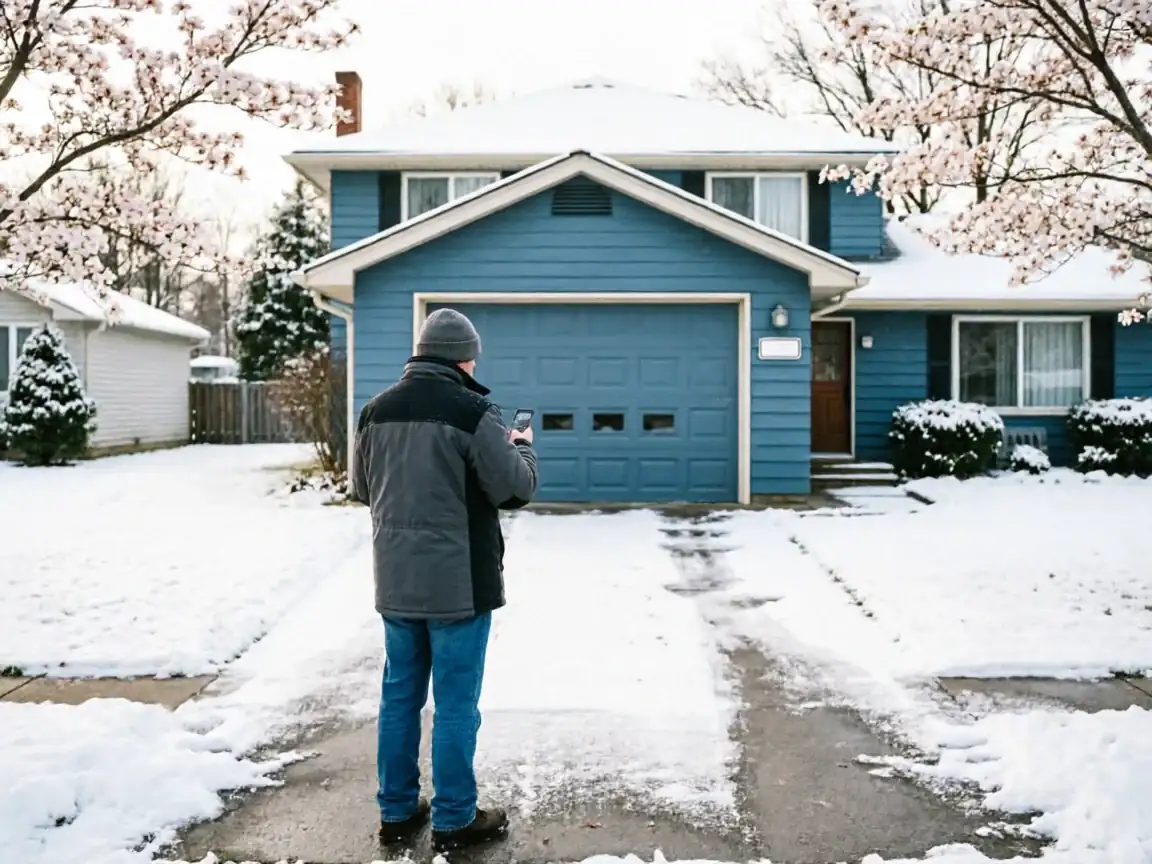
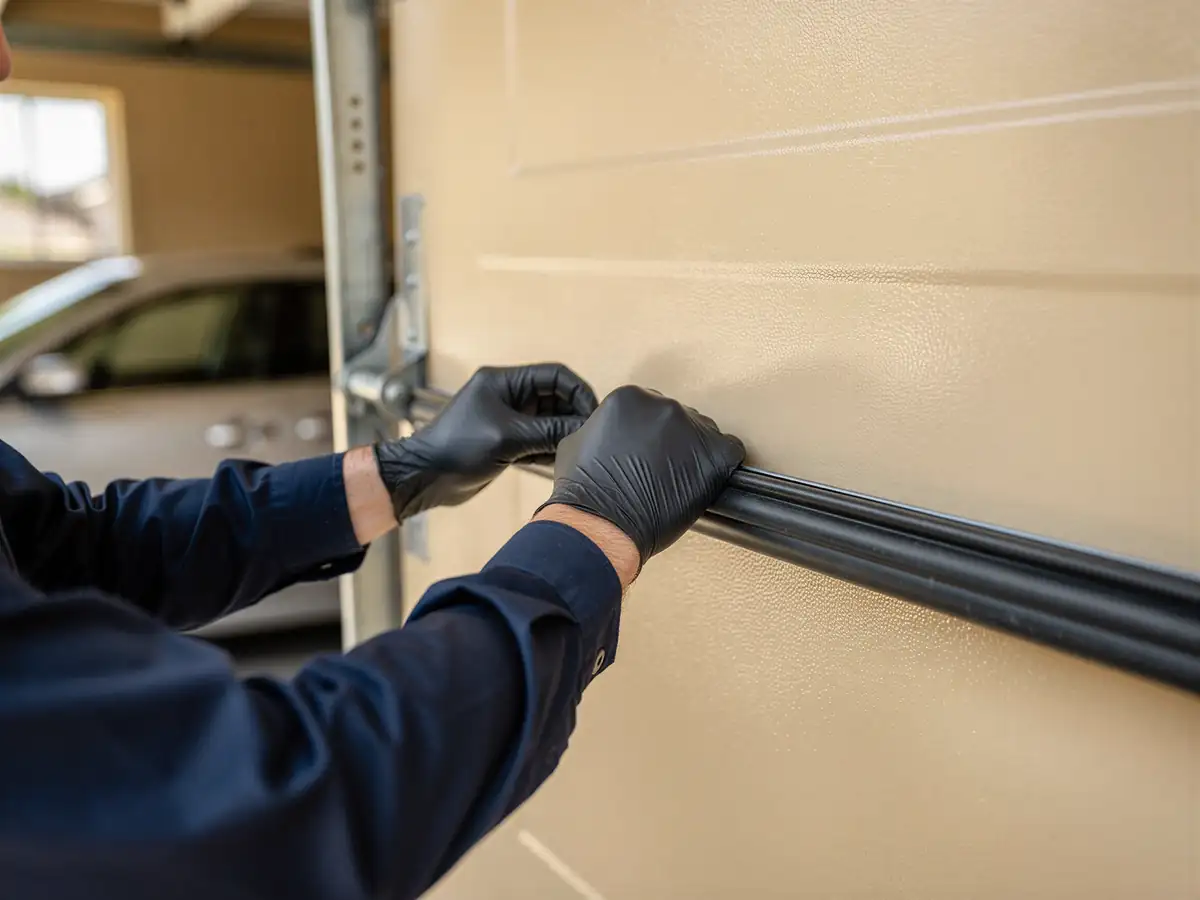
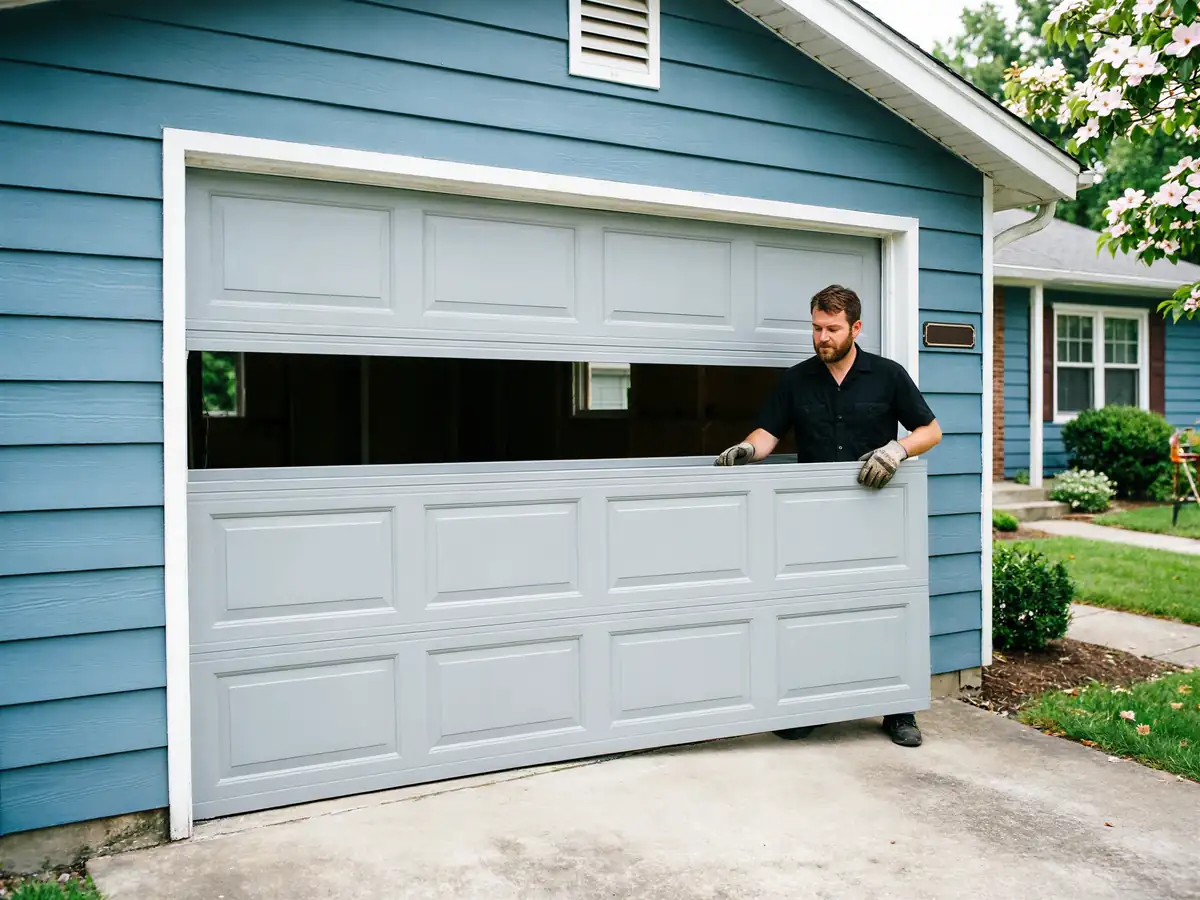
A new garage door install looks simple until you're standing in the opening with a door that doesn't match the frame. Trumbull's housing stock centers on 1965, which puts a lot of these garages a decade or two ahead of the standard torsion-spring setups that came later. That means the rough opening, the header clearance, and the track radius on an older Trumbull garage often don't match the dimensions printed on a big-box door box - and that mismatch is the single most common DIY install failure we see.
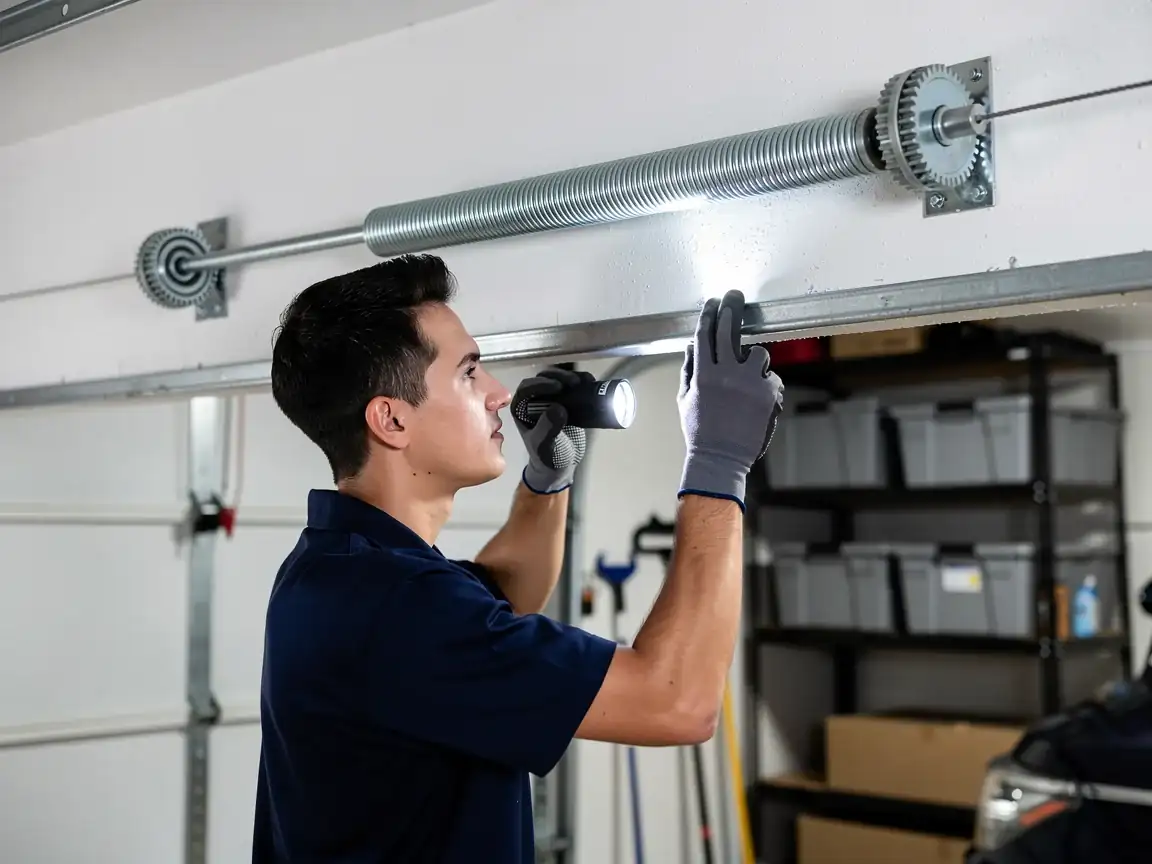
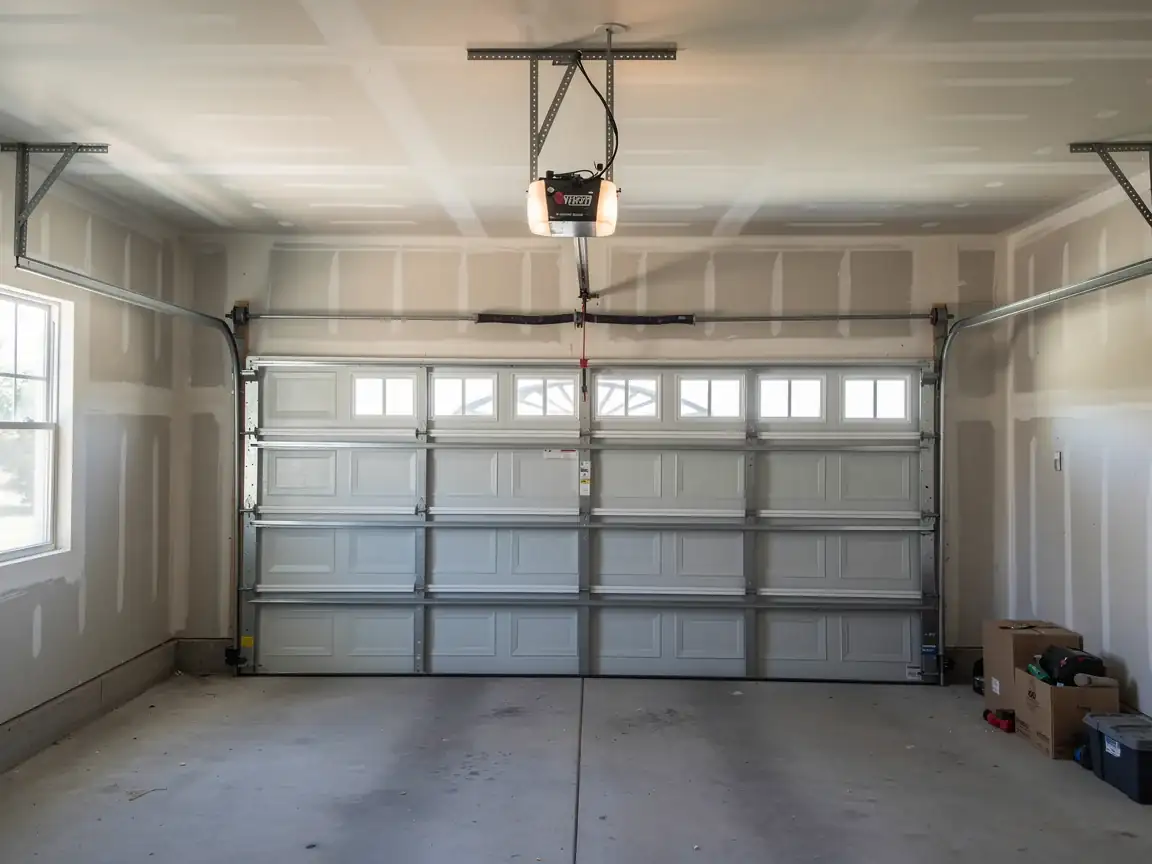
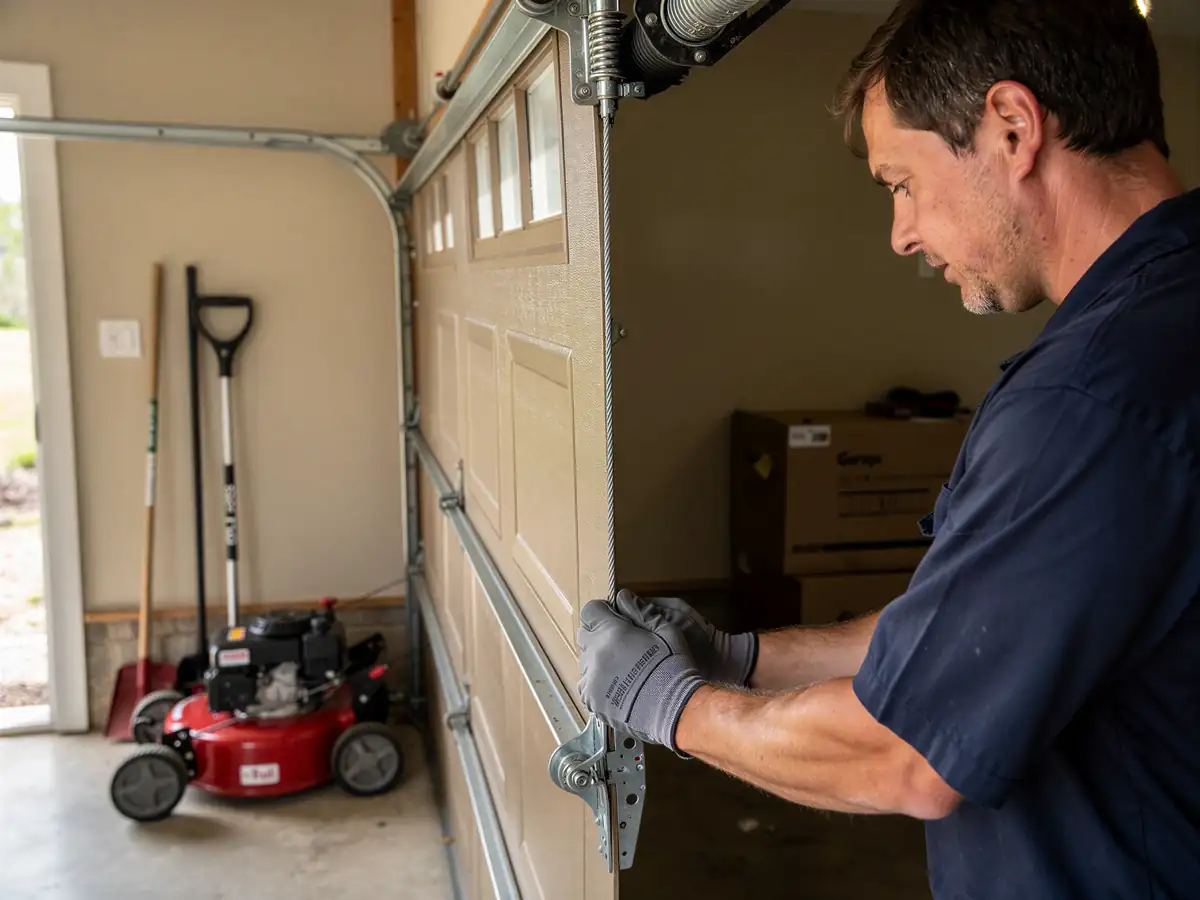
Measuring a garage door opening correctly means knowing headroom, backroom, and sideroom to the inch, then checking that against the door's spring and track spec, not just the slab size. On a home built when this one was, the jamb framing is often undersized by current standards, which means new jamb brackets or added blocking before the door ever goes in. If you've never set spring tension on a torsion system, this is not the project to learn it on - under-tensioned springs don't close the door, over-tensioned ones can take a hand off.
What Can Go Wrong
The most common issue on a mid-1960s Trumbull garage is a header that was framed for a lighter, single-layer wood door and never built to carry a modern insulated steel door's extra weight. When that's missed, the new opener strains from day one and the track pulls away from the jamb within a year or two.
Second is headroom. Homes from this era in Trumbull sometimes have only the minimum clearance above the opening, which rules out standard torsion hardware and forces a low-headroom conversion kit - a part and labor cost that doesn't show up until someone's already measured the opening in person.
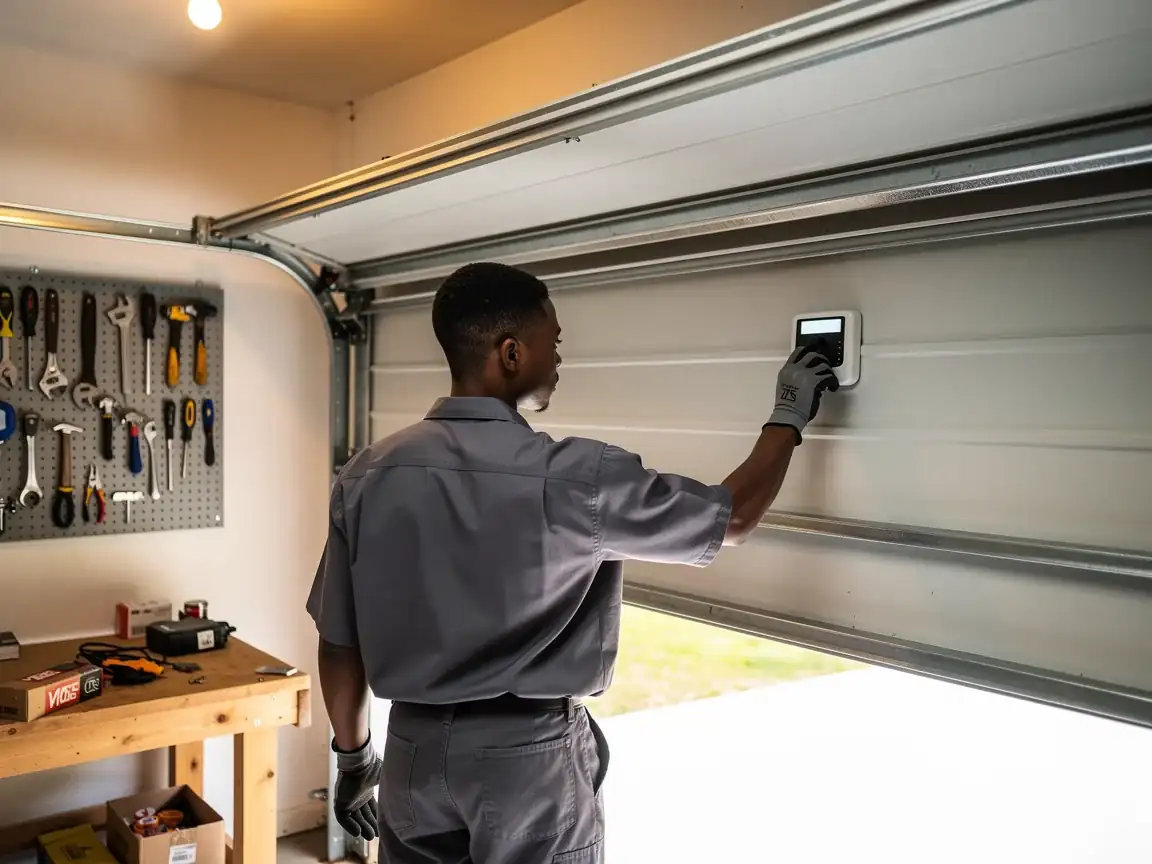
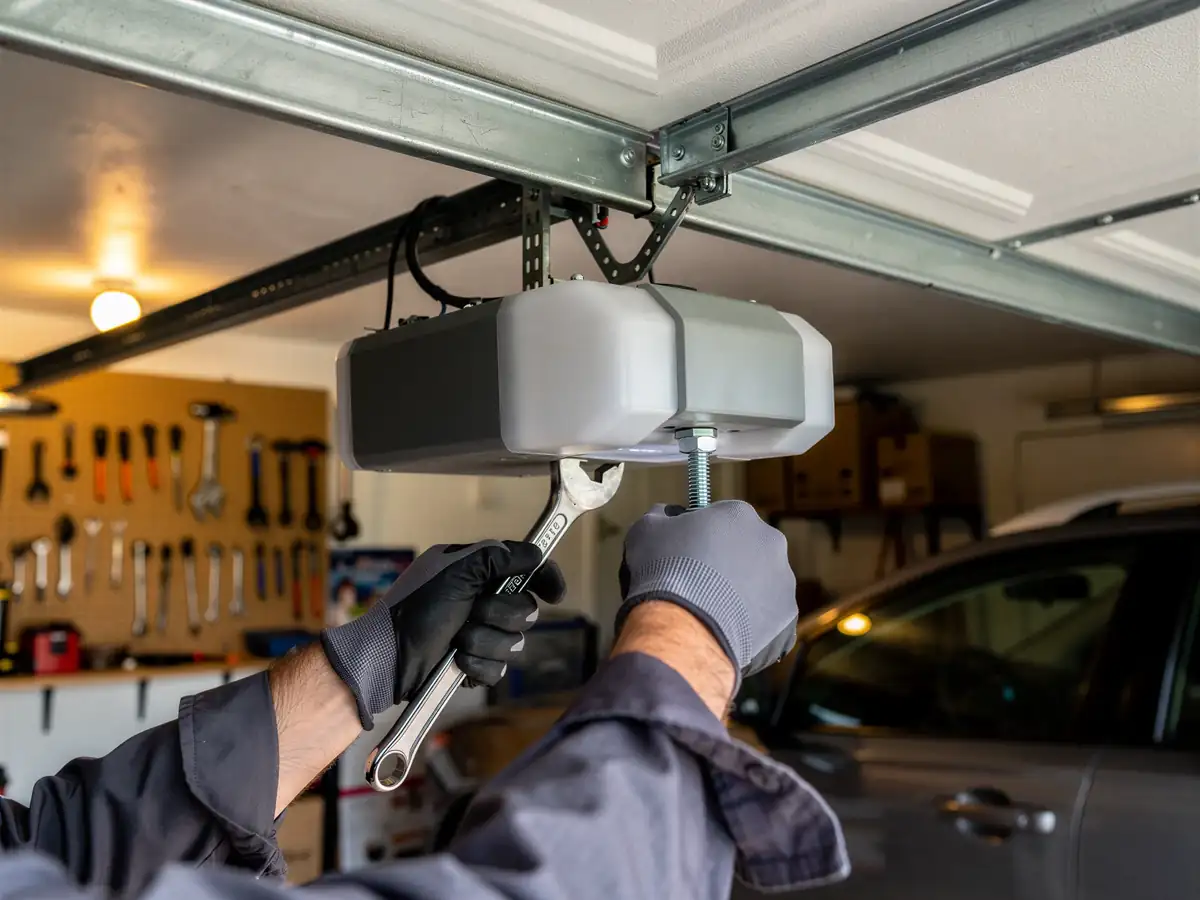
Third: electrical. A garage built in 1965 often has a single outlet, if any, and it's rarely on the ceiling where an opener needs it. Running new circuit before the opener goes up is routine here, not an upsell.
Why This Fails Locally
Connecticut's winters fall in the severe end of the cold climate band, and an opening framed in 1965 wasn't built with today's insulation standards in mind. Installing a modern insulated door into an old, uninsulated jamb without addressing the gap around the frame means the door looks right but still lets cold air track straight into the garage - and from there into any room that shares a wall with it. A new door is only as good as the opening it sits in, and on a house this age, the opening usually needs attention too, not just the door.
How Long It Takes
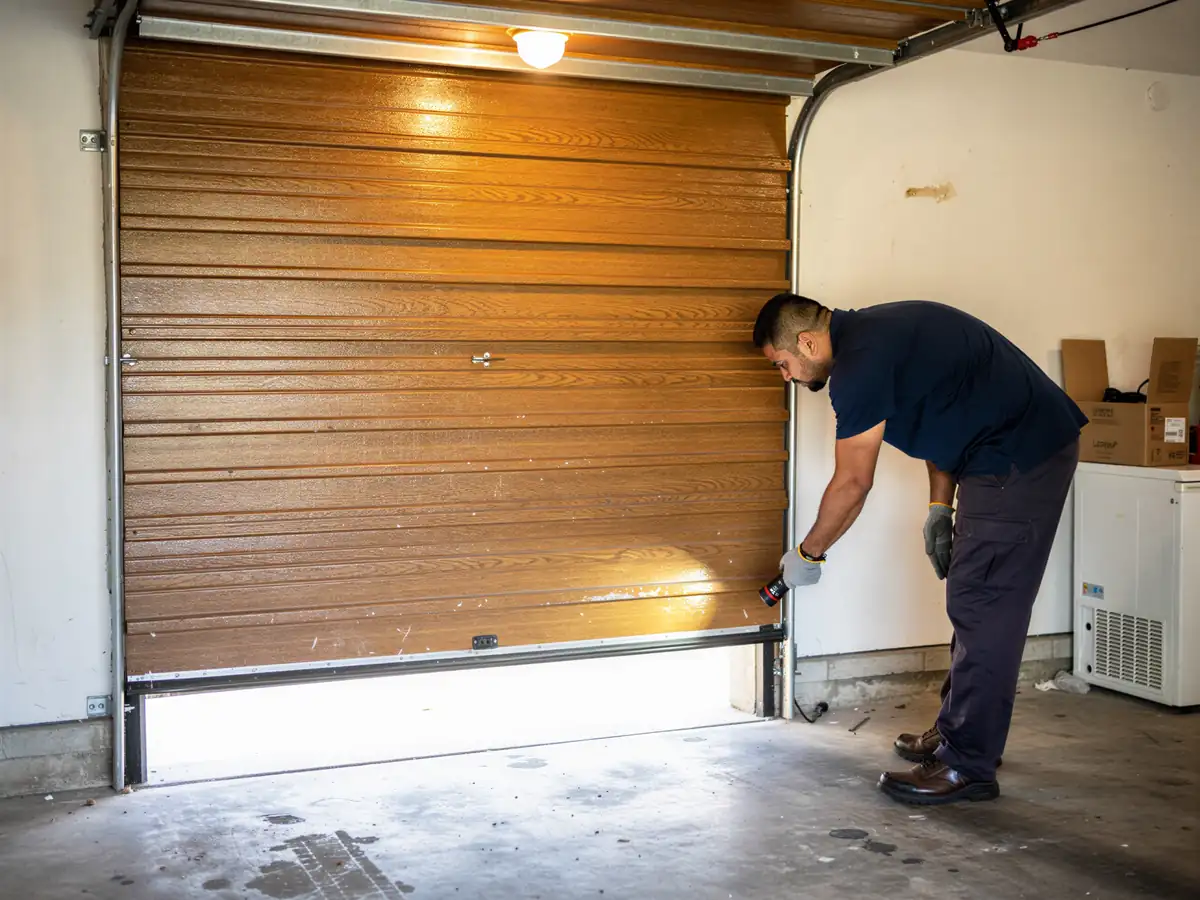
A straightforward swap - same size opening, no header or electrical work - runs a single visit. Add a low-headroom conversion or new circuit for the opener, both common on Trumbull's older stock, and the job runs longer because parts for non-standard headroom kits aren't something we carry on the truck for every call. We travel the 4 miles from Shelton for the initial look and measure, then schedule the install once we know which version of the job this actually is. We won't quote a timeline before that measure - too many of these jobs turn out to need the header or wiring work once we're standing in the garage.