Can You Do This Yourself
Trumbull is a four-mile drive from our shop in Shelton, close enough that a tech can look at your opener the same day in most weeks without the trip itself eating the job. That matters because opener work splits into two kinds: the kind you can sort out with a ladder and a screwdriver, and the kind where guessing costs you a second call.
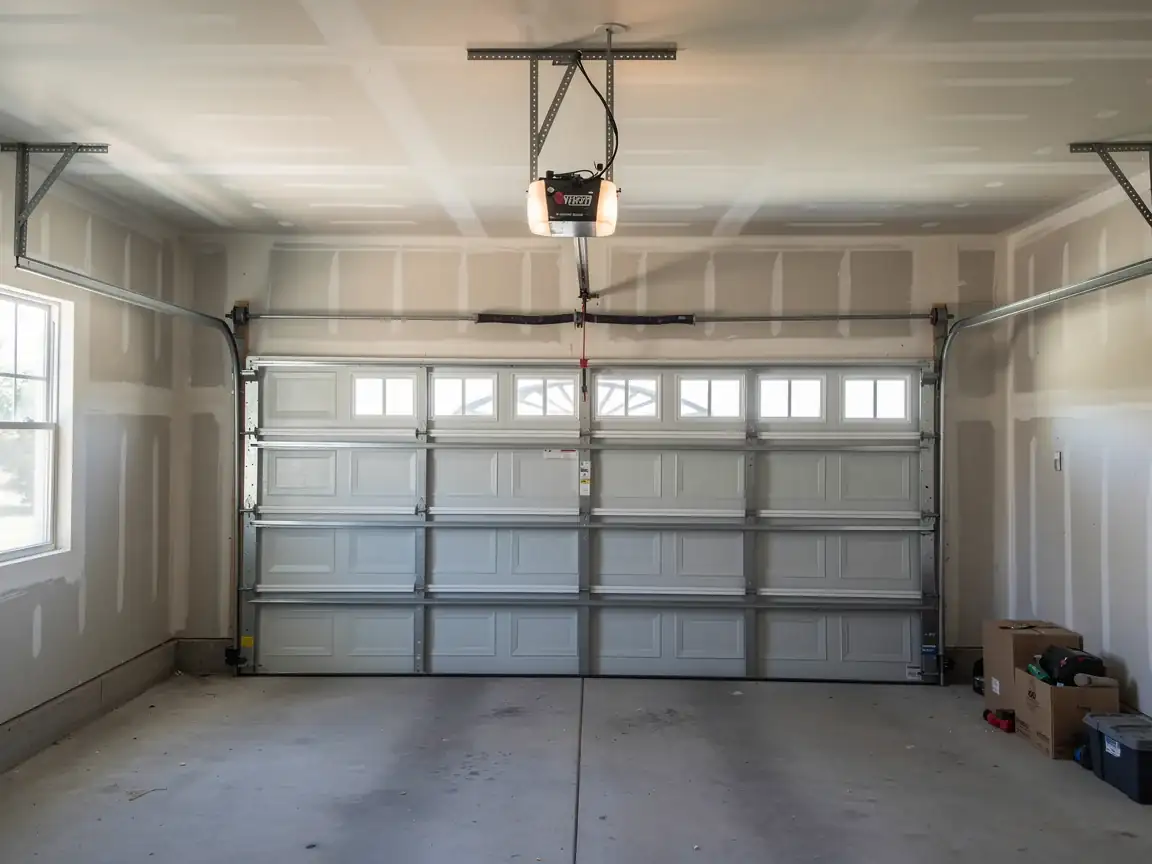
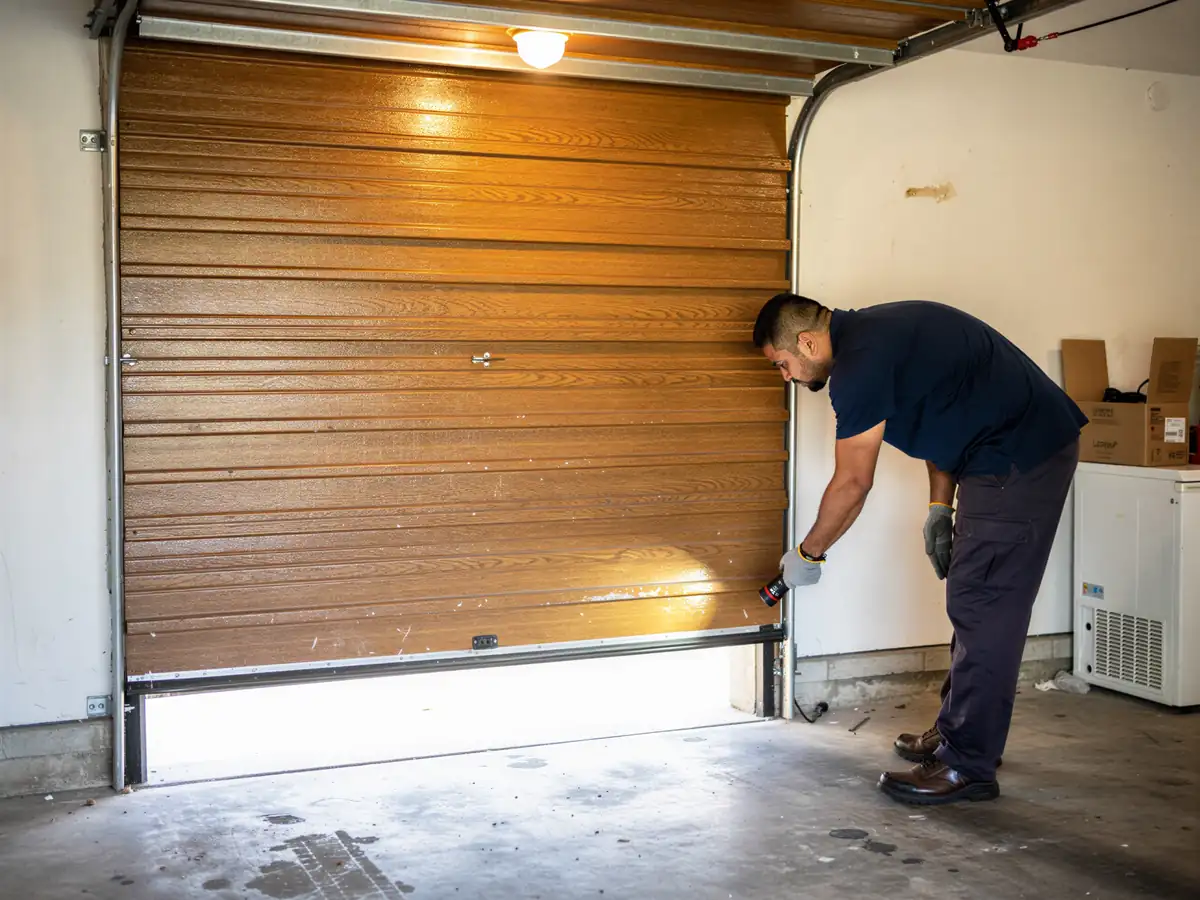
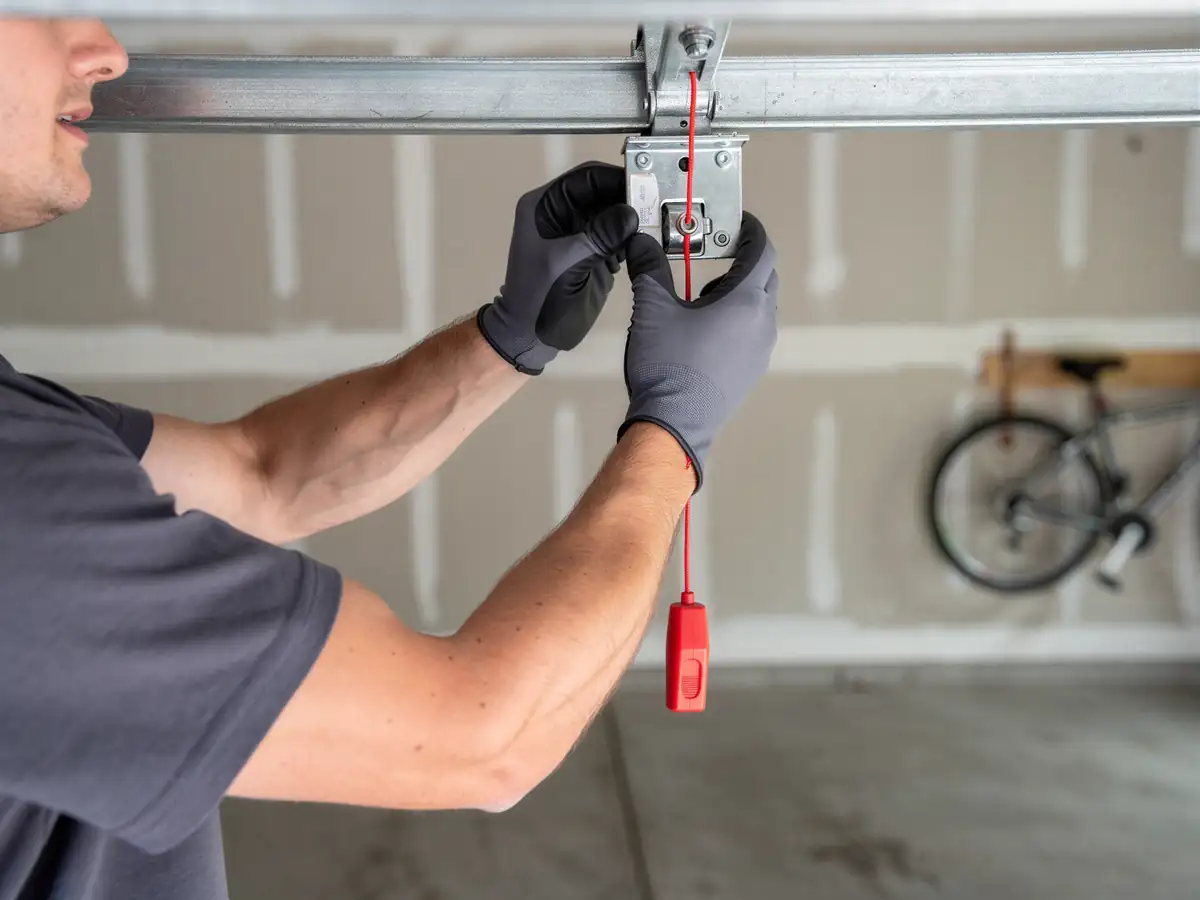
If your opener hums but the door doesn't move, check the manual release cord first - it's often been pulled and left disengaged after a power outage. Dead remote batteries and a dirty photo-eye sensor (wipe the lenses, realign if the light blinks) account for a good share of "opener's broken" calls that aren't. Those you can handle in ten minutes.
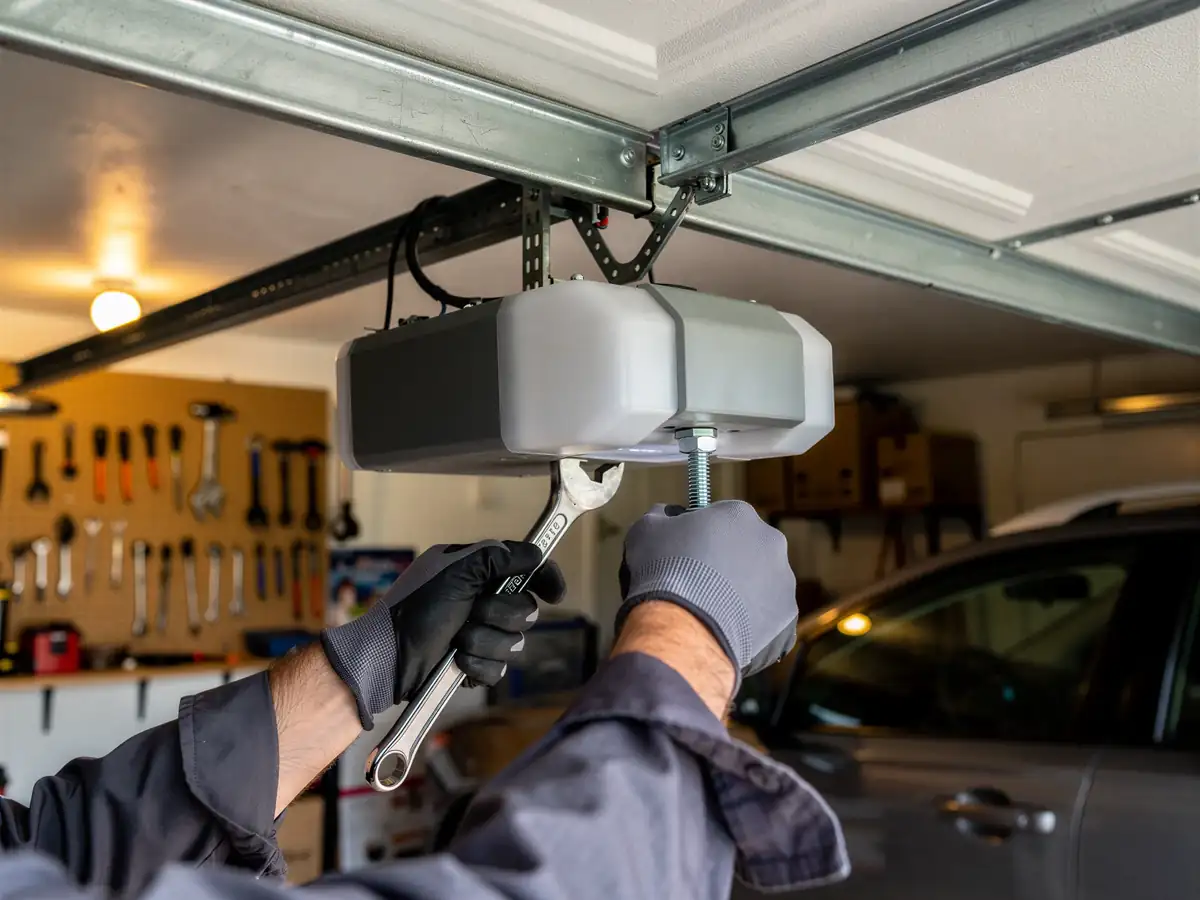
What you shouldn't touch: the circuit board, the logic board connections, or anything involving the high-voltage side of the unit. If the opener runs the motor but the door won't lift, or the opener works intermittently and you can't find a pattern, stop. Homes in this area were mostly built around 1965, and a lot of them still carry openers installed a decade or two after that - chain-drive units with relay boards that aren't sold new anymore. Forcing a reset on one of those can finish it off instead of fixing it.
What Can Go Wrong
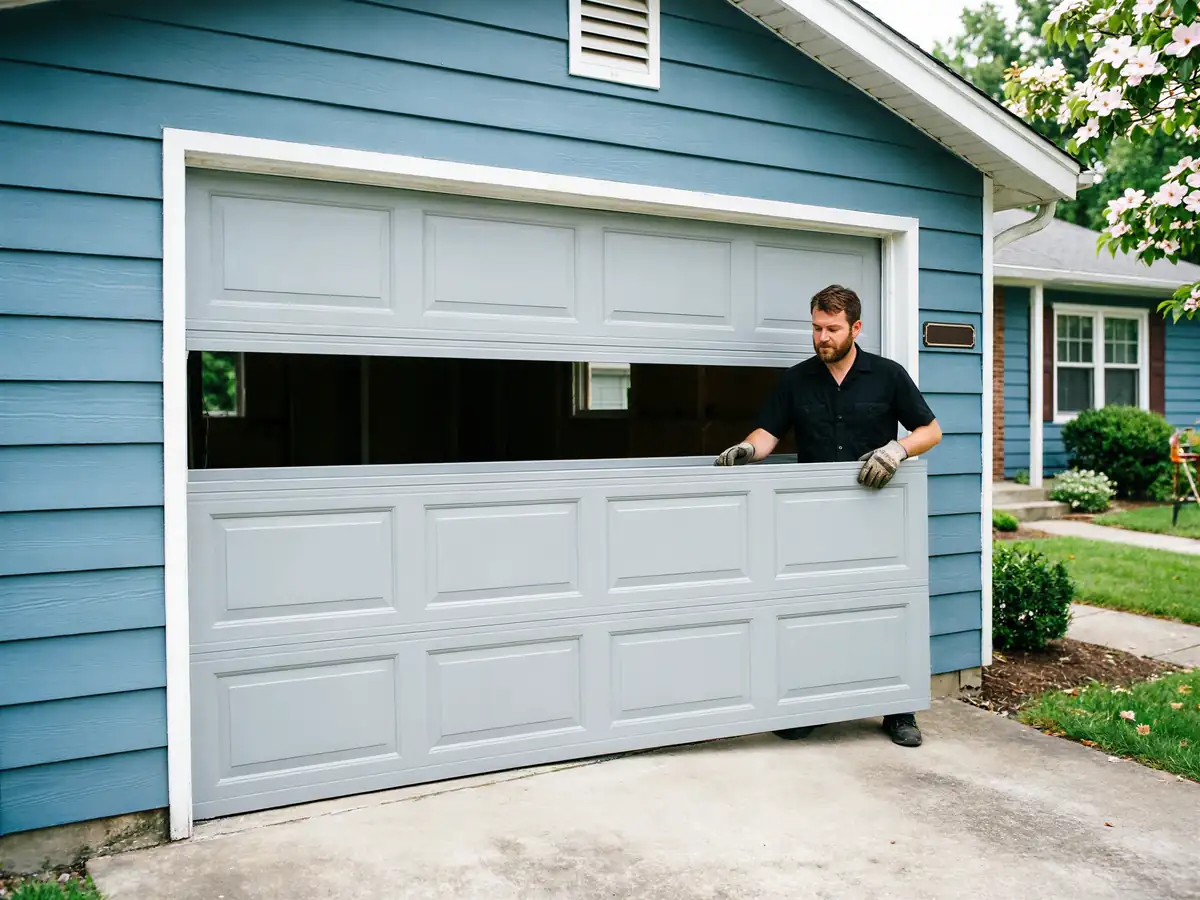
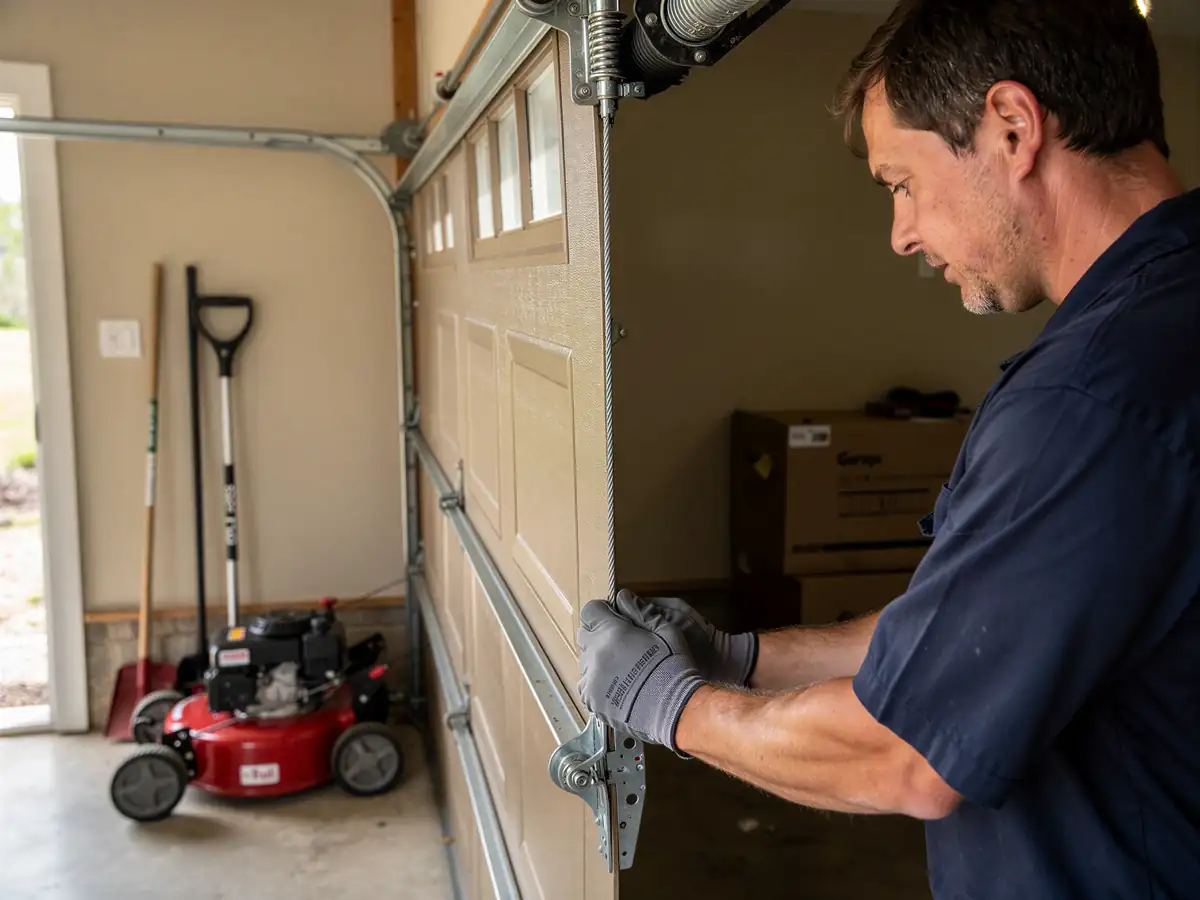
The opener itself is rarely the whole story. On a house built in the mid-1960s the door, track, and spring system have usually been touched at least once by someone other than the original installer, and an opener fault often shows up as a symptom of something upstream - a spring that's lost tension and is making the motor do work it shouldn't, or a track that's shifted slightly out of plumb and is binding the carriage.
Common failure points we actually see: the drive gear inside the unit stripping from age, the logic board failing after a power surge (Connecticut winters bring enough of those), the travel limit switches drifting out of calibration, and safety sensors going out of alignment after someone bumps a ladder against the bracket. Belt-drive and chain-drive units fail differently - belts stretch and skip, chains loosen and need re-tensioning.
One honest limitation: if the opener motor is original to a 1980s or 1990s installation, parts for that specific board are often discontinued. In that case repair isn't always possible, and replacement is the straight answer rather than a patched-together fix that fails again in six months.
What You Pay
We don't publish a flat number for opener repair here because the range depends on what's actually wrong
A sensor realignment and a board replacement are not the same job, and quoting one price for both would be a guess dressed up as a fact. What we can say: the diagnostic visit itself covers the four-mile trip from Shelton, so you're not paying a separate travel charge stacked on top of the repair.
Parts cost varies by what brand and age of opener you have
Newer belt-drive units with smart-home boards cost more to source than a basic chain-drive replacement part, when the part is even still made. If you want a number before we're standing in your driveway, describe the brand, the age if you know it, and what the opener is actually doing (or not doing) - that gets you a closer estimate over the phone than any general price range would.
Why This Fails Locally
Trumbull households sit at a median income well above the regional figure, and that shows up in the openers we find here - more smart, Wi-Fi-connected units, more homes that upgraded garage automation ahead of the rest of the service area. Those units fail in their own particular way: firmware that stops syncing with a home network after a router change, or a battery backup that quietly dies and only gets noticed during the next outage.
The winter side matters just as much. This is a cold-climate area, and cold affects openers two ways: grease in the drive mechanism thickens and makes the motor strain on cold mornings, and metal housing components contract enough to throw sensor alignment off by a few millimeters - enough to trip the safety reversal and make the door refuse to close. A door that worked fine in October and won't close in January usually isn't broken, it's just cold and slightly misaligned.
Because the housing stock here centers on 1965, we also see period-correct openers on side-mounted jamb hardware that doesn't match current ceiling-rail opener kits without an adapter bracket - something a straight swap-in replacement won't account for.
How Long It Takes
Most opener repairs run under two hours of hands-on time once the tech is at your house - a drive gear swap, a sensor realignment, or a limit switch adjustment are all same-visit fixes. Board replacements take about as long to install but depend on having the matching part on the truck or needing to order it, which can turn a two-hour job into a two-visit one.
Full opener replacement, when repair isn't worth it, usually takes longer in one visit - removing the old unit, mounting the new rail and head, and running the safety sensor and remote programming. Given the four-mile run from Shelton, scheduling here isn't constrained by distance the way it might be for towns further out on the list; the limiting factor is almost always parts availability, not travel.