Can You Do This Yourself
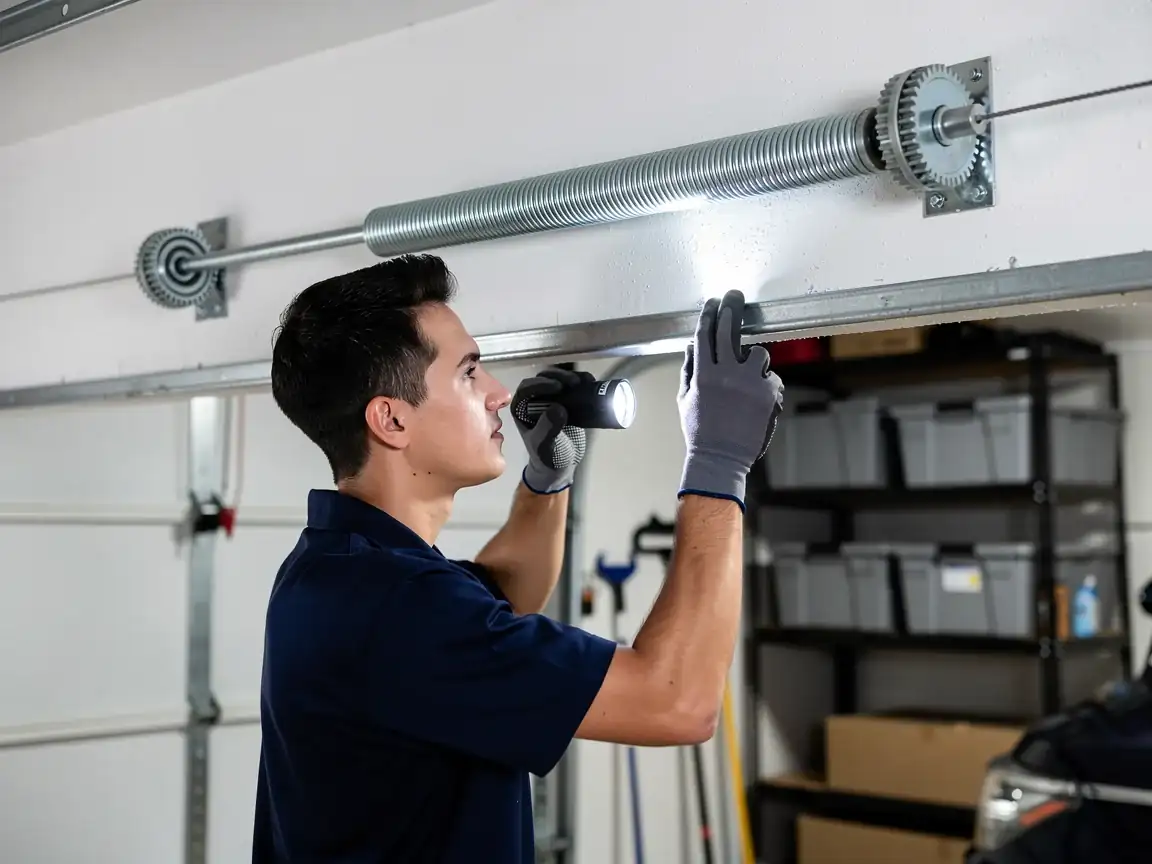
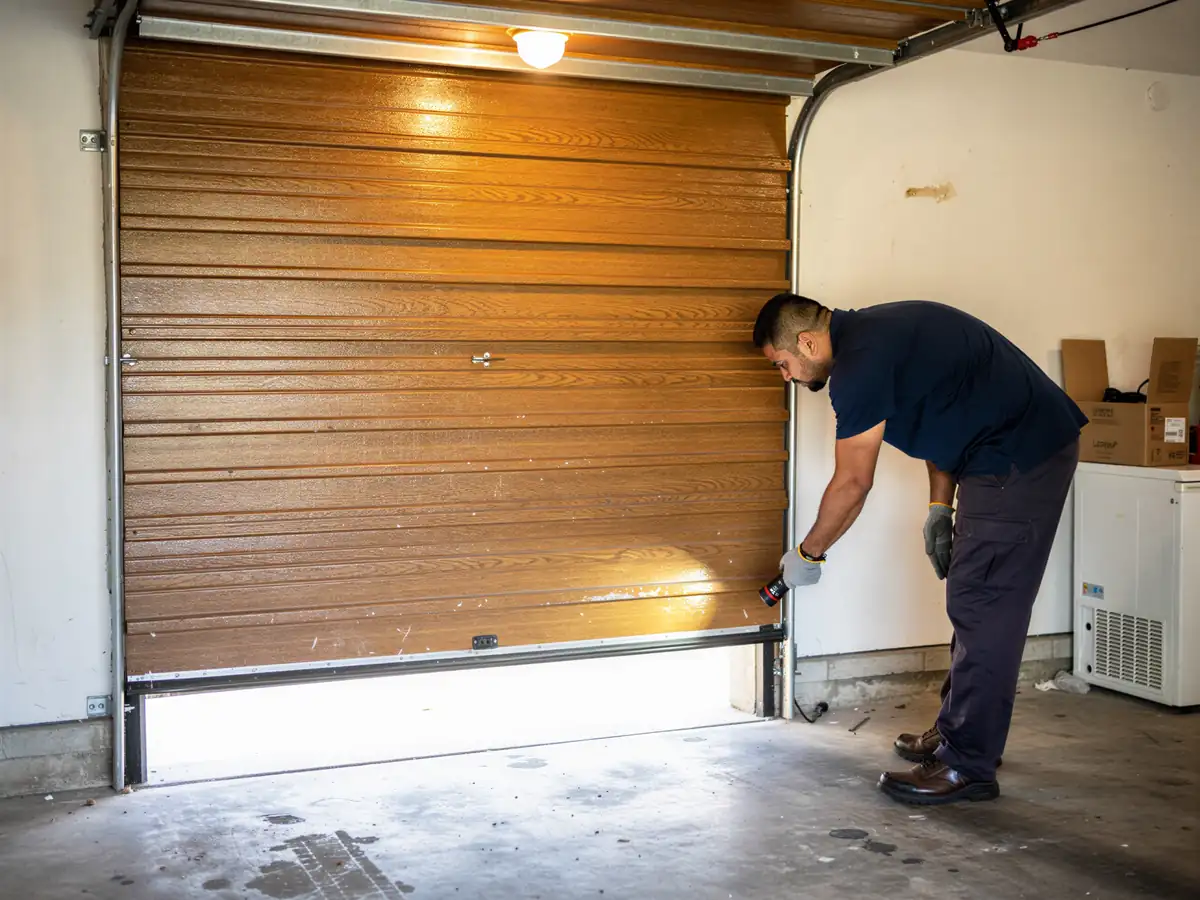
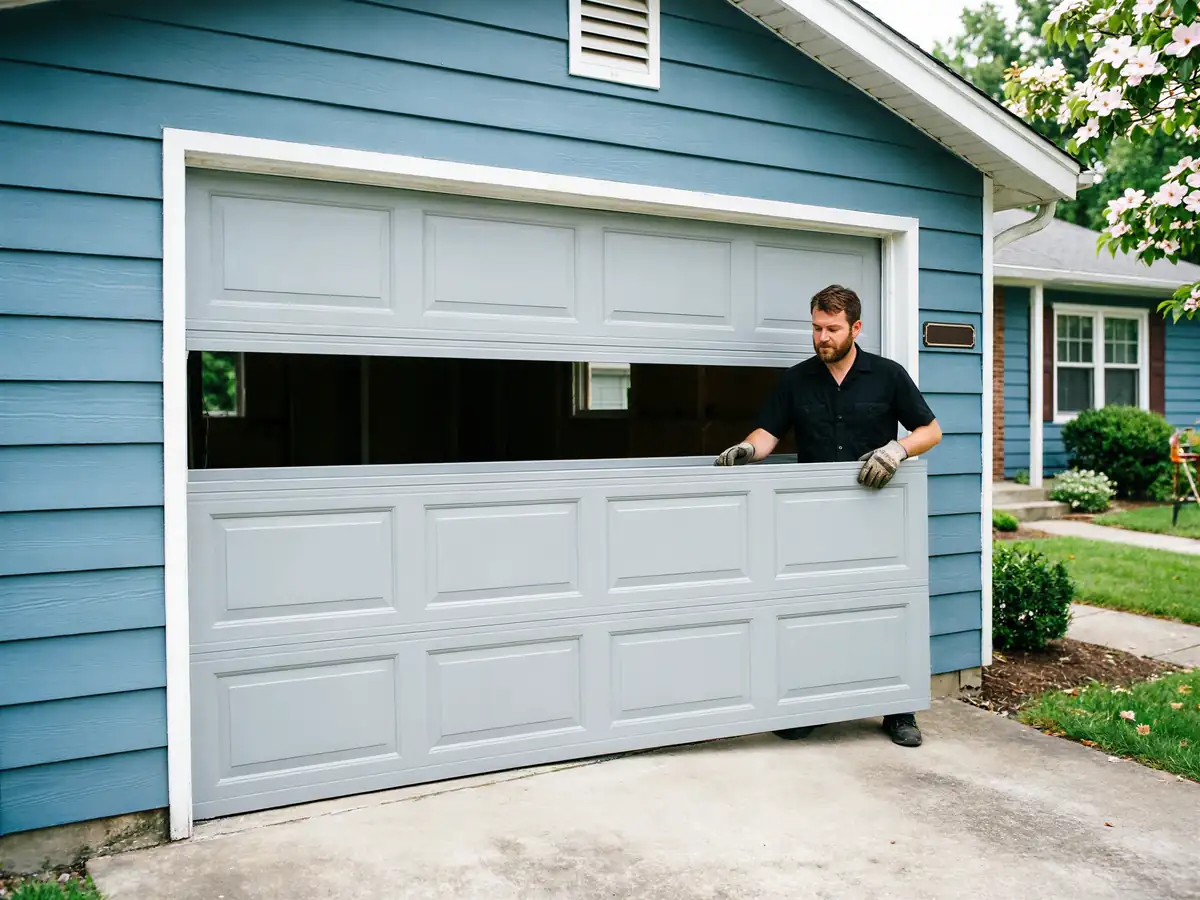
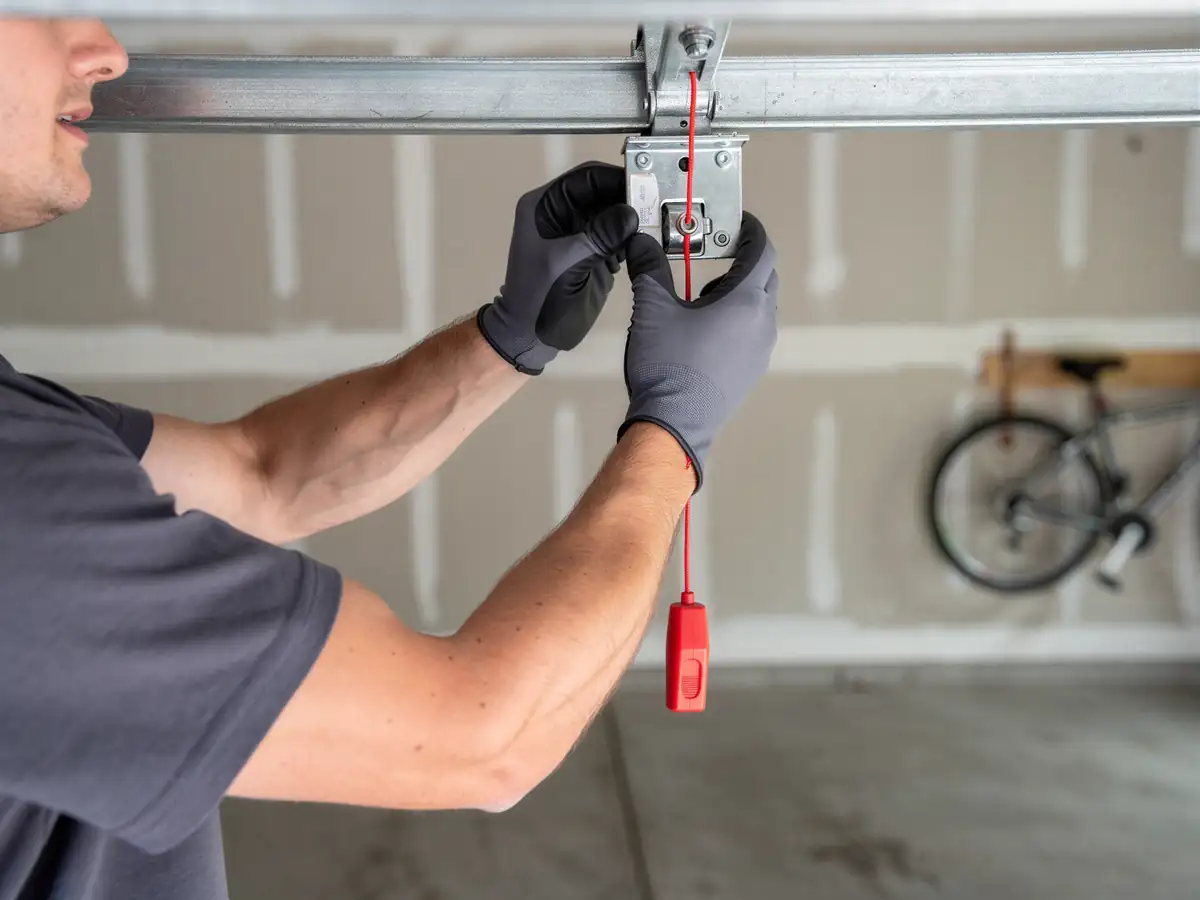
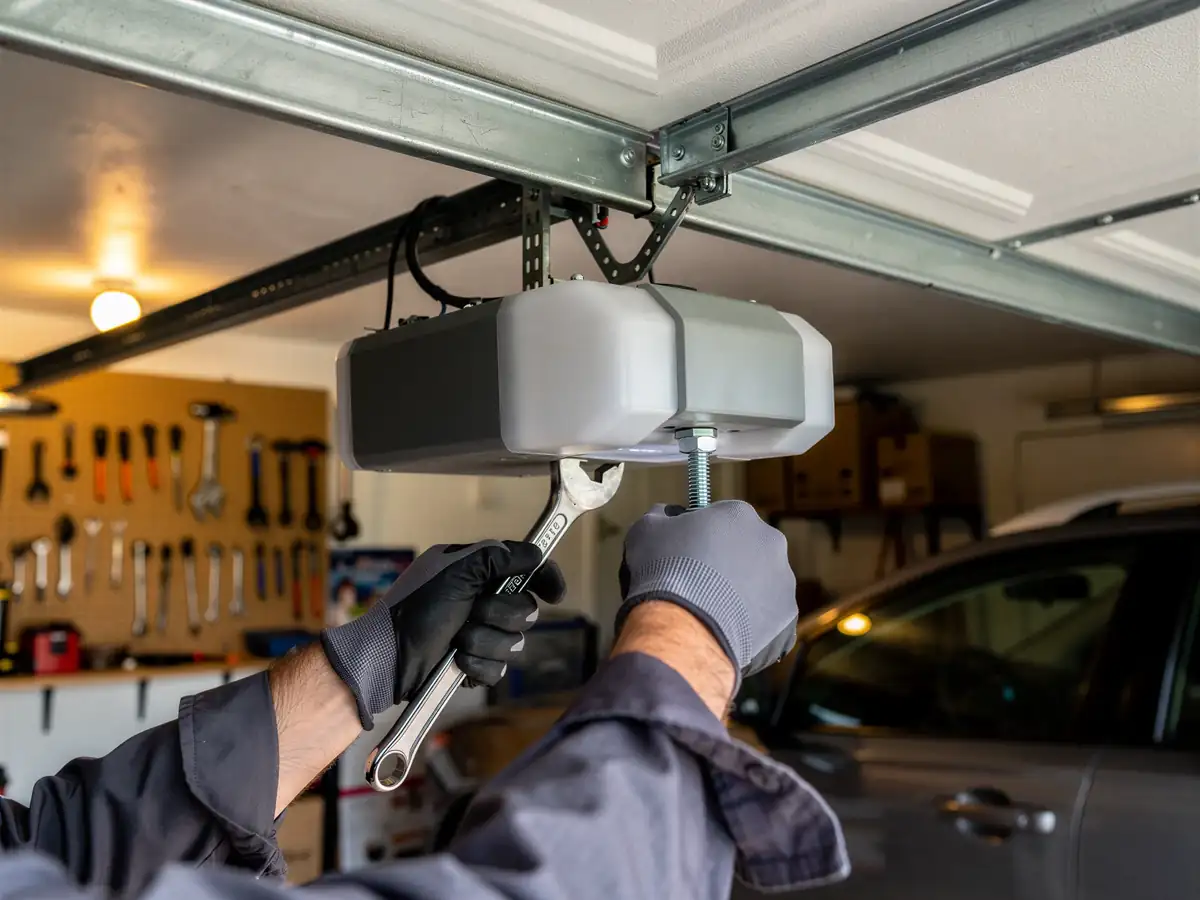
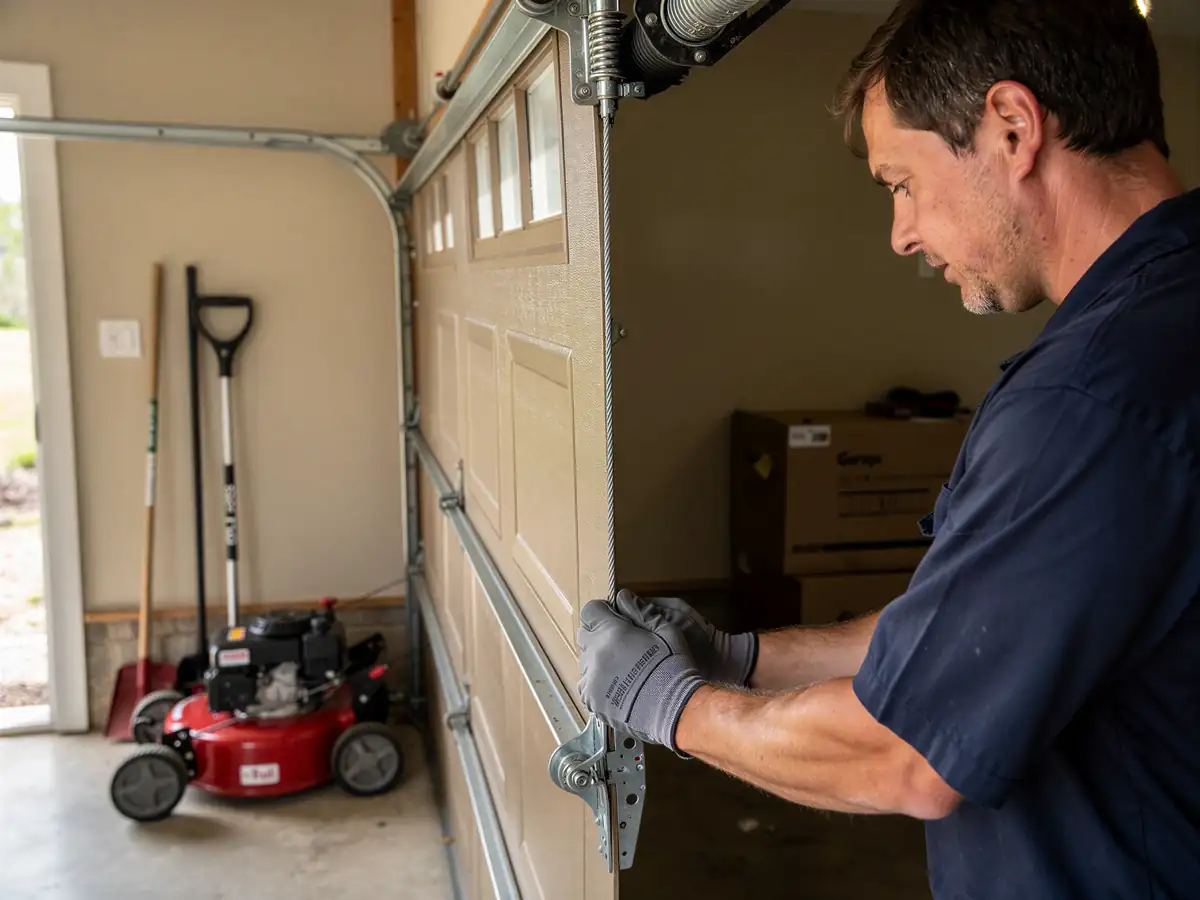
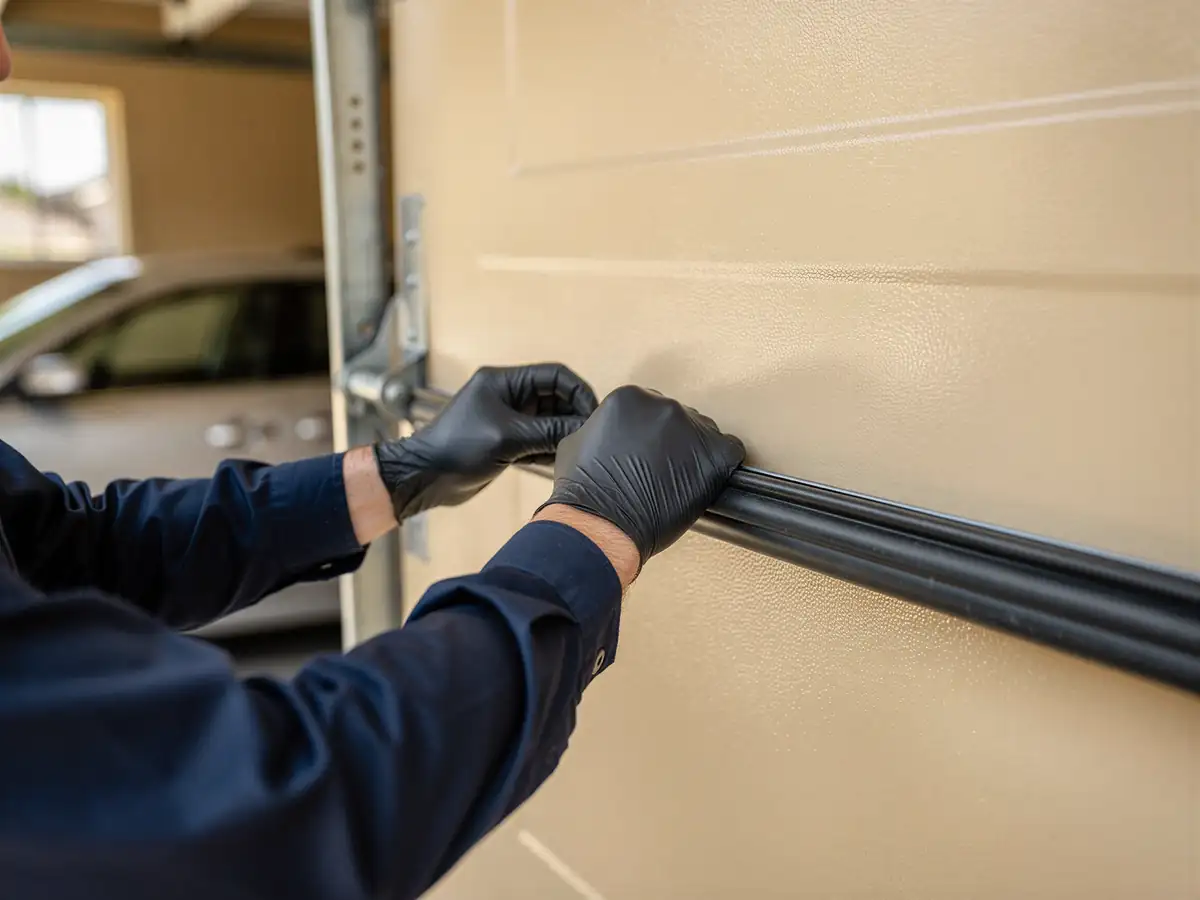
Some of this you can handle. Lubricating rollers and hinges, tightening loose hardware, testing the balance by disconnecting the opener and lifting the door by hand - all of that is reasonable for an owner with a ladder and some patience. What you shouldn't touch is the torsion spring. On a house built around 1965, which is close to the median build year for homes in Trumbull, that spring has likely been replaced once already by someone who didn't document the wind count or cable routing, and guessing wrong on either one can put a 150-pound door panel on the floor or on you. If the door won't move at all, or moves unevenly on one side, that's a call-a-pro job, not a weekend one. We say this knowing it costs us nothing to say: a $12 part and twenty minutes of your time beats a truck roll every time the fix is actually that simple.
What Can Go Wrong
Trumbull's median year built sits at 1965, a few years ahead of the broader service area's 1972 median - which means a larger share of the doors here are the older torsion setups than you'd find on a typical street covered out of Shelton. Original one-piece doors and early sectional doors from that era often ran on tracks sized differently than what hardware stores stock now, so a roller or hinge swap isn't always grab-and-go. Cables fray at the drum end from decades of use. Torsion springs rated for a door that's since been reinsulated or had an opener added run undersized and fail early. None of this is Trumbull-specific hysteria - it's just what 1960s hardware does on a 60-year timeline, and Trumbull has more of that timeline behind it than the area average.
Why This Fails Locally
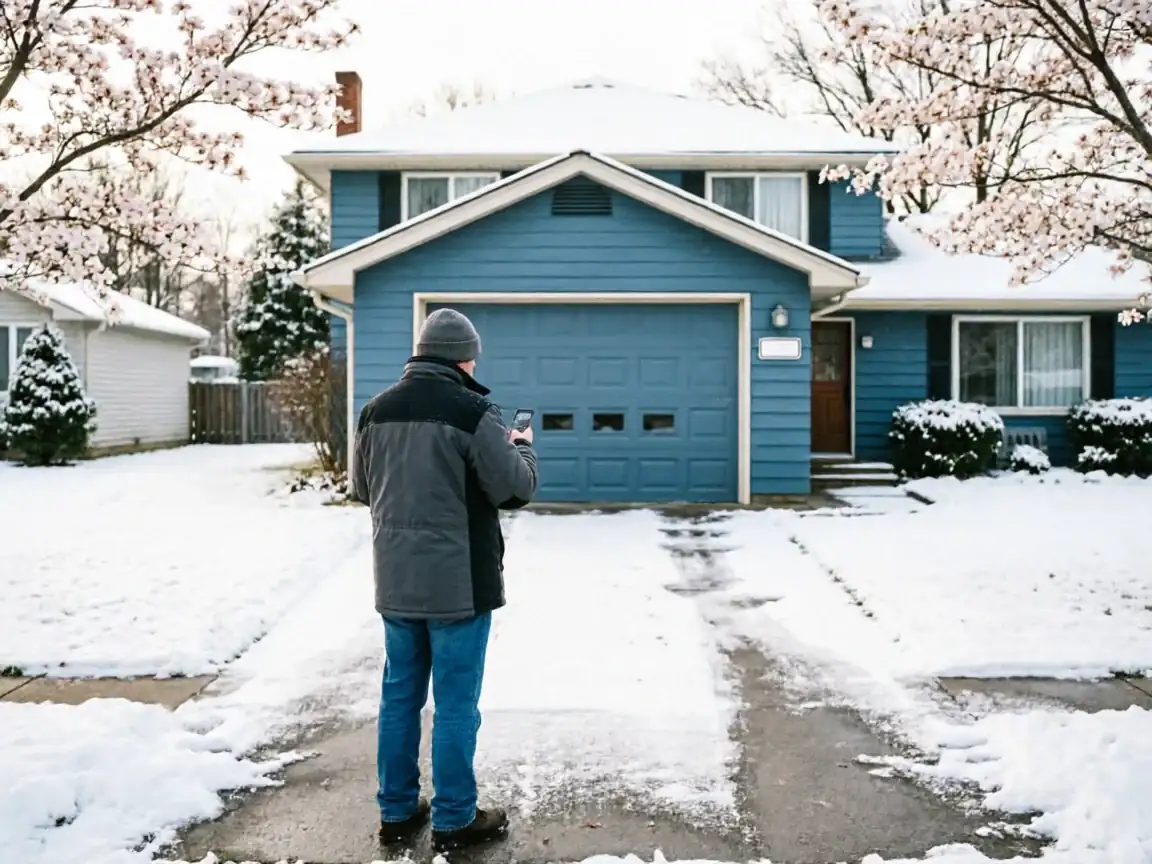
Connecticut's winters fall in the severe cold band, and that matters more on older torsion hardware than on new. Steel springs lose tension in sustained cold, and a spring that was already near the end of its rated cycle count - which is common on a door installed when the house was built around 1965 - tends to pick the coldest week of the year to let go. Add in a slab or garage floor that heaves slightly with frost, which throws the track out of plumb by a fraction of an inch, and a door that was marginal in October becomes a stuck or off-track door in January. This isn't a Trumbull quirk exactly, but it hits harder here because more of the housing stock is old enough to be carrying original or first-replacement hardware into its sixth decade of cold winters.
How Long It Takes
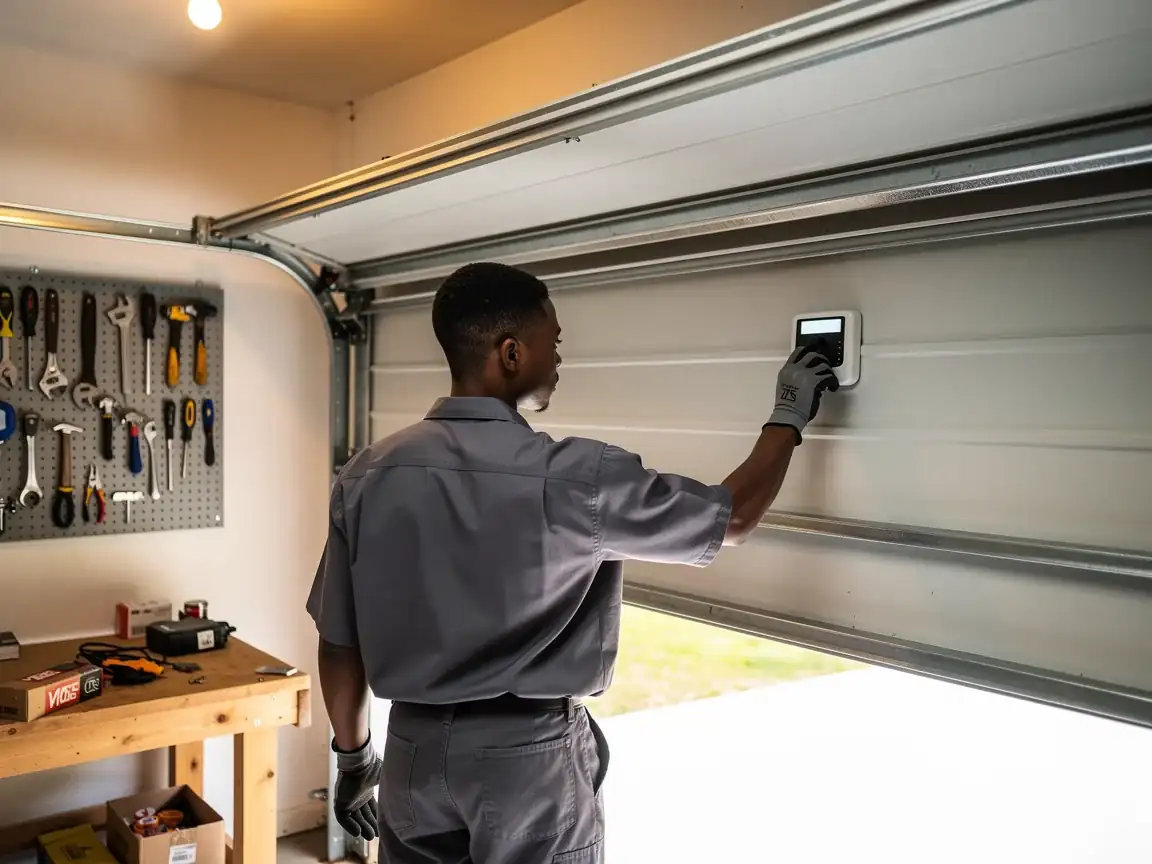
A straightforward roller or cable job on a door with standard track usually wraps in under an hour once the truck is on site. Where it runs longer is exactly where Trumbull's older stock makes it run longer: if the track or drum is a size that isn't common stock, or if the opener was added later and isn't wired to match current door weight, that adds time to source the right part or make the adjustment safely. We travel from Shelton, about 4 miles out, so we're not quoting a response window here - just telling you honestly that a 1960s door with original hardware takes more diagnosis time than a door installed in the last fifteen years, and we'd rather tell you that up front than surprise you with it.