Can You Do This Yourself
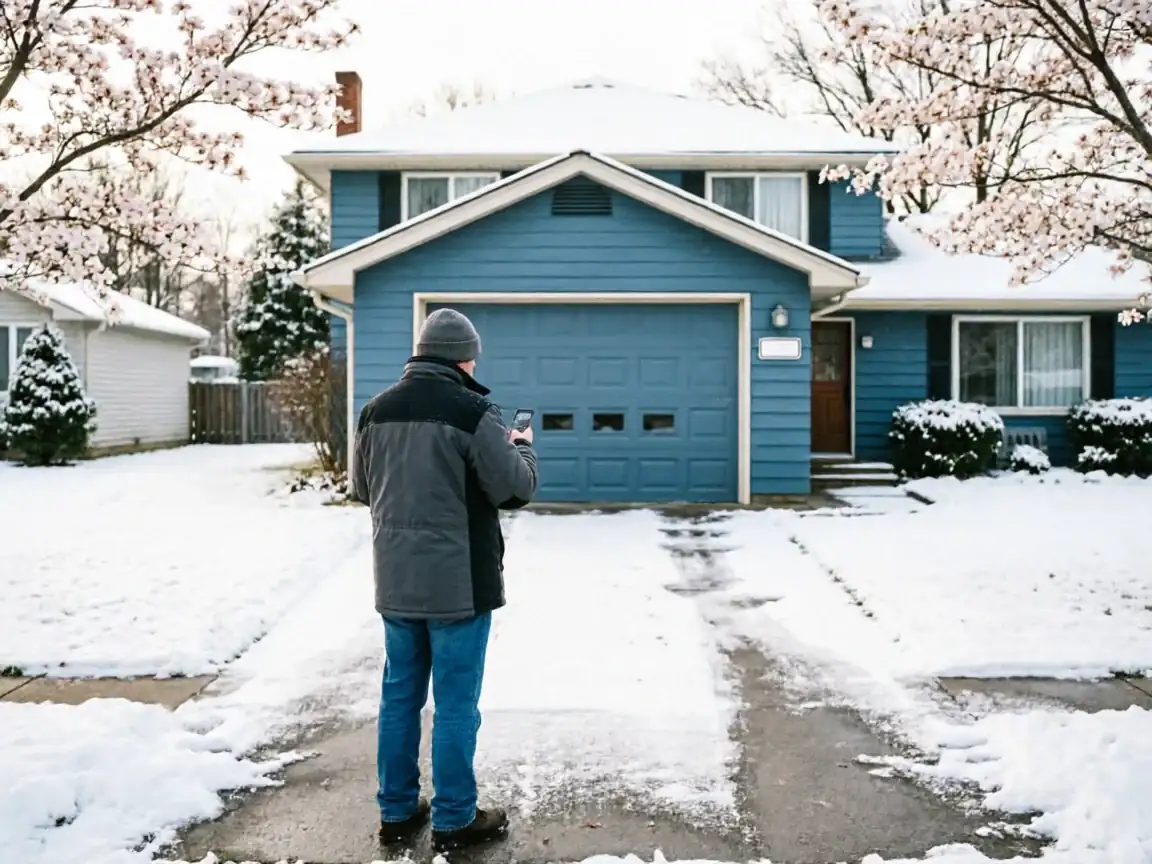
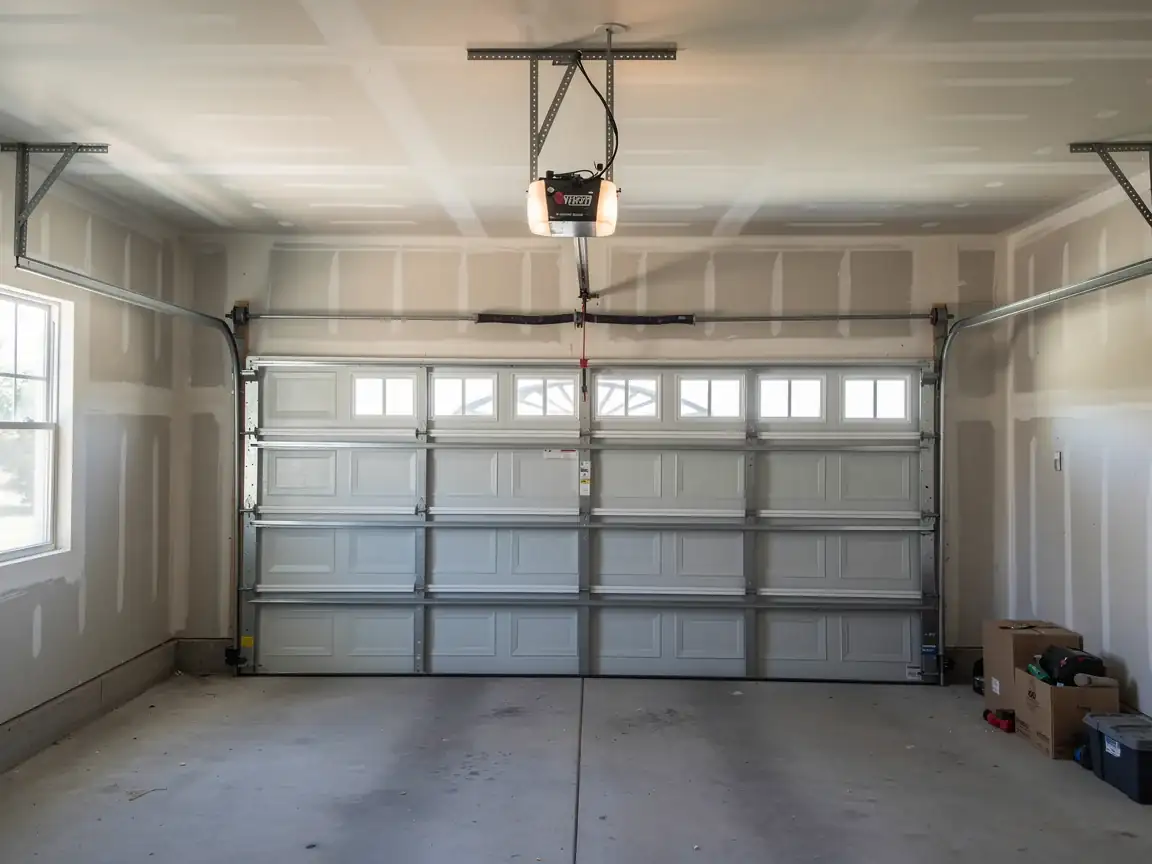
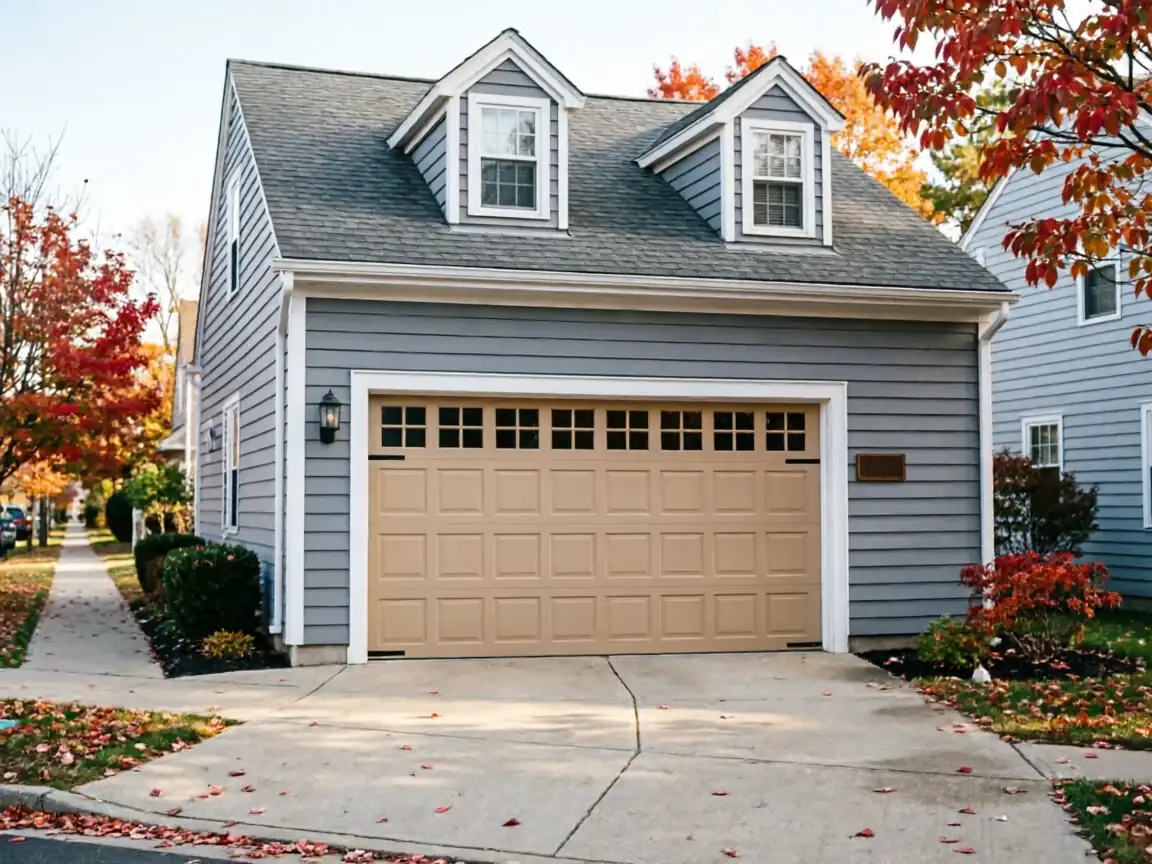
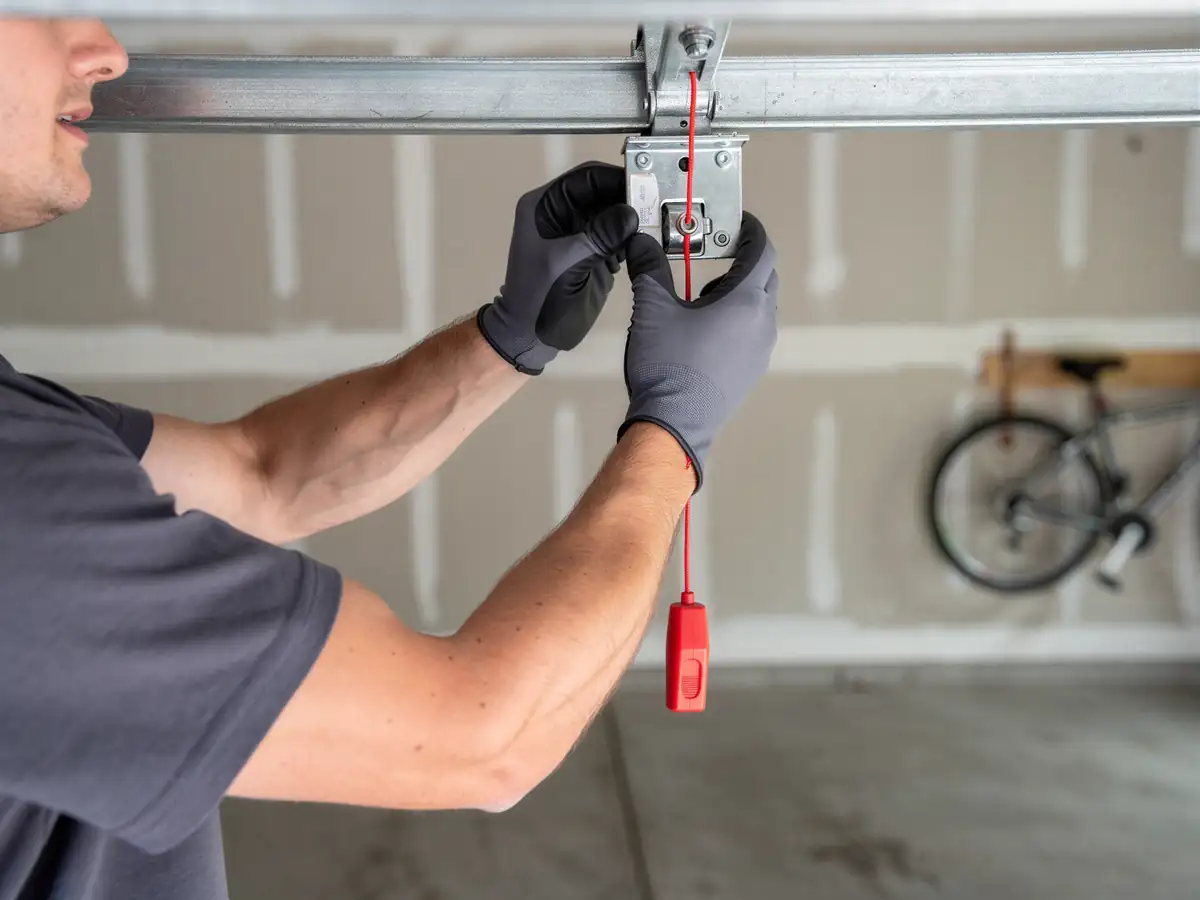
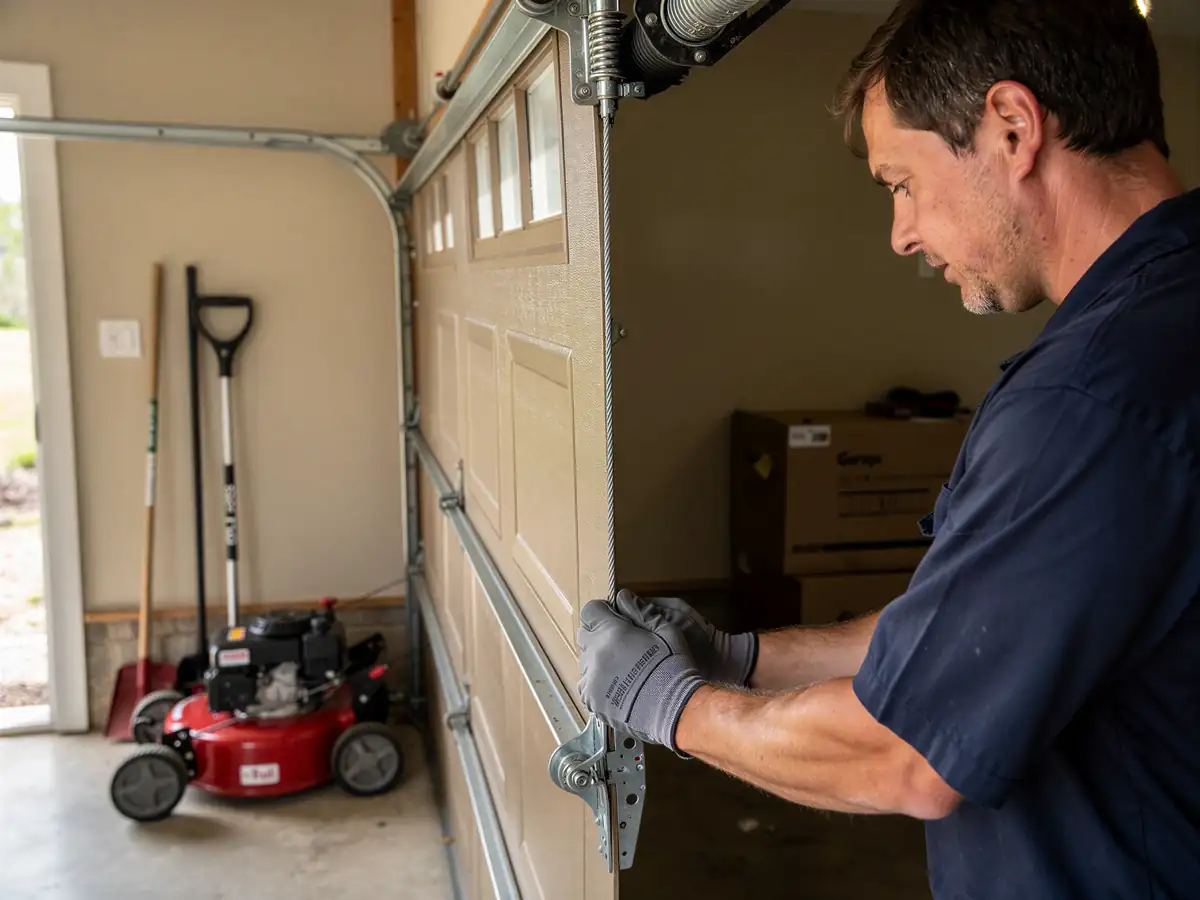
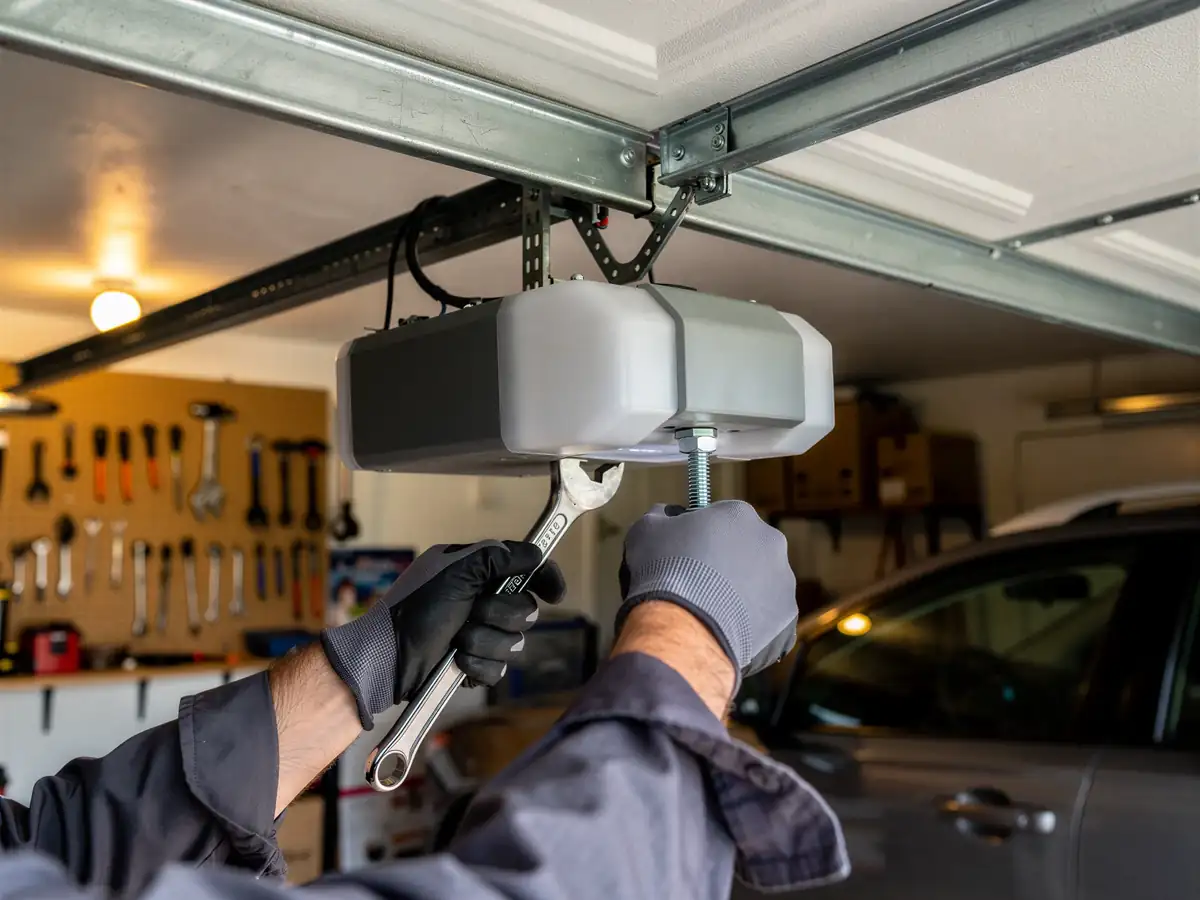
Trumbull's housing stock centers on 1965, which means a lot of garages here were framed before automatic openers were standard equipment. If your door still runs on the original hardware, there's a decent chance the header above the opening was never set up for a mounted rail bracket, and the stud spacing behind the drywall won't match what the instructions in the box assume. You can hang a lightweight chain-drive unit on a garage with a clean, square header and get it running safely if you take your time with the sensor alignment and travel limits. What trips people up is the force setting - set it wrong on an older, heavier wood door and the opener will either stall out or keep driving against resistance, which is how gears strip in year one. If your rail bracket has nothing solid to land on, that's not a DIY call anymore. We don't talk you through that part over the phone; it needs eyes on the framing.
What Can Go Wrong
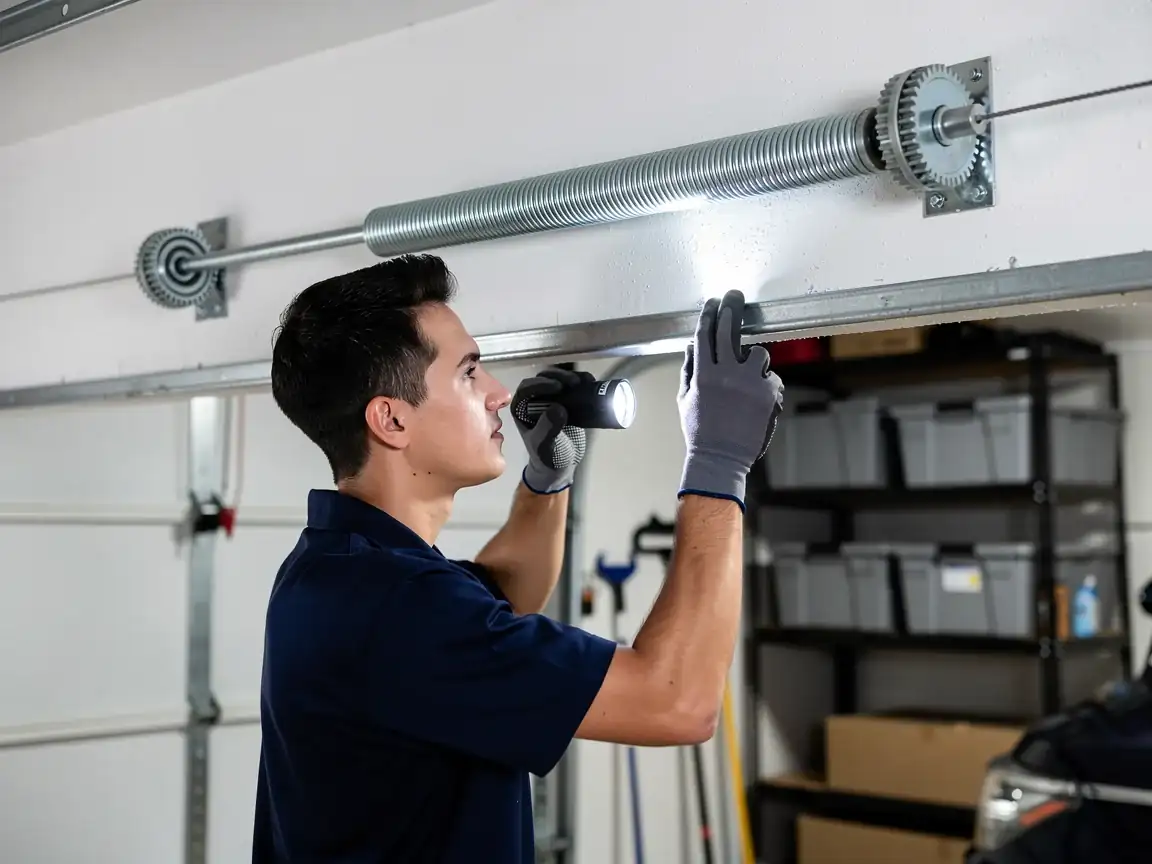
The two failure points we see tied to Trumbull's 1960s construction are header strength and bracket mismatch. Houses from this era often have a single doubled 2x6 over the opening, sized for a manual or low-torque door, not for the leverage a belt-drive unit puts on it during a hard stop. Add a heavier steel door from a later replacement and you've got more mass than the original framing expected. The other issue is electrical - garages built around 1965 sometimes have no dedicated outlet near the header at all, just a pull-chain light fixture, which means the opener install turns into a wiring job before it's a mounting job. Neither of these is rare here; both are more common than they'd be in newer construction a town over.
Why This Fails Locally
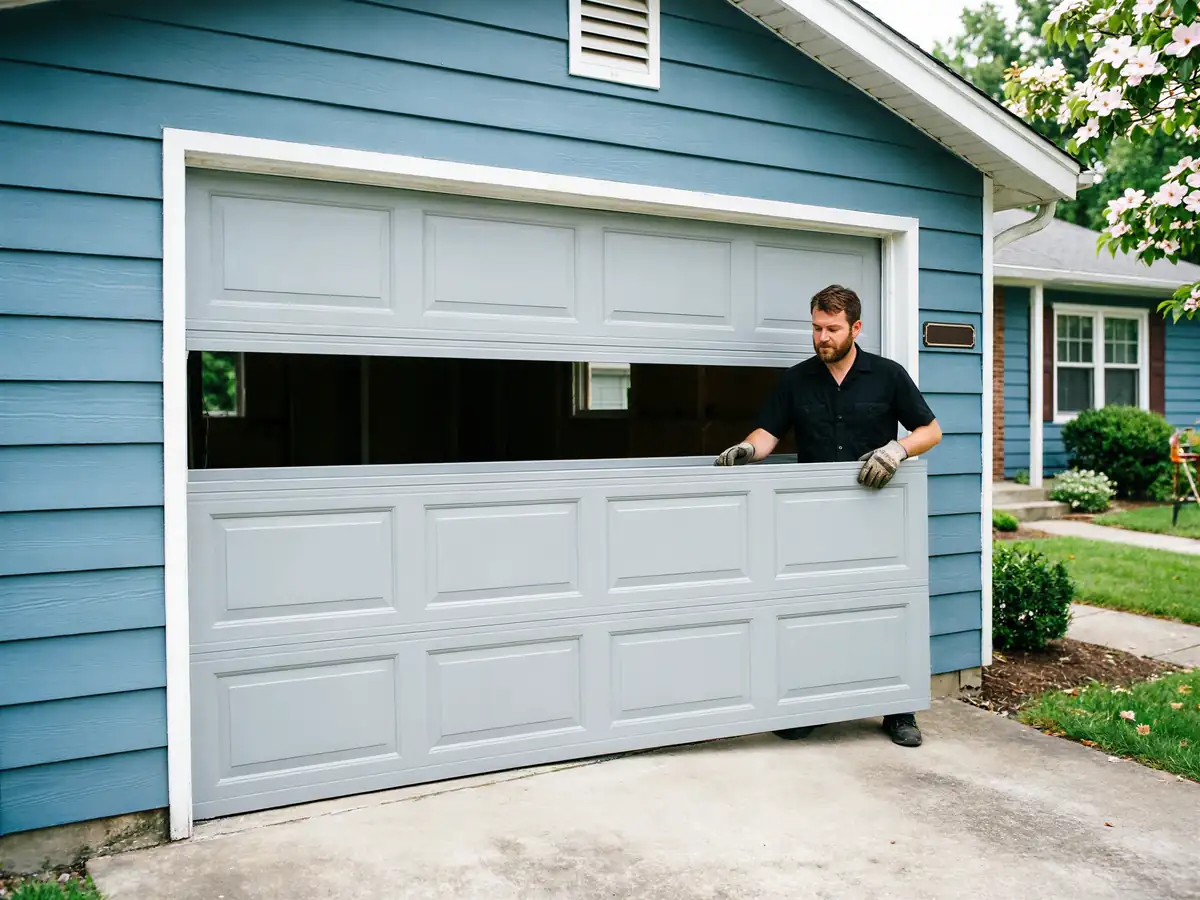
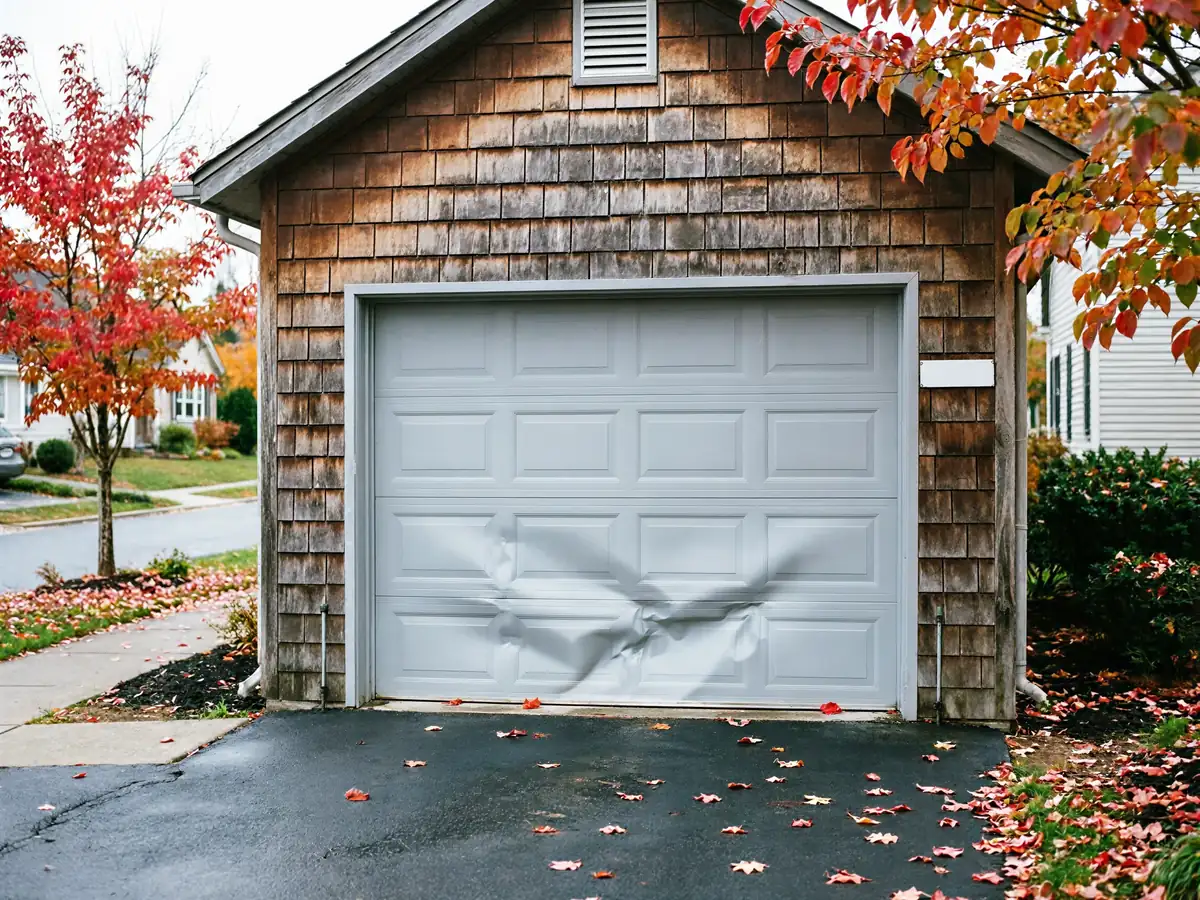
Two things stack against older openers here. First, the framing problem above - a header never sized for a motor eventually works itself loose at the lag bolts, and you get a door that shudders or drifts off its stop. Second, the cold. This area sits in a severe cold climate band, and openers from the 80s and 90s with exposed circuit boards and unsealed logic housings don't hold up to repeated freeze-thaw cycles the way current sealed units do - the board corrodes or the sensor eyes fog and misread. On a 1965-era house, you're often dealing with both problems at once: a mount that was never right, feeding a board that's past its service life in a climate that doesn't forgive either one.
How Long It Takes
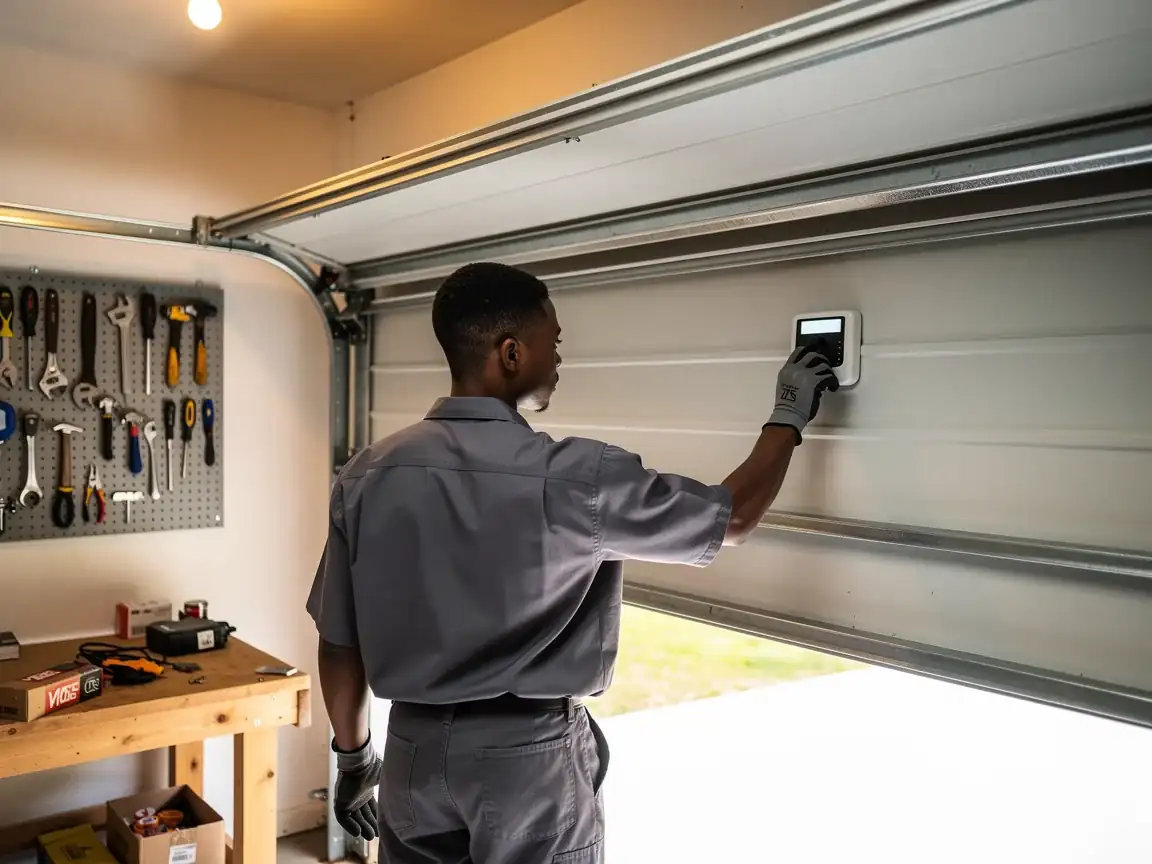
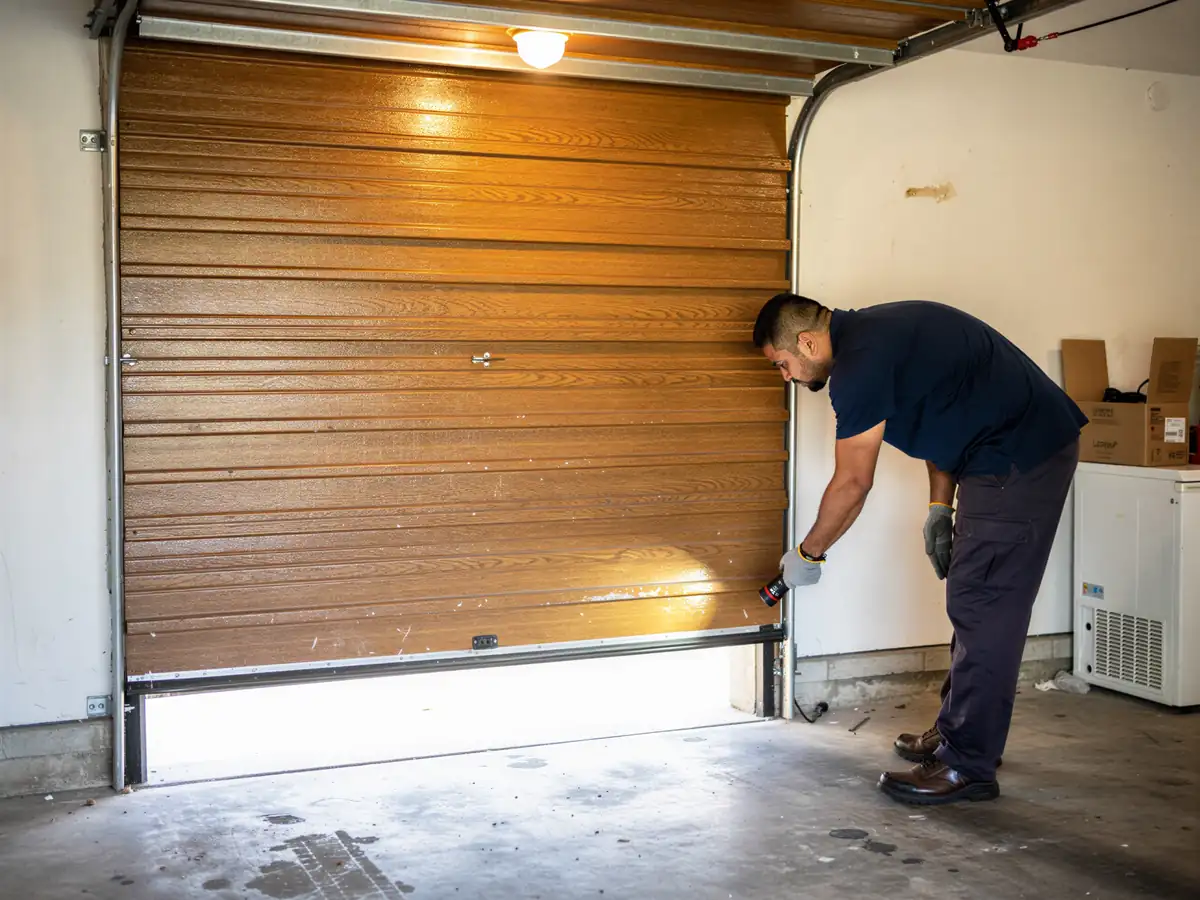
A straight opener swap on solid, already-wired framing is a half-day job, start to finish, including the safety sensor test. Add header reinforcement or new wiring - which, per above, comes up more often in Trumbull's older garages than it would in newer housing stock - and you're looking at a longer appointment, sometimes a return trip if lumber needs to be cut to the header's actual dimensions rather than a standard size. We travel in from Shelton, about 4 miles out, so there's no on-site stock beyond what's on the truck; anything non-standard means ordering the part first.