Can You Do This Yourself
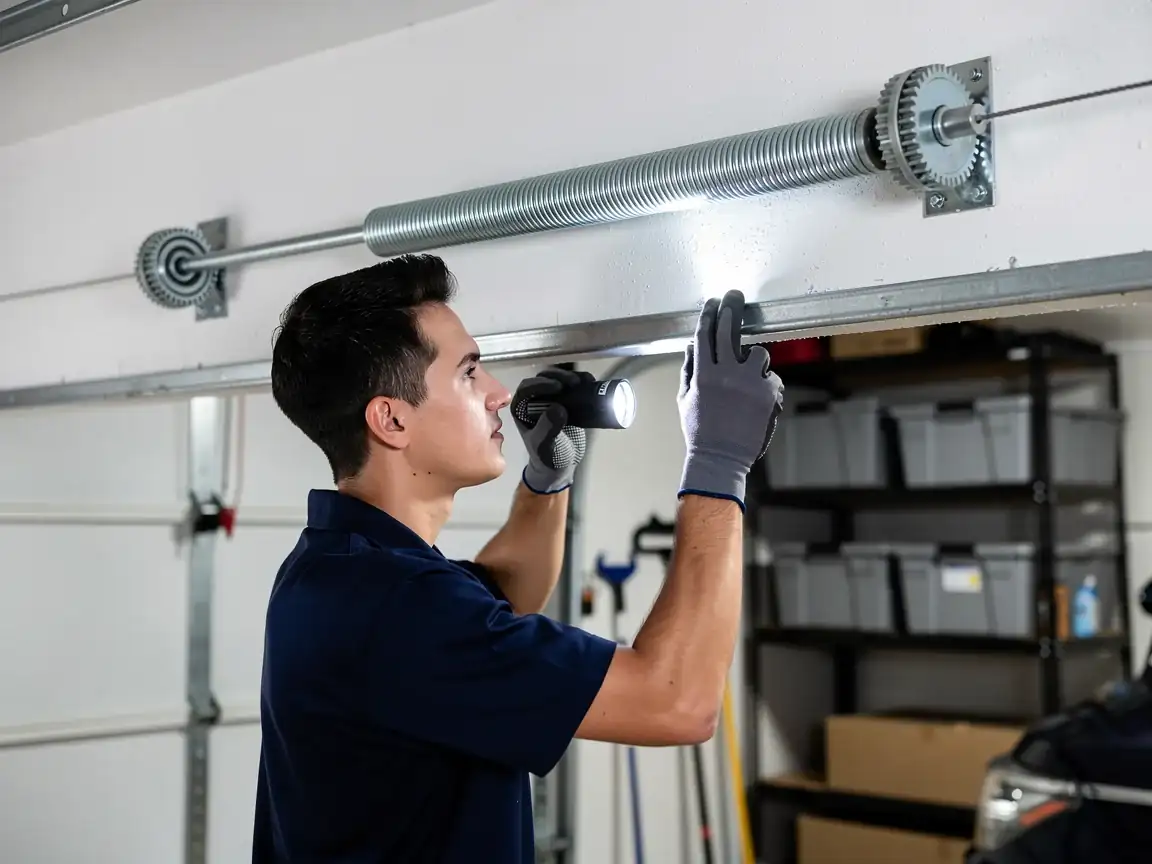
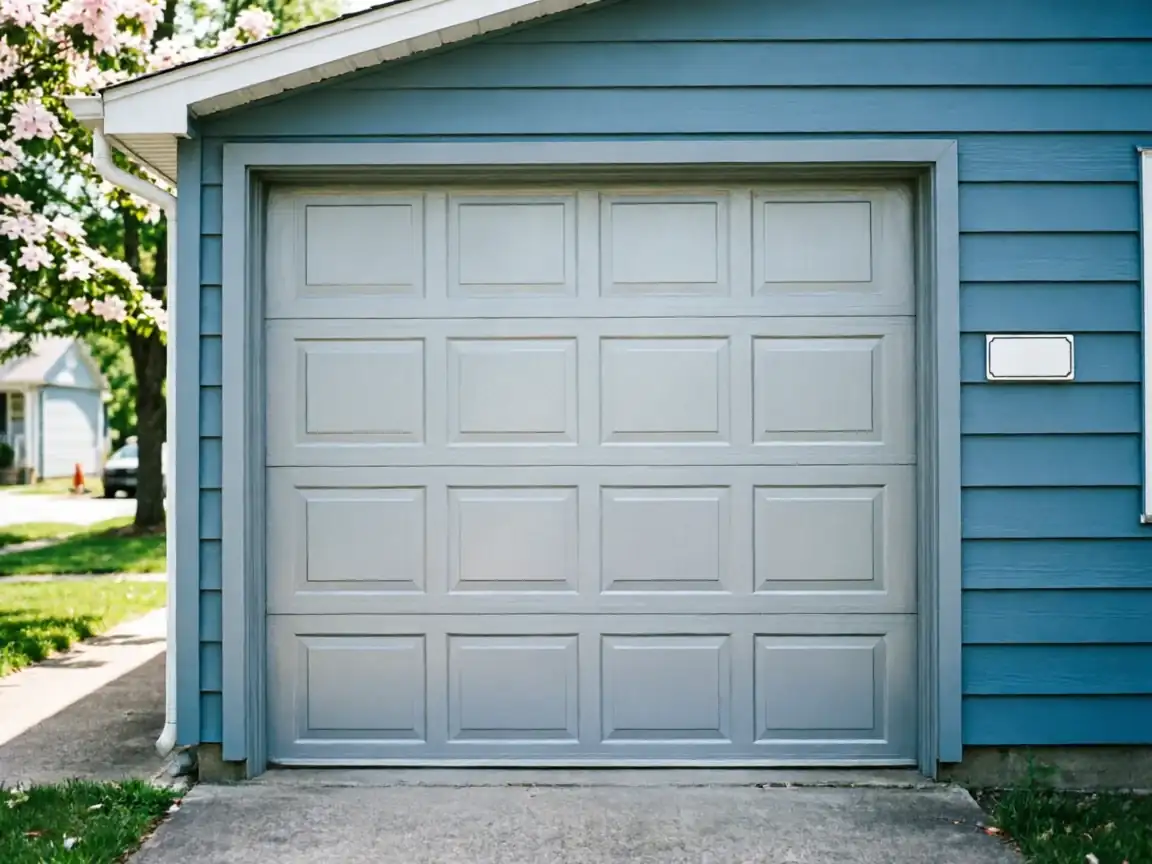
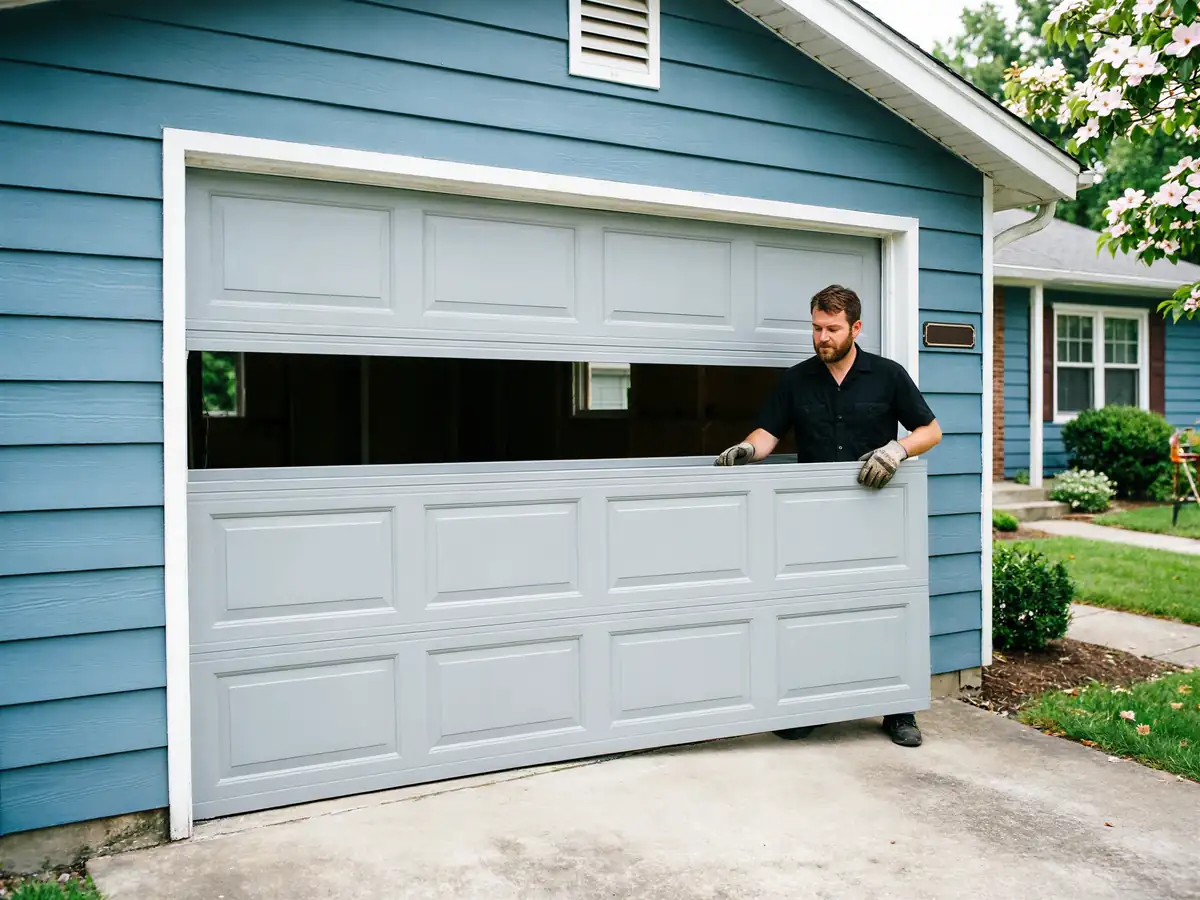
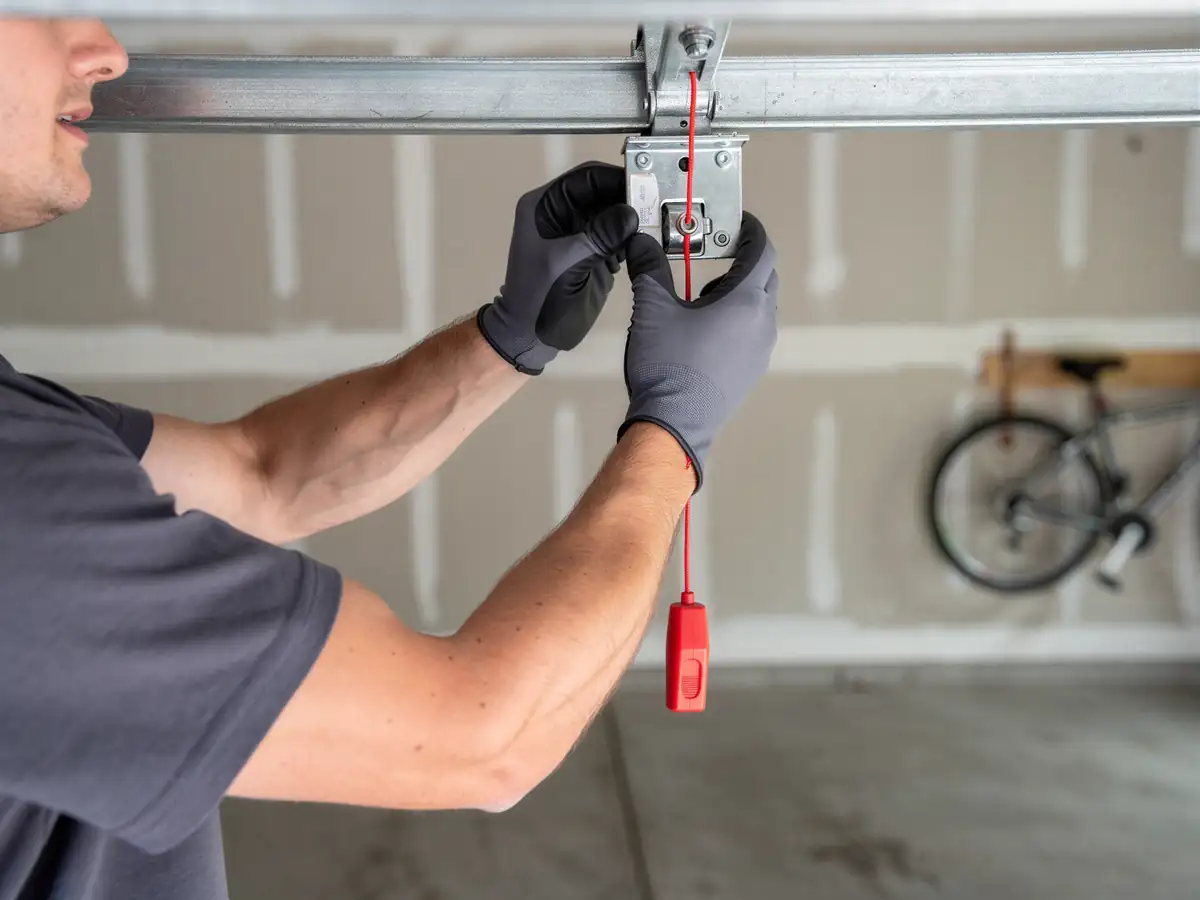
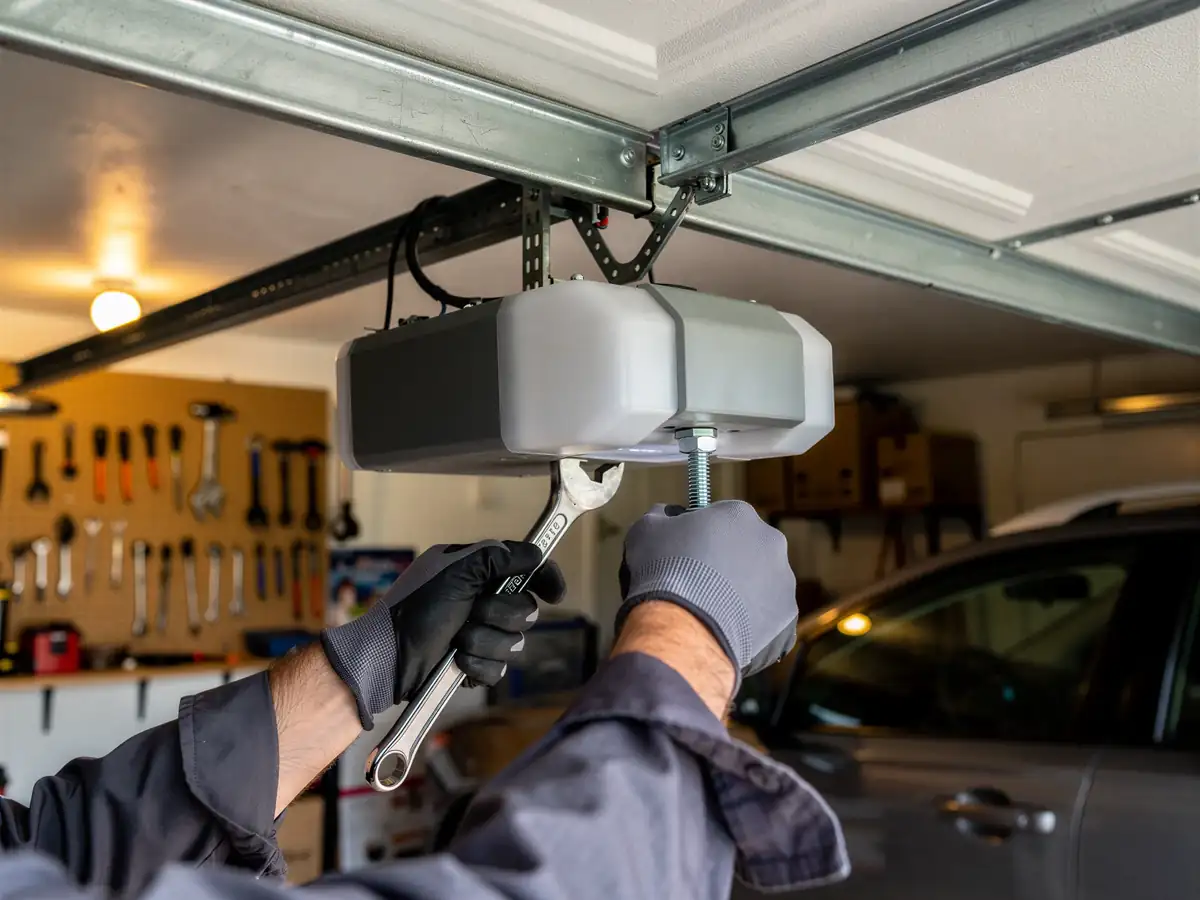
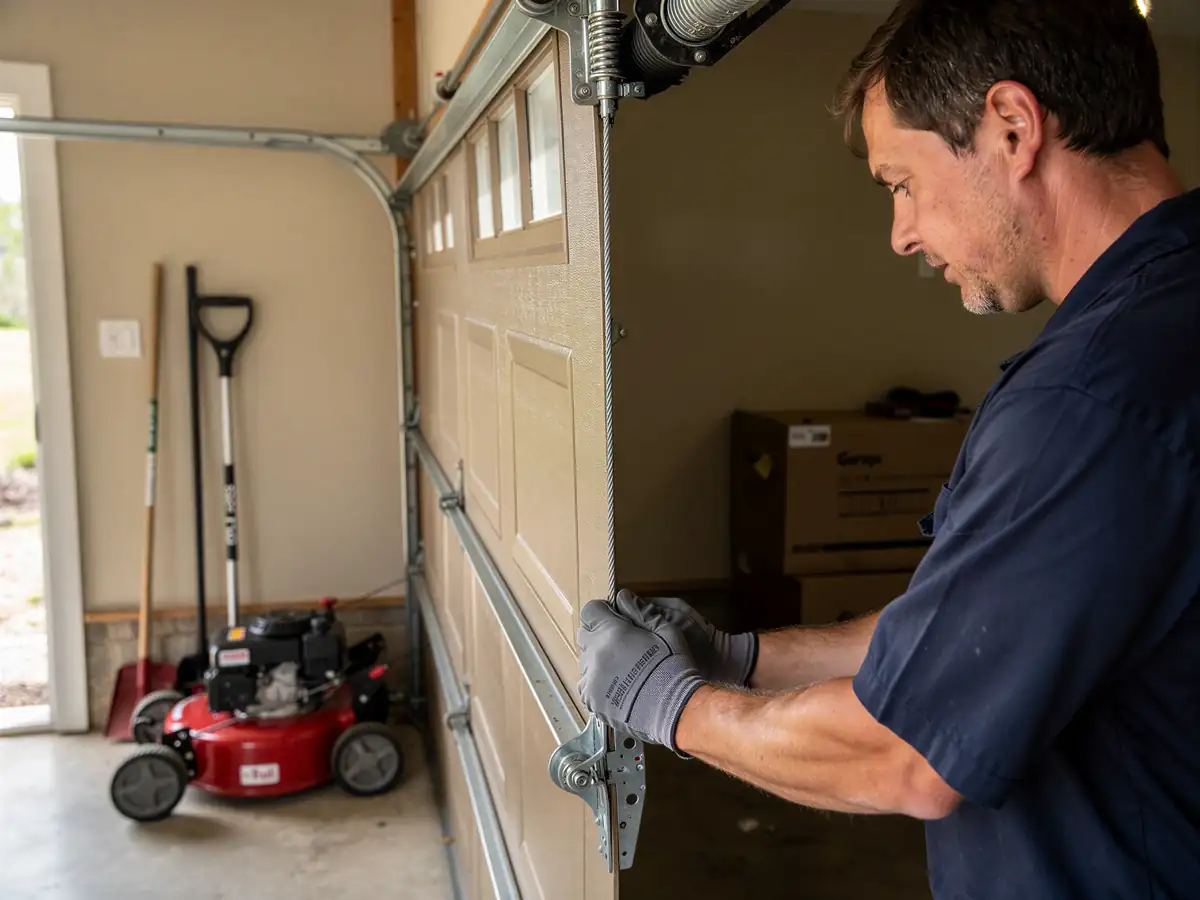
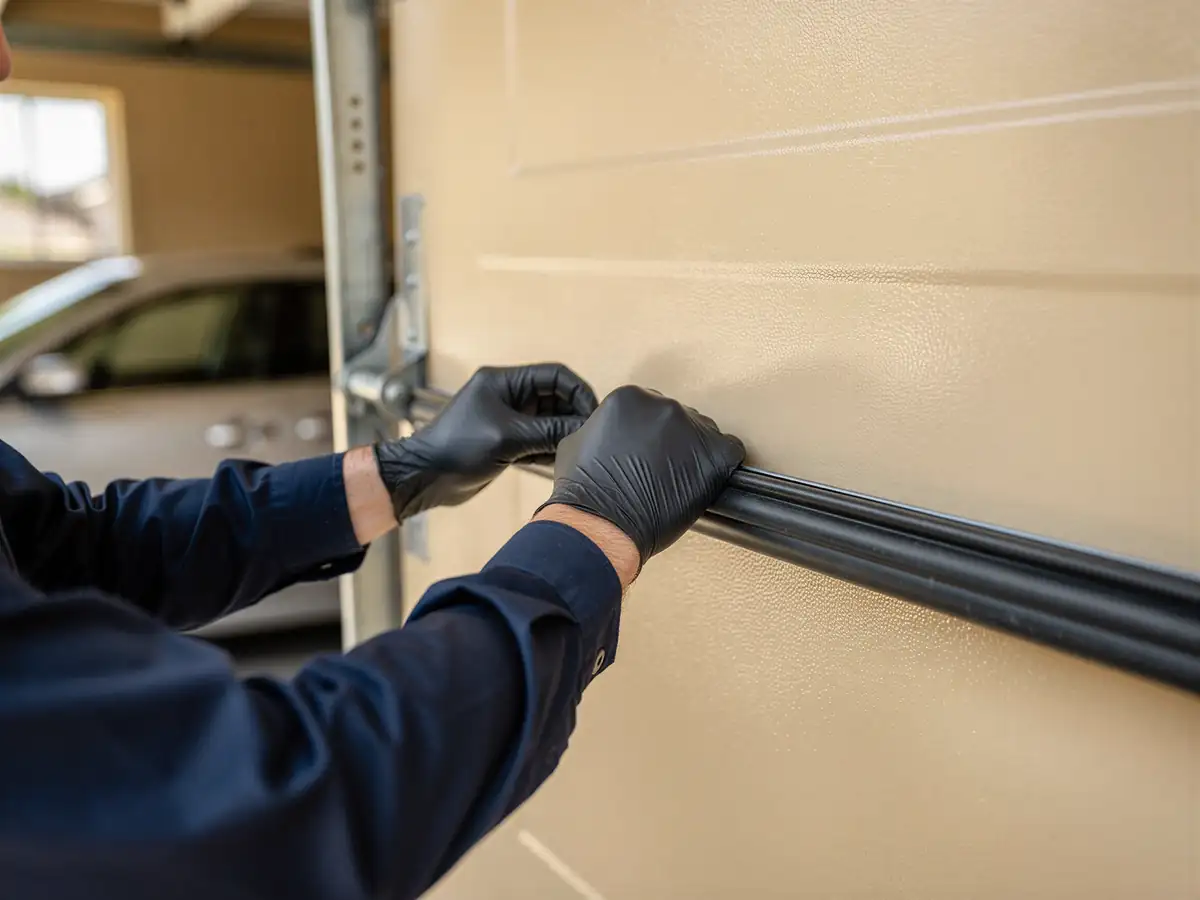
With roughly 11,886 households in Trumbull, there's a real spread of door ages and brands out there, which is exactly why panel matching gets tricky fast. A single dented or rusted-through panel on a sectional door seems like a bolt-off, bolt-on job, and sometimes it is. But the panel has to match the existing section in both dimension and hinge spacing, and doors from the 1965 era (the town's median build year) often used panel profiles that newer suppliers don't stock in the same width or ribbing pattern. You can remove the damaged section yourself if you're comfortable on a ladder and know how to release spring tension safely - we won't pretend otherwise. What trips people up is the hardware: hinges, rollers, and end stiles on a 60-year-old door frame often need re-drilling or shimming to accept a panel built to current dimensions. If the track has shifted or the opposite panel is also starting to flex, a DIY swap can leave the door out of square, which stresses the opener and the remaining panels.
What Can Go Wrong
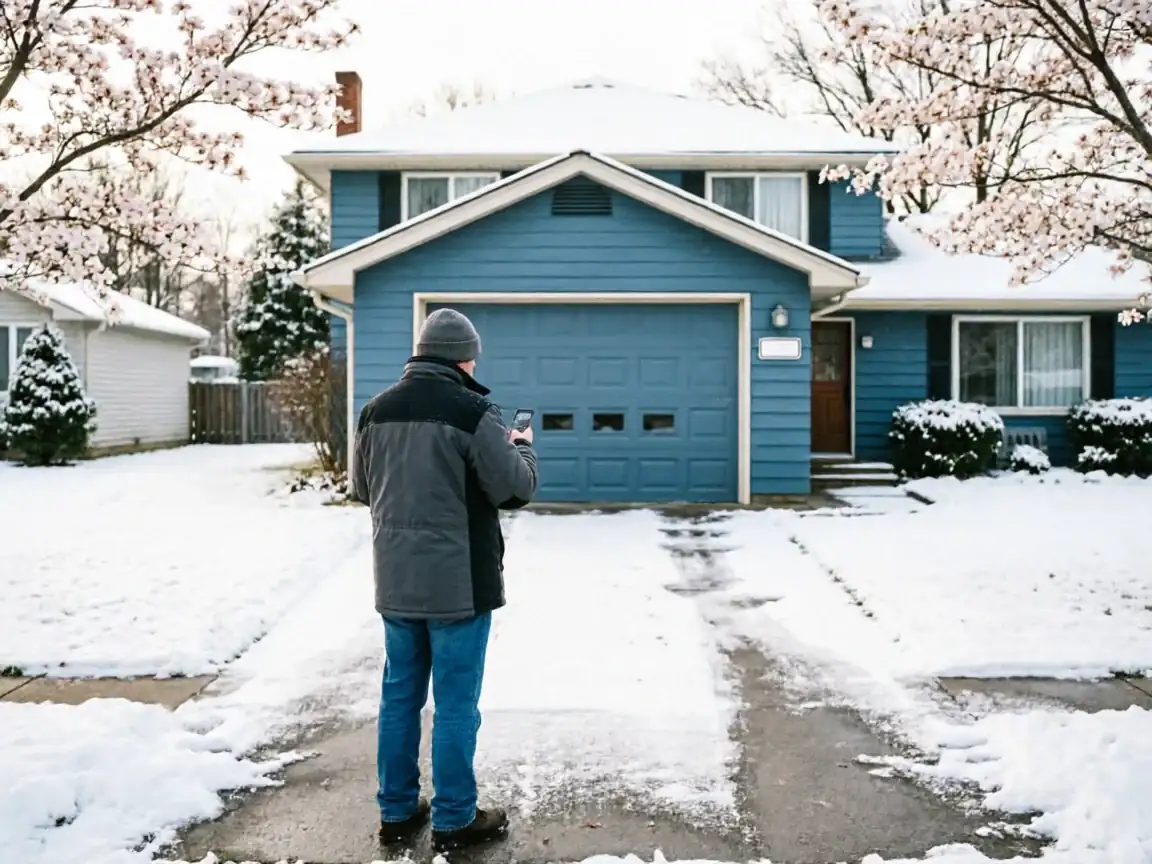
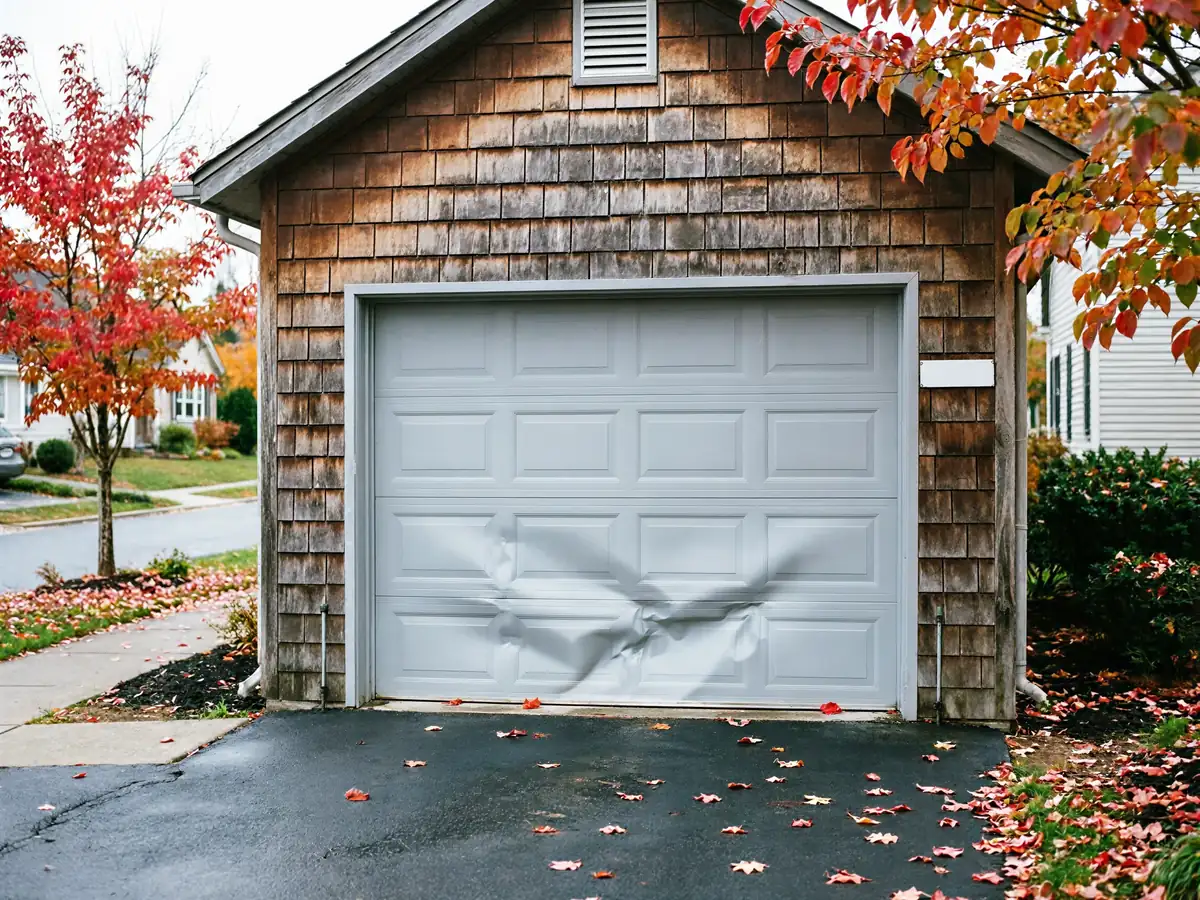
The most common failure we see on doors from Trumbull's older housing stock is panel rust starting at the bottom seam, where decades of New England winters push snowmelt and road salt against the steel. In a cold, severe climate zone, repeated freeze-thaw cycles work moisture into any seam that's lost its coating, and by the time a homeowner notices a crack, the steel underneath is already thinning. A second issue: replacement panels ordered without checking the original track width end up a quarter-inch off, which doesn't sound like much until the door binds every time it closes. We also see owners buy a panel online that matches color but not the embossing pattern, so the new section sits proud of the old ones and catches wind. None of this is catastrophic on its own, but a mismatched or poorly seated panel puts uneven load on the opener and the remaining hinges, which shortens the life of parts that were otherwise fine.
Why This Fails Locally
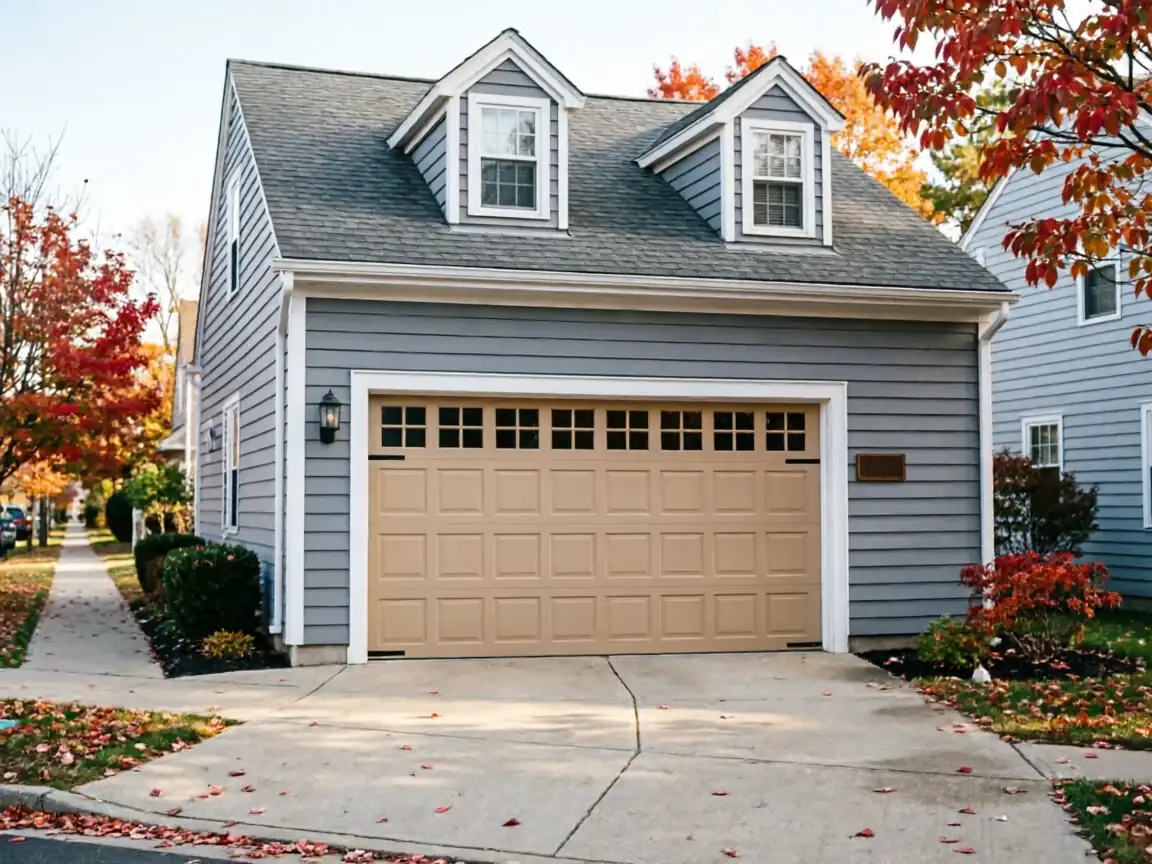
Trumbull's housing runs older than a lot of newer Fairfield County builds - a median year of 1965 puts a big share of these garages at 55-plus years old, built under code and hardware standards from well before today's insulated steel sectional doors. That matters for panel work specifically: the section depth, the hinge spacing, and the track radius on a door that old often don't line up with current factory specs without adaptation. Add in a cold, severe climate classification, and you get steel that's been through sixty winters of expansion and contraction at the seams - the exact spot where panels crack first. This isn't a problem unique to any one house; it's a pattern tied to when this part of the county got built out, and it's why a panel swap here is rarely a pull-and-replace without some fitting work.
How Long It Takes
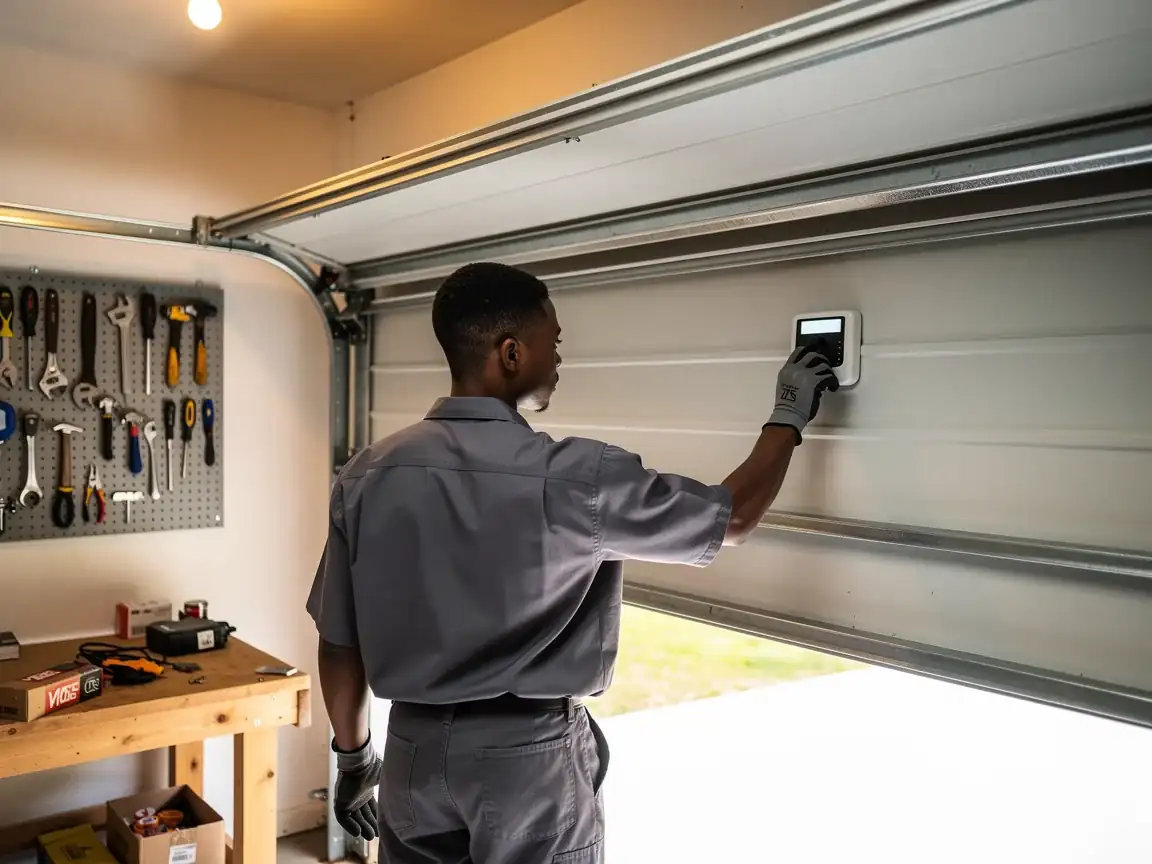
A straightforward single-panel swap on a door where we can source a direct match usually runs under two hours once we're on site, including removing the old section and re-hanging the door square. Add time if the hinges or rollers on an older frame need adjusting to seat a new panel properly, which comes up more often on doors from Trumbull's older housing stock than on newer builds. We're traveling from Shelton, about 4 miles away, so we don't carry a local response-time promise for Trumbull specifically - we schedule it like any other job on the route. If the panel has to be special-ordered because the profile's discontinued, that adds lead time before we ever pick up a tool, and we'll tell you that up front rather than guess at a date.