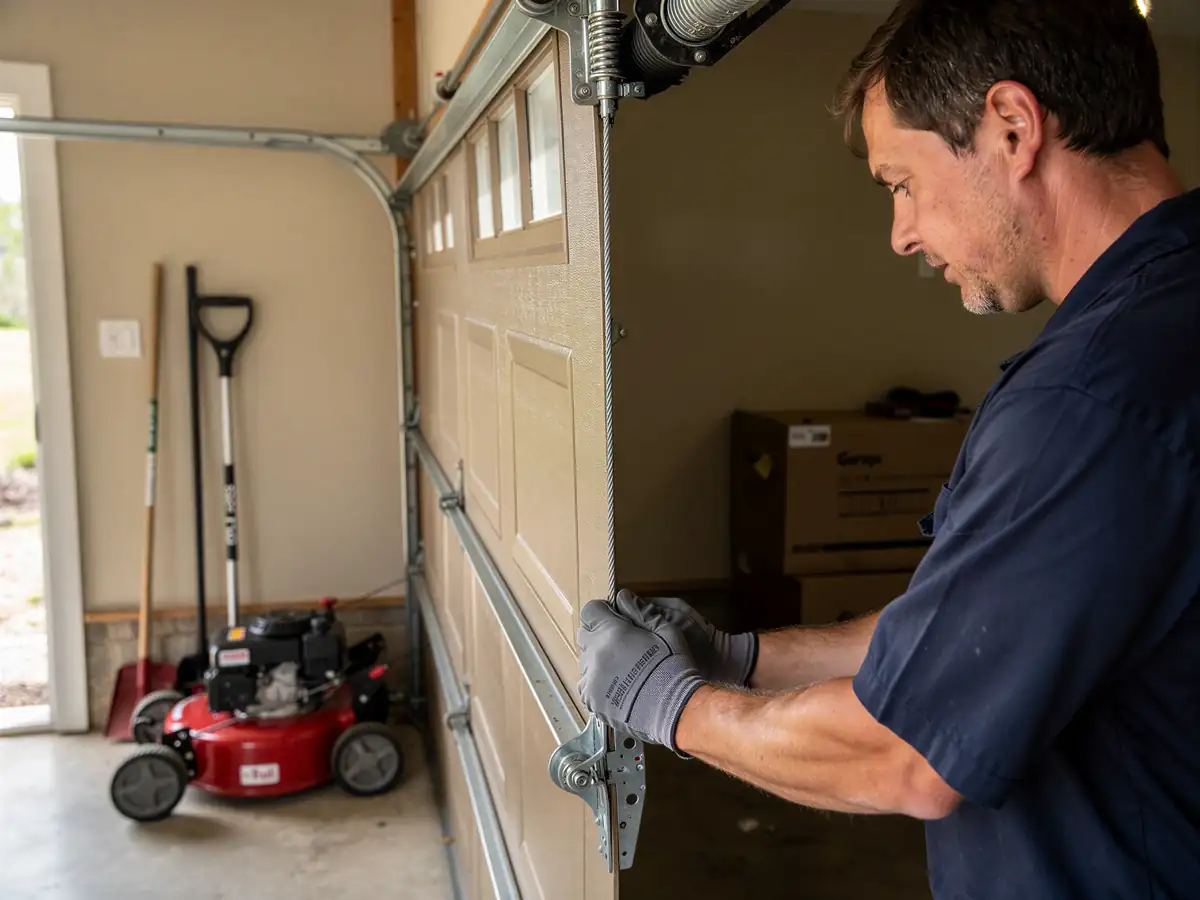
Can You Do This Yourself
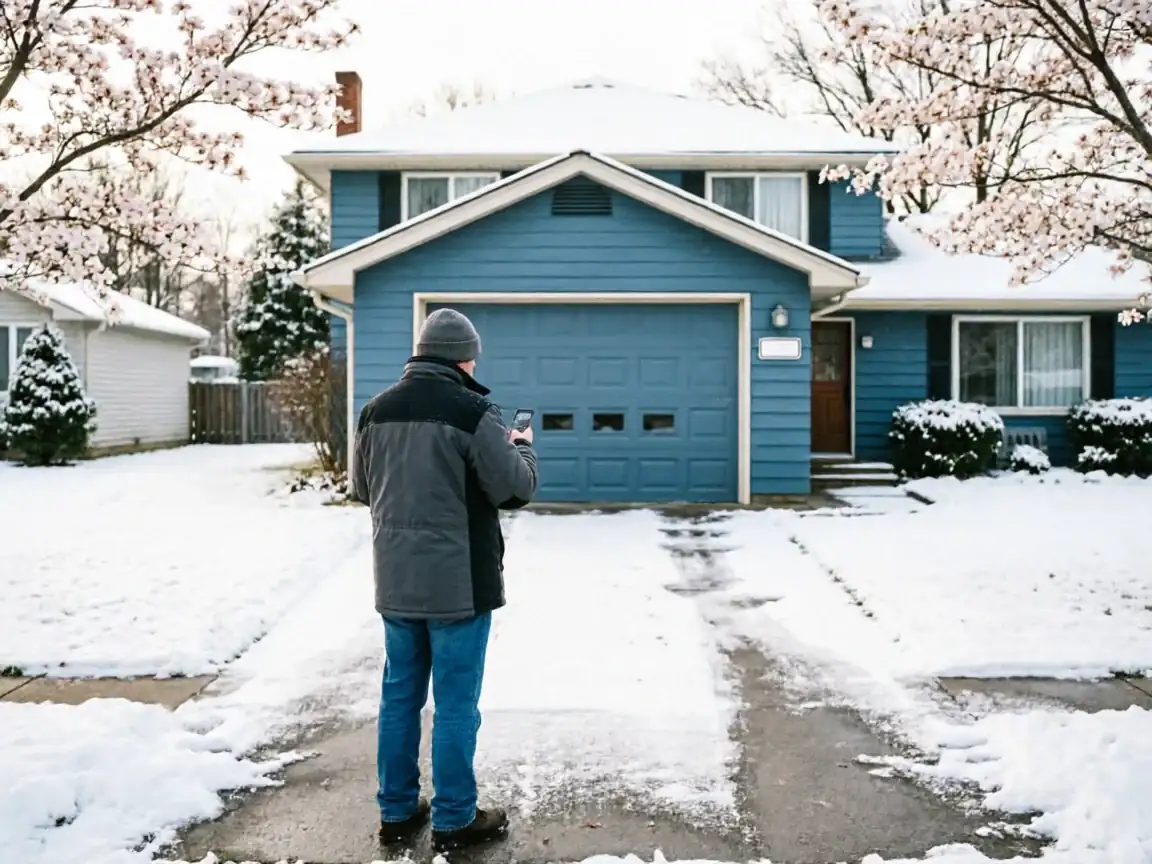
A garage door cable is under real tension even when the door looks still. If a house here went up around 1965 - which is typical for this part of town - there's a decent chance the cable drums, the pulleys, and even the original lift cables are still the parts that came with the door. Nobody's pulled a permit to swap them out just because they're old; they get replaced when they snap.
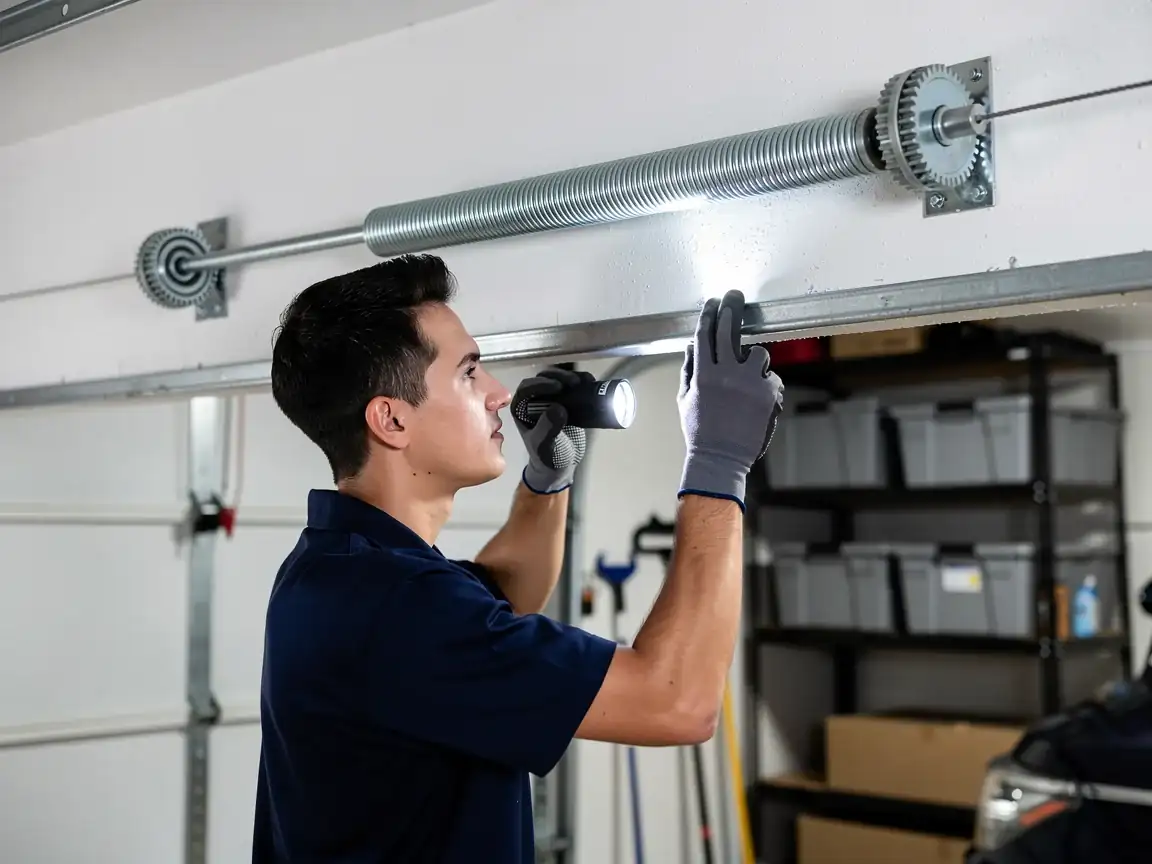
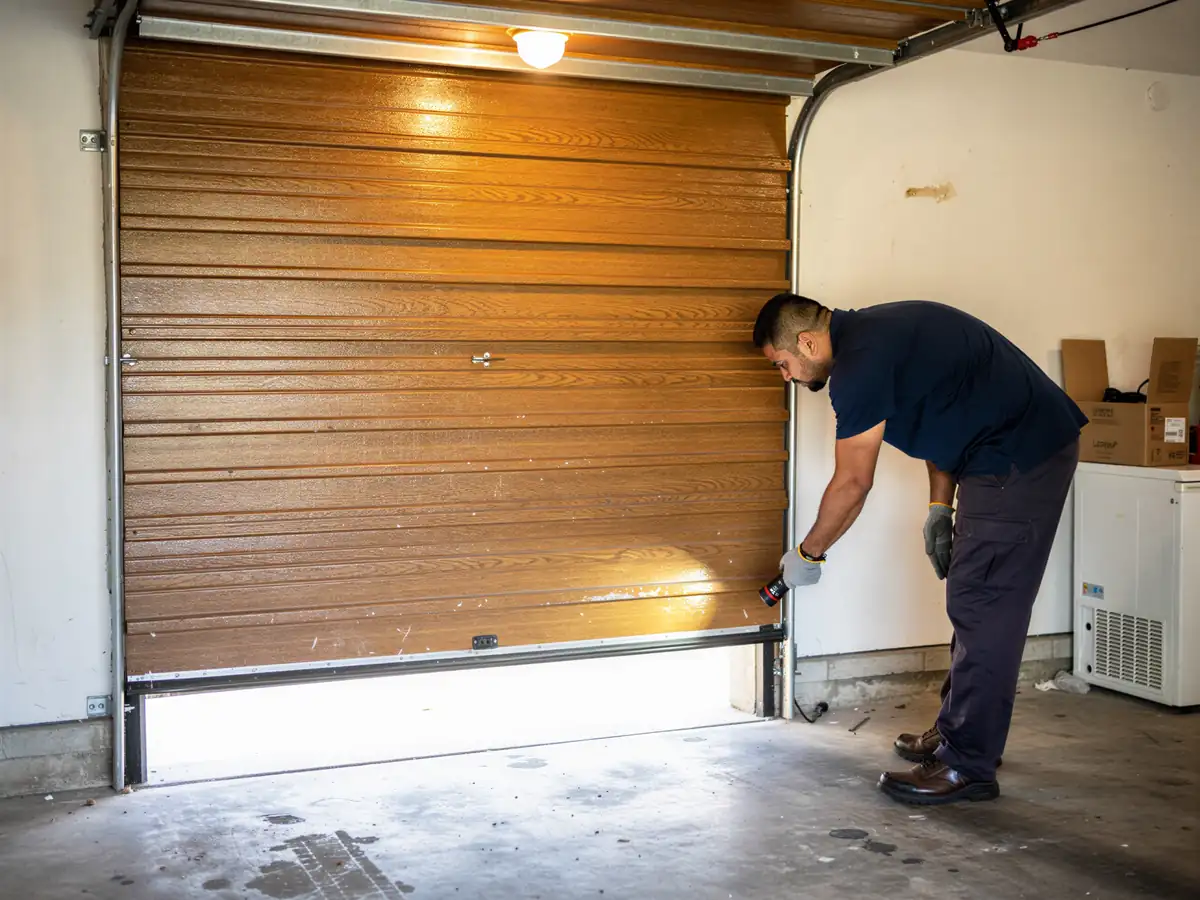
That matters because you can't eyeball a worn cable the way you can a rusted spring. A few frayed strands near the drum look fine until the cable lets go under load, and when it does, the door can drop hard or cant sideways in the track. We'd rather you call than climb a ladder next to a door under spring tension. If a cable has already come off the drum or snapped, leave the door down, unplug the opener, and don't try to force it. That part isn't a DIY job, full stop - it's the one honest limit we'll put on this page.
What Can Go Wrong
On hardware this old, cable failure usually isn't one thing. The drum groove wears unevenly over fifty-plus years of cycling, so the cable starts riding wrong and frays against the edge. Corrosion plays a bigger part here than in a milder climate - this is a cold-winter region, and condensation inside an unheated garage during freeze-thaw swings corrodes galvanized cable strand by strand, usually at the bottom where it bends around the drum.
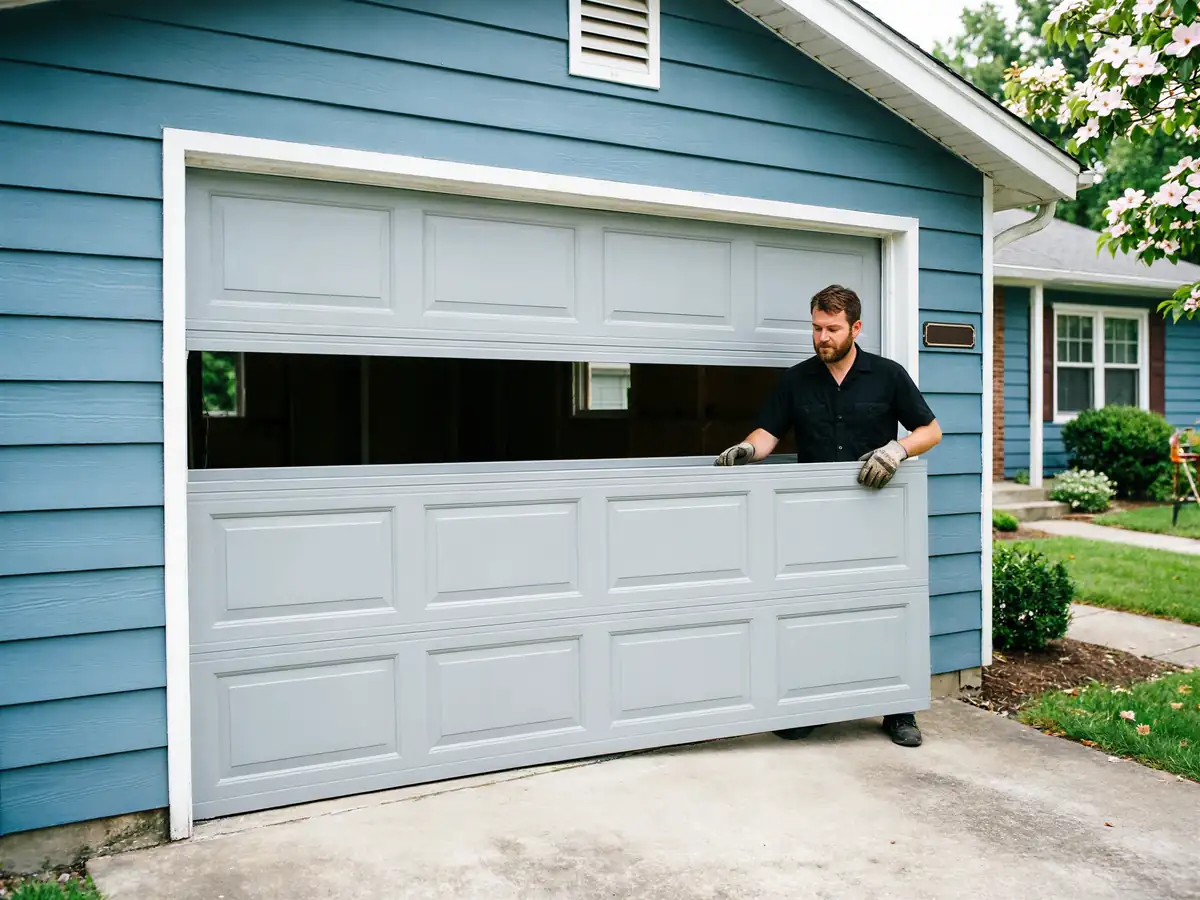
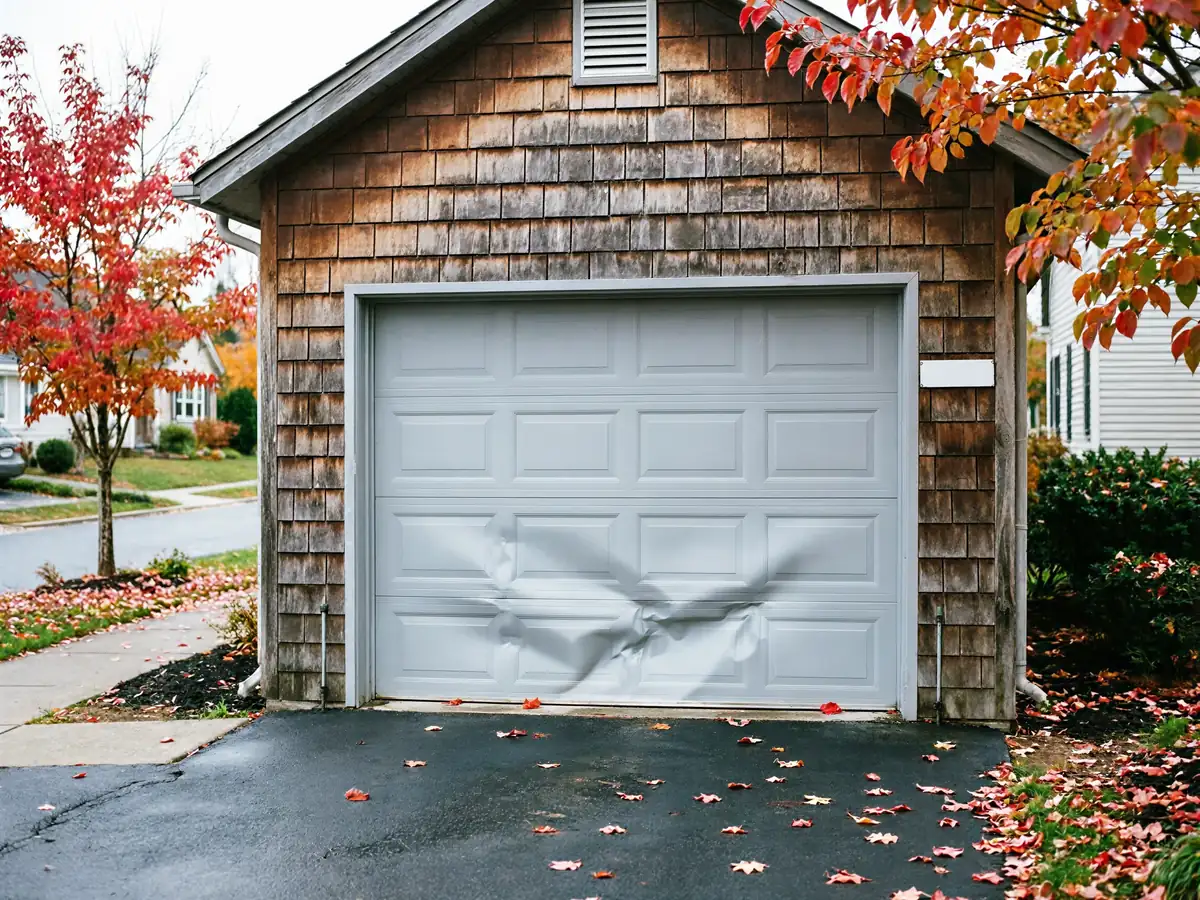
We also see cables that look fine but are simply the wrong length or gauge for the door, left over from a prior panel swap or spring change done without matching the cable to the new setup. And on doors where only one cable gets replaced after a snap, the other side is often close behind, since both cables cycle the same number of times. A door that drops crooked, or one side that looks lower than the other, is almost always a cable problem before it's anything else.
What You Pay
We don't have a set price to quote here
Cable repair cost depends on whether one or both cables need replacing, whether the drums or bottom brackets are also worn, and what size and weight the door is. What we can tell you is what doesn't belong in the estimate: we're not driving from a Trumbull branch, because there isn't one. We come from Shelton, about 4 miles away, and that travel is factored into the job, not stacked on top of it as a separate line.
- 4 miles
The honest cost driver on houses from this era is usually the drum, not the cable itself
If the drum groove is worn enough to keep chewing through new cable, replacing the cable alone just buys you another service call in a year or two. We'll tell you straight if that's what we're looking at before we start, not after.
Why This Fails Locally
Houses built when this neighborhood was developed, mostly through the 1960s and 70s, came with torsion or extension hardware sized for doors that were lighter than what's sold today. Original cables on that hardware have had decades of winter cycling in a climate zone rated cold and severe, and that's the failure path we see over and over: not sudden damage, just slow strand-by-strand wear that finally lets go on an ordinary morning.
A newer door, or a door replaced sometime in the last fifteen or twenty years, usually has cable in better shape, but a lot of this area's housing stock is old enough that the cable has simply never been touched. That's not a knock on the neighborhood - it's just what fifty-plus-year-old original hardware does.
How Long It Takes
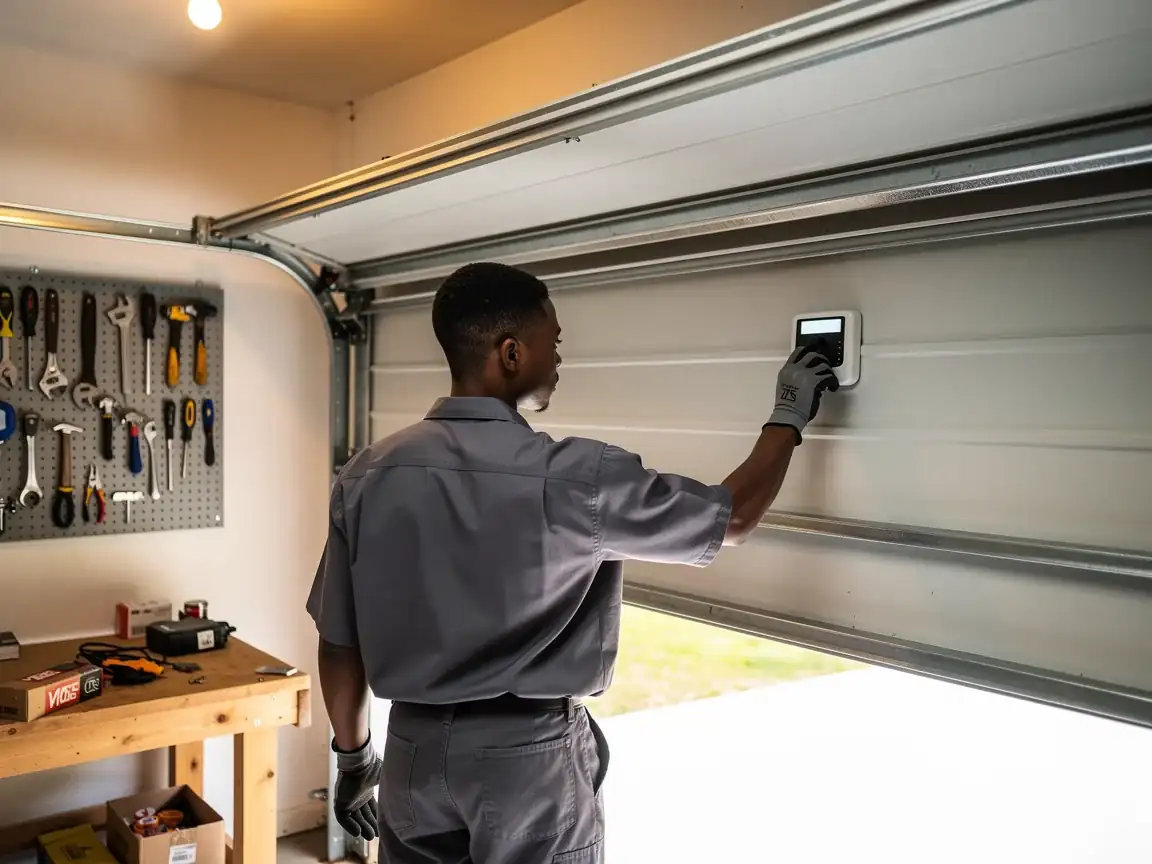
Cable replacement itself is usually a same-visit repair once a tech is on-site and has the right cable length and drum for the door. What takes longer is diagnosing whether the drum or bottom bracket also needs attention, since on older original hardware those parts wear at roughly the same rate as the cable.
Because we're traveling from Shelton rather than working out of a depot in Trumbull, we can't promise a same-hour window - we schedule the trip out and work the job once we're there. If both cables need replacing, or the drums need swapping too, plan on the appointment running longer than a single-cable fix. We'll give you a realistic estimate on timing once we've seen the door, not before.