Can You Do This Yourself
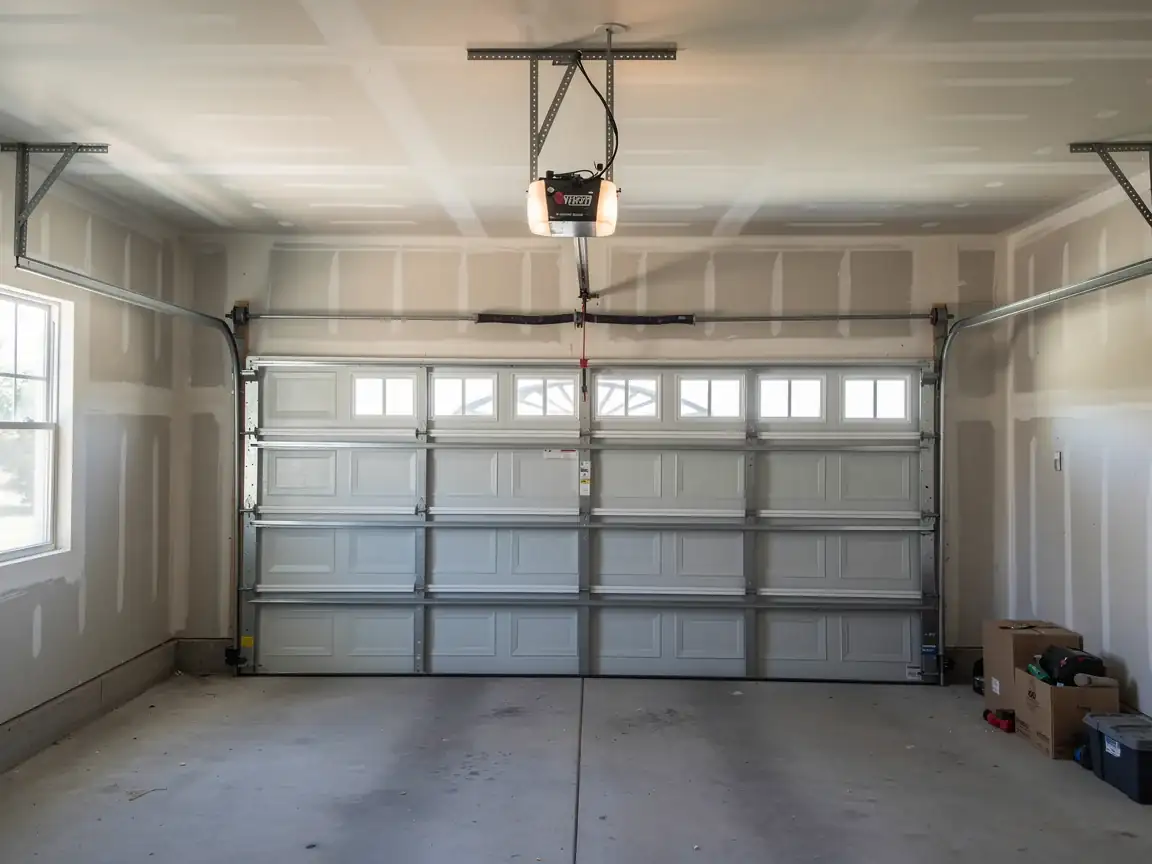
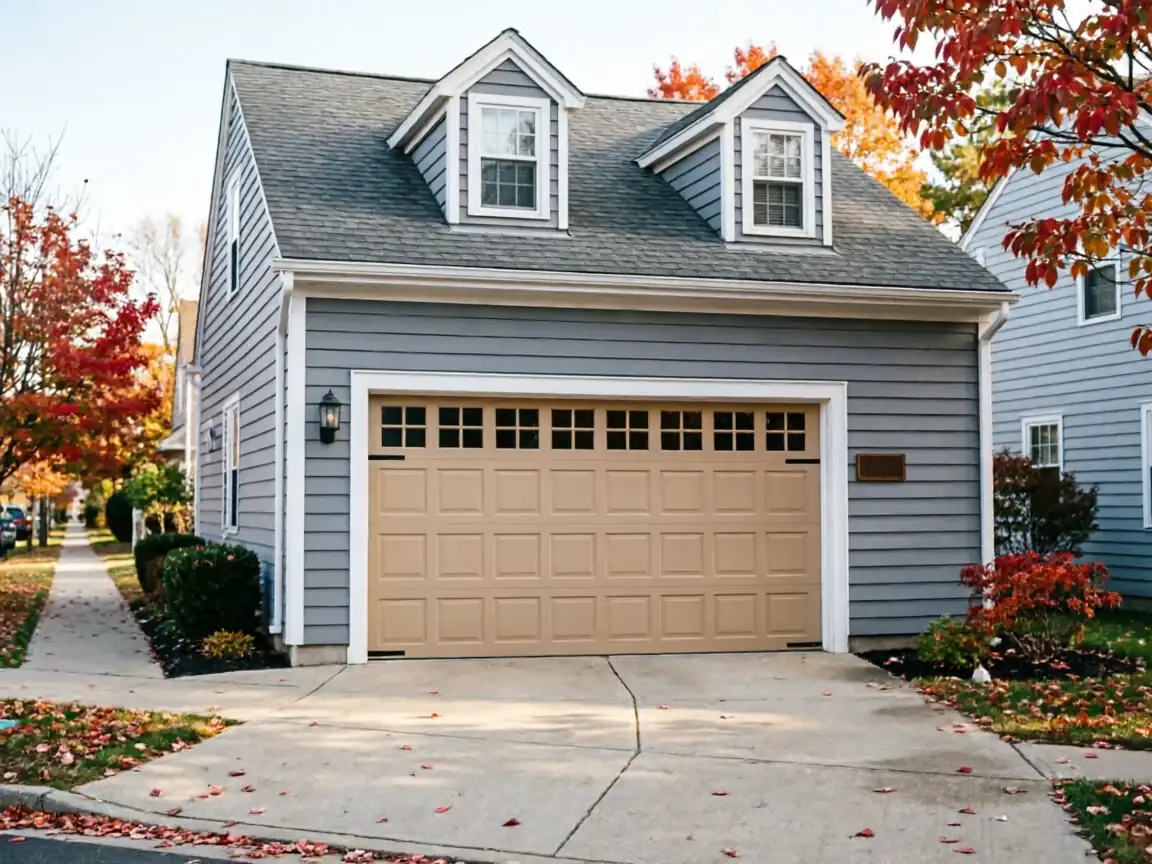
A lot of Trumbull's garage doors went up around 1965, which puts them squarely in the first wave of steel sectional doors replacing the old single-panel wood slab. If your house is from that build year, you likely have an extension-spring setup overhead, not the torsion bar you'd find on anything built after the mid-1970s. That distinction matters because the two systems fail differently and the maintenance checklist for one doesn't fully cover the other.
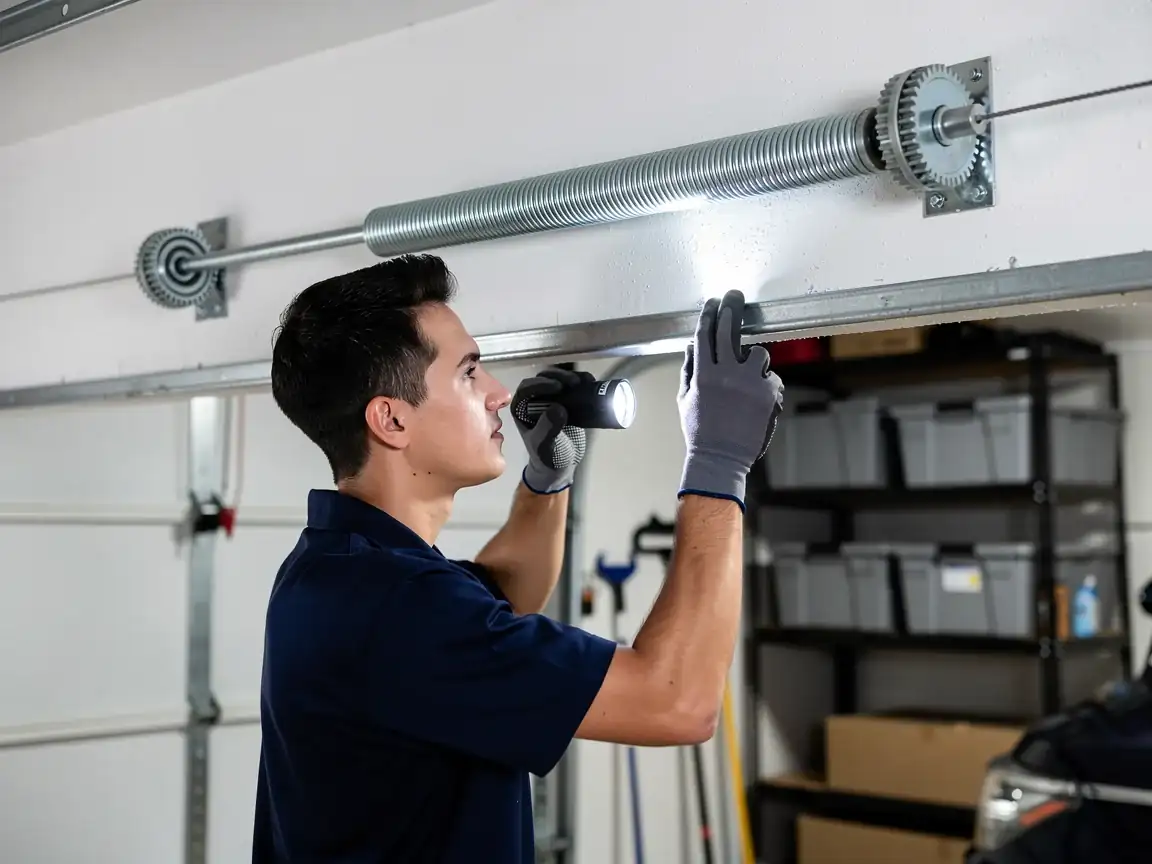
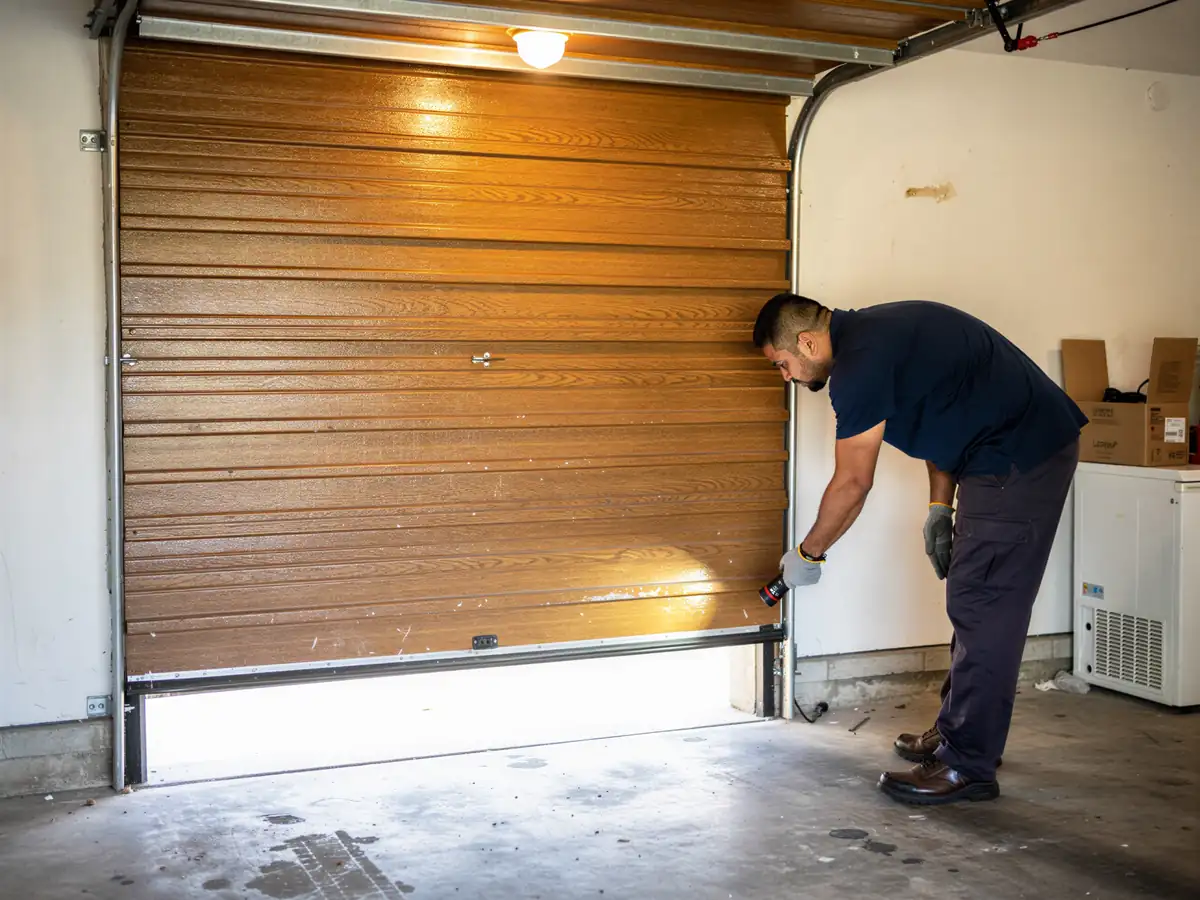
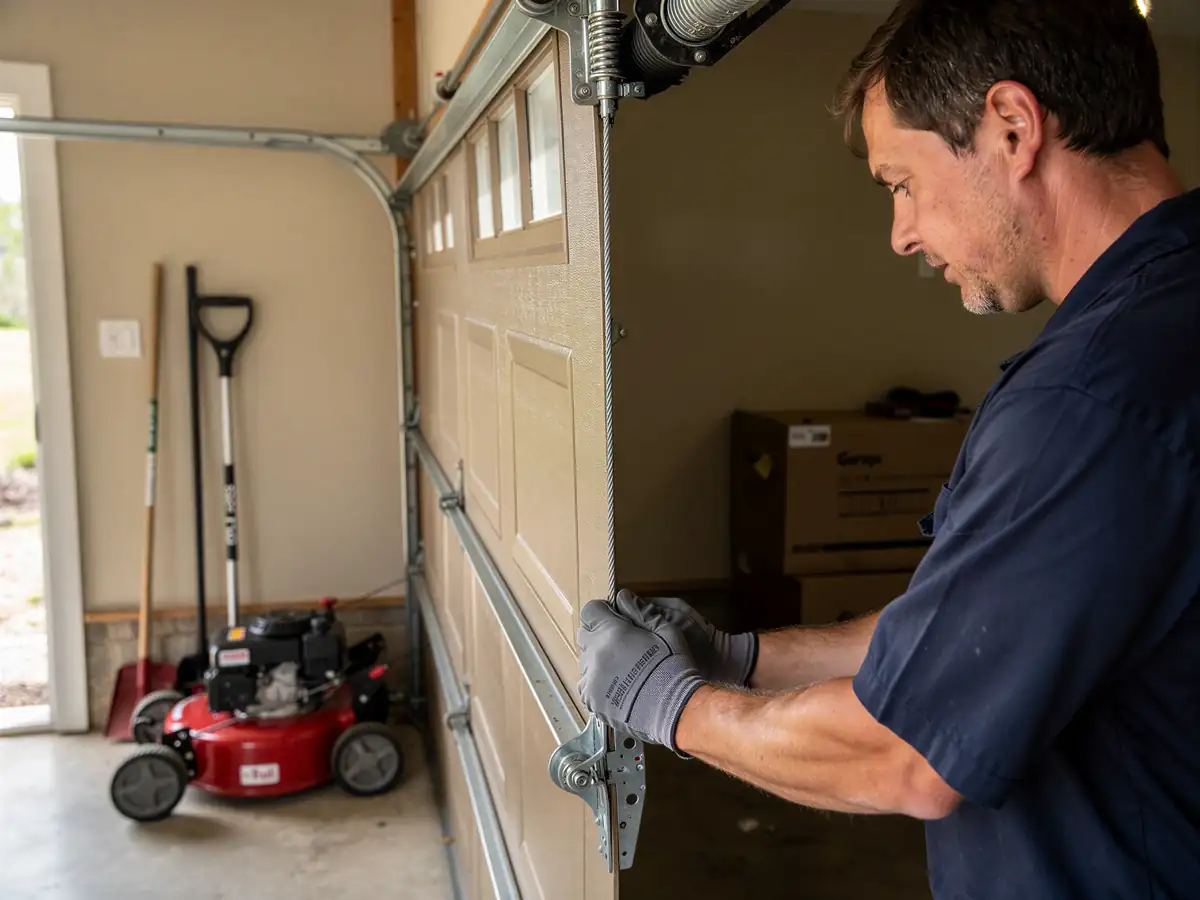
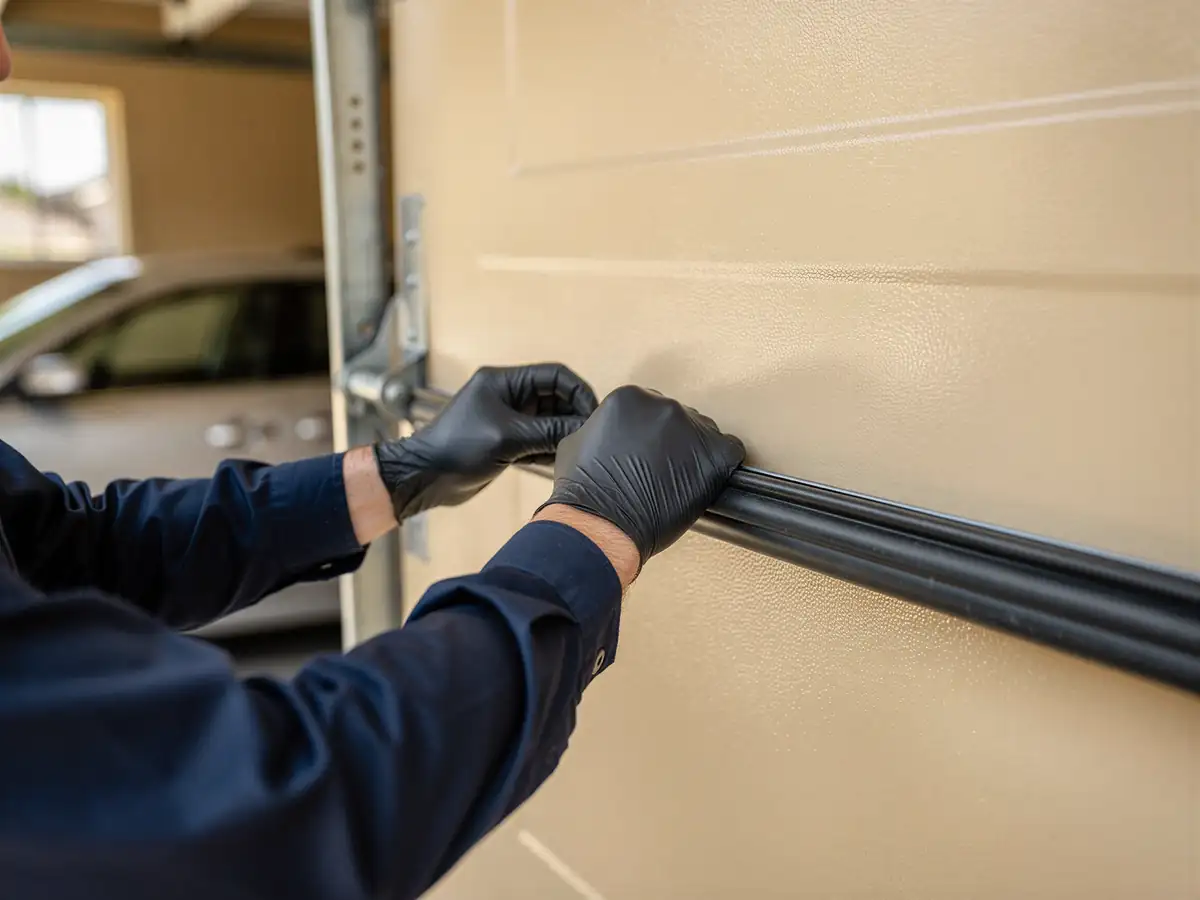
You can do some of this yourself: wipe down and lubricate the rollers and hinges, check that the weatherstripping along the bottom panel still seals flat, and listen for a grinding or popping sound when the door travels. What you shouldn't touch is anything involving the spring itself - extension springs under tension can whip hard enough to break a hand or a window, and on a door this old, the safety cables that are supposed to contain that whip may never have been added. If you're not sure whether your door has them, that's worth a look before you do anything else.
Household incomes in Trumbull run well above the wider Shelton service area, and we see that reflected in how often owners here choose a full hardware upgrade - torsion conversion, new cables, new rollers - rather than patching a 1965-era system piece by piece.
What Can Go Wrong
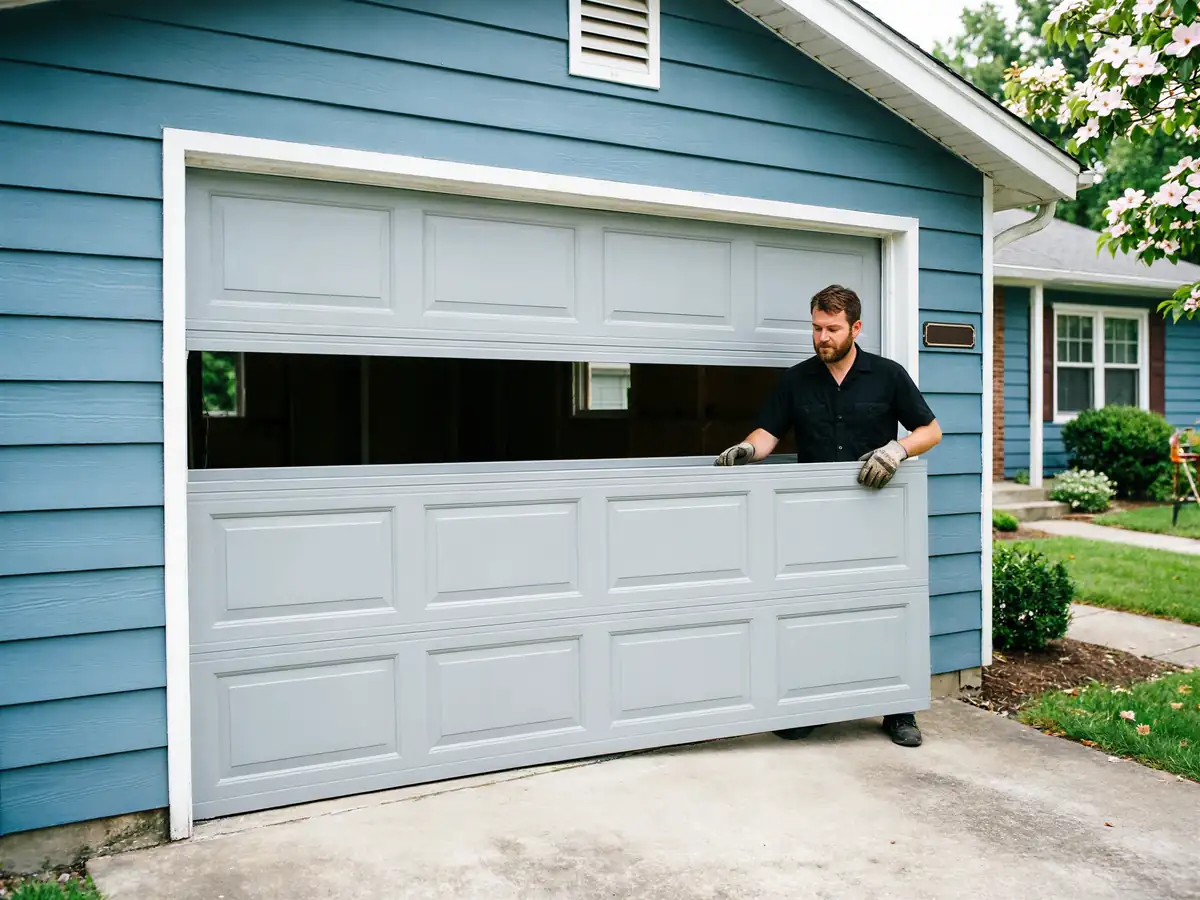
On a door built in the mid-1960s, the most common failure we see is a cracked or fatigued roller track bracket, because the steel gauge used back then was lighter than what's standard now. Extension springs on these doors also stretch out of their factory tension over time, so the door starts drifting down on its own or won't stay open at the top without you holding it.
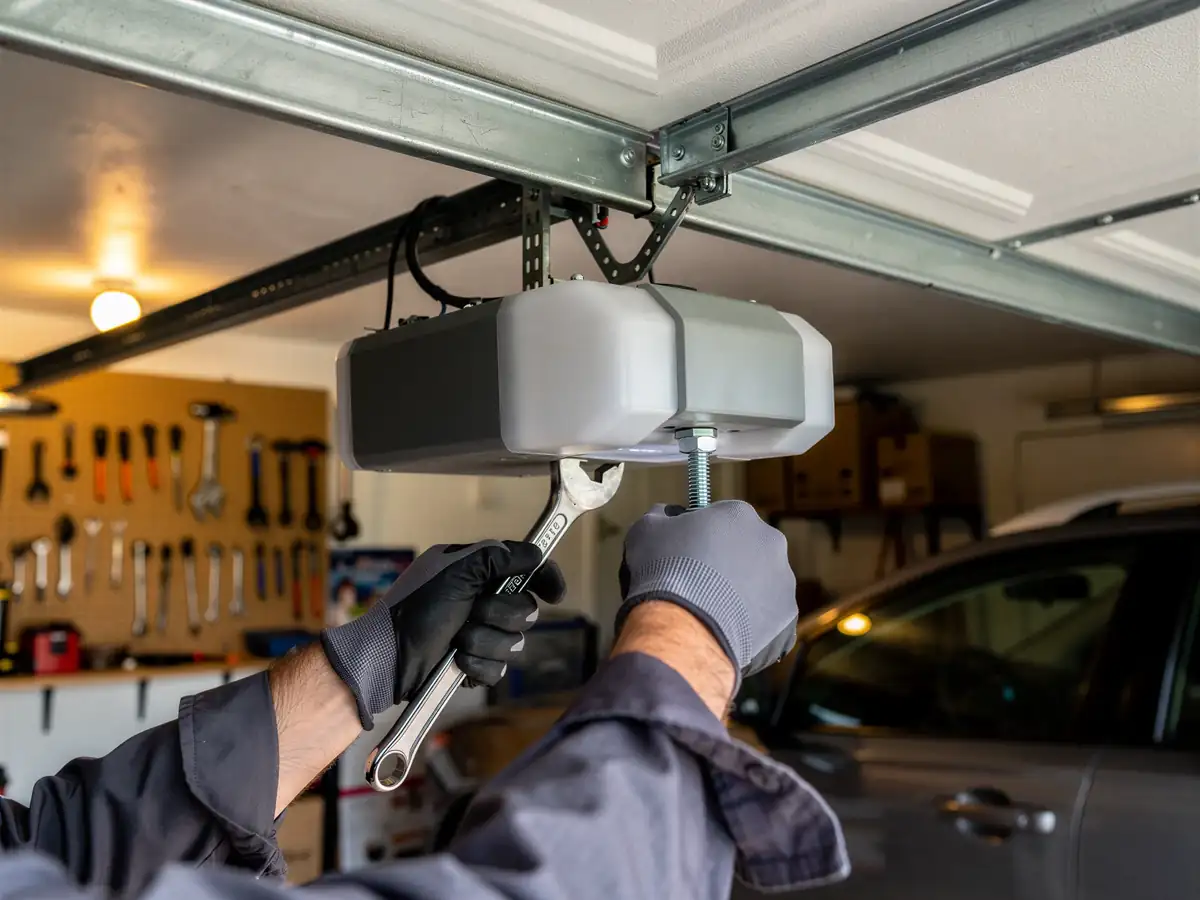
Cold-climate winters put extra strain on this older hardware. Metal contracts, grease stiffens, and a track that was already a hair out of plumb starts binding at the point of least clearance - usually right where the door meets the weatherstrip. That binding puts load on the opener's drive gear, and a gear built for a lighter-duty 1960s door can strip faster than people expect.
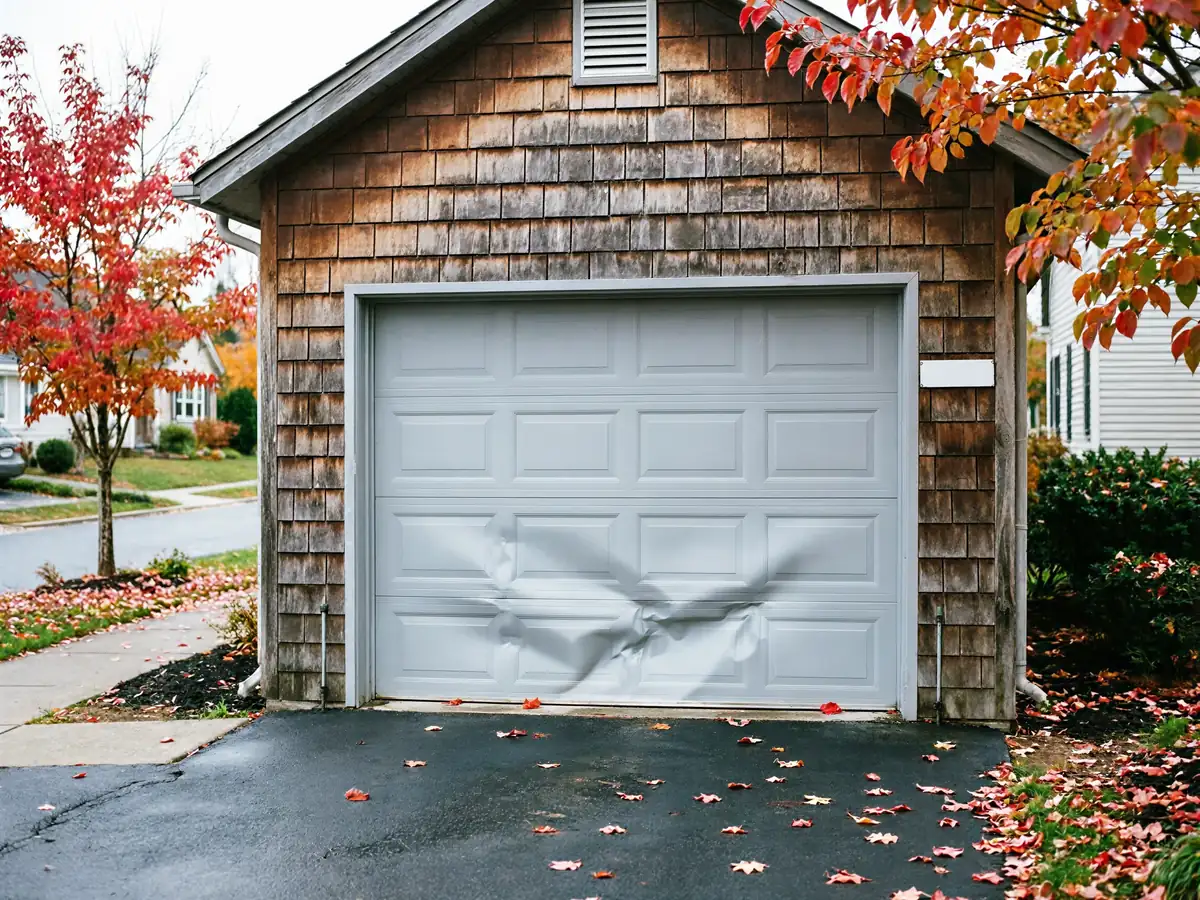
We also see panels that have been painted over multiple times, which hides rust developing underneath at the bottom corners where water sits. By the time it shows through the paint, the steel underneath is thinner than it looks.
What You Pay
We don't have a flat maintenance rate to quote here
What a visit costs depends on whether your door is still running original 1965 hardware or has already been partly updated, and on whether the spring system is torsion or extension. A door that's never had the cables or rollers replaced takes longer to service properly than one that's been kept current, and we price the visit after we've looked at what's actually on the track.
What we can say is that full torsion conversions tend to cost more upfront than a basic tune-up
But owners who go that route usually aren't back in a year for another spring adjustment. Given the income levels we see across Trumbull, that's the call most households here end up making once they understand the age of what's on their garage.
Why This Fails Locally
Trumbull sits in a cold-climate zone with severe winter conditions, and a door built around 1965 wasn't engineered with the insulation standards or sealing hardware that newer doors ship with. The gap between an original wood jamb and a steel door frame widens and narrows with the freeze-thaw cycle every winter, and on a 60-year-old structure that gap is rarely still square.
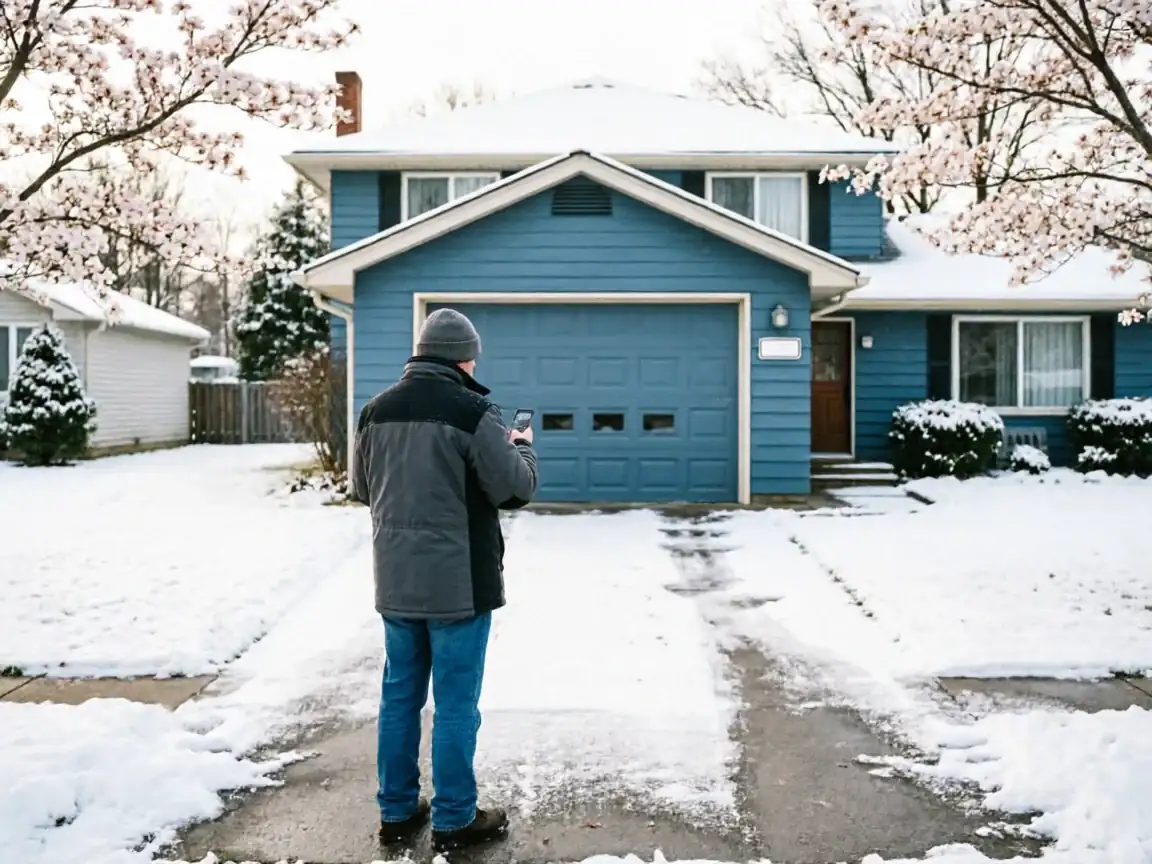
That mismatch between an aging, lightly-built door and a harsh winter is what drives most of our Trumbull service calls - not one dramatic failure, but a slow accumulation of small ones: a track bolt loosened by seasonal movement, a spring that's lost ten percent of its tension, a sensor wire brittle from age. None of that shows up on a quick visual check from the driveway. It shows up as a door that's noticeably harder to lift by February than it was in October.
How Long It Takes
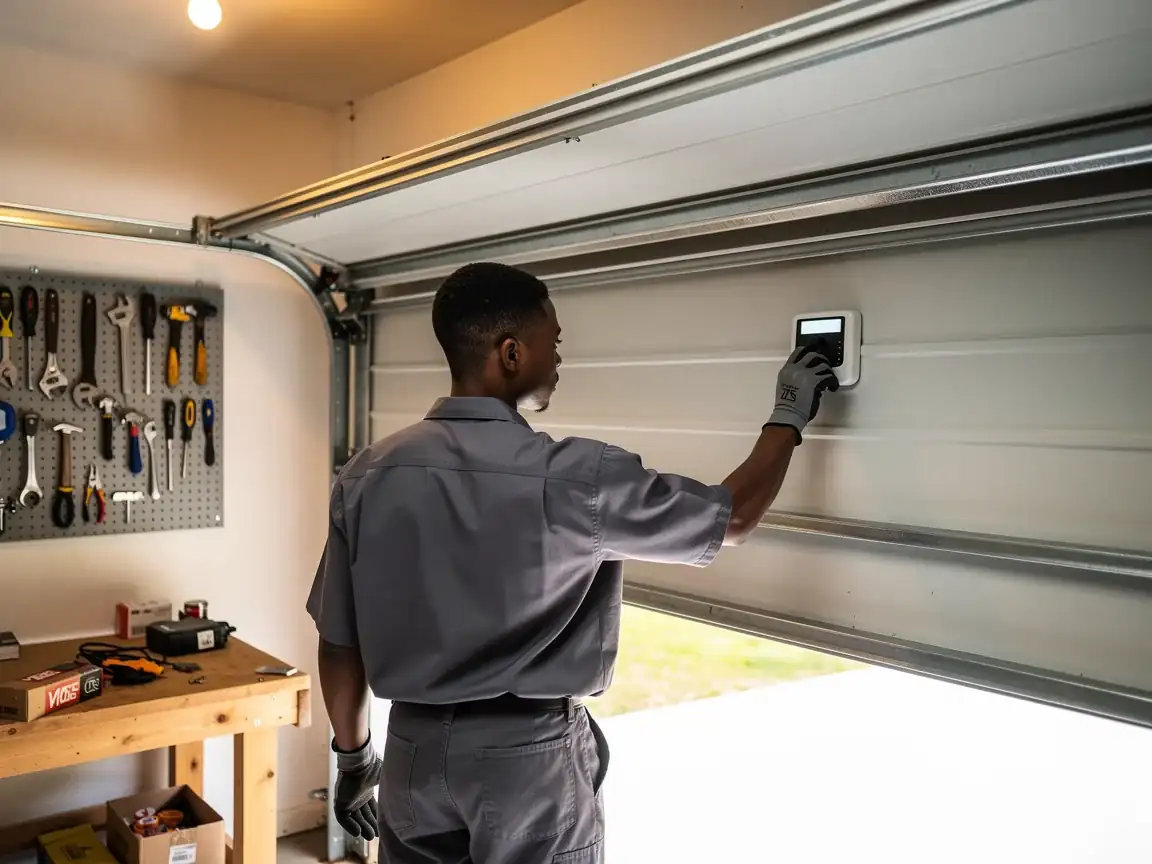
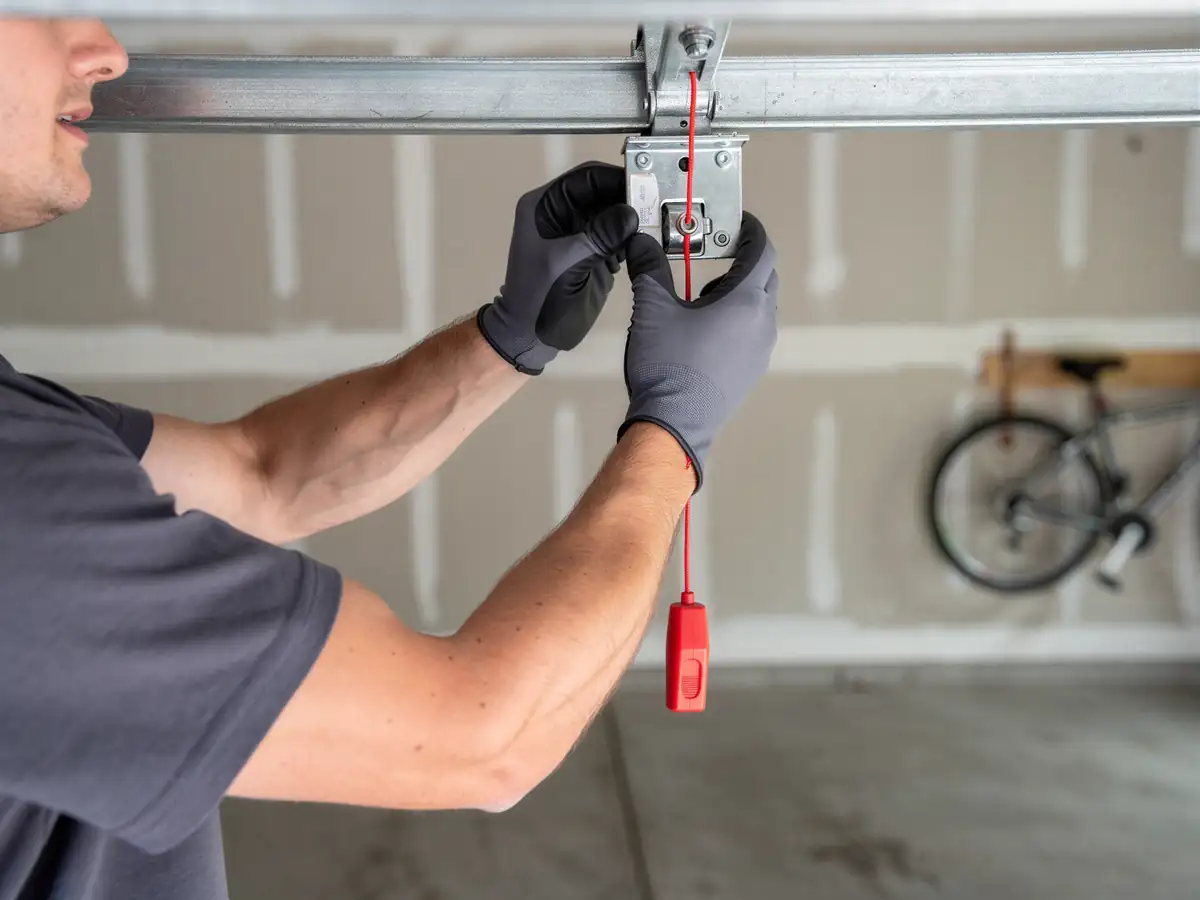
A standard maintenance visit - lubrication, hardware inspection, spring tension check, track alignment - usually runs under an hour once the truck is on site. We're coming from Shelton, about four miles out, so travel time is short and doesn't add much to the day.
If we find a cracked bracket or a spring that needs full replacement rather than adjustment, that's a separate job and we'll tell you before we start rather than turning a maintenance call into a surprise repair bill. On older 1965-era doors we sometimes need a part that isn't on the truck - older roller sizes and some extension-spring hardware aren't stocked the way current torsion parts are - and that can mean a short return trip rather than a same-day fix. We'd rather tell you that upfront than pretend otherwise.