The Symptom
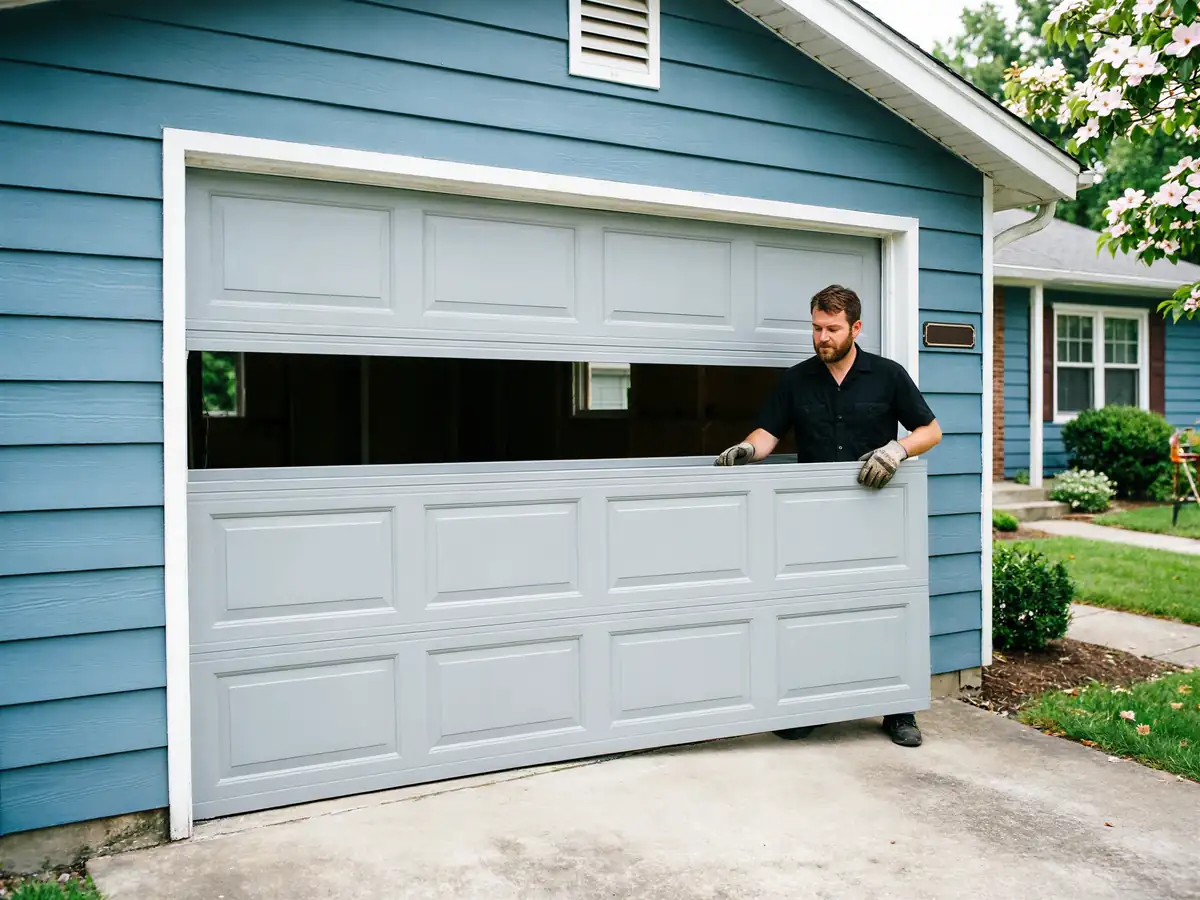
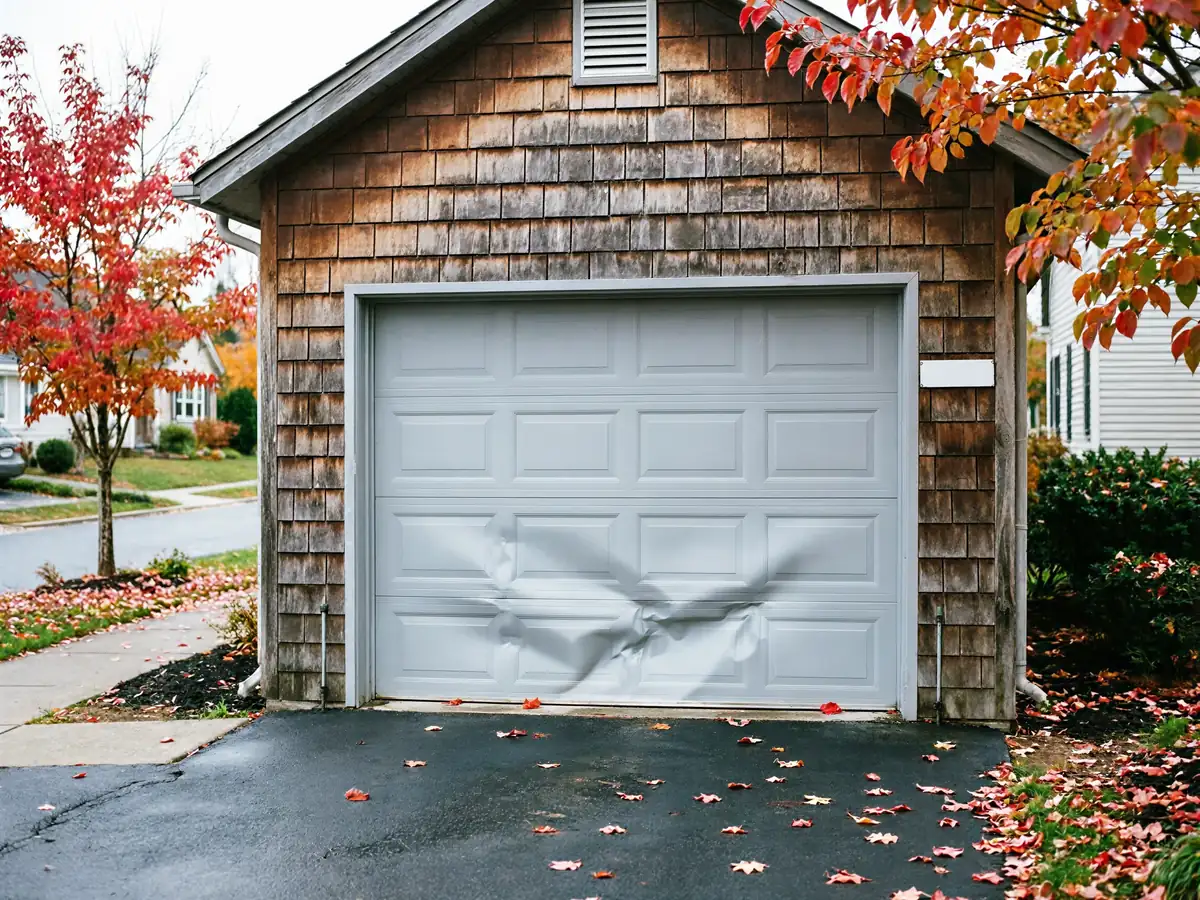
The call we get from Oxford is usually about one bowed or dented panel on an otherwise fine door - a trailer mirror clip, a sports ball, a plow truck backing up too close. The door still runs, mostly, but that one panel rubs the track or won't seal flush anymore, and the owner wants to know if they can swap just that section instead of the whole door.
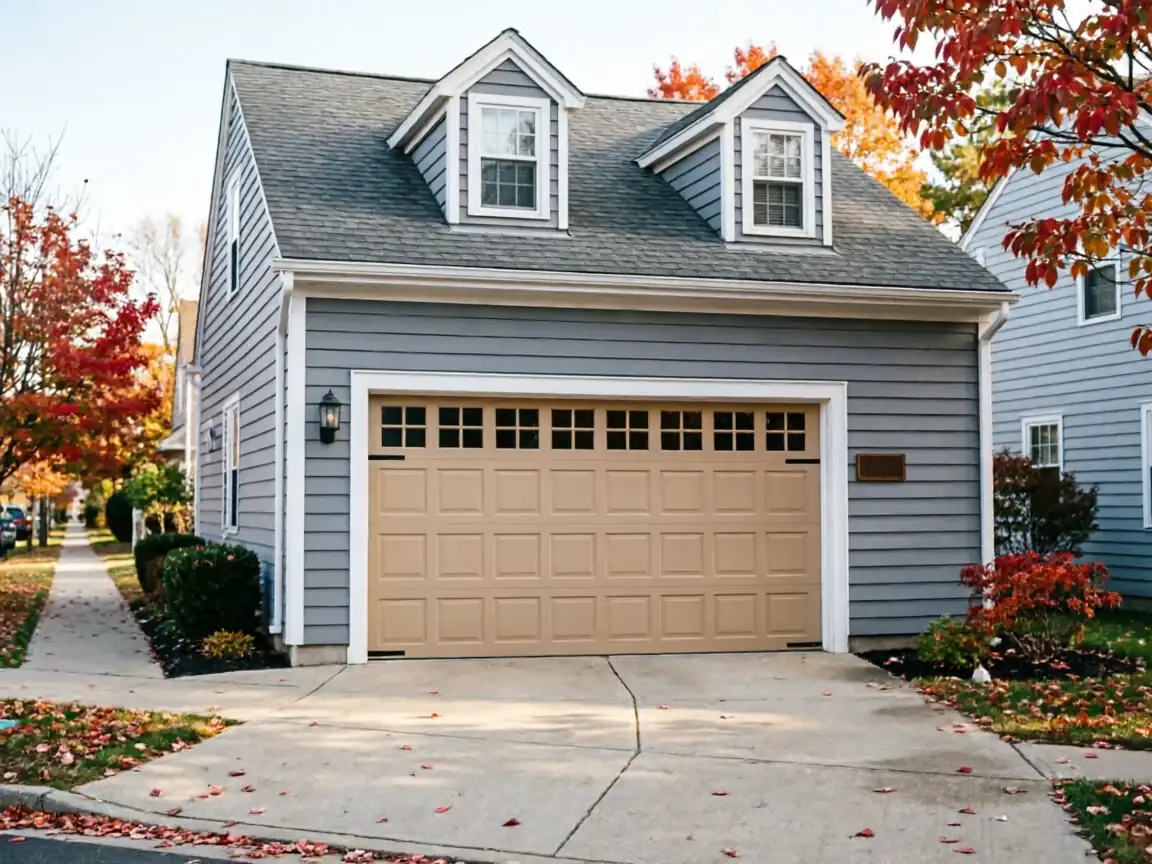
Most of the time the answer is yes, and that's largely a function of when the house went up. Oxford's housing stock centers on a median build year of 1986, a good decade newer than the 1972 median across the wider Shelton service area we cover. That later construction wave means steel sectional doors with standardized panel heights became the norm here, rather than the older wood or one-piece doors still common closer to Shelton itself. A matching panel is easier to source when the door is a 1980s-era steel sectional than when it's an older custom build.
Why This Fails Locally
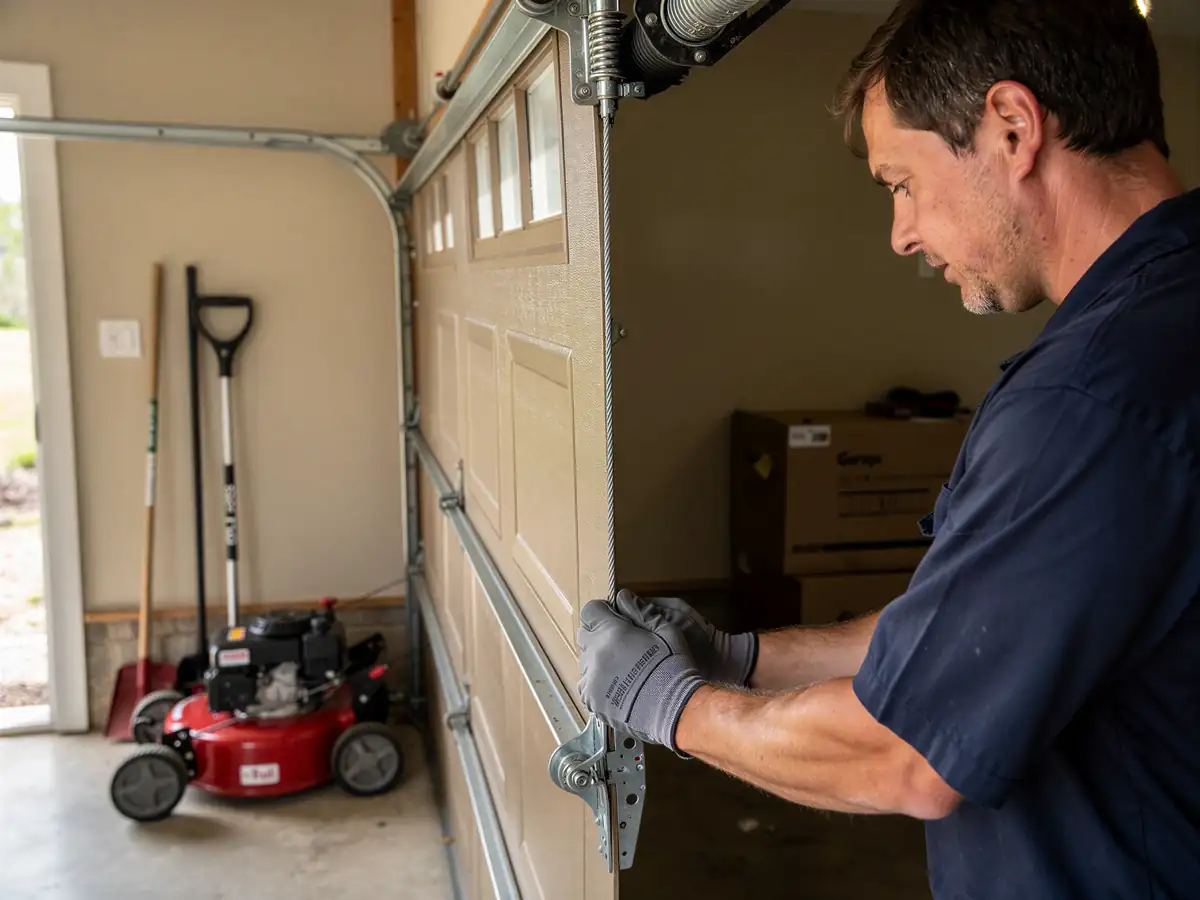
A single damaged panel on a sectional door isn't just cosmetic. The hinges bolted to that panel carry load from the rollers on either side, and a bent panel pulls the whole roller alignment out of true. On a 1980s-era door that's run for decades without issue, that misalignment shows up as a new noise, a roller that jumps the track, or a door that suddenly needs more muscle from the opener to lift.
Winter makes it worse. We're in a COLD, severe climate band here, and steel contracts in the cold - a panel that was slightly bowed in August can bind hard against the track by January. Oxford sits about 10 miles from our Shelton base, which doesn't change the physics, but it does mean we're scheduling the trip rather than working out of a storefront around the corner, so a panel repair here gets planned as a full visit, not a drop-in.
What the Fix Involves
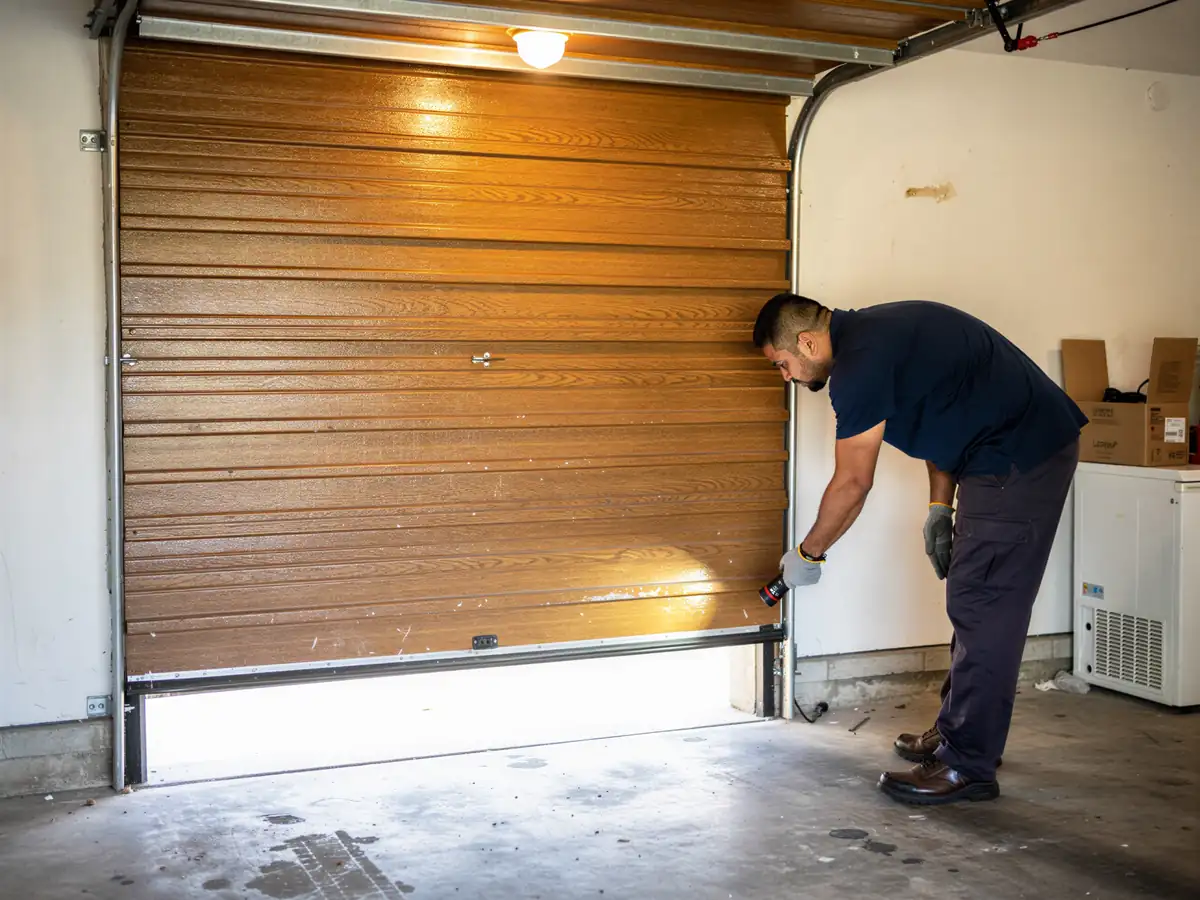
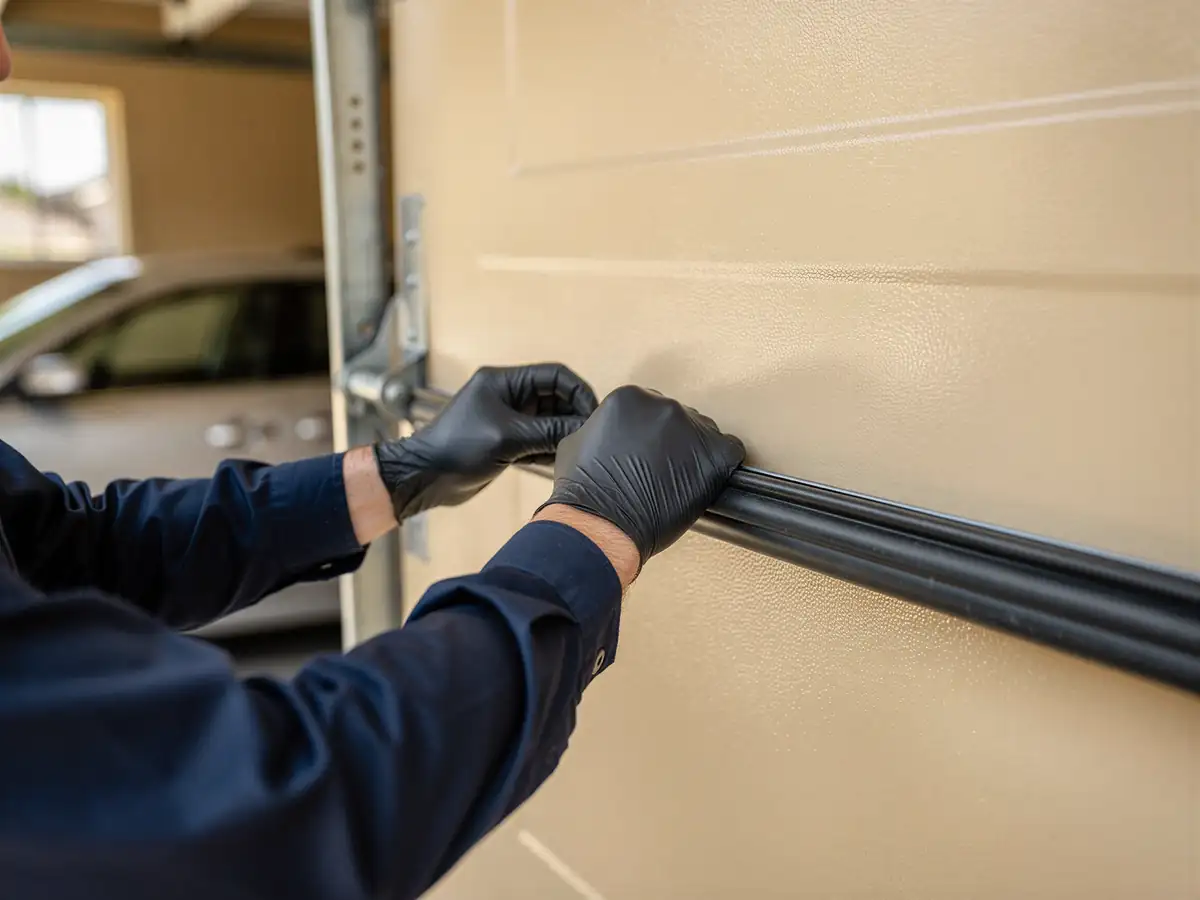
We pull the section, match the panel profile and color
And set it back into the track with the original hinges if they're still sound or new ones if they're not. On a steel sectional from the 1980s construction era that's typical in Oxford, matching panel widths and raised-rib profiles is usually straightforward - the hardware spacing from that period is consistent.
What's harder is color match on a door that's faded for 35-plus years in the sun
A brand-new panel next to original panels can look slightly off until it weathers in. We're upfront about that before the job starts rather than after. If the track or rollers took damage along with the panel, we replace those at the same time rather than leaving a repaired panel riding on bent hardware - that's a second trip nobody wants to pay for twice.
What Can Go Wrong
Panel matching runs into trouble on doors that have been discontinued or where a prior owner already swapped a panel with something close-but-not-quite. We won't promise an exact match sight unseen - if the door's old enough or obscure enough, we tell you that up front and talk about whether full replacement makes more financial sense than chasing a panel that doesn't quite fit.
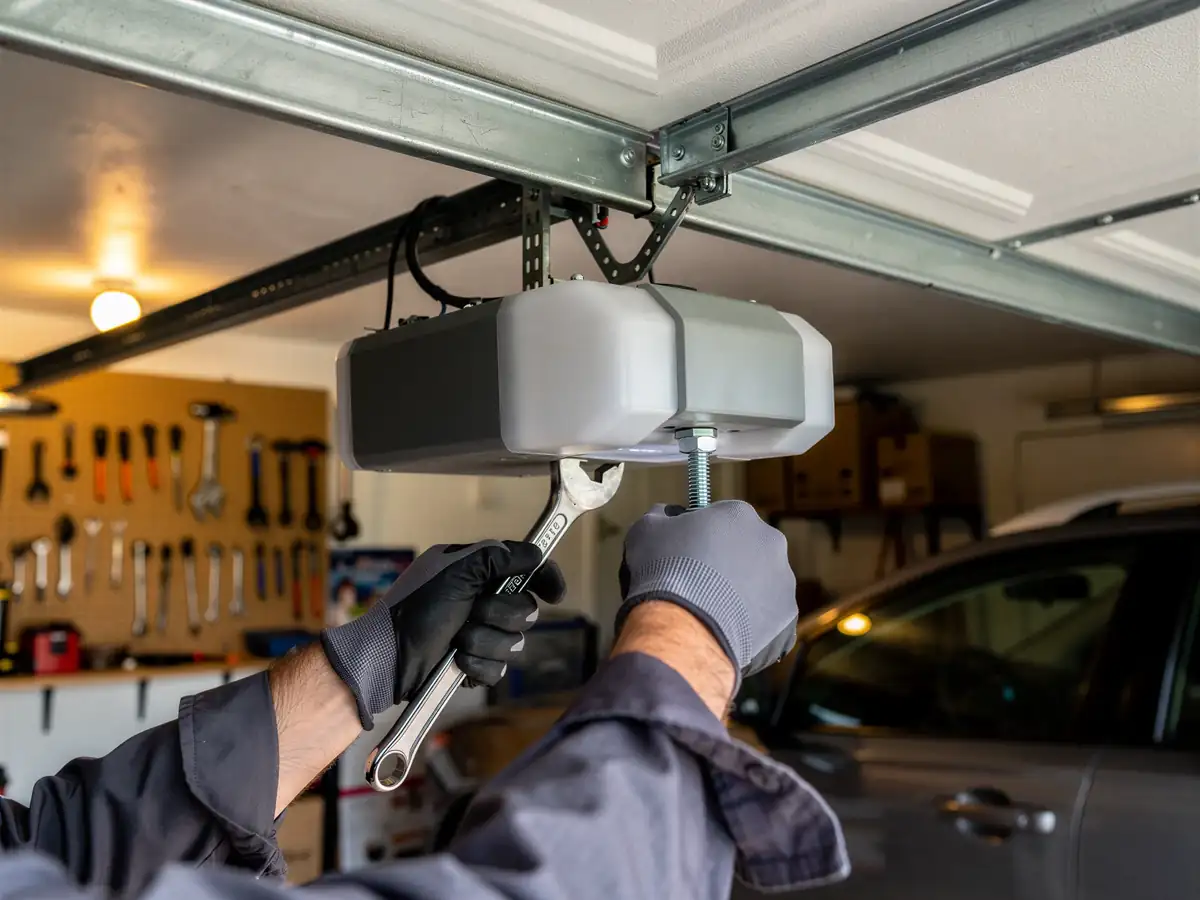
The other failure mode is treating the panel as the whole problem when the opener or springs are also near the end of their life. With Oxford's median household income at $125,563, most owners here are weighing a $300 panel fix against a full door replacement that runs into four figures - and that's a real decision, not an obvious one. We'll tell you honestly which side of that line your door is on instead of defaulting to the bigger job.