What the Fix Involves
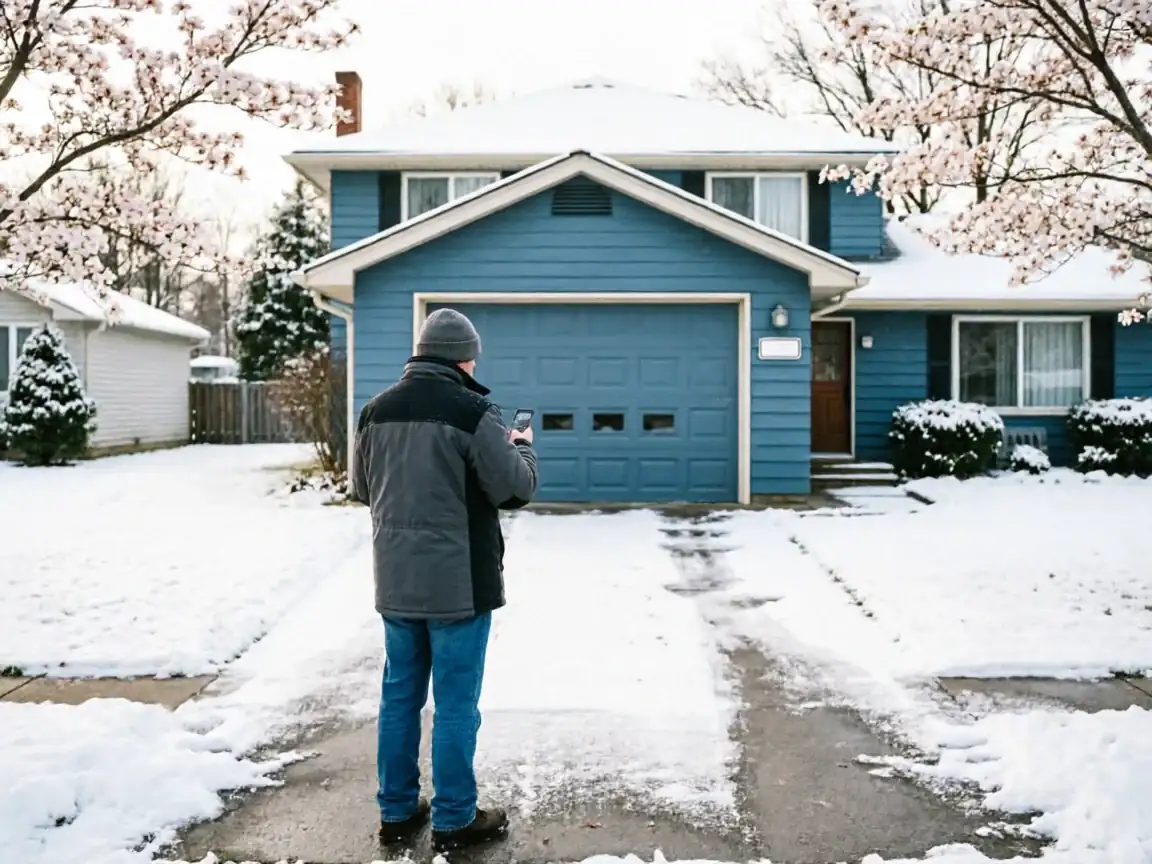
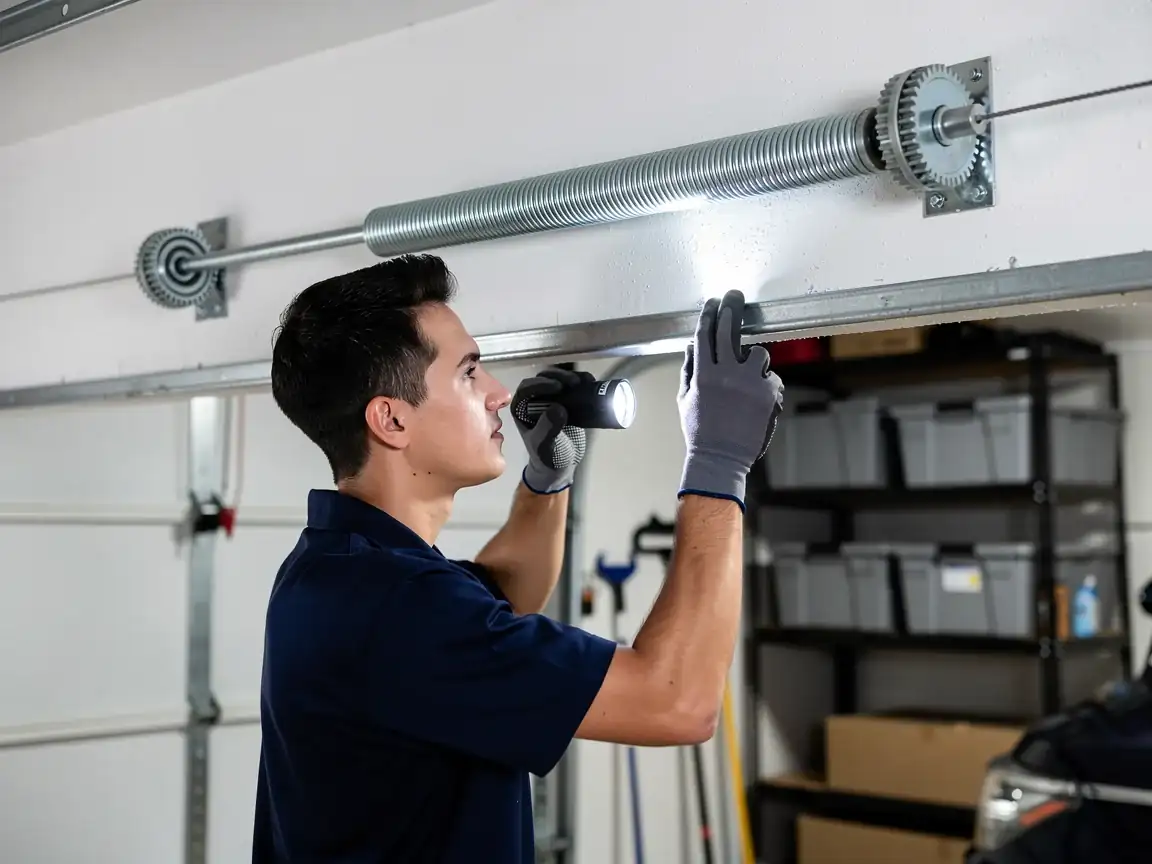
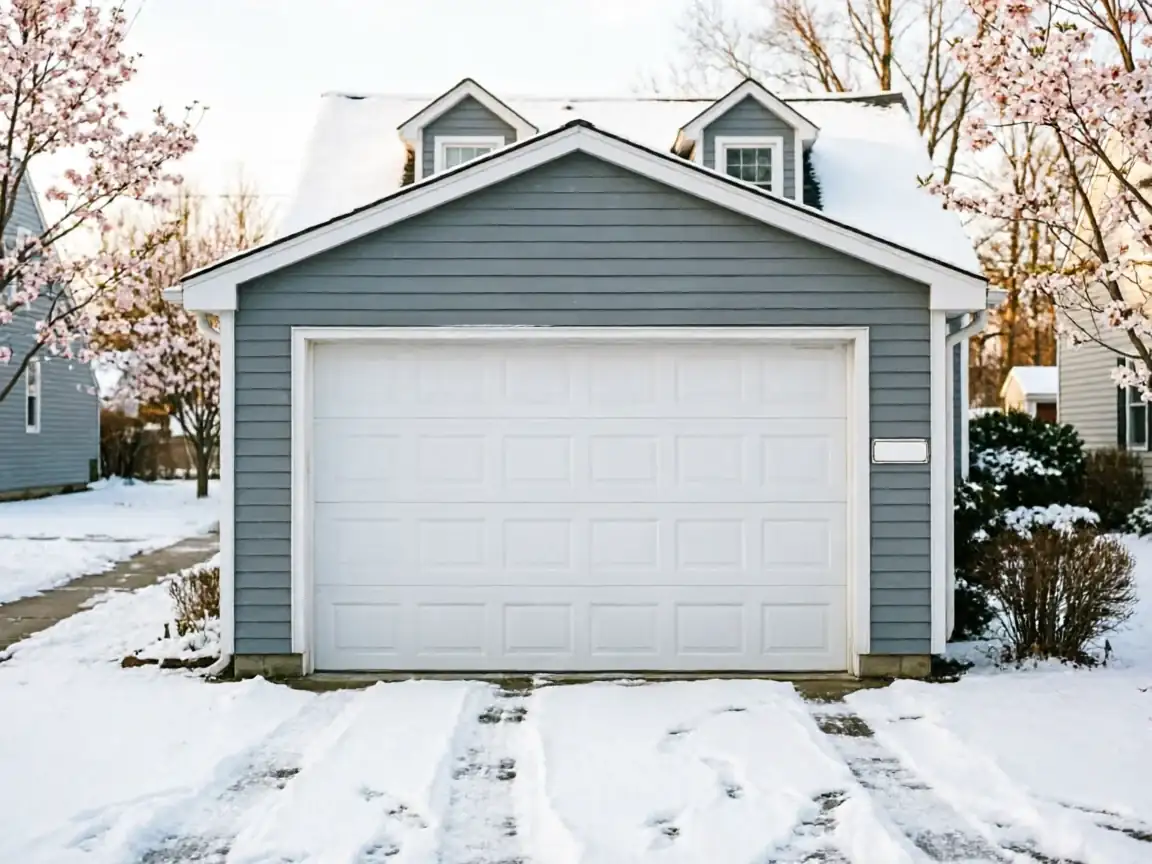
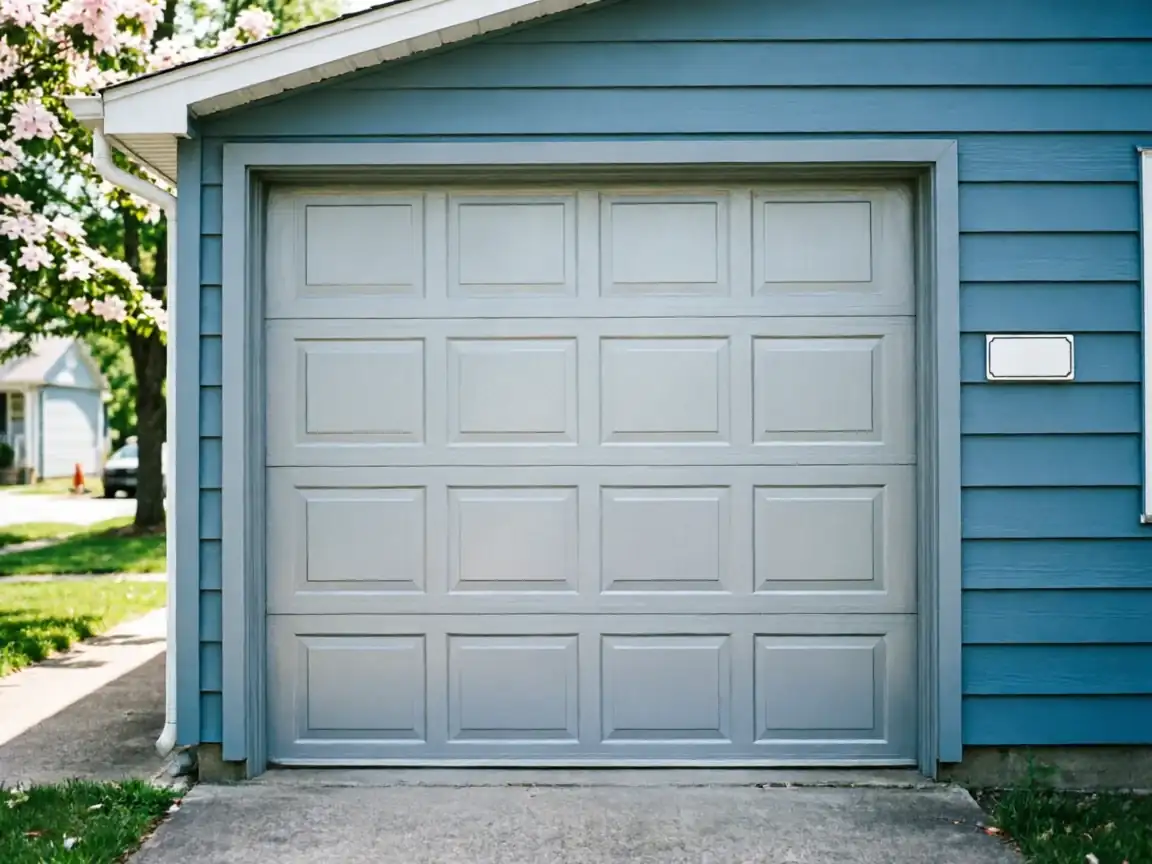
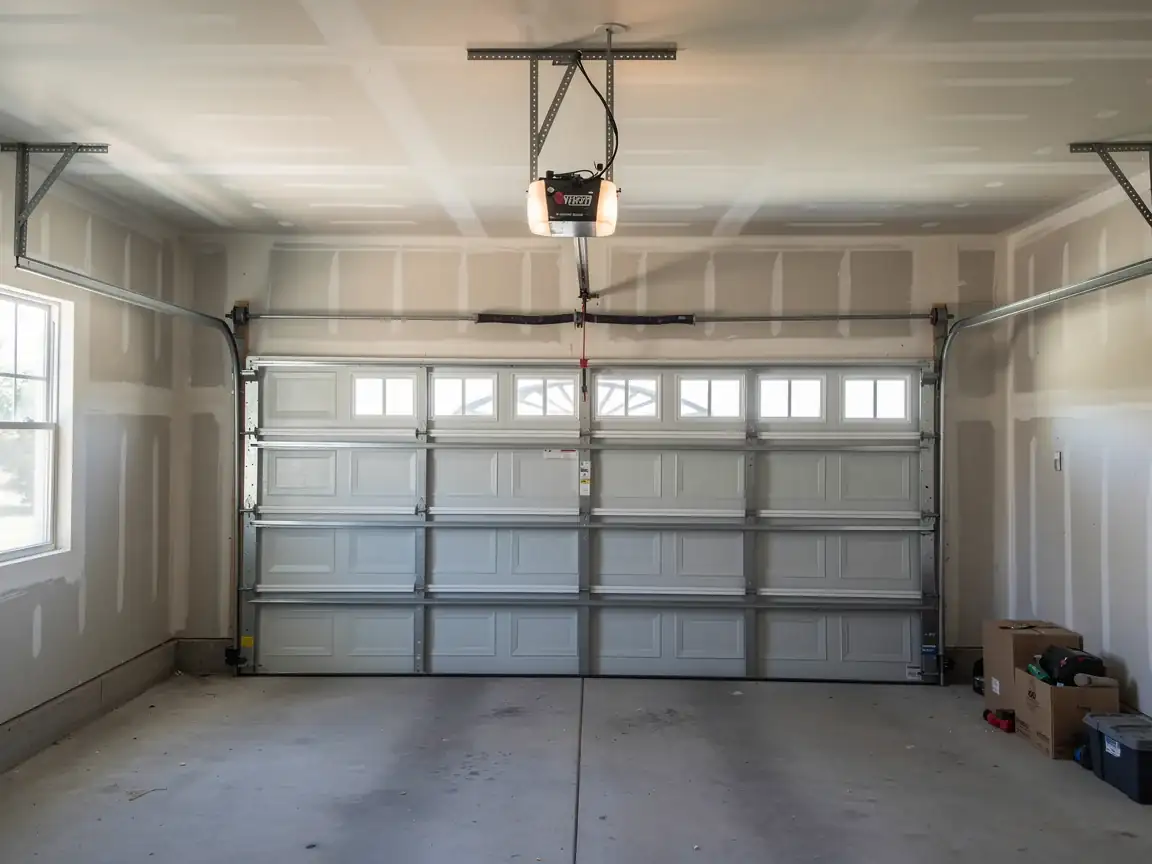
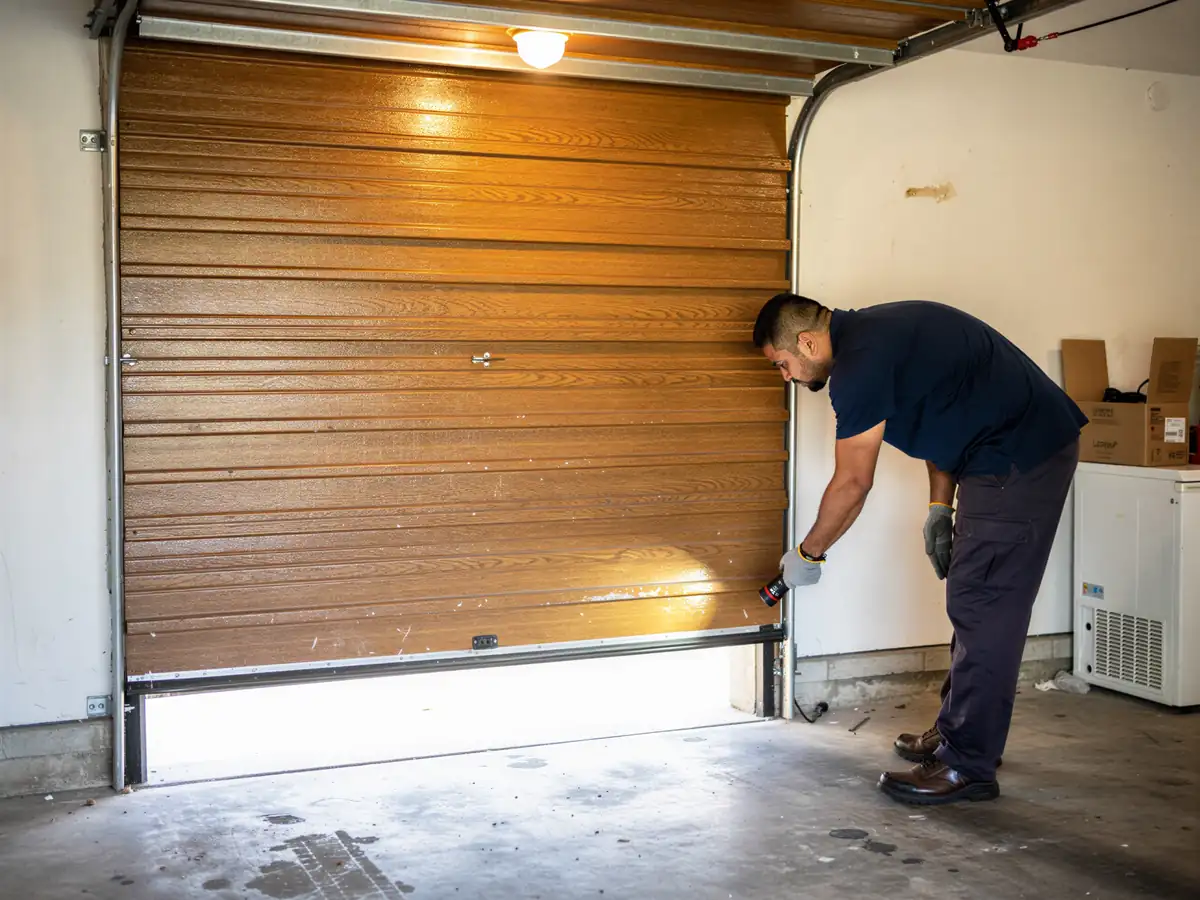
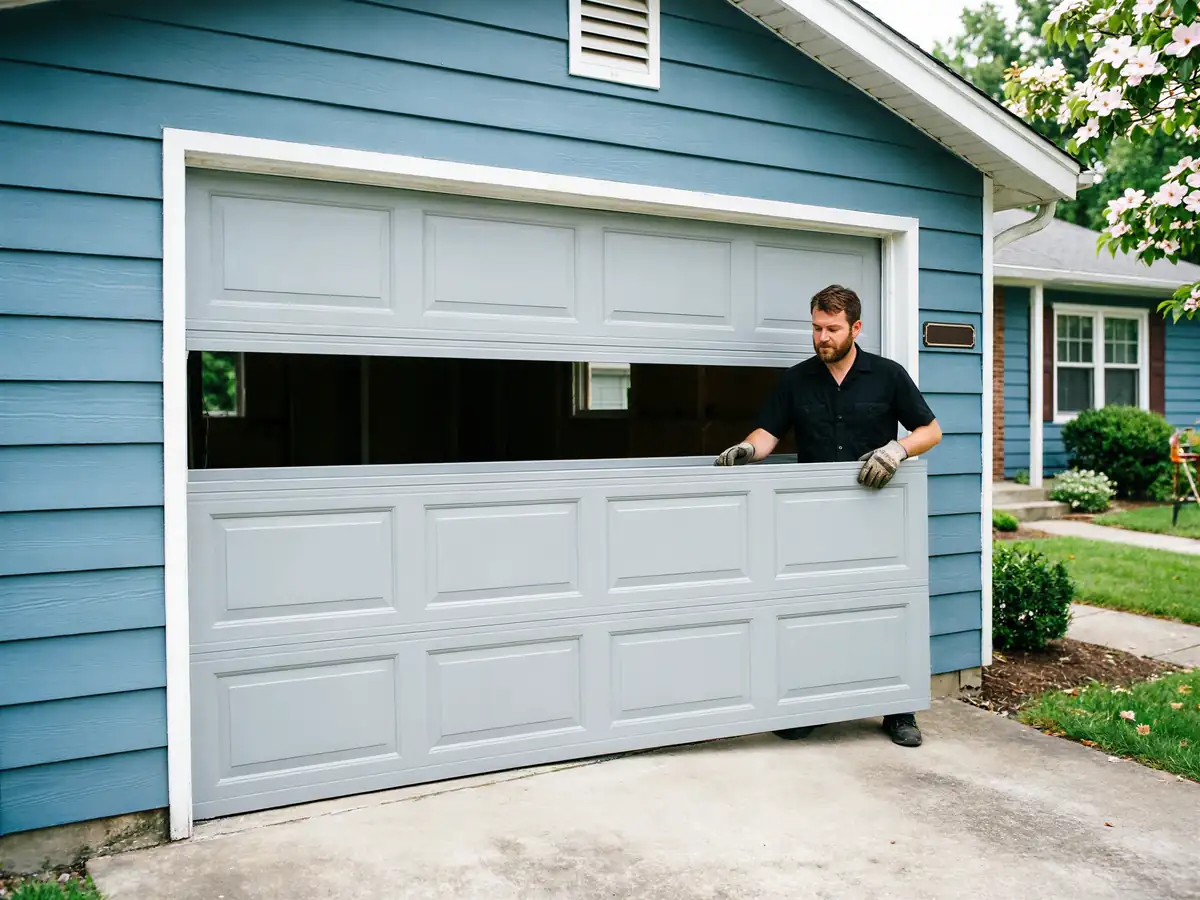
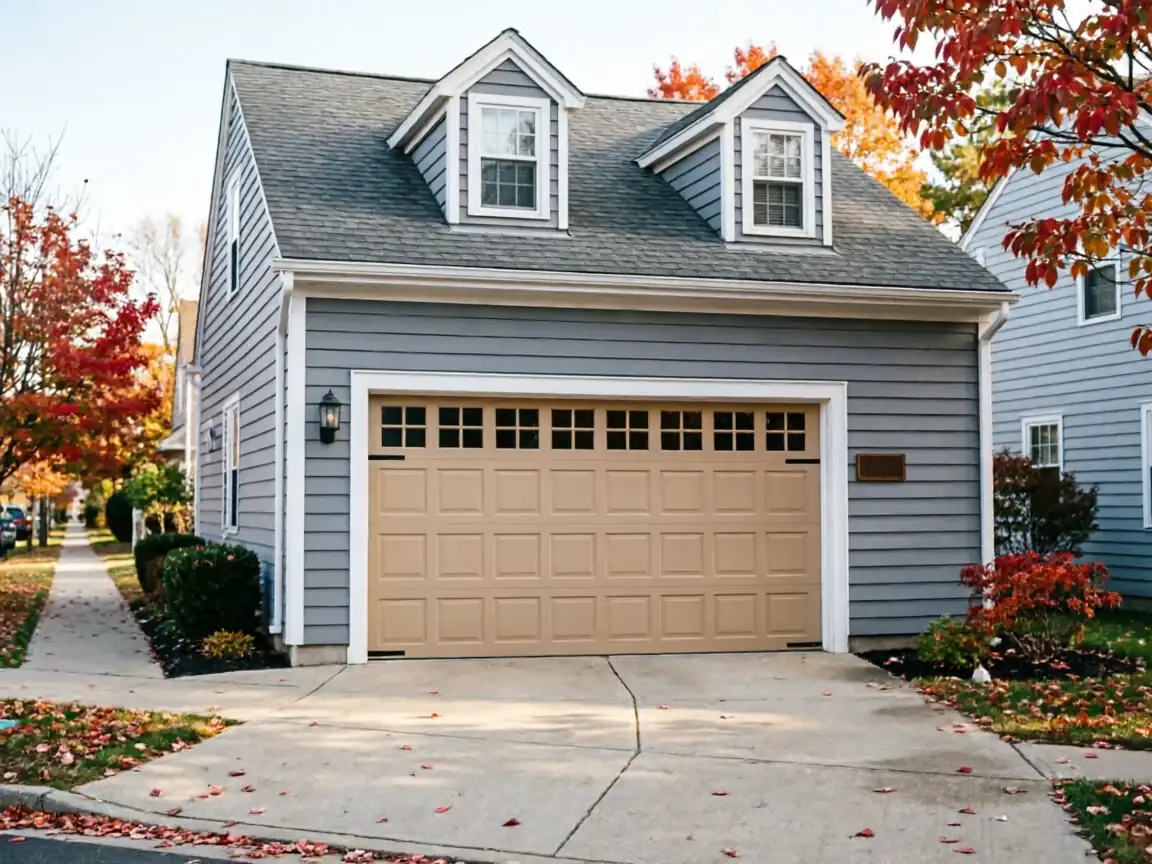
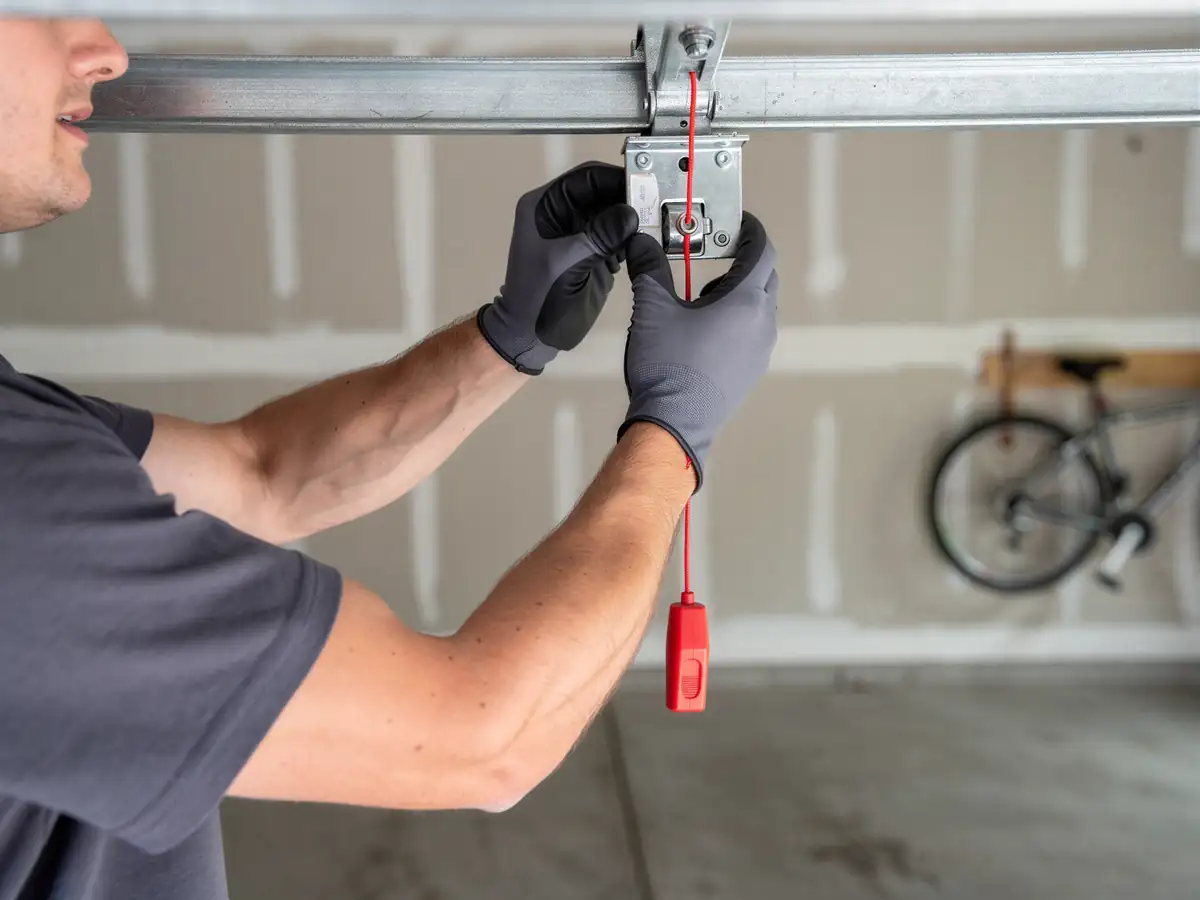
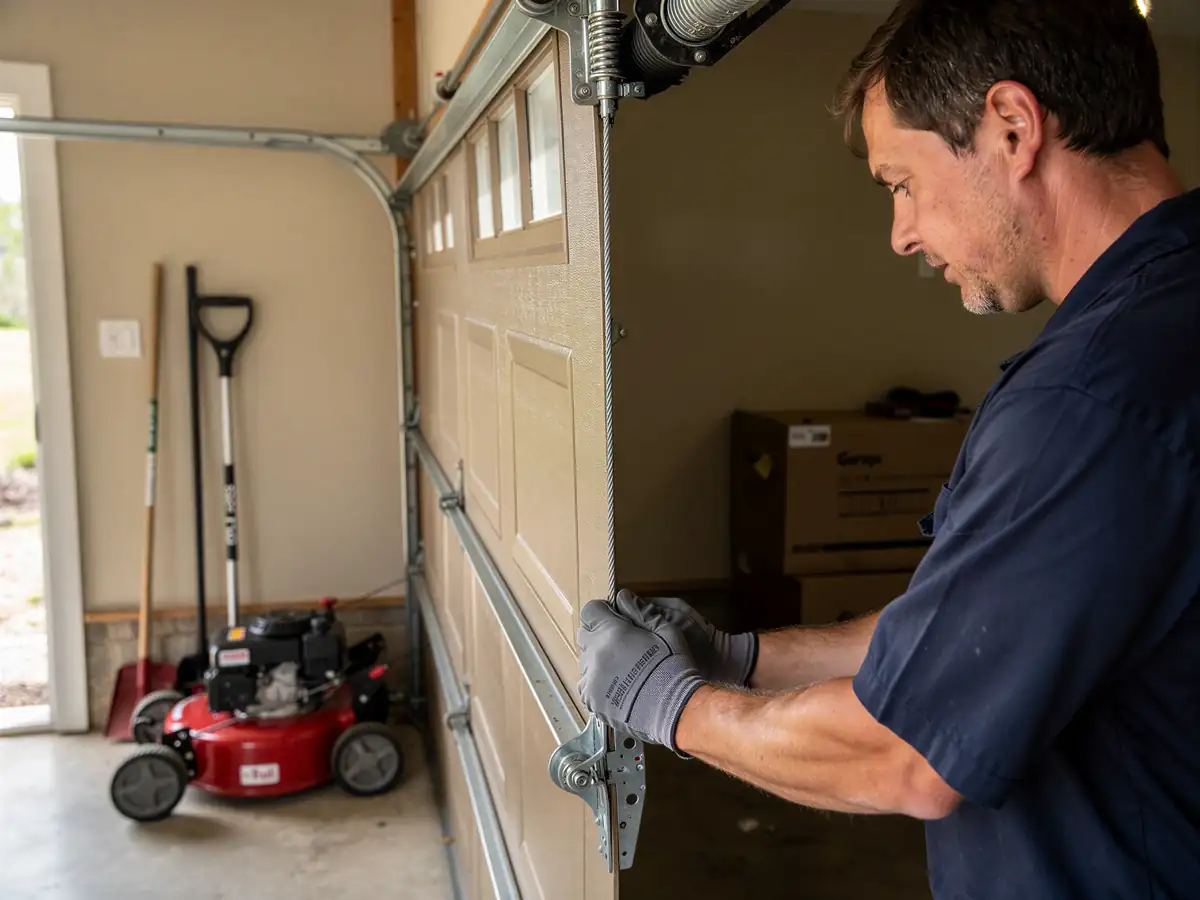
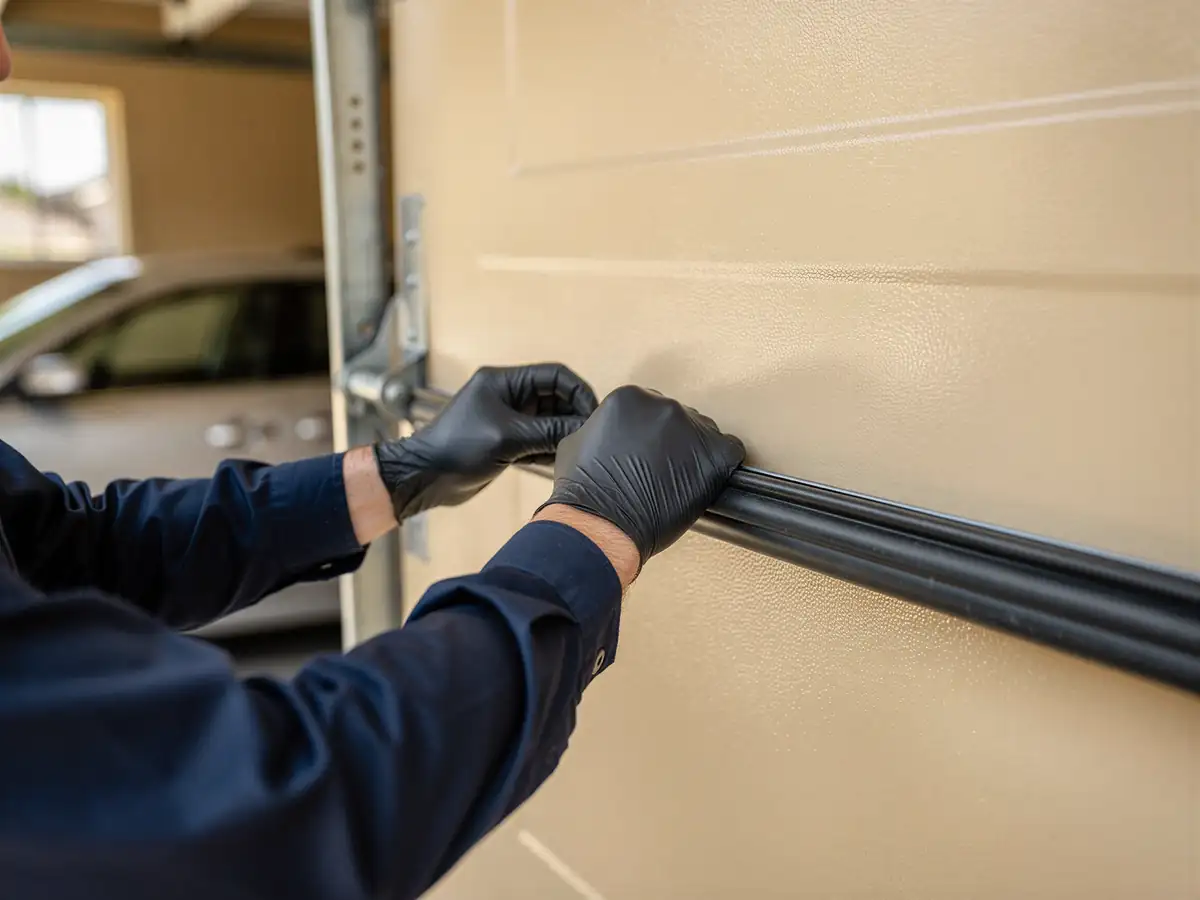
Woodbridge's housing stock centers on 1967, which means a good share of the garage doors still standing went in with the house and never came out. Panel replacement here usually starts with us finding out whether the door is even still made - a lot of these are steel sectional doors from a run that stopped decades ago, so we're matching gauge, panel height, and window cutout from a photo and a tape measure, not a catalog number. We pull the damaged section, check the track and hinges it's bolted to for wear from forty-plus years of cycling, and set the new panel so the door runs true instead of just looking fixed. If the track or rollers are original too - which is common on a house this age - we flag that before closing the job, because a new panel on worn track will bind within months. We travel from our Shelton shop, about 8 miles out, with panel options pulled ahead of the visit based on what we know about the local stock, not a blind guess made at the curb.
Why This Fails Locally
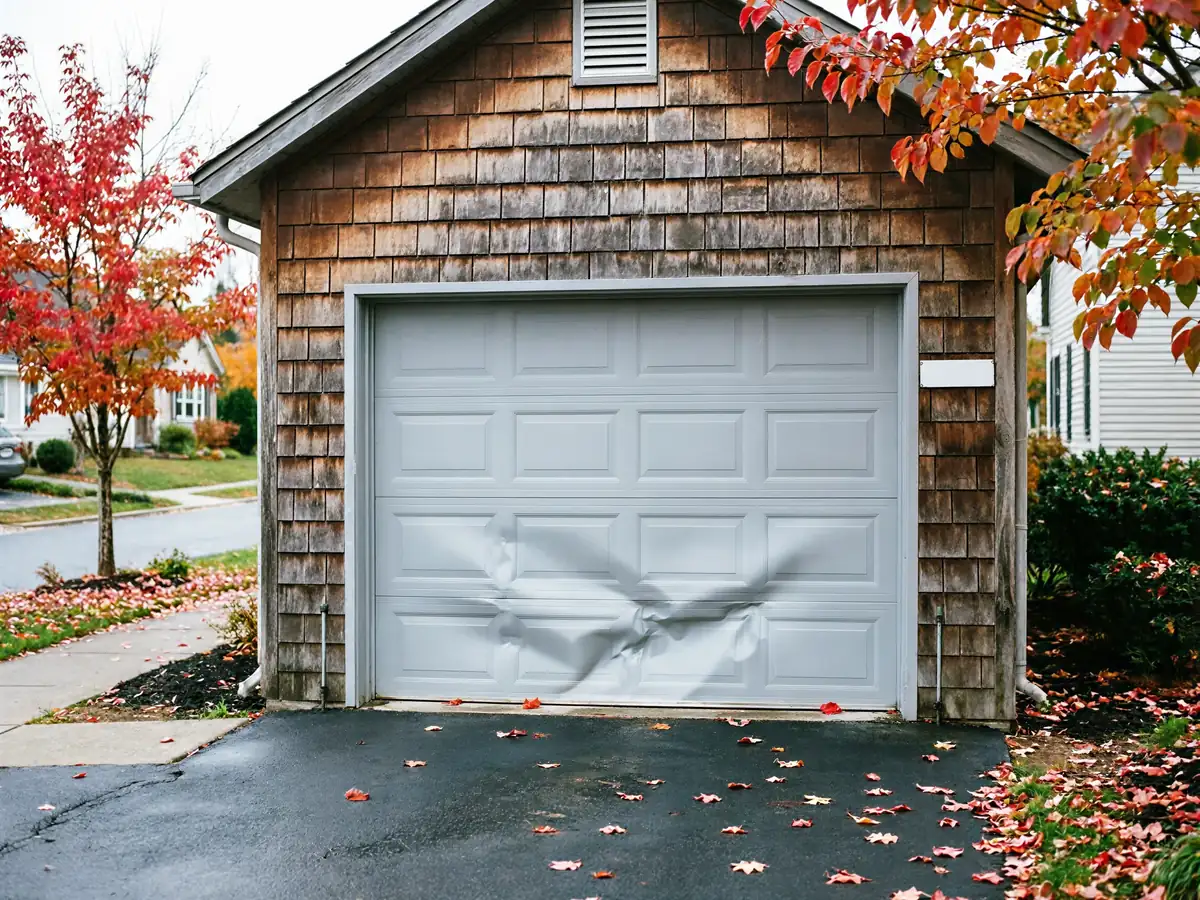
With a median household income near $201,926, Woodbridge owners tend to replace the damaged section outright rather than live with a mismatched patch panel - and that's the right call here, because mismatched panels on a visible garage door stand out more on these lots than they would on a tighter street. The failure mode we see most is a cracked or dented panel on a door that's otherwise sound, where someone tried to true it up with a rubber mallet and bent the seam further instead. On original 1960s and 70s steel doors, the panel skin is thinner than what's sold today, so a dent that looks cosmetic often means the seam underneath has already separated from the stile. That's not a Woodbridge-specific flaw in the door - it's what happens to steel of that era after fifty-plus years of expansion and contraction through Connecticut winters.
How Long It Takes
A straight panel swap on a door where we've already matched the section ahead of time is usually a same-visit job once we're on-site - most of the time is in confirming fit and adjusting track afterward. Where it runs longer is sourcing: discontinued panel profiles from 1960s and 70s doors sometimes mean waiting on a special-order section rather than pulling one off the truck, and we'll tell you that up front rather than let you assume it's a quick fix. We're honest about this part - if a panel's been out of production long enough, a full door replacement sometimes costs less and goes faster than chasing a match, and we'll say so instead of forcing a repair that doesn't make financial sense.
Parts We Carry
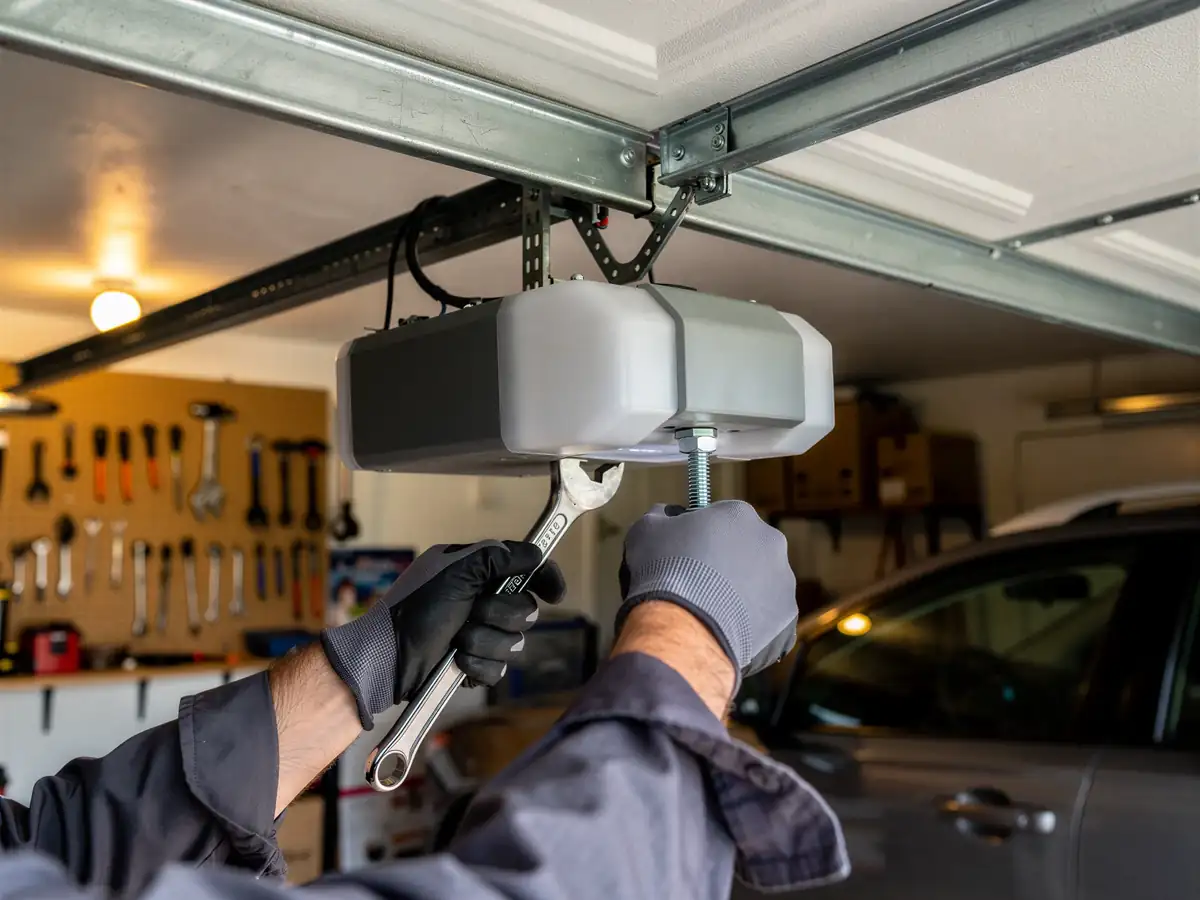
We stock common steel panel sections and window-insert panels that cover a wide range of residential door widths, along with the hinges, end stiles, and roller brackets that typically need replacing alongside an older panel. For doors matching the 1960s-70s stock common across this part of the service area, we carry adapter hardware that lets a modern panel mount to older track and jamb brackets without a full rail swap. What we don't carry on the truck is a match for every discontinued profile - some of the older wood-composite panel styles from this era are special-order only, and we'll quote that lead time honestly rather than promise stock we don't have.