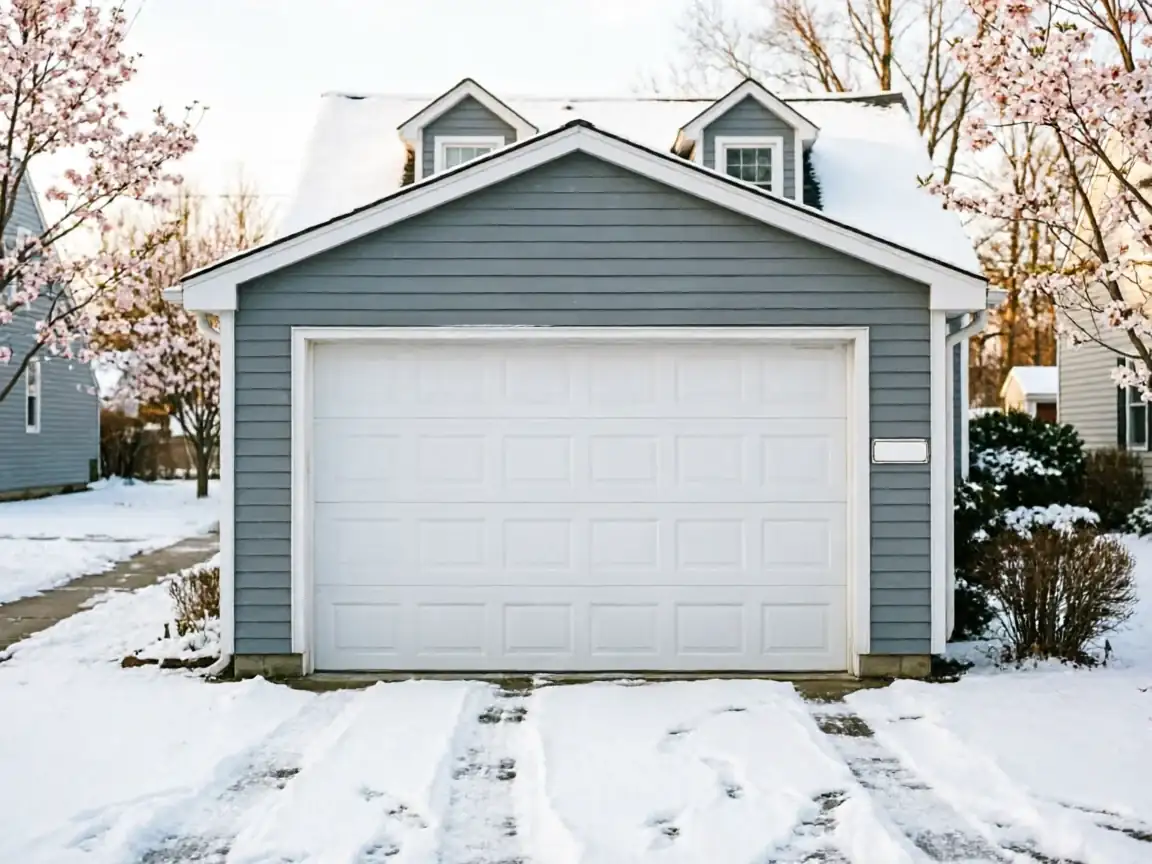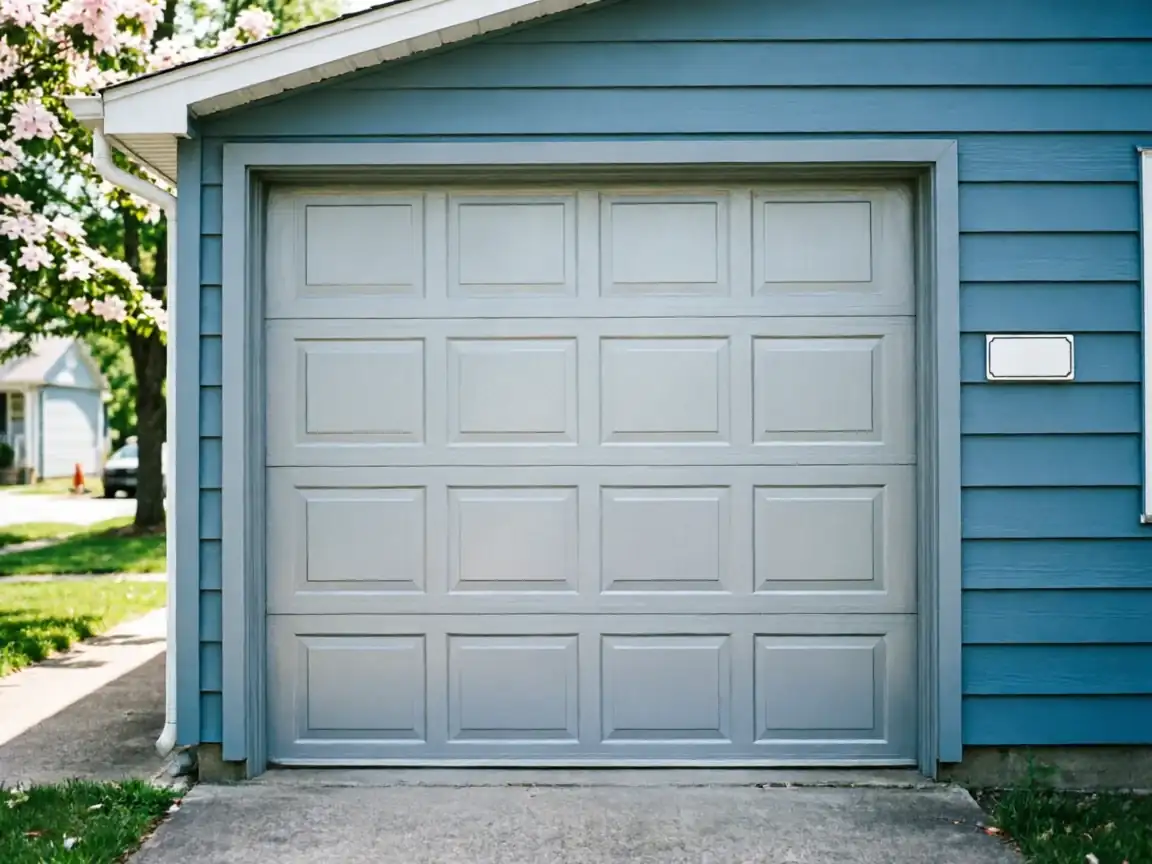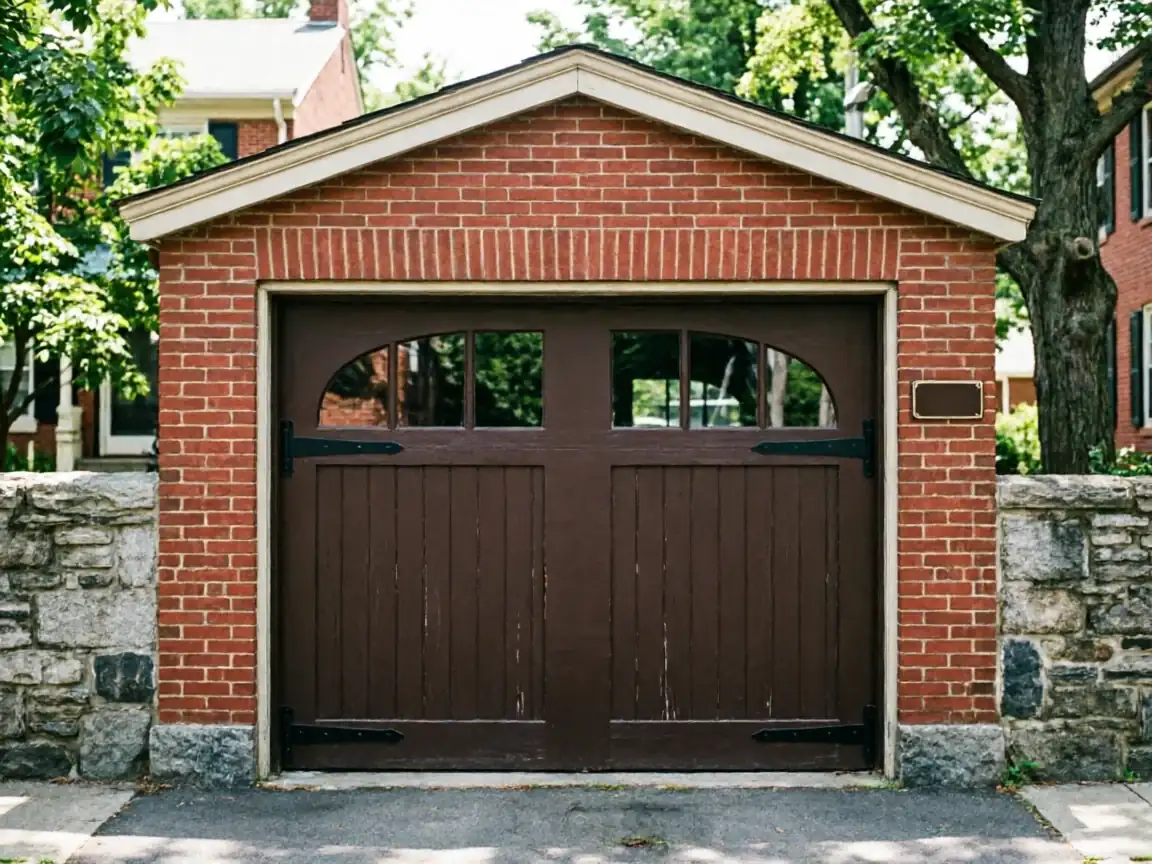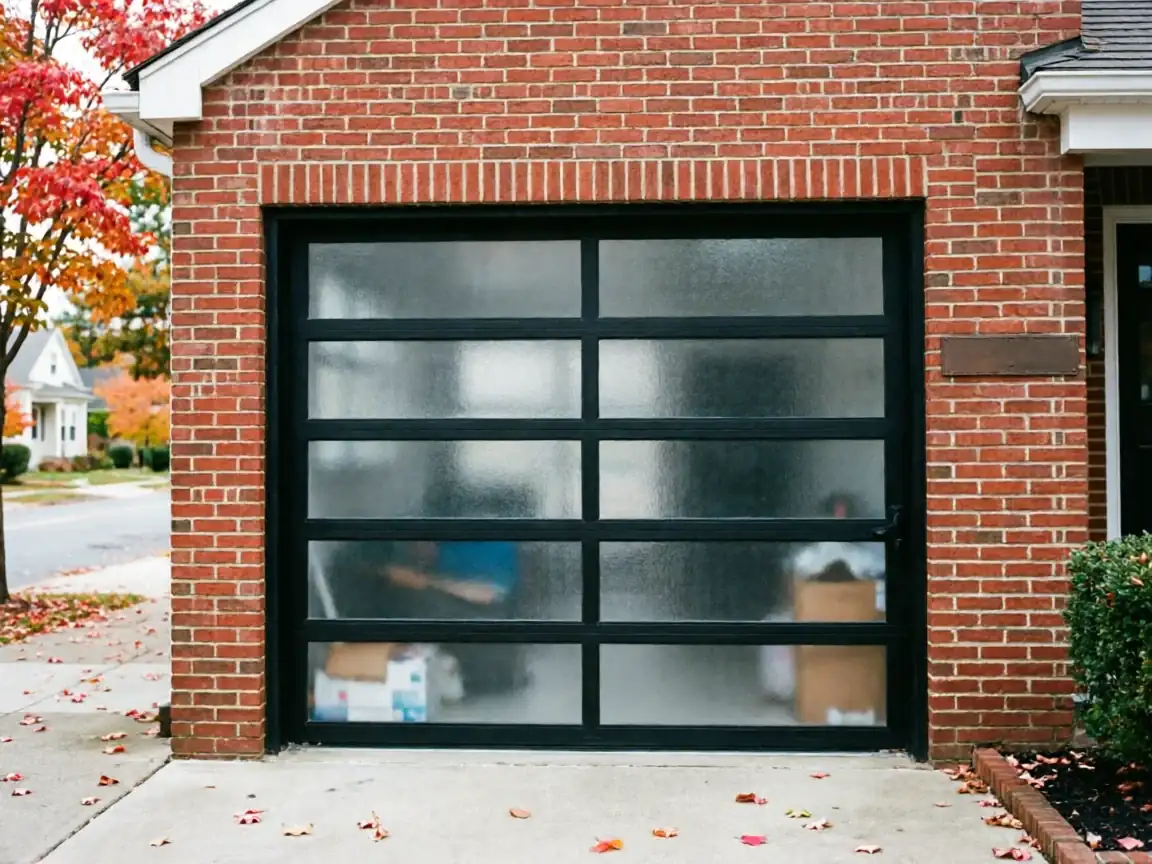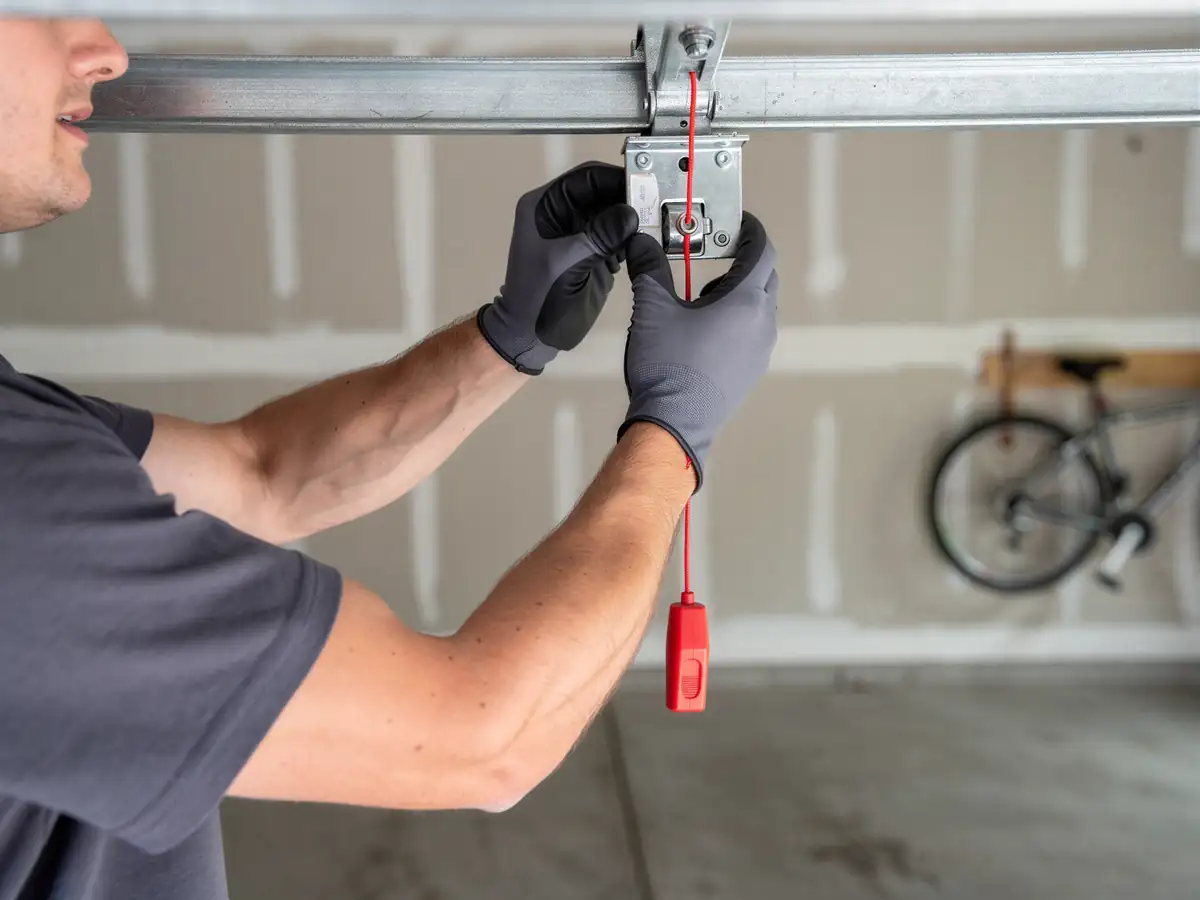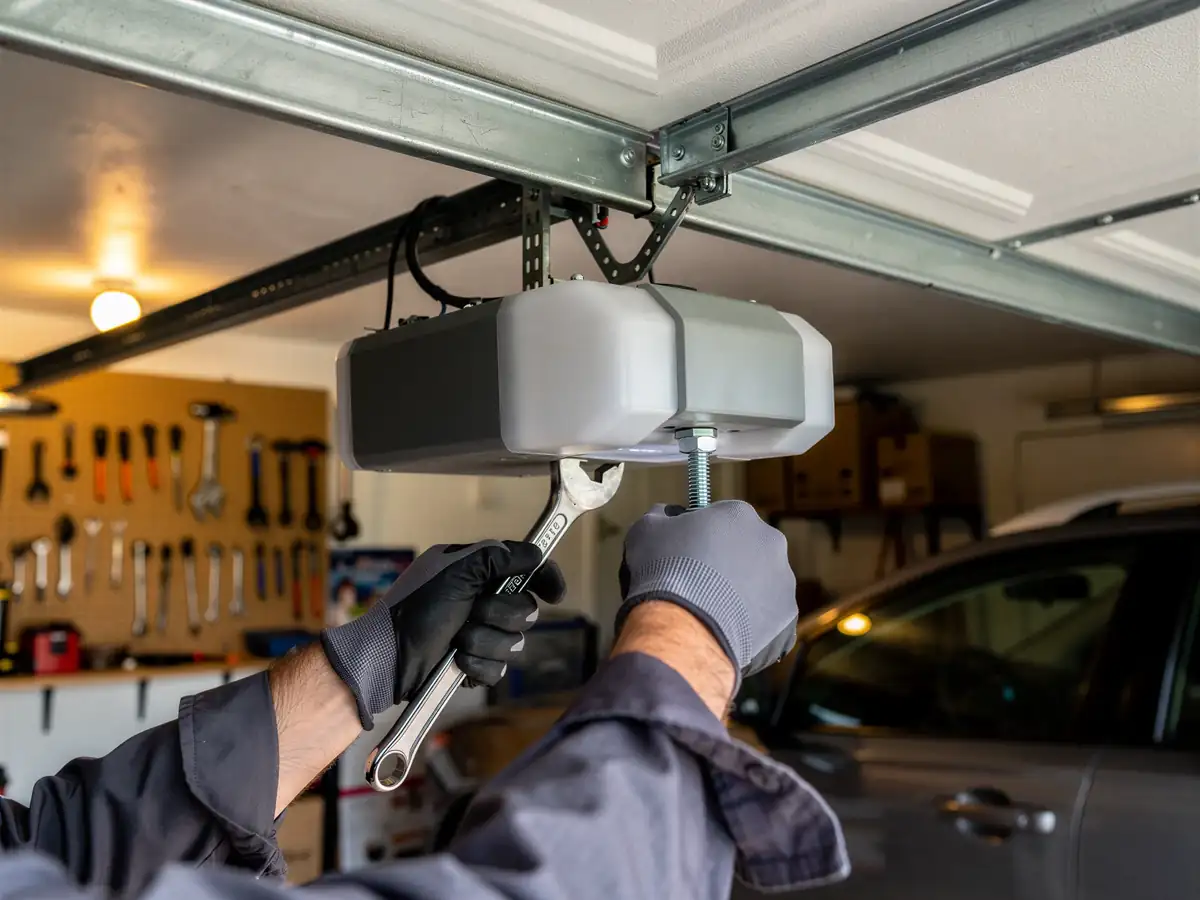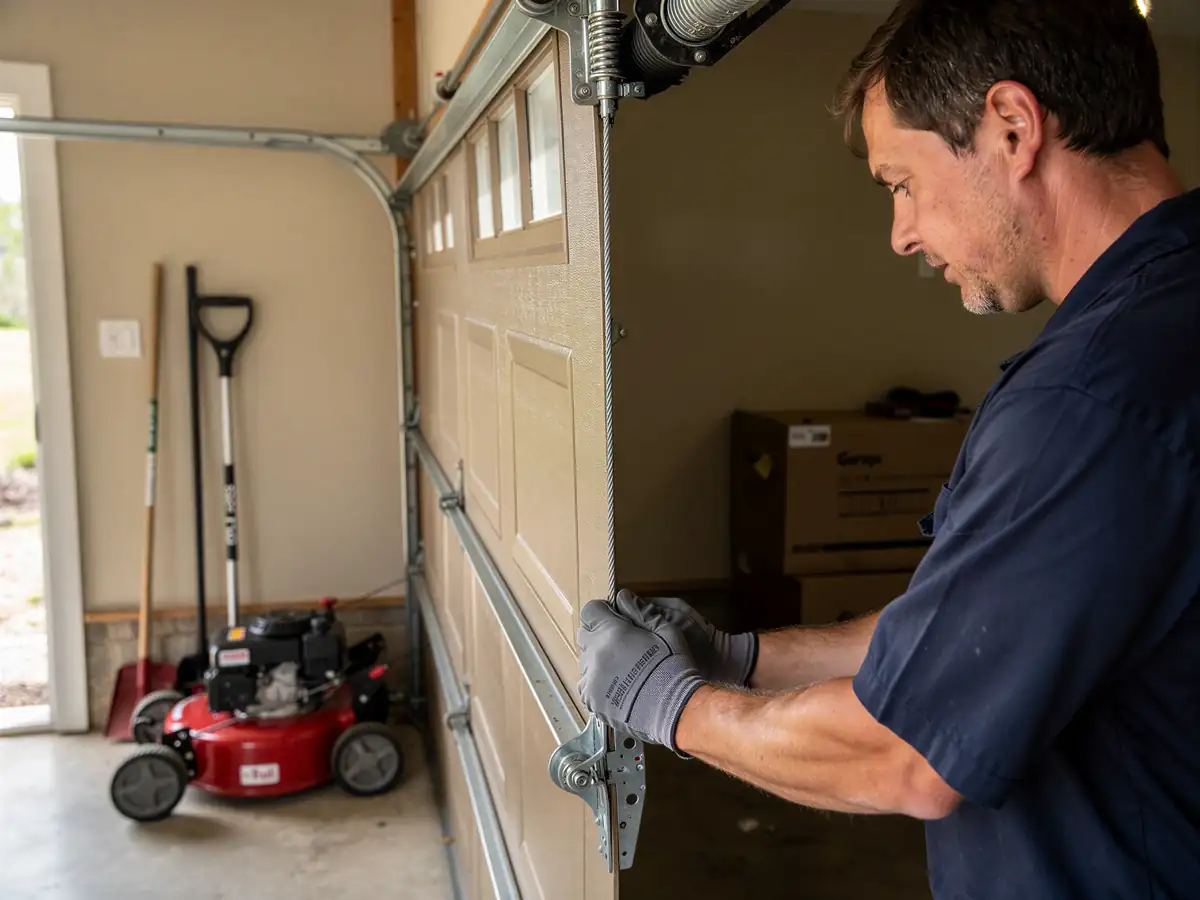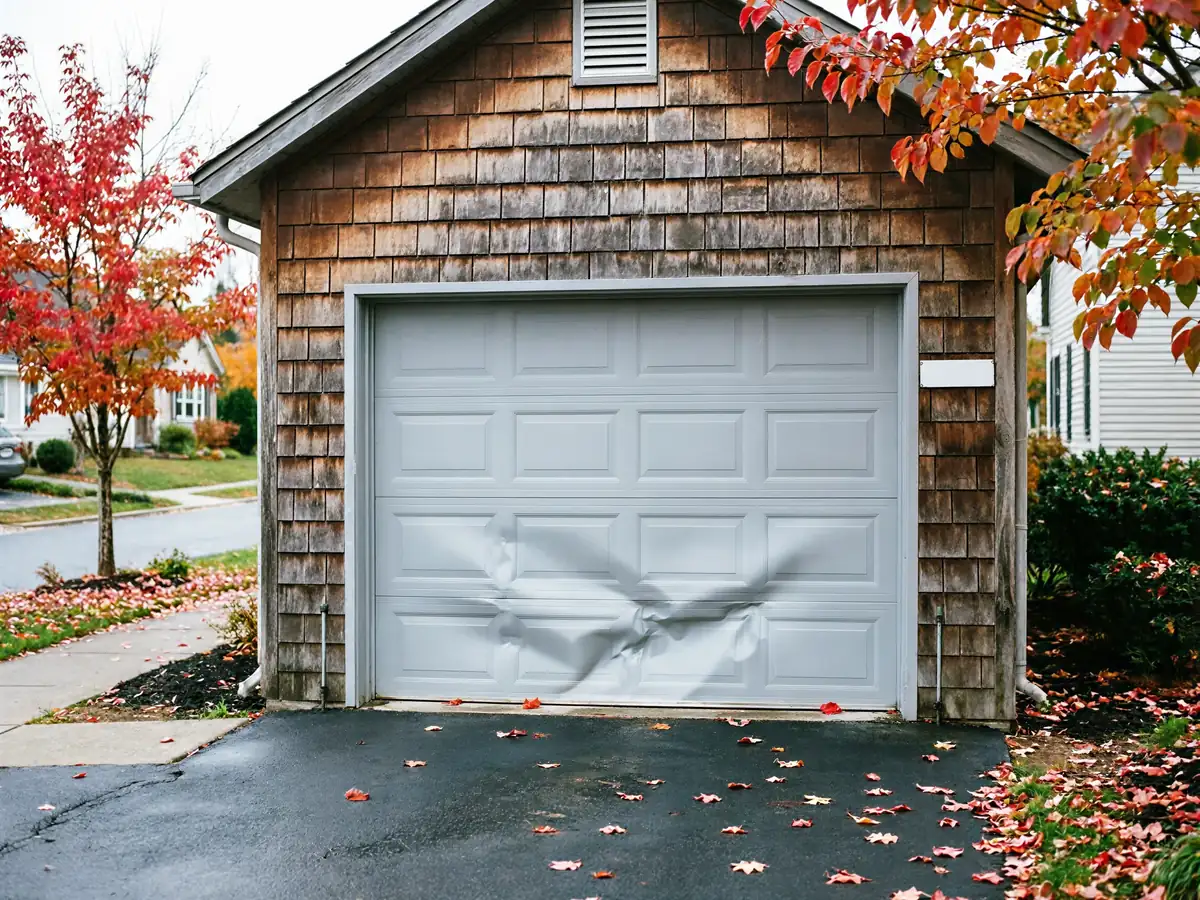
What the Fix Involves
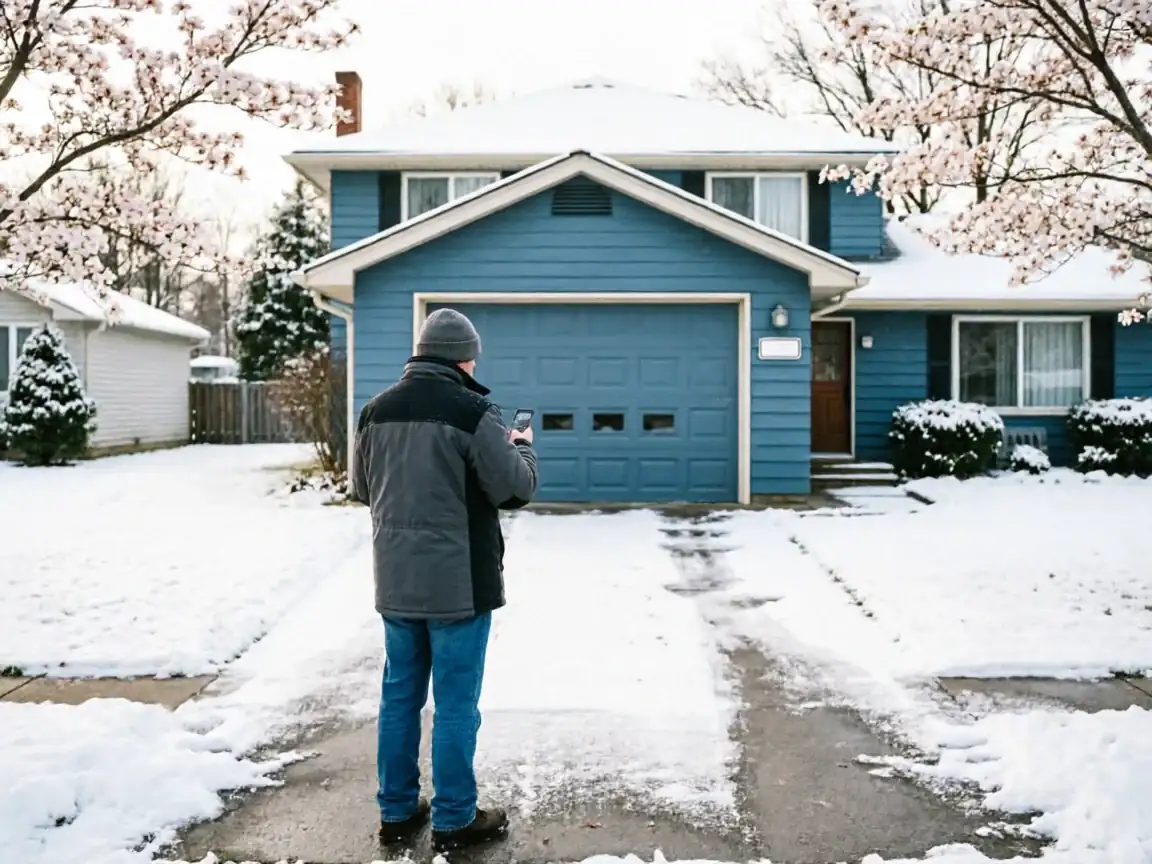
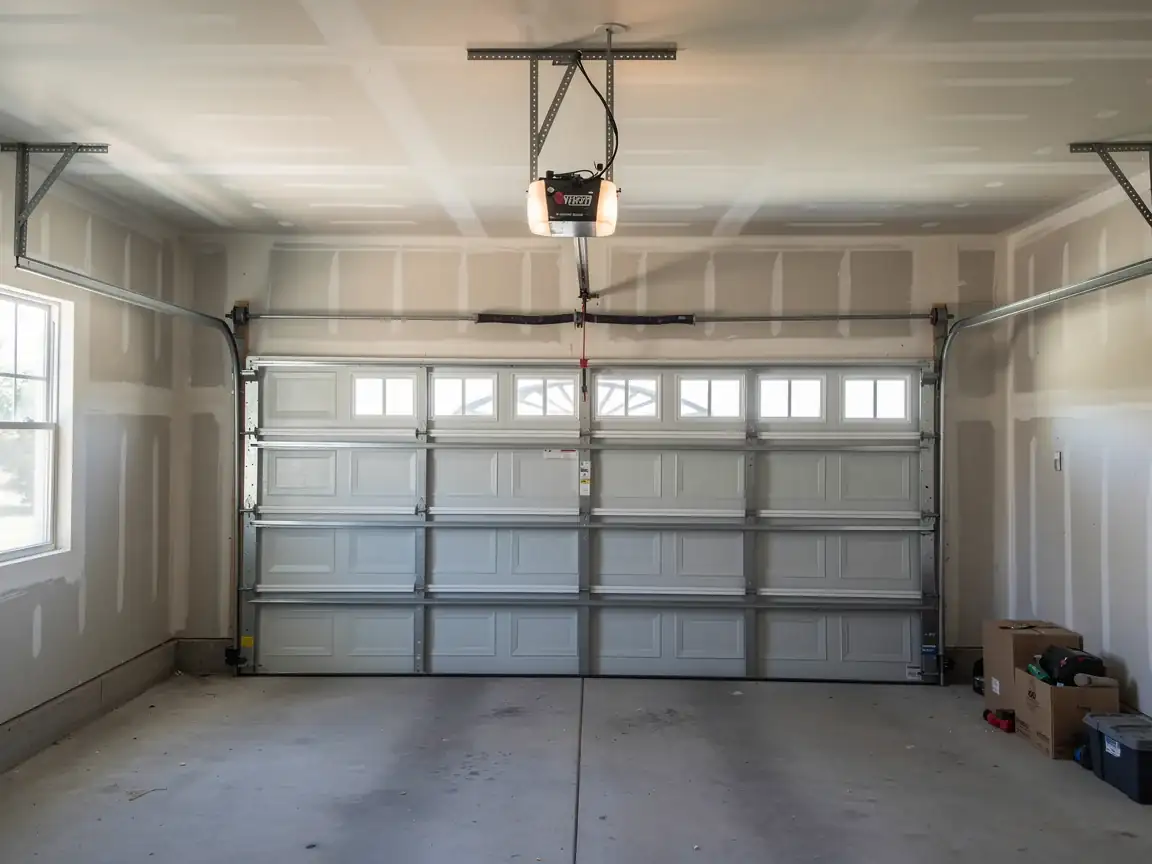
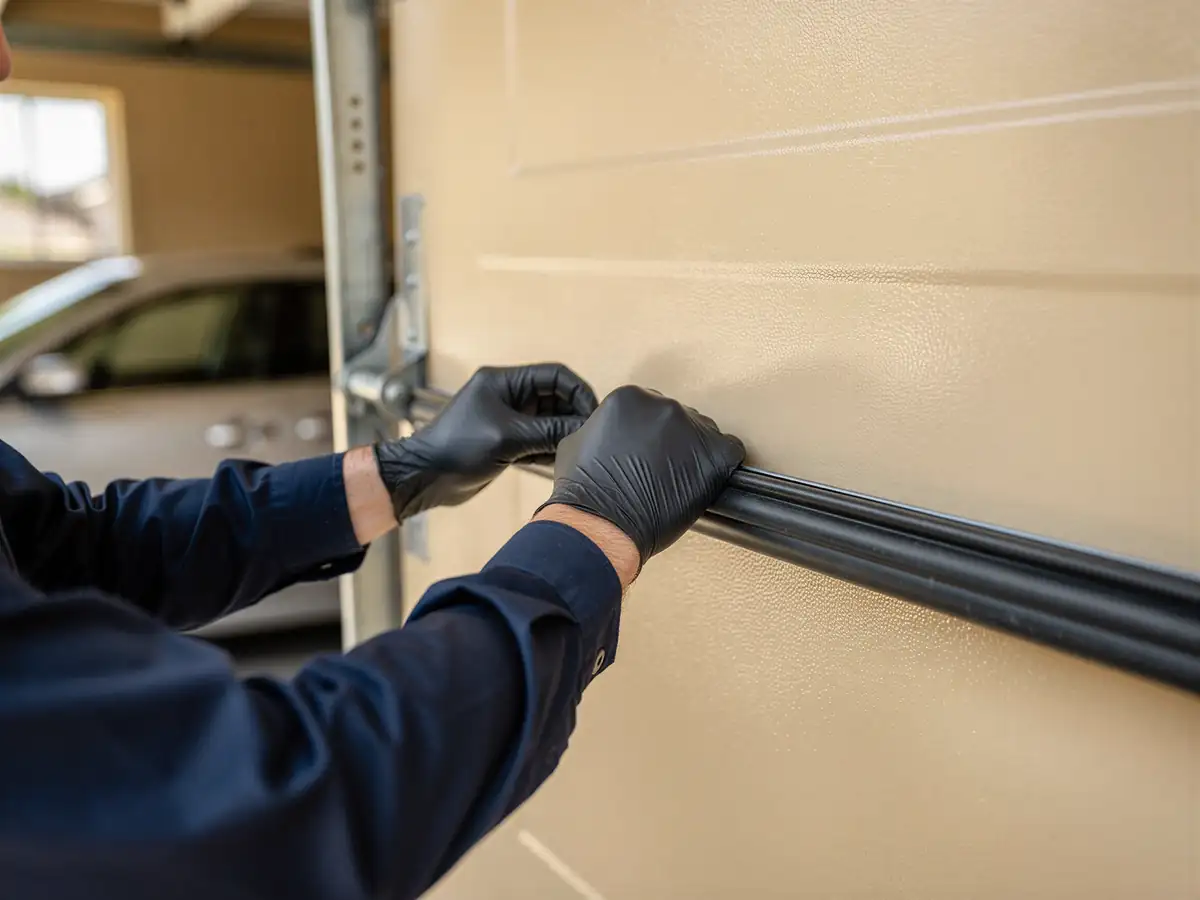
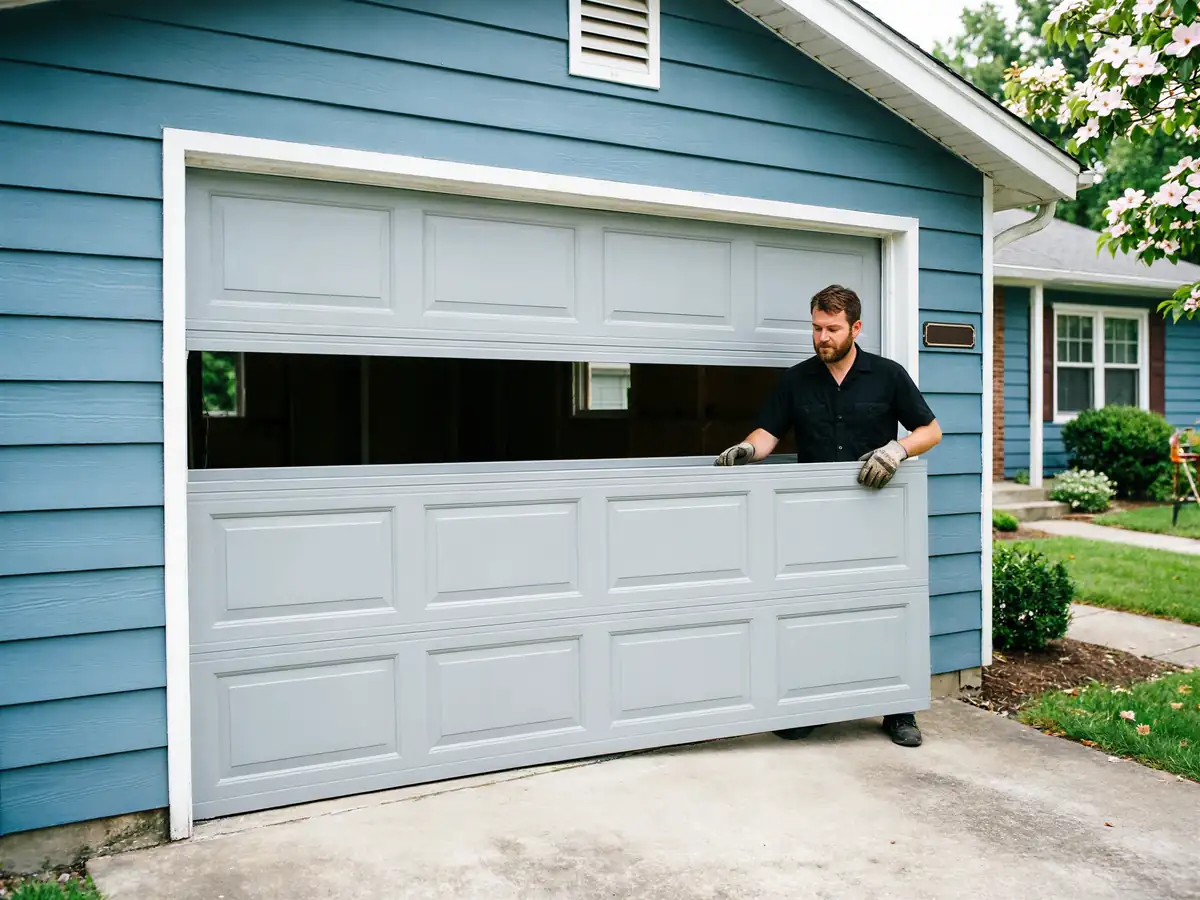
Woodbridge is an 8 mile drive from our Shelton shop, which is close enough that a new installation doesn't turn into an all-day affair, but far enough that we build the trip into one block rather than fitting it between other calls. That matters for installation jobs specifically, because a new door isn't a thirty-minute swap. We measure the opening, confirm headroom and backroom clearance, and bring the correct track radius and spring size on the truck the first time, since a second trip for the wrong part costs the homeowner the whole afternoon.
Most of what we install here replaces an original door, not a door that's been swapped once already. The median home in Woodbridge went up around 1967, which puts a lot of openings on framing and jamb depth that newer pre-hung door kits don't always match without an adapter. We check that before we quote, not after we've loaded the door onto the truck.
We don't install the cheapest big-box door line just because it's in stock somewhere. For this climate band, we steer people toward doors rated for the cold-and-heavy-snow load this region sees, which is a different spec sheet than what sells in a milder state.
Why This Fails Locally
A door built to a generic national spec doesn't account for two things that matter here: the age of the opening it's going into, and the winter load it has to survive once it's in. With a median build year around 1967, Woodbridge openings were framed for doors and hardware that predate today's insulated panel standards. Drop in a modern door without checking jamb depth and track clearance, and you get a door that doesn't seat square, which shows up a year later as a gap at the bottom corner or a track that binds in cold weather.
The region sits in a severe cold climate band, which changes what 'new door' should mean here. A single-layer door with no thermal break will do the job in October and bind or sag by January once the steel contracts. We size installations around that, not around whatever's cheapest to stock. It's a small spec difference on paper and a real difference in February.
What Can Go Wrong
The most common surprise on an older Woodbridge opening is framing that's slightly out of square after fifty-plus years of settling
A new door hung without correcting for that will look fine going in and then rub a track rail or fail to seal evenly within a season. We check square before we set the tracks, not after.
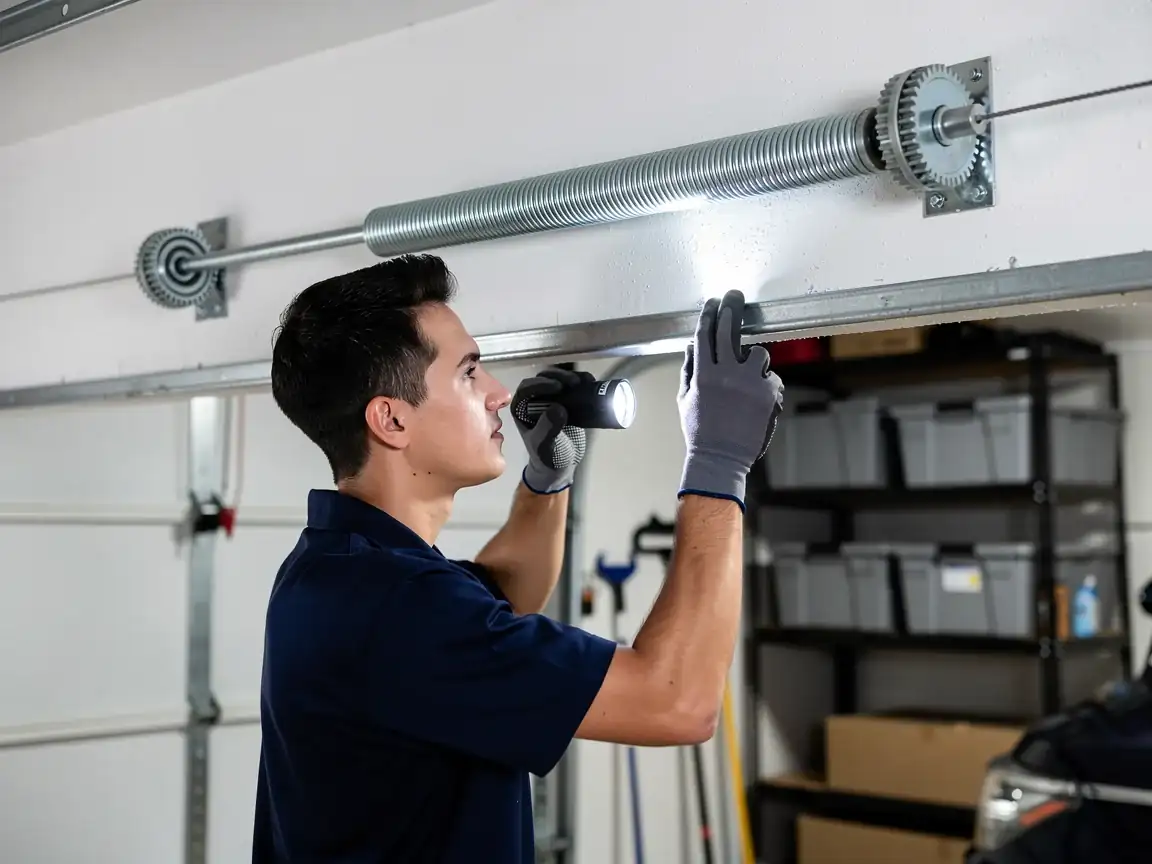
The other issue is springs sized for the wrong door weight
A heavier insulated door needs a heavier torsion spring than the single-layer door it's replacing. Reuse the old spring to save a step, and you get an opener straining against a door it can't fully lift, which burns out the opener motor faster than the door itself wears out.
We'll also say plainly where a new door isn't the right call
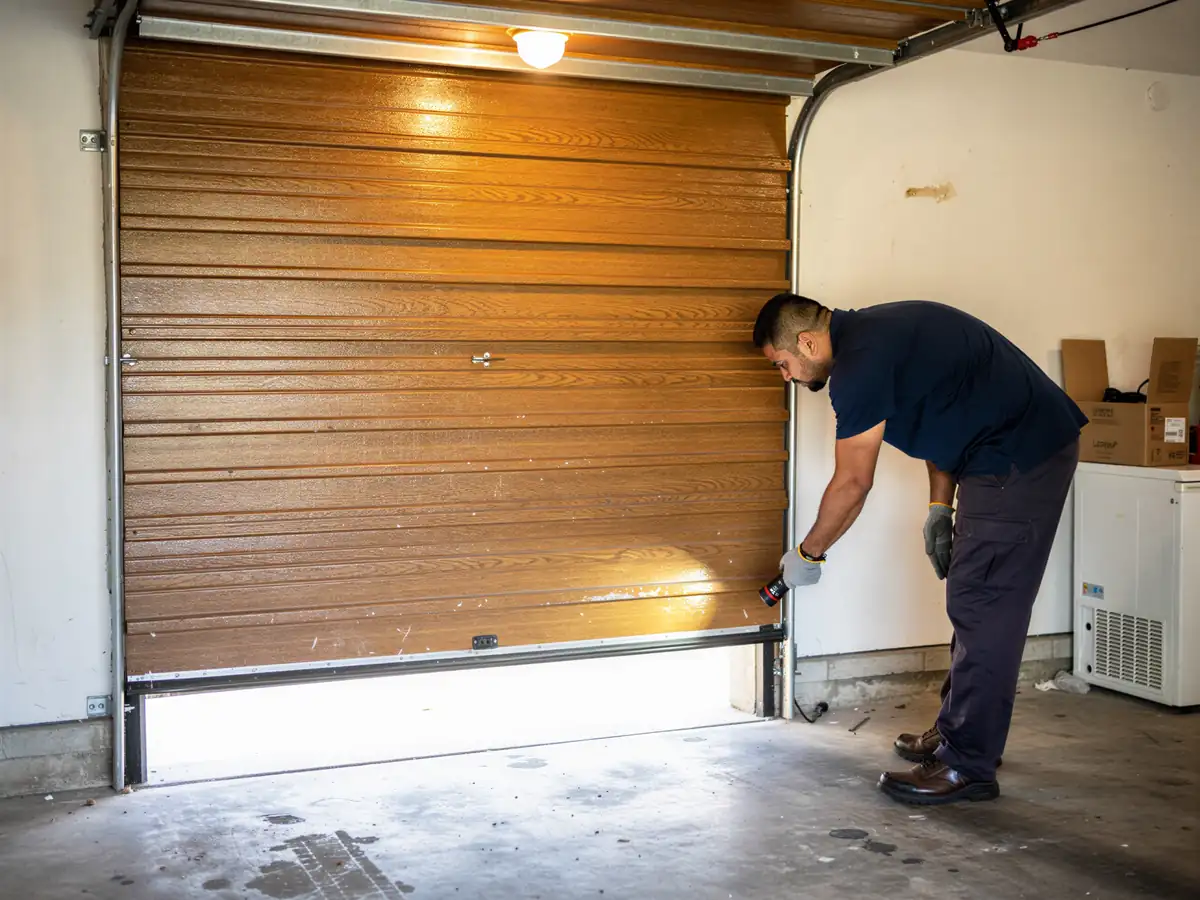
If the opening itself is sound and the issue is a worn spring, cable, or roller, replacing the whole door is money spent on parts that didn't need replacing. We'll tell you when a repair is the better call, even on an installation visit.
How Long It Takes
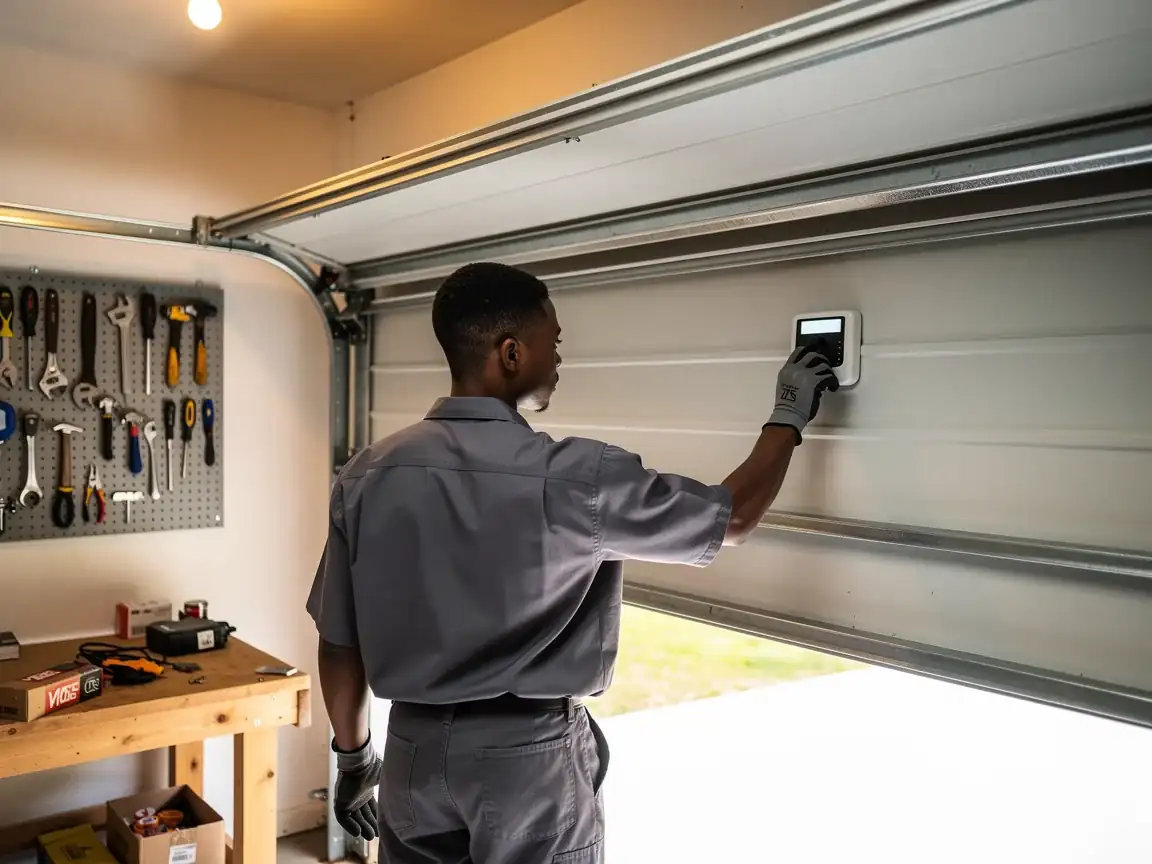
We don't post a fixed hour count because every opening is different, but the factors that actually move the clock are framing condition, whether the old door and track come out clean, and whether the opener needs replacing alongside the door. An opening that's held its shape since 1967 with no rot or settling goes faster than one that needs jamb work first. We flag that during the measurement visit, before the install day, so there's no surprise when the crew is on site.
Parts We Carry
We stock standard torsion spring sizes, common track hardware, and panel doors suited to this region's cold-climate load rating, so most installations don't wait on a special order. Where we do run into a wait is on less common door widths or custom panel finishes that aren't kept in regular stock anywhere nearby. If a homeowner wants a nonstandard size, we'll say so up front rather than quote a date we can't hold.