What the Fix Involves
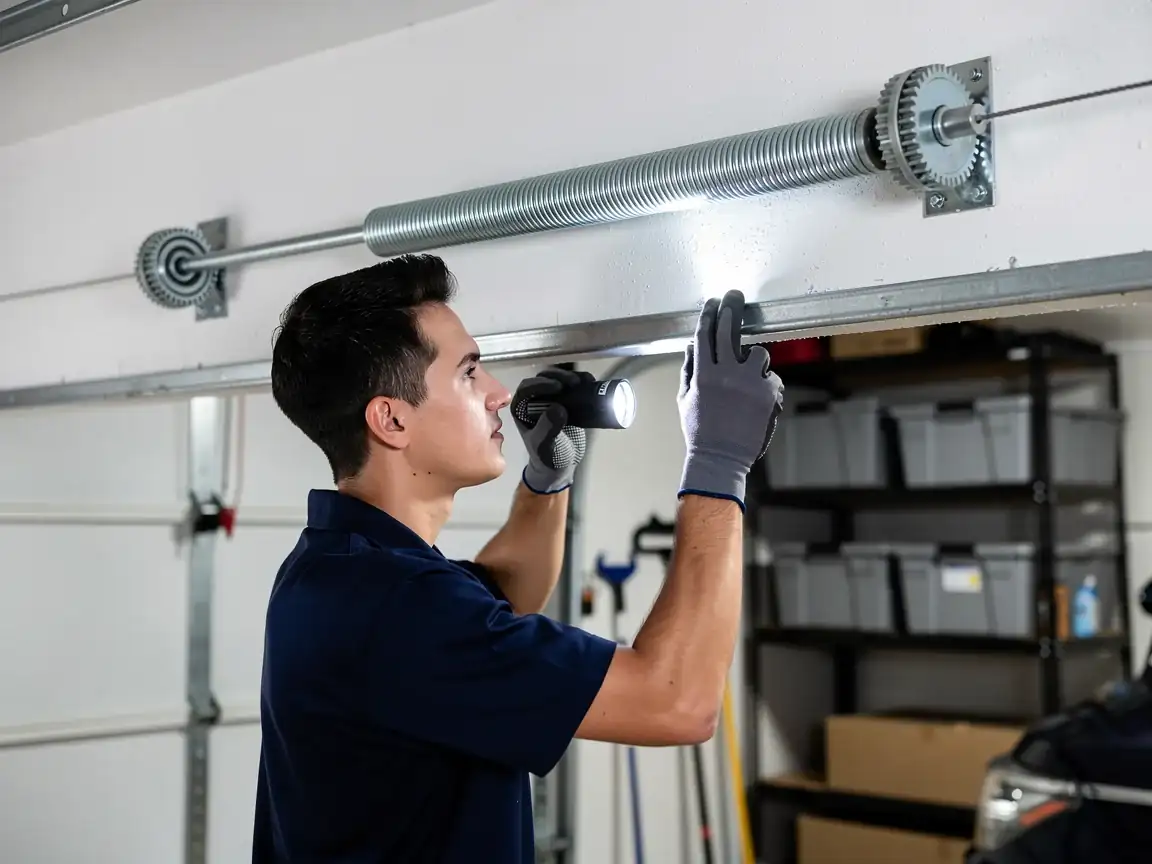
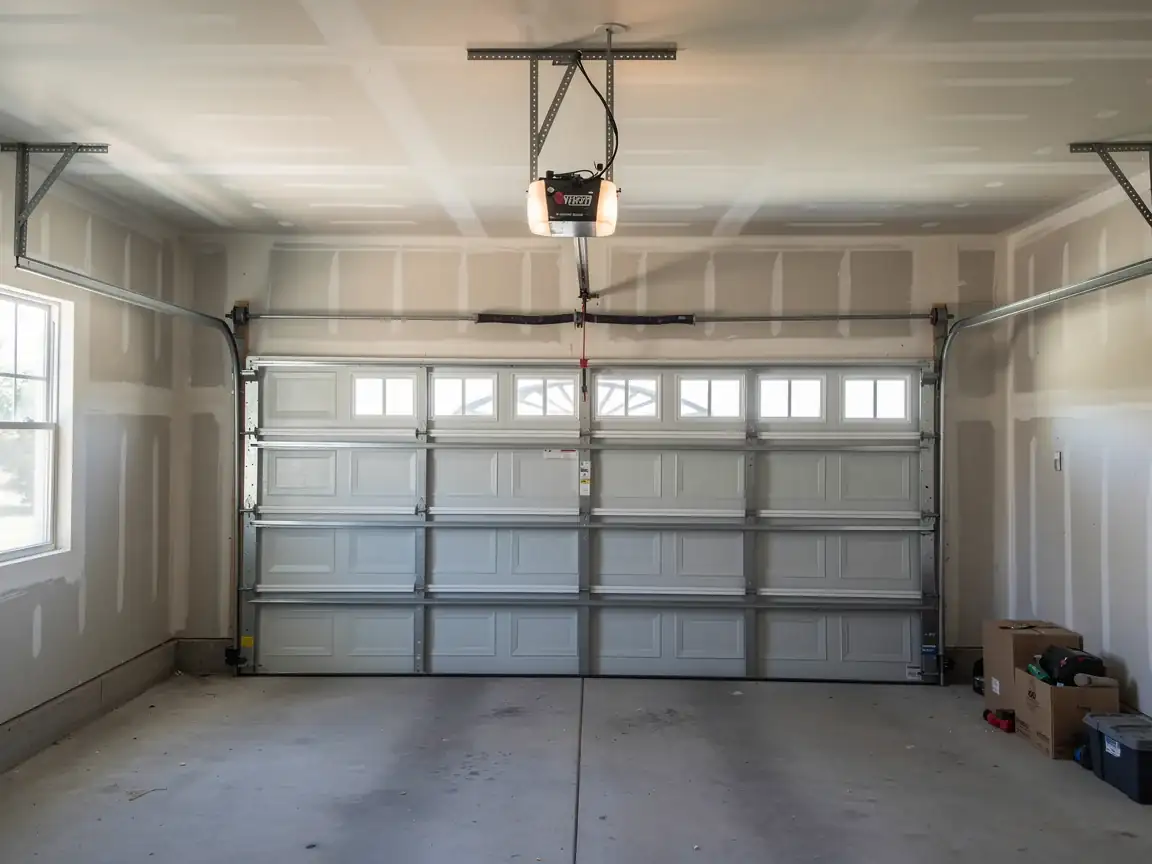
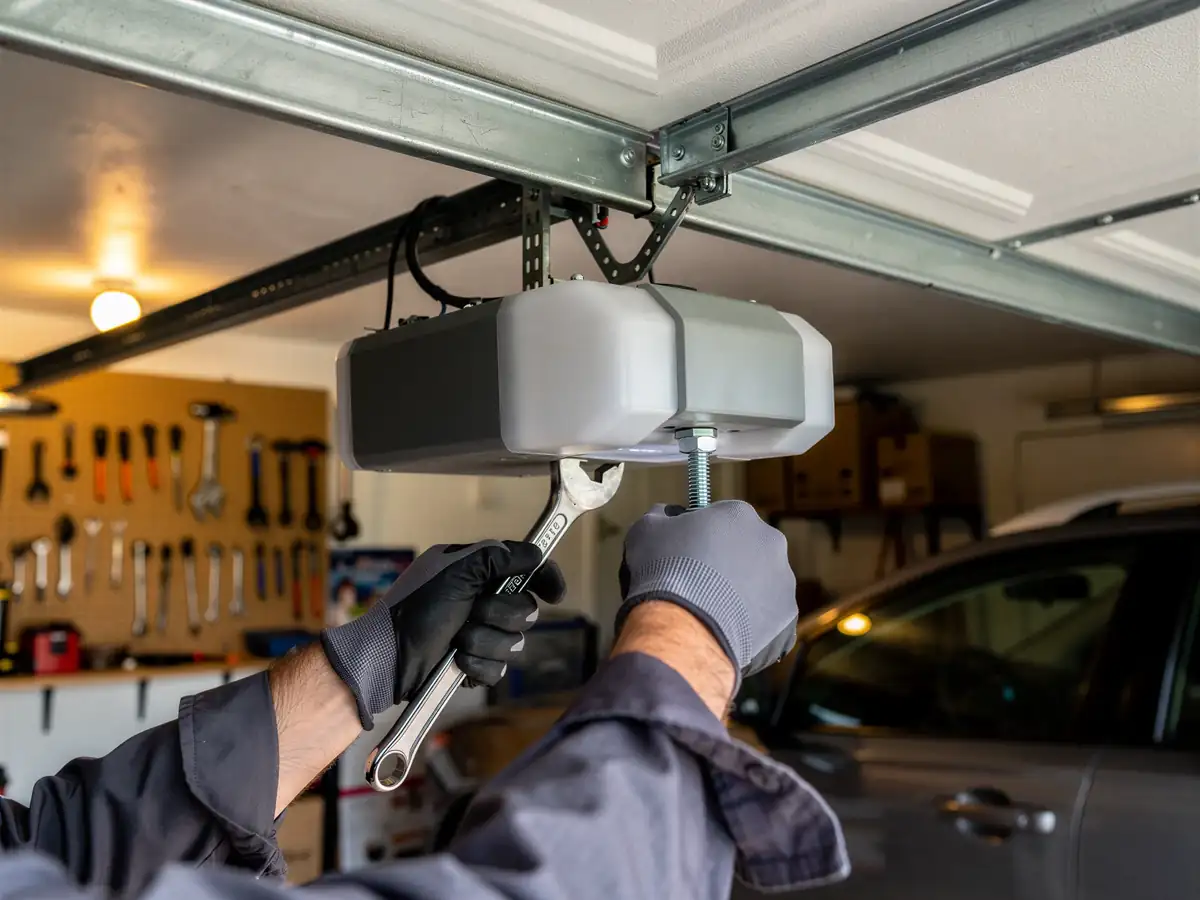
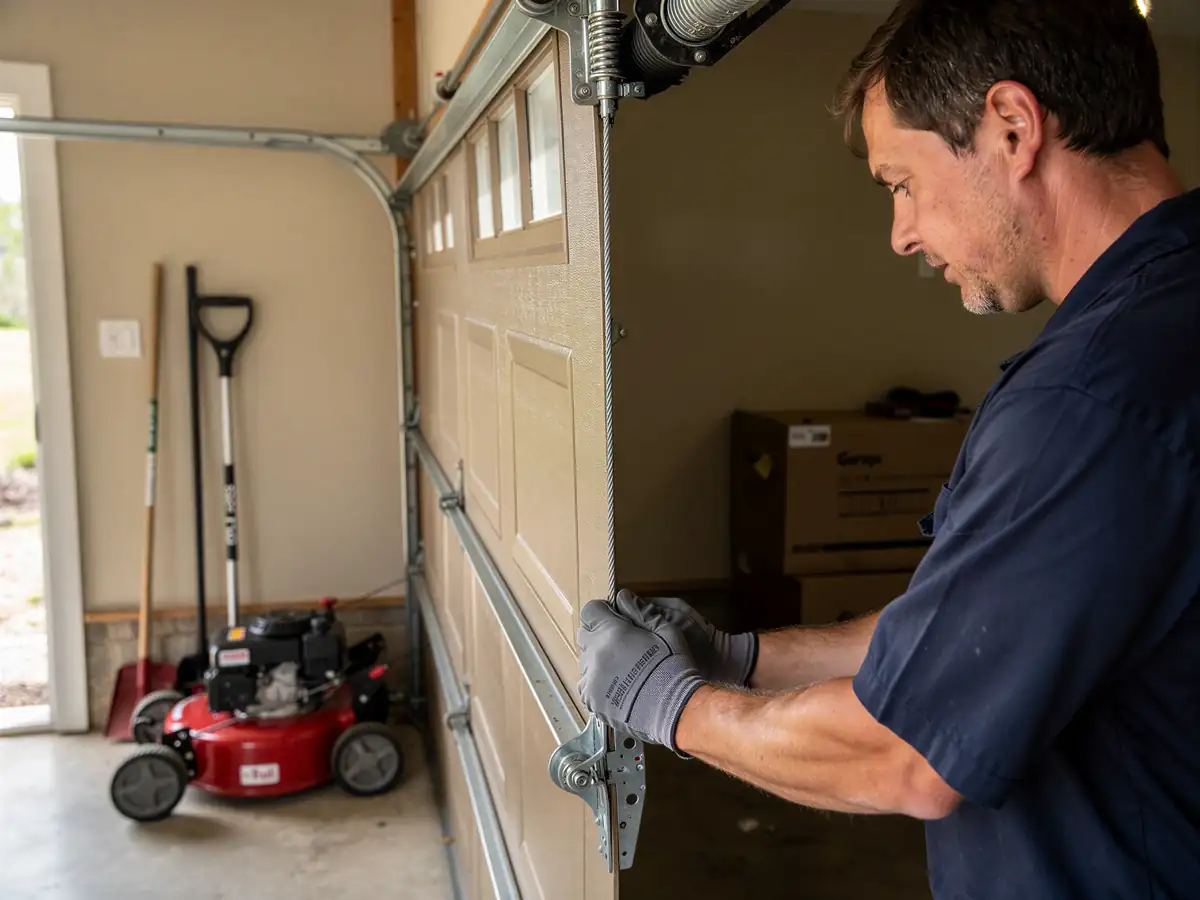
Woodbridge's housing stock centers on a median build year of 1967, which puts most garage doors here squarely in the first or second generation of residential torsion hardware. Doors from that era were usually hung on single torsion springs sized for lighter wood panel doors, not the heavier insulated steel doors a lot of owners have swapped in since. When we get a call out here, the fix often starts with checking whether the spring on the wall is still rated for what's actually hanging on the track, because a lot of replacement doors went in over the decades without anyone recalculating spring wind. We also check the track gauge - older Woodbridge installs commonly used a lighter track that was fine for the original door weight but flexes under a heavier retrofit. Fixing the symptom (a door that reverses, or a spring that snapped) without checking the mismatch just buys you a repeat call in a year or two. We travel out from our Shelton base, about 8 miles away, to do this work, so a visit here is scheduled, not a drop-in.
Why This Fails Locally
Connecticut's winters put real load on garage door hardware - the cold-severe climate band this area sits in means steel contracts, lubricant stiffens, and torsion springs that were already undersized for a heavier door are more likely to snap on a cold morning than a mild one. In a town like Woodbridge, where the median home dates to 1967 and plenty of original doors have since been swapped for heavier insulated units, that combination of an aging spring and a winter cold snap is the most common failure pattern we see. It's not a Woodbridge-specific defect, it's physics acting on a specific age of hardware that's common here. Households in this area report a median income of $201,926, well above the roughly $130,180 median across the wider service area, and we mention that only because it tends to mean owners replace doors with heavier, better-insulated units sooner - which is exactly the kind of upgrade that outpaces the original spring sizing if nobody checks it.
How Long It Takes
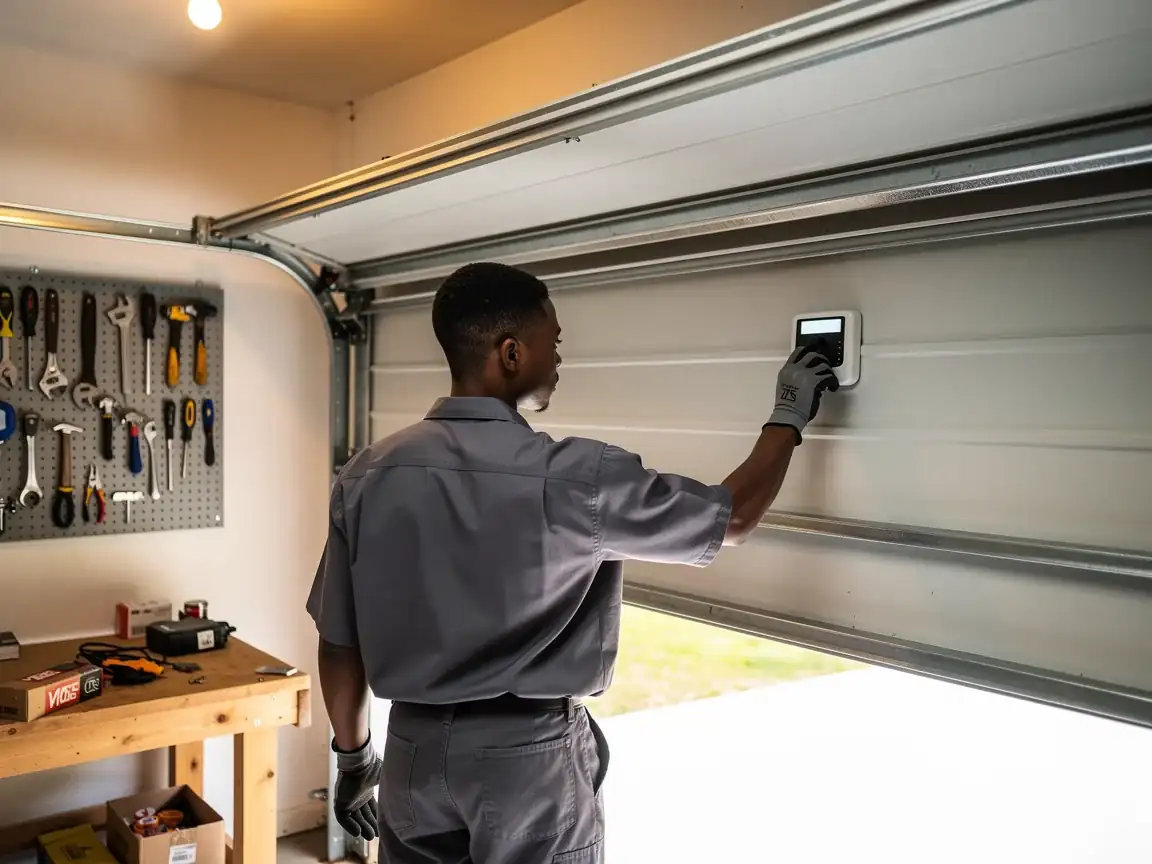
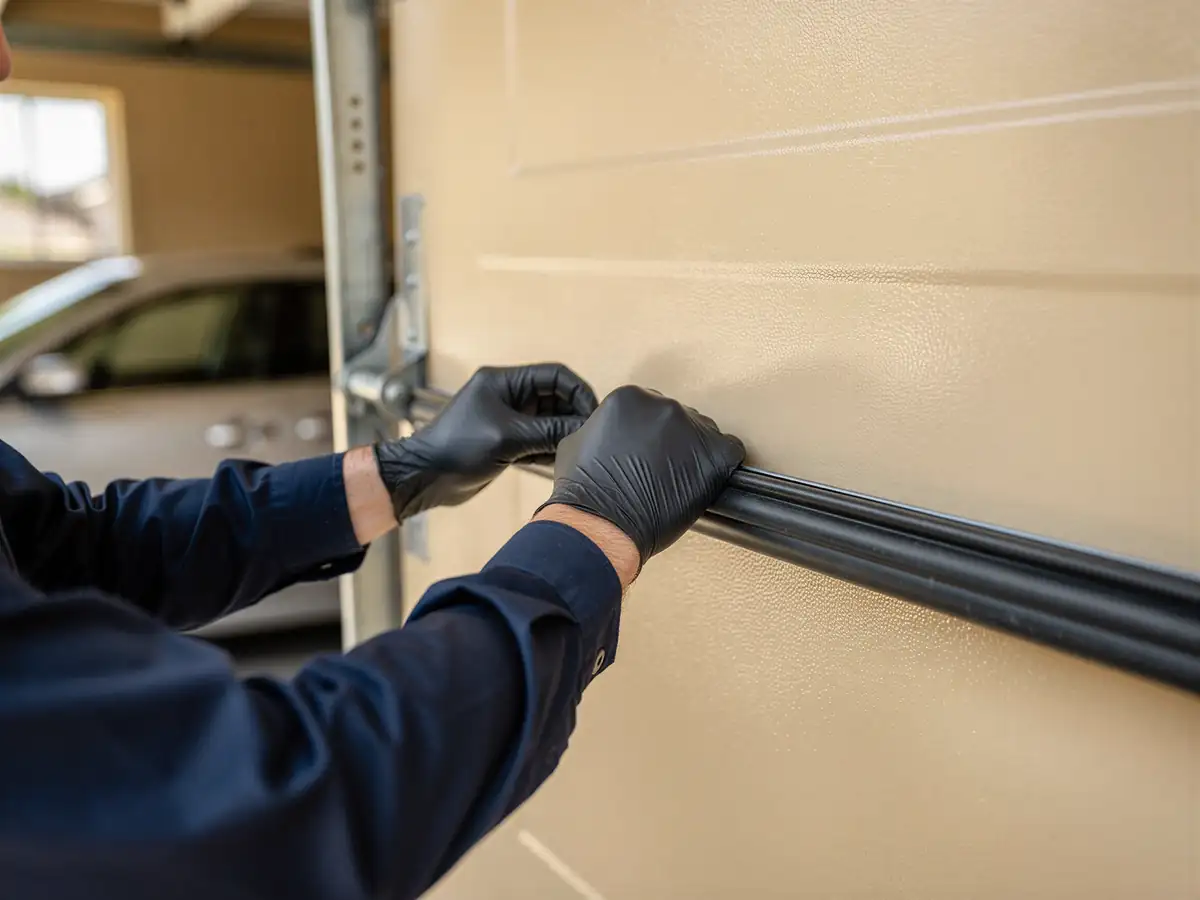
Most spring and cable jobs on a single door run under two hours once we're on site, parts in hand. Track and roller replacement on an older system - the kind still common on Woodbridge homes from the 1967 era - can take longer if the track itself needs re-squaring rather than just a roller swap. Because we're coming from Shelton, about 8 miles out, we schedule the visit rather than offering a same-hour drop-in, so plan for a booked appointment rather than a walk-up call. One honest limitation: if a spring has been mismatched to a heavier door for years, sometimes the drum and shaft show wear that isn't obvious until we're partway into the job, and that can add time we can't fully quote over the phone.
Parts We Carry
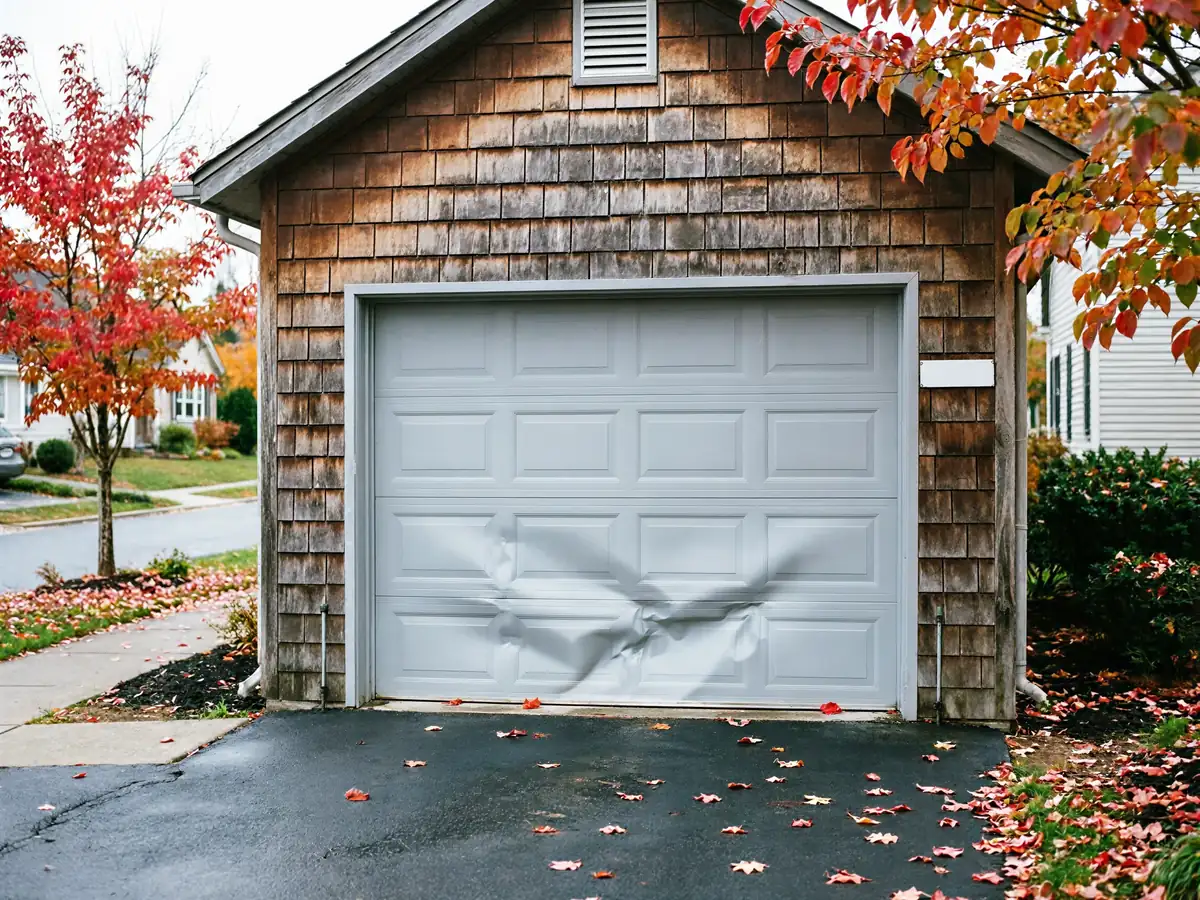
We stock torsion springs in a range of wind sizes, because the mismatch between an original-era spring and a later heavier door is so common on homes built around 1967 that showing up with only one spring size isn't realistic. We also carry standard-gauge track sections and both steel and nylon rollers, since a lot of Woodbridge homes from this build era still have the original steel rollers that grind the loudest and wear the track fastest. Cables and bottom brackets are routine stock items too. What we don't always carry on the truck is a specialty panel to match an older or discontinued door design - if your door is an original from the 1960s or 70s and a panel's cracked, we may need to order that piece, and we'll tell you upfront rather than guess at a same-day fix.