Parts We Carry
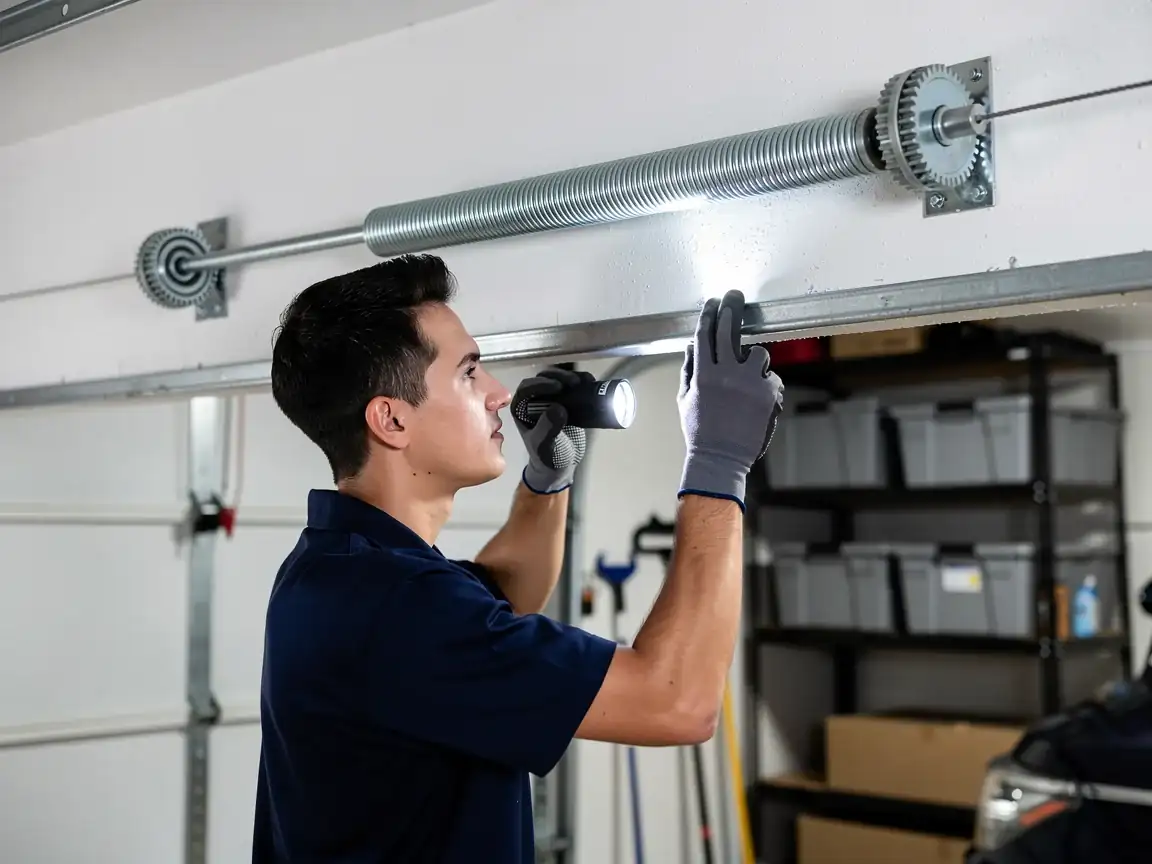
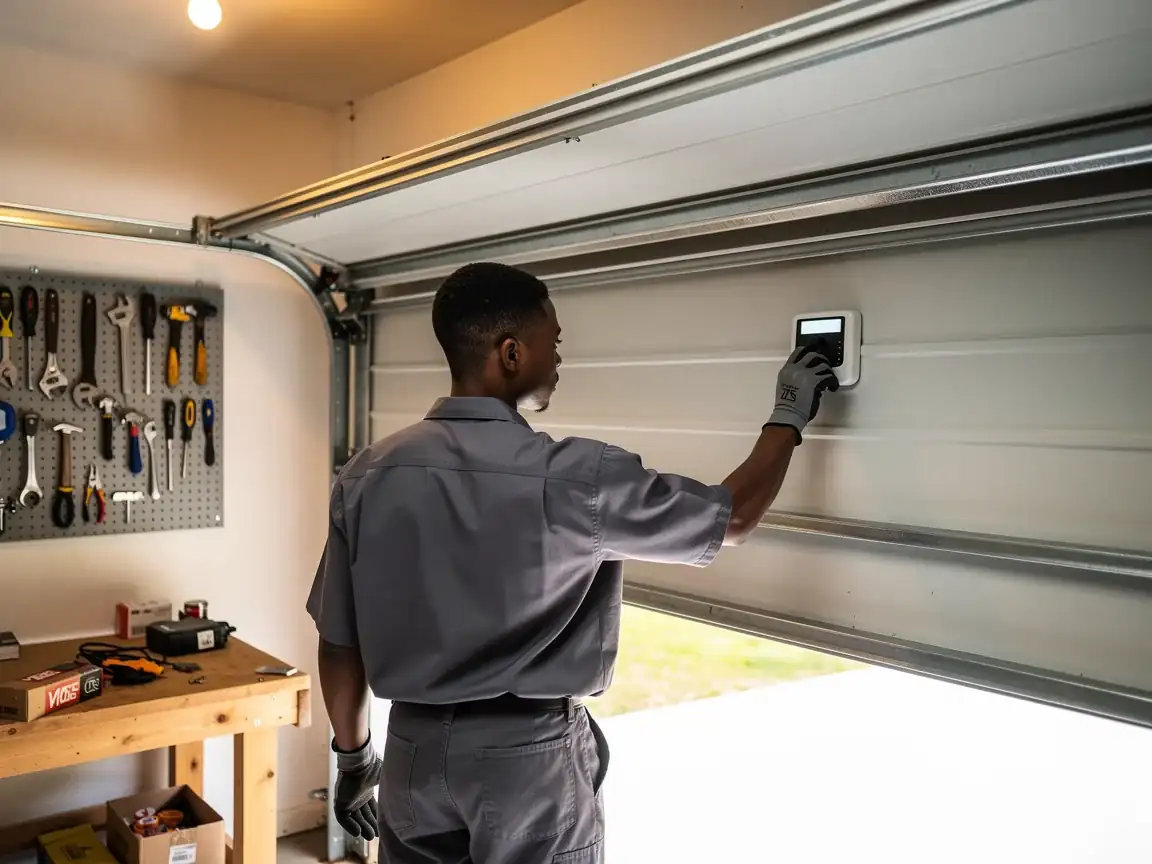
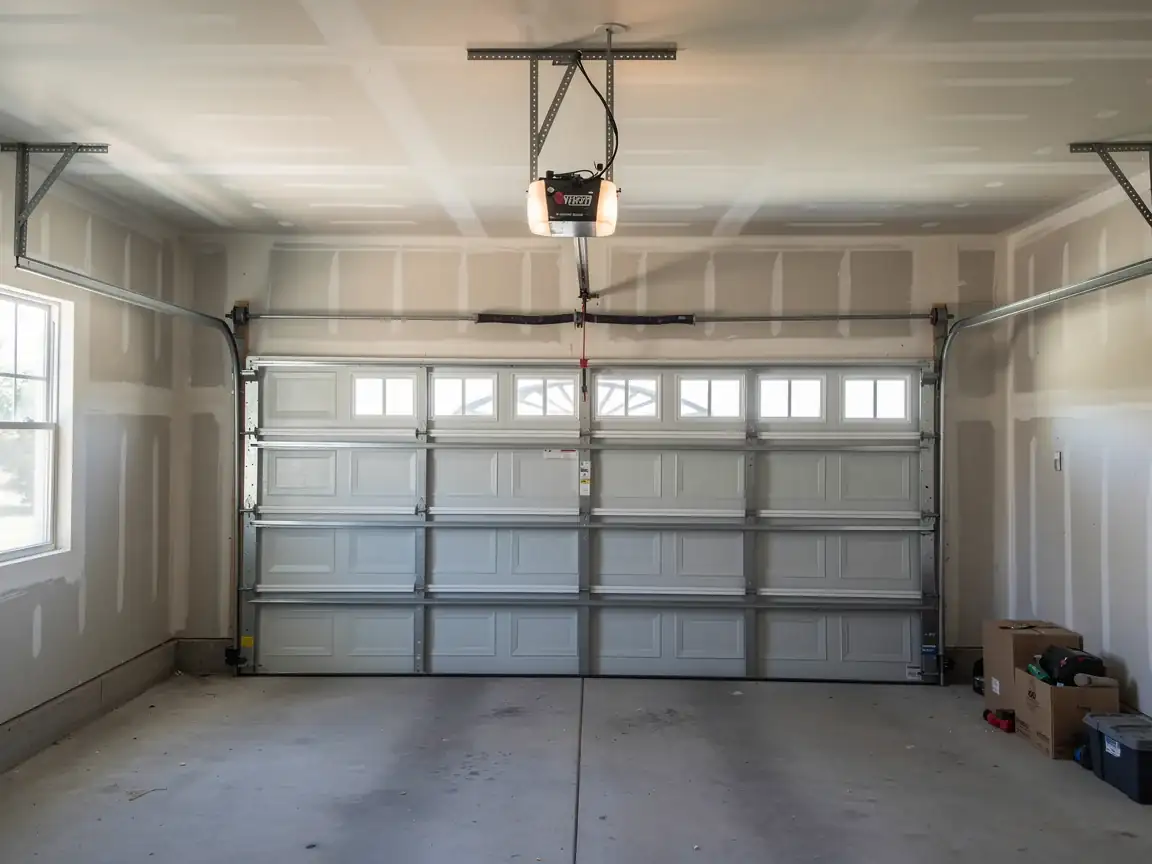
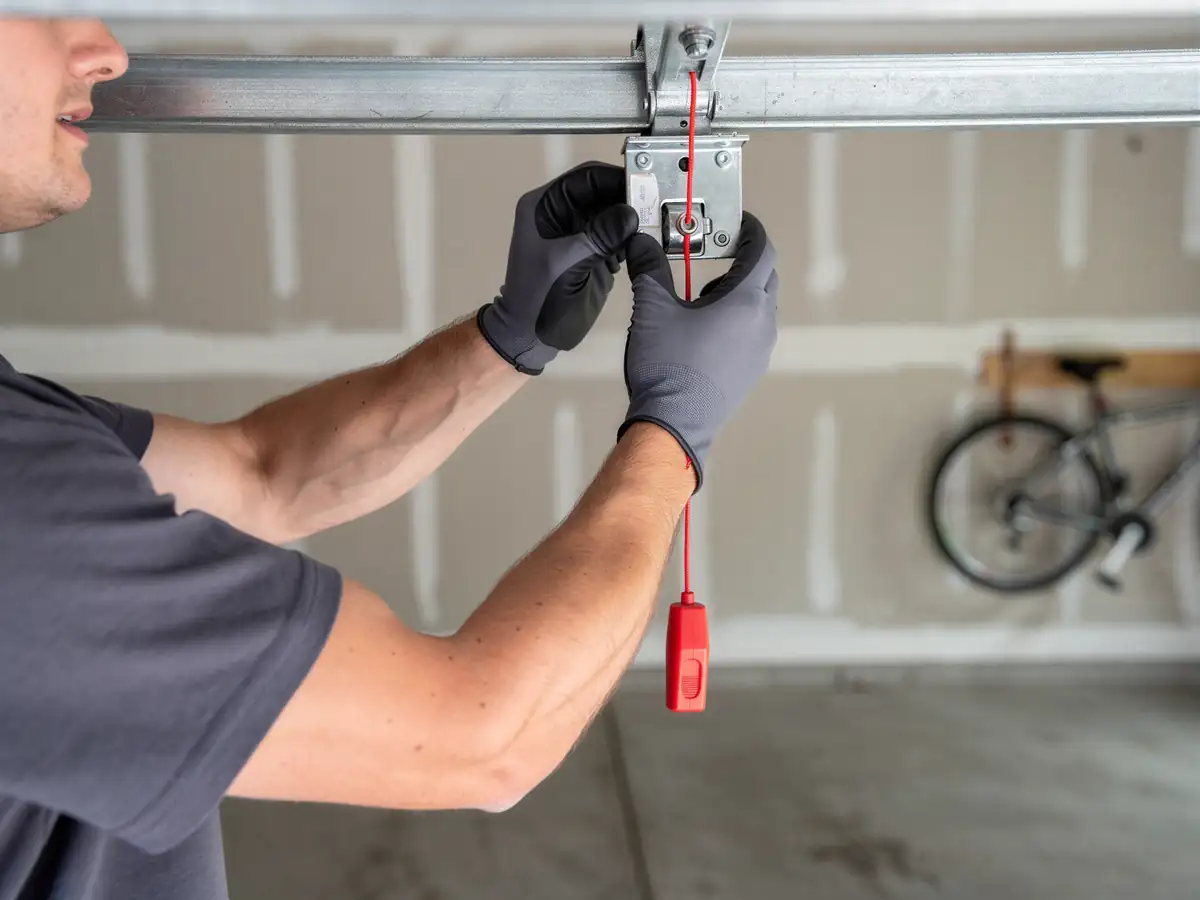
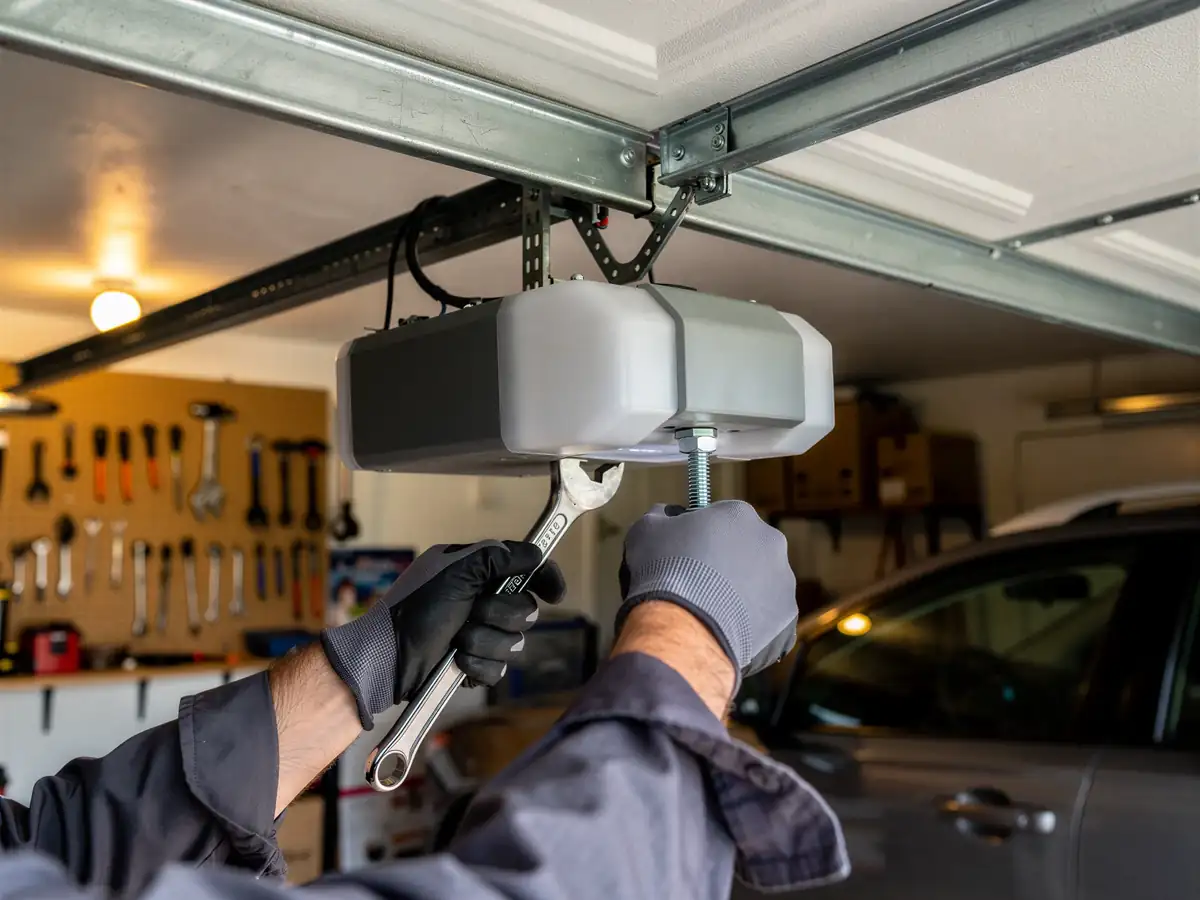
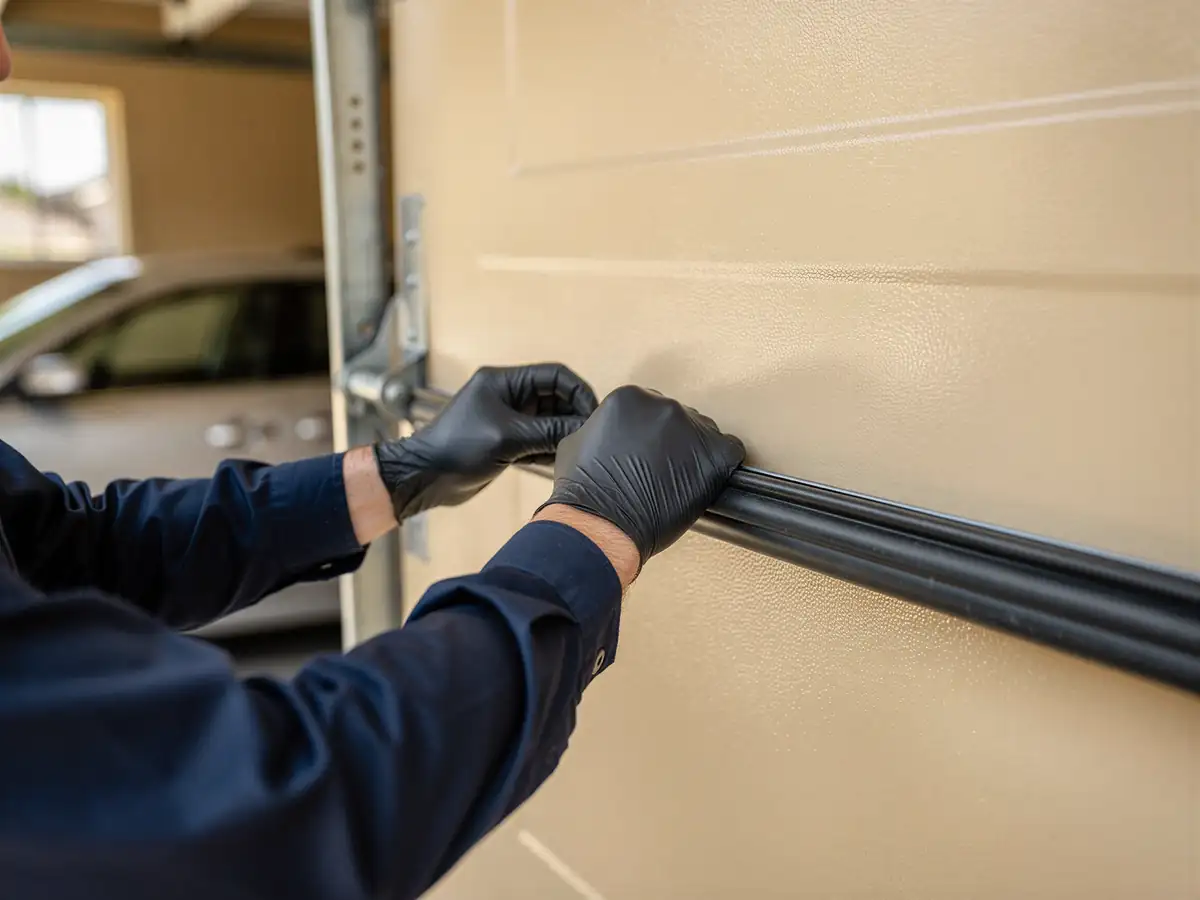
Most houses in Seymour went up with a median build year around 1972, and a lot of that original garage door hardware is still hanging where the builder left it. That means torsion springs rated for doors that are lighter than what's sold today, galvanized track sections that have never been swapped, and openers from a generation before anything had a battery backup or a safety sensor bracket that actually matches modern code. We stock springs sized for both the older standard-lift setups and the newer low-headroom kits, rollers in steel and nylon, and cable in the gauges that fit pre-1980 drums as well as current ones. If your opener is original to the house, we carry replacement units outright rather than hunting for parts that stopped being made decades ago - trying to match a 50-year-old gear-drive opener piece for piece usually costs more than it's worth. We bring what a 1972-era door typically needs on the truck from Shelton, 6 miles out, so most jobs don't need a second trip for parts.
What You Pay
Seymour's median household income runs about $103,682, noticeably lower than the wider Shelton service area average, and that's part of why we don't push full replacement on a door that just needs a spring or a section of track. A broken torsion spring, a bent roller track, or a worn cable are common failures on hardware this old, and those are repair jobs, not replacement jobs. Where it gets expensive is when the drum or the torsion tube itself has corroded - not rare with a house this far into its life in a cold climate - and at that point patching one part just means you're back out here next winter for the next one. We'll tell you straight when a repair is the better math and when it isn't, instead of defaulting to the bigger invoice.
What the Fix Involves
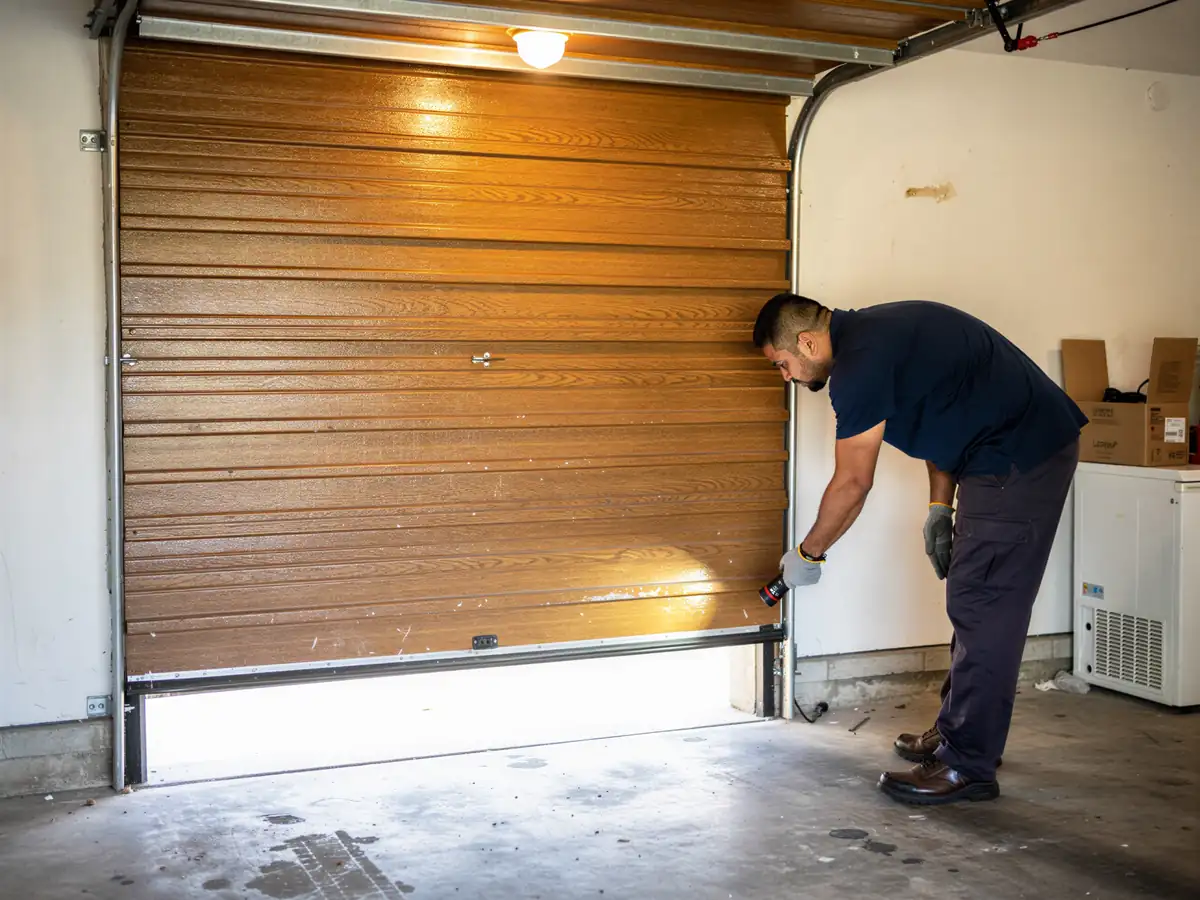
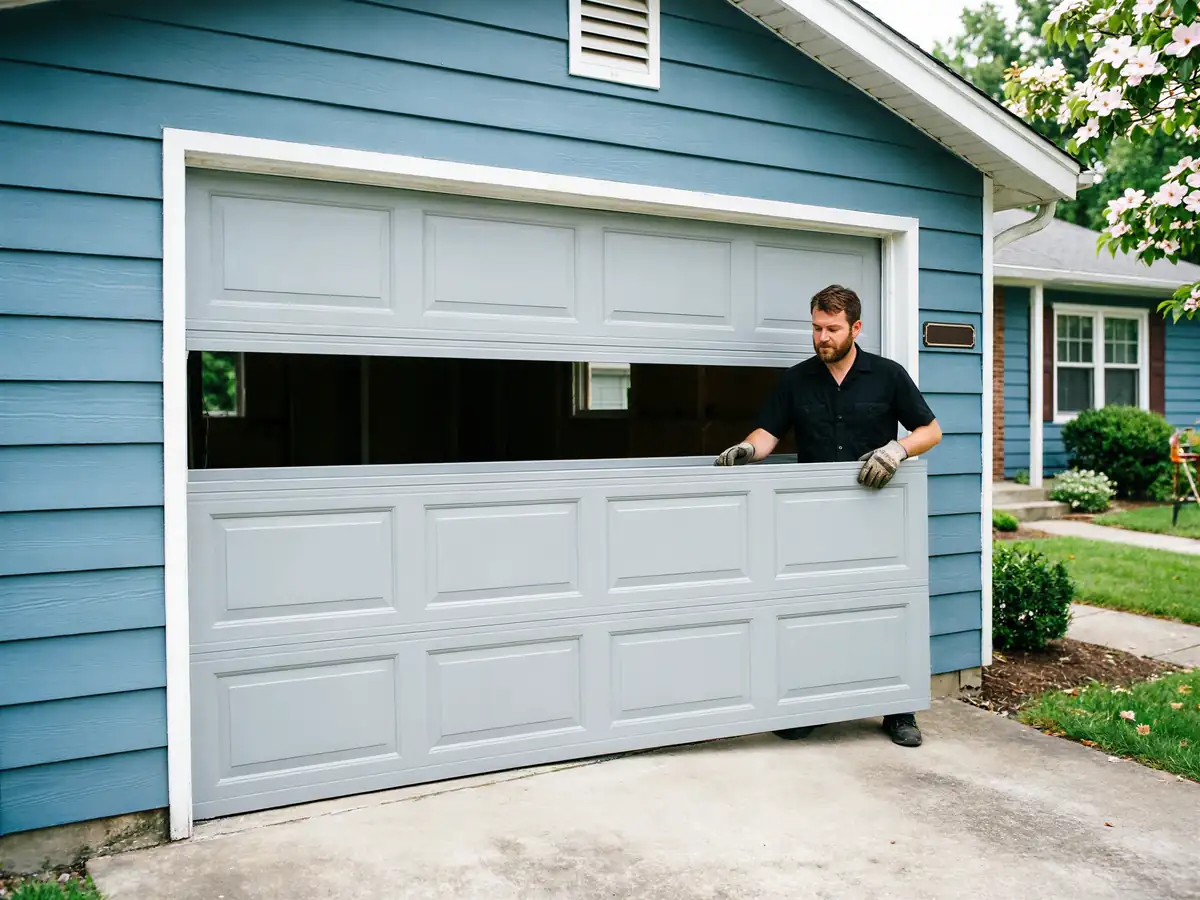
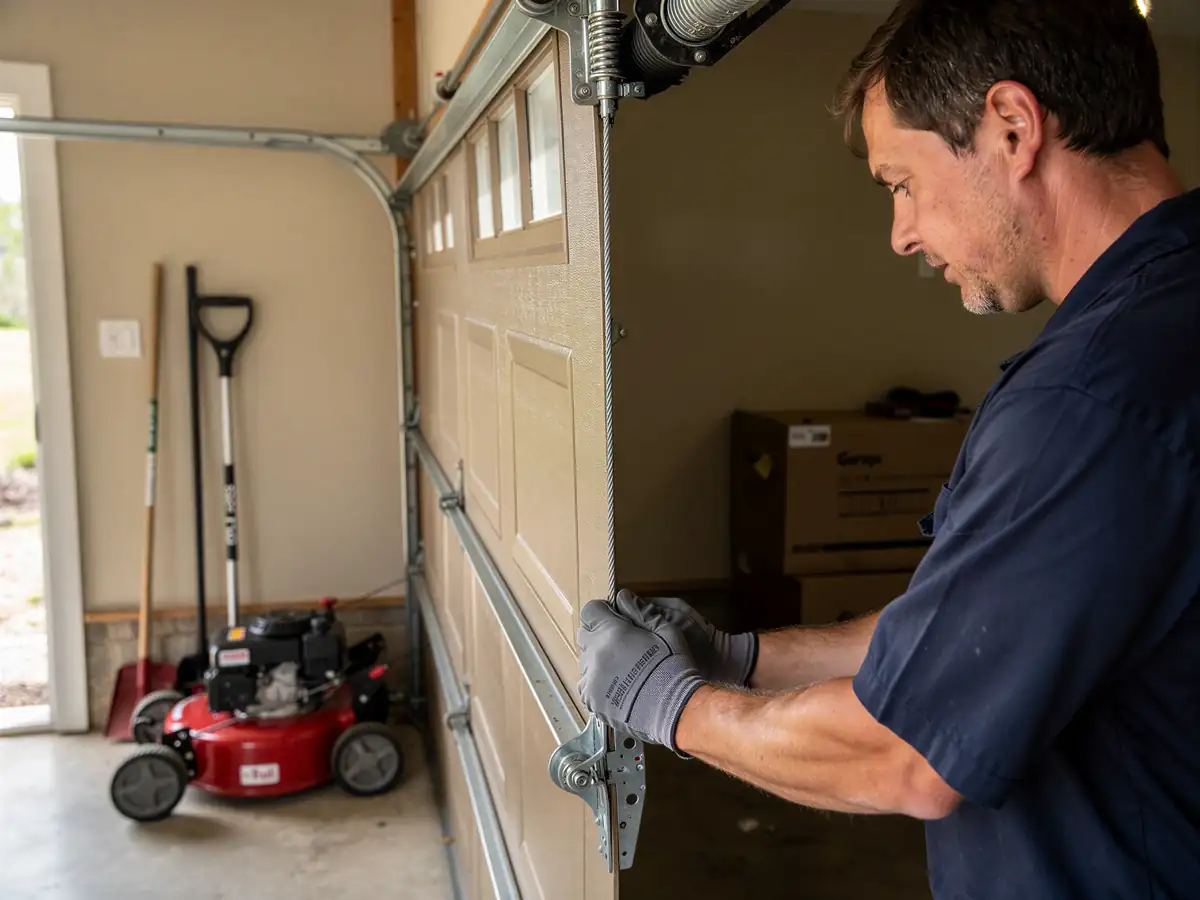
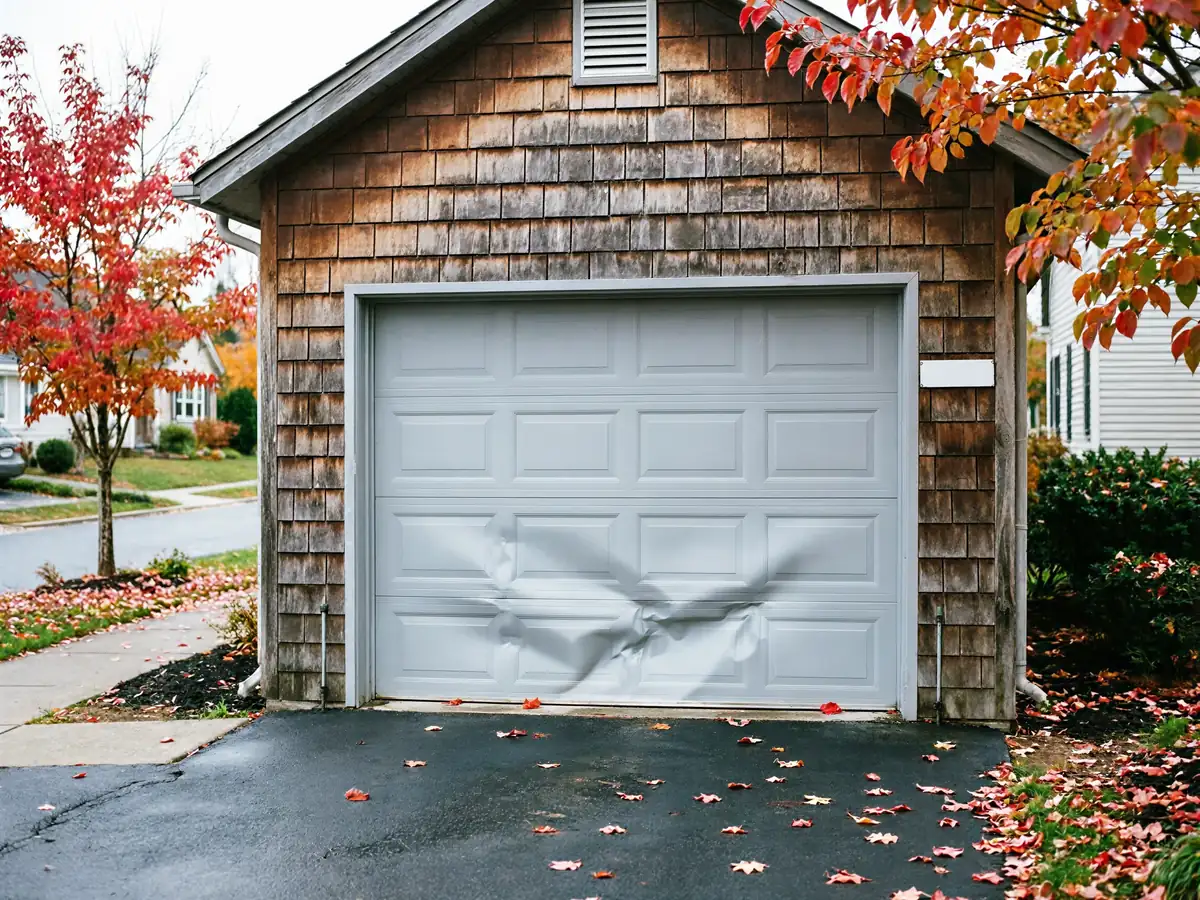
On a door built around the early 1970s, the fix almost always starts with figuring out how much of the original system is still in play versus what's been patched over the years. We check the torsion spring wind count against the door weight, inspect the track for the kind of rust pitting that shows up after decades of New England winters, and test the opener's force settings, which on original units were often never calibrated to modern safety standards in the first place. With roughly 6,287 households in town built mostly in that same stretch of decades, we see the same failure patterns repeat: original spring fatigue, track misalignment from house settling, and openers that are simply past their working life. One honest limit - if the door panel itself is warped or rusted through, we'll say so rather than bolt new hardware to a bad panel, because that's a replacement conversation, not a repair.