Parts We Carry
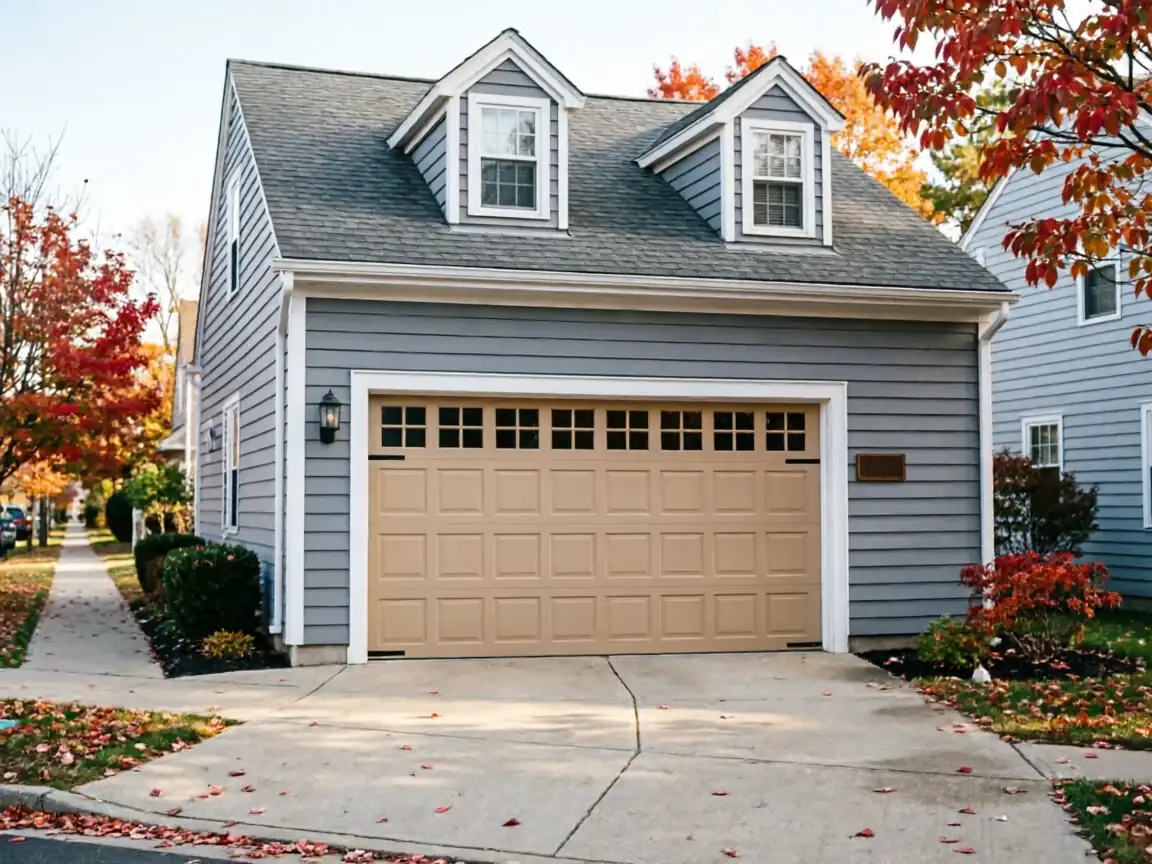
Seymour sits six miles from our shop in Shelton, close enough that we don't build in extra windshield time when we schedule a maintenance visit, but far enough that we load the truck before we leave rather than guessing what a house might need once we're there. That matters here because most of the housing stock in this part of the service area went up around 1972, which means the doors we open are usually original or close to it: steel sectional panels on torsion springs, galvanized track that's held up fine against Connecticut winters but has decades of surface rust at the roller contact points. We carry standard torsion springs, nylon and steel rollers, lift cables, and the hinges that match that era's hardware. What we don't always carry is the exact bracket for a door that's been modified twice since 1972 - if a previous repair swapped in a part that doesn't match the original spec, we may need to order it, and we'll tell you that on the spot rather than force a fit that won't hold.
What You Pay
We don't publish a flat maintenance price for Seymour because what a visit costs depends on what the door needs once we're looking at it, not on the town. A straightforward tune-up on a single door runs differently than a two-car door with worn cables and a spring near the end of its cycle count. What we can tell you is that the age of the stock here - doors mostly dating to the early 1970s - means more of these visits turn into "let's replace this cable now while we're here" conversations than they would on a newer door. We'd rather flag a weak part during a scheduled visit than have you call us after it fails on a cold morning.
What the Fix Involves
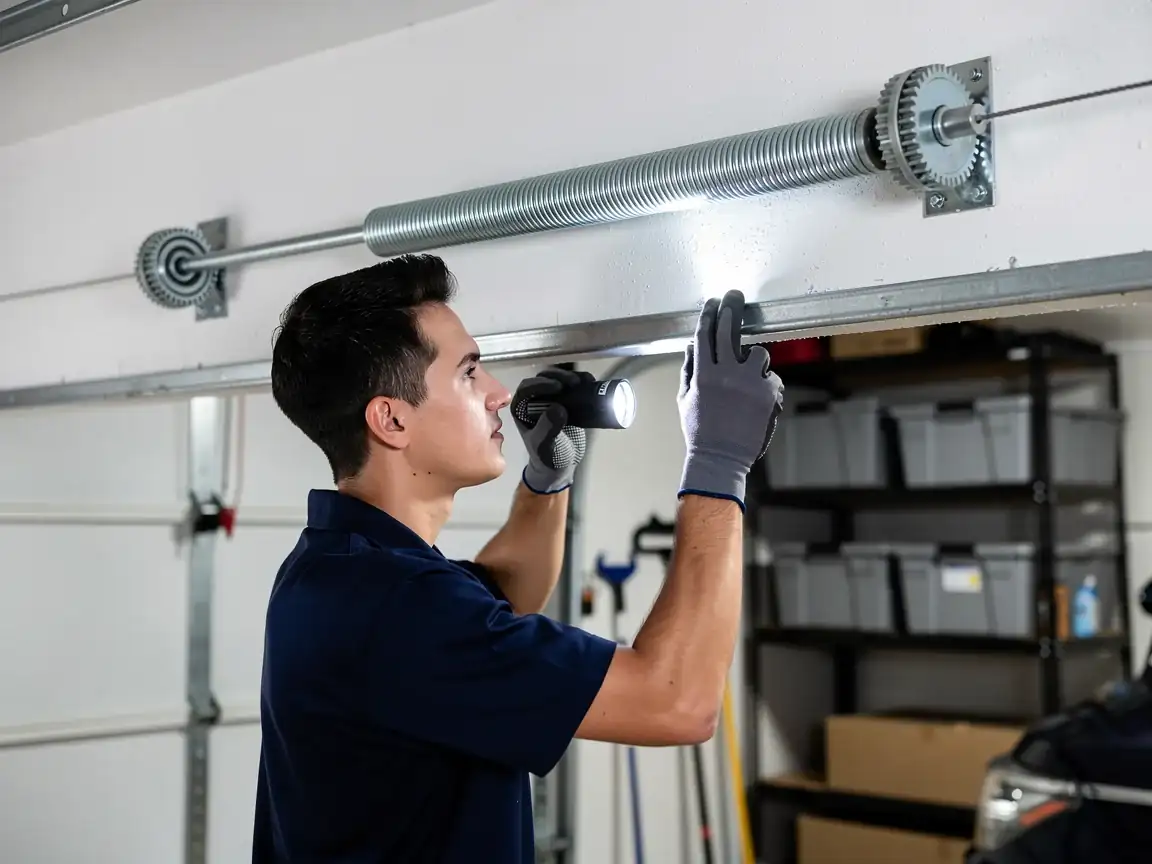
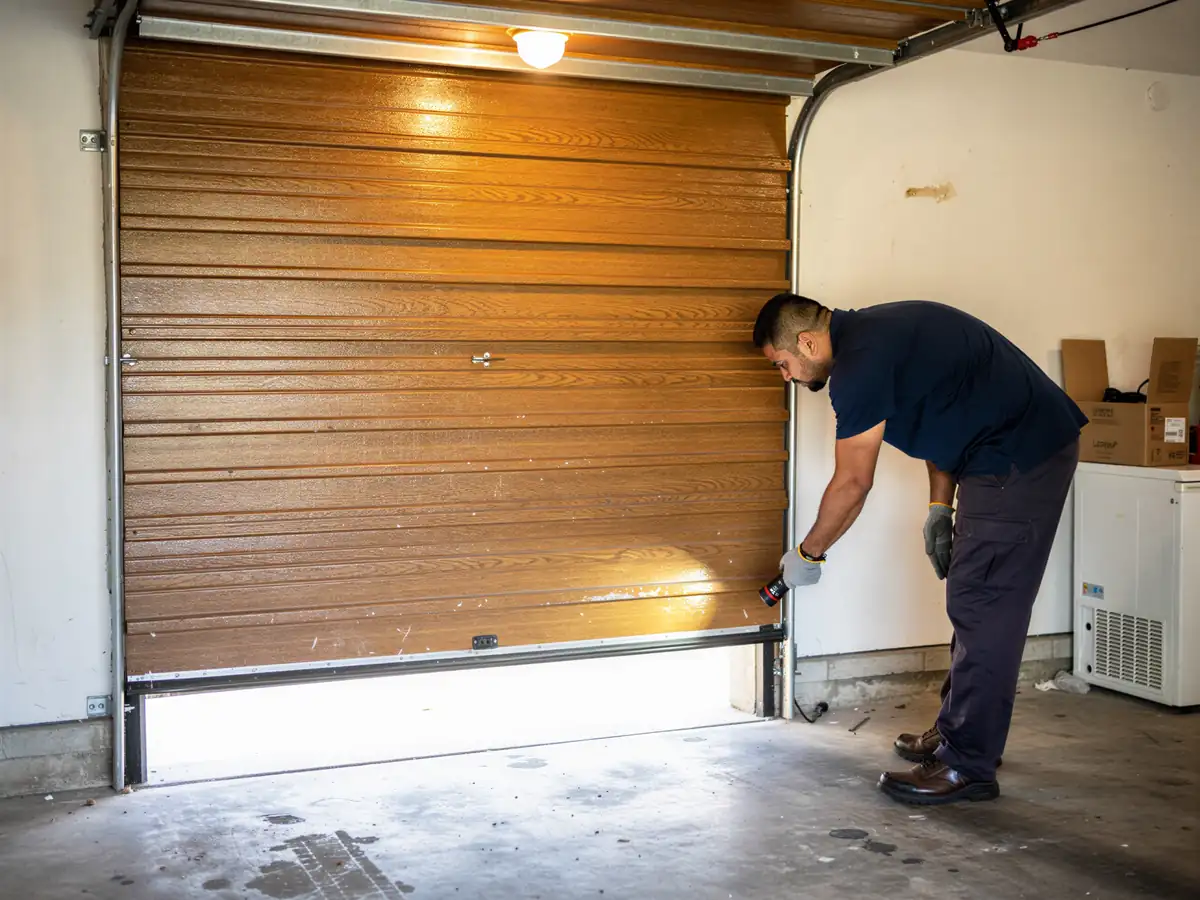
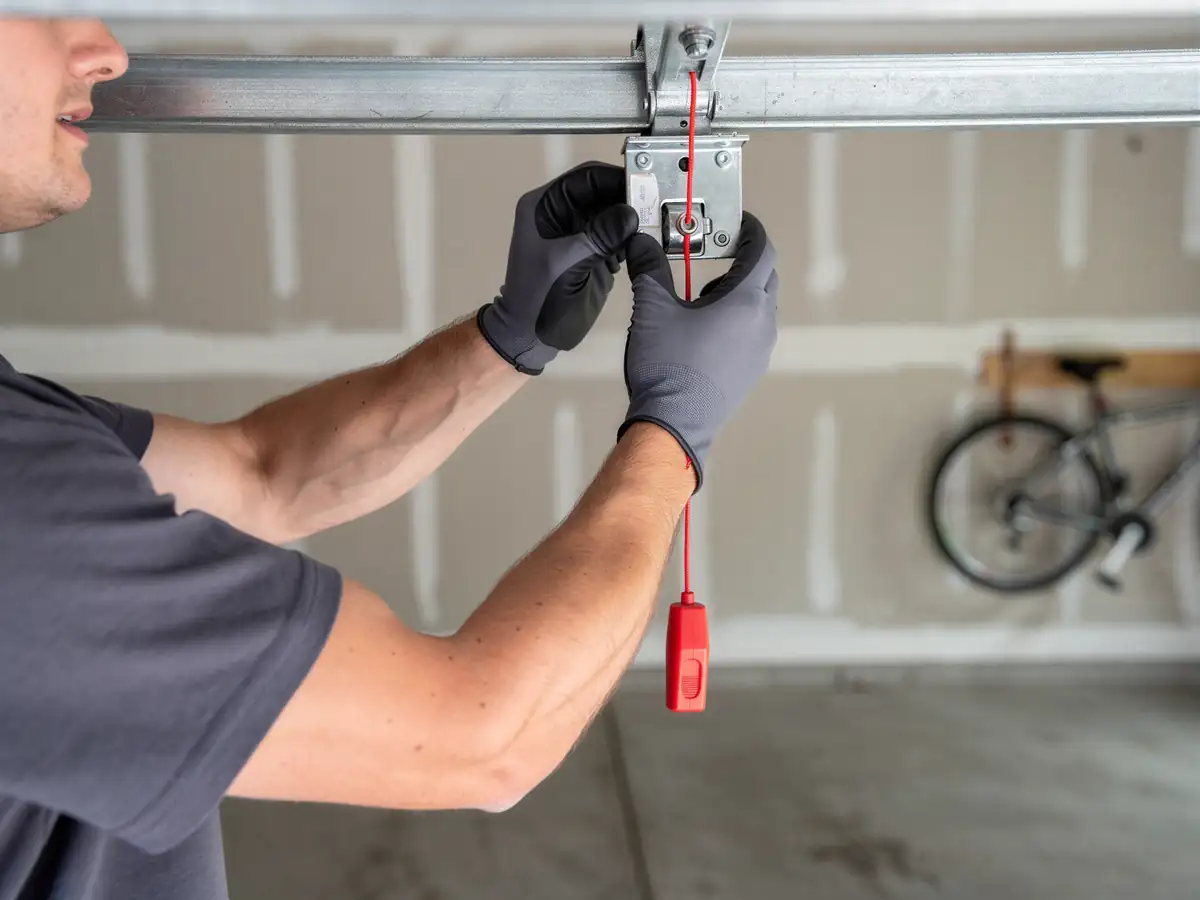
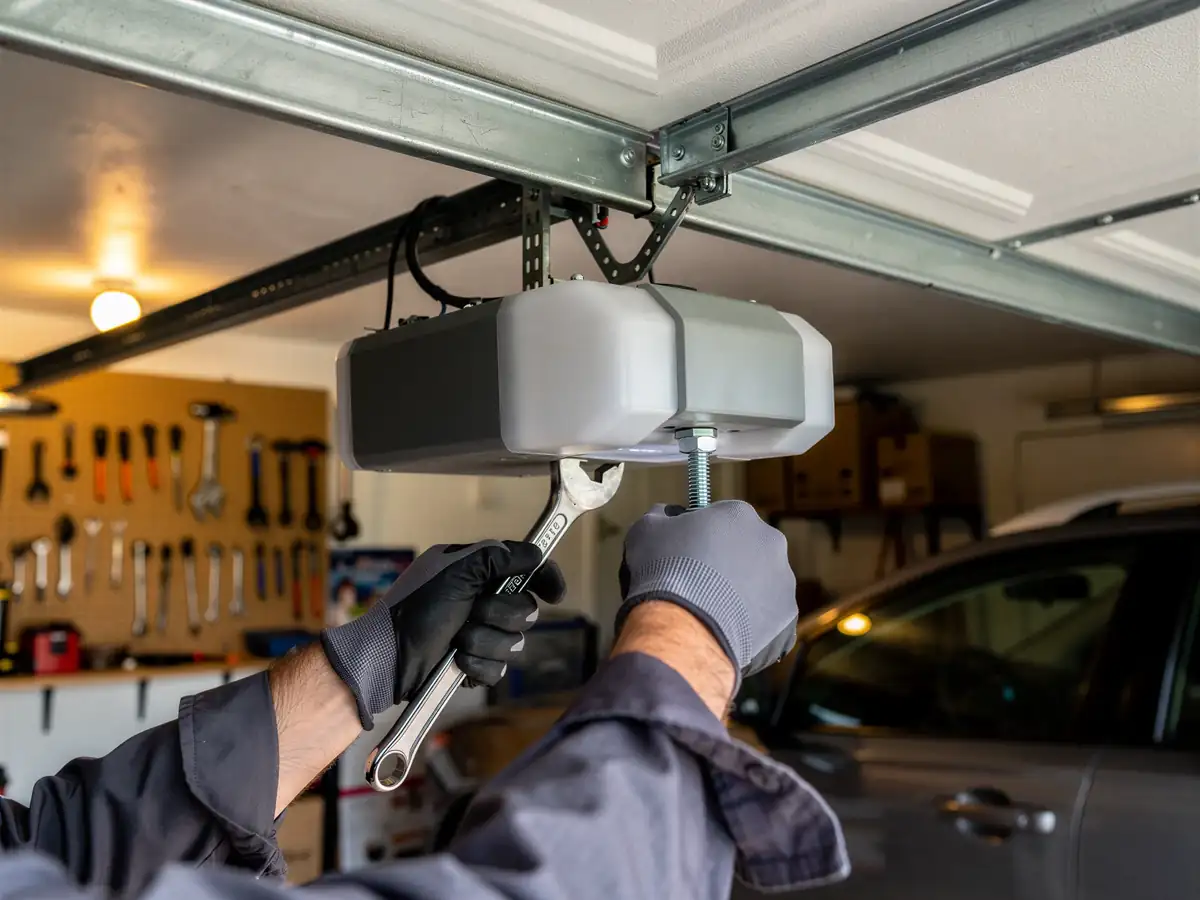
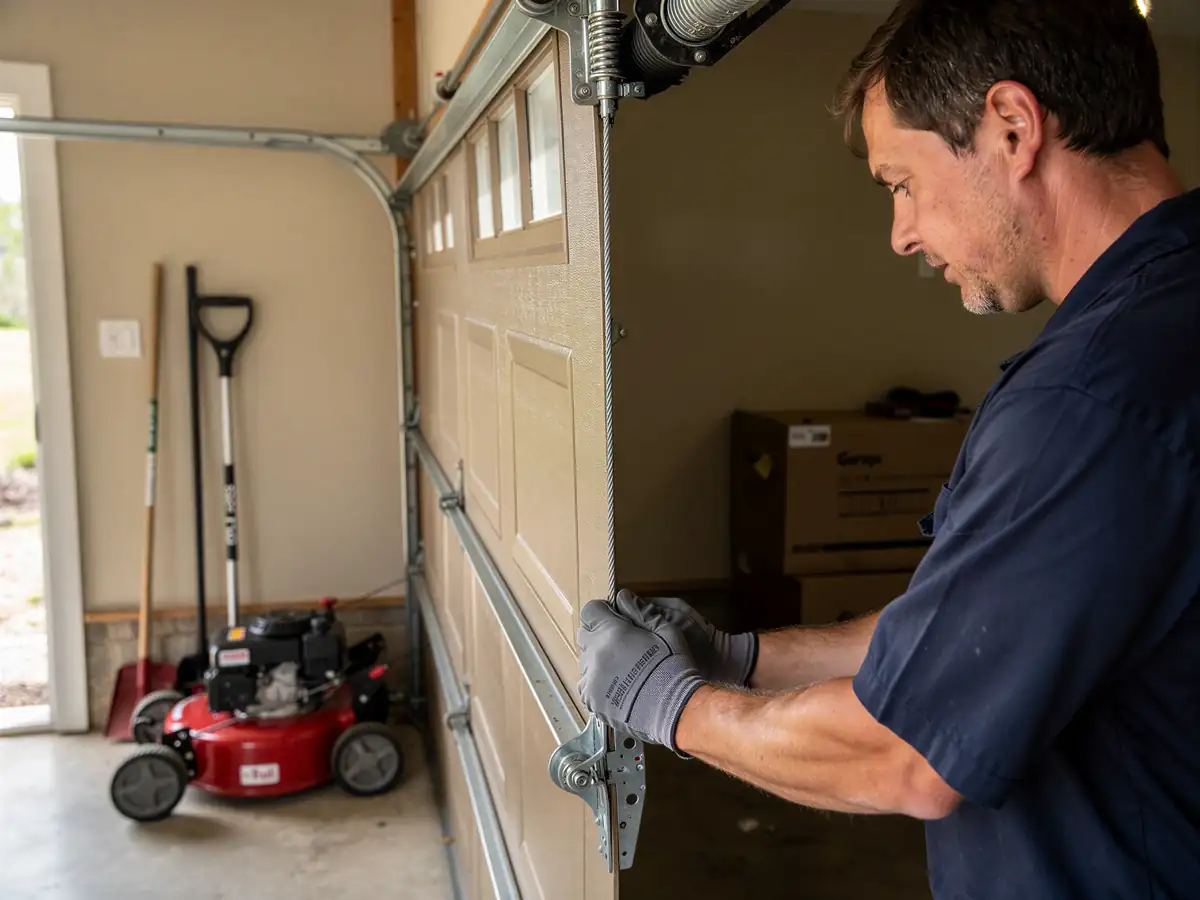
On a door from this era, maintenance isn't just lubrication - it's catching the wear patterns specific to older torsion hardware before they become a stuck door on a 10-degree morning. We check the torsion spring's coil spacing and winding cone for rust pitting, since Connecticut's cold-and-wet cycle works on exposed springs harder than a dry climate would. We test cable fray at the drum, check hinge pivot wear that's typical once a door's logged fifty-plus years of cycles, and confirm the opener's force settings haven't drifted - a common issue on older openers paired with doors that have gotten heavier as hardware sags. We don't replace parts that are still within spec just to pad the visit; if the door is sound, we tell you that too.