Parts We Carry
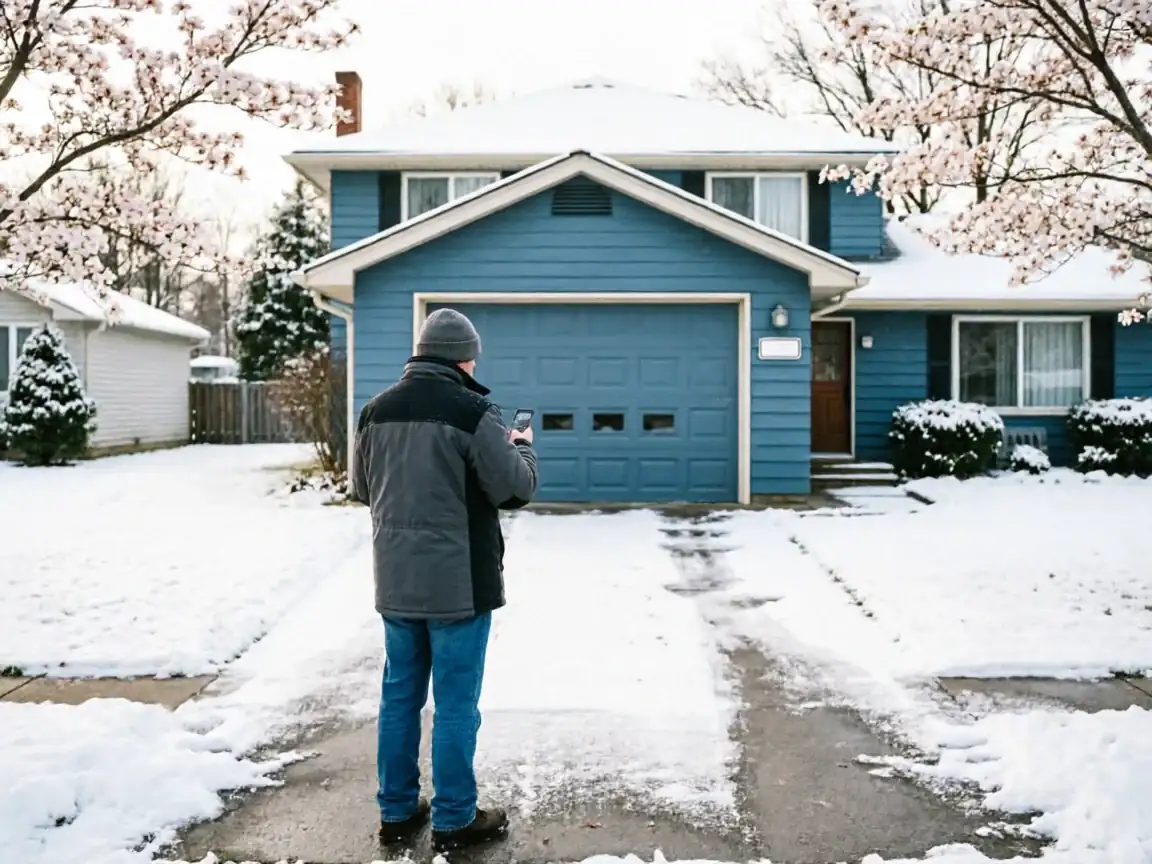
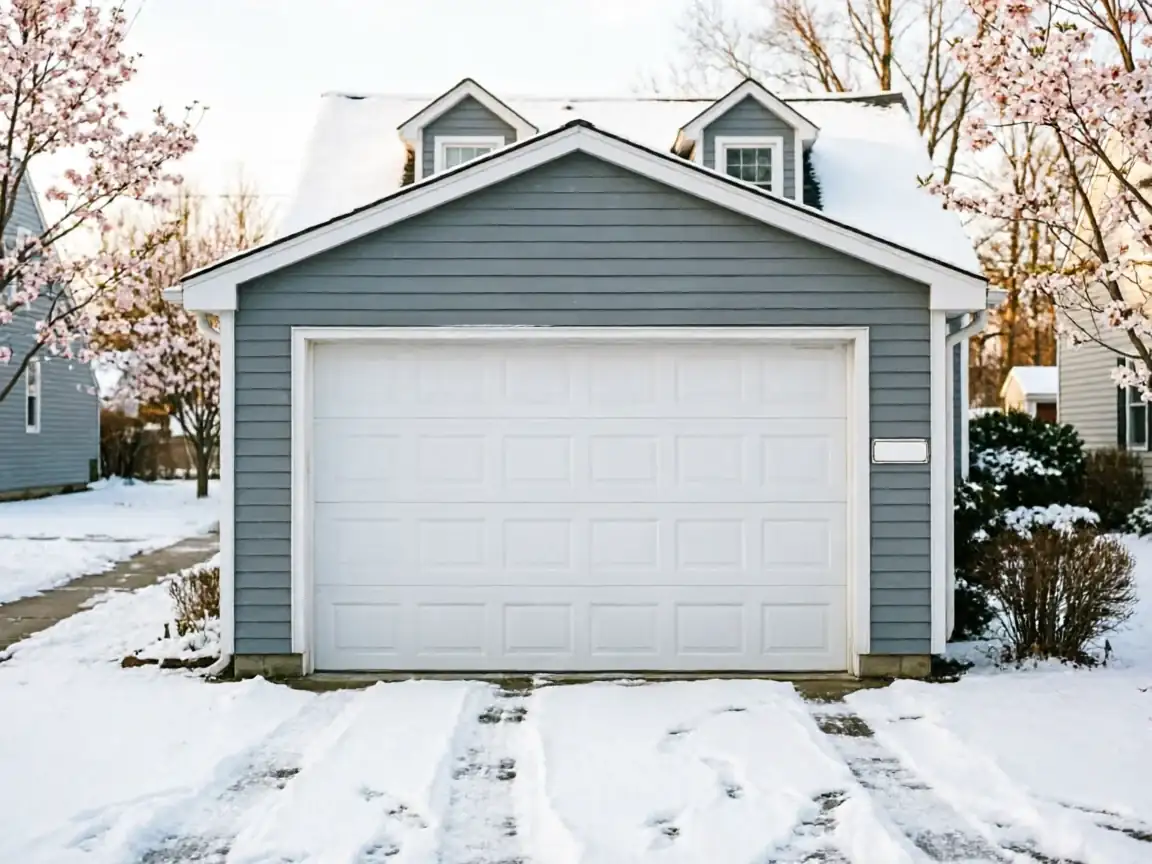
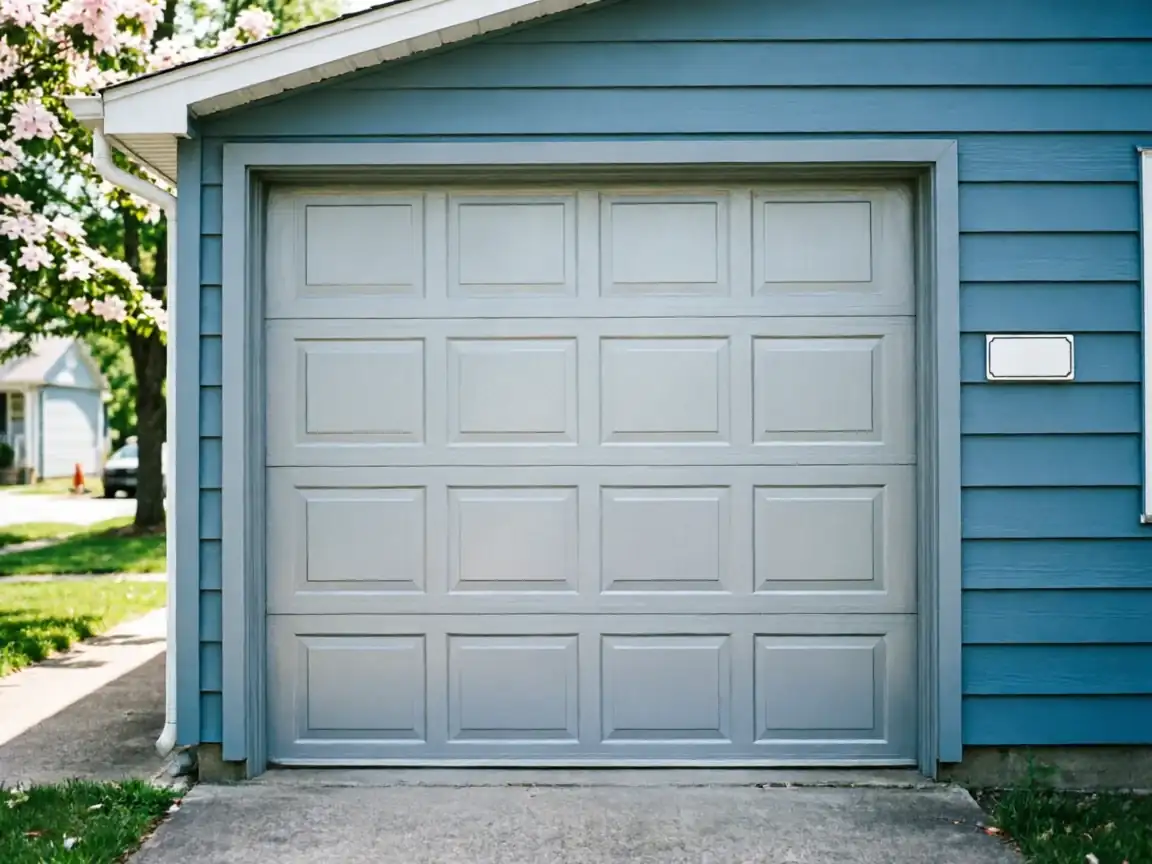
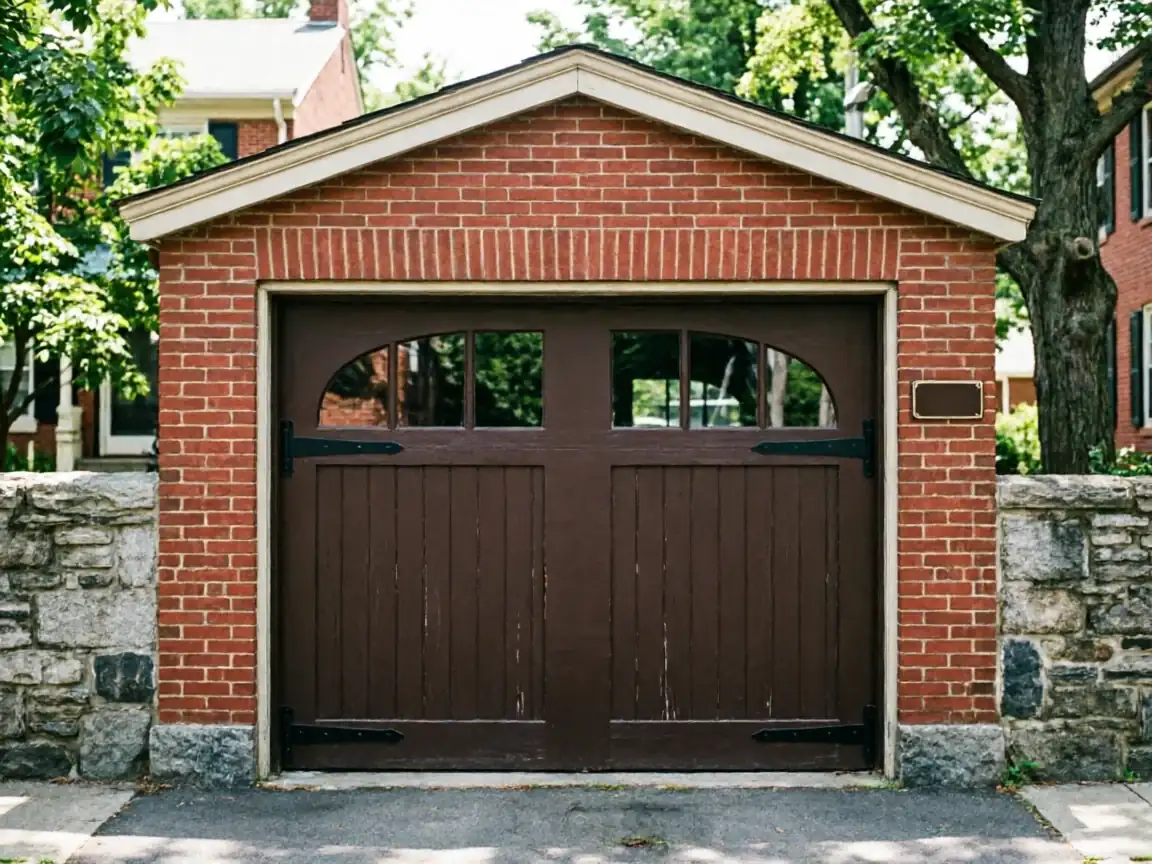
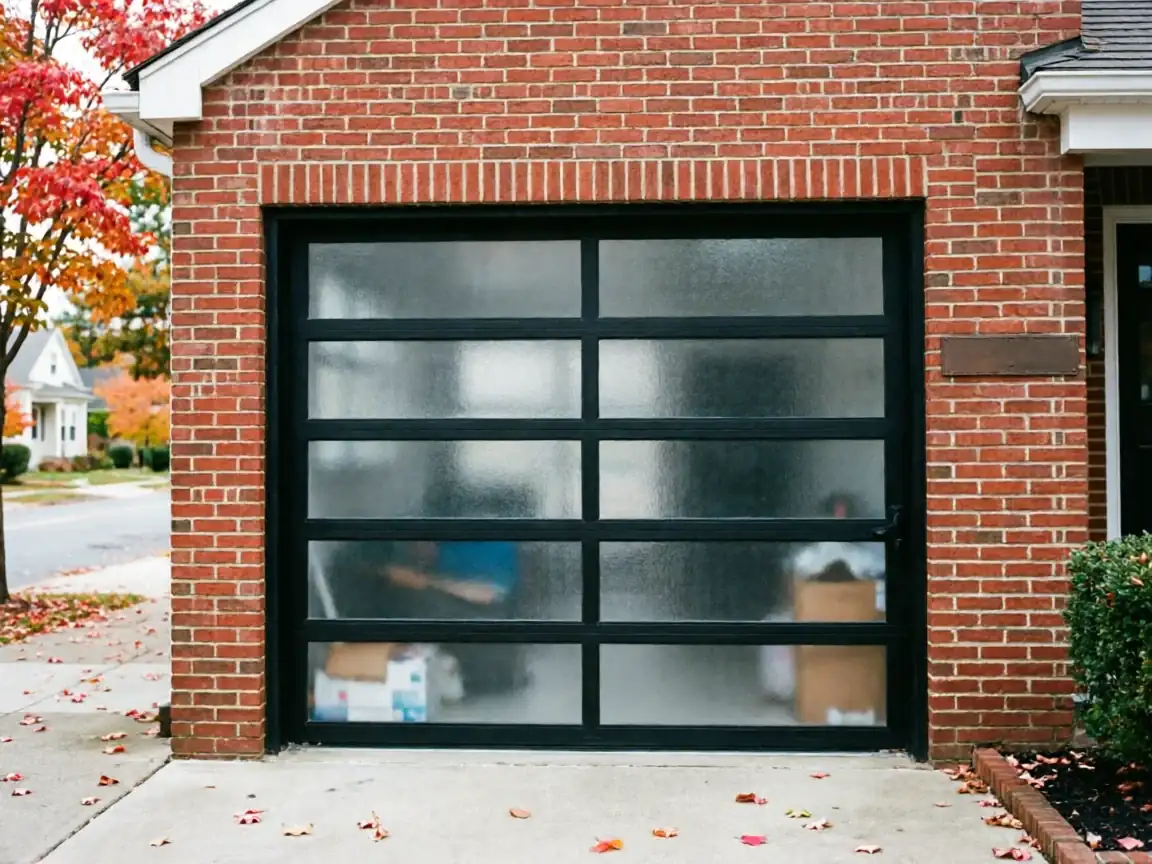
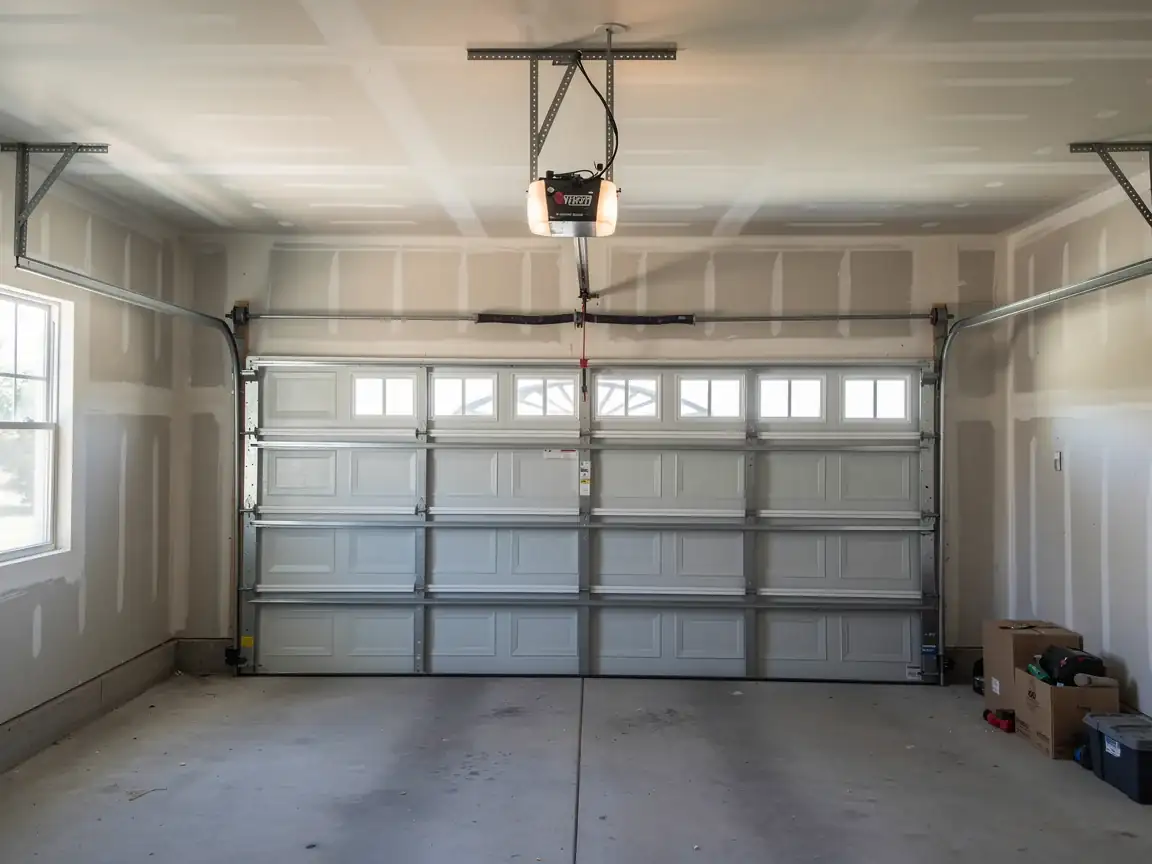
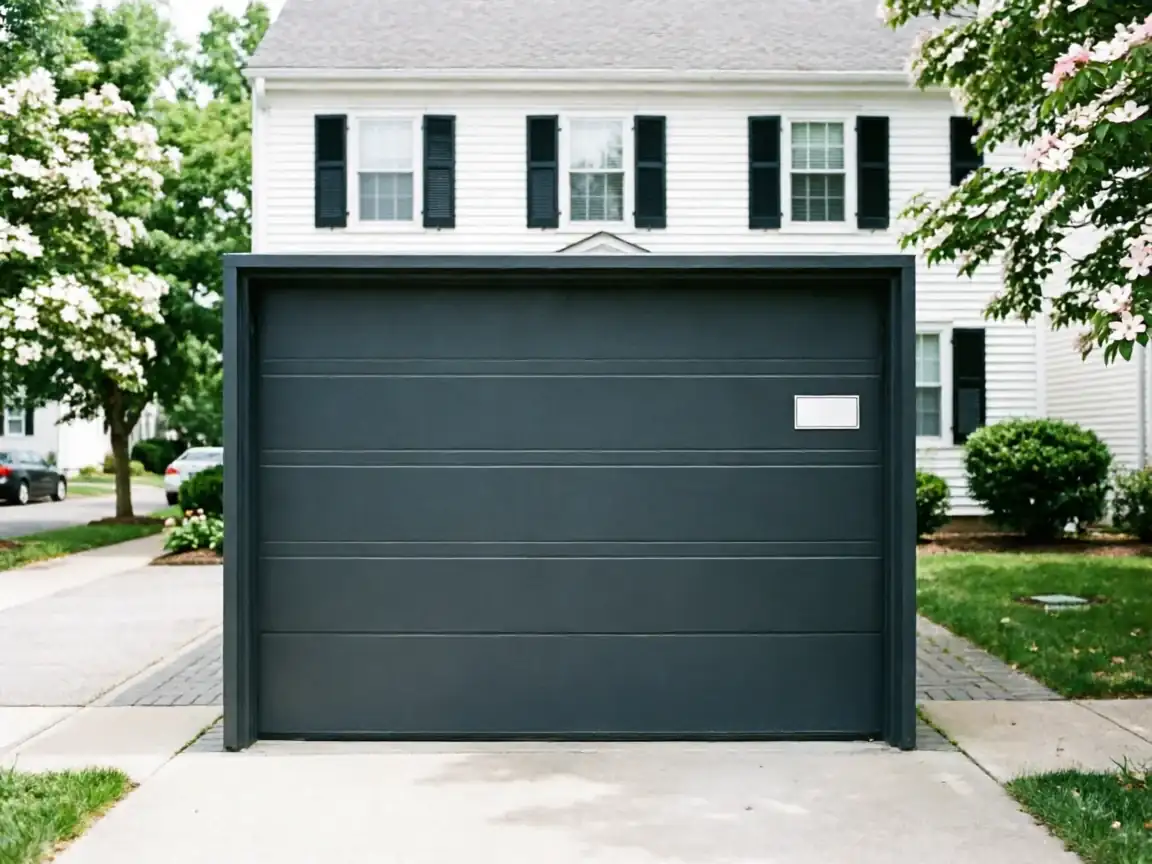
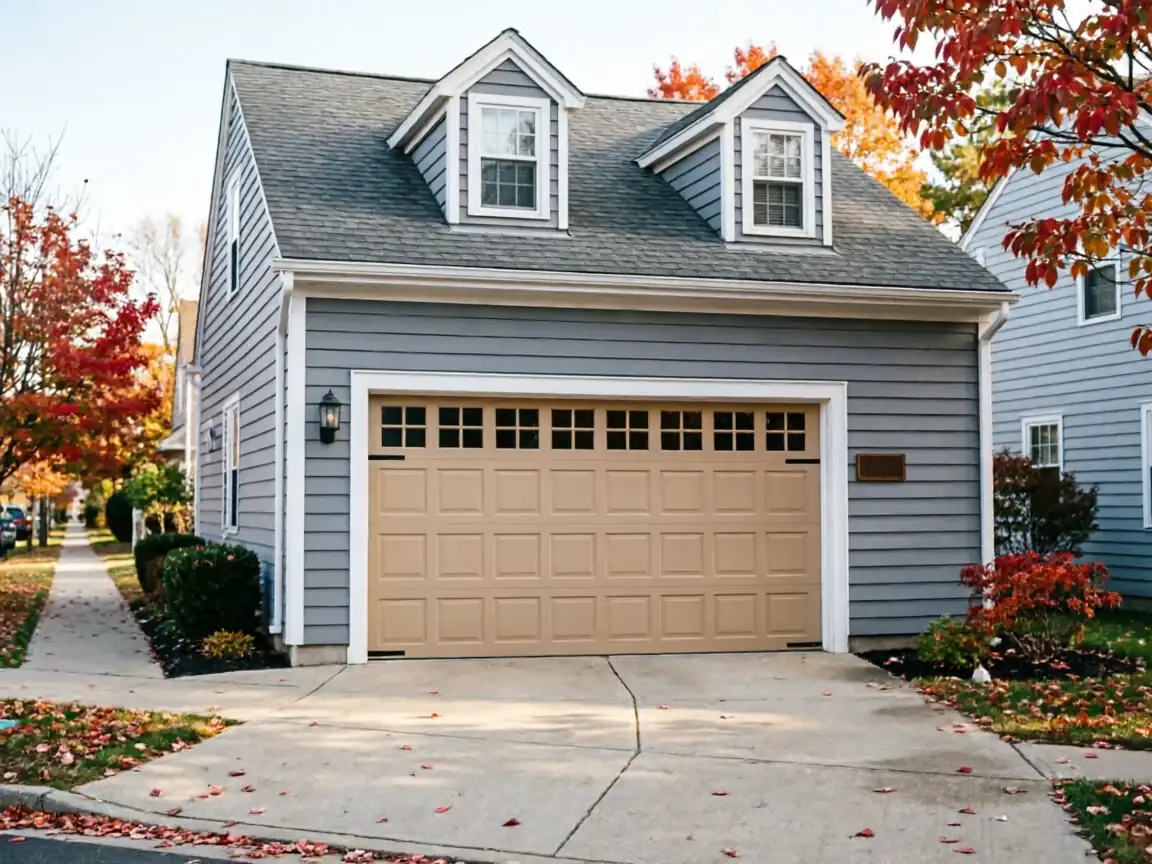
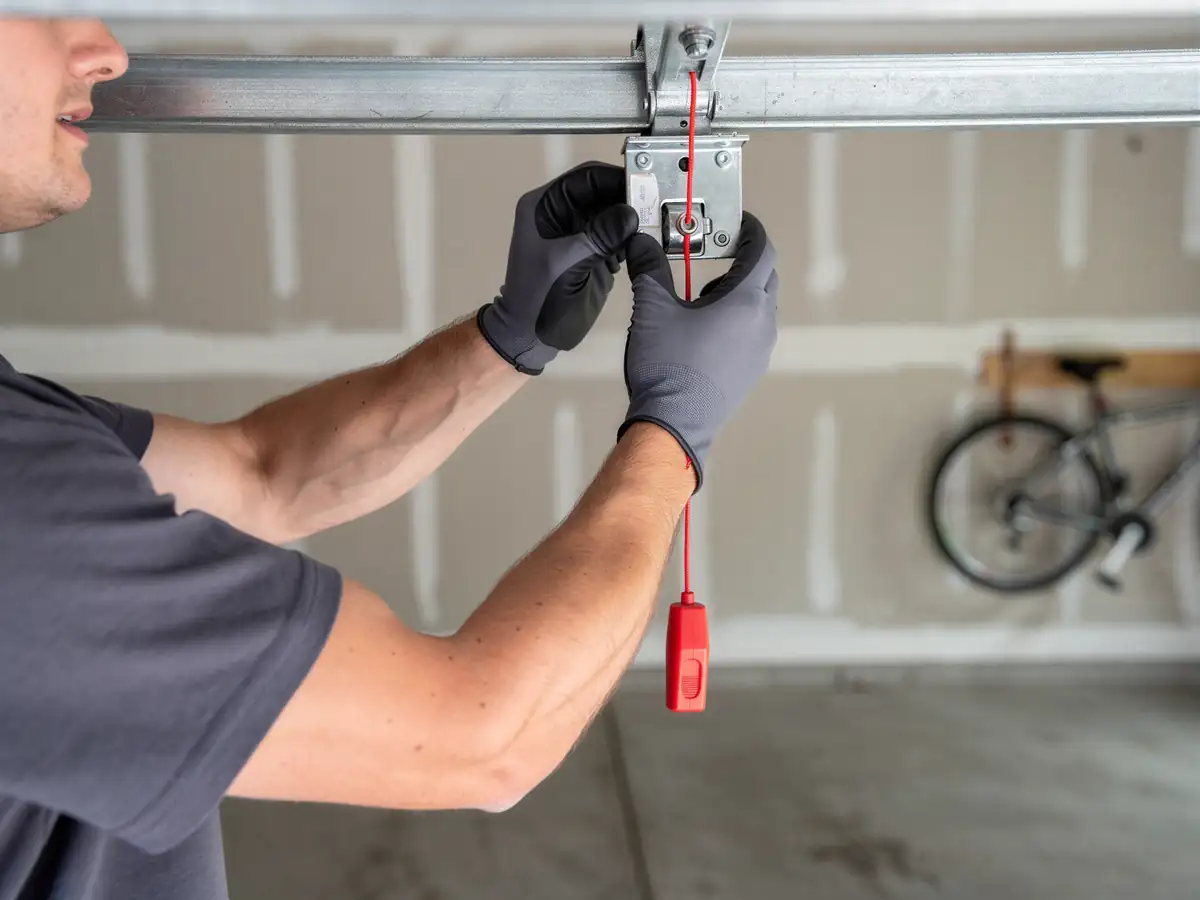
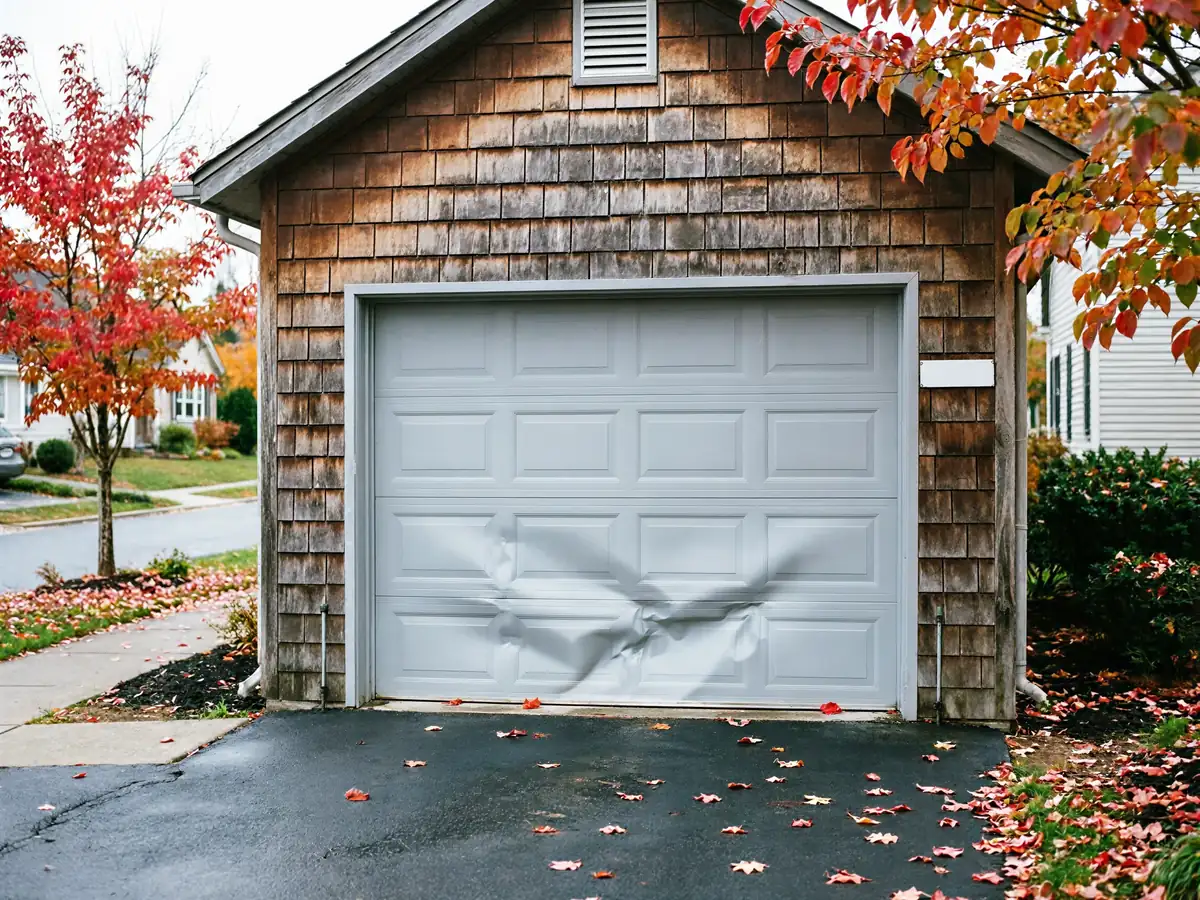
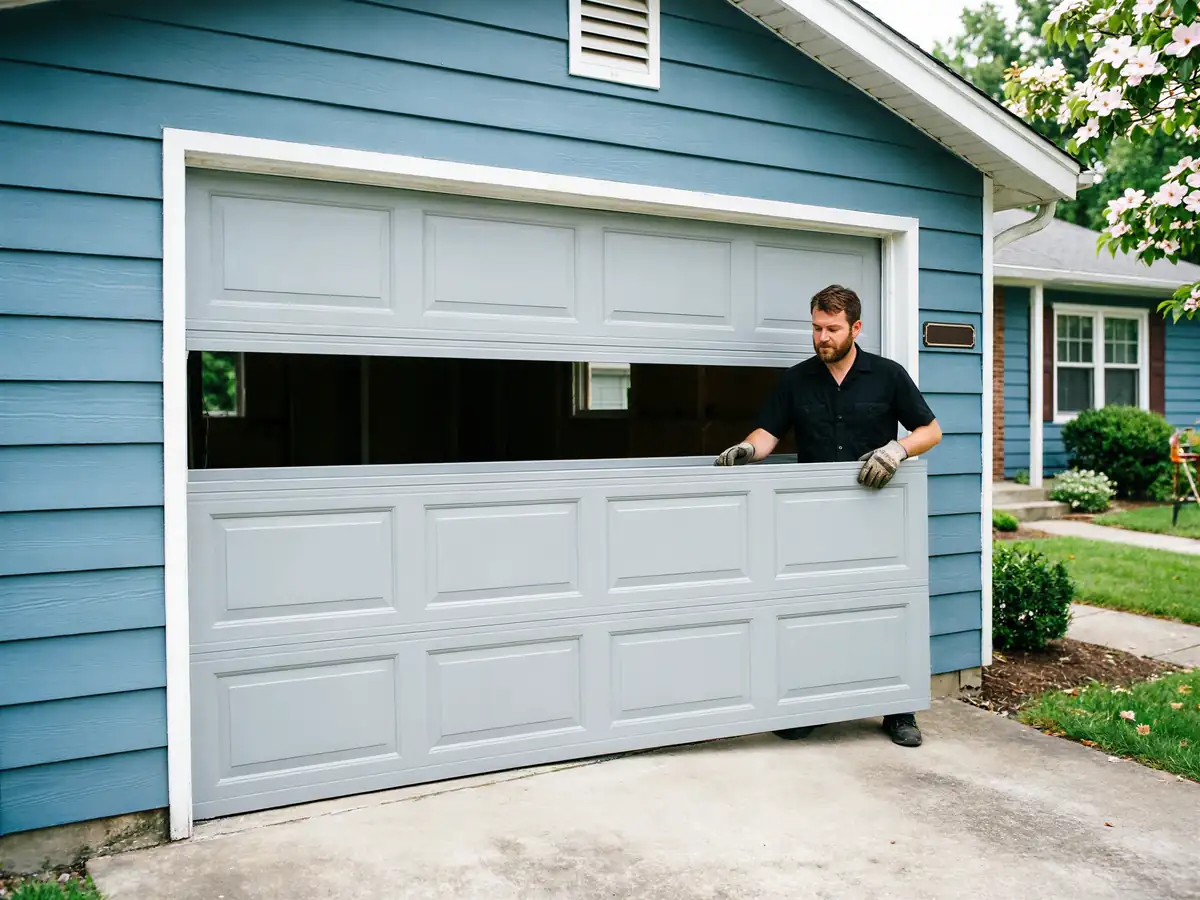
Seymour's housing stock centers on a median build year of 1972, which means a lot of garage doors here are the original single-layer steel panel style that came standard on builder homes of that decade - usually a 16x7 double or a 9x7 single, hung on torsion springs sized for a lighter, uninsulated door. We carry replacement doors built for that same opening, plus the heavier-gauge torsion springs and galvanized track that modern doors need, since swapping a 1970s door for a current one almost always means upgrading the hardware too, not just the panel. Given the region's cold-and-severe winter classification, we stock insulated steel and polyurethane-core doors rated for that exposure rather than the single-skin doors these houses were built with. We don't carry custom wood doors or specialty glass panels as a stock item - those are special-order, and we'll tell you the lead time before you commit rather than guess at it.
What You Pay
We don't quote a number here because what a Seymour install costs depends on your opening size, whether the existing track and header need rework, and which door line you pick - a plain steel door and an insulated one aren't close in price. What we can tell you is that Seymour's median household income, at $103,682, runs lower than the $130,180 median across the wider service area we cover from Shelton, and that shows up in which doors we actually sell here versus in some of the other 45 communities we work in - more mid-grade steel, fewer high-end insulated or carriage-style doors. We'll walk the opening, give you a written number before any work starts, and show you what changes the price - insulation level, window inserts, opener compatibility - so you're deciding with real figures, not a guess.
What the Fix Involves
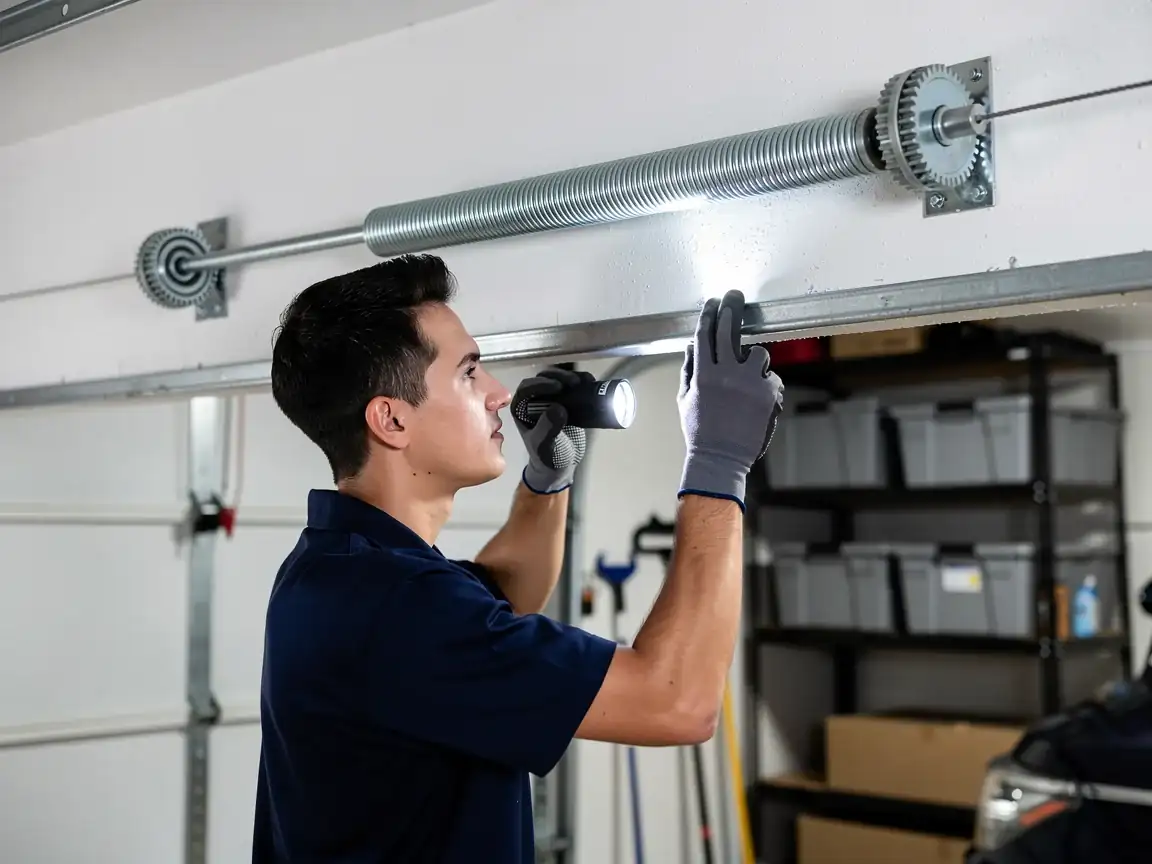
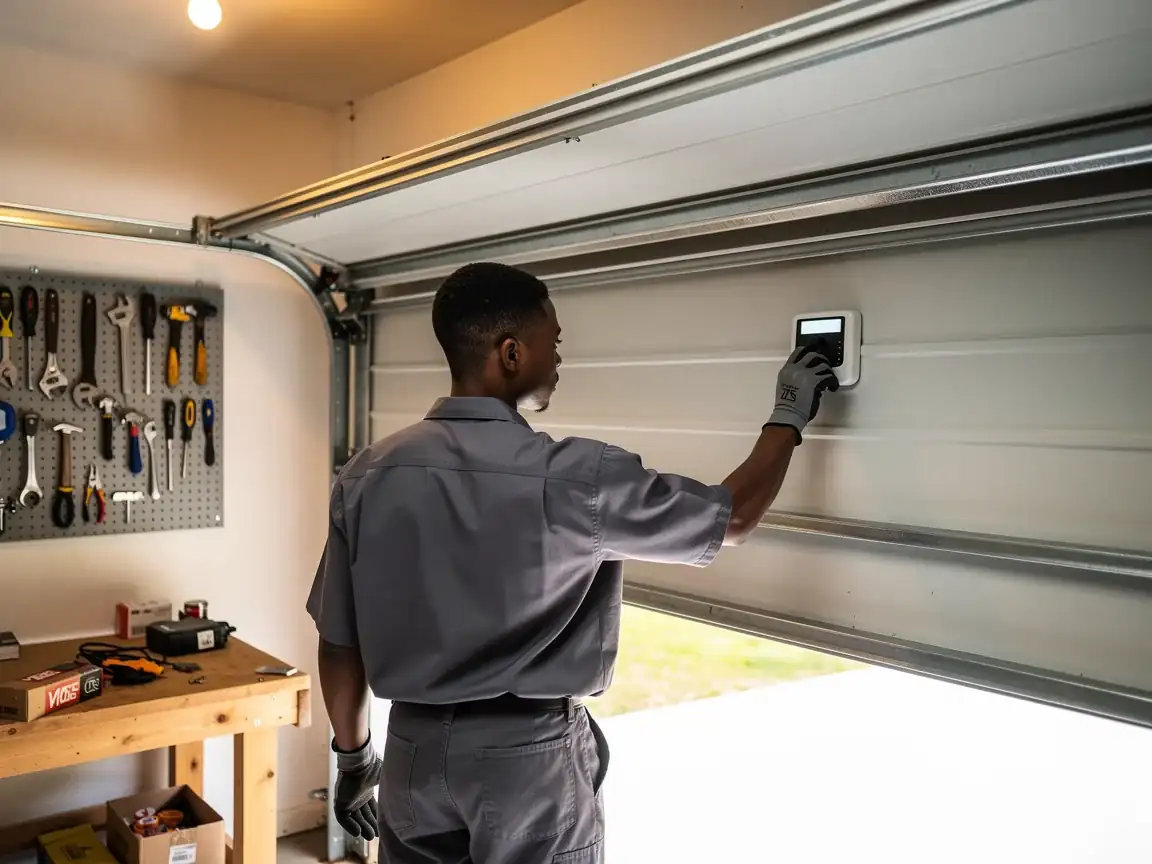
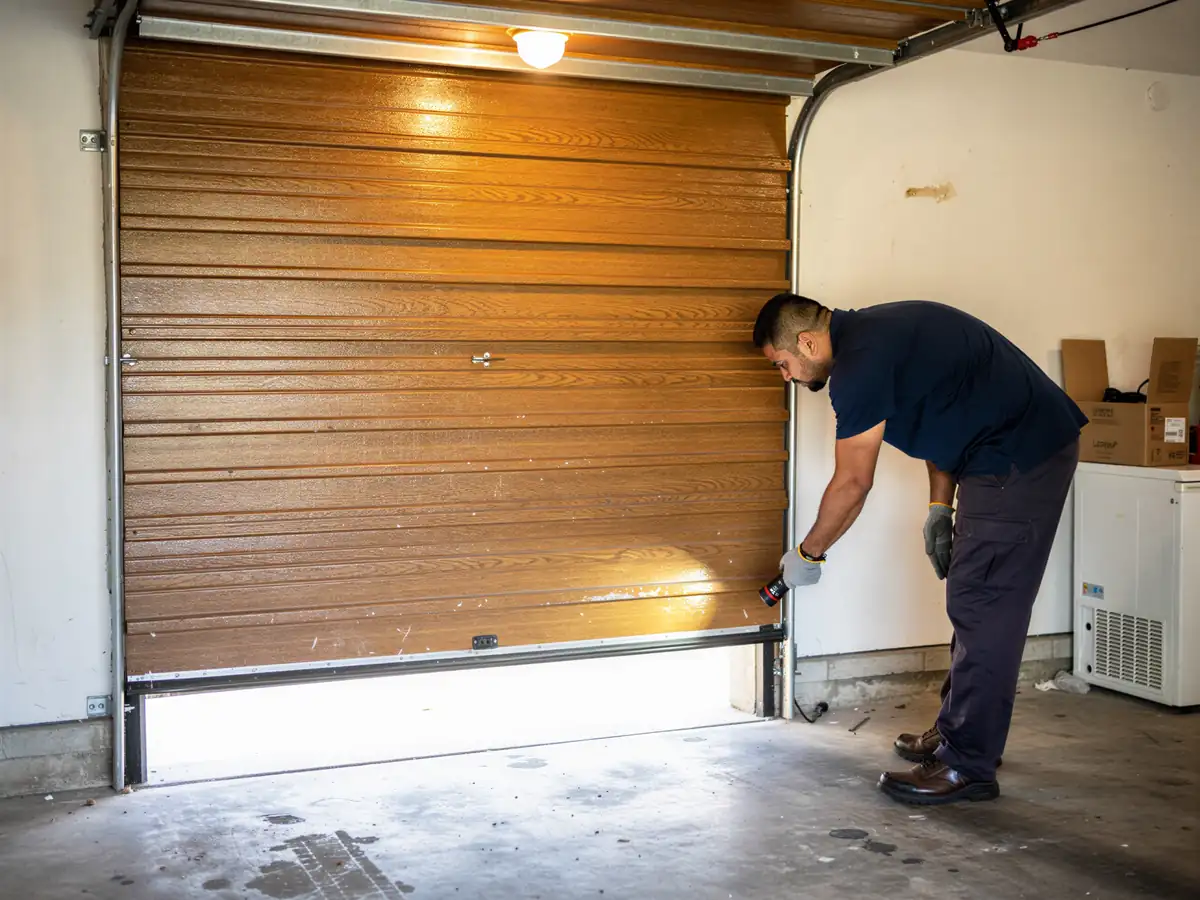
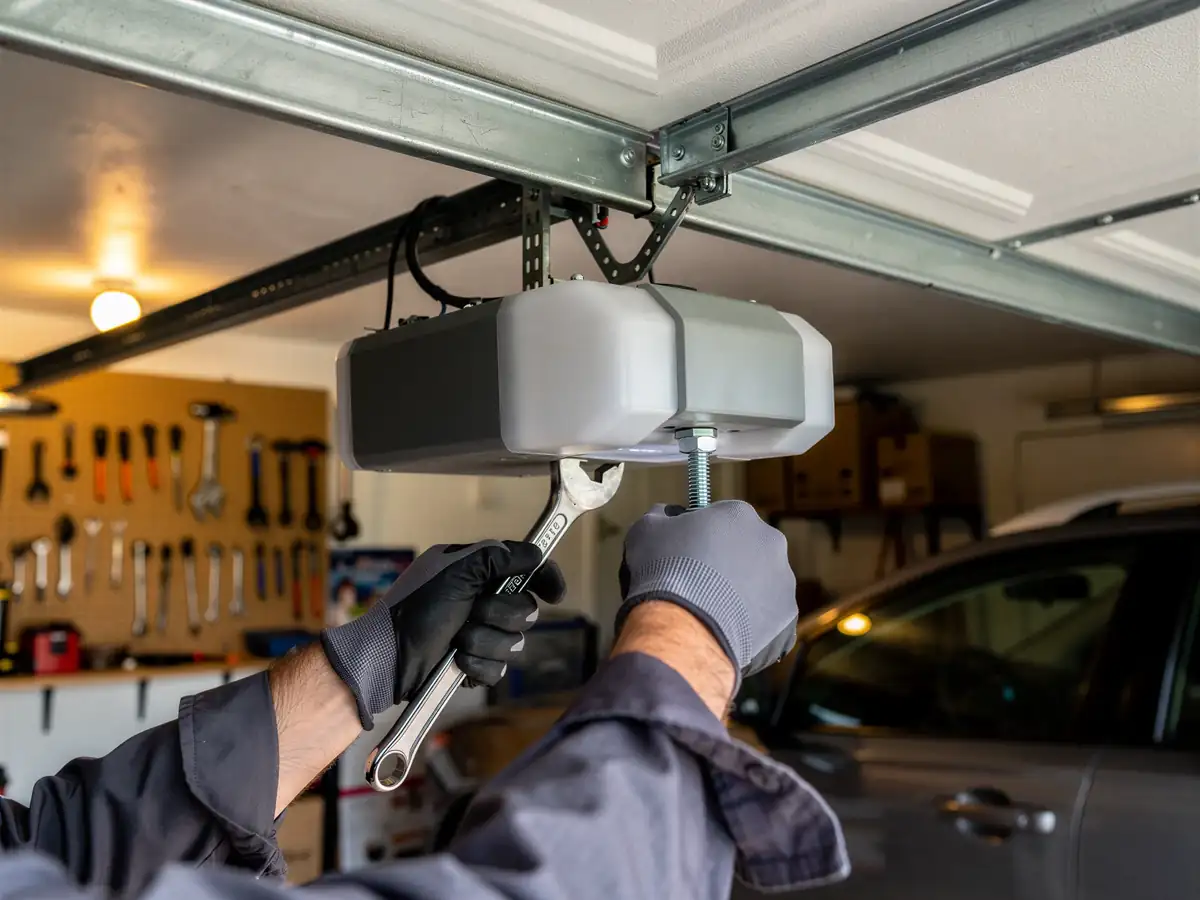
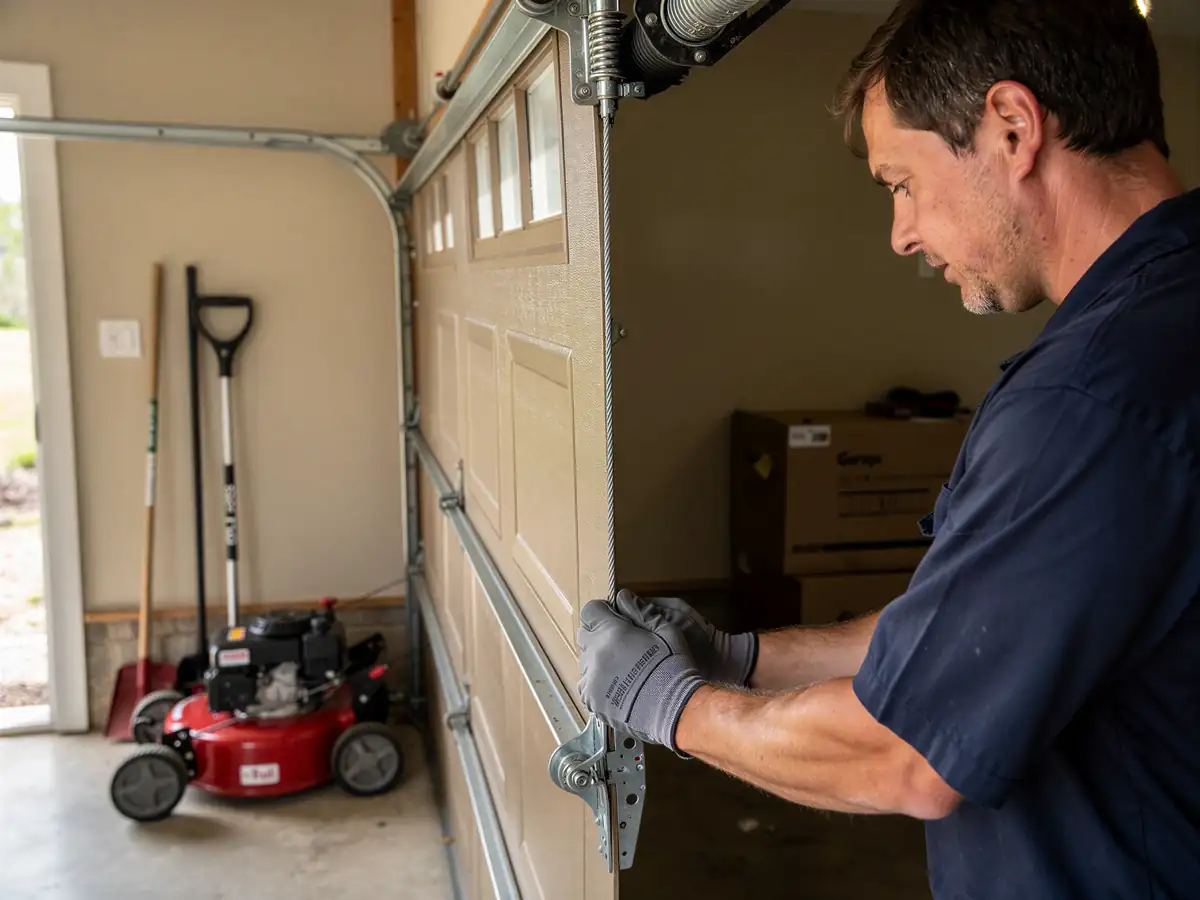
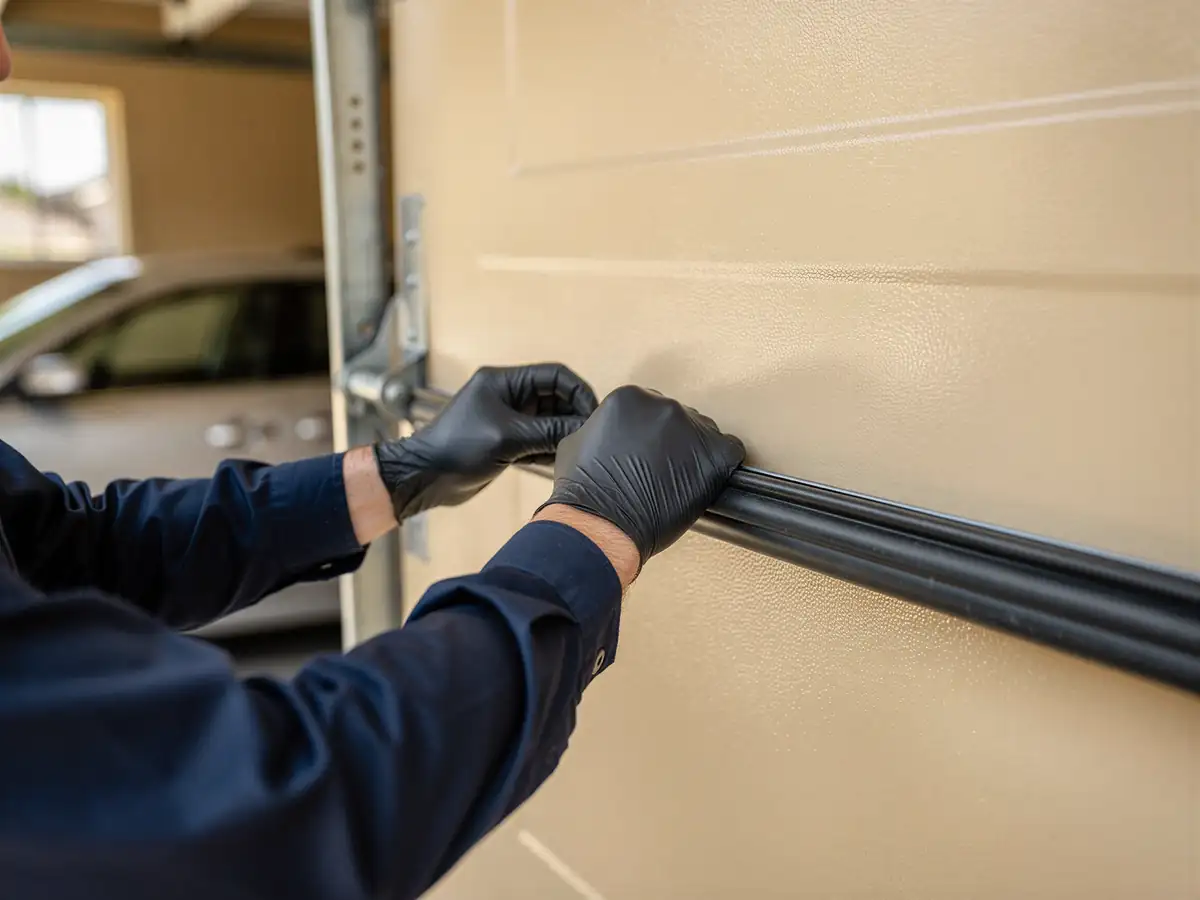
Replacing one of these older Seymour doors isn't just unbolting the old panel and bolting on a new one. The springs on a door built to 1970s standards are usually undersized for a heavier insulated replacement, so the job includes re-rating the torsion spring to the new door's weight - skip that step and the opener burns out inside a year fighting a door it can't lift properly. We also check the track alignment and the header framing before the new door goes up, since decades of settling can leave an opening slightly out of square even when nothing looks obviously wrong. Where the opener itself predates current safety standards, we'll flag it, though swapping the opener is a separate decision from the door and we won't bundle it in without asking. One honest limit: if the framing is badly out of square, a straight door swap won't fix it - that's carpentry work we'll point you toward, not something we paper over with a new panel.