How Long It Takes
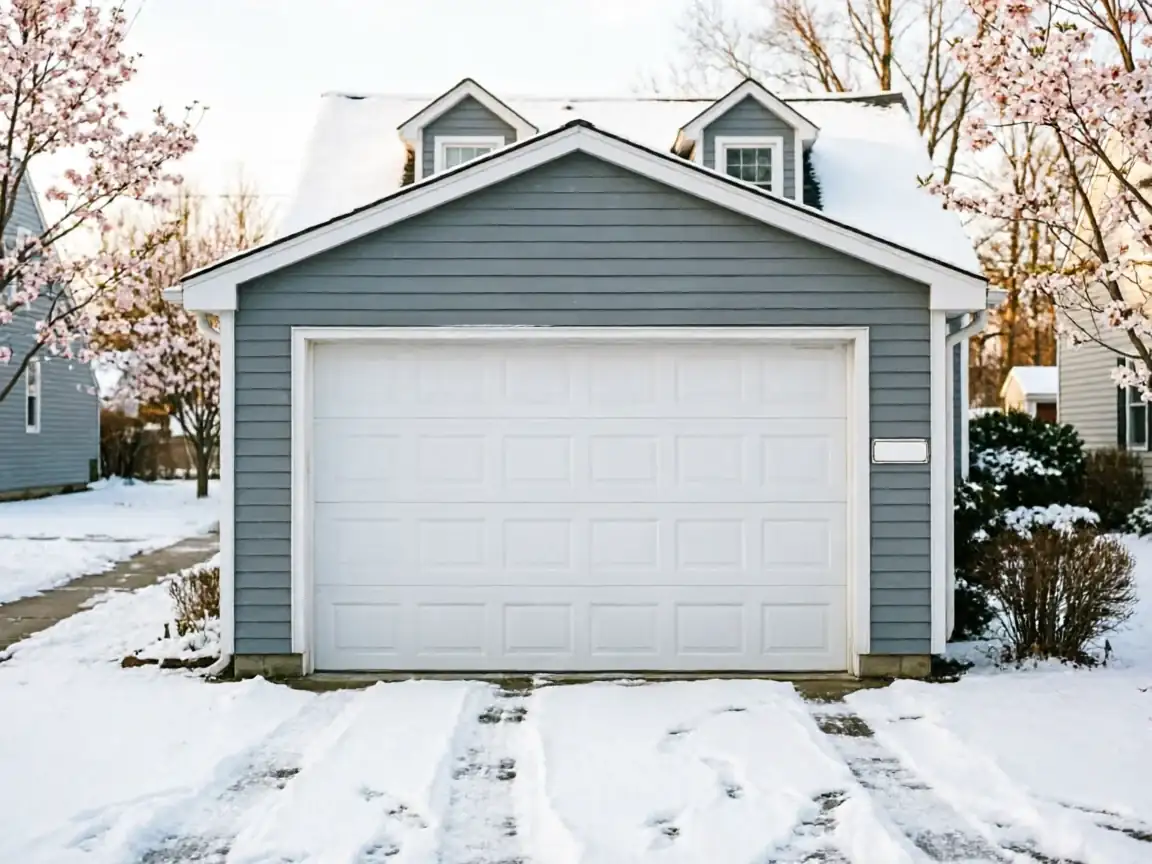
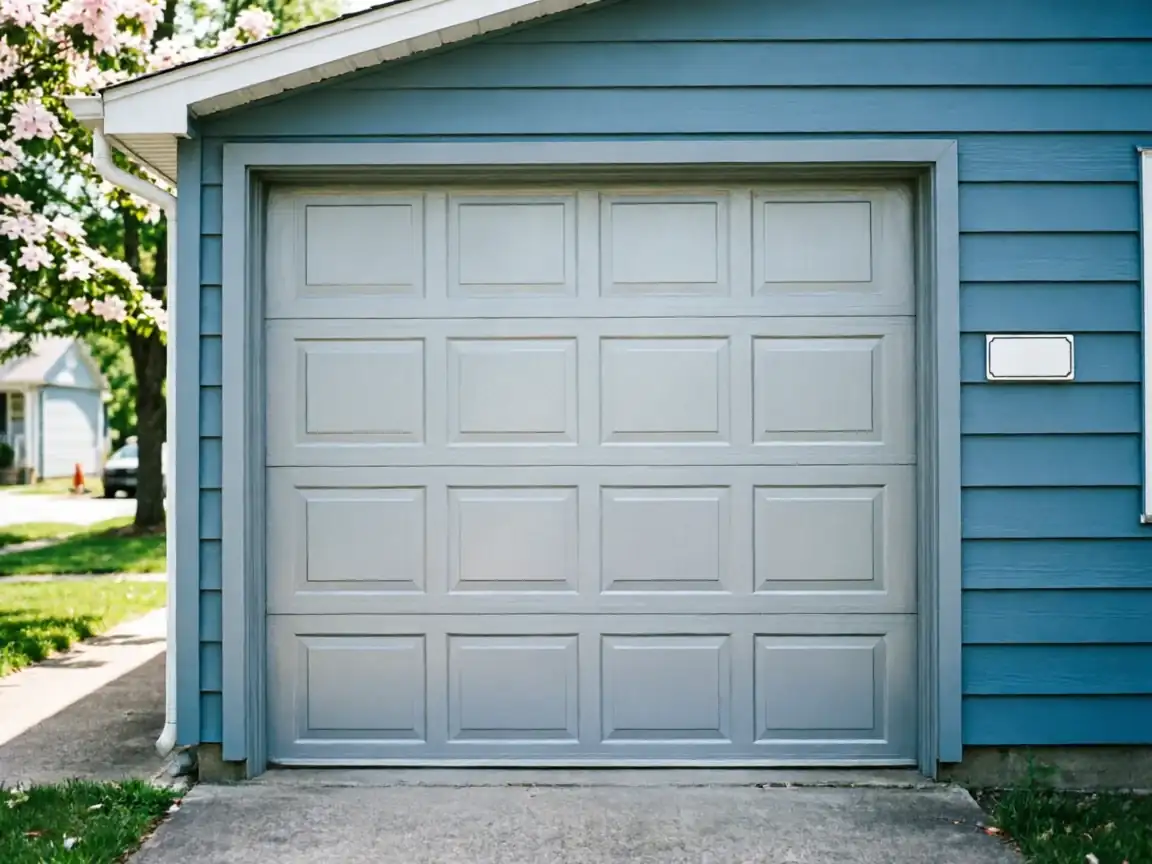
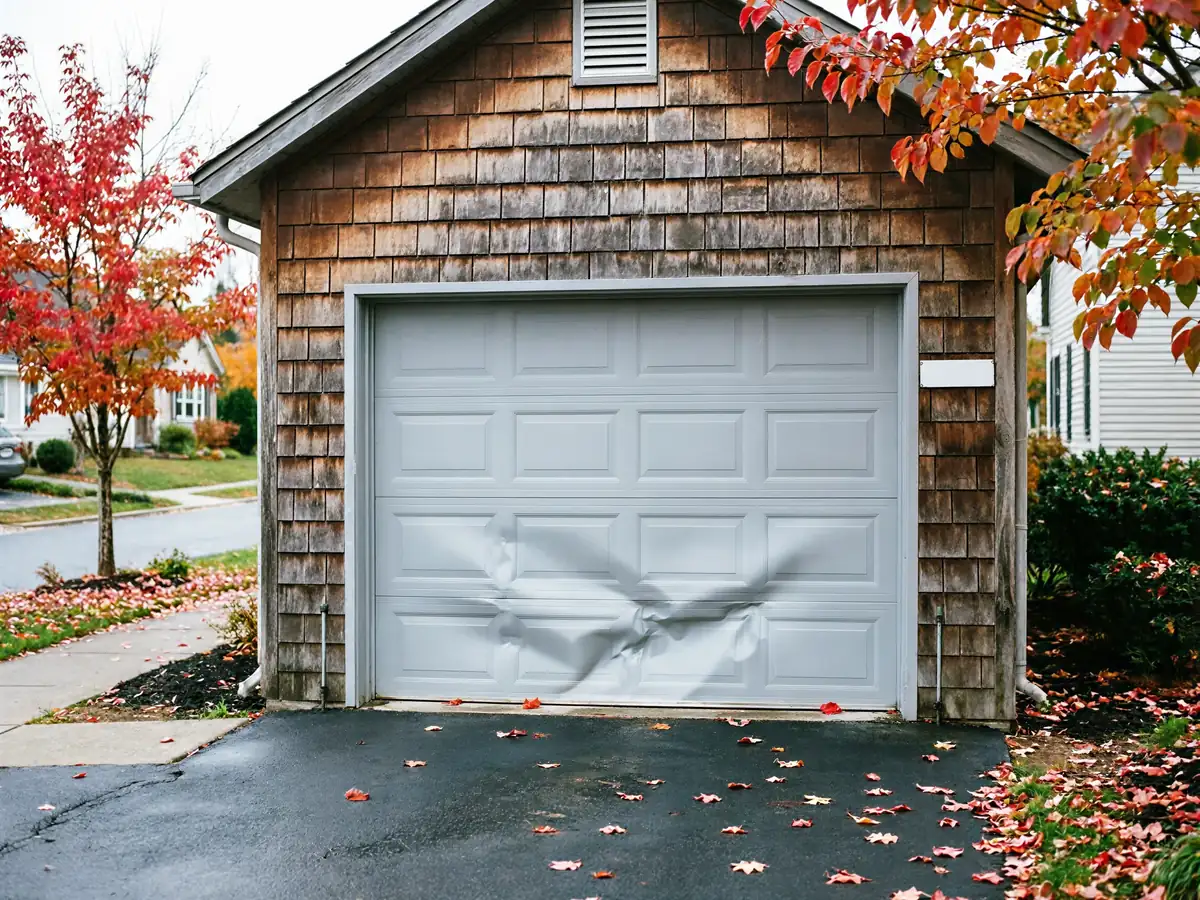
Most of Naugatuck's housing went up around 1971, which put a lot of plain steel sectional doors on these garages - no insulation layer, no vinyl backing, just galvanized steel over a cardboard or foam core if you're lucky. On a straightforward single-panel swap where we can match the ribbing and panel height, the job itself runs under two hours once we're on site. What stretches it out is sourcing the right panel: a 1971-era door from a builder that's long out of business doesn't have a parts number you can call in. We measure the panel, the ribbing pattern, and the section height on site and order from what's still made close to that profile. If your door is a less common size or an older design with panels that aren't made anymore, we'll tell you that up front rather than quote a timeline we can't hit. We travel from Shelton, so we're not swinging by twice without reason - we try to nail down the panel match on the first visit.
Parts We Carry
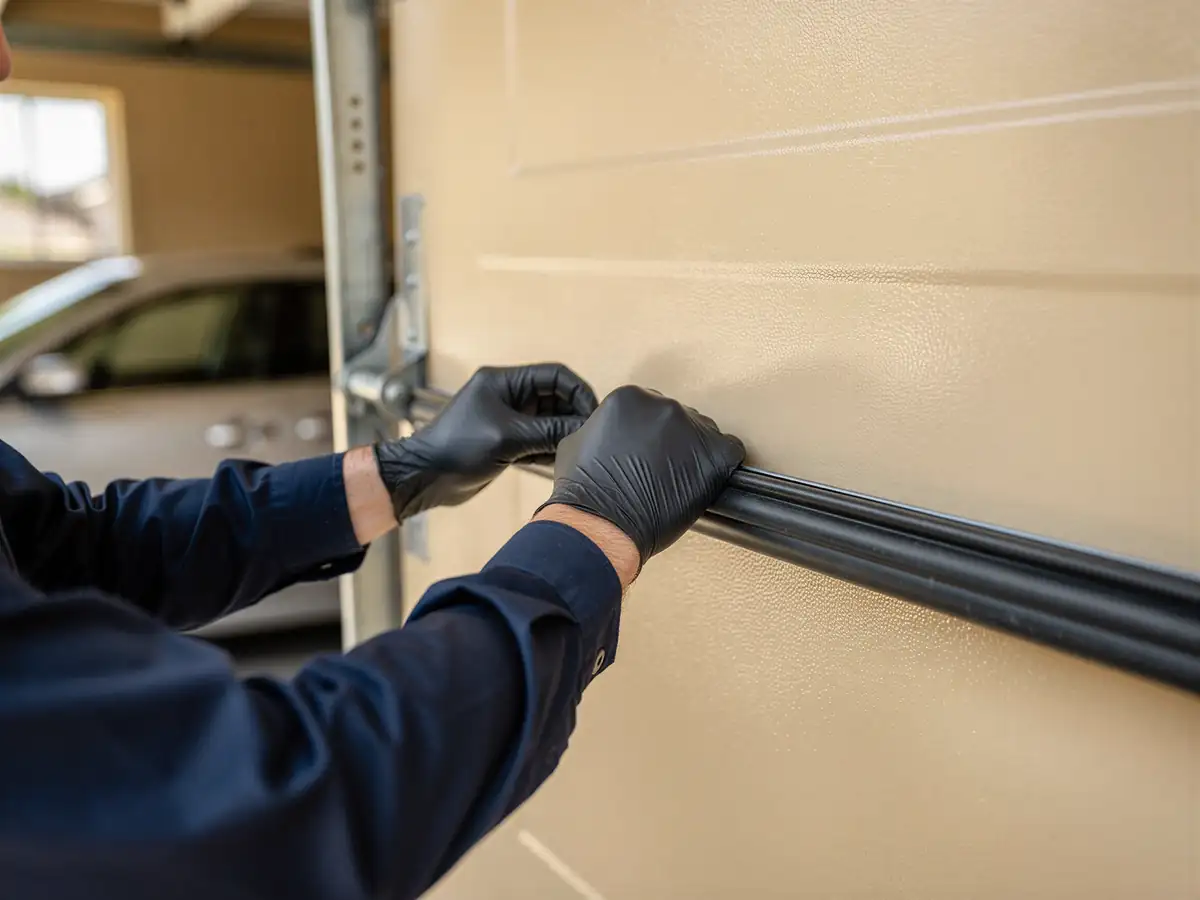
We stock common steel sections in the sizes that show up across this area's 1960s-70s stock, plus the hardware that usually fails alongside a damaged panel - hinges, end stiles, the roller brackets bolted to the section. What we don't carry on the truck is an exact color or wood-grain match for a 50-year-old door; most of those finishes aren't reproduced anymore, and we'll say so rather than promise a seamless blend. For households here with a mid-$92,000 median income, a full-door swap isn't always the right call next to a single-panel fix, and we'll price both so you're deciding with real numbers, not a sales pitch toward the bigger job.
What the Fix Involves
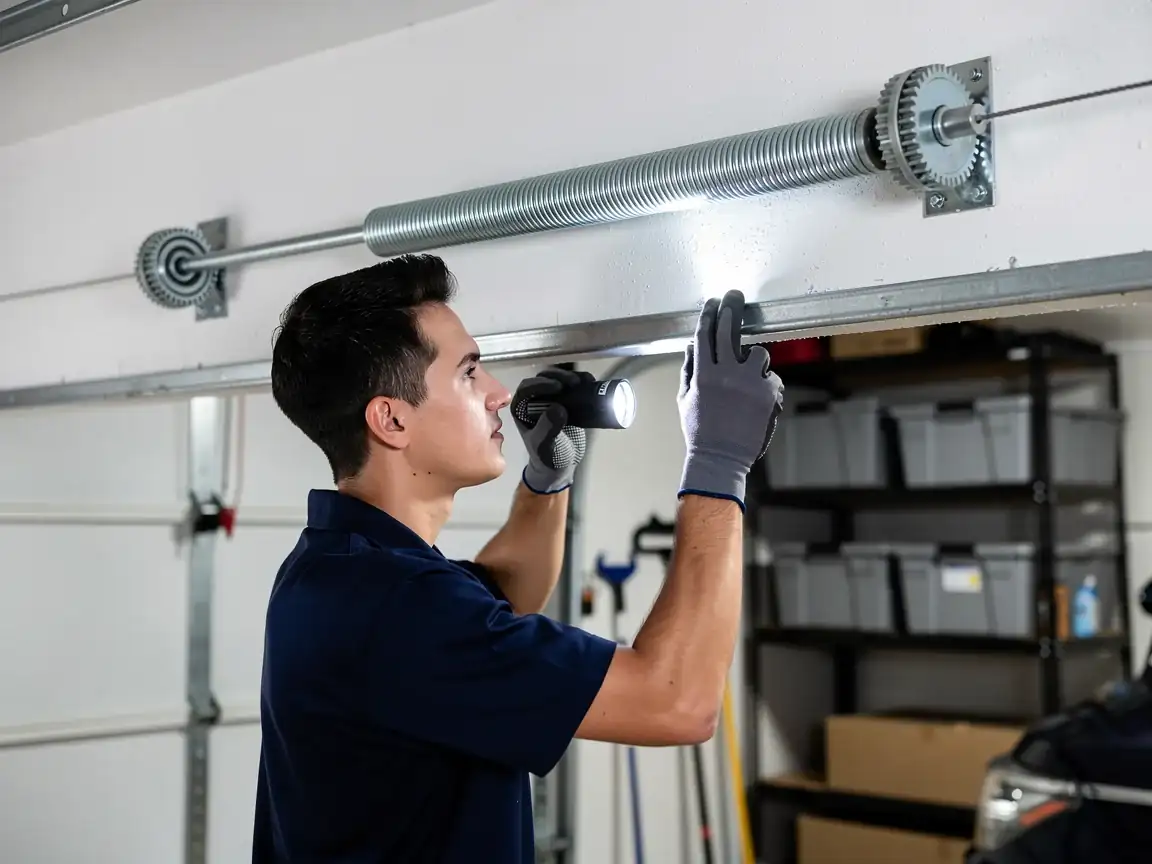
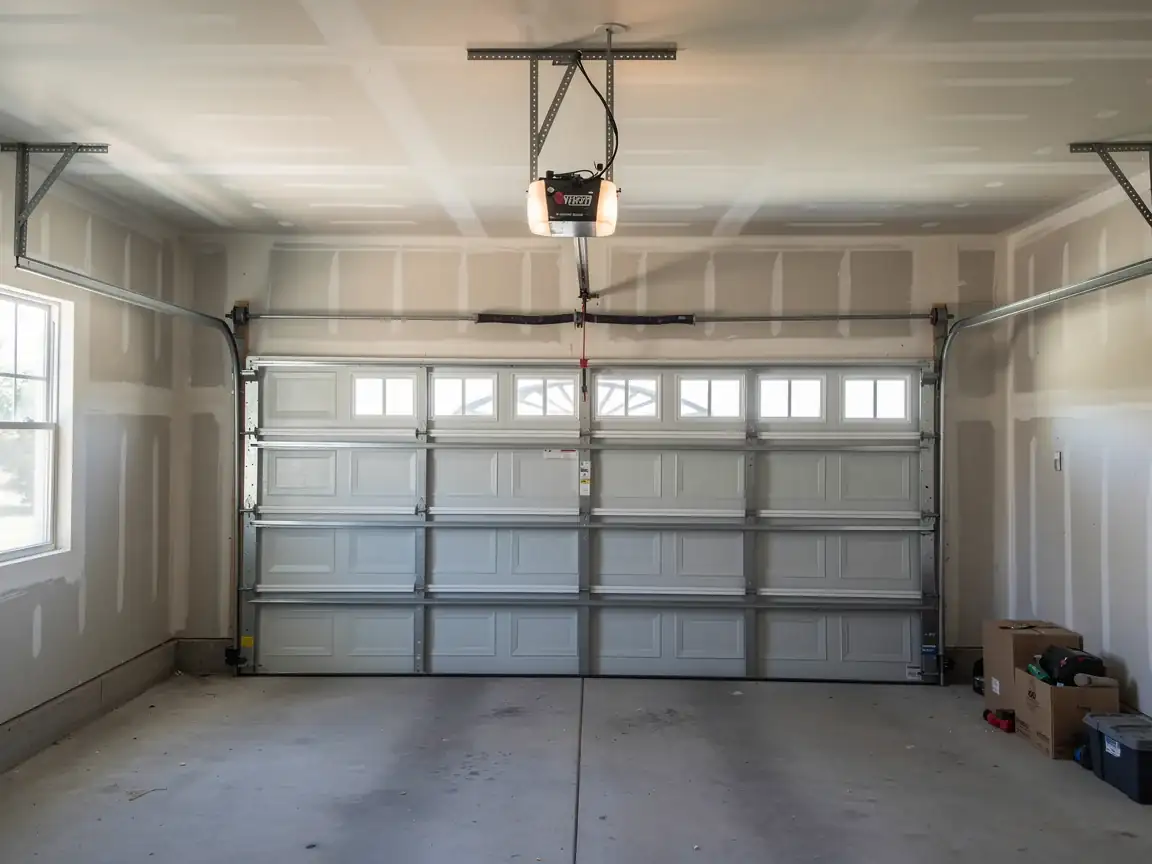
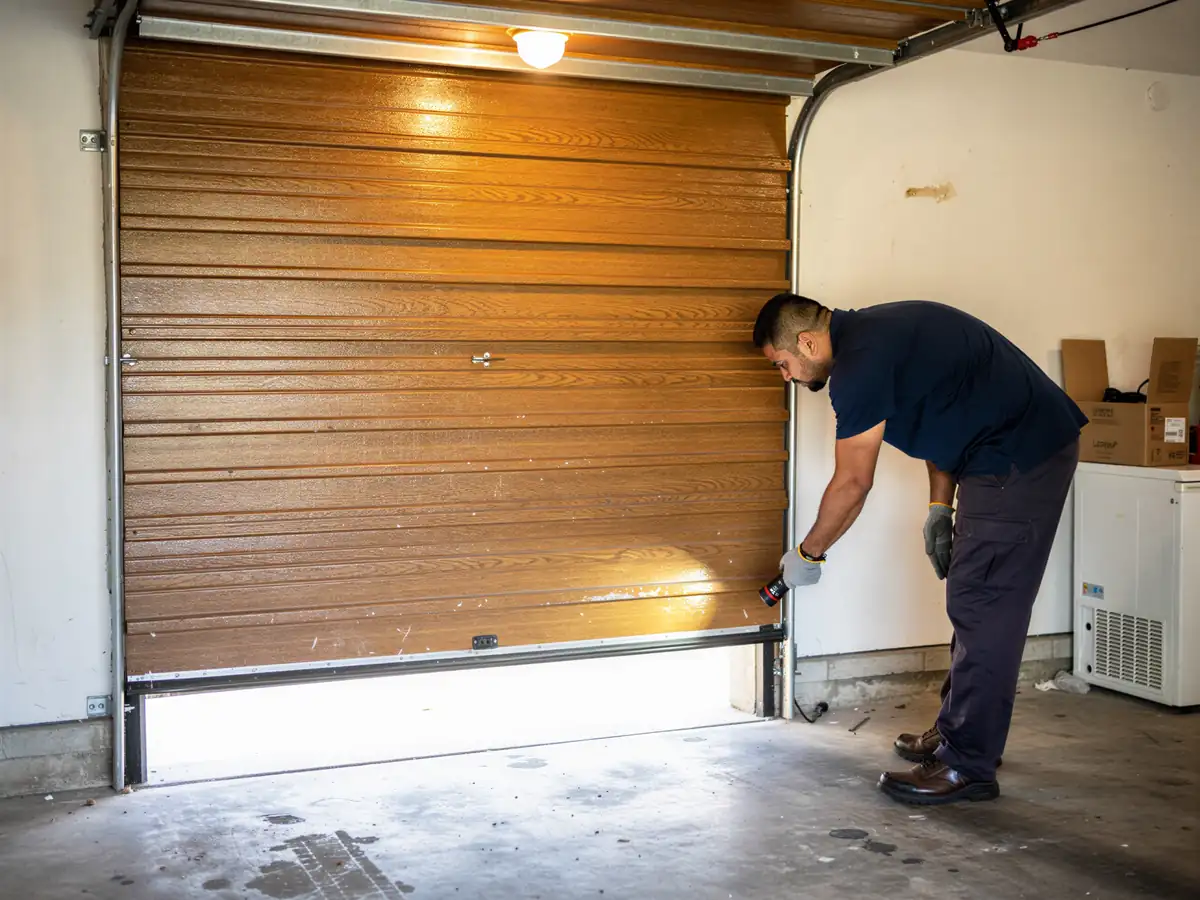
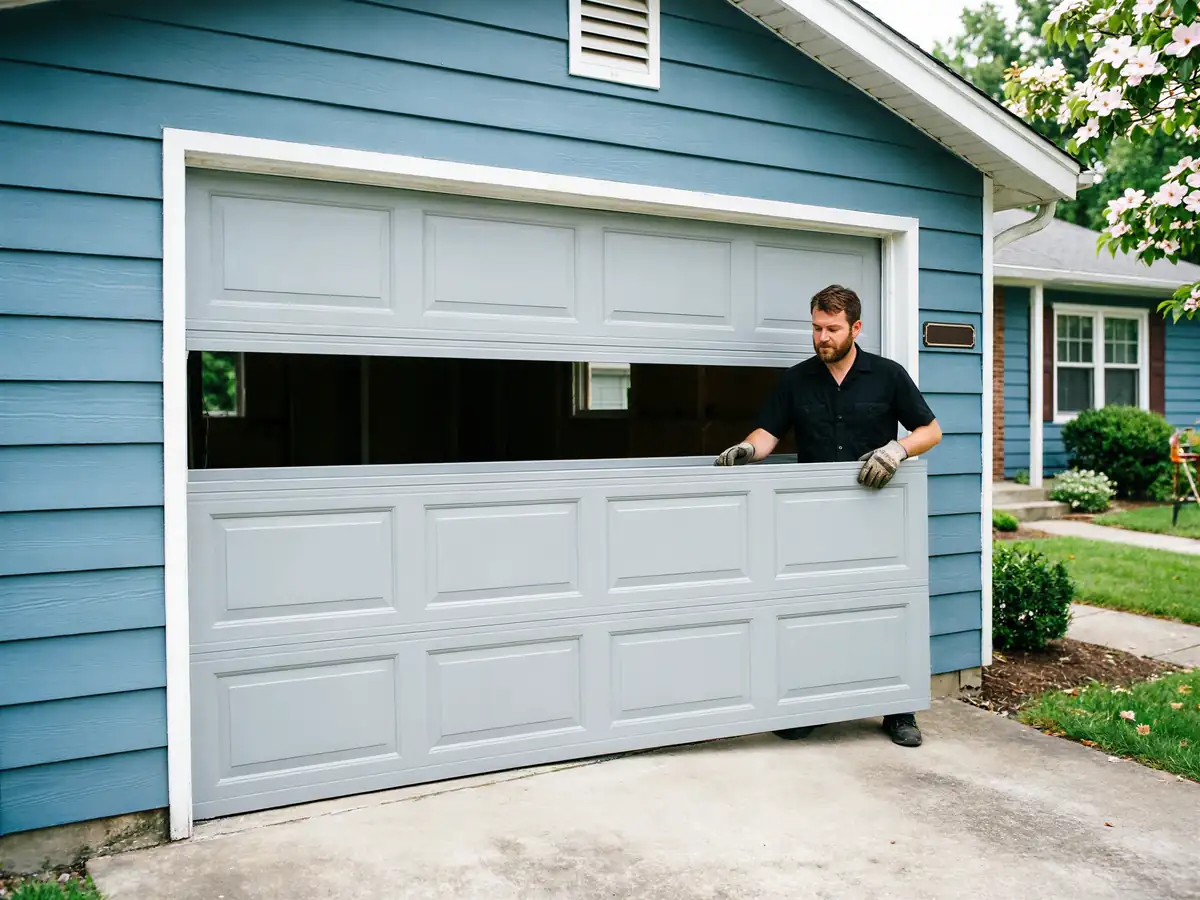
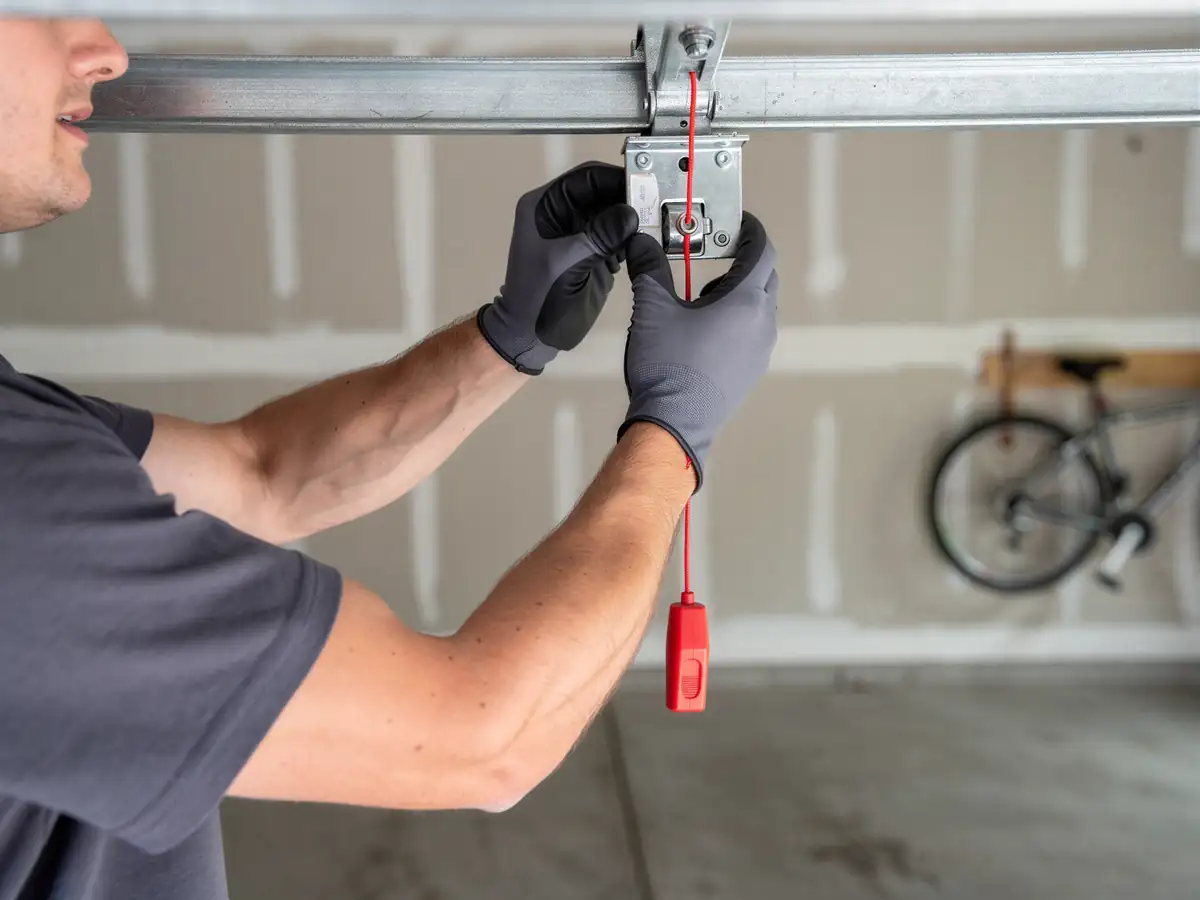
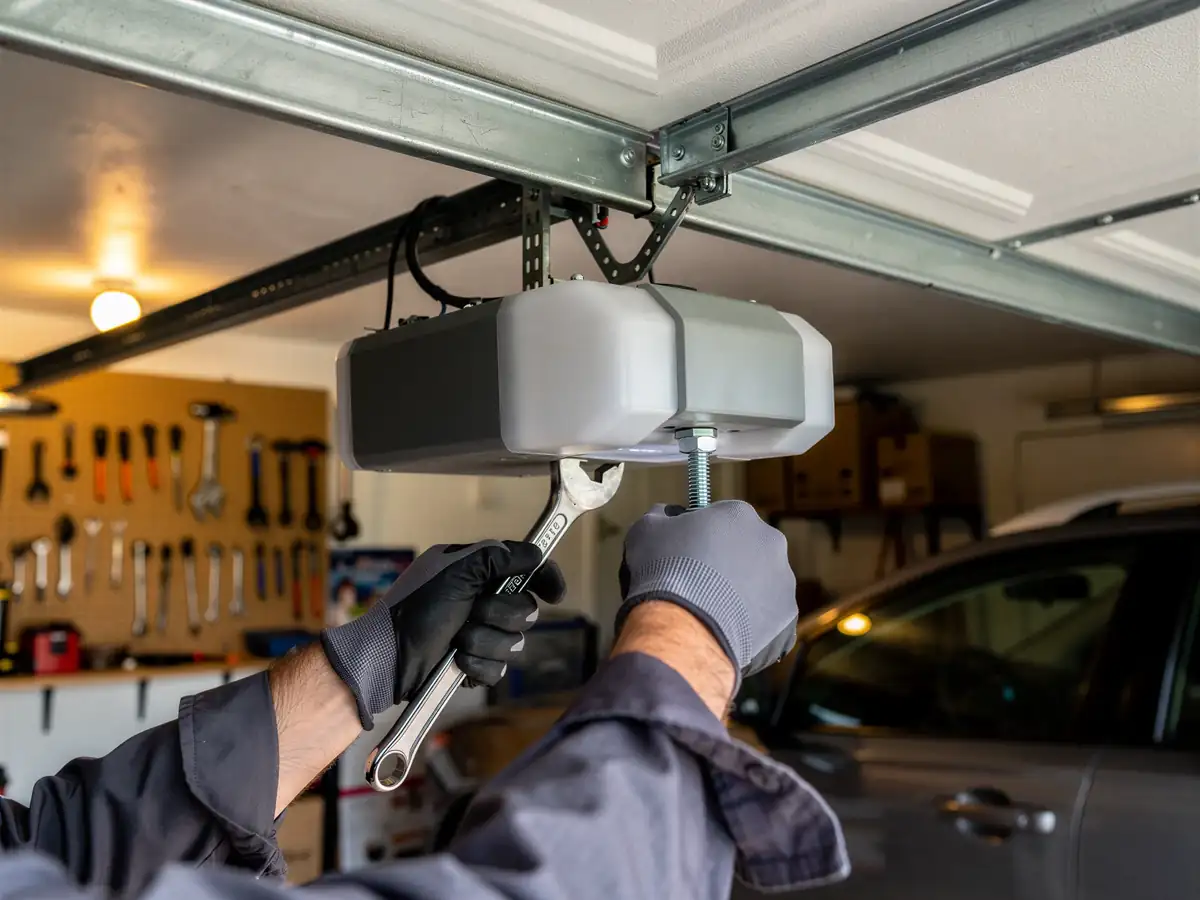
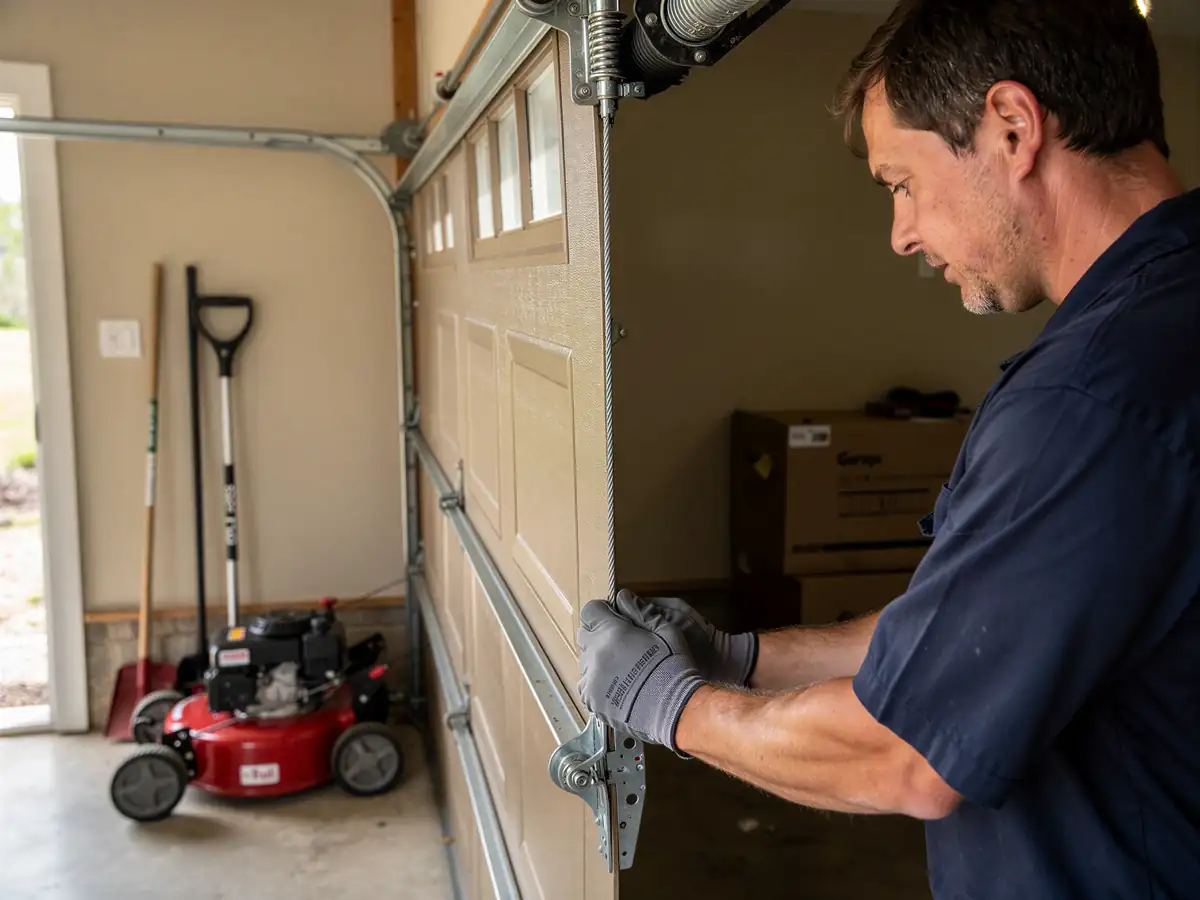
We pull the damaged section, unbolt the hinges and roller brackets, and transfer them to the new panel if they're still sound - no reason to replace hardware that's holding up fine. The new section gets set into the existing track, re-hinged to the panels above and below it, and the door gets rebalanced since even one new panel changes the weight the springs are carrying. On doors from the early 1970s, we also check the track alignment while we're in there; decades of settling on these older slabs can leave a track slightly out of plumb, and a new panel will expose that faster than the old warped one did. If the springs are original to a 1971 door, we'll flag that too - they're well past the end of a normal service life.
What Can Go Wrong
The biggest risk on an older Naugatuck door is panel mismatch - even when a manufacturer still exists, a panel made this year won't always line up with ribbing stamped half a century ago, and you can end up with a door that closes fine but looks patched. We're upfront when we think the better money move is a full door instead of chasing a panel that'll never quite match. Rust is the other issue: if one panel's rusted through, the panels next to it from the same build year are usually not far behind, so we'll point out what we see rather than just fix the one you called about and let the rest surprise you next winter.