How Long It Takes
Naugatuck has roughly 12,534 households, which is a smaller town than some of the others we cover out of Shelton, but it's still enough housing stock that a maintenance visit here isn't a quick once-over. Most of what we find is tied to one era of construction - homes built around 1971, with a range stretching from 1952 up through more recent additions. A standard tune-up on one of these doors - lubrication, hardware check, spring tension, track alignment, opener force settings - runs about the same length of time whether the house is from 1955 or 1995, but the parts we're checking skew older here than in a newer development.
We come out from Shelton, about 13 miles away, so we don't treat a maintenance call as a five-minute add-on to something else. We book the drive into the visit. If you've got more than one door, or the opener is original to the house, tell us when you call so we budget the right amount of time rather than rushing the last fifteen minutes.
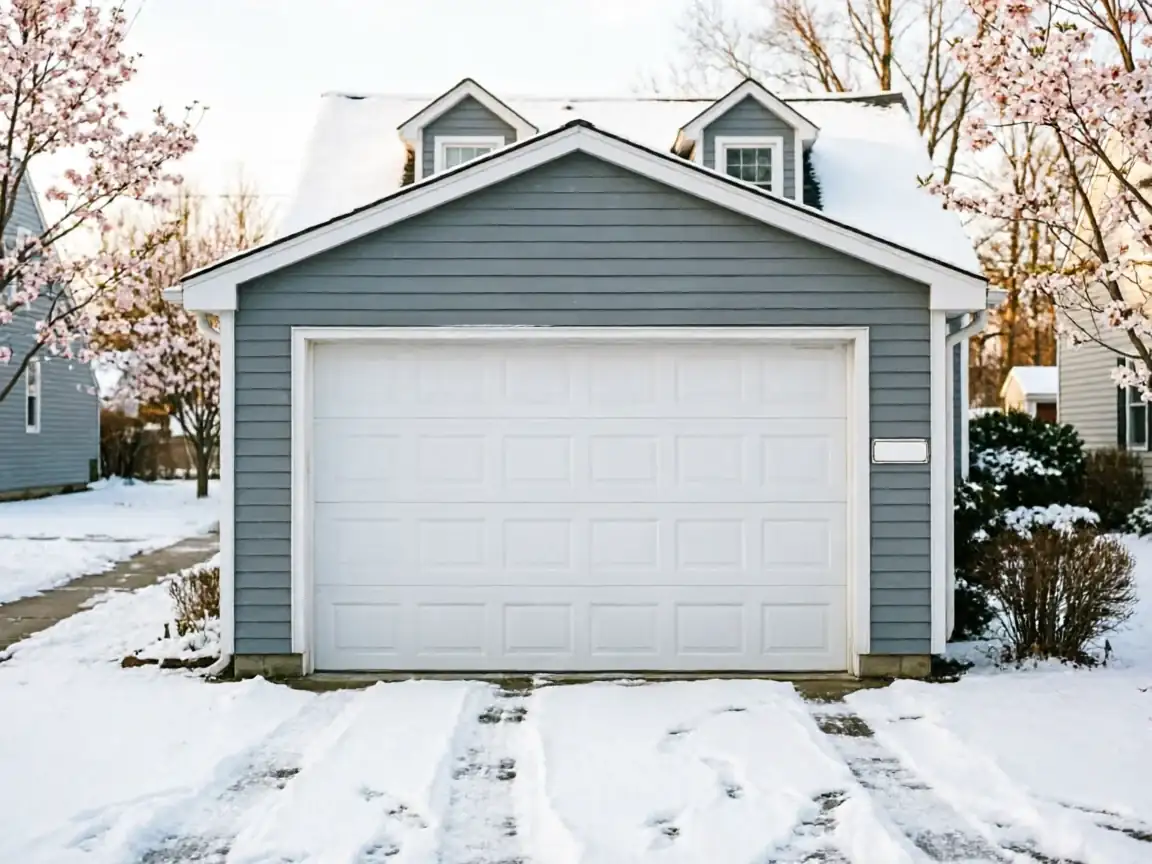
Winters here get genuinely cold, which matters for timing too - cold grease stiffens, metal contracts, and a door that was fine in September can bind in January. We'd rather catch that in the fall visit than get the call in February.
Parts We Carry
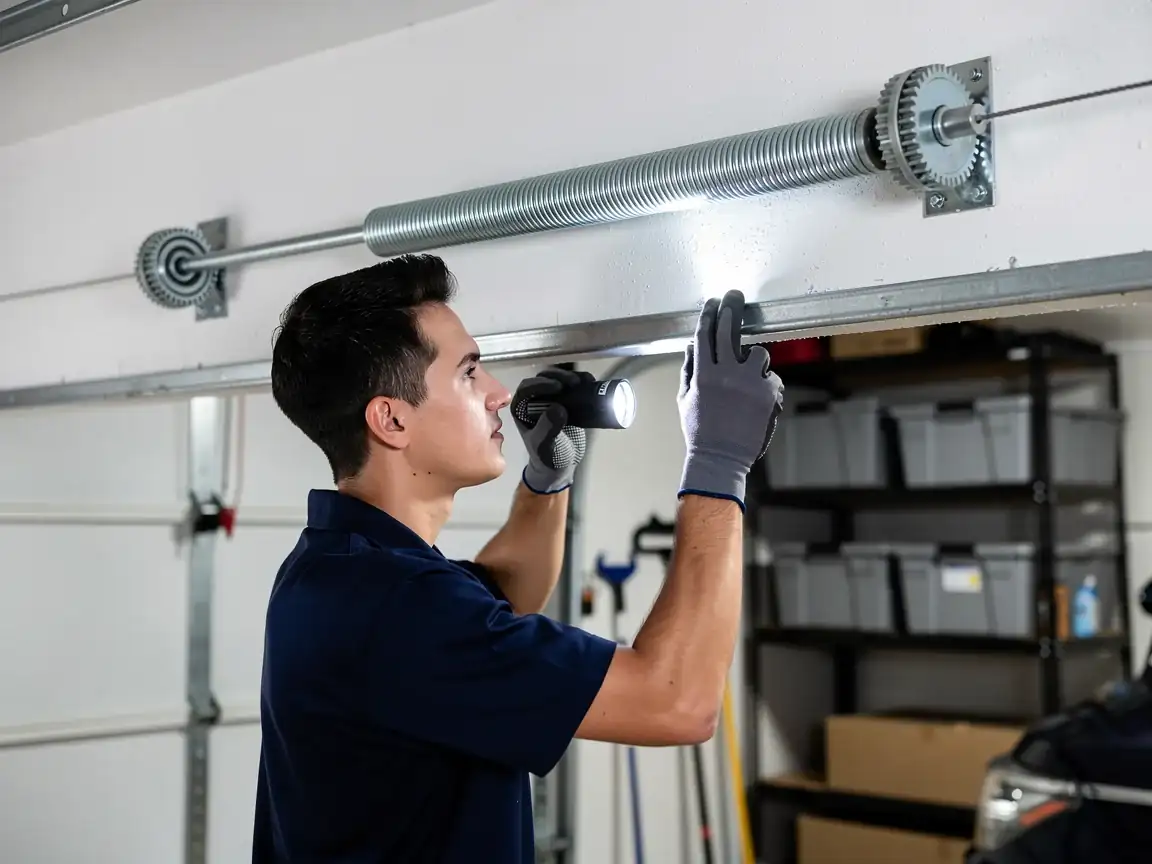
With a median year built around 1971, a lot of Naugatuck's garage doors are running hardware that predates today's standard parts bins. We carry torsion springs sized for the heavier single-panel and early sectional doors that era used, along with the rollers and hinges that wear out on tracks installed before galvanized coatings were standard everywhere. Cable and drum sets for older torsion setups are part of what we stock on the truck, since those wear out from UV and cold-weather flexing rather than any one dramatic failure.
We also carry current opener parts - belt and chain drive components, logic boards, safety sensors - because plenty of these older doors have had an opener swapped in at some point over the decades, even if the door itself is original.
Here's the limitation: if a door has a genuinely obsolete track profile or a spring size nobody manufactures anymore, we may need to special-order it, and that can add a few days to the job. We'll tell you up front if that's the situation rather than make you wait to find out.
The Symptom
The complaint we hear most from Naugatuck homeowners is a door that's gotten loud
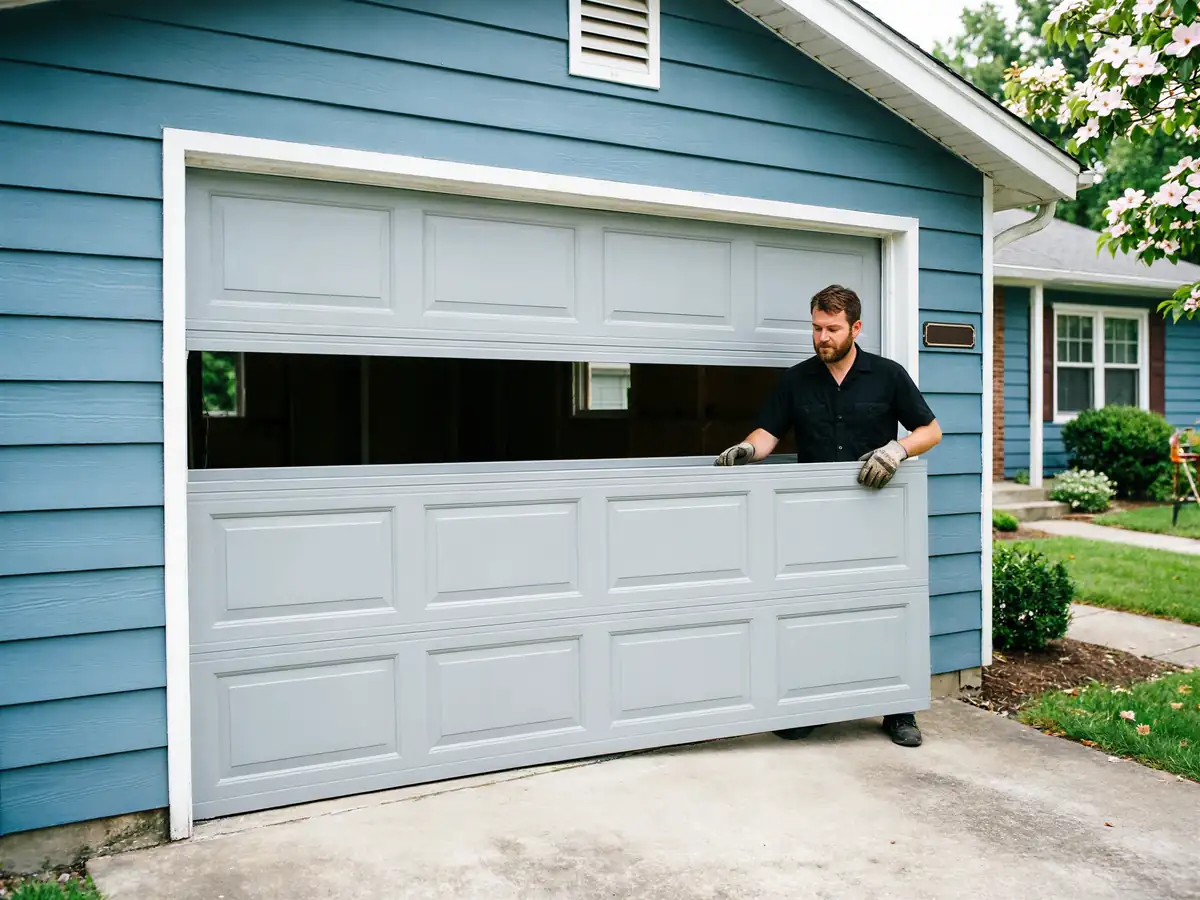
Or one that hesitates partway up before the opener strains to finish the lift. Both point to the same root cause in houses from this period: springs that were sized correctly in 1971 but have lost tension over fifty-plus years of cycling, combined with rollers that were never upgraded from the original steel.
Cold makes it worse
In a climate with real winter severity, steel contracts and old grease thickens, so a door that's merely noisy in August can start binding or reversing on its own in January. If your opener is straining audibly, or the door drifts down after you close it, that's tension loss talking, not a motor problem - though plenty of people replace the opener first and find the real issue is still there.
What the Fix Involves
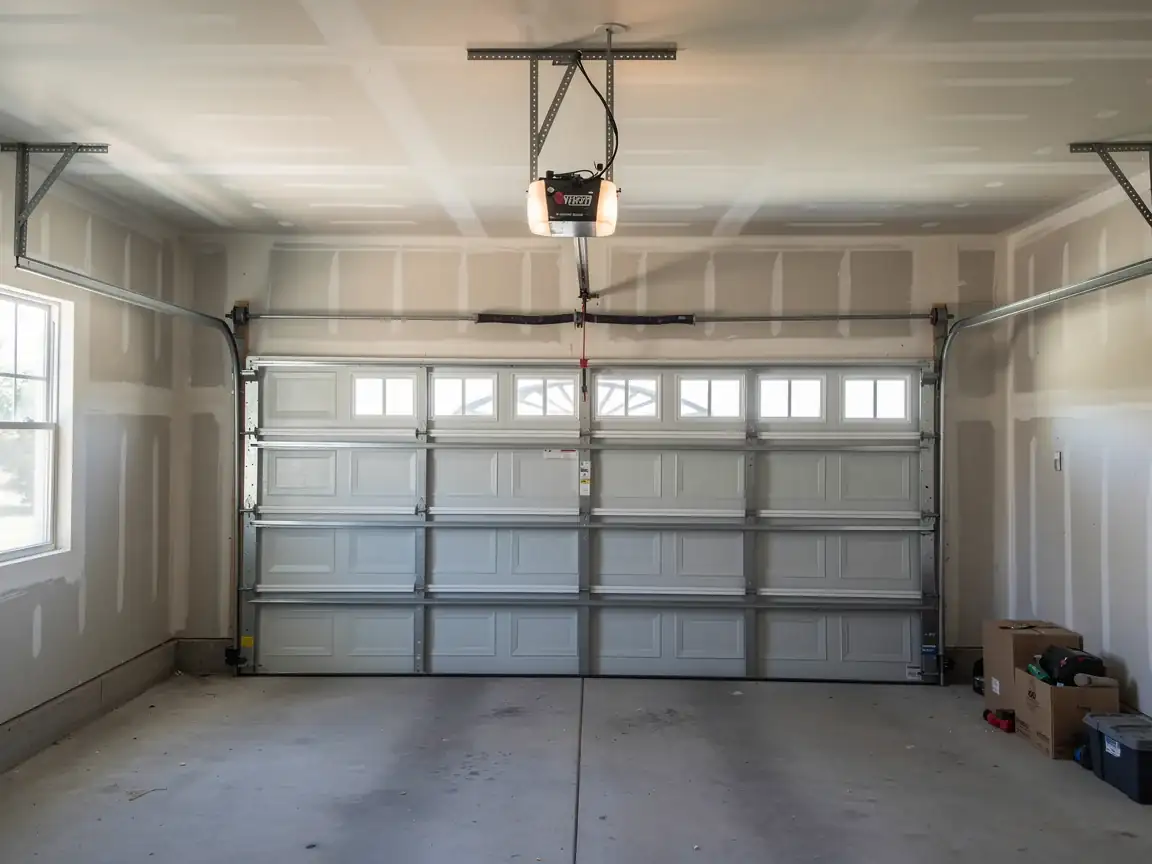
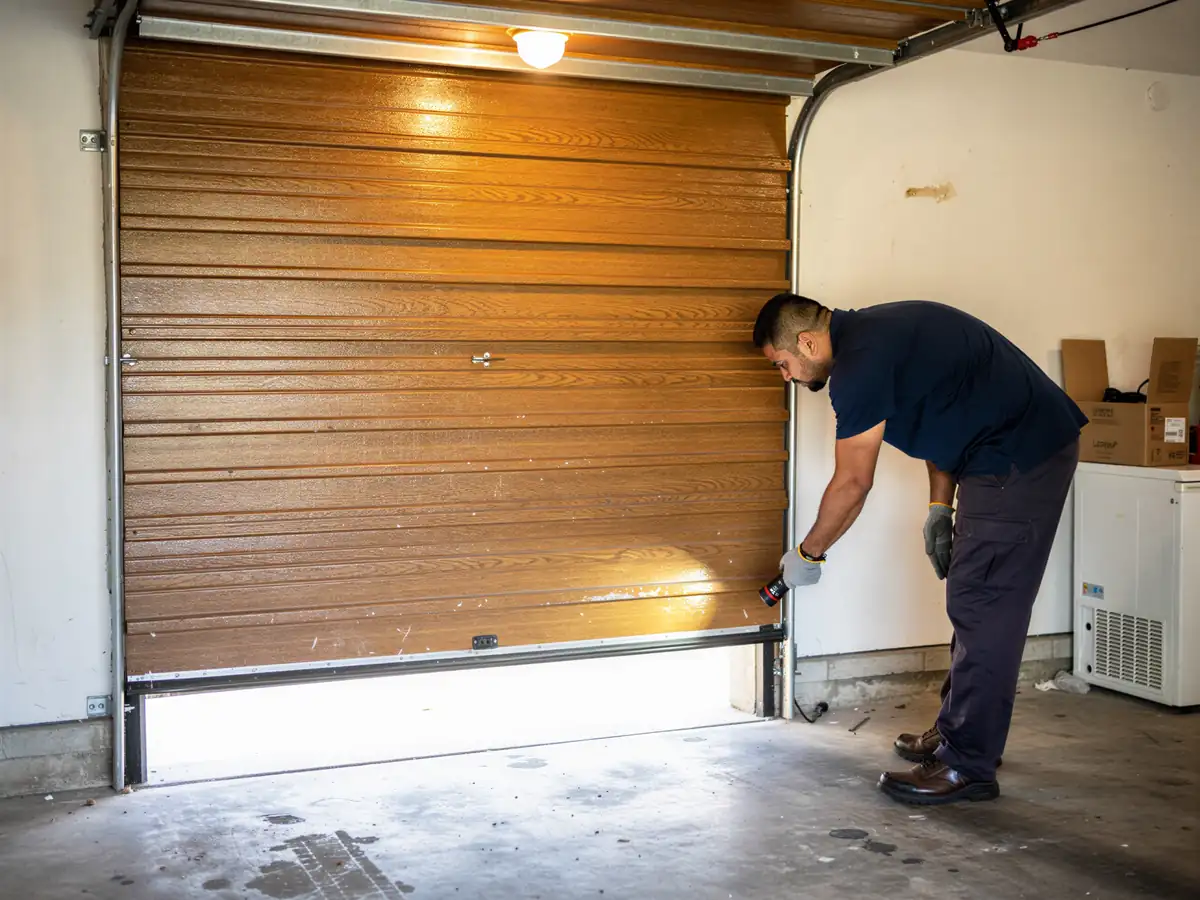
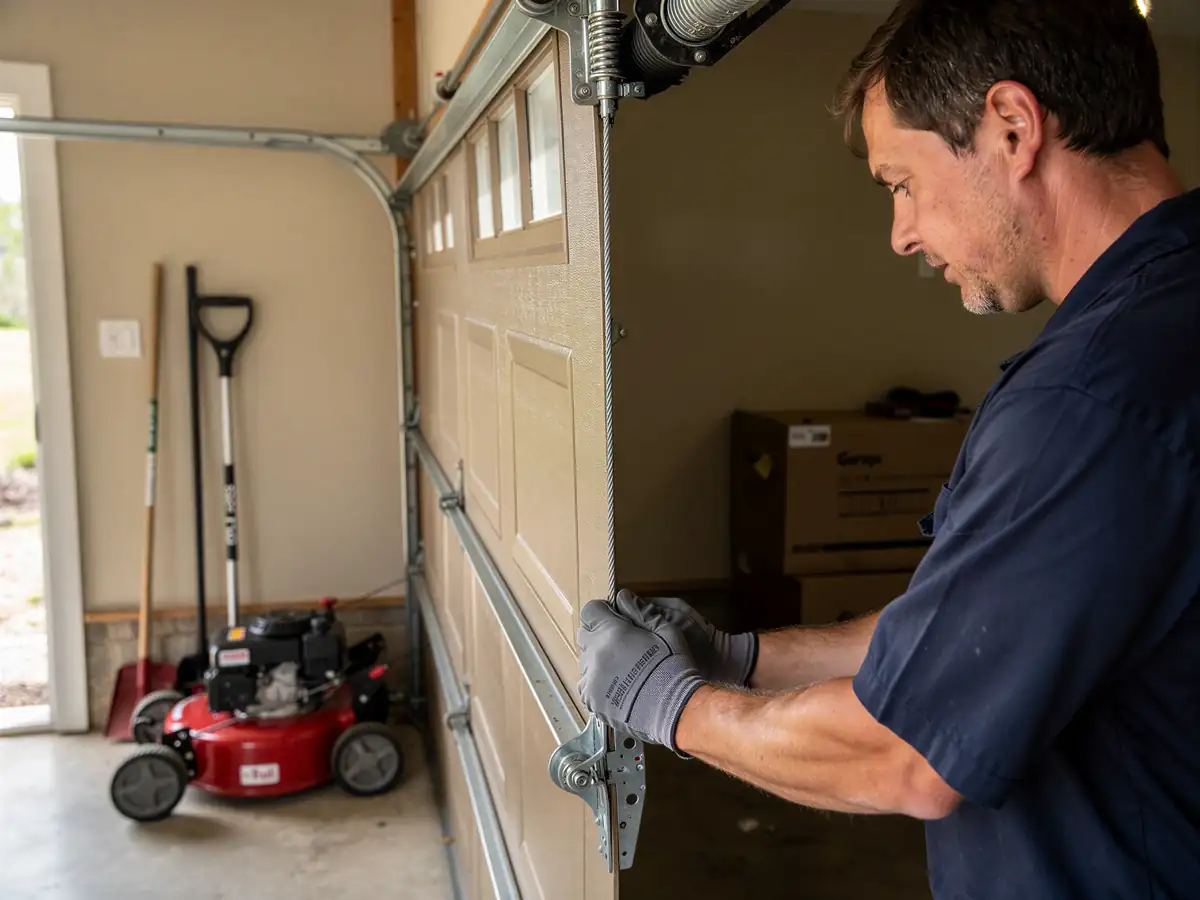
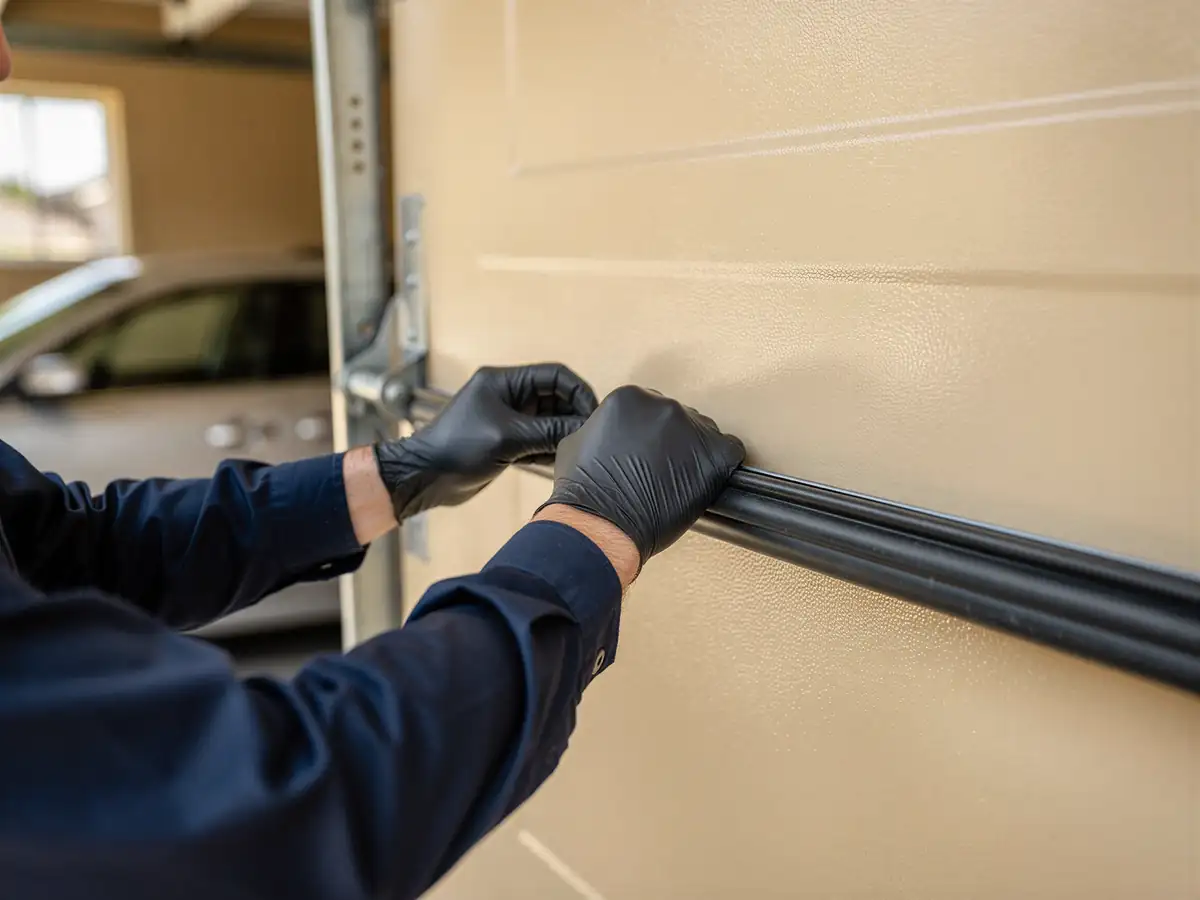
For a house built in the early 1970s, maintenance usually starts with the torsion spring - checking its wind, its wear, and whether it still matches the door's current weight, since weatherstripping and insulation retrofits over the decades can change that weight without anyone noticing. From there we work the track: cleaning out old grease, checking alignment against the original mounting brackets, and replacing rollers that have gone out of round.
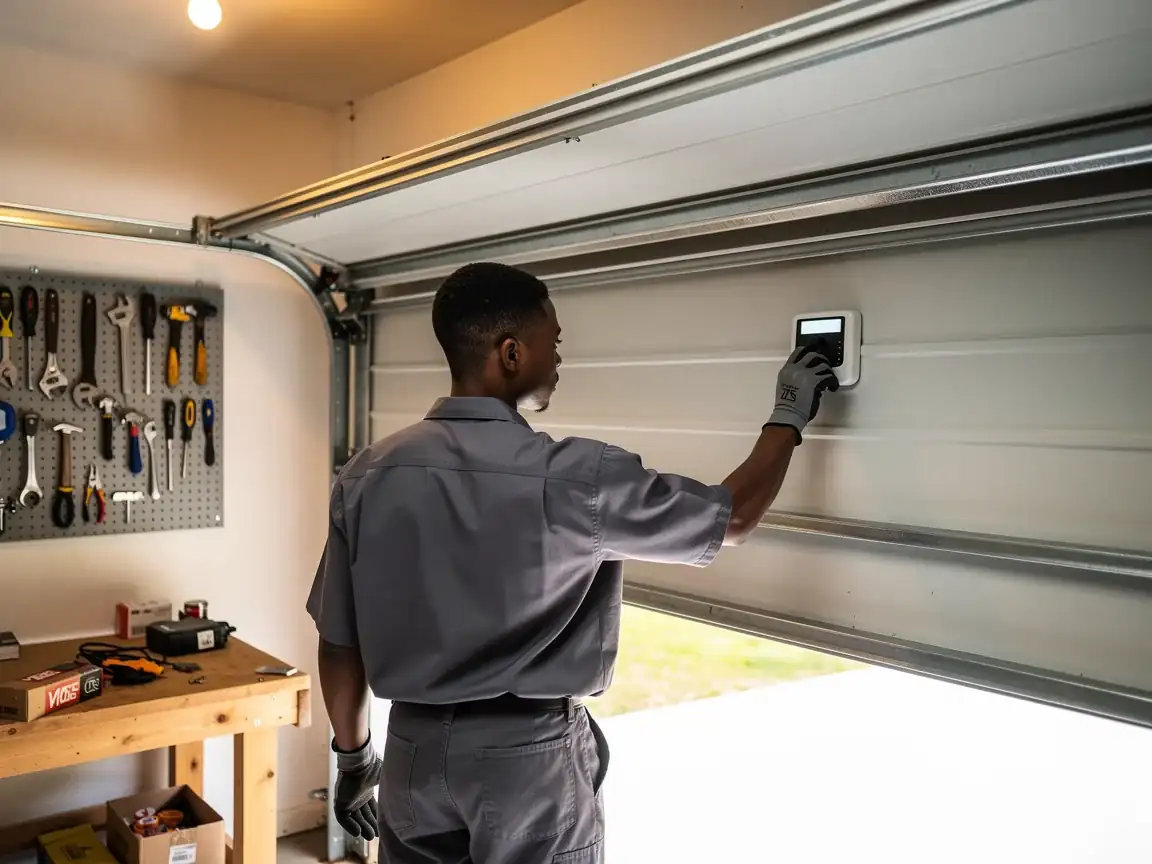
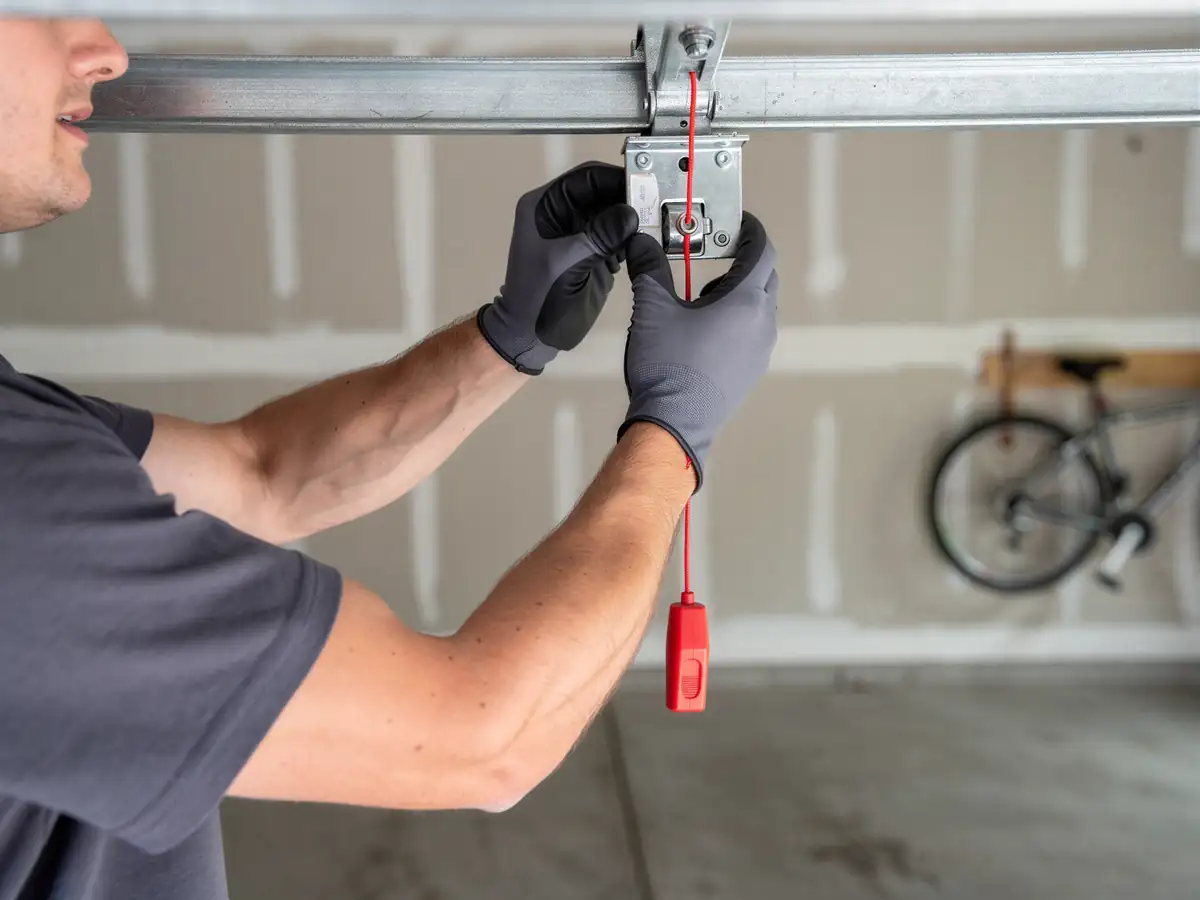
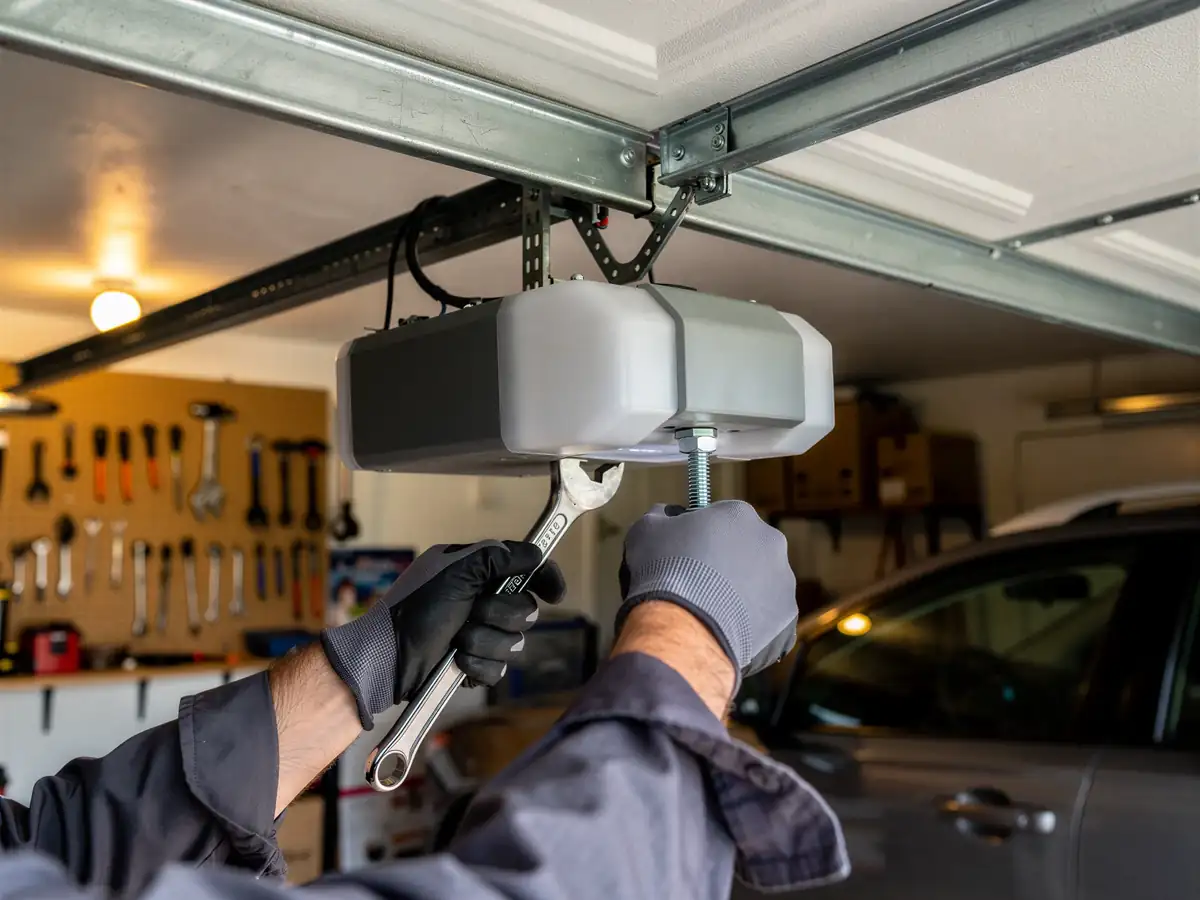
On opener hardware, we test the travel limits and force settings, since a door that's been recalibrated once or twice over the years can drift out of safe reversal range. We also check the cable drums and end bearing plates, which on older torsion setups wear unevenly if the door's been slightly misaligned for a while.
We don't repaint or refinish panels as part of a maintenance visit - that's a cosmetic job, not a mechanical one, and we'll say so if a door's finish is the only thing bothering you.
What Can Go Wrong
The main risk on a house this age is deferred wear catching up all at once - a spring that finally lets go, a cable that frays through, or a roller that jumps the track mid-cycle. None of that is unique to Naugatuck, but the odds are higher here than in a neighborhood built in the last decade, simply because more of the hardware has been in service since the early 1970s.
Cold-weather failures are the other pattern worth knowing about. A severe winter climate means metal fatigue shows up faster in January than in July, and a spring that's been marginal all year is more likely to snap on a cold morning than a mild one. If your door has been getting louder or slower over the fall, that's the window to get it looked at before winter forces the issue.