How Long It Takes
We run the 13 miles from Shelton out to Naugatuck for scheduled install jobs, not emergency calls, so timing here is about the job itself, not travel. A straight swap on an opening that's already standard width - no framing changes, no header repair - usually runs a half day start to finish, including setup of a new opener if you're replacing one. Where it runs longer is the houses built before the opening sizes got standardized in later decades. A lot of Naugatuck's stock dates to the 1960s and 70s, median build year 1971, and some of those openings are narrower or use track clearances that don't match a modern steel door off the shelf without trimming jambs or swapping the header bracket. We tell you on the walkthrough, before we order the door, whether yours is a half-day job or a full one. We don't guess on-site and then surprise you with a second trip.
Parts We Carry
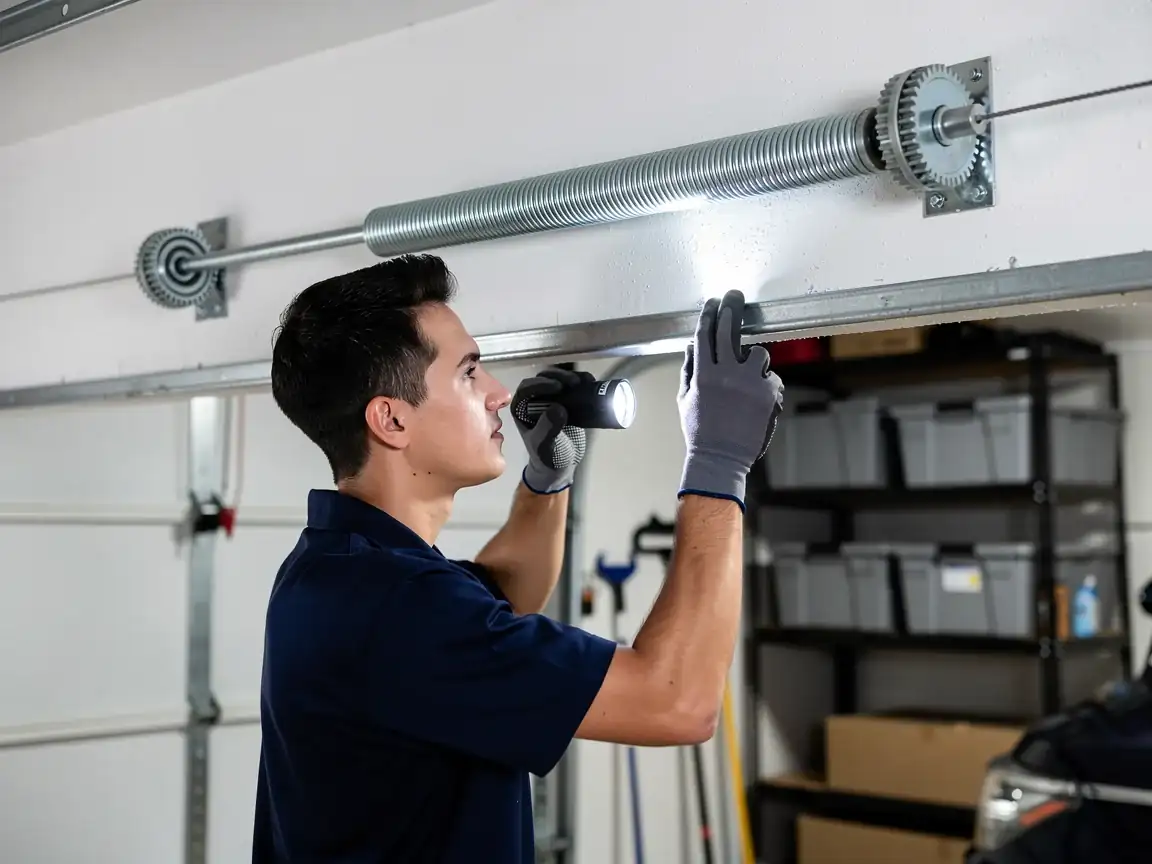
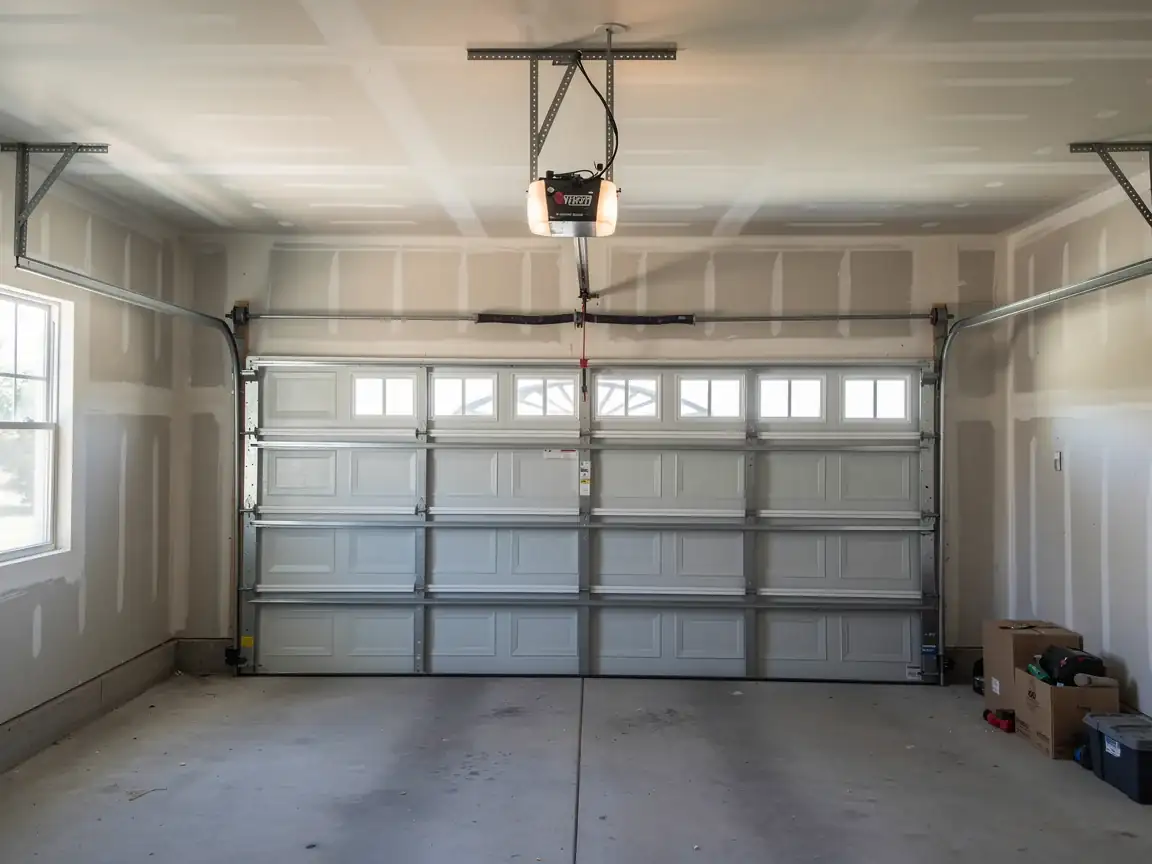
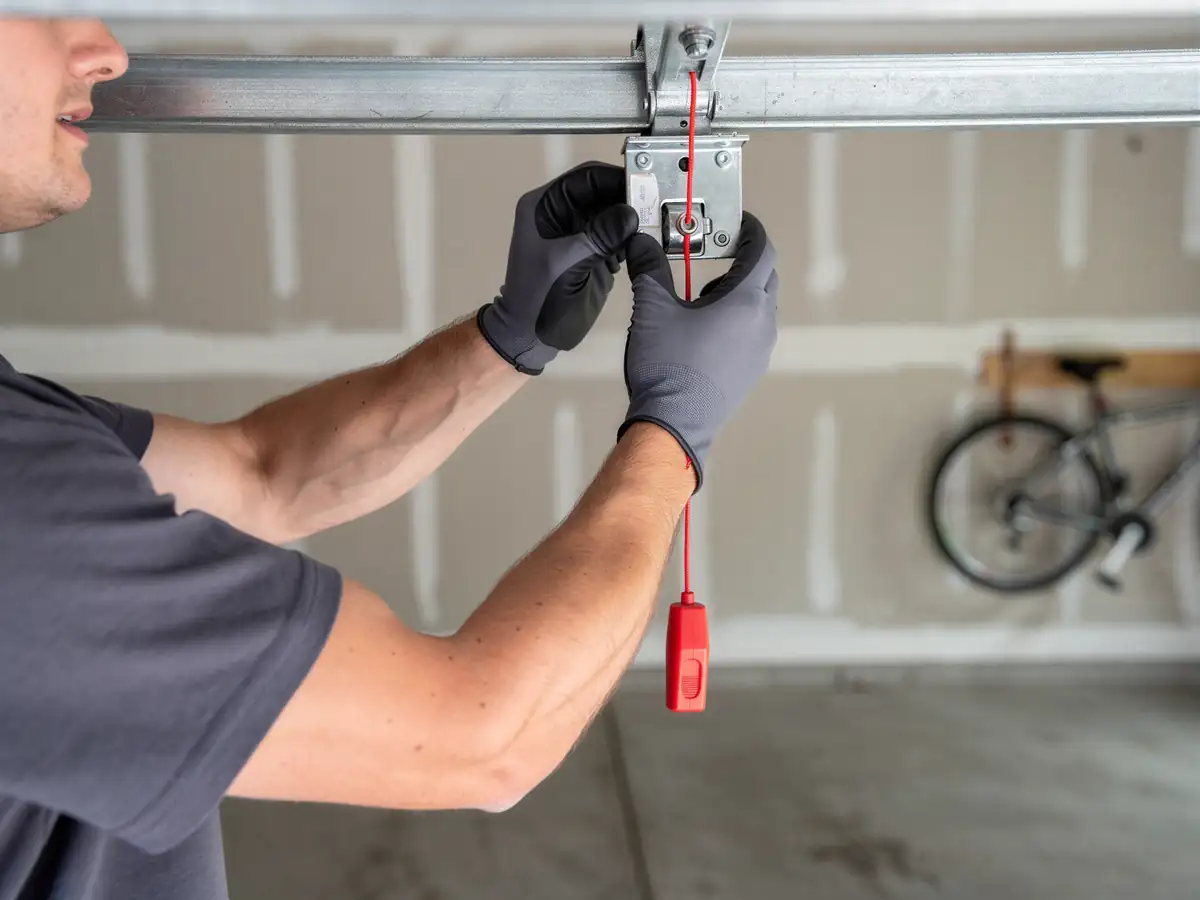
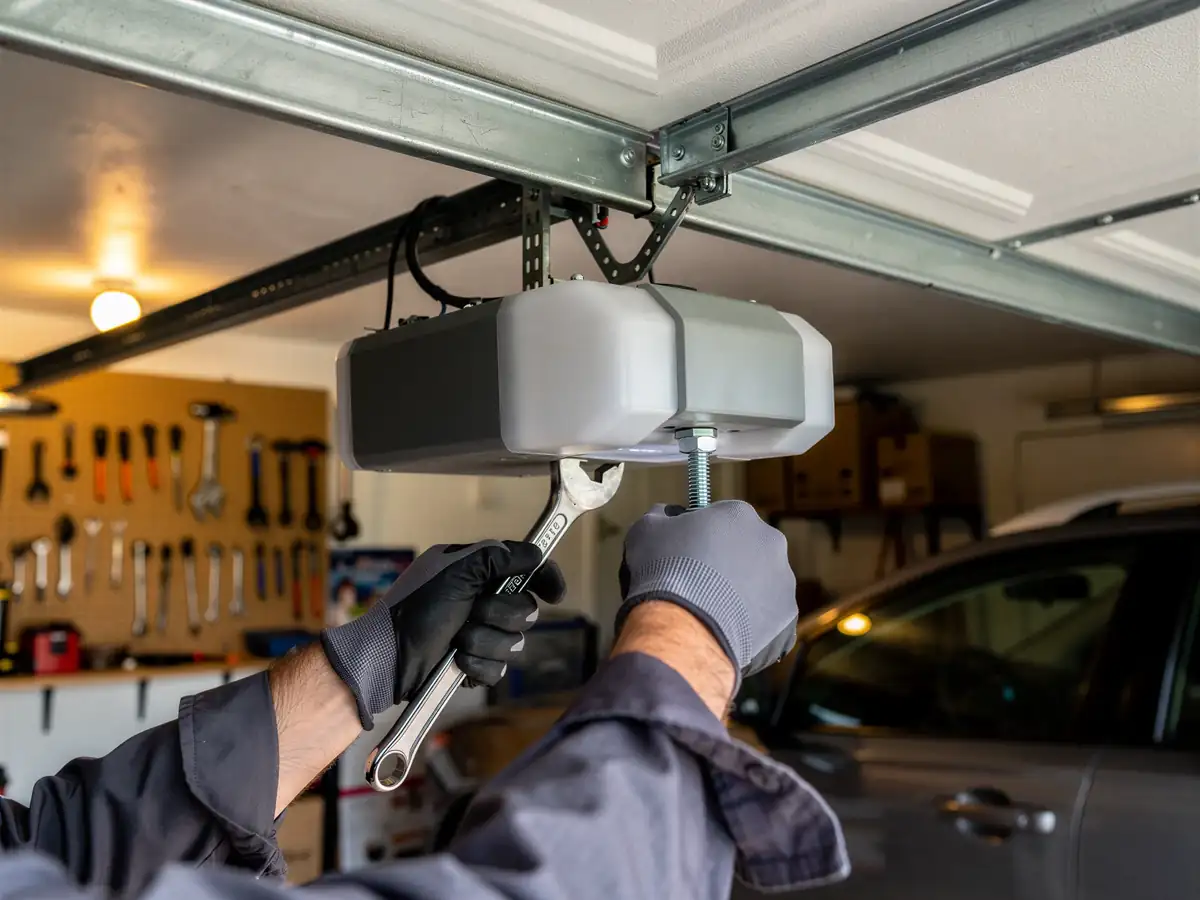
For a town built mostly in the 1960s and 70s, the recurring issue isn't the door panel - it's the track and spring sizing underneath it. Houses from that era in this part of Connecticut were commonly built with single-layer doors and lighter torsion springs sized for that lighter door, on tracks that assumed less insulation and less weight. When you move to a new insulated steel or composite door, the spring has to be re-rated for the new weight or it won't balance, and the opener has to be matched to that new lift force. We stock torsion springs across a working range of weights, standard and low-headroom track, and openers rated for both lighter single-layer replacements and heavier insulated doors, so we're not ordering a spring after we've already pulled the old door off your opening.
What the Fix Involves
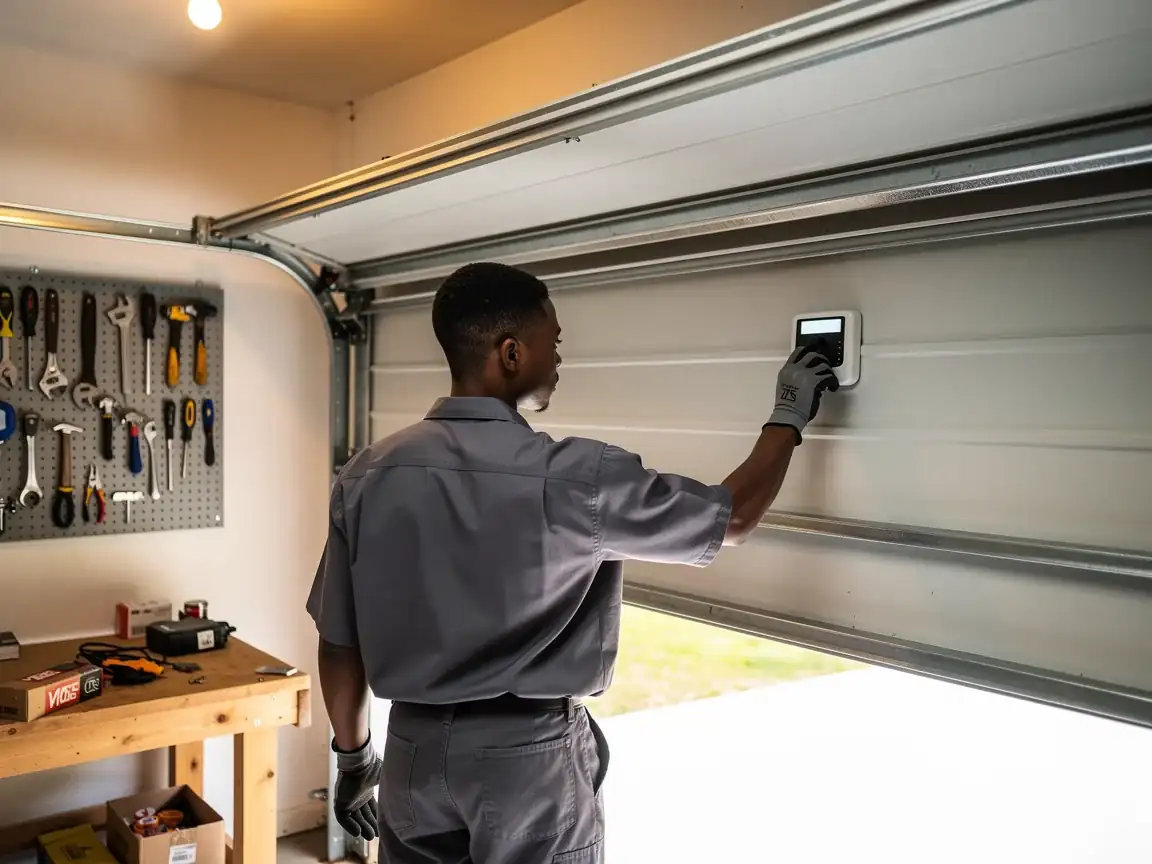
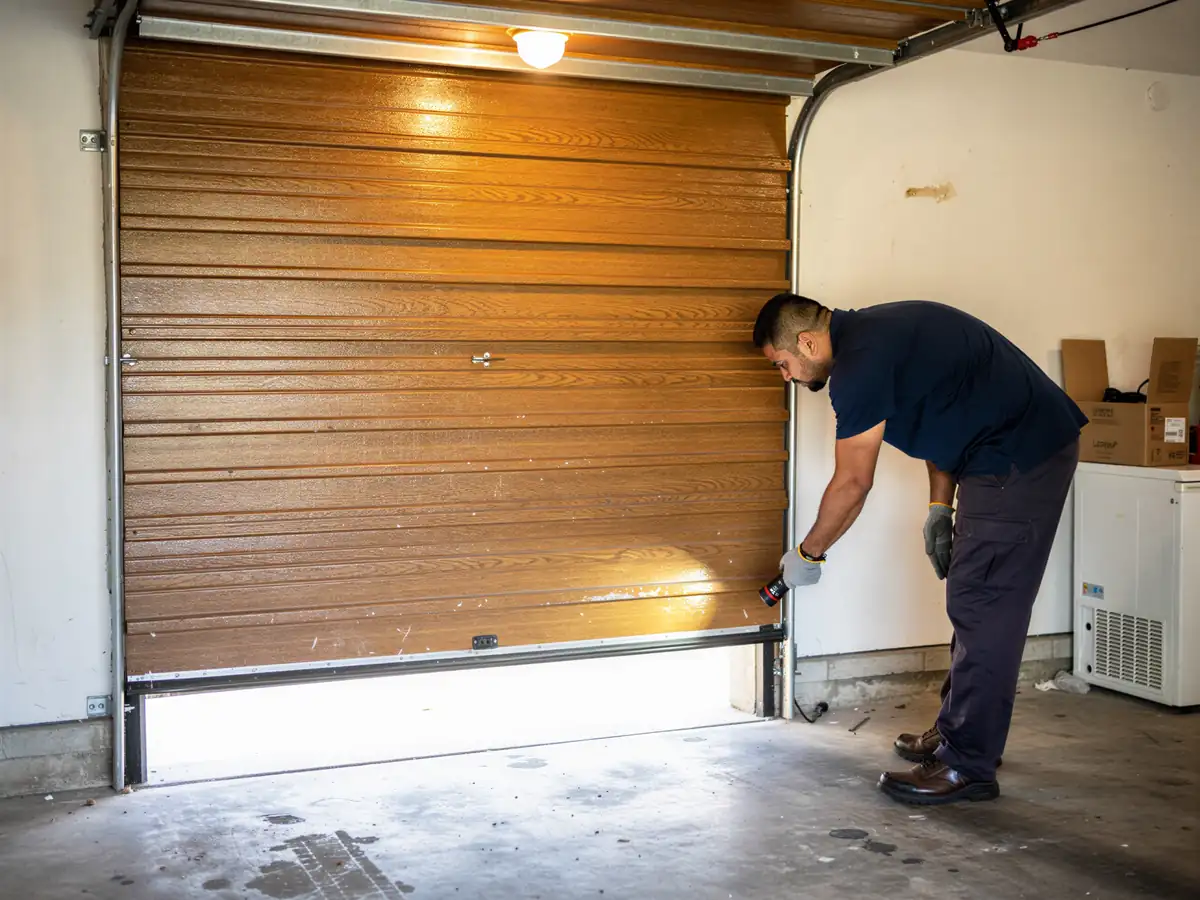
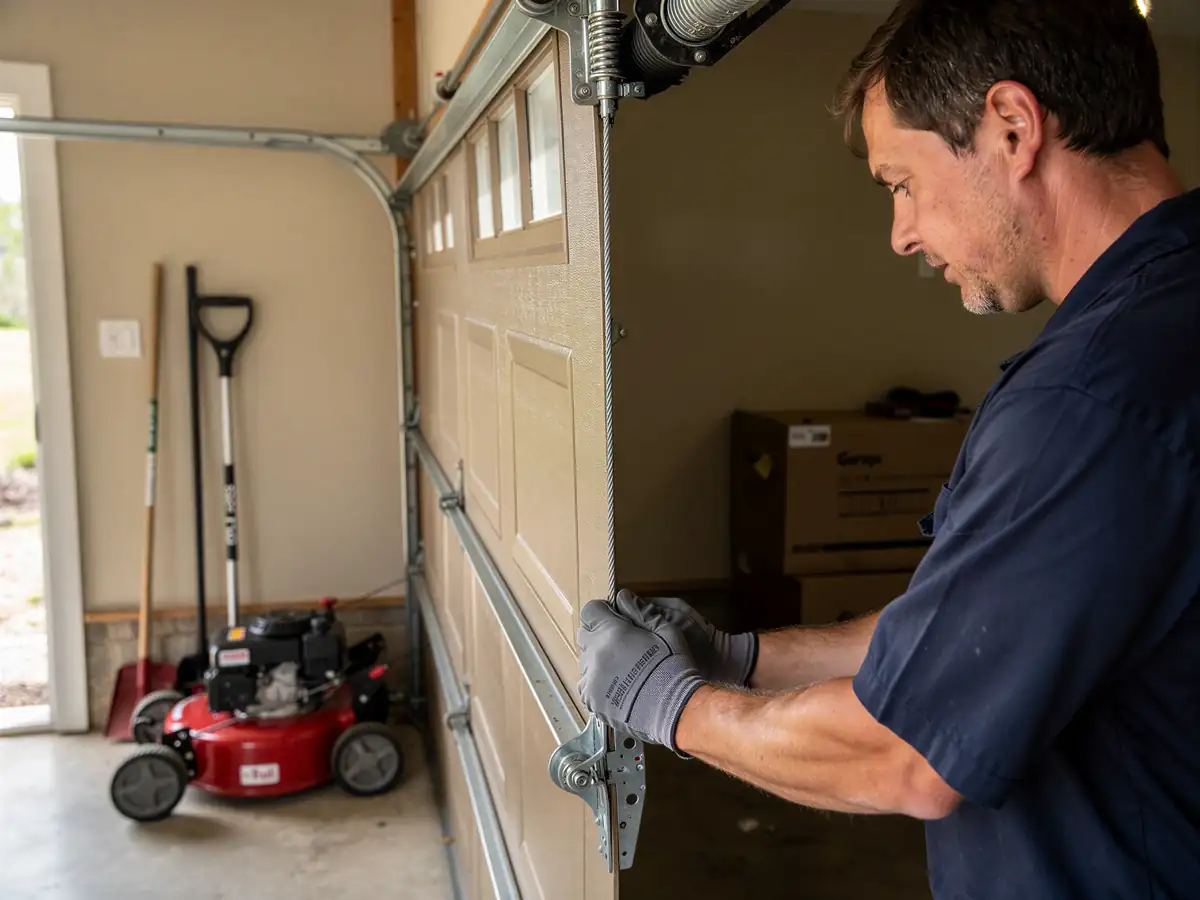
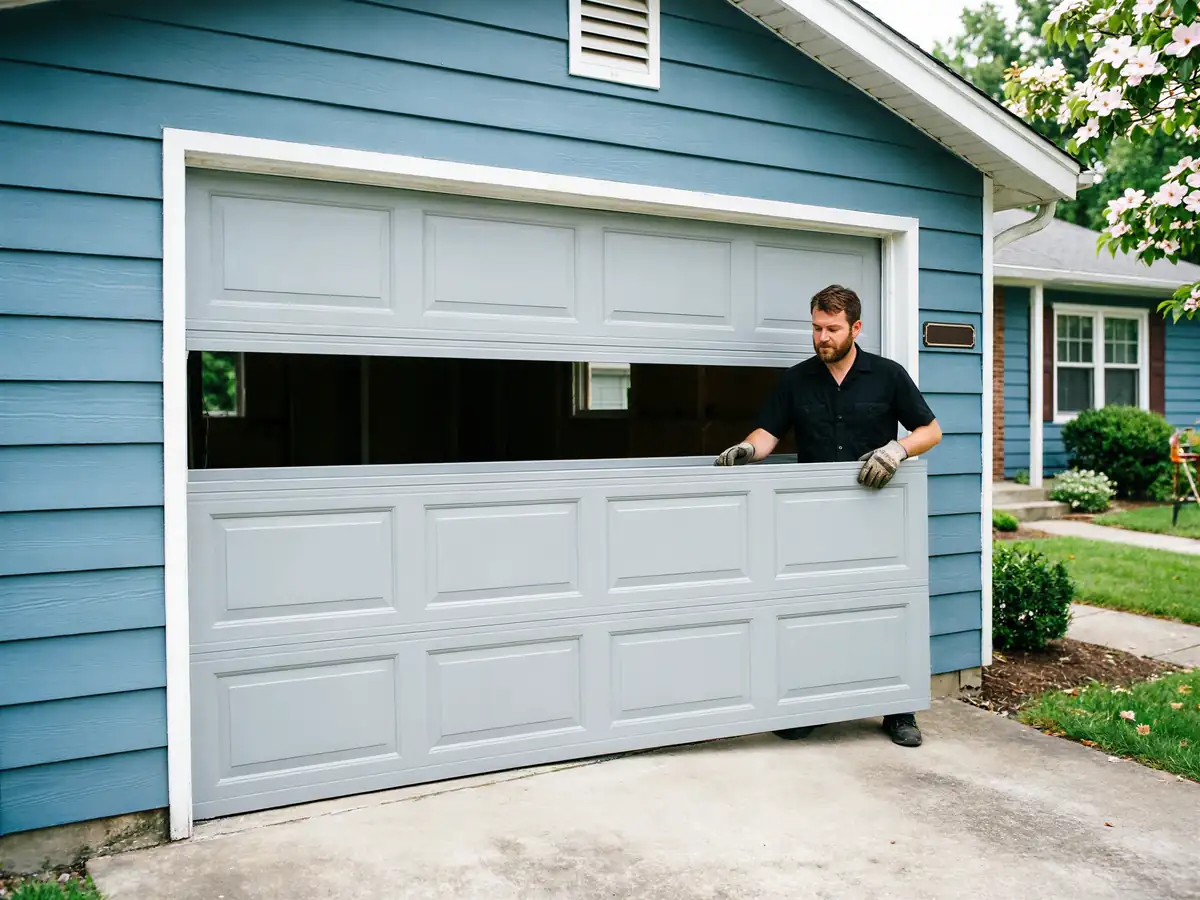
A new install on one of Naugatuck's older openings starts with measuring the actual opening, not trusting the door that's currently in it - on houses from this build era the opening and the original door don't always match current standard sizing. We pull the old door, inspect the jambs and header for rot or movement (common once wood trim has been up for 50 years in a cold climate), and set new track plumb before the door goes in. The spring gets sized to the new door's actual weight, not the old door's, and the opener gets force-tested against that new balance point rather than just bolted on and left at factory defaults. Where the header's been patched before, we flag it before ordering so there's no mid-job surprise.
What Can Go Wrong
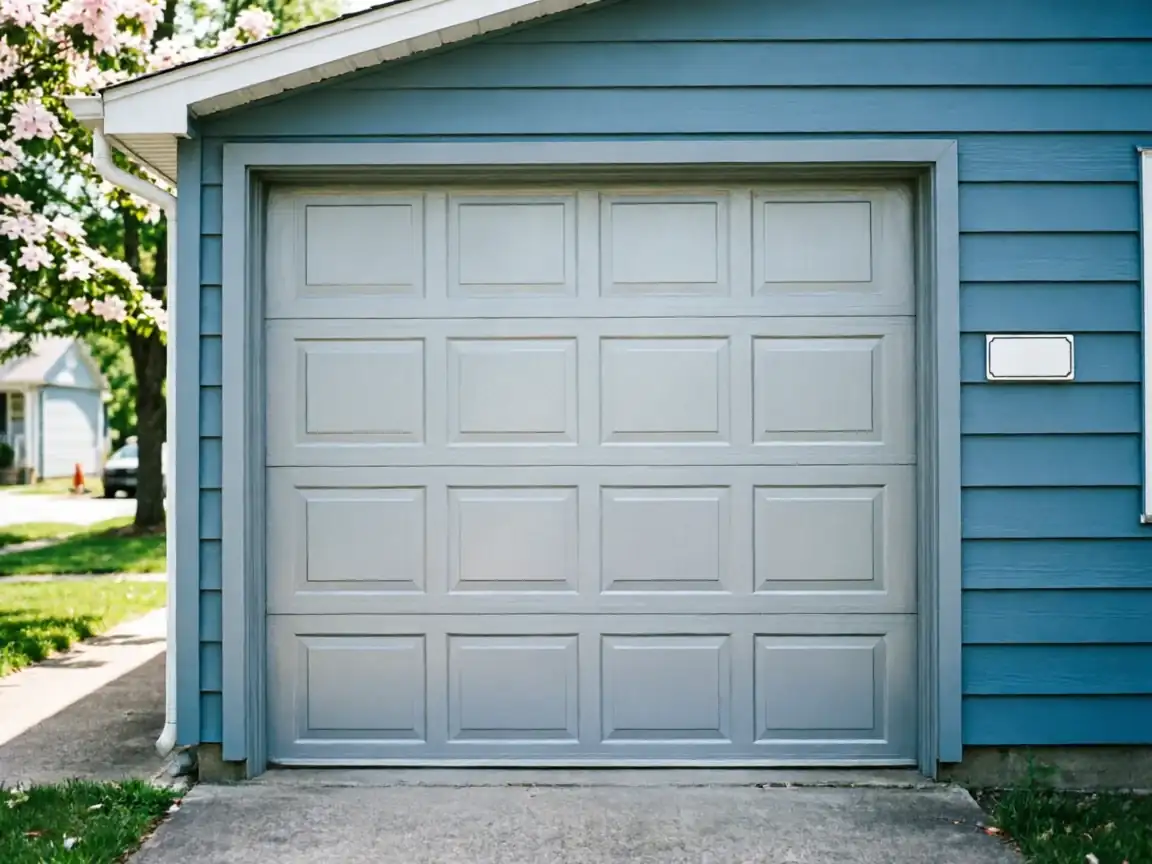
The most common problem on 1960s-70s Naugatuck houses is an opening that's slightly out of square after decades of settling - you don't see it until the new door goes in and won't seal evenly along the bottom. We shim and reset jambs when that happens, which adds time but isn't a big expense. The honest limitation: if the header above the opening has rotted or the framing has shifted enough that it needs structural repair, that's carpentry work outside a garage door install, and we'll tell you to get that handled first rather than hang a new door on bad framing. We'd rather lose half a day of billing than put a 300-pound door above a header that can't hold it.