How Long It Takes
Naugatuck sits about 13 miles from our shop in Shelton, which puts it near the outer edge of what we can reach in a single afternoon run. That drive matters more for scheduling than for the repair itself - once a technician has the truck parked in your driveway, a cable swap is a cable swap whether it's three miles away or thirteen. What the distance does affect is how we stack the day: a Naugatuck call usually gets paired with another job on this side of the valley so the trip pays for itself. We don't publish a fixed response window for this town because we're not based here, and promising one would be a guess. What we can tell you is that we treat a snapped cable as a same-visit priority once we're on your street, because a door stuck open or shut on one side is a safety problem, not just an inconvenience.
Parts We Carry
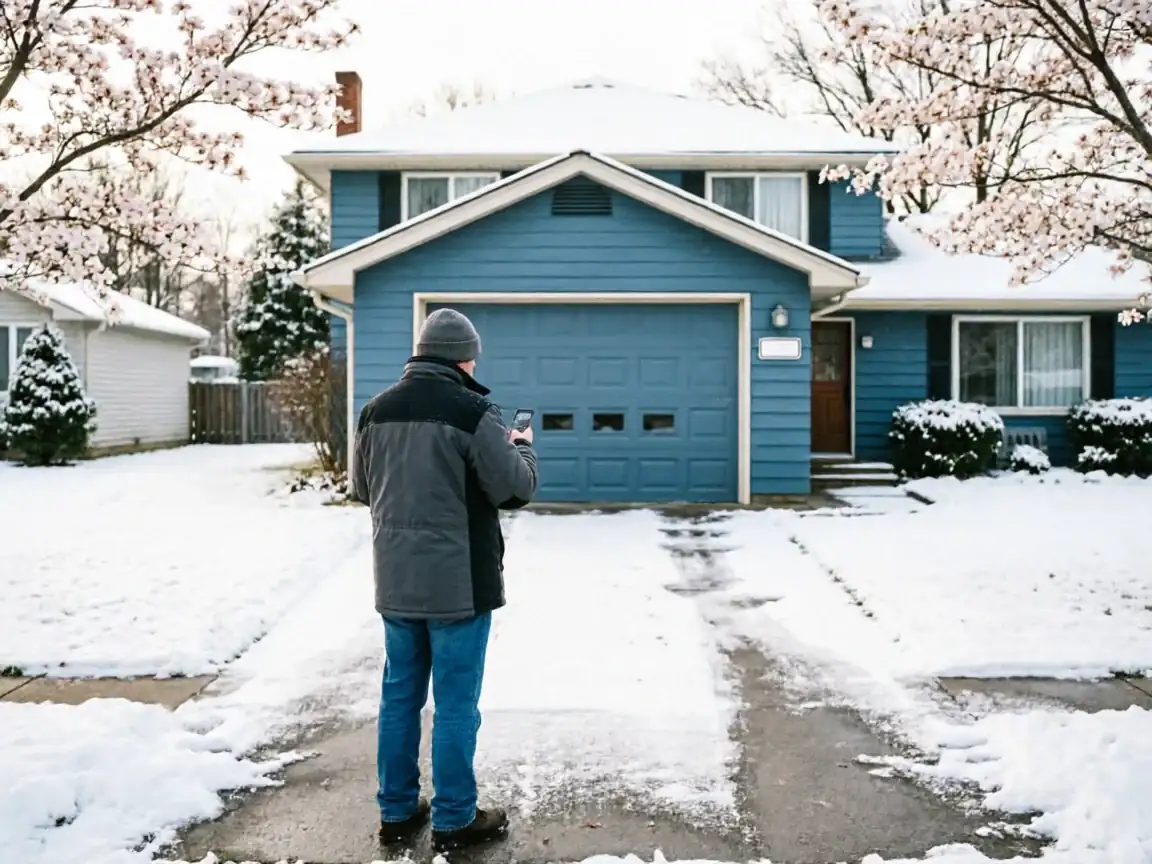
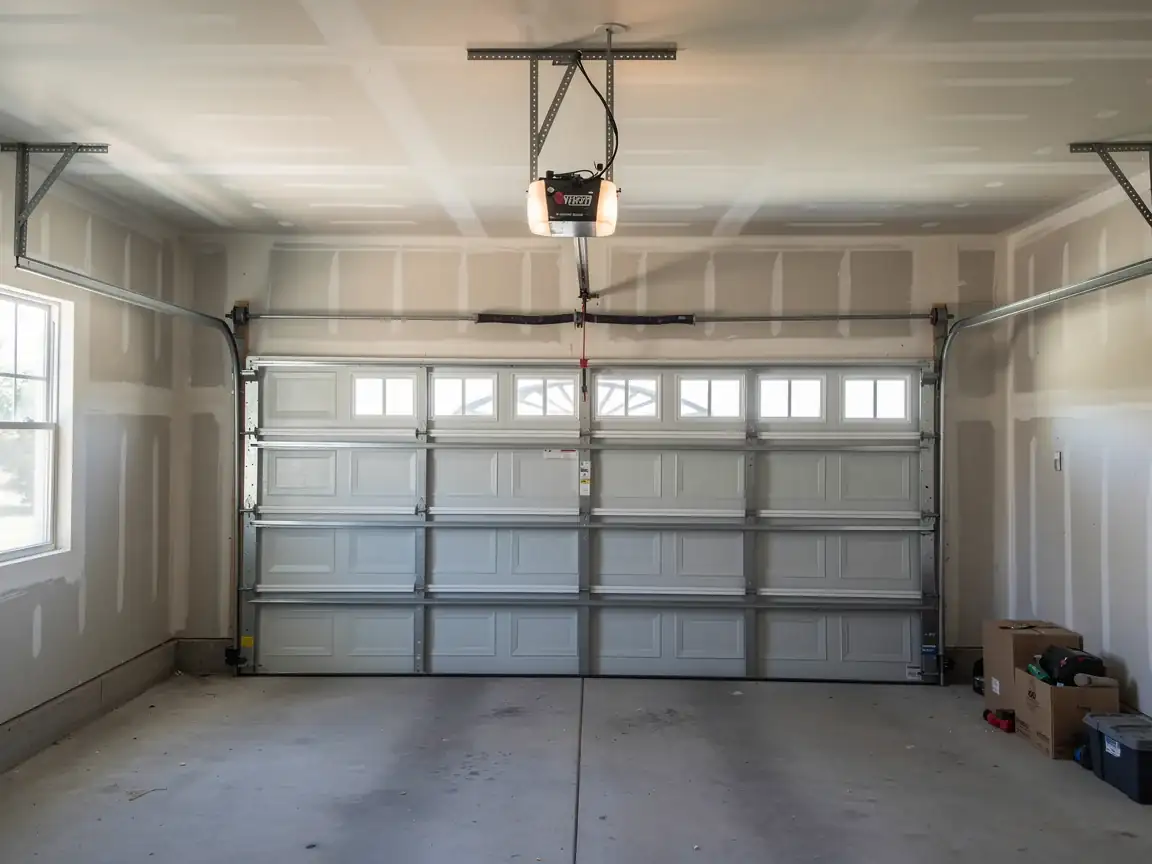
Most of the housing stock feeding into this area went up between 1952 and 1971, with the bulk of it in the 1960s and 70s - older torsion and extension setups that don't always match what's on a shelf at a big box store. We carry galvanized aircraft cable in the diameters that fit both styles, plus the drums and end fittings that pair with them, because swapping a cable without matching the drum it winds onto is how you end up back at the same door in six months. On a double door from this era you're usually looking at two cables working together, not one, and we replace both sides even if only one failed - the other side is carrying the same age and the same wear.
What the Fix Involves
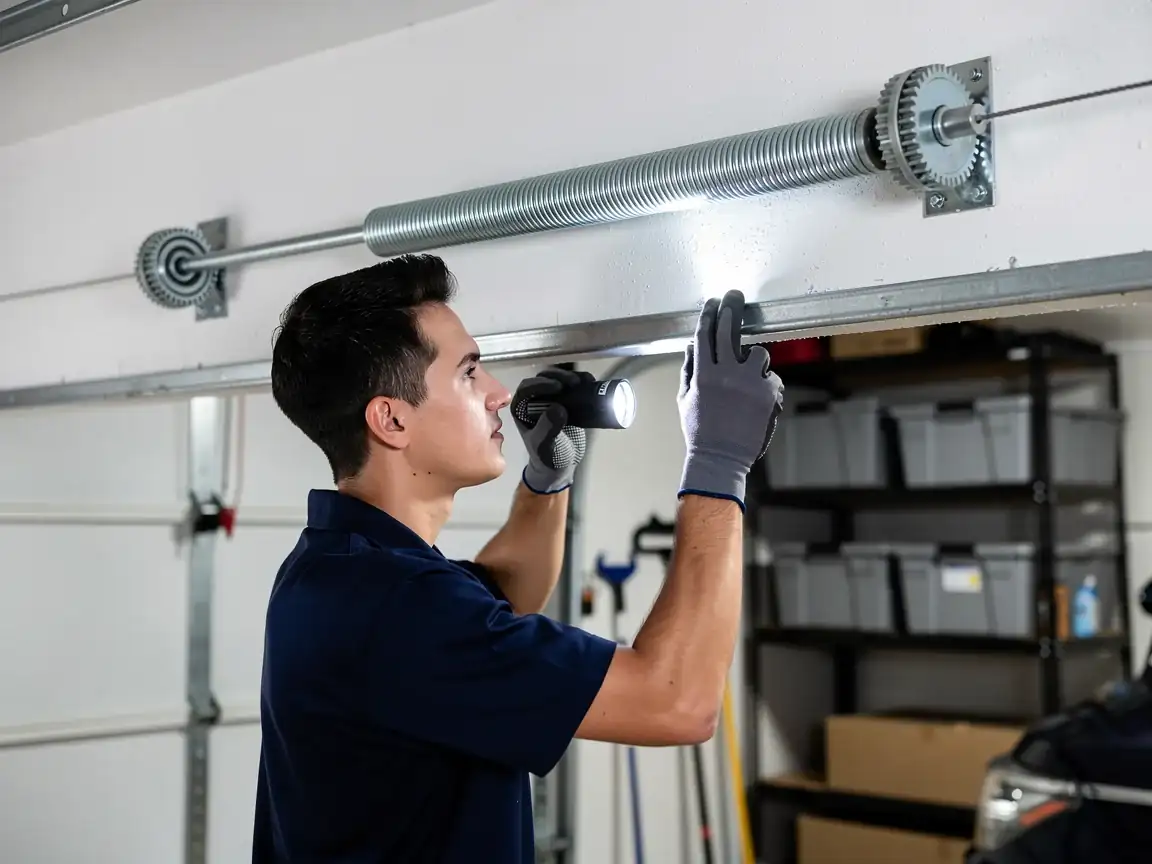
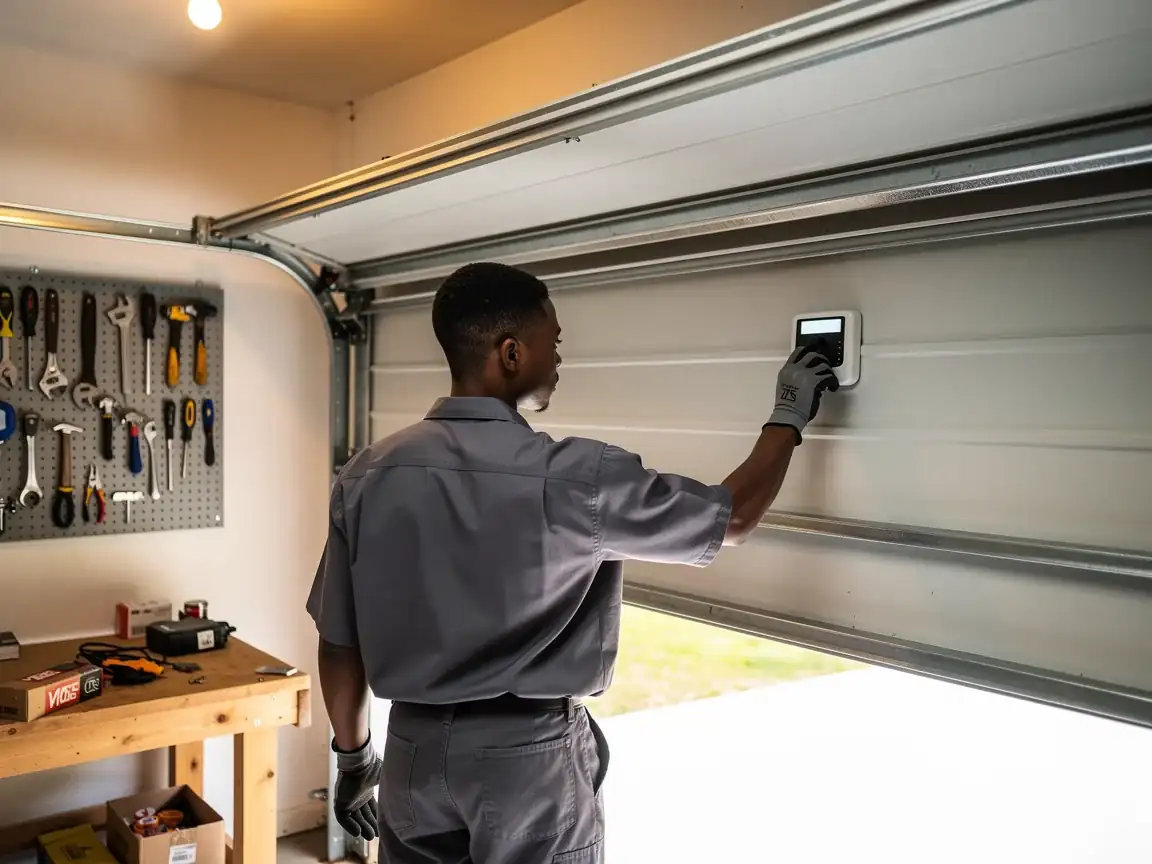
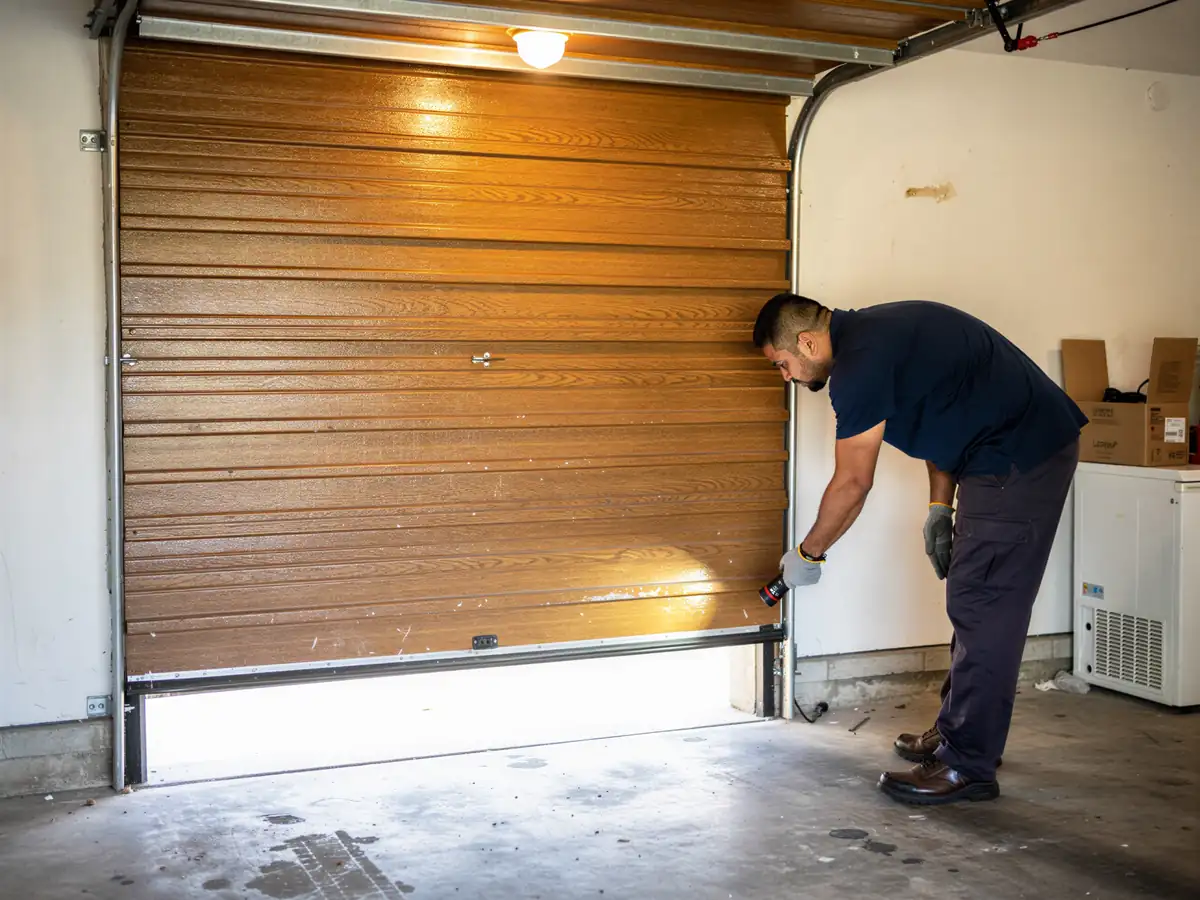
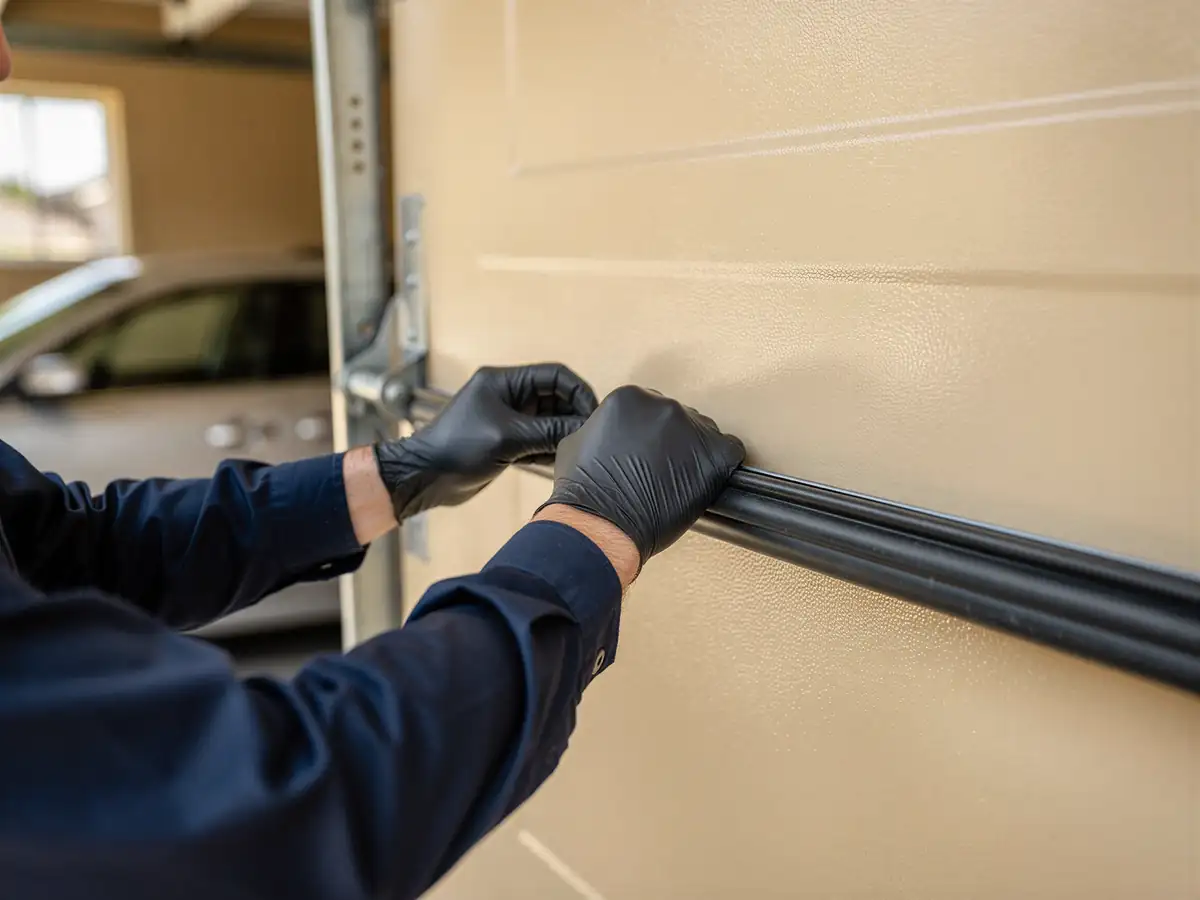
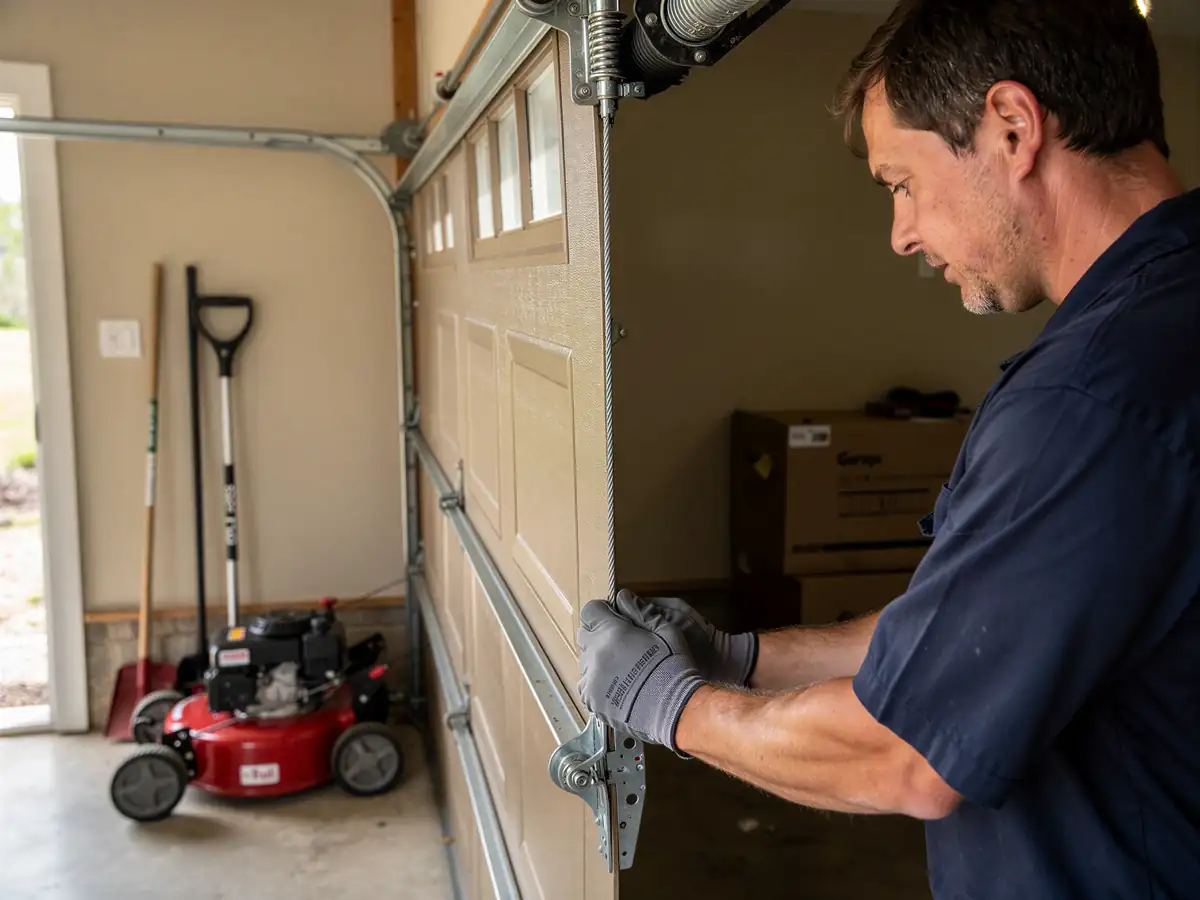
We clamp the door in place before touching anything - a door under spring tension with a failed cable is not something to work on freehand. From there it's unwinding the drum, pulling the old cable and fitting, and running new galvanized cable to the correct length and tension before re-securing the clamps and testing the door through a full open-close cycle. On the older torsion setups common to this area's 1960s and 70s builds, the drum sometimes shows grooving from years of the old cable riding in the same track, and if that's worn enough we'll flag it rather than hang a new cable on a drum that's going to chew through it again.
What Can Go Wrong
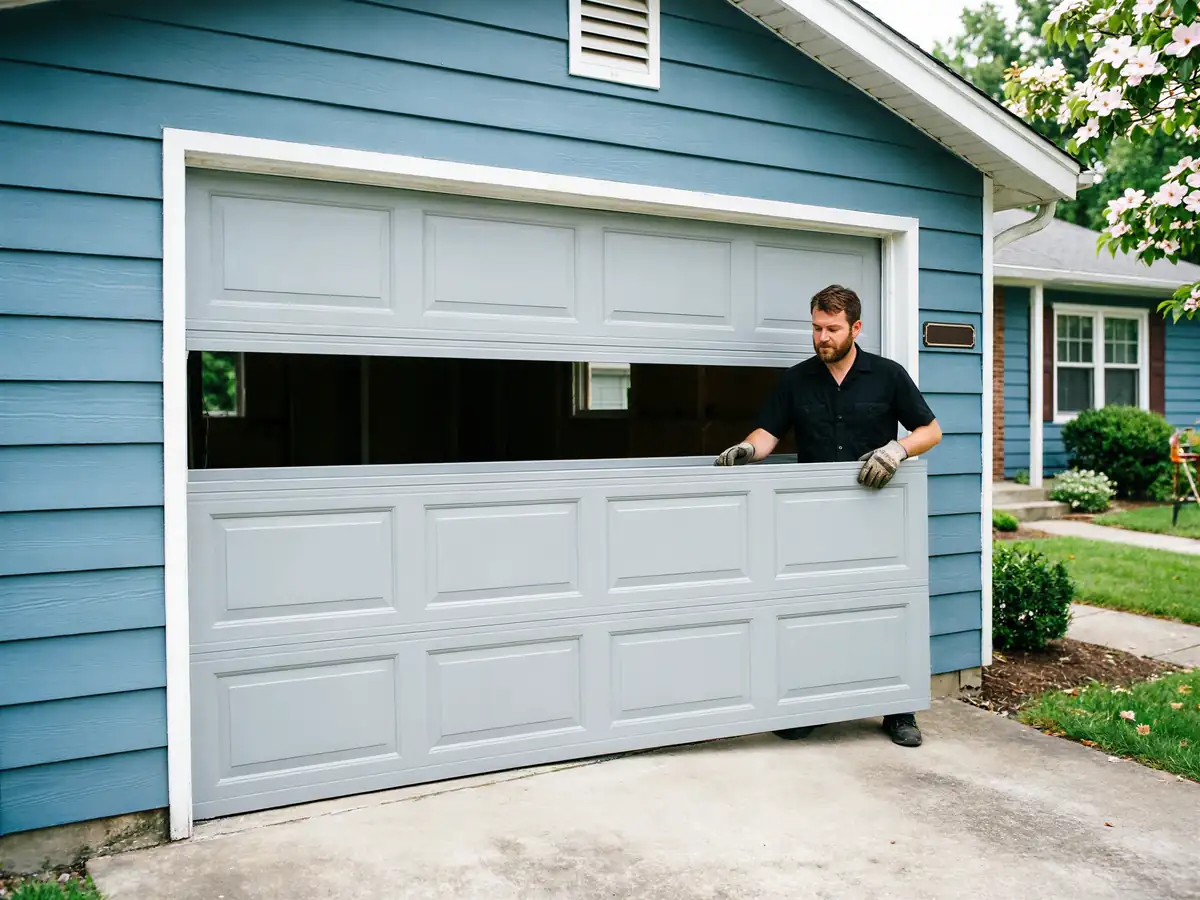
The honest limitation here: a cable rarely fails alone. If it snapped because a spring went first, or because a drum cracked, replacing just the cable gets your door moving again but not fixed - it's addressing the symptom, not the cause. We check the springs, the drums, and both cable ends before we call the job done, and if the fix needs to grow beyond the cable, we'll tell you before we do the extra work, not after. The other thing that can go wrong is a homeowner trying to free a jammed door by cutting or forcing the stuck cable - on a torsion system that's how people get hurt, because the spring is still loaded even with the cable gone slack.