How Long It Takes
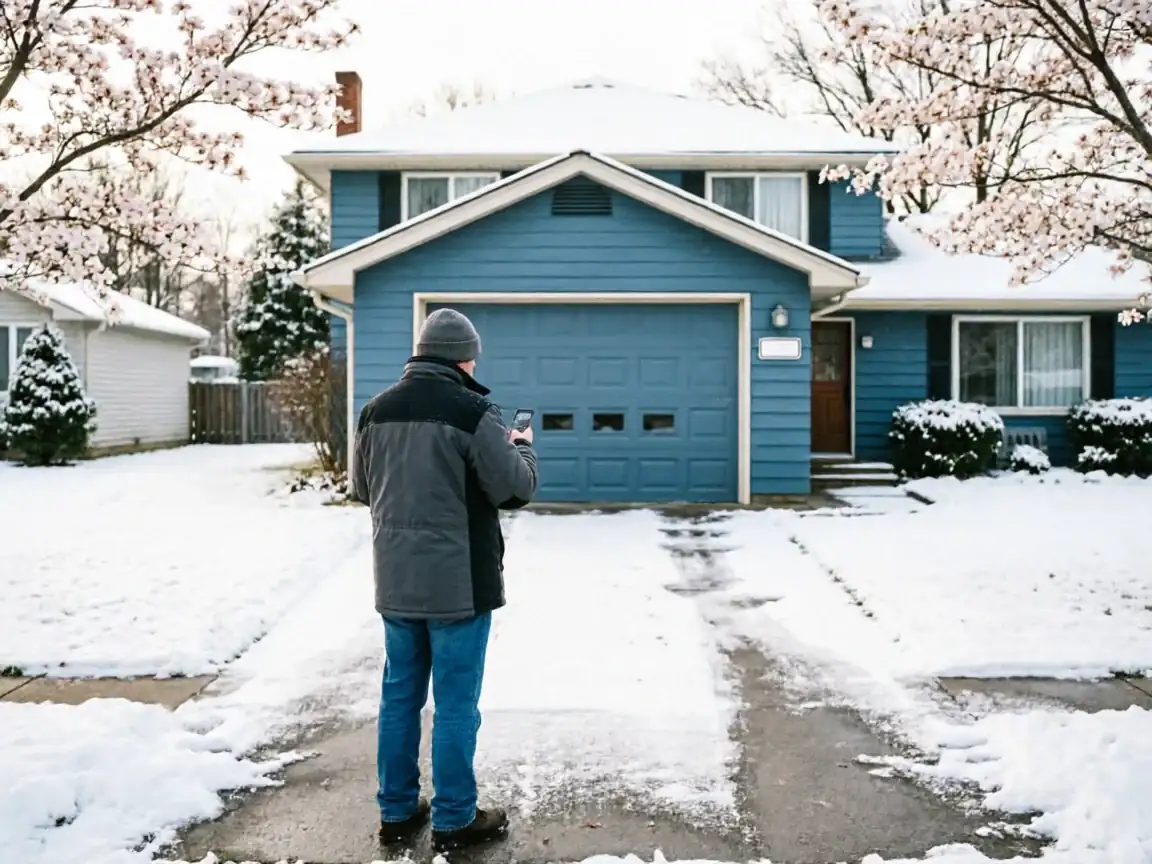
We run this job from our Shelton shop, 13 miles out, so Naugatuck isn't a same-hour walk-in the way it would be for a shop sitting in town. That said, most spring, cable, and roller repairs are a single visit once we're on site - the work itself usually runs an hour to two, depending on whether the opener needs attention too. What we can't promise is a specific arrival window here; we schedule the drive around the day's other calls rather than running a dedicated route through Naugatuck. If you're dealing with a door stuck shut on a car you need that morning, say so when you call, because that changes how we stack the day's jobs, not how fast the repair itself goes once the truck's in the driveway.
Parts We Carry
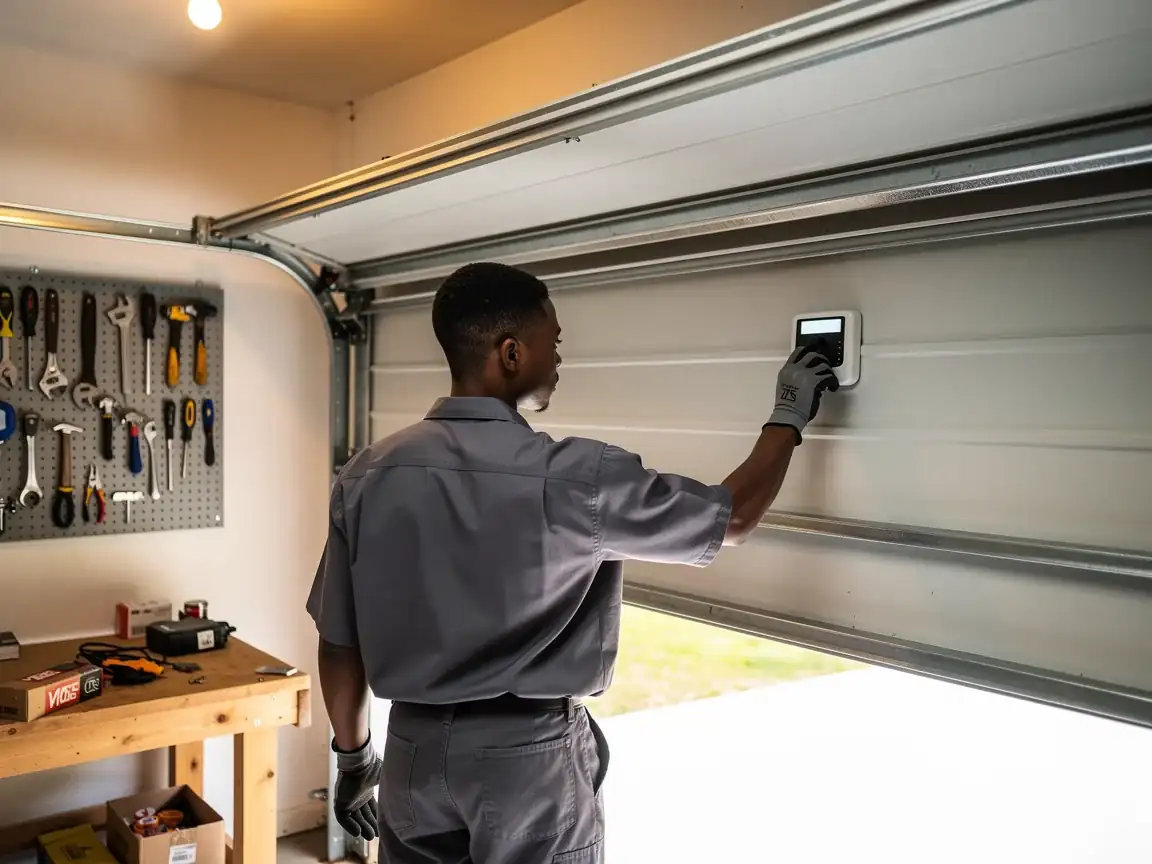
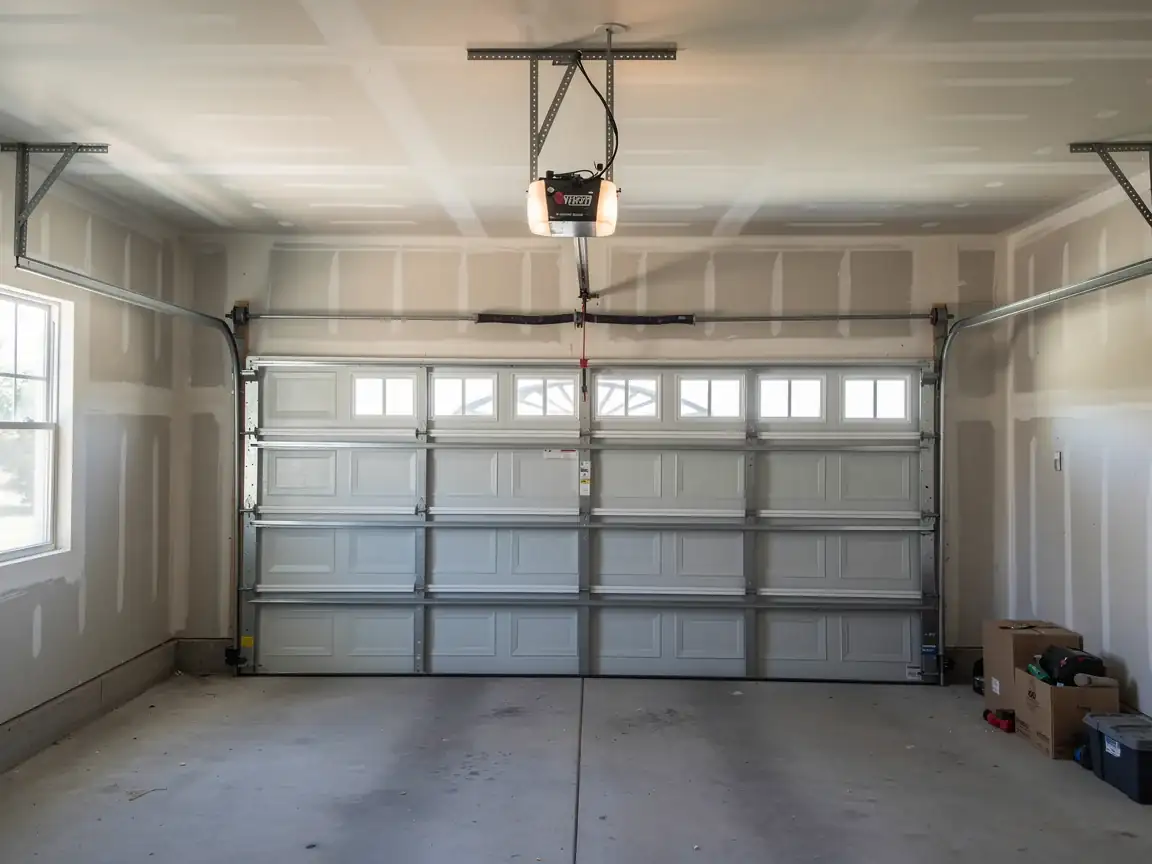
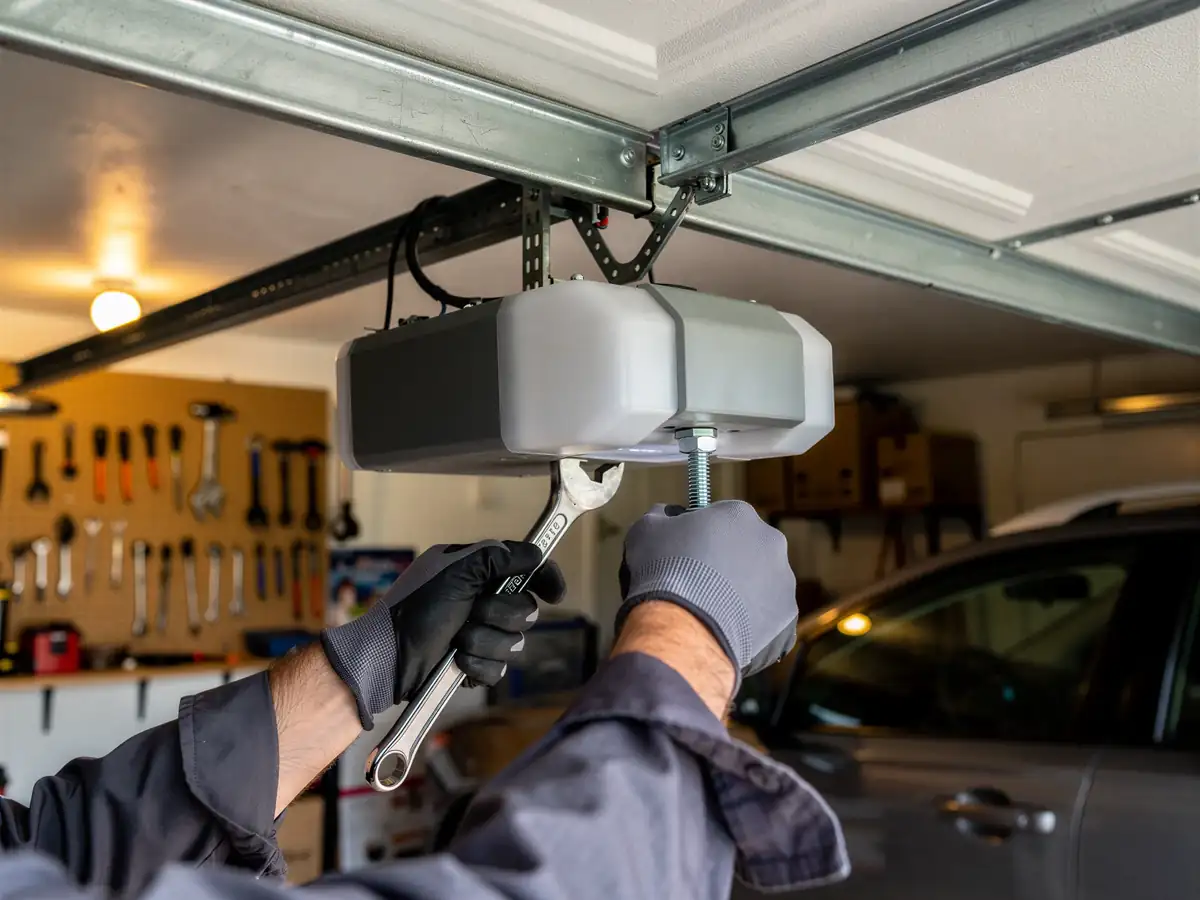
With a median build year of 1971 in Naugatuck, a lot of what we find on these doors is original hardware nobody's touched since the house was framed - single torsion springs sized for a lighter door, steel tracks with the older bracket spacing, and openers from well before anything had a camera or a phone app. We stock torsion and extension springs across the common residential sizes, standard-gauge lift cables, nylon and steel rollers, and hinges that fit the older panel spacing. What we don't keep on the truck is anything proprietary to a specific manufacturer's newer smart-opener line - if your door has one of those failing, that part sometimes has to be ordered, and we'll tell you straight if that's the case rather than guessing at a fix.
What the Fix Involves
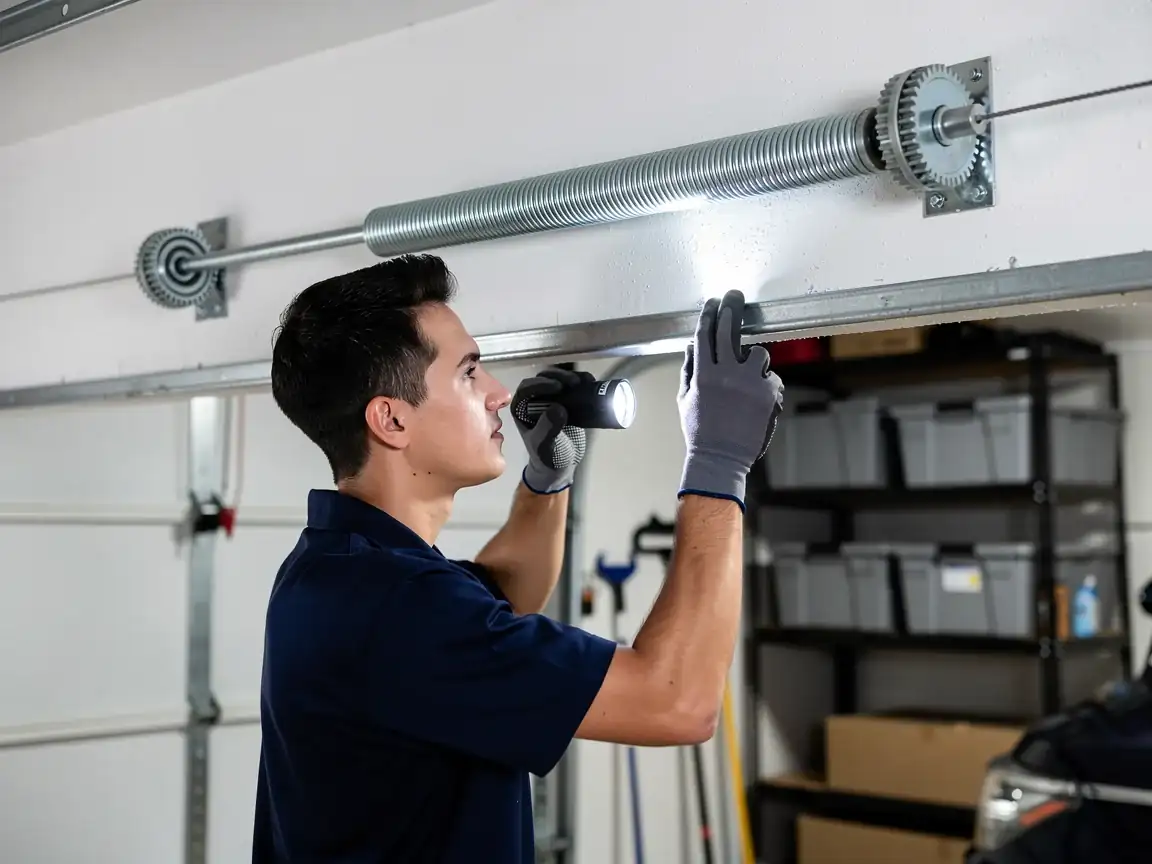
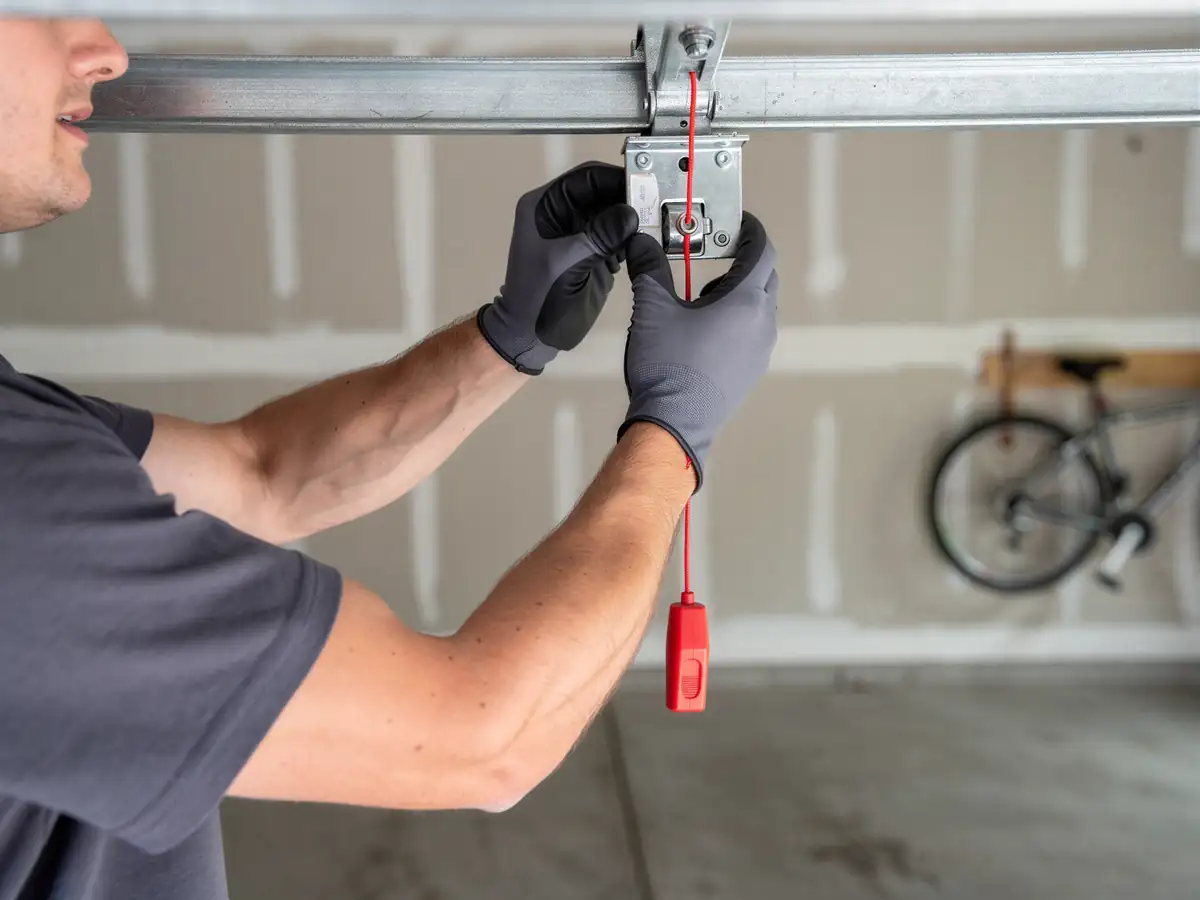
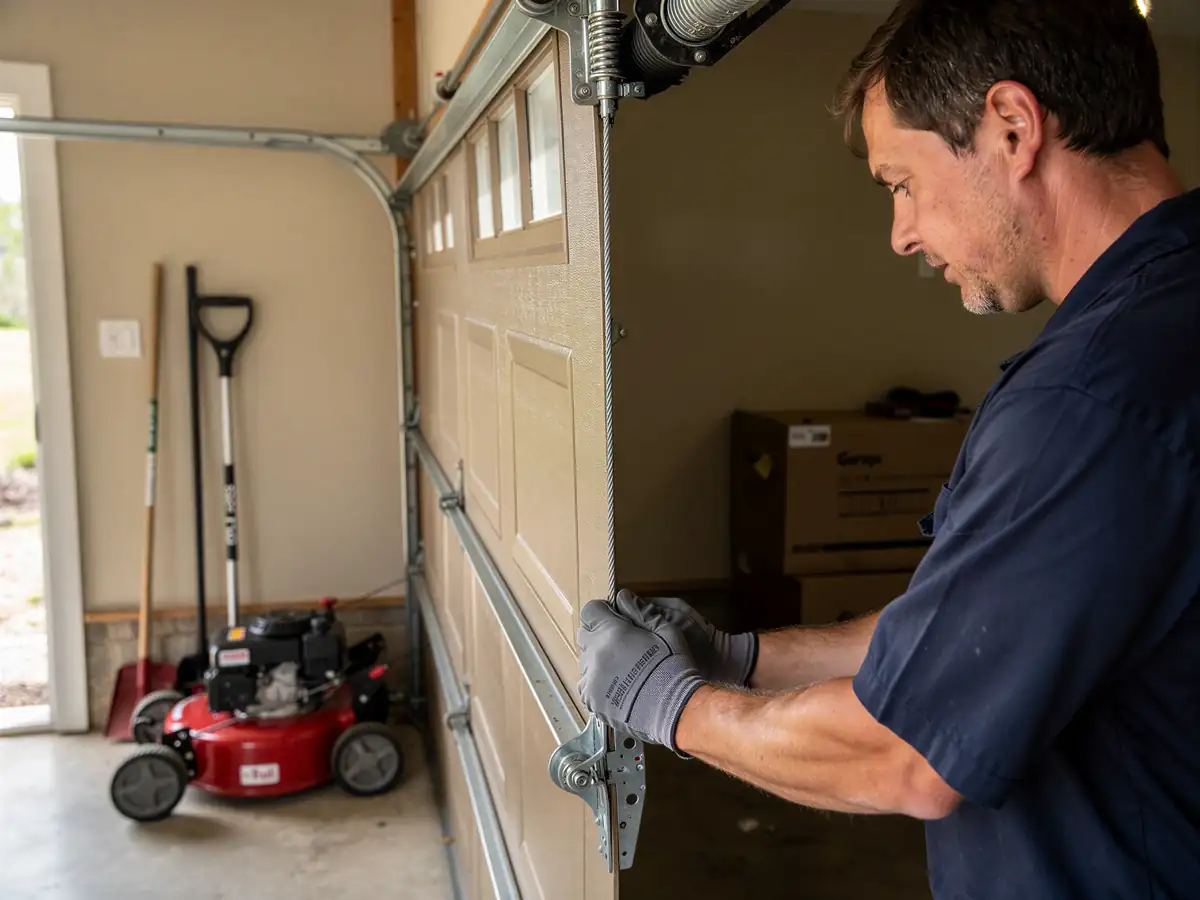
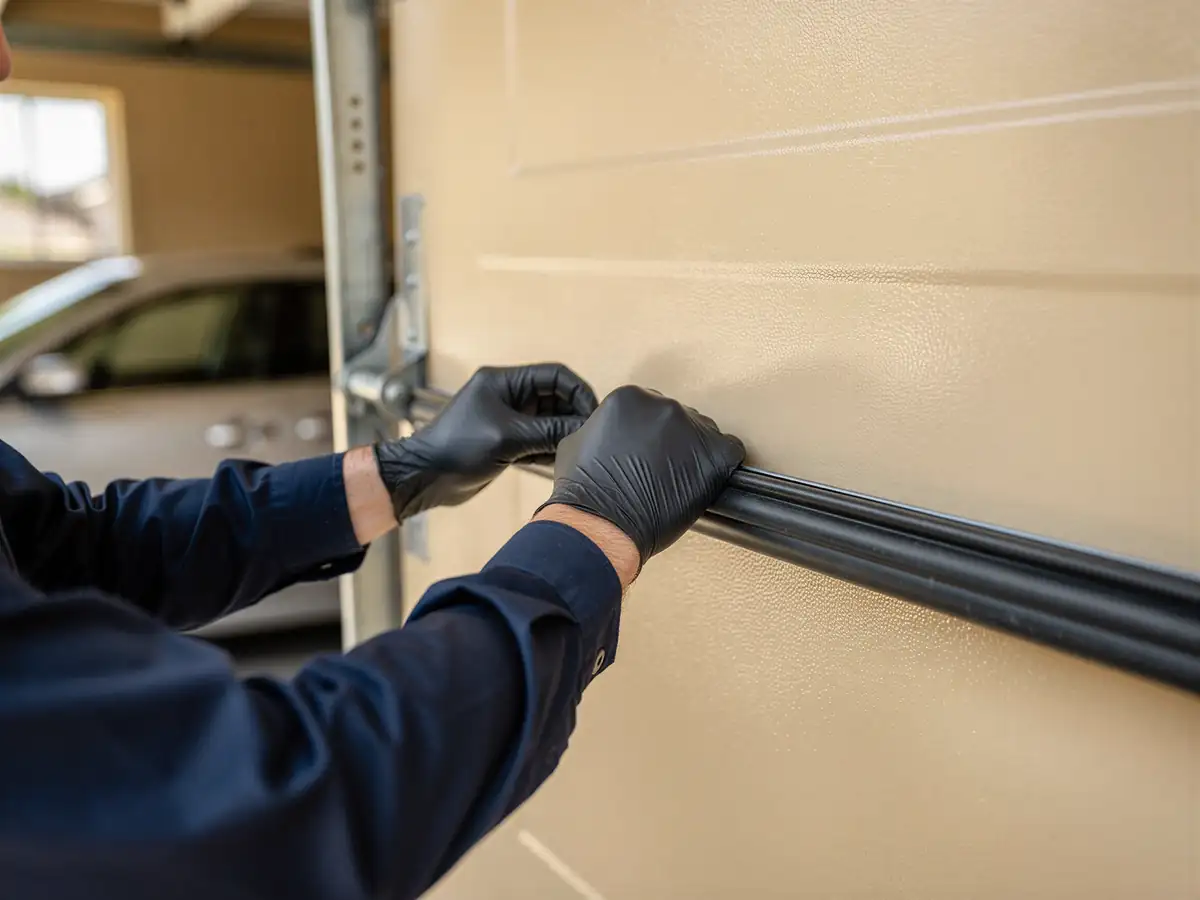
For a broken torsion spring, we match the replacement to the door's actual weight rather than swapping in whatever's closest, since an original 1971-era door may be heavier or built differently than the lighter modern steel doors now sold for the same opening size. We release tension safely, pull the old spring, cable, and drums if they're worn, and set the new spring to the correct turns before testing balance by hand with the opener disconnected. If the cable's frayed, we replace both cables as a pair, since one is rarely far behind the other at this age. Cold Connecticut winters also matter here: in severe cold, steel springs and cables stiffen and lift-balance changes, so we check tension again once the door's settled into typical operating temperature rather than just at install.
What Can Go Wrong
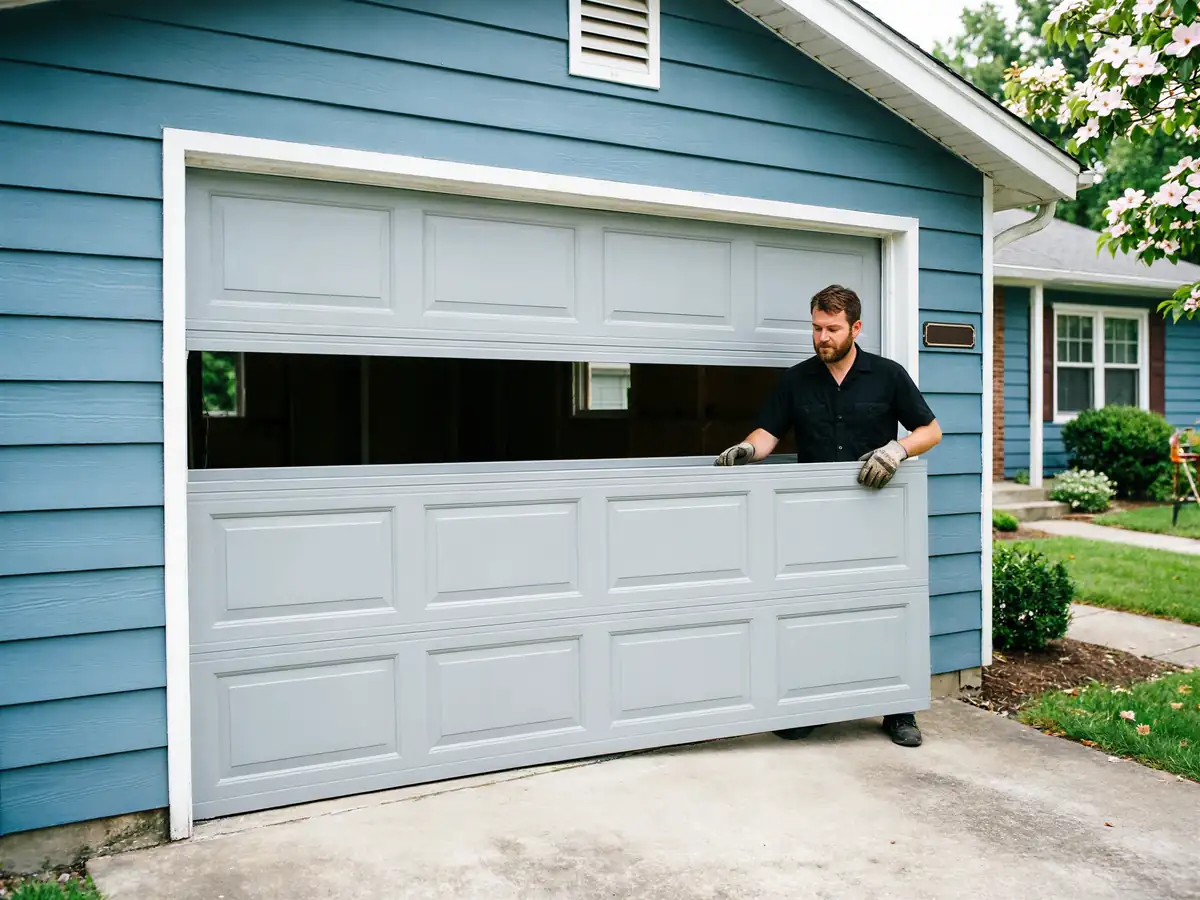
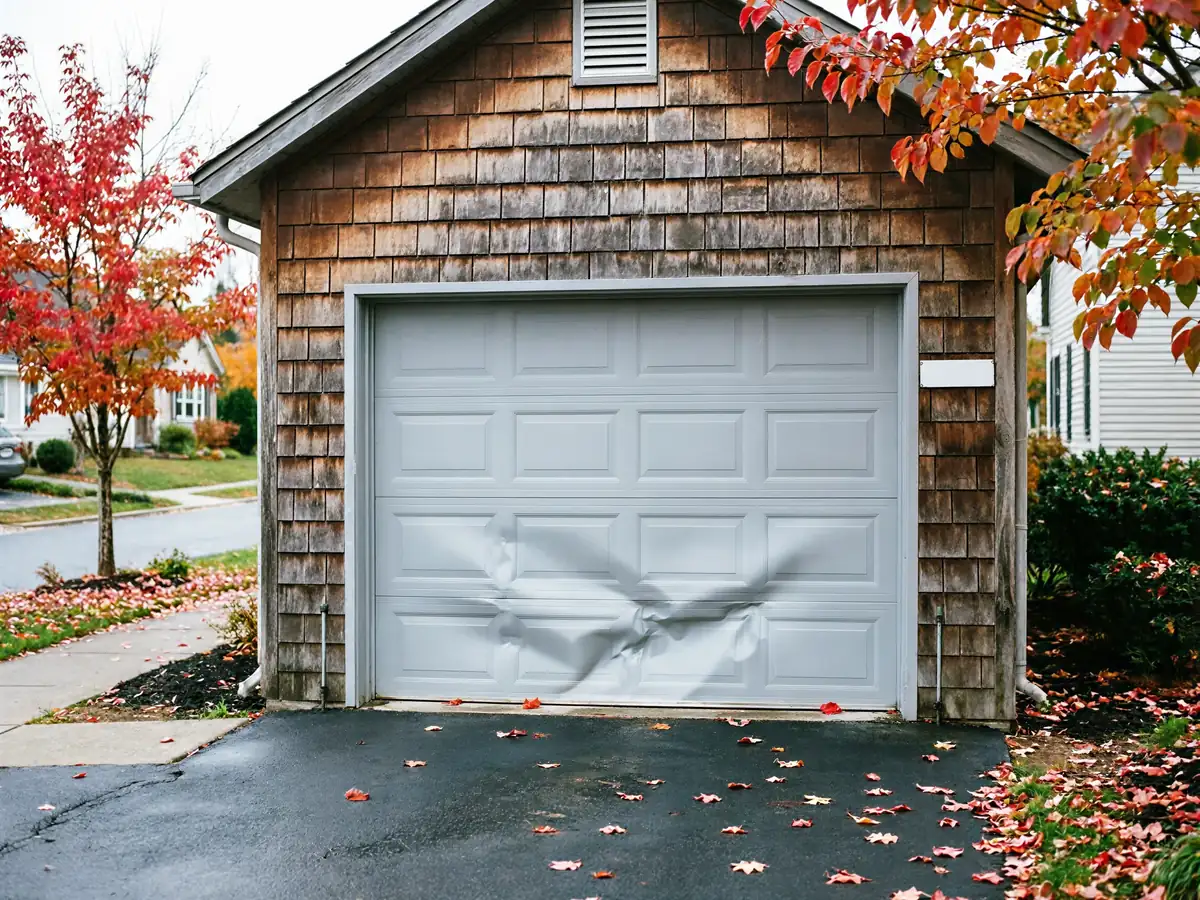
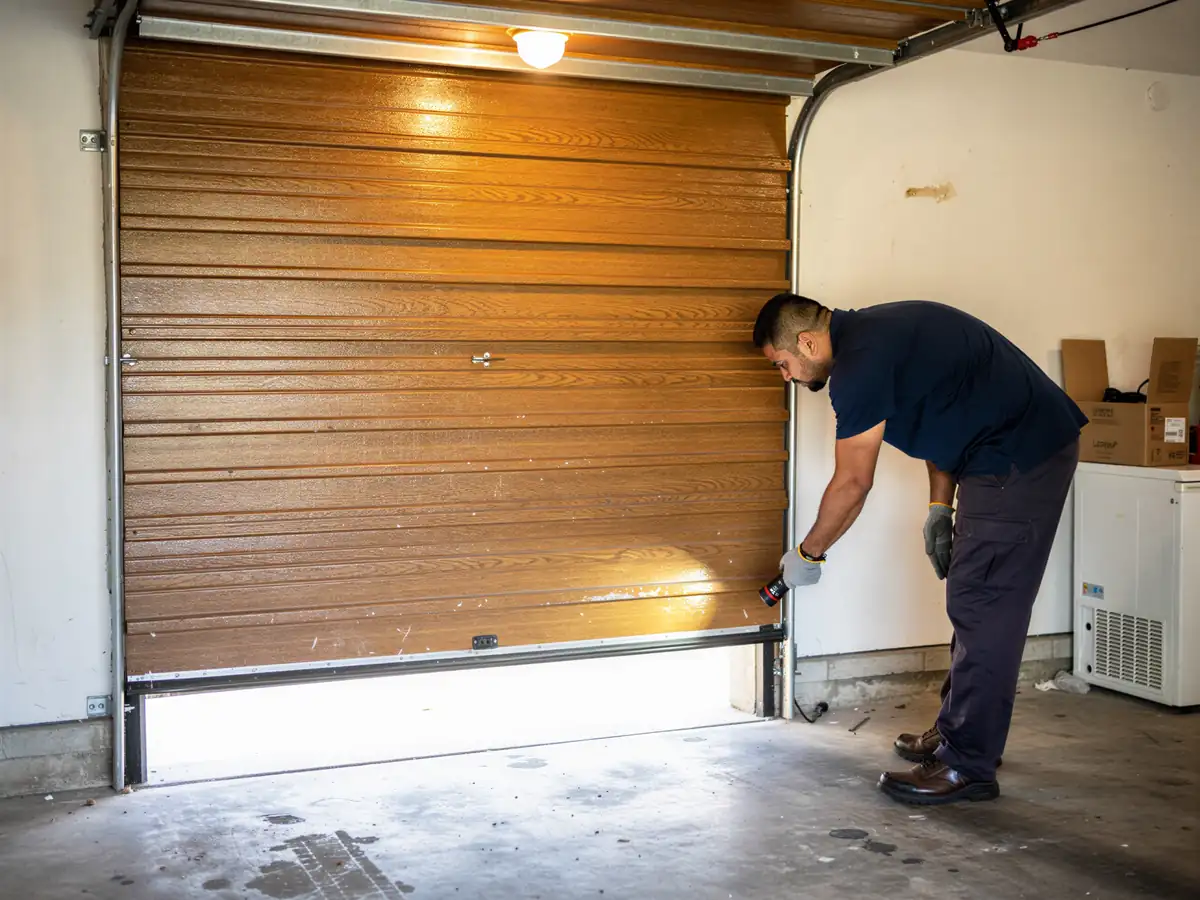
On a door with this much original hardware, one repair often exposes the next problem. We'll replace a spring and find the drums underneath are worn oval, or pull a cable and find the track behind it bent from years of a misaligned roller rubbing against it. We'll always tell you what we see before we touch it, and we won't replace parts that don't need it just to pad a job. The honest limitation: if the door itself is original from 1971 and the opener, springs, tracks, and panels are all failing at once, a repair-by-repair approach can cost more over a year than replacing the door outright - at that point we'll say so, even though it means a shorter invoice that day.