How Long It Takes
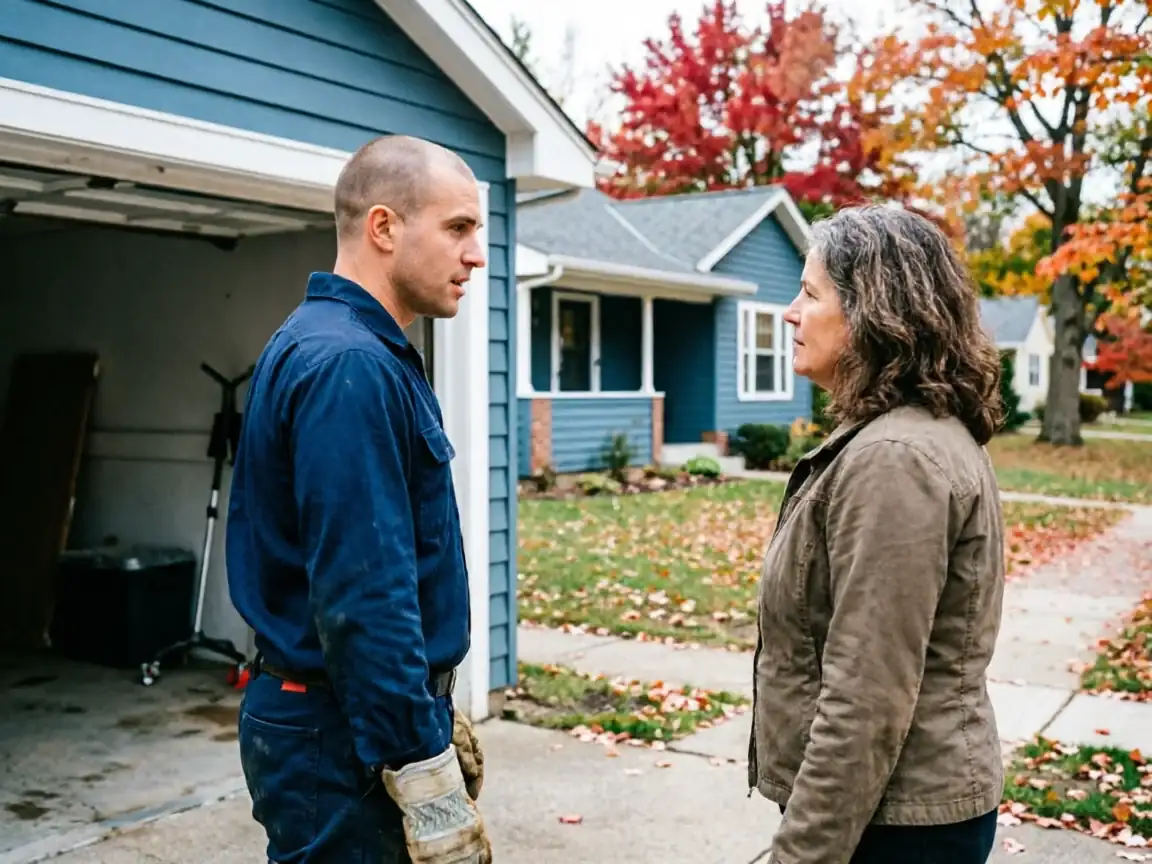
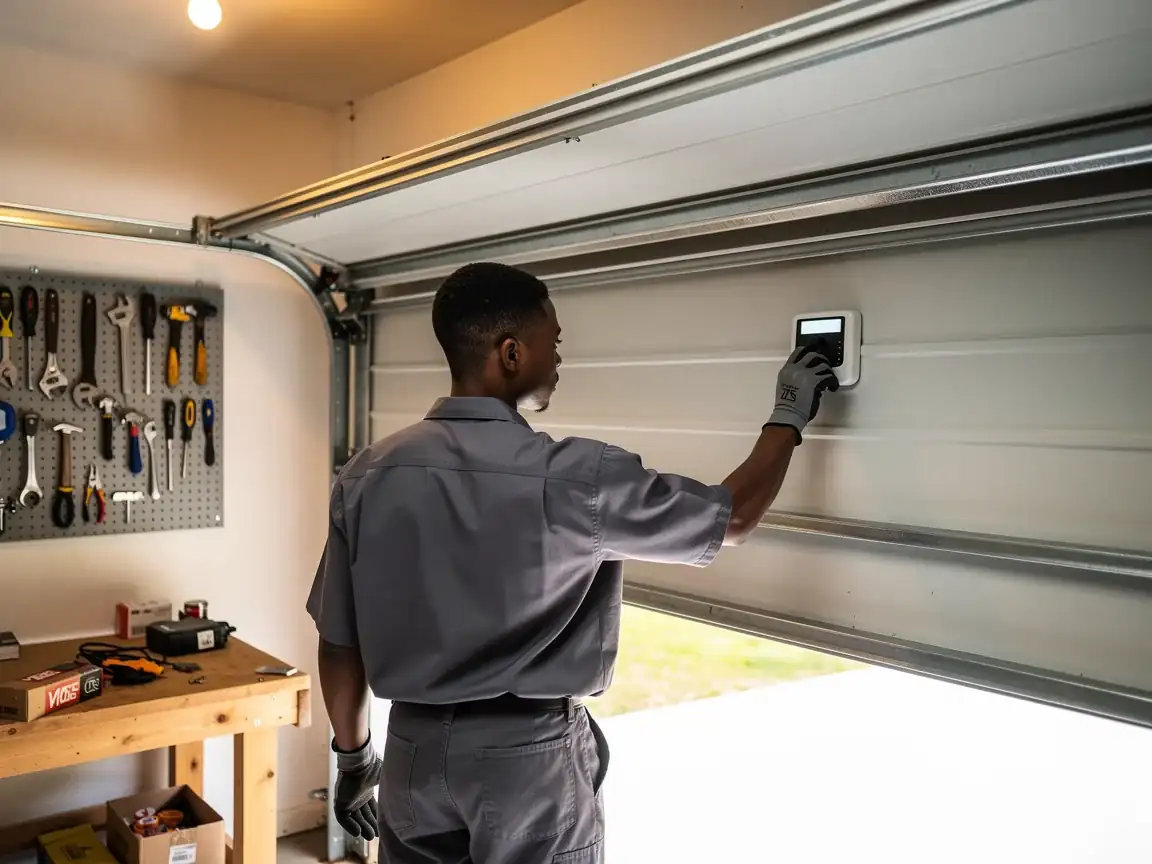
We run this job from Shelton, 13 miles out, so Naugatuck isn't a same-hour stop the way closer towns are. We don't promise a response window here because we haven't measured one for this route, and we'd rather tell you that than guess. What we can tell you is what the job itself takes once a truck is on site: most torsion spring swaps on a single door run under two hours, a full opener install closer to three, and a two-car door replacement can run a half day if the old track needs reworking. If a part isn't on the truck - a specific drum size, an odd-length torsion shaft for a wider opening - that's a return trip, not a same-day finish. With 12,534 households in town and a lot of them sharing the same 1971-vintage door, we usually know what we're walking into before we knock.
Parts We Carry
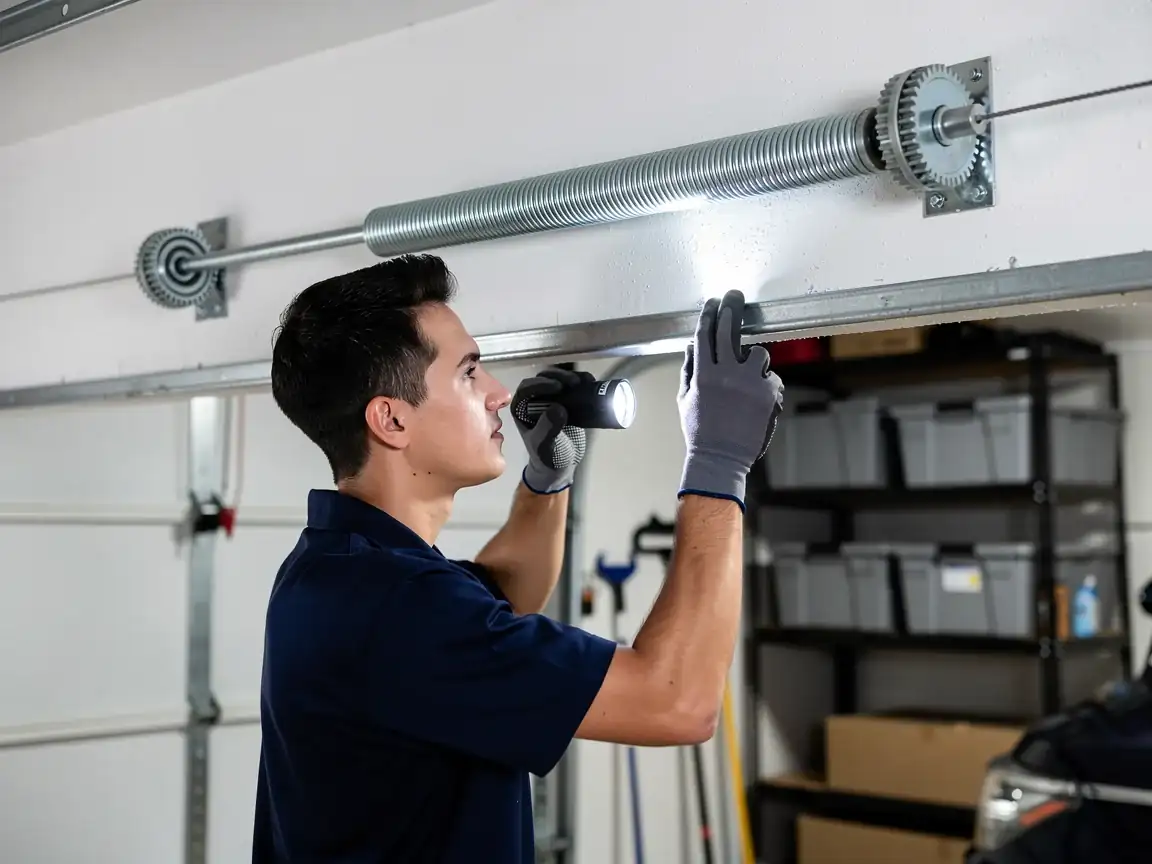
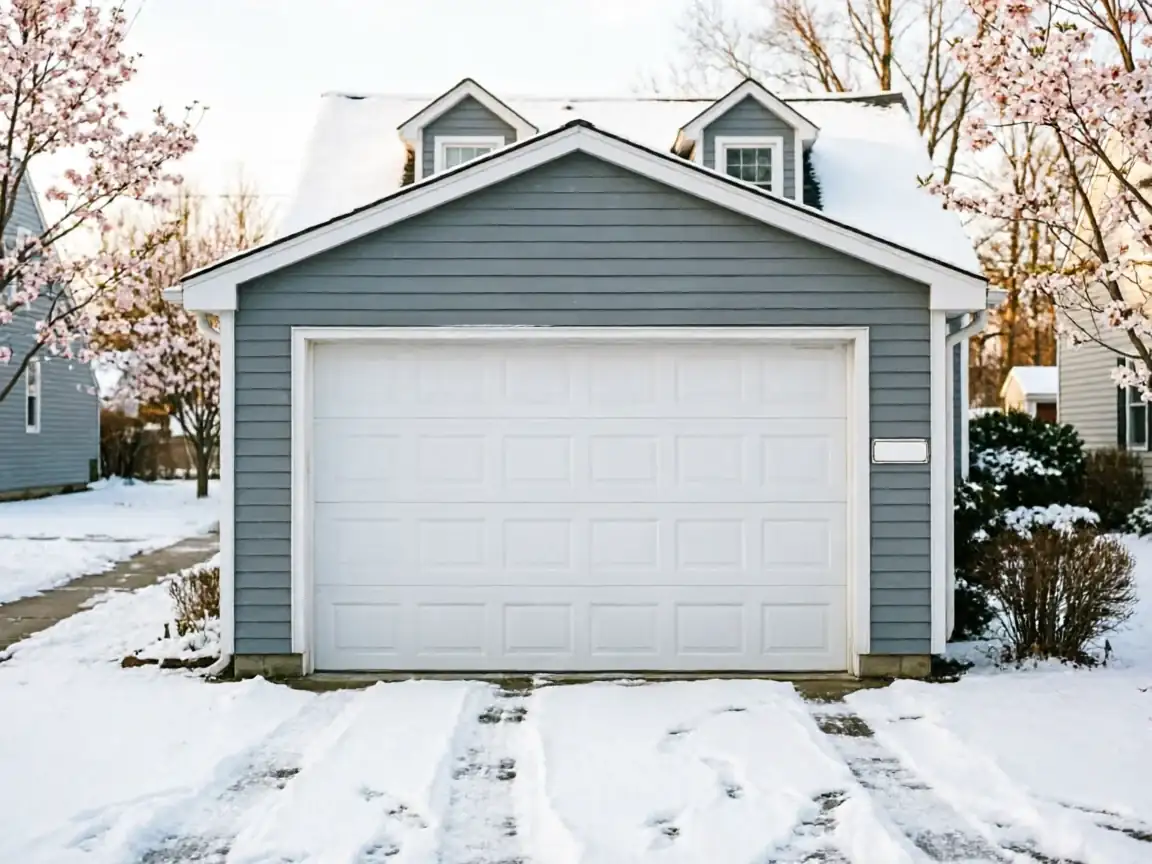
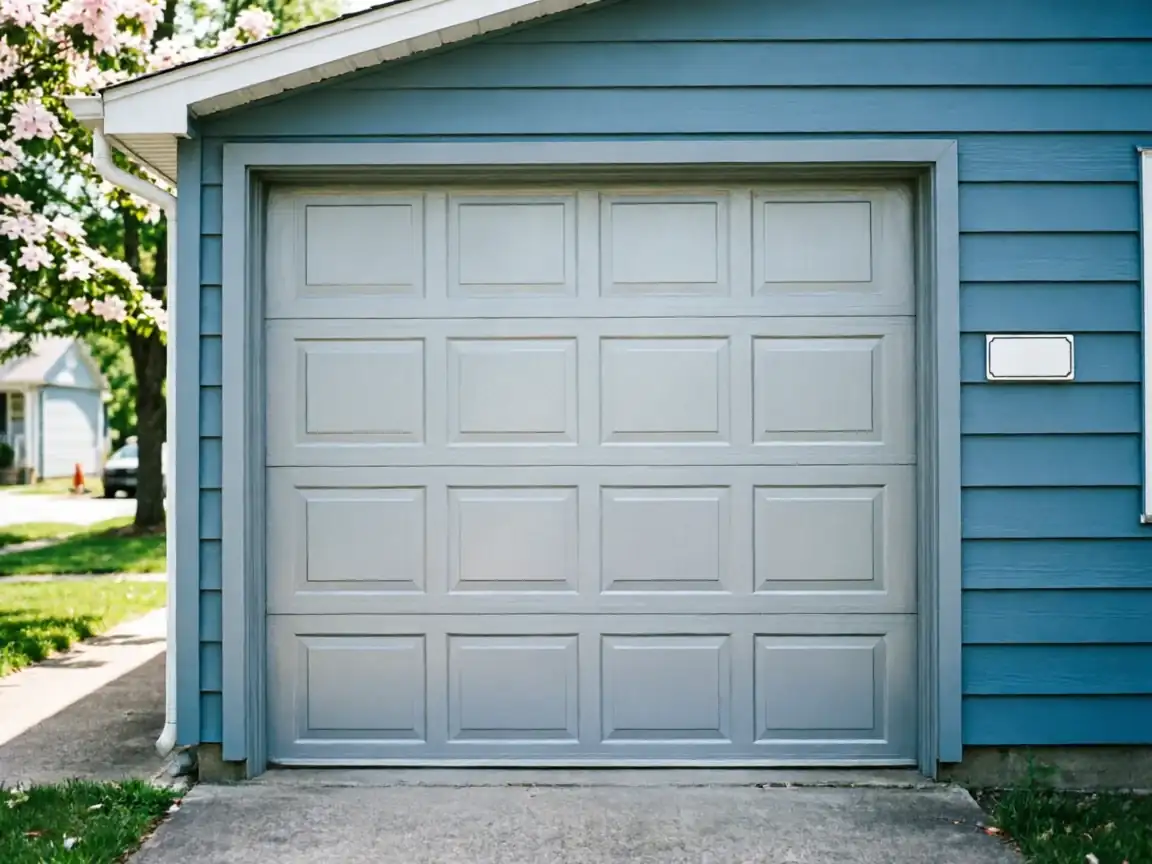
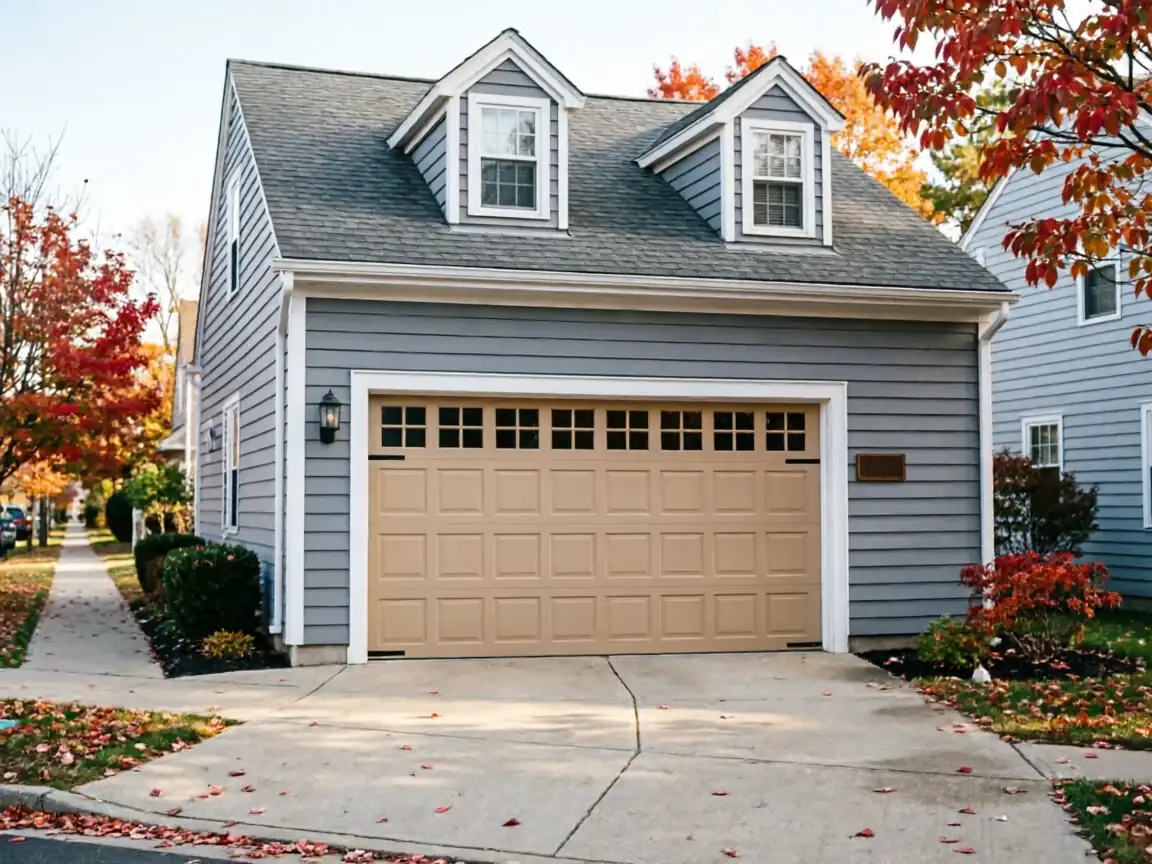
Doors built around 1971 mostly used single-layer steel panels, no foam core, hung on steel track with torsion springs mounted on a header above the opening rather than the side-mount setups common on older stock. That's the hardware we stock for: standard torsion springs in the sizes that fit a 1970s single or double opening, steel rollers, lift cables sized for header-mounted drums, and the heavier-gauge track those doors ride on. We carry panels in the dimensions common to that era's garages, which tend to run narrower than what gets built today. What we don't keep on the truck is anything custom - a non-standard width, a specialty insulated panel, or a wood door replacement. Those get ordered, and depending on the manufacturer that can mean a wait measured in days, not hours. We'll tell you up front if that's where your job is headed instead of letting you assume it's a same-visit fix.
What the Fix Involves
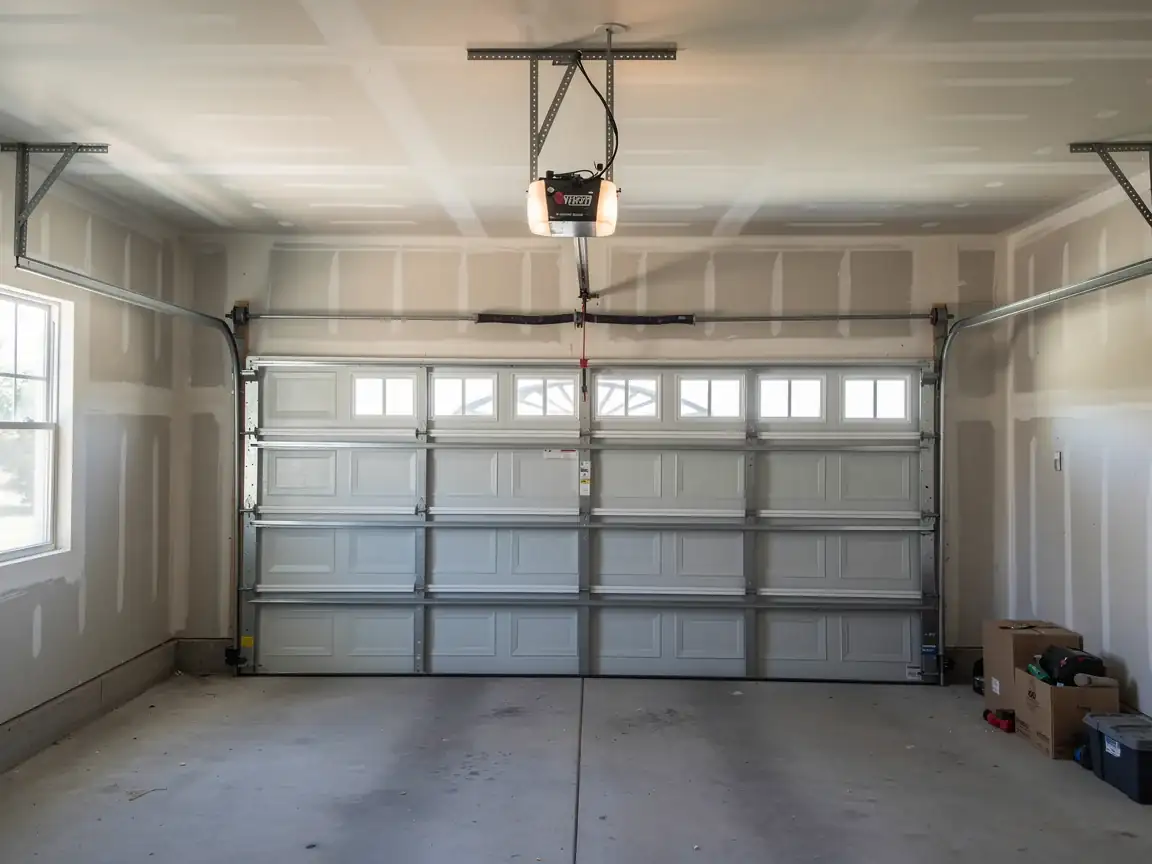
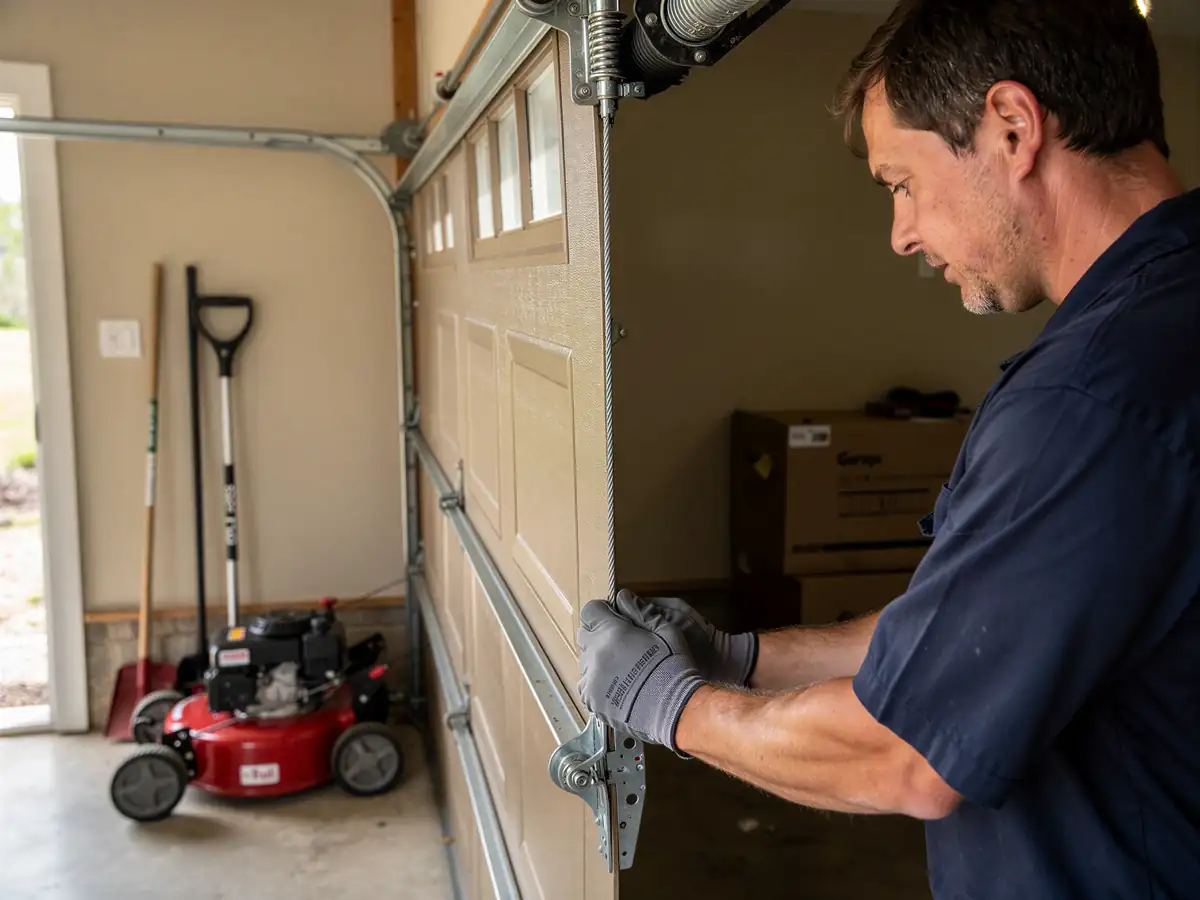
For a broken torsion spring, the job is pulling the old spring off the header shaft, matching wire size and length to the door's weight, and setting the new spring with the right number of turns - too few and the door won't hold itself open, too many and you've overstressed the hardware. On a door this old we also check the cables and the drums while we're up there, since a spring failure that old usually means the cables are close behind it. If the track is bent or the rollers are the original steel ones from 1971, we'll point that out, but we don't replace parts that are still doing their job just because they're old. Connecticut's winters run cold and hard, and cold steel contracts - a track that's a quarter inch out of plumb in July can bind in January. That's worth checking on any repair call out this way, not just a sales pitch to pad the invoice.
What Can Go Wrong
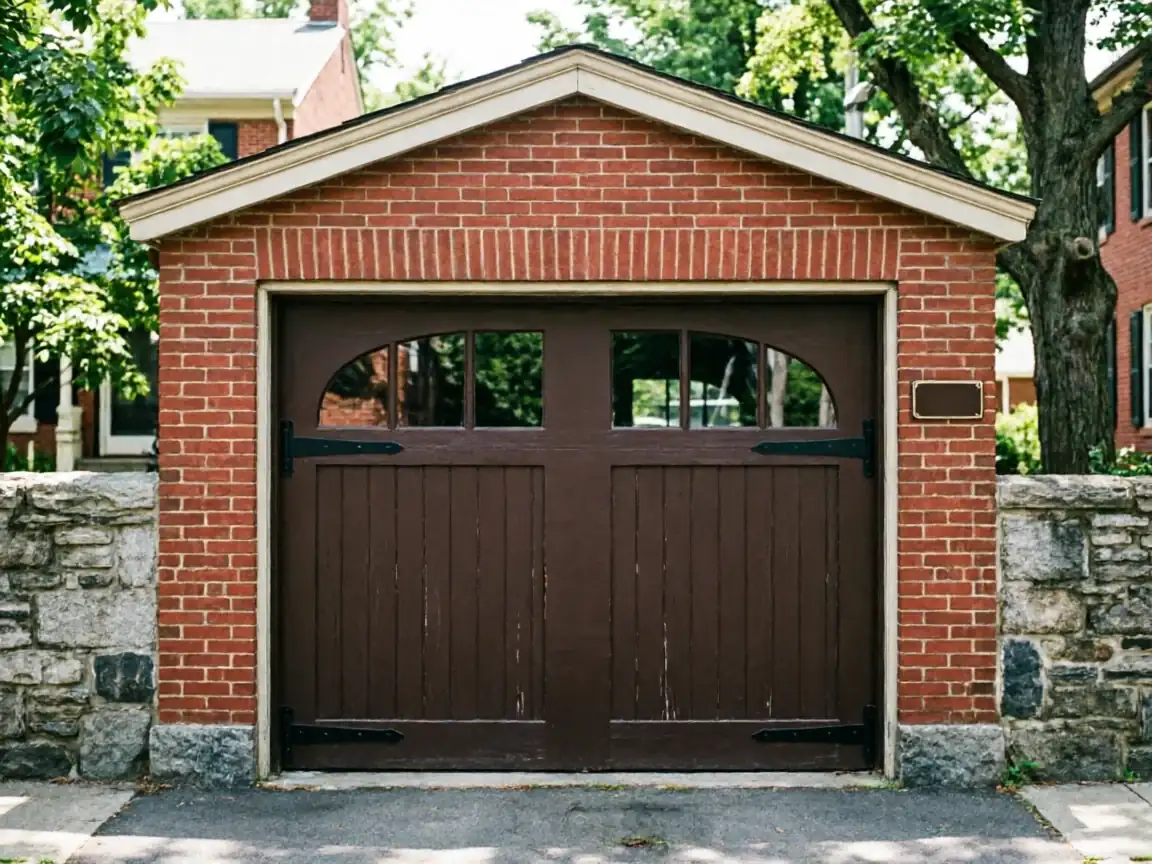
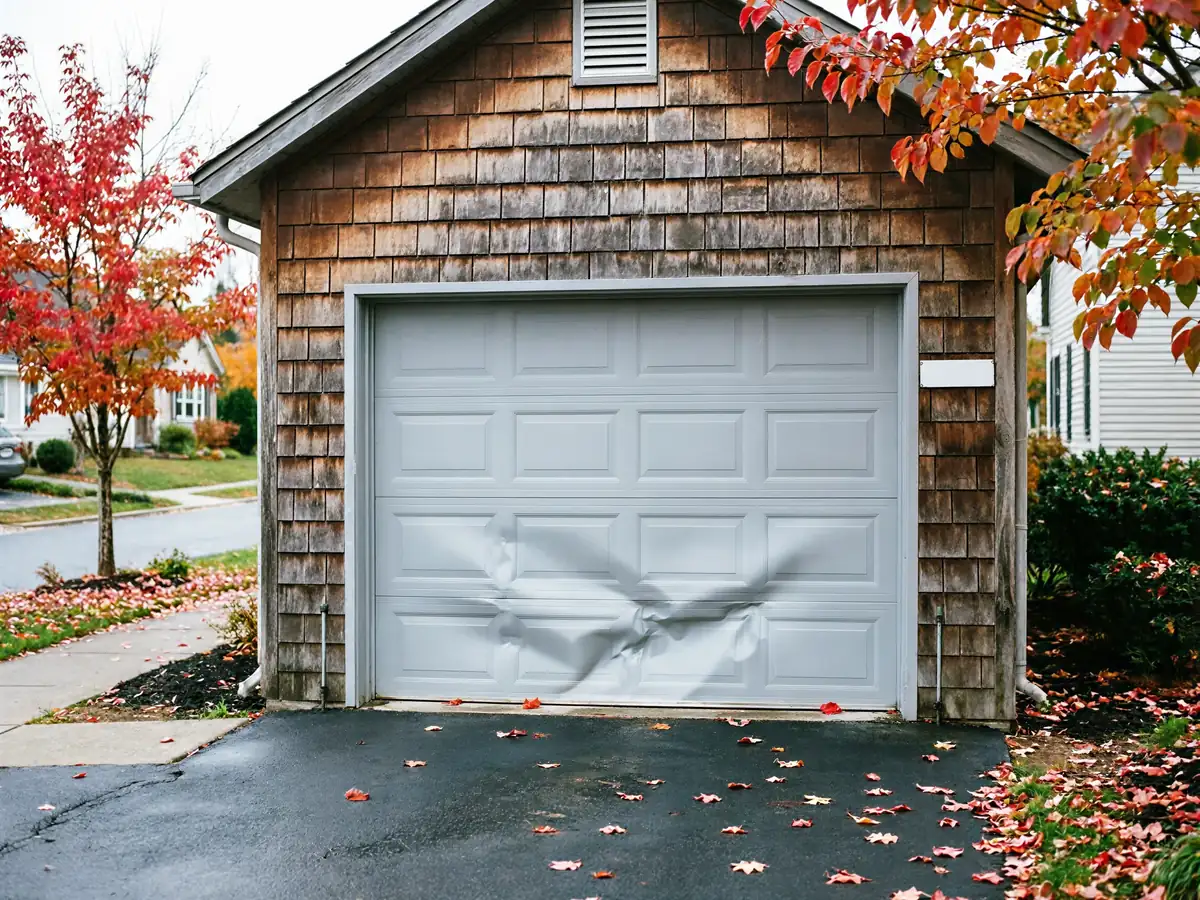
The biggest risk on a door this age is finding out mid-repair that the opening itself has shifted - houses built in the early 1970s have had fifty years to settle, and a header that's dropped even slightly means the new spring's turns won't be right the first time and need adjusting on a second visit. We've also seen panels on doors this vintage that look fine but are rusted through at the bottom where they meet the slab, which a spring repair won't fix and which usually means panel replacement is the honest answer instead of patching around it. Our limitation here is parts lead time: Naugatuck's stock of 1970s-era doors is thick enough that we keep common sizes on hand, but anything non-standard goes on order, and we won't pretend that's a quick fix. If your door is wide, oddly sized, or wood instead of steel, expect us to say so plainly rather than promise a same-visit repair we can't deliver.