How Long It Takes
We're honest about this one: we don't quote a Naugatuck-specific response window, because we travel from Shelton, about 13 miles out. What we can tell you is what the job itself takes once we're on site. A straight swap of an old chain-drive unit for a new opener, same rail, same mounting, usually runs under half a day. Add a new rail, reposition the header bracket, or run fresh wiring because the old unit was hardwired straight into a fuse box, and you're looking at closer to a full morning or afternoon. Naugatuck's housing stock, mostly built around 1971, tends to have the older style of ceiling mount with a shorter header board than newer construction, which sometimes means a bracket swap we can't price until we see it. We'd rather tell you that up front than promise a number we can't hold to from 13 miles away.
Parts We Carry
At a median household income of $92,184, Naugatuck sits well below the $130,180 average across the wider area we cover from Shelton, and that gap shapes what we bring on the truck more than anything else. We stock mid-range belt-drive and chain-drive openers rather than loading the truck with top-shelf smart units nobody local is asking to pay for. Belt-drive is worth the extra cost if the garage sits under or next to a bedroom, which is common in the smaller single-family layouts built here in the early 1970s. Chain-drive is the honest, lower-cost choice for a detached garage where noise doesn't matter. We also carry standard safety-sensor kits and wall consoles compatible with openers from that era, since a lot of what we're replacing in Naugatuck is original equipment that's simply worn out, not failed.
What the Fix Involves
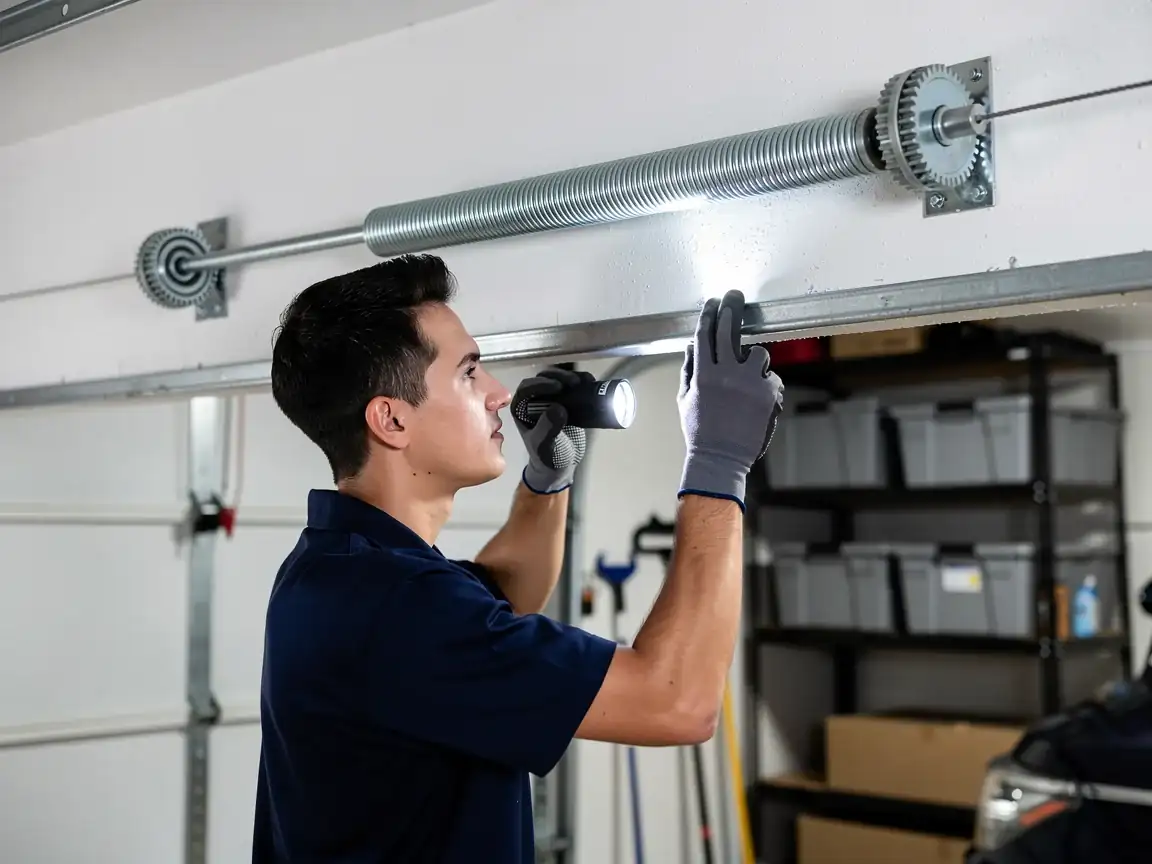
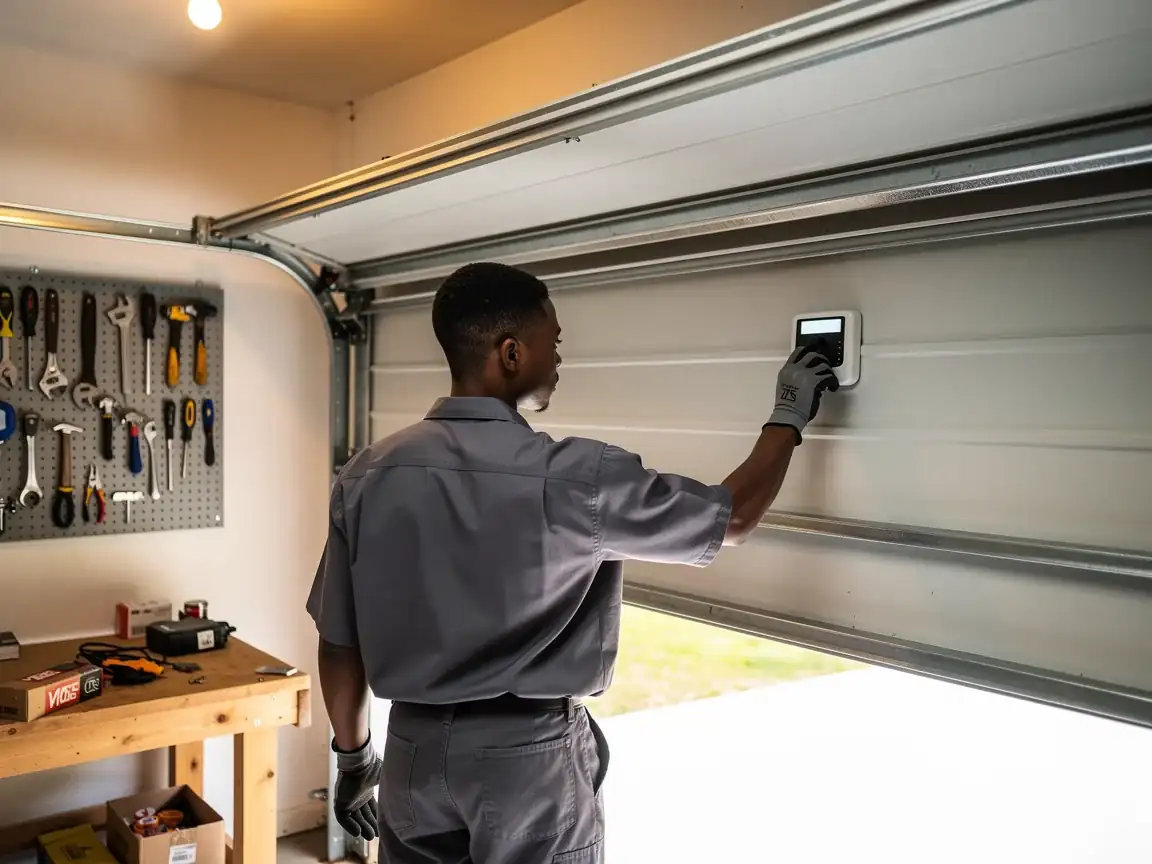
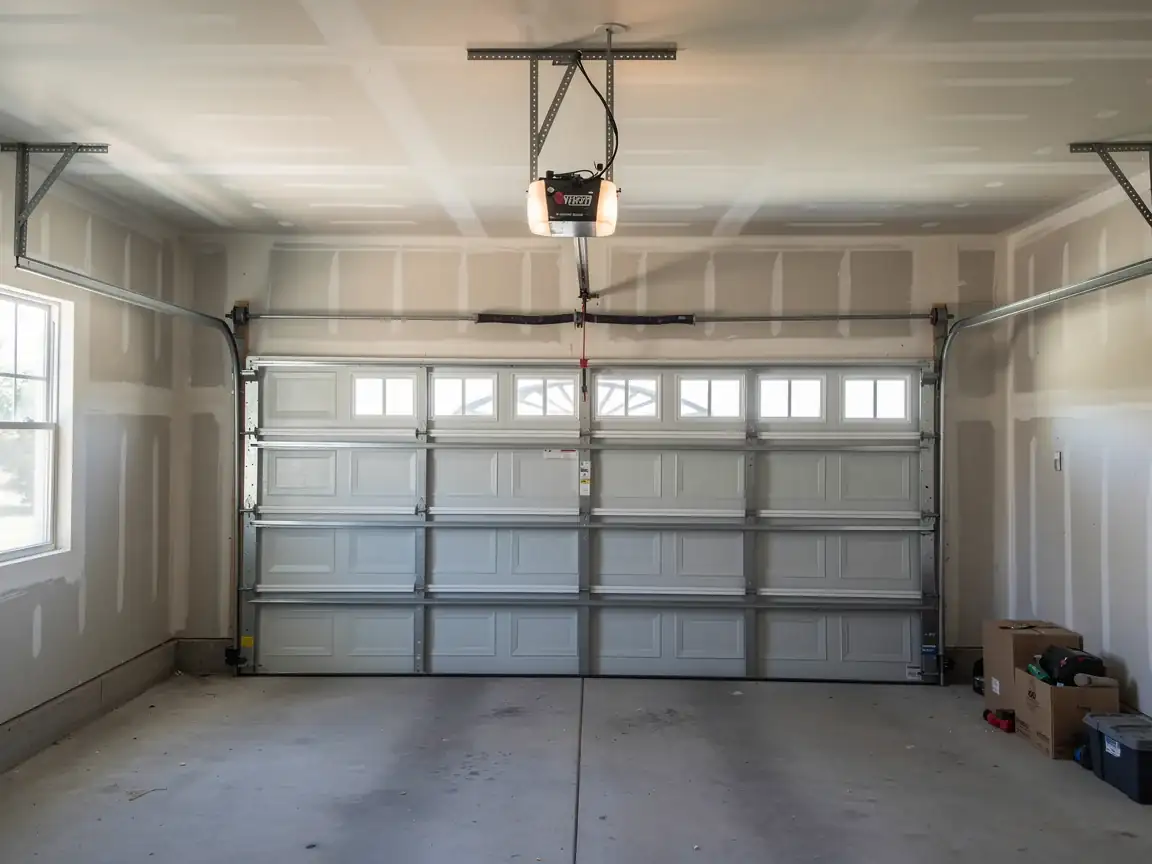
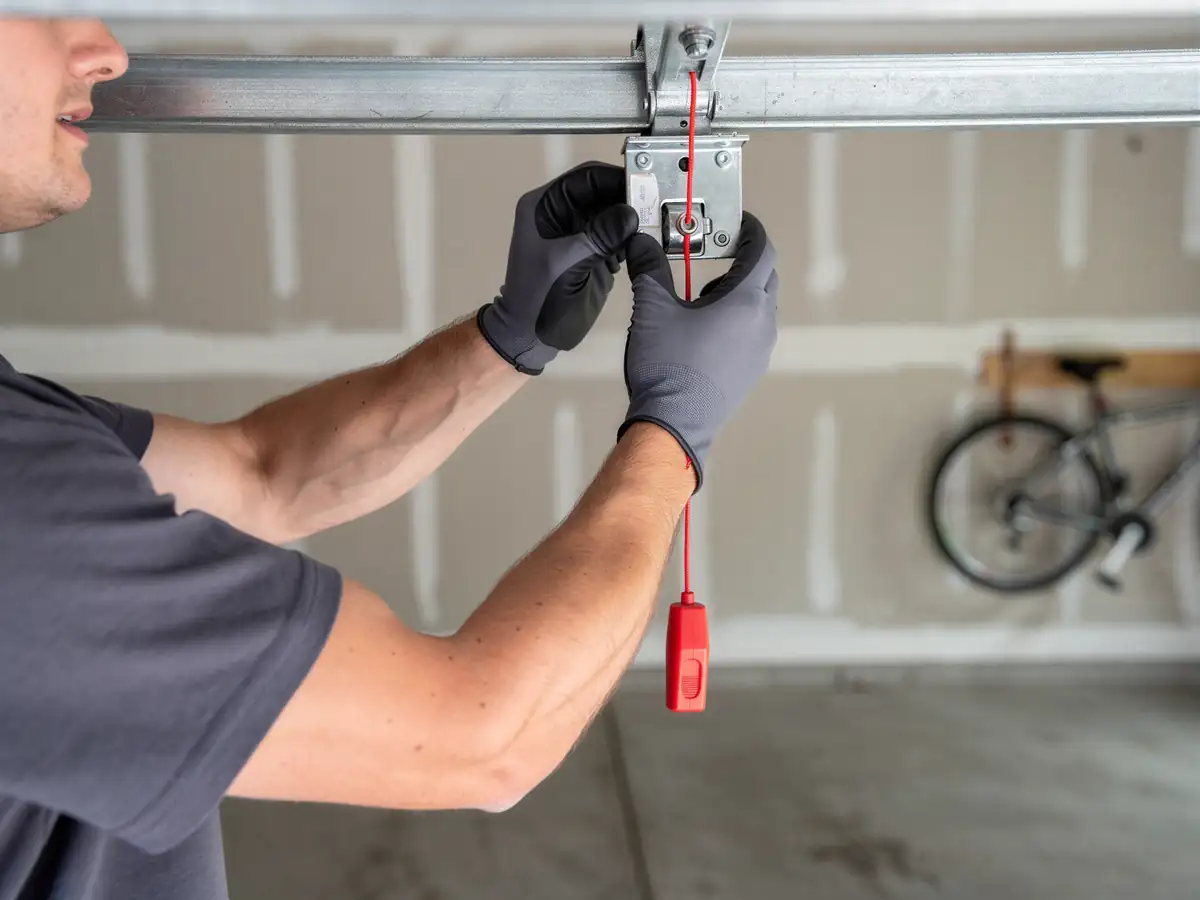
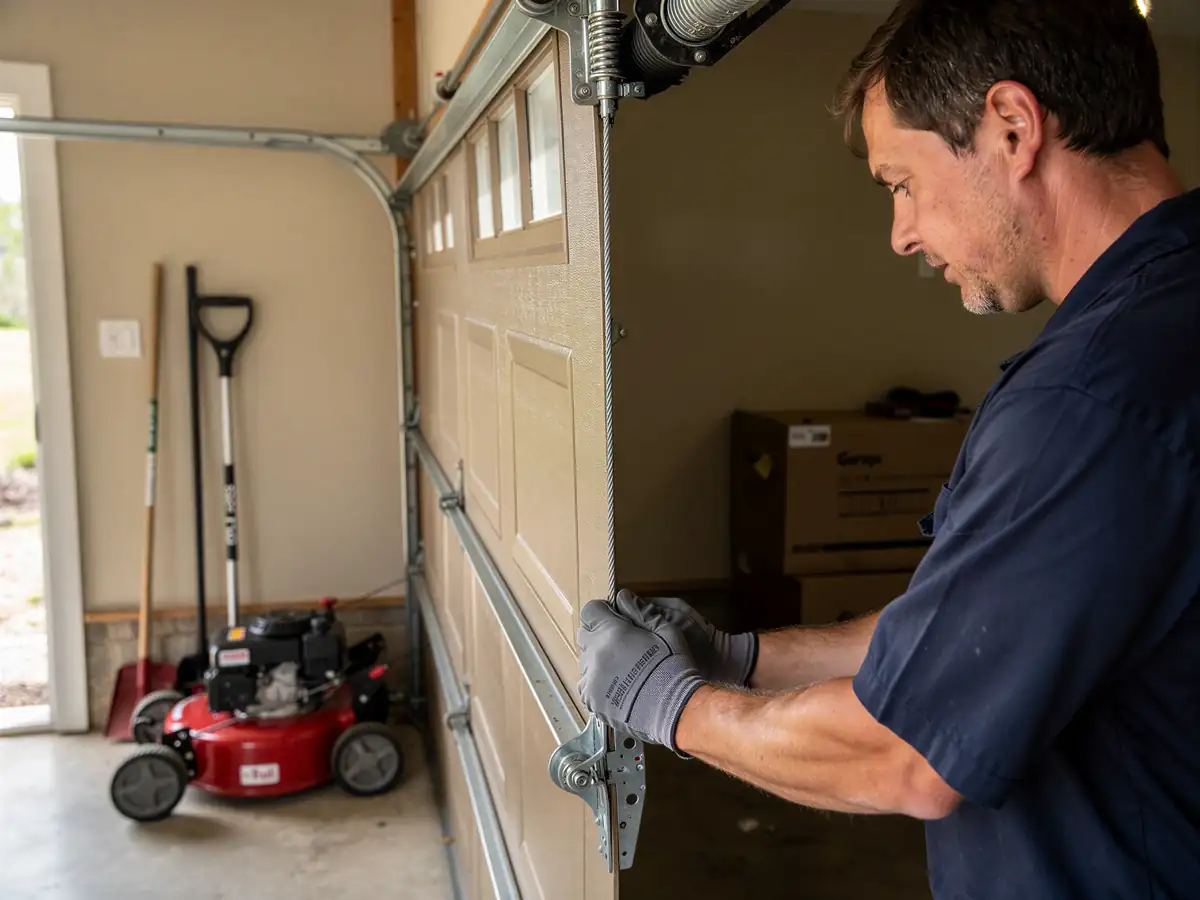
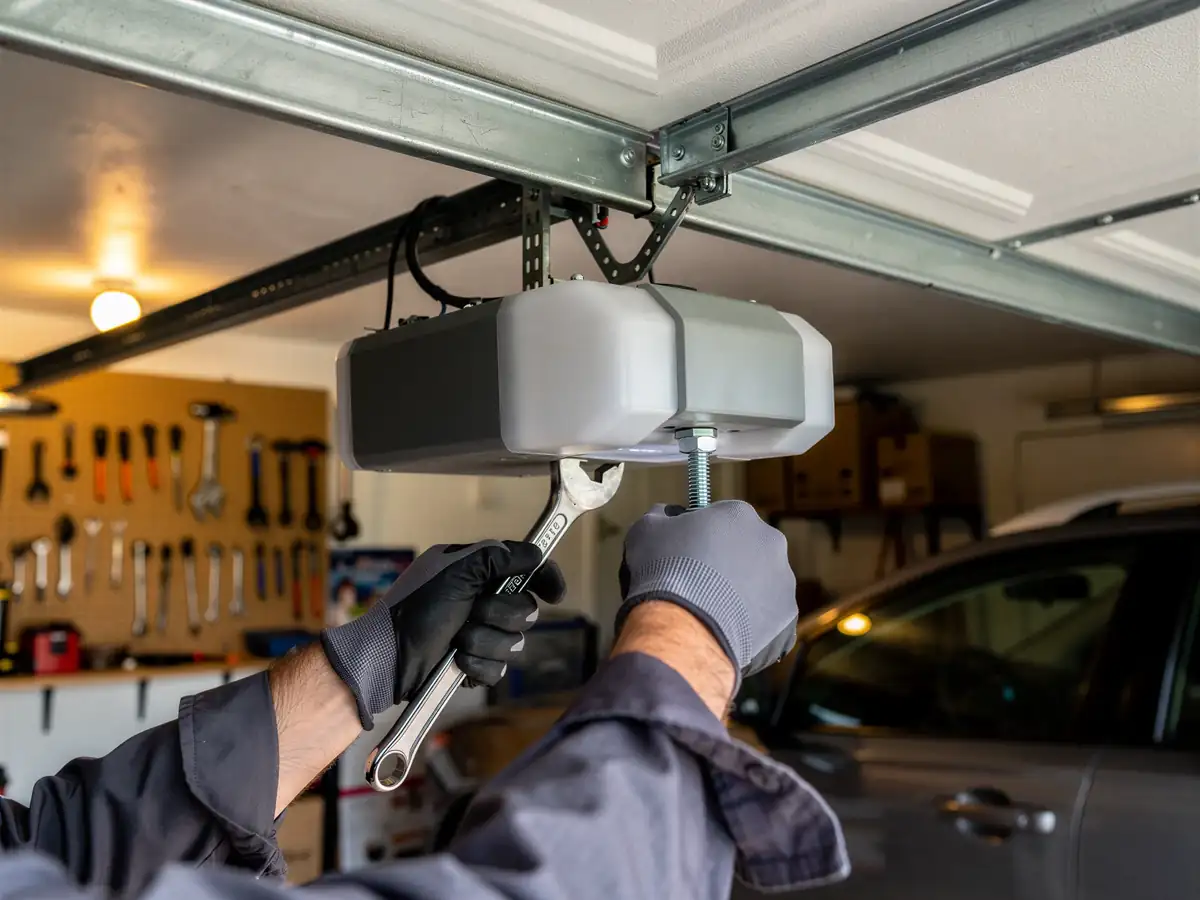
Installation means pulling the old unit, rail and all, down from the ceiling, mounting the new motor head, running the rail to the header bracket above the door, and wiring in the wall console and safety sensors at the base of the track. On houses from Naugatuck's 1971-median building stock, the header bracket is often original and undersized for a heavier modern opener, so we check it can take the load before we hang anything new on it. We also test the door's spring balance before the opener goes in. An opener is not built to lift a door that's out of balance on its own, and installing a new motor on an unbalanced door just moves the strain from the spring to the gear, and you're back to square one in a year.
What Can Go Wrong
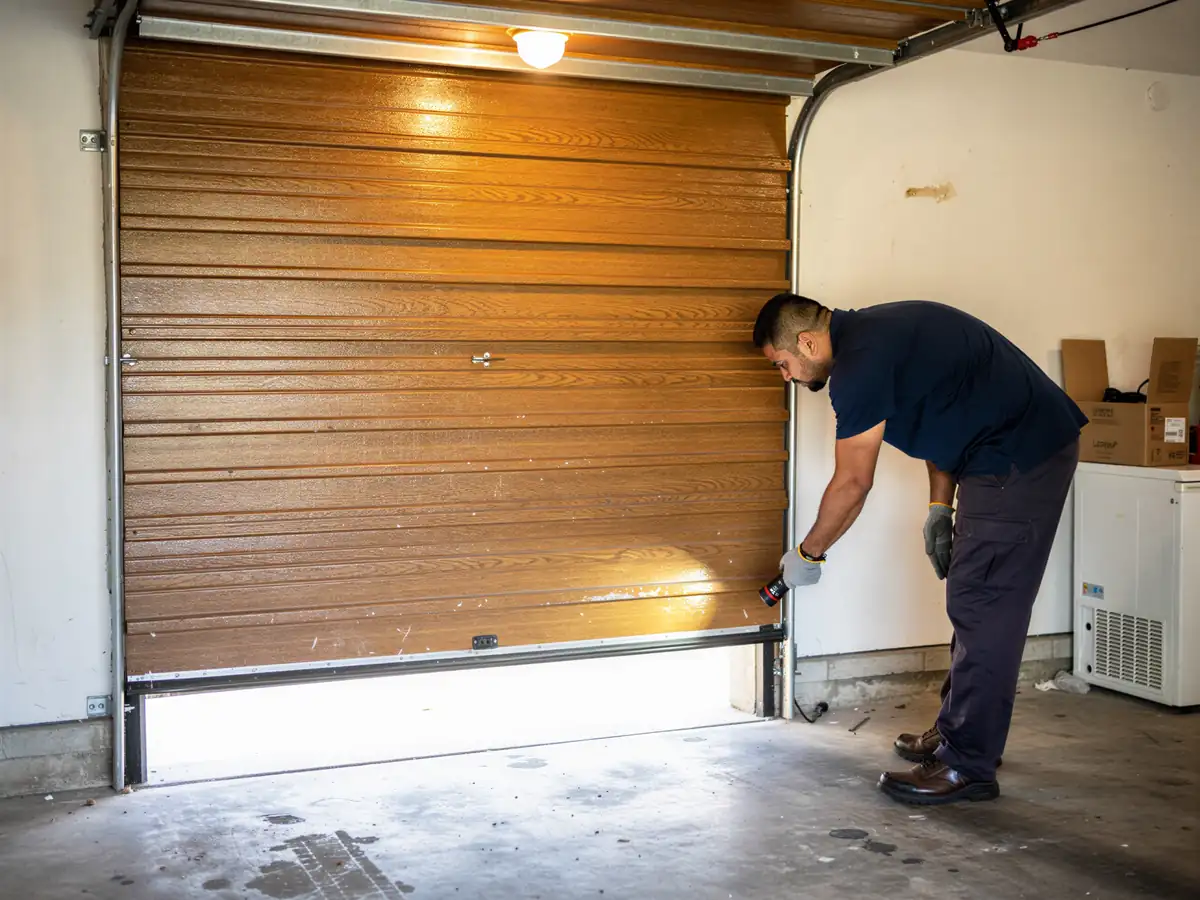
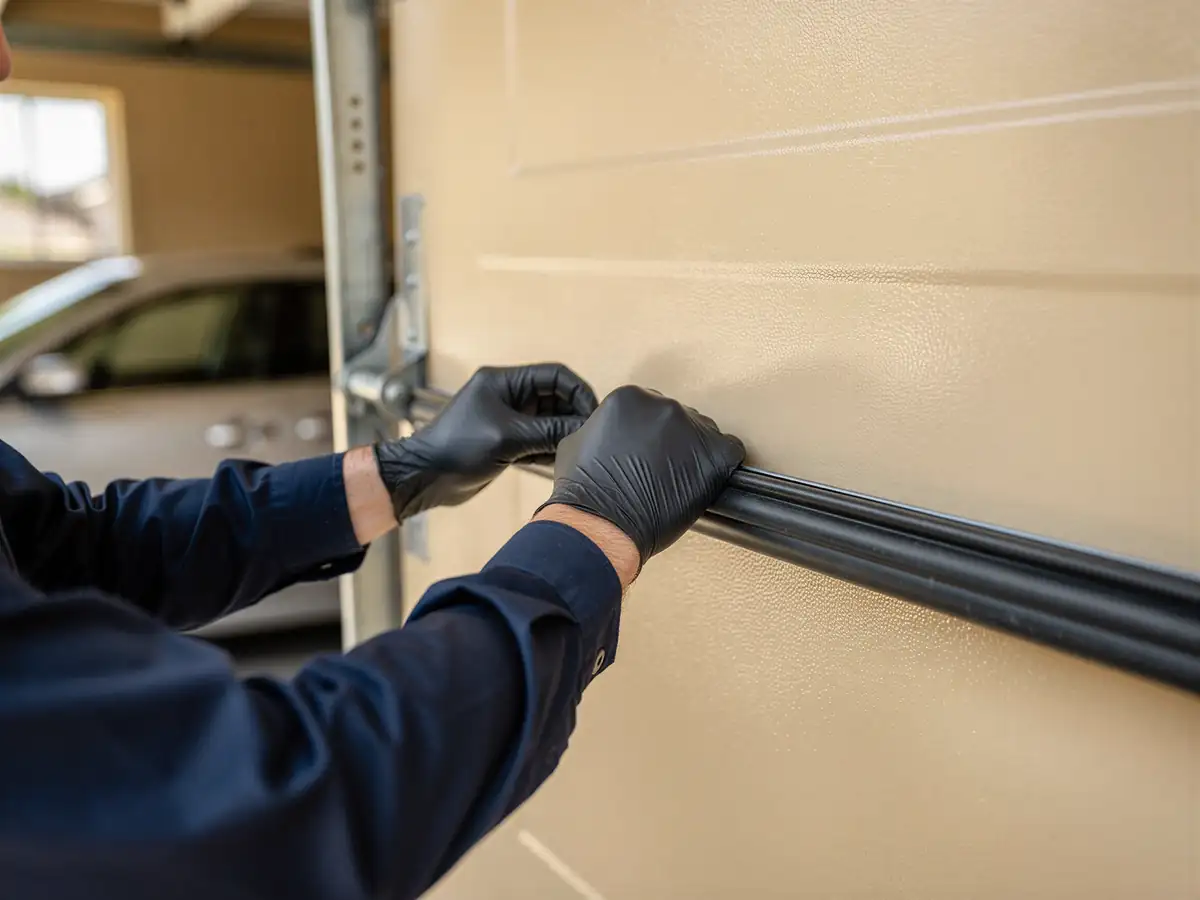
The most common surprise on an opener install in this area isn't the opener, it's what's behind it. Original 1970s-era door tracks can be bent just enough that the door binds, which an old worn-out opener was straining to push through and a new, stronger opener will push through just as hard, making the bind worse, not better. We also run into garages with a single outlet shared with a freezer or a sump pump, which trips the breaker under an opener's start-up draw. Neither of those is a reason to skip the install, but both add time and sometimes a small added cost we won't know until we're looking at the actual setup, not a photo.